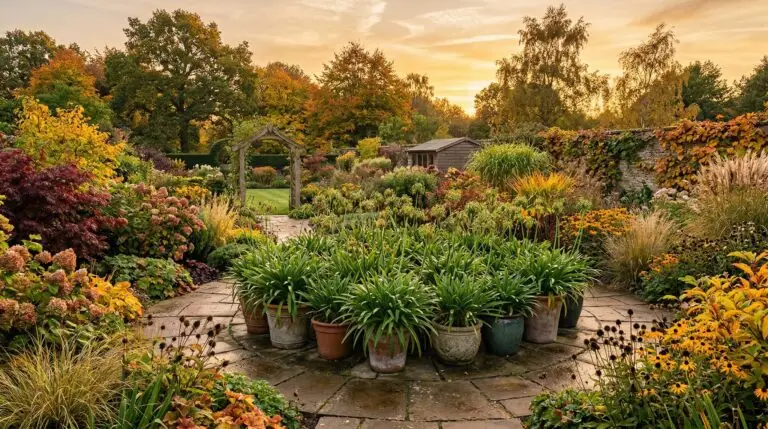
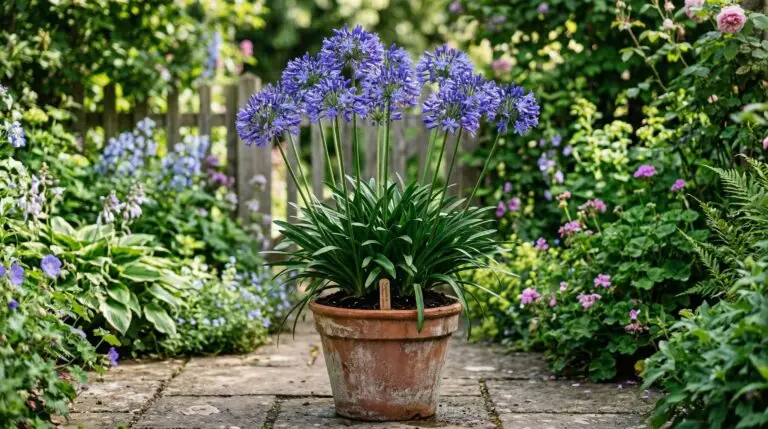
Late afternoon light slants across a manicured lawn, catching the spherical heads of agapanthus as they rise above a sea of softer blooms. There is a distinct architectural grace to these flowers, with their tall, naked stems ending in an explosion of tiny trumpet-shaped blossoms. Gardeners have long relied on the Lily of the Nile to anchor summer borders, but these blue and white globes are increasingly finding their way into the hands of brides. As agapanthus wedding flowers gain traction among floral designers, they bring a sense of tailored elegance to celebrations. The deep cerulean and crisp white varieties offer a cool counterpoint to the heat of a July or August wedding day. Holding an agapanthus bouquet feels like carrying a piece of a formal estate garden down the aisle. The sheer geometry of the bloom commands attention without overwhelming the softer, more romantic elements of the day.
Most people associate wedding floristry with heavily petaled, romantic blossoms that spill over the edges of ribbons and vases. Agapanthus introduces a completely different visual language to these traditional designs. The rigid, upright stems and perfectly rounded umbels provide a necessary framework that prevents an arrangement from looking messy or formless. Floral designers use these globes to establish height and structure, allowing softer elements to weave through and around the sturdy blue or white spheres.
Designing with structure and color
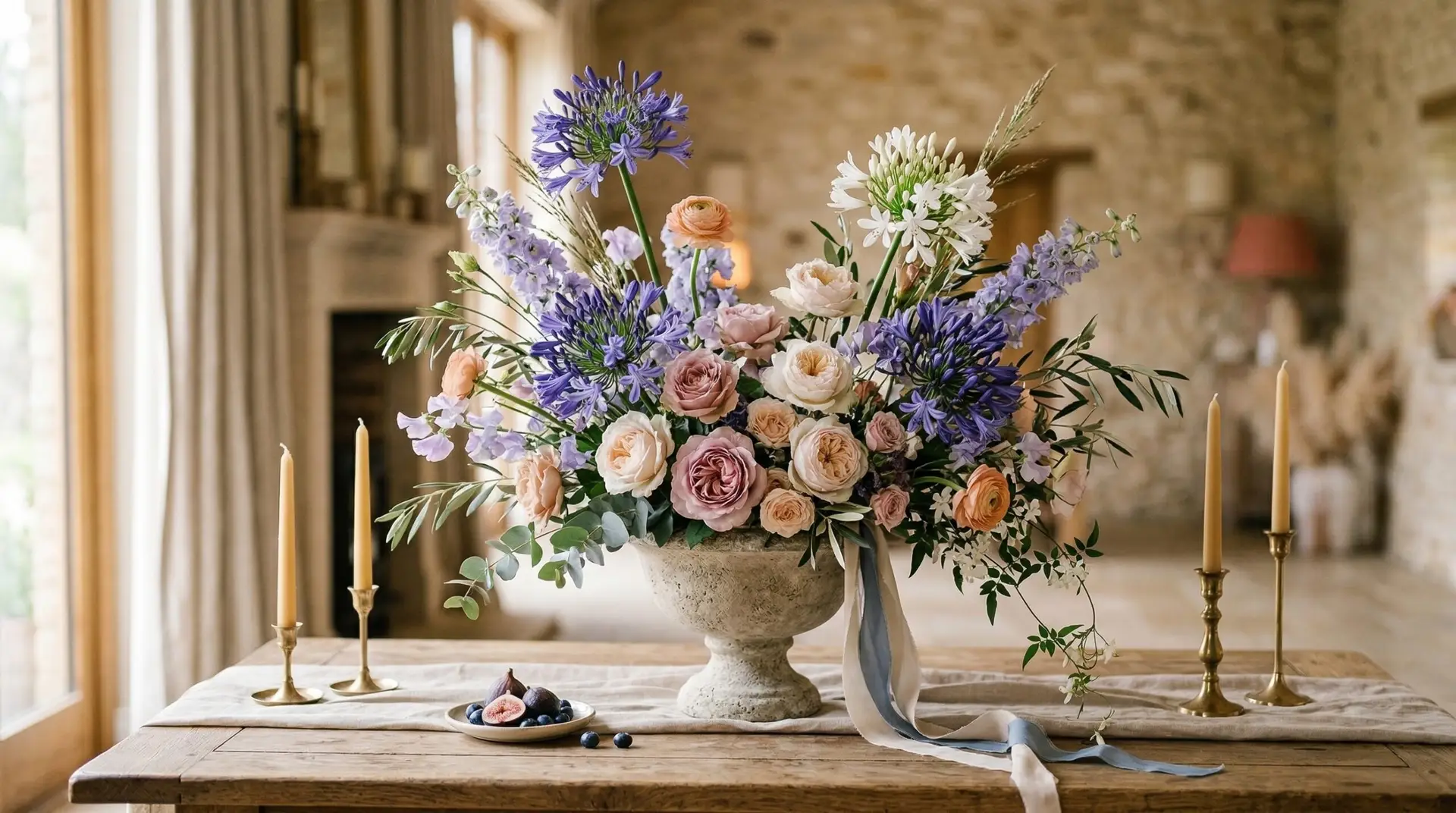
Creating agapanthus floral arrangements requires an understanding of how to balance strong geometric shapes with yielding textures. The blooms themselves are composed of dozens of individual florets radiating from a central point, creating a fireworks effect that draws the eye upward. When placed in tall glass cylinders or heavy stone urns, the stems draw a clean line that leads directly to the burst of color at the top. This verticality makes them highly useful for large-scale installations like ceremony arches or grand entryway pieces where visibility from a distance matters. The color palette of agapanthus includes the palest powder blue, deep indigo, and pure white, filling a notorious gap in the floral spectrum. True blue is a rare hue in nature, and finding flowers that carry this color with such authority gives designers a powerful tool for cooling down warm-toned venues. A cluster of dark blue agapanthus placed against a backdrop of pale stone or draped white linen creates an immediate visual anchor.
Translating this grand scale into a handheld bouquet requires a slight shift in technique. Designers often strip the lower leaves and cut the thick stems shorter, allowing the spherical heads to sit closer to the hands. When positioned low in an agapanthus bouquet, the individual trumpets seem to reach out and mingle with the surrounding petals. The secret is to surround the strong globes with flowers that offer contrasting textures and softer edges.
Pairing with garden classics
The true magic of floral design happens when opposing forms meet in the same vessel. The strict, spherical nature of agapanthus begs for the company of heavily ruffled, romantic blooms that can soften its edges. A classic peonies arrangement, with its massive, cloud-like heads, creates a rich textural contrast when punctuated by the starry bursts of white or blue agapanthus. The tight, glossy buds of the agapanthus provide a crisp counterpoint to the loose, tissue-paper petals of the peony. Similarly, weaving a traditional rose into the mix grounds the arrangement in classic wedding aesthetics while allowing the agapanthus to provide an unexpected modern twist. A bouquet containing pale blush garden roses alongside deep blue agapanthus creates a tension between warm and cool tones that feels sophisticated and intentional. The sturdy stems of both flowers hold up remarkably well under the stress of a long event, ensuring the arrangement looks as fresh during the last dance as it did during the first photographs.
While large blooms handle the bulk of the visual weight, delicate filler flowers complete the narrative. Tucking sprigs of trailing greenery or smaller, fragrant blossoms between the agapanthus heads breaks up the solid sphere of color. Designers often weave the waxy, star-shaped blooms of stephanotis through the arrangement to add a layer of sweet, heady perfume that agapanthus lacks. This combination of structural blue or white globes and tiny, fragrant stars results in a highly layered, sensory experience for the bride holding the bouquet.
From ceremony to reception tables
The transition from the ceremony space to the reception tables offers another opportunity to utilize the distinctive shape of these flowers. Agapanthus floral arrangements excel as tall centerpieces because their leafless upper stems do not block the lines of sight across a dining table. Guests can easily converse beneath the canopy of blue or white blossoms floating above them. The individual florets also have an impressive vase life, often lasting for a week or more after being cut from the garden. This durability is highly valued in event floristry, where flowers must survive hours out of water during setup and photography sessions. Even if a few lower florets fade, they can be easily plucked away without ruining the overall shape of the globe. The thick, fleshy stems store an ample supply of water, keeping the flower heads crisp and rigid through the hottest summer afternoons.
Long after the musicians have packed up their instruments and the linens are cleared away, the structural beauty of these arrangements remains. A few stems brought home and placed in a simple glass pitcher on a kitchen counter carry the memory of the day forward. The globes slowly open their final, tightest buds, releasing the last of their color into the quiet morning light. It is a quiet reminder that the most elegant designs often rely on the simple, unapologetic geometry found in a summer garden.
More About Agapanthus
The meaning and symbolism of agapanthus flowers across cultures
Why your agapanthus is not blooming and how to fix it
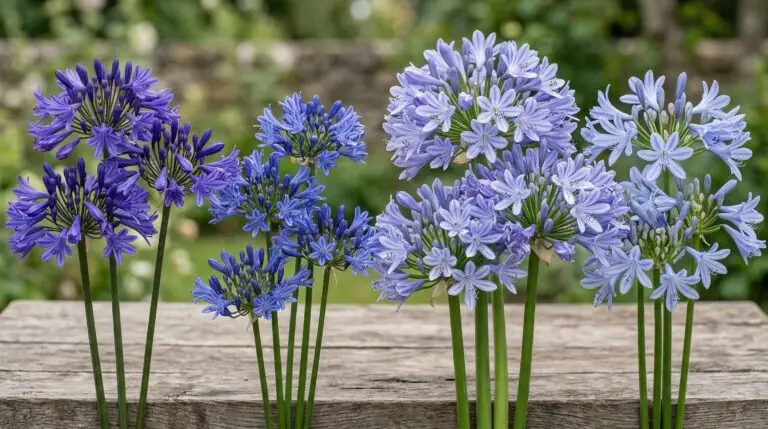
Evergreen versus deciduous agapanthus and which type suits your garden
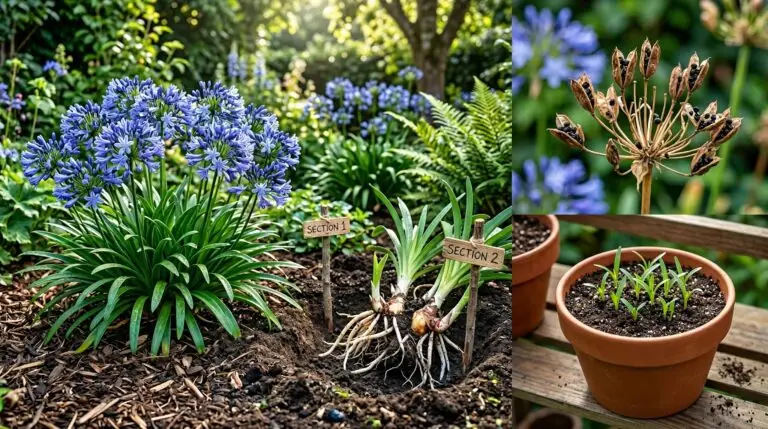
How to divide and propagate agapanthus for more plants every season
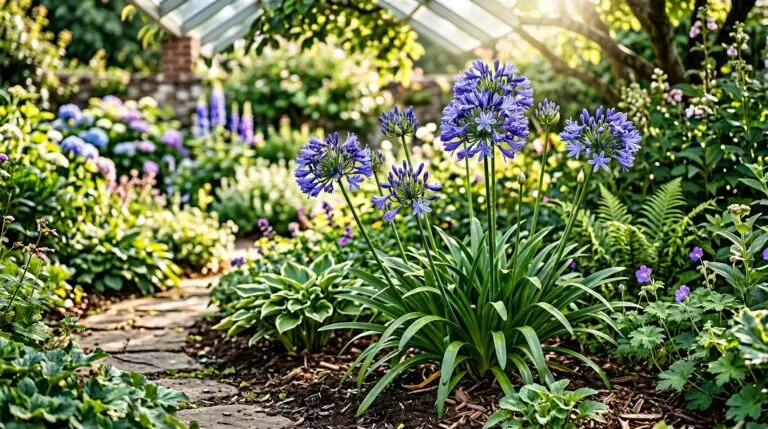
Growing agapanthus indoors as a striking houseplant that actually blooms
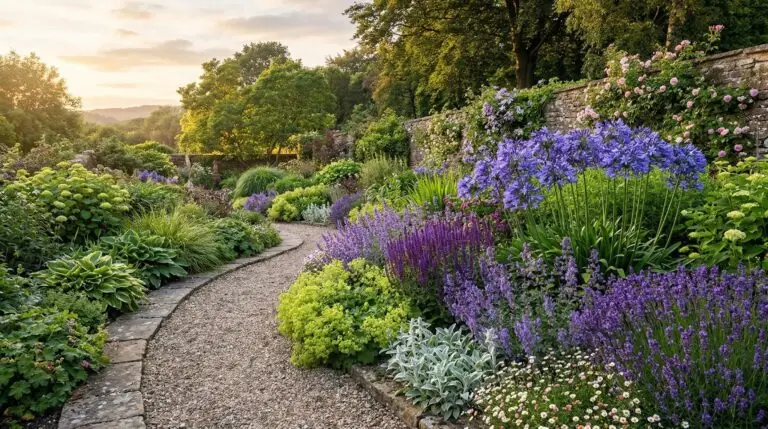
Companion plants for agapanthus: what to grow, avoid
How to grow agapanthus in pots and containers for a spectacular patio display