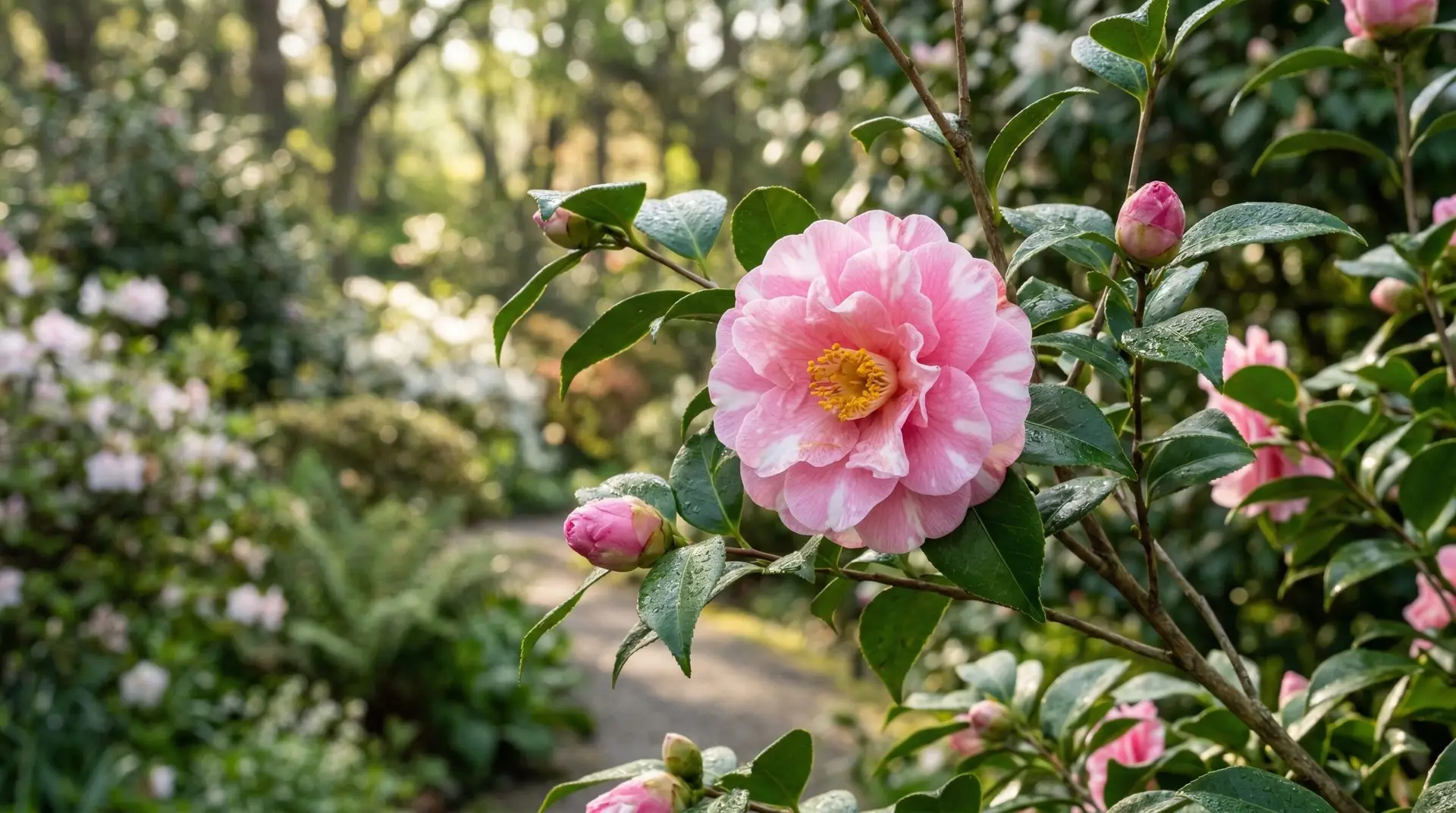
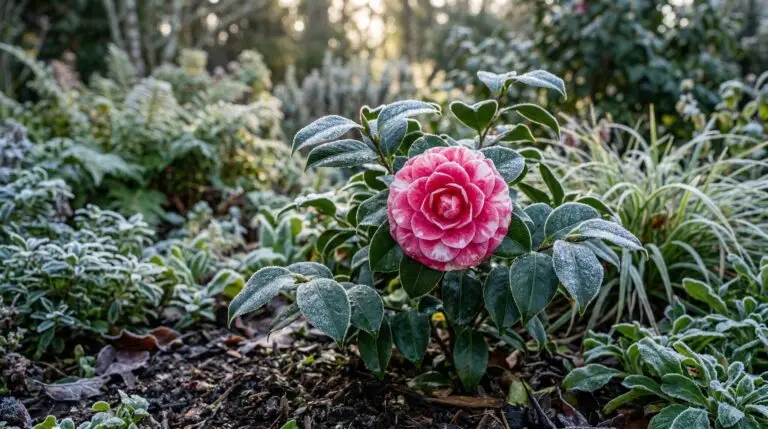
Growing conditions vary enormously across the United States, meaning that understanding your local context is the absolute foundation of success with any broadleaf evergreen. In the humid Southeast, a camellia faces challenges like fungal petal blight that gardeners in the dry Mountain West never encounter. Conversely, gardeners attempting to cultivate a winter camellia in Zone 6 face severe freezing temperatures and desiccating winter winds that southern growers cannot even imagine. For decades, these plants belonged strictly to warm climates, leaving northern gardeners to admire them only in conservatories or mild coastal regions. Modern breeding has shifted this boundary significantly, but pushing a plant beyond its traditional hardiness zone requires careful attention to local weather patterns. Growing camellia in cold climate regions is entirely possible today, provided you select the correct genetics and manipulate your garden conditions to buffer against the worst winter extremes.
Selecting a camellia cold hardy enough for northern zones
The traditional species found in southern gardens will simply not survive a northern winter, making cultivar selection the single most important decision for cold-climate growers. Breeders recognized this limitation and began crossing standard varieties with the exceptionally tough Camellia oleifera species to capture its cold tolerance. This work resulted in several reliable series of plants that can withstand temperatures down to minus ten degrees Fahrenheit when properly established in the yard. The ‘Ice Angels’ series, developed in Pennsylvania, offers excellent options that bloom reliably in regions where older varieties would suffer severe dieback and bud drop. Similarly, the ‘April’ series provides spring-blooming options bred specifically to survive Zone 6 winters while maintaining their glossy green foliage through the darkest months. These specialized hybrids often bloom slightly later in the spring or earlier in the fall than their southern cousins, helping their delicate buds avoid the deepest freezes of midwinter.
Siting plants to utilize garden microclimates
A plant rated for Zone 6 might survive in an open field in Kentucky, but that same plant needs a sheltered microclimate to thrive in an exposed Ohio or New York garden. The placement of your shrub dictates its exposure to prevailing winter winds, which strip moisture from evergreen leaves faster than frozen roots can replace it. Northern gardeners often assume a south-facing wall is the warmest and therefore best location, but winter sun hitting frozen leaves actually causes severe tissue damage through rapid thawing. The ideal location in a cold climate is typically a north-facing or east-facing exposure that provides shelter from afternoon sun and harsh westerly winds. Planting under the canopy of deep-rooted deciduous trees or near tall conifers offers a natural windbreak and traps radiant heat from the soil overnight. Much like an azalea planted at the edge of a woodland garden, a camellia benefits immensely from this dappled shade and structural protection against extreme temperature swings.
Adapting soil chemistry and managing seasonal moisture
Soil conditions play a massive role in winter survival, as poor drainage combined with freezing temperatures will kill roots long before the cold damages the foliage above ground. Heavy clay soils common in the Midwest hold too much water during winter dormancy, requiring gardeners to plant on slopes or build raised berms to ensure rapid drainage. These plants require acidic soil with a pH between 5.5 and 6.5, a condition naturally present in the Southeast but often lacking in regions with limestone bedrock. In alkaline soils common across the Midwest and Southwest, you must add elemental sulfur months before planting to lower the pH to the correct range. You can treat their soil requirements much like you would a gardenia, ensuring plenty of pine bark or compost is incorporated to hold moisture during the active growing season. Deep watering in late autumn is also absolutely necessary, as sending an evergreen shrub into a freezing winter with dry roots guarantees severe foliar burn by February.
Active winter protection for young shrubs
Even the most cold-hardy cultivars need physical protection during their first three to five winters in the ground while their root systems establish deep below the frost line. You can construct a simple windbreak by driving three wooden stakes into the ground around the plant and wrapping them with breathable burlap before the first hard freeze. The burlap should block the prevailing wind and shade the foliage from winter sun, but it should never touch the leaves or trap heat like a plastic cover would. A heavy layer of pine straw or oak leaf mulch applied after the ground freezes will insulate the shallow feeder roots and prevent the soil from repeatedly thawing and heaving. As the plant matures and develops thicker bark, you can gradually reduce this physical protection, allowing it to stand on its own alongside other cold-tolerant evergreens like a hellebore blooming through the snow. Ultimately, observing how frost settles in your yard and understanding your specific regional challenges allows you to stretch the boundaries of your climate zone. This principle of microclimate management applies to any planting project, helping you adapt general advice to the exact reality of your own soil and weather.
More About Camellia
Camellia japonica versus camellia sasanqua and choosing the right one for your garden
Best camellia varieties for Southern gardens from fall through spring blooms
Common camellia diseases including petal blight and scale and how to treat them
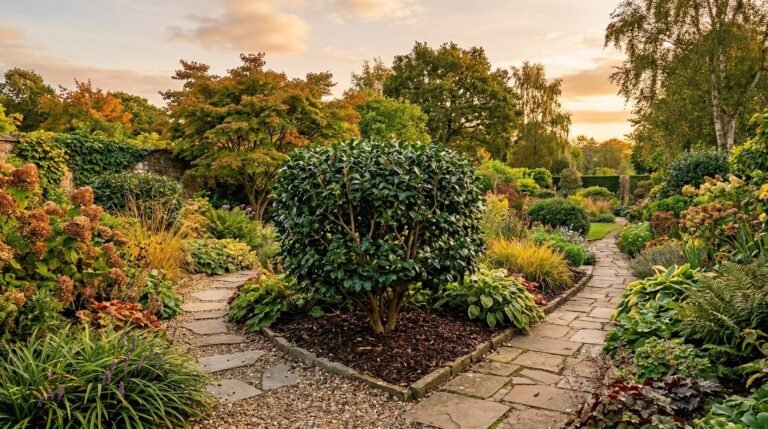
How to prune camellias for shape and size without sacrificing next season’s flowers
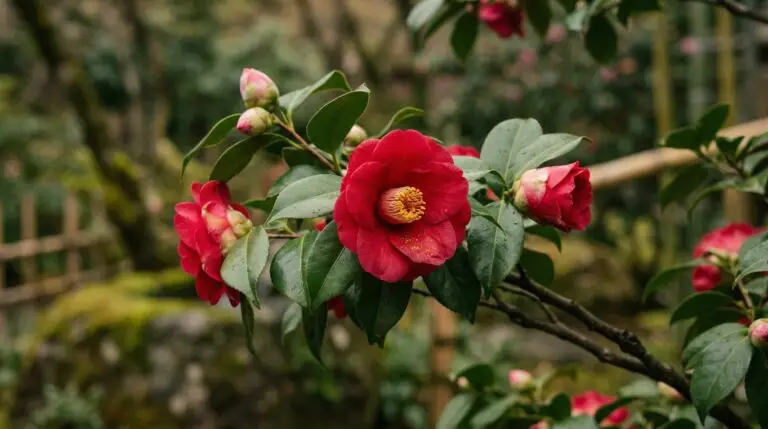
Camellia flower meaning in Japanese tea ceremony culture and garden traditions
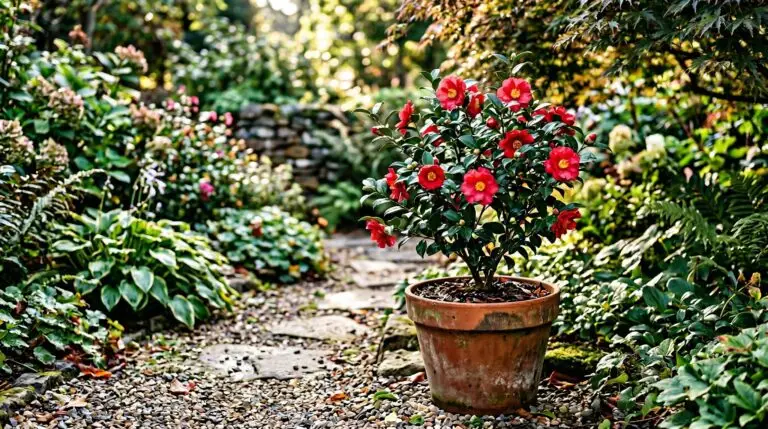
Growing camellias in containers for patios and northern gardeners who want blooms
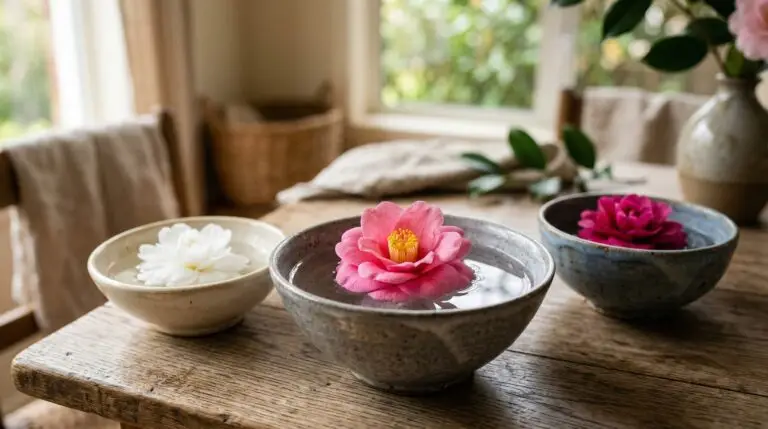
Using camellia flowers for floating arrangements and simple winter table decor
Why camellia buds drop before opening and how to prevent bud blast