One of the first things gardeners ask when they start growing cornflowers is whether those bright blue blooms are actually safe to eat. The answer is a definitive yes, as these flowers have been used safely in kitchens and apothecaries for centuries. People often wonder what an edible cornflower tastes like before they sprinkle it on their food. The flavor is very mild, slightly sweet, and faintly clove-like, which makes it incredibly versatile in the kitchen. Because the taste does not overpower other ingredients, you can use these petals in both sweet and savory dishes without altering the fundamental flavor profile of your recipe. They act more like a colorful confetti than a heavy seasoning, letting the main ingredients shine.
The natural follow-up question is how exactly you should prepare these flowers for eating once you bring them inside. You do not want to eat the entire flower head, because the green base, known as the calyx, is quite bitter and chewy. Instead, you just want the colorful petals that make up the brush-like top of the bloom. You simply pinch the base of the flower with one hand and pull the tuft of petals straight out with the other. They release easily, giving you a handful of bright pieces ready for your kitchen projects. By the way, you should always wash your flowers gently before pulling the petals, preferably by swishing the whole blooms in a bowl of cold water and letting them air dry on a paper towel.
Using cornflower petals for cake decorating and drinks
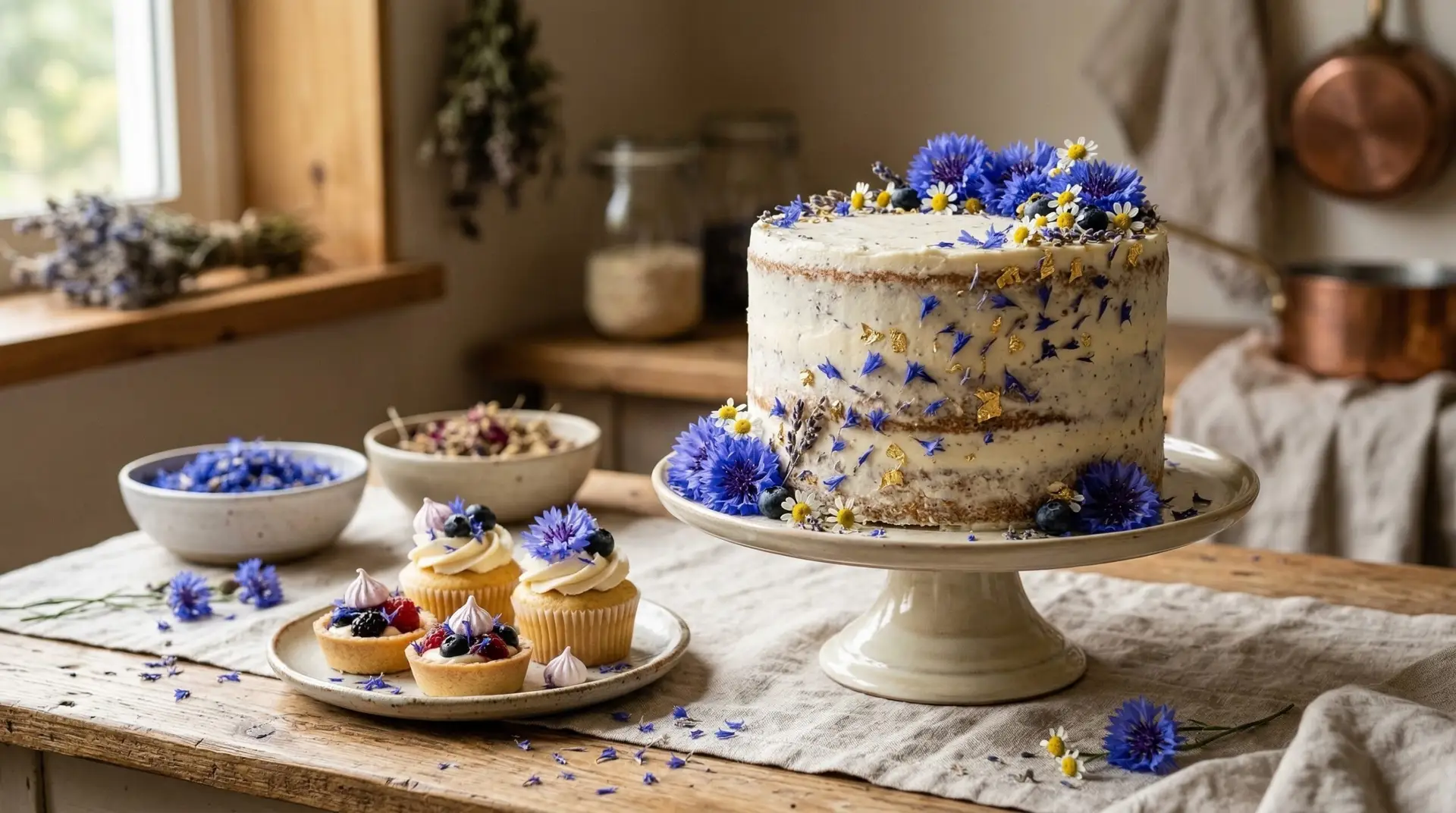
This leads to something many growers wonder about when planning a party, which is how to use cornflower cake decorating techniques effectively. Fresh petals look beautiful scattered across buttercream frosting, but they will wilt if you apply them too far in advance. If you are baking a cake for an event, you should press the fresh petals into the frosting just an hour or two before serving. Some bakers prefer to crystallize the whole edible flower garnish with egg white and superfine sugar. This traditional technique preserves the shape and allows you to decorate days ahead of time. The bright blue color holds up incredibly well against white or pale yellow frosting, creating a strong contrast without the need for artificial food dyes.
People also ask if these flowers work in beverages and savory dishes as well as they do in desserts. Cornflower petals make an excellent cocktail garnish because they float beautifully on top of liquid and do not bleed their color into the drink. You can freeze the petals into ice cubes for a subtle splash of color in lemonade or gin and tonics. In the savory realm, tossing a handful of blue petals into a green salad adds visual interest right before you bring the bowl to the table. If you want to expand your edible flower garden, you might consider adding Love-in-a-Mist, which produces seeds with a nutmeg flavor. You could also plant Chrysanthemum for a more pungent, earthy addition to Asian-inspired salads.
Growing your own culinary flower garden
When people realize how expensive it is to buy tiny plastic clamshells of edible flowers at the grocery store, they usually ask how hard it is to grow cornflowers specifically for the kitchen. The good news is that these plants are incredibly easy to start from seed directly in the garden bed. However, since you plan to eat the harvest, you must grow them organically from day one. You cannot use systemic pesticides or chemical foliar sprays on plants destined for your dinner plate. You should rely on natural pest control methods, like encouraging beneficial insects, to keep your flower patch healthy. It is also wise to make sure you source seeds that are not treated with fungicides, as organic seed ensures a clean start for your culinary garden.
A common curiosity among first-time growers is when exactly they should harvest the flowers for the best culinary results. The ideal time to pick an edible cornflower is in the mid-morning, right after the dew has dried but before the hot afternoon sun hits the garden. Flowers harvested at this time have the highest water content and will stay crisp longer in your kitchen. You want to select blooms that are freshly opened, avoiding any that look faded or have brown edges on the petals. Snip the stems cleanly with sharp scissors and place them immediately into a jar of cool water until you are ready to process them. Frequent harvesting actually encourages the plant to produce more blooms, so picking flowers for your salads and cakes will keep the plant productive for weeks.
Preserving the harvest for tea blends and later use
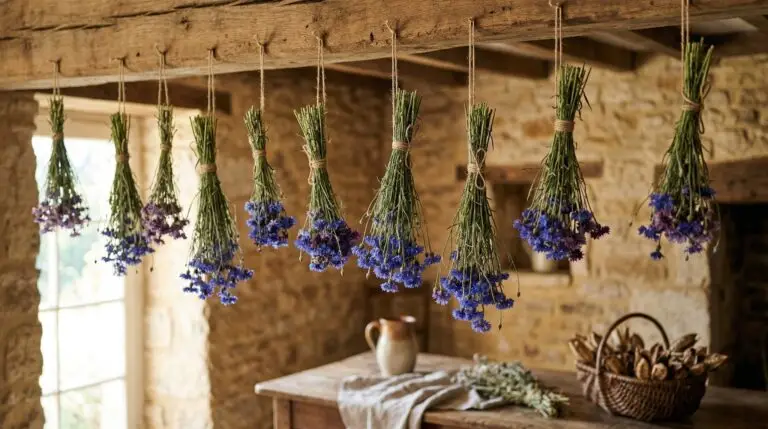
Once the garden starts producing heavily, the next logical question is whether you can save the extra flowers for winter use. Cornflower petals dry exceptionally well and retain their bright blue color much better than many other garden flowers. You can spread the plucked petals on a screen in a dark, well-ventilated room for a few days until they are completely crisp. Store the dried petals in an airtight glass jar away from direct sunlight to prevent fading. These dried petals are a classic ingredient in Earl Grey tea blends, adding visual appeal to the dark tea leaves. You can also mix them with dried Lavender buds to create a fragrant, colorful herbal infusion that tastes wonderful hot or iced.
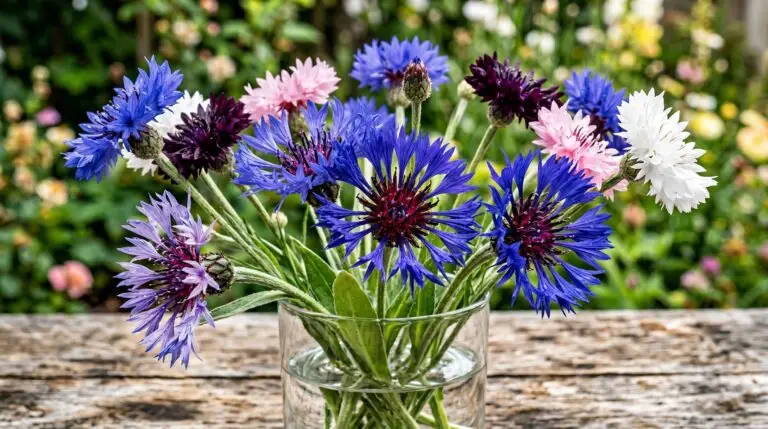
A question you might not have considered yet is whether the color of the cornflower changes its safety or flavor in the kitchen. While the traditional bright blue is the most famous, cornflowers also grow in shades of pink, white, and deep maroon. All of these colors are equally safe to eat and share the exact same mild, slightly sweet flavor profile. You can grow a mixed packet of seeds and use the different colors to color-coordinate your edible flower garnish with specific holidays or event themes. Mixing the dark maroon petals with the bright white ones creates a completely different visual effect on a cake than the classic blue. This gives you endless creative options from a single patch of garden dirt, allowing you to match your food presentation to any occasion.
More About Cornflowers
Cornflower companion plants: what to grow, and what to avoid
Cornflower meaning and the bachelor button tradition behind the name
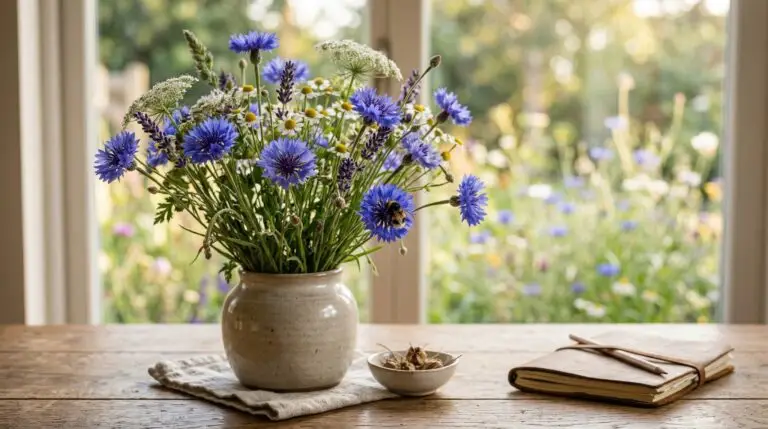
Cornflowers for wildlife gardens attracting bees goldfinches and beneficial insects
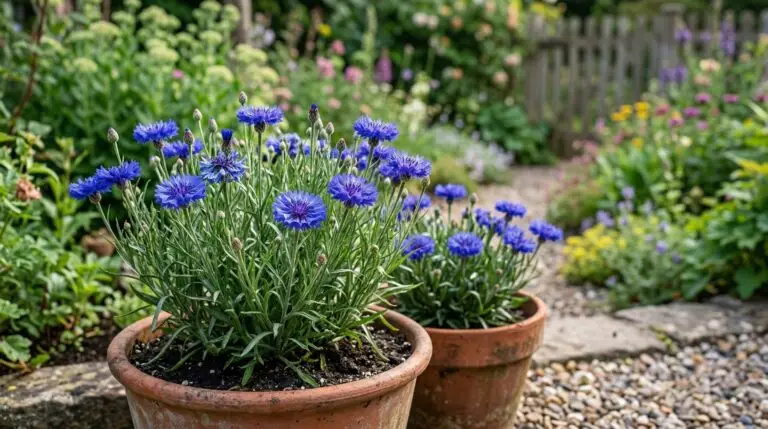
Growing cornflowers in containers for a wildflower look on balconies and patios
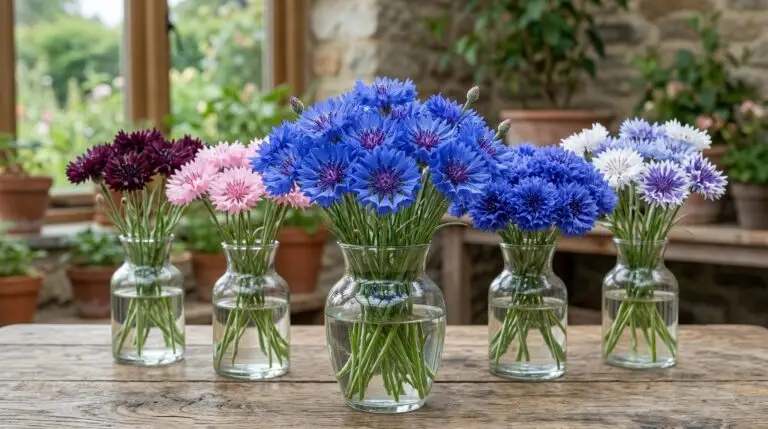
Best cornflower color varieties from classic blue to black and pink for cutting gardens
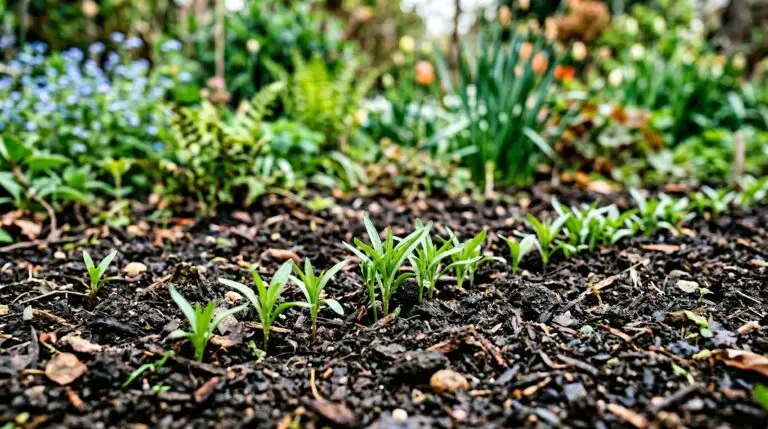
How to grow cornflowers from seed for a wildflower meadow that reseeds every year
Perennial cornflower species that come back year after year unlike the annual bachelor button
Growing cornflowers as cut flowers for charming cottage-style bouquets all summer