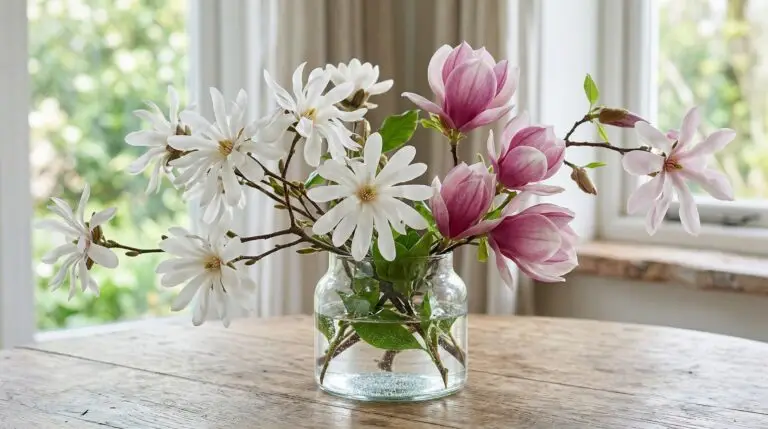
Late winter planning and the promise of spring
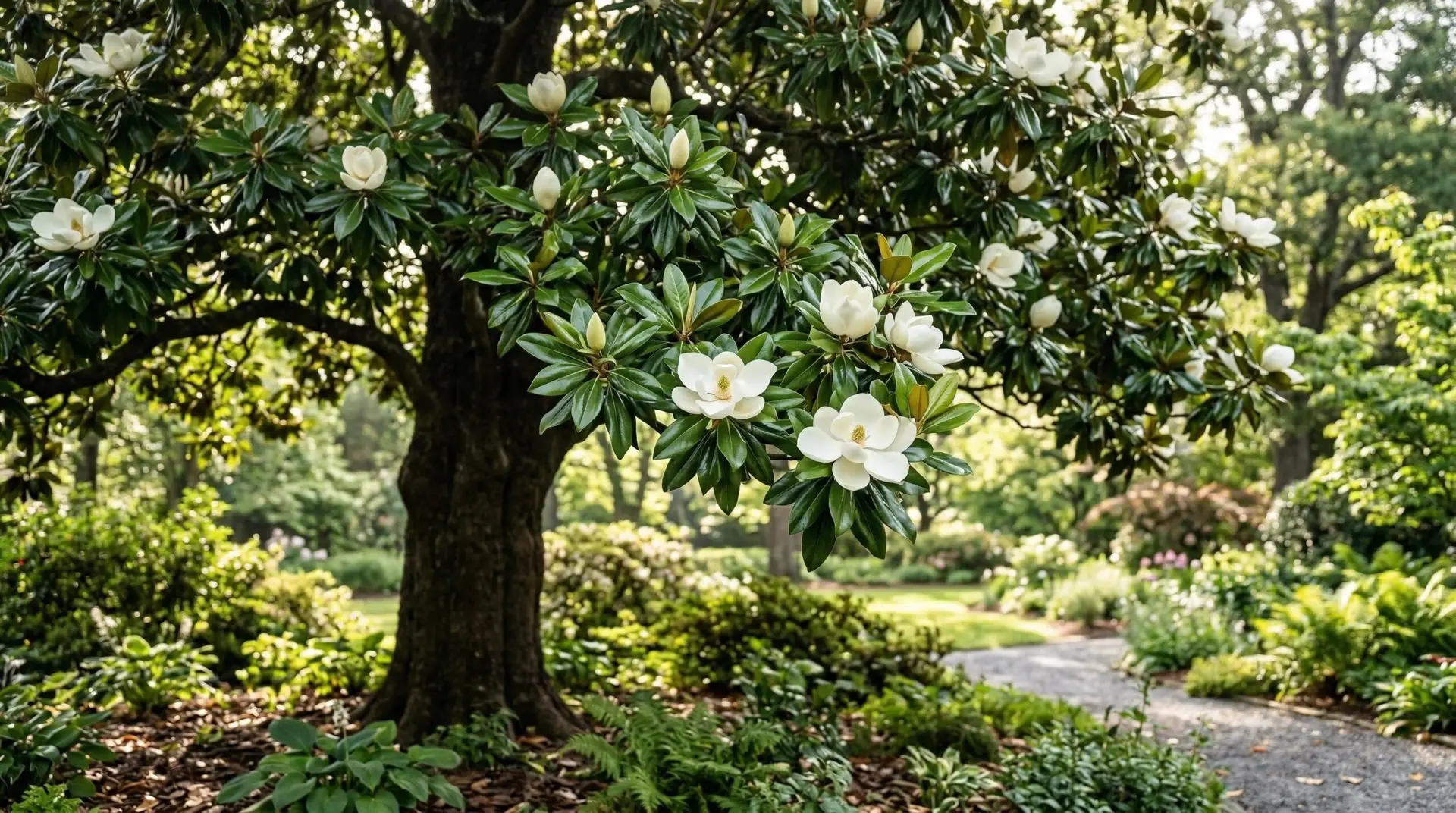
Start in late February. The ground is cold, but the southern magnolia stands tall with its thick, dark leaves. It is the time to plan for planting. You walk the yard, looking for a spot with enough room for a mature tree. The soil smells faintly of thaw, and the first robins are picking through the frost-heaved dirt. Planting a southern magnolia requires a commitment to space, as these trees cast a dense, permanent shade. You dig a wide, shallow hole, making sure the root flare will sit just above the soil line. The young tree goes into the ground while the air still holds a chill, giving the roots time to settle before the heat arrives.
For those with smaller yards, late winter is the time to source a compact cultivar like Little Gem. This smaller evergreen magnolia offers the classic look but fits into tighter garden corners. Gardeners in northern climates also use this quiet season to assess winter damage, checking for windburn on the leathery leaves. The days slowly lengthen, and the angle of the sun shifts higher in the sky.
Spring renewal and the shedding of old leaves
When you hear the spring peepers calling from the wet ditches at night, the southern magnolia begins its active year. You might expect an evergreen tree to hold its foliage forever, but spring brings a heavy drop of old, copper-backed leaves. The ground beneath the tree becomes carpeted with these stiff, dry leaves that take a long time to decompose. This is a natural part of the growth cycle, making room for the fresh foliage pushing out at the tips of the branches. You rake the leaves away or run a mower over them to return their nutrients to the soil. At the same time, new leaf buds unroll in a bright, tender green that contrasts sharply with the mature canopy. You keep a close eye on soil moisture, watering deeply once a week to help newly planted trees establish their root systems.
The garden around the tree wakes up in a wave of color and activity. You might see the bright blooms of a camellia opening in the dappled light nearby, sharing the acidic soil preference of the magnolia. The spring rains wash the dust from the glossy evergreen leaves, leaving them shining in the afternoon sun. The energy in the yard shifts from quiet preparation to rapid, visible growth.
Summer heat and the heavy lemon perfume
By midsummer, the air grows thick and humid across the American South, and the southern magnolia reveals its true character. The massive flower buds swell at the ends of the branches, looking like pale green eggs resting on dark platters. When the morning sun hits the canopy, these buds break open into enormous, creamy white blossoms. The scent is immediate and unmistakable, a heavy lemon perfume that drifts across the yard on the warm air. You can smell the flowers long before you walk under the dense shade of the branches. The blossoms last only a few days each, turning brown and dropping their thick petals into the grass below. The tree continues to produce new flowers in waves throughout the hottest months, providing a steady supply of nectar for foraging beetles and bees.
The deep shade cast by a mature Magnolia grandiflora creates a cool refuge during the dog days of summer. Very little grass will grow in the dark, dry soil directly beneath the canopy, so you learn to leave the area bare or covered in a thick layer of pine straw. The sweet, citrus-heavy scent of the magnolia flowers often mingles with the fragrance of a nearby gardenia bush, defining the sensory experience of a warm evening. The cicadas drone loudly from the upper branches, marking the peak of the growing season.
Autumn seed pods and preparing for the cold
As the evenings finally cool and the crickets replace the cicadas, the magnolia transitions into its fruiting stage. The center of each faded flower develops into a fuzzy, cone-like structure that slowly matures through the early fall. By October, these cones split open to reveal bright red seeds suspended by thin, silky threads. You watch as migrating birds, especially woodpeckers and mockingbirds, land in the branches to pluck the fat seeds from the pods. The tree requires less water now, and you taper off your irrigation to let the wood harden before the first frost. For gardeners pushing the boundaries of the tree’s hardiness zones northward, this is the time to apply a thick layer of mulch over the root zone. The deep mulch regulates the soil temperature and protects the shallow roots from sudden freezes.
The garden begins to quiet down as the deciduous trees around the yard drop their leaves and bare their branches. The evergreen magnolia stands out again, a solid wall of green in an increasingly gray and brown world. You clean up the fallen seed pods and gather the last of the dropped leaves to keep the lawn tidy. The days grow short, and the angle of the light turns sharp and golden against the glossy foliage.
Winter rest and the continuation of the cycle
Winter arrives with heavy frosts and short, cold days, but the southern magnolia holds its ground. The thick, leathery leaves are built to withstand freezing temperatures, often curling slightly inward when the thermometer drops. When a rare snow falls, the broad leaves catch the flakes, creating a striking contrast of white powder against the dark, rust-backed foliage. You brush the heavy, wet snow off the lower branches of young trees to prevent the wood from snapping under the weight. The tree is dormant above ground, asking nothing of you but a quiet observation of its strong, architectural form. Beneath the frozen soil, the wide, shallow root system rests quietly in the dark. And then, just as the coldest winds of January sweep through the yard, the roots below are already storing energy for the next spring.
More About Magnolia
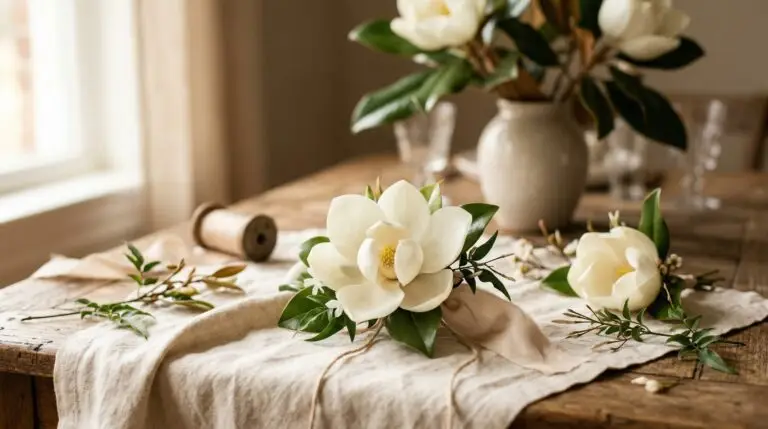
Magnolia in wedding decor and the southern tradition of magnolia bridal flowers
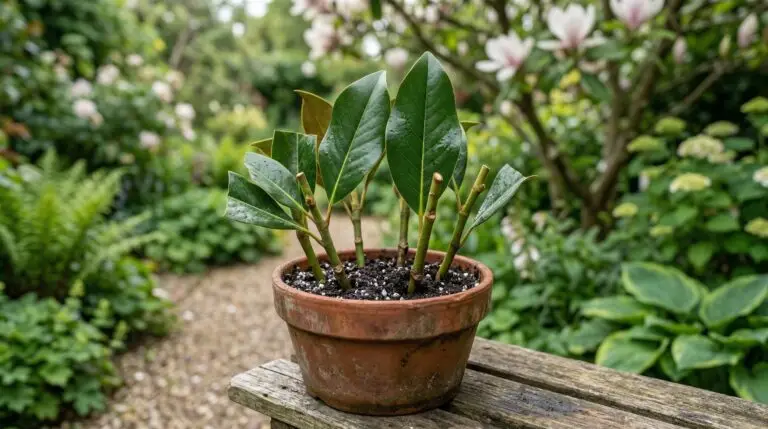
How to propagate magnolias from cuttings and layering for new trees from your favorite
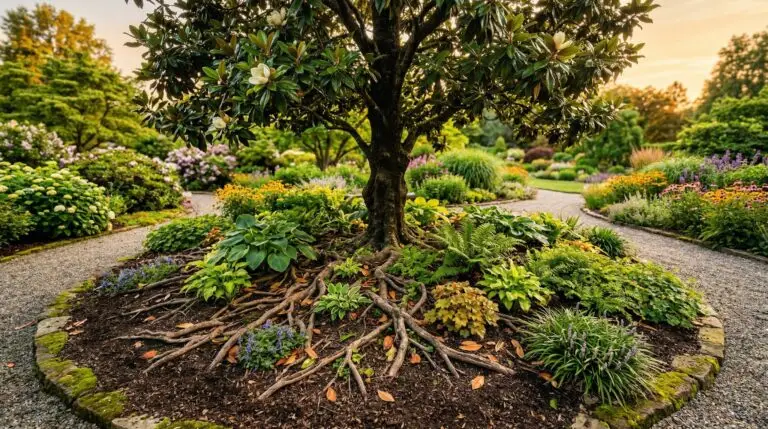
Companion plants for magnolia trees: what to grow and avoid
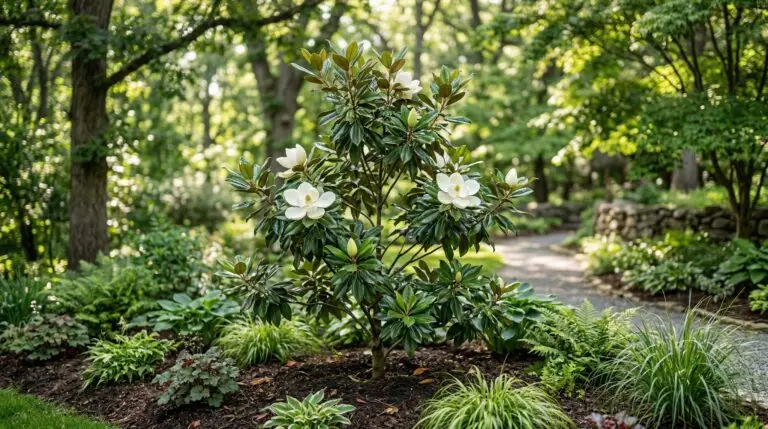
How to grow magnolia trees for breathtaking spring blooms on bare branches
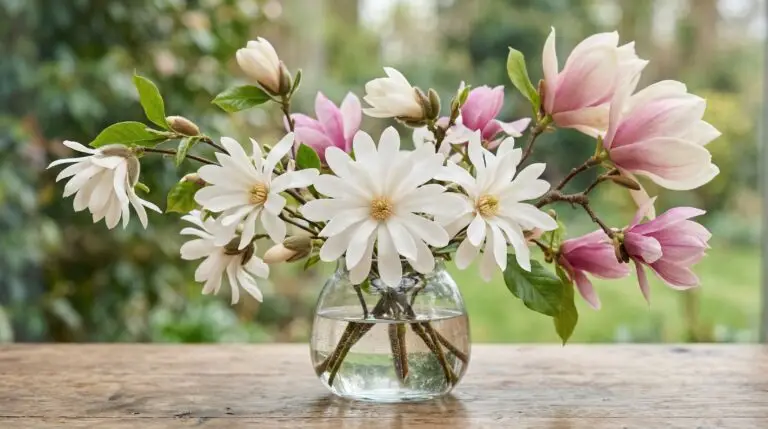
Small magnolias for compact gardens that fit any yard with room to spare
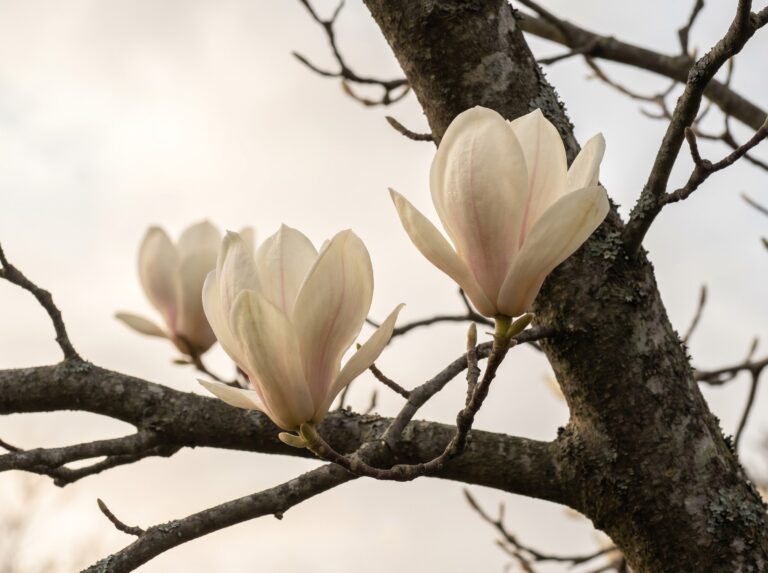
Magnolia meaning, from dignity and perseverance to its place in the American South
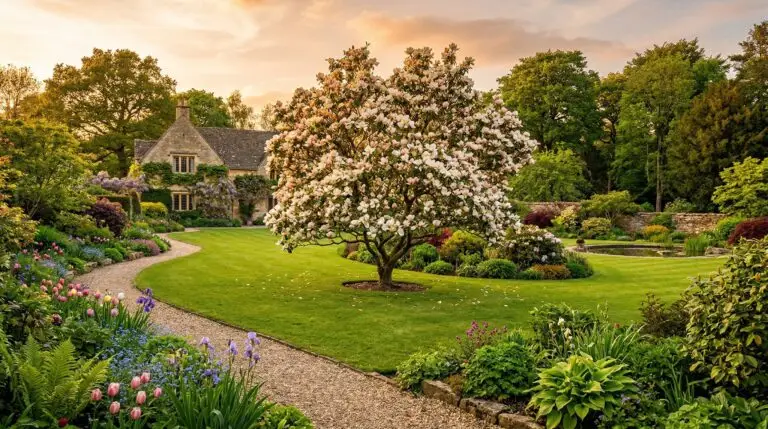
Magnolia trees in landscape design and placing them for maximum dramatic impact
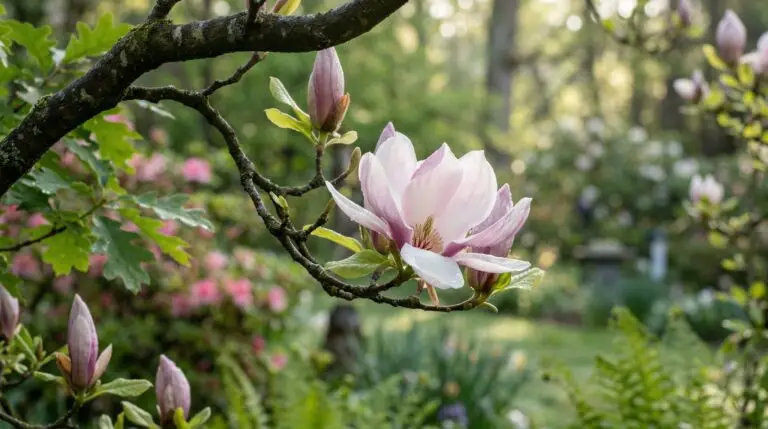
Why magnolia flower buds freeze in late spring frost and how to protect your tree