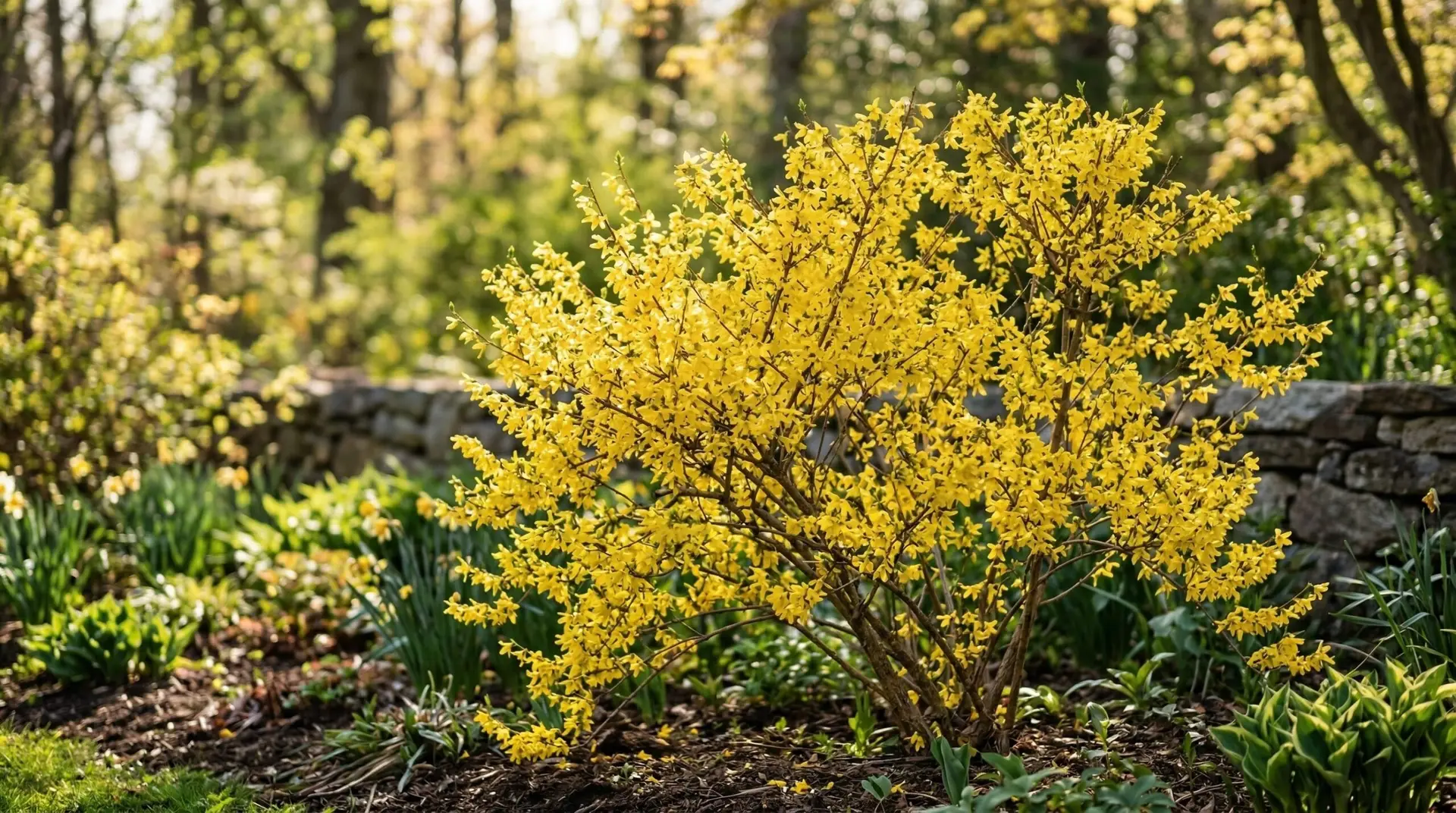
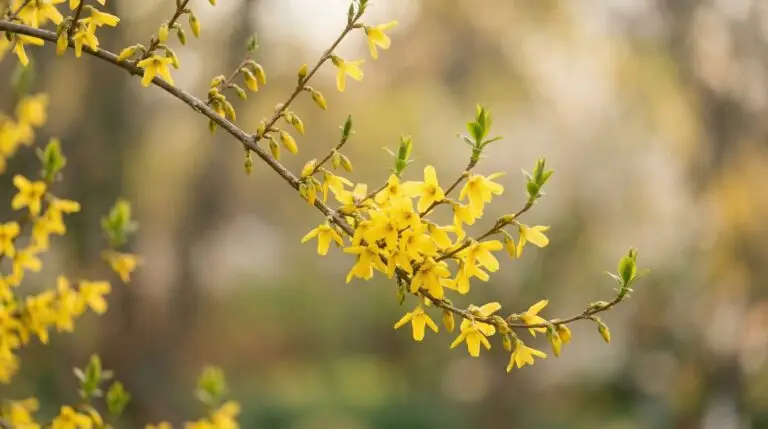
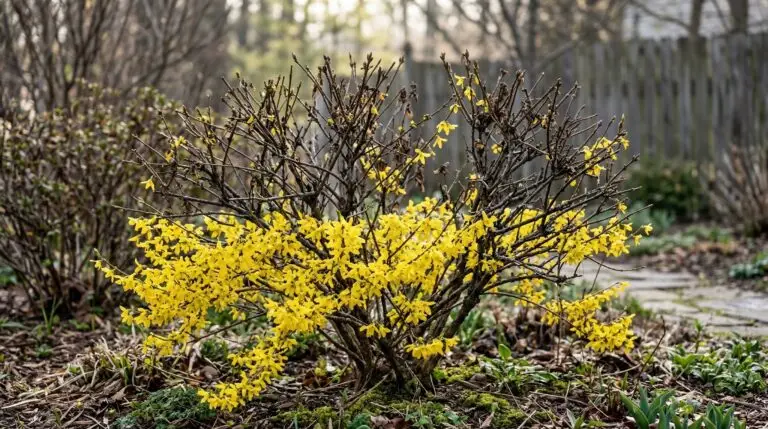
When the ground is still cold and most woody plants remain dormant, the forsythia bush signals the true shift of seasons by pushing out thousands of bright yellow flowers along bare, arching branches. I have spent decades observing these resilient shrubs in both botanical collections and residential spaces, and their reliability rarely falters if given proper initial placement. They belong to the olive family, Oleaceae, and most cultivated varieties we grow today are hybrids of Forsythia suspensa and Forsythia viridissima. This hybrid, formally known as Forsythia x intermedia, combines the weeping habit of one parent with the upright vigor of the other. The resulting plant grows rapidly, often adding two feet of new wood in a single season under optimal conditions. Because they bloom so early, they provide essential nectar for early-emerging pollinators long before lilac shrubs or other traditional spring favorites begin to break bud. Understanding how this plant grows and sets its buds will dictate your success in maintaining a healthy, heavily flowering specimen for decades.
Site selection and sunlight requirements
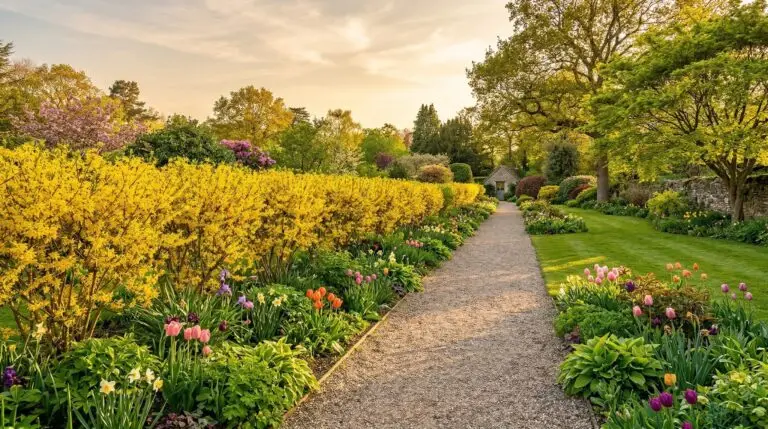
To achieve the dense flower coverage that gardeners expect from growing forsythia, you must plant the shrub in a location that receives full sun for at least six hours a day. While these plants will survive in partial shade, the reduction in light directly corresponds to a reduction in bud production and an increasingly leggy, sparse growth habit. The branches will stretch toward the light, resulting in a weak structural framework that requires constant corrective pruning. Because they grow so quickly, you must account for their mature size when selecting a planting site. A standard variety can easily reach eight to ten feet in both height and spread within five years. Planting them too close to foundations, walkways, or competing shrubs like azalea will force you into an endless cycle of size-control shearing. Giving the plant adequate room to express its natural arching form creates a much healthier shrub and significantly reduces your long-term maintenance workload.
Soil tolerances and moisture management
Forsythia adapts readily to various soil conditions, which explains its widespread use in challenging urban and suburban environments. The ideal soil pH falls between 6.5 and 7.5, but the plant tolerates slightly acidic or alkaline conditions without showing signs of nutrient deficiency. Drainage is the primary soil factor you need to control, as the fleshy root system will rot in heavy clay that remains waterlogged through the winter. If you are planting in heavy soil, incorporating compost into the entire planting bed rather than just the planting hole will encourage the roots to expand outward. During the first growing season, consistent moisture is necessary to establish the fibrous root network. You should water deeply once a week, allowing the top few inches of soil to dry out between applications to encourage deep root penetration. Once established, a forsythia bush becomes remarkably drought tolerant and generally survives on natural rainfall alone in most temperate climates.
Pruning strategies for consistent flowering
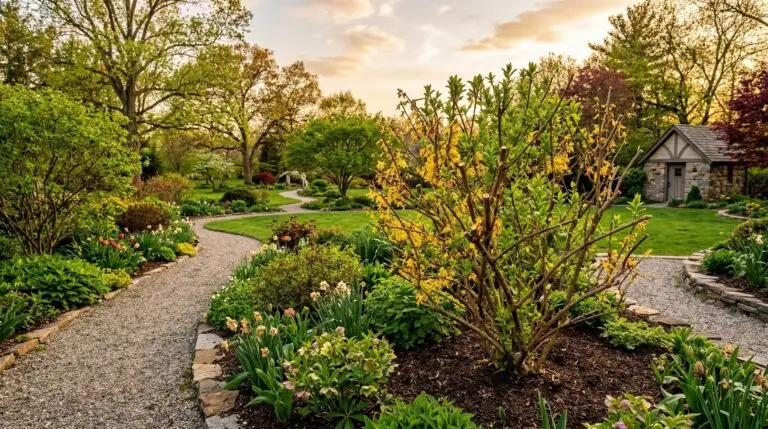
The most common mistake I see growers make with forsythia care involves improper pruning timing, which completely eliminates the spring floral display. Forsythia sets its flower buds during the late summer and early fall on old wood, meaning the growth produced during the previous season holds the dormant buds through the winter. If you prune the shrub in late fall or winter, you are cutting off the exact branches that would have flowered in the spring. The correct time to prune is immediately after the yellow flowers fade and drop, but before the plant pushes out its flush of green vegetative leaves. Rather than shearing the outside of the bush into a rigid shape, you should practice renewal pruning to maintain the natural fountain-like structure. Reach deep into the center of the plant and remove up to one-third of the oldest, thickest canes right at the ground level using bypass loppers. This method opens the interior to sunlight and air circulation, prompting the base to send up vigorous new shoots that will mature and hold heavy flower crops in subsequent years.
Cultivar selection and winter hardiness
While the standard border forsythia is a familiar sight, horticultural breeding has produced several distinct cultivars that solve specific garden problems. If you garden in colder northern zones, you must pay attention to bud hardiness rather than just root hardiness. The vegetative parts of the plant may survive minus twenty degrees Fahrenheit, but the flower buds on older varieties often freeze and die at minus ten degrees, resulting in a healthy green shrub that never blooms. Cultivars bred specifically for northern climates, such as ‘Northern Gold’ or ‘Meadowlark’, possess flower buds that withstand severe winter temperatures and reliably bloom even after harsh cold snaps. For smaller spaces, dwarf varieties like ‘Gold Tide’ or ‘Show Off Sugar Baby’ remain compact at two to three feet tall, eliminating the need for aggressive size management. Regardless of the cultivar you choose, planting them alongside early spring bulbs like daffodils creates a layered, bright yellow display that maximizes the early season impact.
As you plan your garden for the coming seasons, evaluate your existing yard space to find a location where a large, fast-growing shrub can thrive without restriction. If you already have a mature forsythia that has grown unwieldy or stopped flowering, you can perform a rejuvenation pruning in late winter by cutting the entire plant down to about four inches above the soil line. The shrub will look barren for a short time, but the massive root system will rapidly push up entirely new canes that will restore the plant to a healthy, blooming state within two years. Always remember to sanitize your pruning tools with rubbing alcohol between cuts to prevent the transfer of fungal pathogens. Pay attention to the soil moisture during the heat of late summer, as severe drought stress during bud set can reduce the flower count for the following year. By respecting the natural growth habit and timing your maintenance correctly, you will secure a reliable flush of early spring color for many years to come.
More About Forsythia

Companion plants for forsythia: what to grow, what to avoid
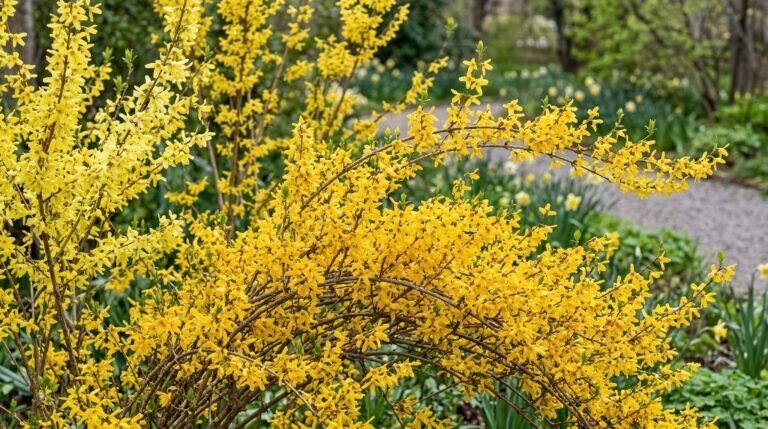
Dwarf forsythia varieties for small gardens that still deliver big spring color
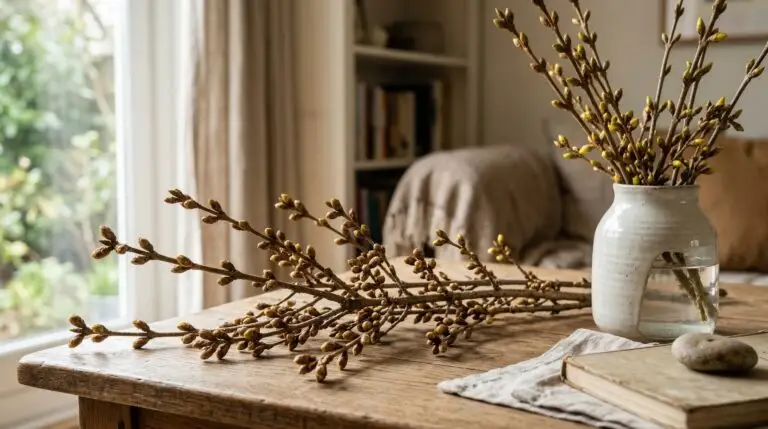
Forcing forsythia branches indoors for early spring sunshine on your kitchen table
Forsythia flower meaning and why this golden shrub signals winter is finally over
Best forsythia varieties from compact Show Off to weeping Arnold Dwarf
Using forsythia as a fast-growing privacy hedge that lights up spring
When and how to prune forsythia without accidentally cutting off next year’s flowers
Why your forsythia blooms only on the bottom and how to fix bare leggy branches