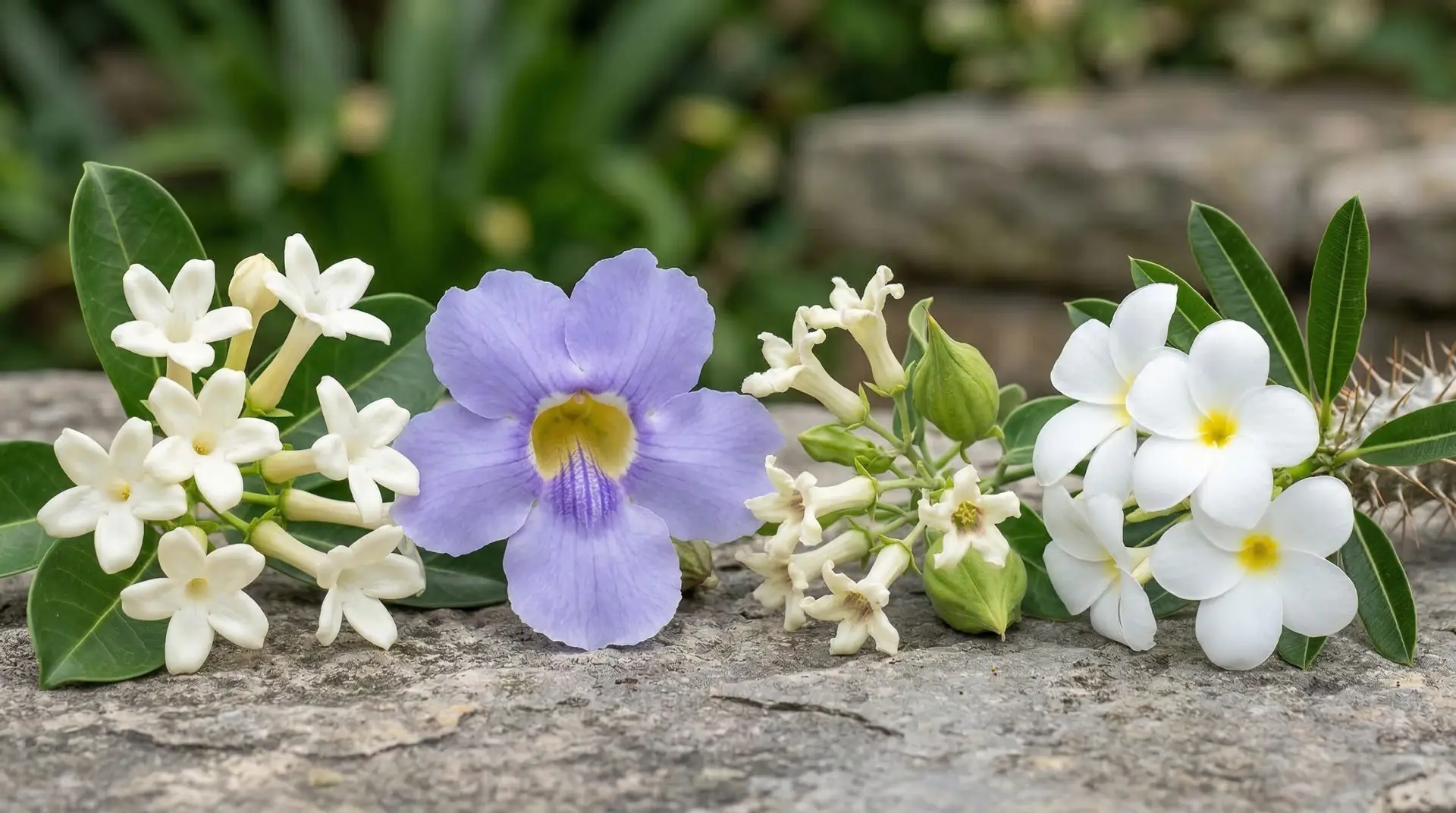
When you decide to bring a fragrant white vine into your home, the nursery options often come down to a choice between stephanotis and jasmine. Both plants promise glossy green foliage and clusters of intensely scented white blooms that can perfume an entire room. The decision matters because these two vines require completely different environments to thrive and bloom reliably. Retailers frequently label stephanotis as Madagascar jasmine, which leads many buyers to assume the two plants are closely related and share the same care requirements. In reality, they belong to entirely different botanical families and demand very different approaches from the gardener.
Evaluating stephanotis vs jasmine requires looking closely at your indoor climate and your tolerance for plant maintenance. One vine offers thick, architectural elegance but is famously temperamental about its placement and watering schedule. The other grows with wild, delicate vigor but requires specific temperature fluctuations to produce its famous flowers. By understanding how each plant behaves as it grows, you can select the fragrant white vine that actually fits your living space and gardening style.
Examining the foliage and growth habits
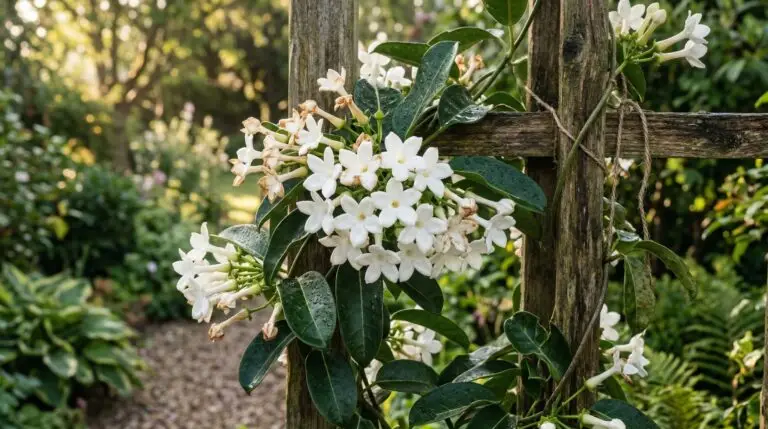
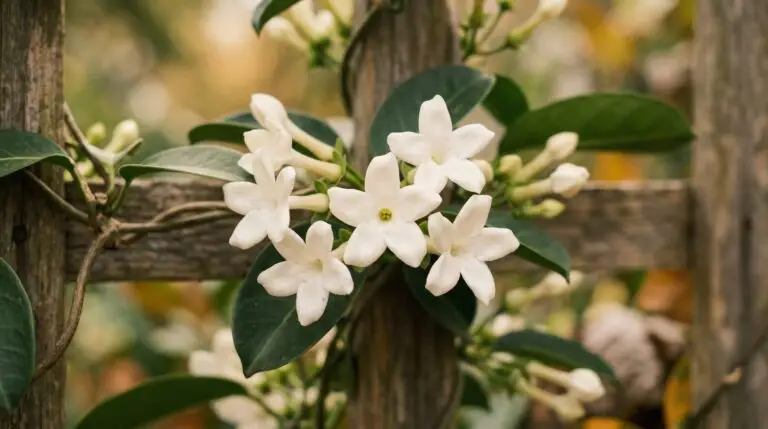
Stephanotis floribunda is a tropical twining vine native to Madagascar that produces thick, leathery, dark green leaves. The foliage has a rigid, waxy texture that looks highly polished and remains attractive even when the plant is not in bloom. It grows by wrapping its thick green stems around a support, often sold tightly coiled around a wire hoop in garden centers. The flowers are heavy, tubular, and form in tight clusters along the stems, looking almost like carved wax. Because of this substantial structure, stephanotis maintains a very tidy, contained appearance on a windowsill or trellis.
True jasmine plants present a much lighter, more delicate physical presence in the home or garden. The most common indoor variety is Jasminum polyanthum, which produces fine, compound leaves with multiple small leaflets that create a feathery look. This vine grows aggressively, sending out long, thin, wiry shoots that will grab onto any nearby structure, curtain, or neighboring plant. When it prepares to bloom, it develops tight pink buds that open into small, five-petaled white stars. The overall effect is wilder and more sprawling than the disciplined growth of a stephanotis.
Comparing the fragrance and floral display
The scent of a stephanotis is deeply floral, rich, and slightly tropical without being overpowering. Many gardeners find the fragrance similar to a gardenia, though it is generally considered cleaner and less heavy. The waxy flowers are incredibly durable, lasting for several days on the vine before slowly fading to a creamy yellow. This durability makes them a traditional favorite for bridal bouquets and corsages, as they hold up well out of water. You will typically see blooms emerging in the spring and summer months if the plant receives adequate light and humidity.
A blooming jasmine produces a sweet, piercing, musky scent that can easily travel through several rooms of a house. The fragrance is much sharper and more intense than stephanotis, which is exactly what many indoor gardeners are seeking. However, the delicate star-shaped flowers are short-lived, often dropping from the vine after just a day or two. This rapid turnover means a jasmine plant in full bloom will constantly shed spent white petals onto your floor or windowsill. While the mess requires frequent sweeping, the sheer volume of flowers produced during a bloom cycle usually makes up for the cleanup.
Evaluating indoor performance and care demands
Growing stephanotis successfully indoors requires providing a highly stable, warm, and humid environment. This plant despises sudden changes in temperature, cold drafts, or being moved from one room to another. If you shift a stephanotis while it is forming flower buds, it will almost certainly drop every single bud in protest. It needs bright, indirect sunlight and soil that stays consistently moist but never soggy, as its thick roots are prone to rot in standing water. Providing enough ambient humidity in a typical dry, winter-heated home often requires a dedicated humidifier placed near the plant.
True jasmine plants have their own specific, and sometimes frustrating, requirements for indoor blooming. Varieties like Jasminum polyanthum absolutely require a period of cool night temperatures in the autumn to trigger bud formation for the winter. If you keep the vine in a consistently warm living room year-round, it will grow plenty of green leaves but refuse to produce a single flower. True jasmines are also highly susceptible to indoor pests, particularly spider mites, which thrive in the dry air of heated homes. You must regularly inspect the fine foliage and wash the leaves to keep these pests from webbing over the delicate growing tips.
Making the right choice for your space
If you have a bright, warm sunroom or a large, well-lit bathroom, stephanotis is likely the better choice for your home. The naturally high humidity of a bathroom mimics its tropical origins, and the plant will reward you with long-lasting, elegant blooms. It is also the superior option if you prefer a plant that looks neat and architectural year-round, as its glossy leaves are beautiful even without flowers. You must simply be willing to find the perfect spot and leave the vine completely undisturbed once it begins to set buds.
Jasmine is the ideal choice if your primary goal is to fill your home with an unmistakable, intense floral perfume. It works exceptionally well if you have an unheated, sunny spare room or an enclosed porch where temperatures drop into the fifties during the fall. This cool period ensures you will get that massive, sweeping display of fragrant white stars in the late winter or early spring. You should choose this vine if you do not mind a slightly unruly growth habit and are willing to sweep up fallen petals during the blooming season.
Choosing the right fragrant white vine ultimately requires matching the plant’s natural rhythms to your specific indoor environment. Stephanotis offers substantial, waxy elegance and a refined scent, but it demands strict environmental stability and high humidity. Jasmine provides aggressive growth and an overpowering perfume, but it requires cool resting periods and constant vigilance against pests. By evaluating the temperatures and light levels you can realistically provide, you can select the vine that will actually thrive and bloom in your care.
More About Stephanotis
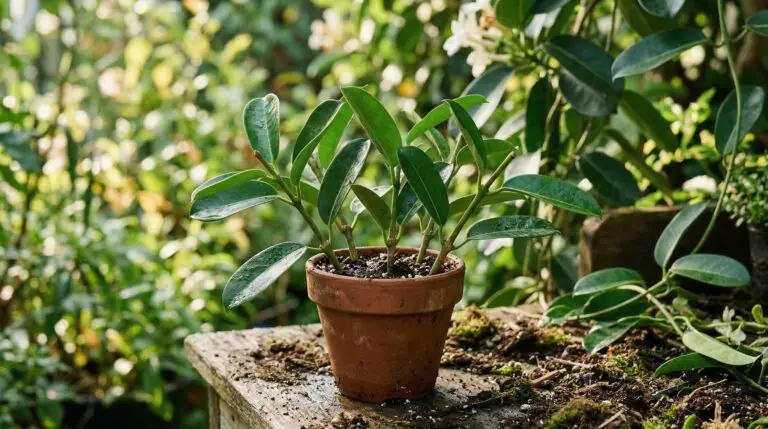
Propagating stephanotis from cuttings for new plants from your prized vine

How to get stephanotis to bloom indoors with the right winter rest and spring warmth
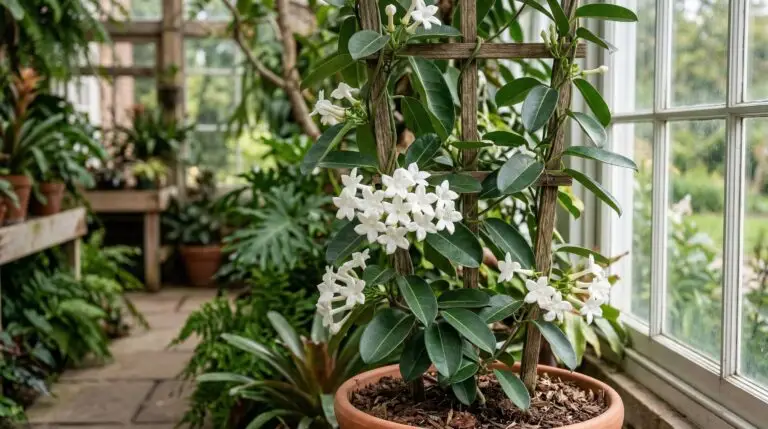
How to grow stephanotis for waxy white stars with an intoxicating jasmine-like fragrance
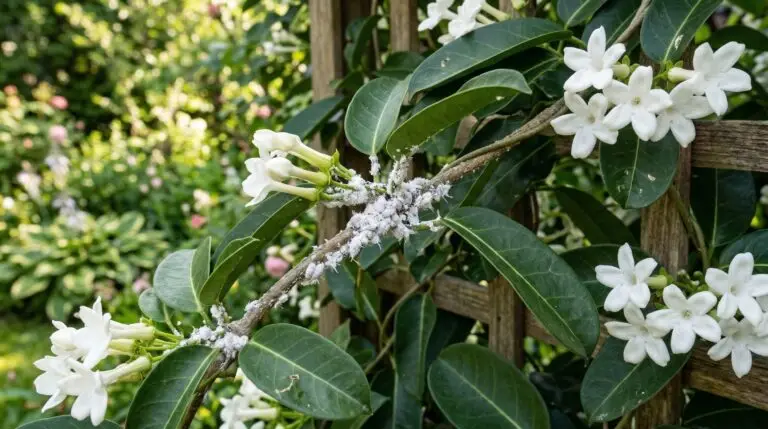
Common stephanotis pests from mealybugs to scale and keeping your vine clean
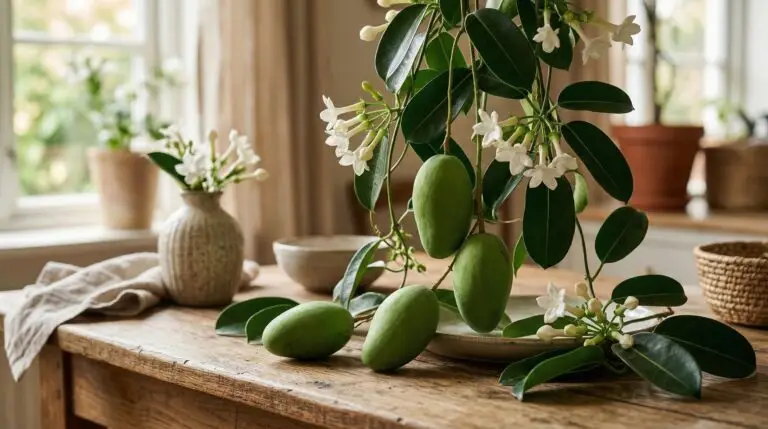
Stephanotis seed pods the giant green fruits that sometimes appear on indoor plants
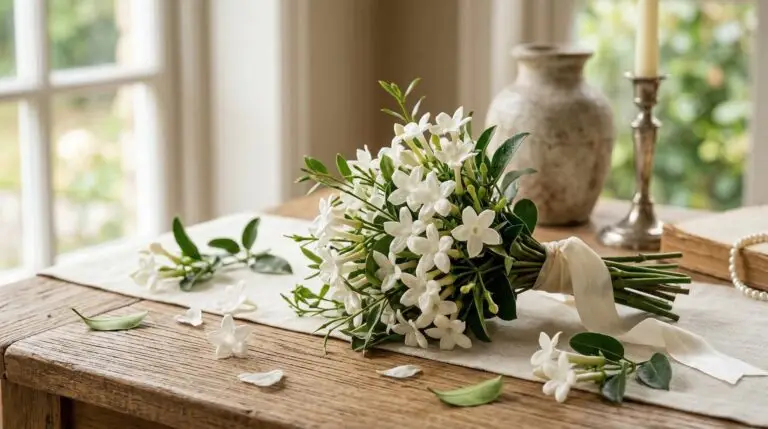
Stephanotis in bridal bouquets and why this is called the wedding flower
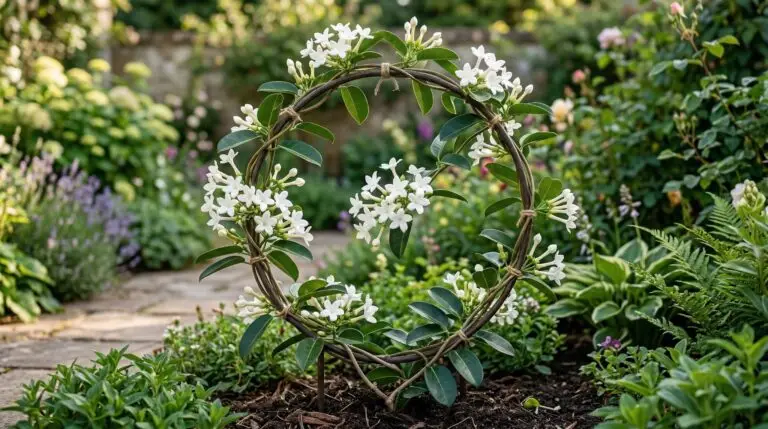
Growing stephanotis on an indoor trellis or hoop for a fragrant living room feature
Stephanotis flower meaning and the marital happiness this bloom has promised for centuries