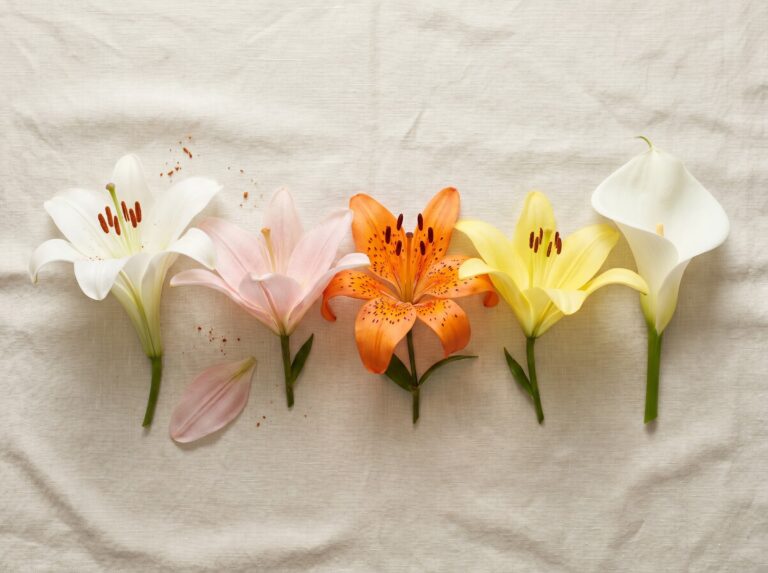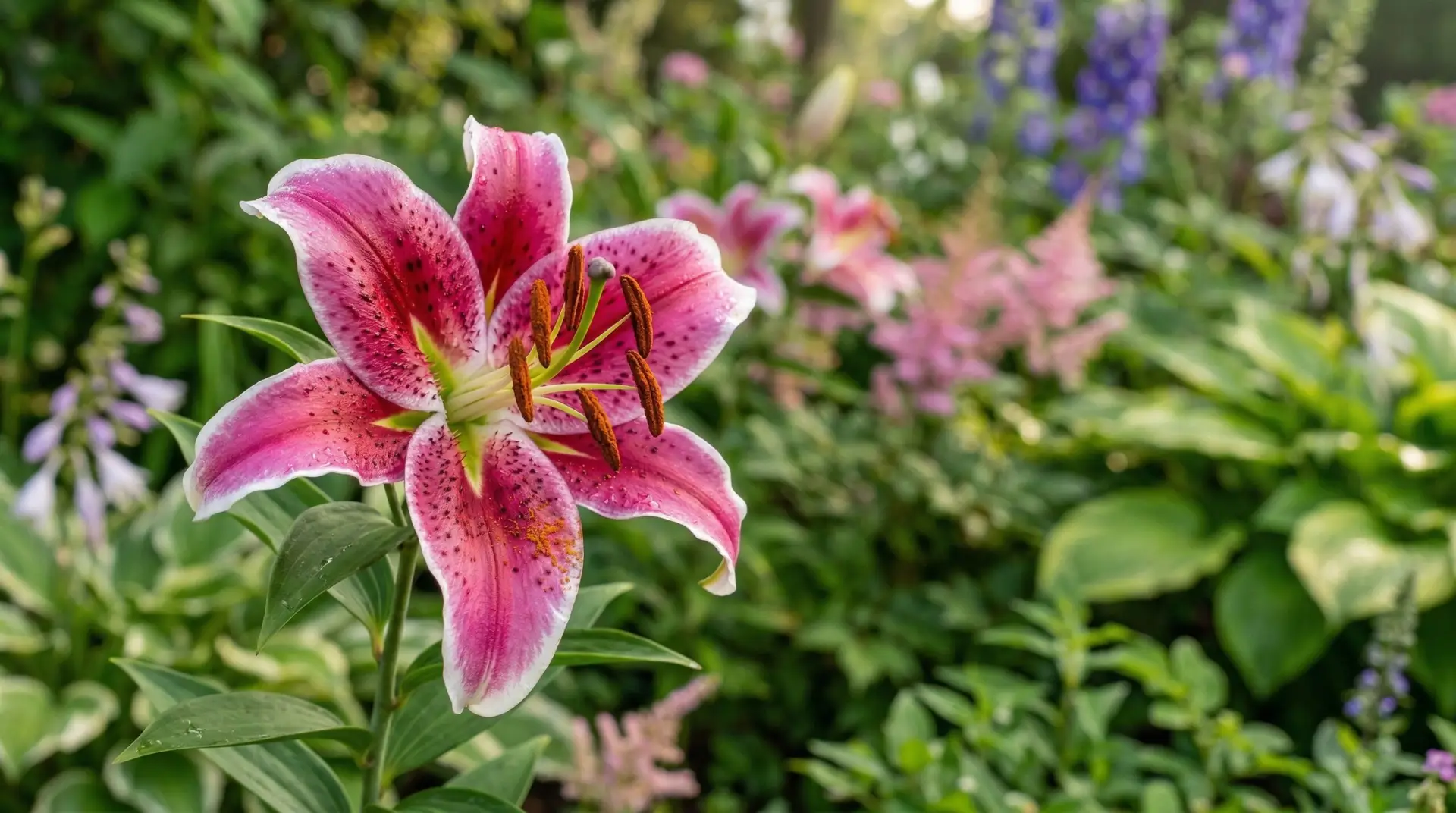
Late afternoon sunlight slants across the dining table, illuminating a heavy glass vase filled with freshly cut lilies. The thick, waxy petals catch the light, turning translucent at the edges while deep shadows pool in the throat of each trumpet. A lily cut flower demands attention the moment it enters a room, carrying an architectural weight that few other garden blooms possess. There is something intensely satisfying about watching a tight, green-tinged bud slowly swell and unfurl over a few days, revealing curled petals and prominent stamens. The fragrance arrives quietly at first, a faint hint of spice and sugar, before filling the entire space with its heavy, unmistakable perfume. Unlike softer garden staples that wilt quietly into the background, lilies hold their rigid posture until the very end. They are unapologetic in their scale and their scent, anchoring a room with their towering presence.
That same bold presence comes with a well-known hazard for anyone who brings these flowers indoors. As the bloom opens, the six stamens extending from the center reveal anthers heavily laden with rust-colored pollen. This fine powder clings to fingers, drifts onto polished wood surfaces, and permanently marks white tablecloths with bright orange streaks. A lily pollen stain is notoriously difficult to remove once it settles into fabric fibers, often requiring sticky tape to lift the dry dust before any water touches the cloth. Learning to manage this pollen is the single most important skill for keeping these imposing flowers inside the house.
Timing the pollen removal
The secret to maintaining pristine petals and protecting your linens lies in timing. The anthers should be removed the moment the petals part, ideally while the pollen sacs are still firm, smooth, and pale brown. At this early stage, the pollen has not yet fluffed into its powdery form, and you can simply pinch the anthers off with your fingertips or clip them away with small scissors. Gardeners who regularly harvest these blooms often make a morning routine of checking the vases, plucking the anthers from newly opened buds before the day warms up. If you miss the window and the pollen turns powdery, wrapping a tissue around your fingers prevents the orange dust from transferring to your skin and back onto the white petals. Removing the pollen protects your table and prevents the flower from pollinating itself. Without self-pollination, the plant delays dropping its petals. A clean lily arrangement will hold its shape and color significantly longer than one left to its own reproductive devices.
Preparing the heavy stems
Before these blooms ever reach the vase, their thick, fleshy stems require specific conditioning to ensure they draw enough water to support the massive flower heads. When harvesting from the garden, cut the stems at a sharp angle using clean bypass pruners, leaving at least a third of the foliage on the outdoor plant to feed the bulb for next year. Indoors, strip away any lower leaves that will sit below the water line, as submerged foliage breaks down rapidly and fouls the water. The stems are thirsty, and they benefit from a deep drink in a bucket of cool, clean water in a dark room for a few hours before you begin arranging.
Structuring the arrangement
Building a lily arrangement requires understanding the physical weight and visual mass of the flowers. The heavy, outward-facing blooms can easily tip a lightweight container, making a heavy glass, ceramic, or weighted metal vase a necessity. Tall, cylindrical vases with a slightly flared neck provide excellent physical support for the long stems while allowing the large flower heads room to open without crowding each other. Because lilies are so visually dominant, they often look best either standing completely alone or paired with vertical, spiky flowers that offer a contrasting shape. Adding a snapdragon to the arrangement provides a slender vertical line that draws the eye upward, balancing the heavy horizontal thrust of the lily trumpets. You can also mix them with flowers that have tighter, rounded heads, much like you might use a rose to ground the base of a tall floral display. The goal is to give the lilies enough physical space so their expanding petals do not crush against their neighbors.
The famous fragrance of these flowers requires as much consideration as their physical placement in your home. Oriental types produce a perfume so dense it can easily overpower a small bedroom or a closed dining room, sometimes causing headaches for sensitive guests. If you love the look but want to keep the scent manageable in tight spaces, look for Asiatic varieties, which offer the same striking star-shaped blooms with virtually no scent at all. For the highly fragrant varieties, placing the vase in a large, open entryway or a room with high ceilings allows the perfume to diffuse gently through the house.
Tending the changing display
As the days pass, a well-tended vase of lilies becomes a living, changing sculpture. The lower blooms on the stem always open first, followed in sequence by the buds higher up the stalk. To keep the display looking fresh, you must be willing to groom the stems daily, snipping off the lower flowers as they finally fade and turn translucent. Changing the water every two days and giving the stems a fresh angled cut prevents bacteria from clogging the vascular tissue, ensuring the uppermost buds have enough energy to fully open. Some gardeners find that adding a pinch of sugar and a drop of bleach to the fresh water mimics commercial floral preservatives, feeding the buds while keeping the water crystal clear. Even as the arrangement shrinks from the bottom up, the remaining flowers lose none of their impact. You might eventually move the shortened stems into smaller vessels, treating each remaining bloom like a single dahlia floating in a low bowl.
There comes a morning when the final, highest bud pushes open its petals, having drawn the last bit of moisture from the shortened stem. The thick petals eventually lose their waxy sheen, curling backward until they simply detach and fall to the table with a soft, heavy sound. What remains is the bare green stalk and the memory of that intense, spicy sweetness that lingered in the hallway for over a week. It is a quiet end for a flower that demands so much attention, leaving the room feeling suddenly, noticeably empty.
More About Lily
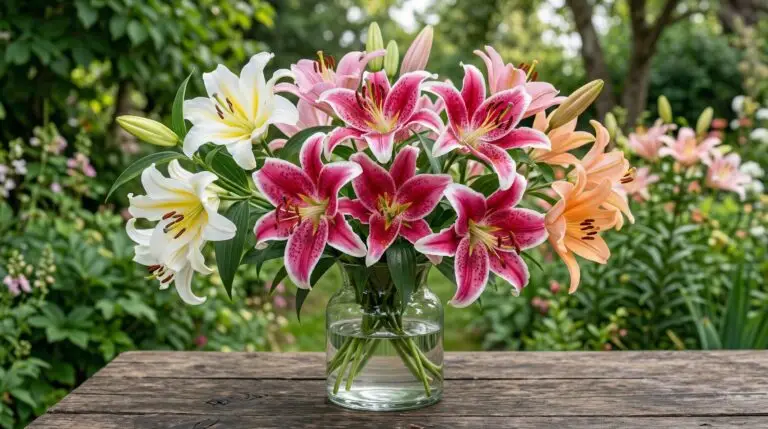
Oriental lilies for intoxicating fragrance that fills the garden on summer evenings

Planting lilies in layers with spring bulbs for a succession of blooms from March to August

Companion plants for lilies: what to grow, what to avoid
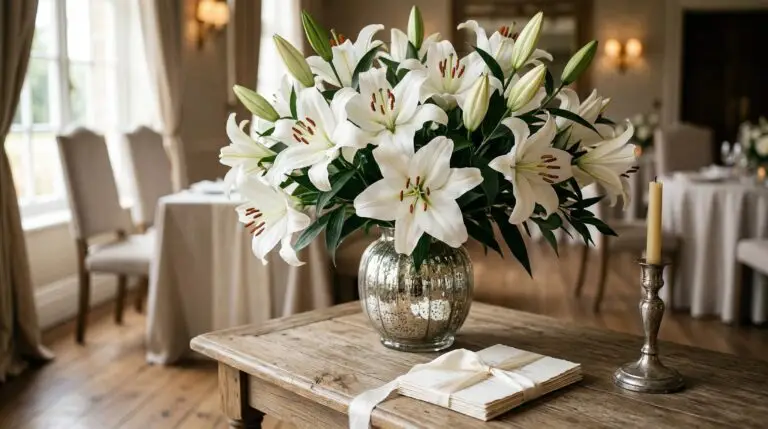
Lilies in wedding flowers and the timeless elegance of white Casablanca arrangements
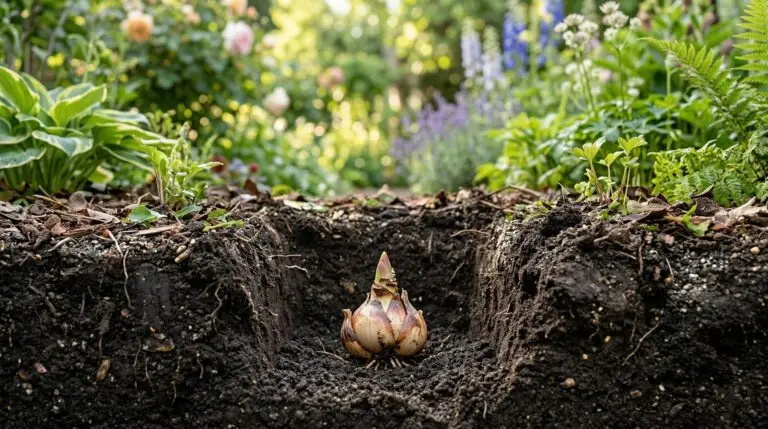
How to grow true lilies for towering fragrant blooms that crown the summer garden
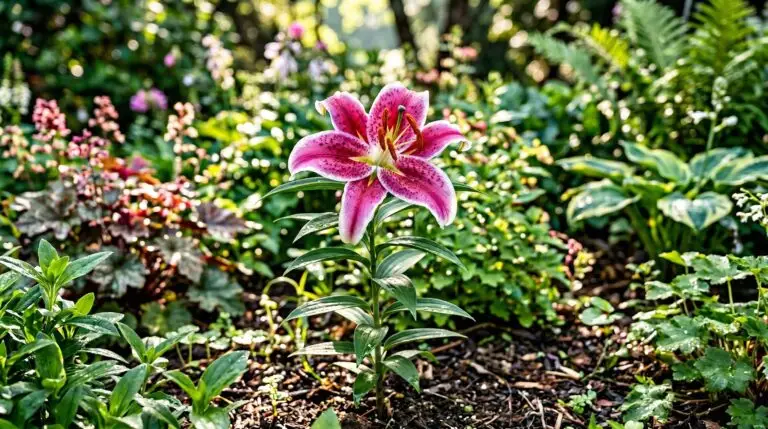
The red lily beetle invasion and how to protect your lilies from this destructive pest
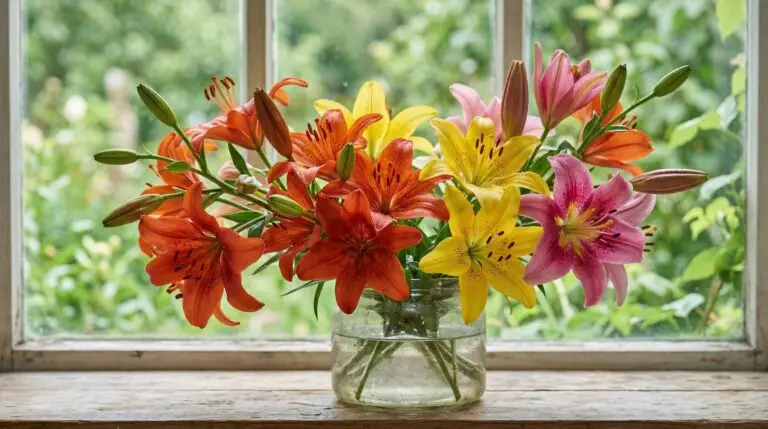
Best lily varieties from elegant Oriental Stargazer to towering Orienpet tree lilies
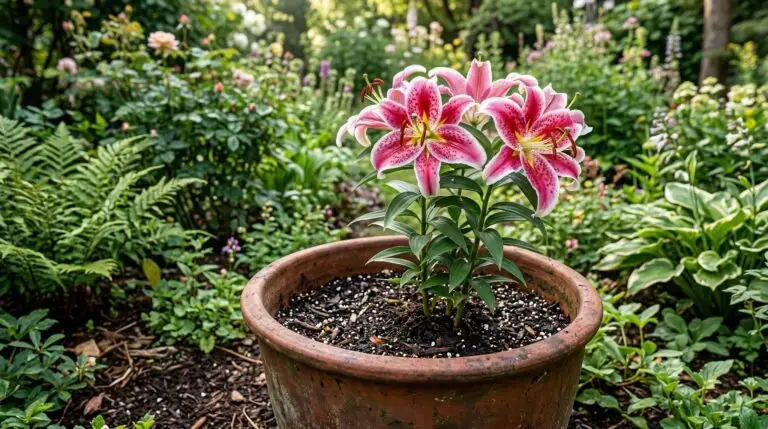
Growing lilies in containers for balcony and patio gardens with dramatic height