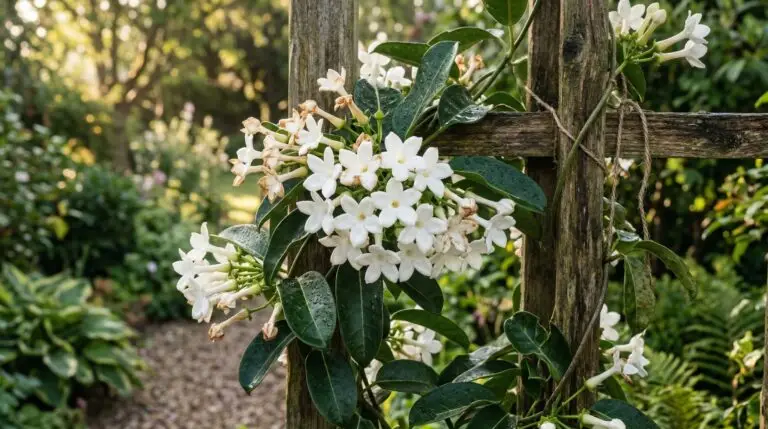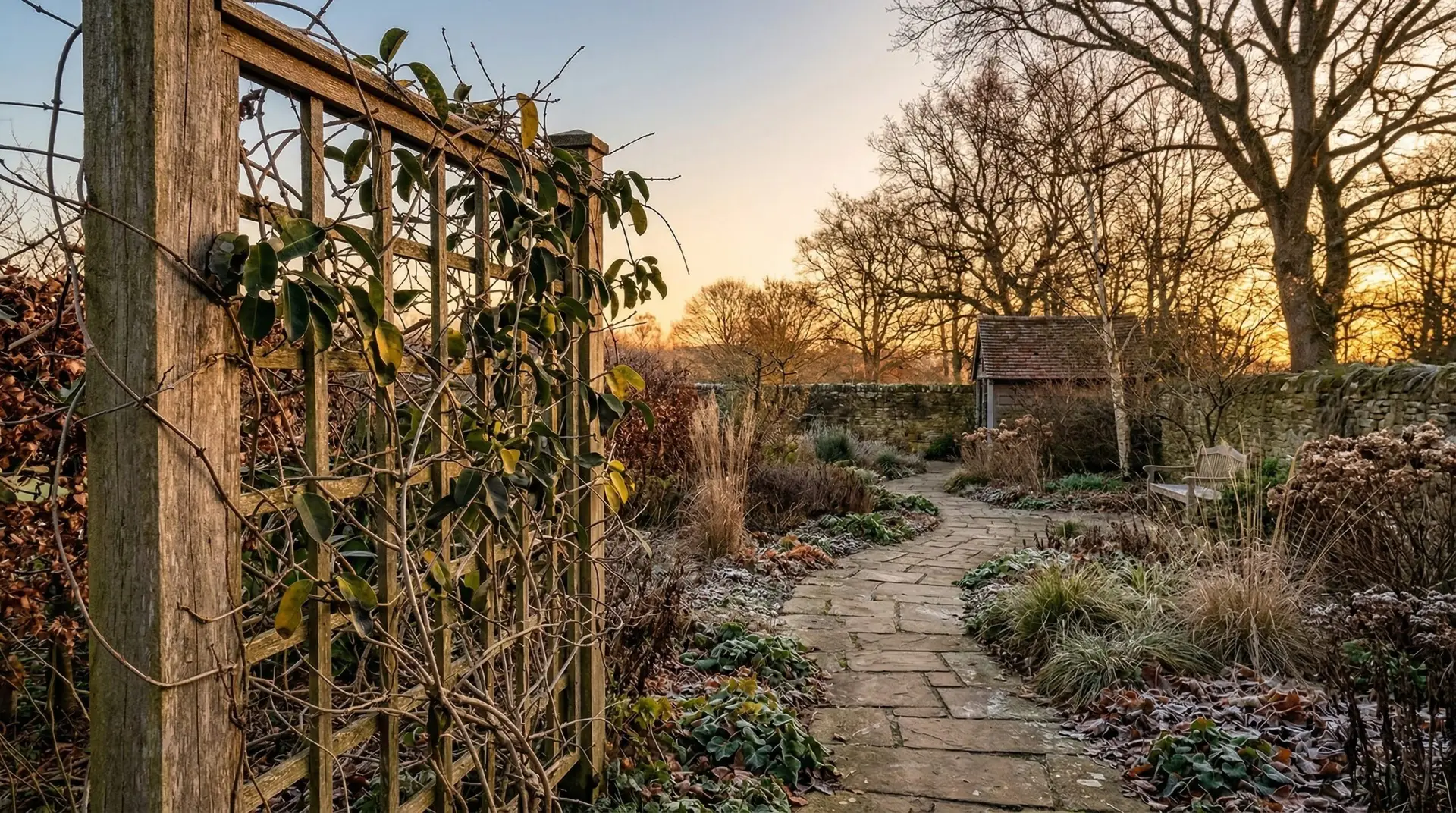
Growing conditions vary enormously across different regions, and understanding your local context is the absolute foundation of success with tropical plants. A stephanotis vine growing vigorously on a trellis in humid Zone 10 Florida experiences a completely different environment than a potted specimen sitting on a windowsill in Zone 4 Minnesota. Gardeners in colder climates must artificially recreate the environmental shifts that happen naturally in the tropics to trigger stephanotis blooming. The secret to getting stephanotis flowers indoors lies in mimicking the dry, cool winter rest period of its native habitat followed by a distinct warming trend in spring. Without this specific seasonal shift, the vine will produce endless green foliage but completely fail to develop its signature white, star shaped blossoms. You have to look closely at your own home environment and figure out how to manipulate temperature and light to match the plant’s biological clock.
Replicating tropical triggers in cold winter climates
In northern regions spanning Zones 3 through 6, the deep winter cold forces gardeners to rely heavily on central heating. This creates a challenging indoor environment for a resting stephanotis, as forced air heating pushes ambient temperatures well above the 55 to 60 degrees Fahrenheit the plant needs for its winter dormancy. To achieve the stephanotis bloom trigger in a midwestern or northeastern home, you must find a cool microclimate away from heat registers. An unheated spare bedroom, an enclosed but frost-free sunporch, or a bright north-facing window in a cooler hallway often provides the perfect chilling period. During this time, you must drastically reduce watering, giving the plant just enough moisture to keep the leaves from shriveling. The dry, cool air signals the plant to rest, storing up energy for the active growth phase that follows.
When late winter turns to early spring in these colder zones, the transition to warmth must be deliberate to wake the plant up. Move the vine from its cool winter retreat into a warmer room that stays around 70 to 75 degrees Fahrenheit. The sudden increase in temperature, combined with longer daylight hours, mimics the onset of the tropical rainy season. You should resume regular watering as the soil warms up, ensuring the root zone stays evenly moist but never waterlogged. Gardeners in northern climates often struggle with the lack of natural light in early spring, so placing the plant near a bright, unobstructed south or east-facing window is necessary to fuel bud development. If the natural light remains weak due to prolonged spring cloud cover common in the Great Lakes region, adding a supplemental grow light will provide the energy required for the flowers to form.
Managing humidity and light in arid western regions
Gardeners living in the dry climates of the Southwest and Mountain West face an entirely different set of environmental hurdles. In these regions, the winter rest period is often naturally cooler indoors, but the extreme lack of ambient humidity can severely stress the plant. While stephanotis requires less water during its winter dormancy, the bone-dry air of a high desert home can cause the leaves to drop prematurely and weaken the vine before spring arrives. Using a room humidifier or placing the pot over a wide humidity tray filled with pebbles and water helps maintain a baseline of moisture in the air without keeping the soil wet. You have to balance the need for a dry root zone with the necessity of a slightly humid atmosphere to keep the vine healthy.
The transition to spring warmth in arid regions brings the challenge of intense, burning sunlight. The high elevation and clear skies common in states like Colorado or Arizona mean that direct spring sunshine through a window will easily scorch the thick, waxy leaves. You must provide bright indirect light by placing the plant a few feet back from a south-facing window or filtering the light through a sheer curtain. As temperatures rise and you increase watering to encourage stephanotis blooming, the rapid evaporation rate in dry climates means you will need to check the soil moisture much more frequently than a gardener in a humid region. Similar to the care required for a blooming gardenia, consistent soil moisture during the bud formation stage prevents the plant from dropping its flowers before they open.
Adapting the bloom cycle in mild coastal zones
In mild coastal areas and the humid Southeast spanning Zones 7 through 9, indoor temperatures often remain relatively stable year round. This lack of seasonal contrast makes it difficult to provide the distinct cool period necessary for the stephanotis bloom trigger. If your home stays a comfortable 70 degrees all winter, the plant may never realize it is supposed to be resting. Gardeners in these mild regions can utilize outdoor microclimates, such as a covered patio or a sheltered wall, to expose the plant to cooler autumn and early winter temperatures before bringing it indoors when frost threatens. Alternatively, keeping the plant in an air conditioned room or near a drafty window can artificially lower the temperature enough to initiate dormancy.
When spring arrives in these humid and mild zones, the ambient humidity naturally works in favor of tropical plants. The heavy moisture in the air supports healthy foliage and helps the fragrant blossoms last longer once they open. However, the combination of high humidity and the required spring watering increase can lead to fungal issues if the indoor air is stagnant. Providing adequate air circulation with a small oscillating fan mimics the gentle breezes of a coastal environment and keeps the foliage dry. This approach to managing humidity and airflow is identical to the techniques used to successfully cultivate indoor jasmine in the muggy southern states.
Soil chemistry and local water considerations
Regional differences in municipal and well water heavily influence the health of potted tropicals over time. In the Southwest and parts of the Midwest, tap water is notoriously hard, containing high levels of calcium and magnesium carbonates. Over a long winter rest and subsequent spring watering cycle, these alkaline minerals build up in the potting soil and raise the pH well above the 5.5 to 6.5 range that stephanotis prefers. When the soil becomes too alkaline, the plant cannot absorb iron and other nutrients, resulting in pale, yellowing leaves and a complete failure to produce flowers. Gardeners in hard water regions should flush the soil with collected rainwater or distilled water periodically to wash away excess mineral salts.
In contrast, gardeners in the Pacific Northwest or the Northeast often have naturally soft, slightly acidic tap water that perfectly suits the needs of this tropical vine. You can use your tap water freely to wake the plant up in the spring without worrying about rapid mineral buildup in the container. Regardless of your region, the potting mix itself must drain exceptionally well to accommodate the heavy spring watering required to support the blossoms. A mixture of high quality potting soil amended with generous amounts of perlite or coarse orchid bark ensures that water flows through the root zone quickly. This fast drainage is a strict requirement for surviving the cool winter rest, as cold and soggy soil will inevitably lead to root rot before the spring warming period even begins.
Getting a tropical vine to flower in a container requires you to act as the architect of its climate. The specific timing of the temperature drop, the reduction in water, and the eventual warming trend will look different depending on where you live and how your home is built. You must observe how the sun moves across your windows in different seasons, how your heating system affects room humidity, and how your local tap water interacts with the soil. By paying close attention to the microclimates within your own living space, you can manipulate the environment to provide the exact cues this plant needs. Mastering this process of localized environmental control allows you to successfully cultivate almost any demanding tropical plant far outside its native range.
More About Stephanotis
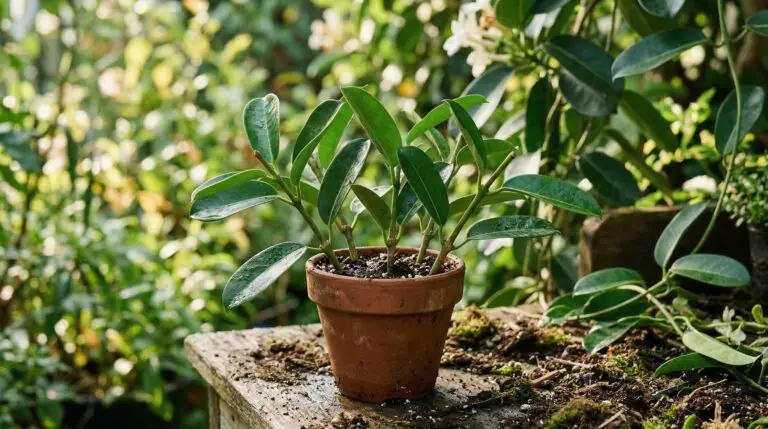
Propagating stephanotis from cuttings for new plants from your prized vine
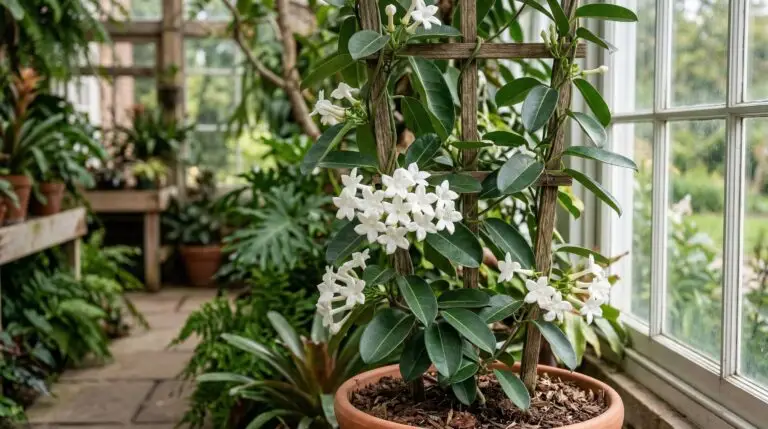
How to grow stephanotis for waxy white stars with an intoxicating jasmine-like fragrance
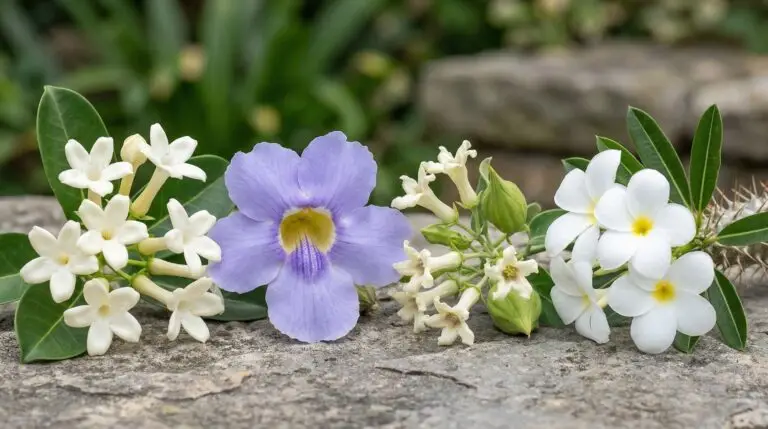
Stephanotis versus jasmine and choosing the right fragrant white vine for your home
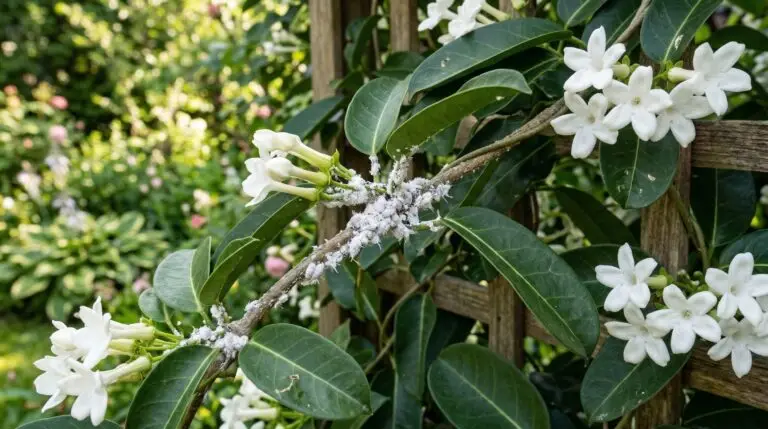
Common stephanotis pests from mealybugs to scale and keeping your vine clean
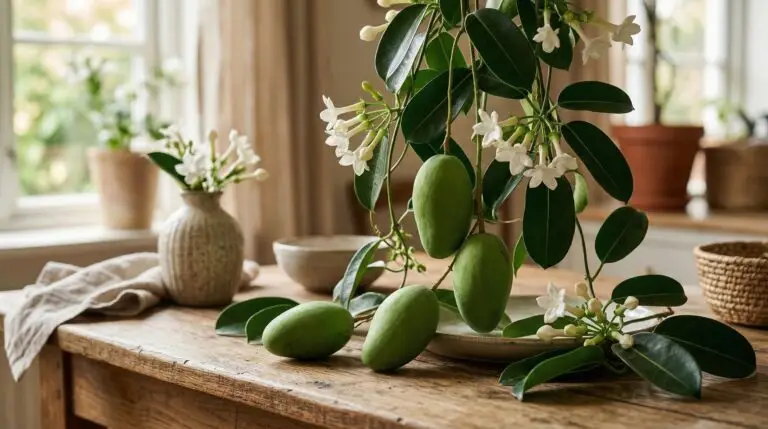
Stephanotis seed pods the giant green fruits that sometimes appear on indoor plants
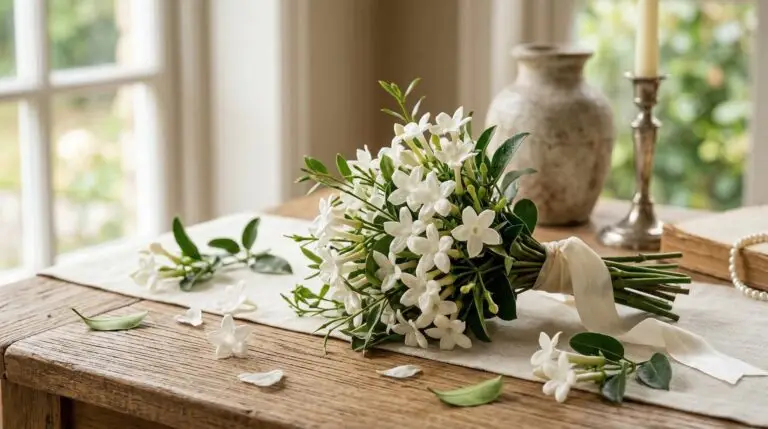
Stephanotis in bridal bouquets and why this is called the wedding flower
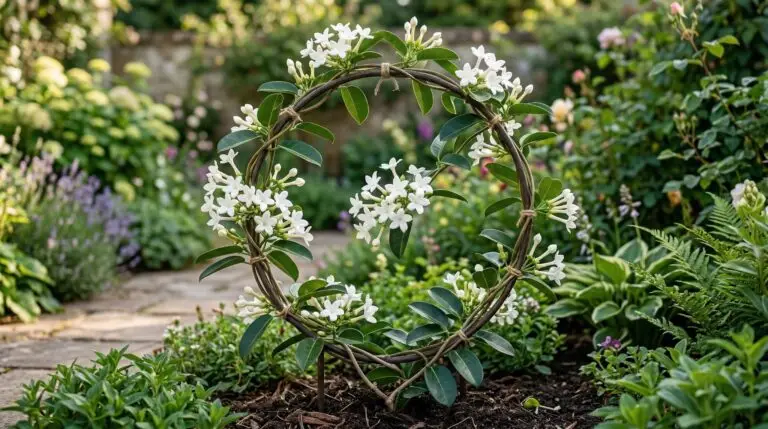
Growing stephanotis on an indoor trellis or hoop for a fragrant living room feature
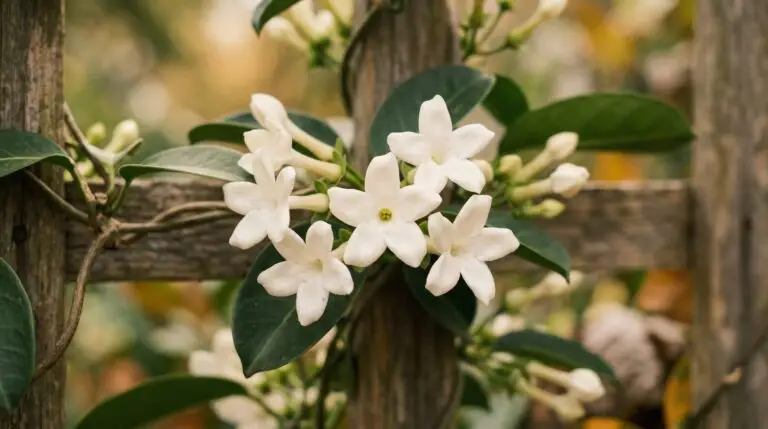
Stephanotis flower meaning and the marital happiness this bloom has promised for centuries