Deep winter awakenings
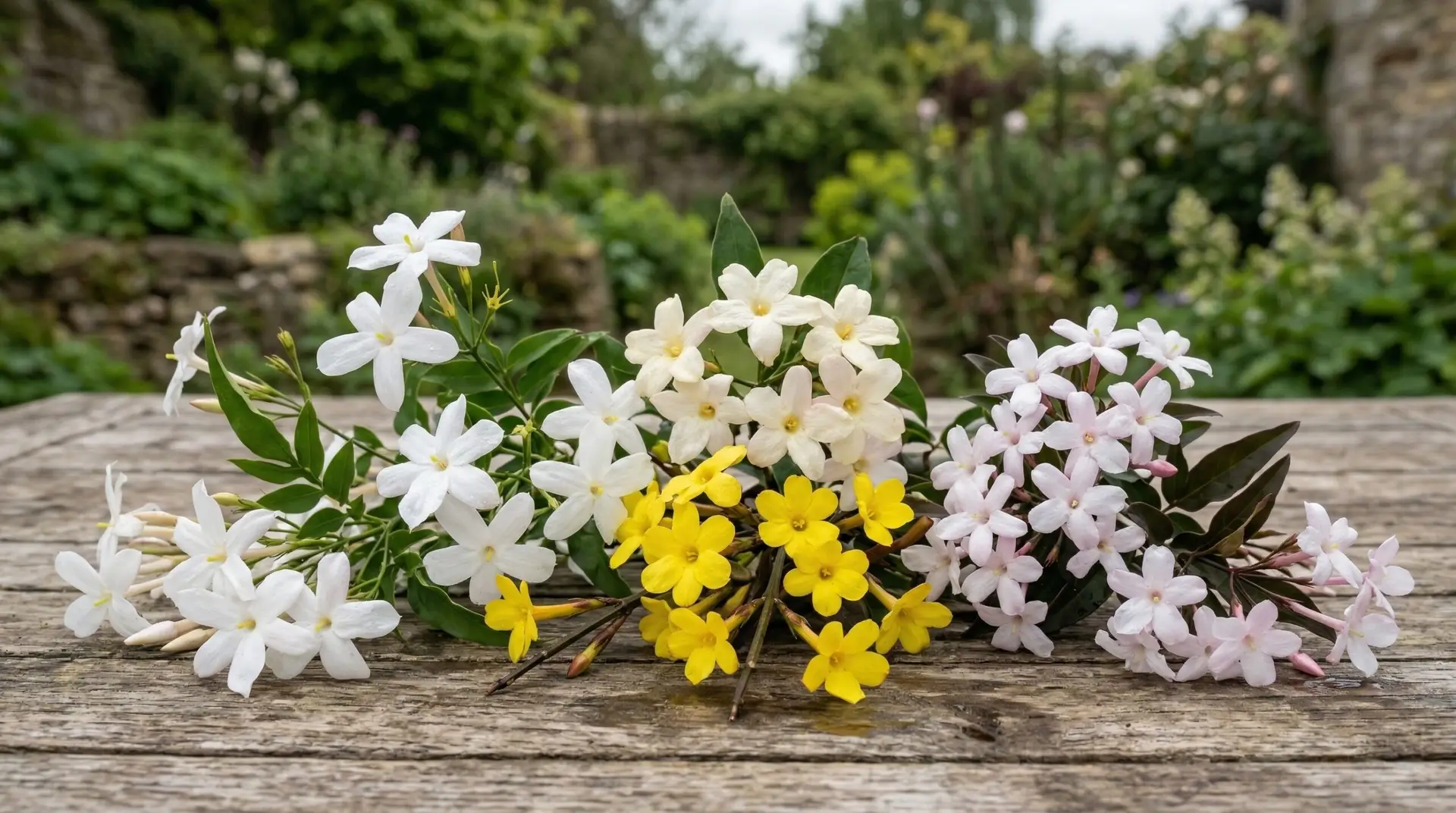
Start in January or February, when the garden is quiet and gray. The soil is frozen solid and smells like ice and wet oak leaves. Against a stone wall, bright yellow stars appear on arching, leafless green stems. This is winter jasmine, known botanically as Jasminum nudiflorum, waking up long before the rest of the garden even stirs. The flowers have six pointed petals that open wide to catch the weak winter sun. Unlike its tropical cousins, this plant offers no fragrance to the cold air. It relies entirely on its cheerful color to draw the eye during the bleakest months of the year. The bare green stems create a striking contrast against the pale winter sky.
The timing of the bloom depends heavily on the weather and your specific climate. In a mild winter, the first yellow buds might break open right after the new year begins. When cold snaps return, the open flowers might freeze and drop, but tightly closed buds wait in reserve for the next thaw. You might even see them blooming alongside an early snowdrop pushing through the frozen crust of the garden bed.
Spring growth and structural training
By the time the spring peepers begin their evening chorus in the nearby woods, the yellow flowers finally start to fade. The bare green stems of the winter jasmine now push out small, dark green leaves divided into three leaflets. This is the moment when the true nature of the plant reveals itself to the gardener. It is not a climbing vine with tendrils that grasp and twine around supports. It is actually a scrambling wall shrub that needs a human hand to guide it upward. If you want it to cover a trellis or a masonry wall, you must tie the long, flexible canes to wires or a wooden framework. Without this guidance, the plant simply arches over and collapses into a dense, tangled mound on the ground.
Spring is also the proper time to prune the shrub heavily. You can cut the oldest, thickest stems right down to the base to encourage fresh green shoots to emerge from the roots. This fresh growth will carry the flowers in the following winter, so early pruning gives the plant the entire growing season to mature. As the soil warms and the spring rains arrive, the jasmine settles into a period of rapid expansion.
Summer sprawling and root building
Summer brings long days of intense heat, and the winter jasmine responds by throwing out yards of new green growth. The stems can grow several feet in a single season, reaching out like long green arms across the garden beds. When these arching branches touch the bare soil, they often root directly into the earth. This habit makes the plant an excellent bank covering for steep, difficult slopes where a lawnmower cannot safely go. The dense web of stems and roots holds the soil firmly in place against heavy summer thunderstorms. The plant is incredibly tough and handles dry spells with very little complaint once its roots are established in the ground. While a camellia might demand careful watering and acidic soil in the summer shade, the jasmine thrives in almost any ordinary garden dirt.
The thick summer foliage hides the inner structure of the shrub completely. Birds often use this dense, tangled canopy as a safe place to build nests or hide from predators. The gardener’s main job during these hot months is simply observing the boundaries of the plant and snipping back any errant shoots that block pathways. The jasmine is cold hardy down to Zone 6, so it spends the summer building the carbohydrate reserves it will need to survive the freezing temperatures ahead.
Autumn preparations and falling leaves
As the days shorten and the angle of the sun drops lower in the southern sky, the garden begins to slow down. The leaves on the winter jasmine lose their dark green luster and eventually drop to the ground. This defoliation reveals the unique, square-sided green stems that give the plant its distinctive winter silhouette. Without the foliage, you can clearly see the tiny, tight green buds forming along the length of the new canes. These buds hold the promise of the coming winter display. This is a good time to clear away any fallen leaves from neighboring trees that might have become trapped in the center of the shrub. You want the bare stems fully exposed to whatever sunlight they can catch when the days turn bitter and cold.
The autumn winds strip the last remaining color from the surrounding landscape. The garden enters its period of dormancy, and most shrubs pull their energy deep into their root systems. The winter jasmine does this as well, but it leaves its flower buds primed and ready on the exposed wood. It waits patiently through the early frosts, sensing the subtle shifts in temperature that signal the turning of the year.
The return of the winter stars
Deep winter eventually reclaims the garden with freezing nights and pale, gray mornings. Frost coats the bare branches of the surrounding trees, and the ground hardens into a solid block. Just when the landscape feels entirely lifeless, the tight buds on the jasmine begin to swell and show a hint of yellow. A brief spell of mild afternoon sun is all it takes to coax the first few flowers into opening. They arrive weeks or even months before a forsythia will dare to show its own yellow blooms. The bright, cheerful stars of the winter jasmine glow brightly against the dark brick of a wall or the white blanket of a fresh snowfall. And then, just as the last flowers drop and the spring rains return, the roots below are already pushing up new green shoots to begin the cycle all over again.
More About Jasmine flower
Growing jasmine indoors for fragrant winter blooms from a houseplant vine
Companion plants for jasmine: what to grow and what to avoid
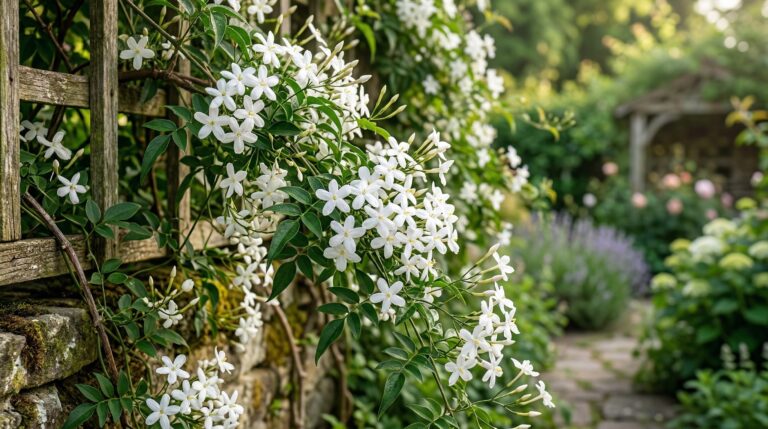
How to grow jasmine for intoxicating evening fragrance that fills the entire garden
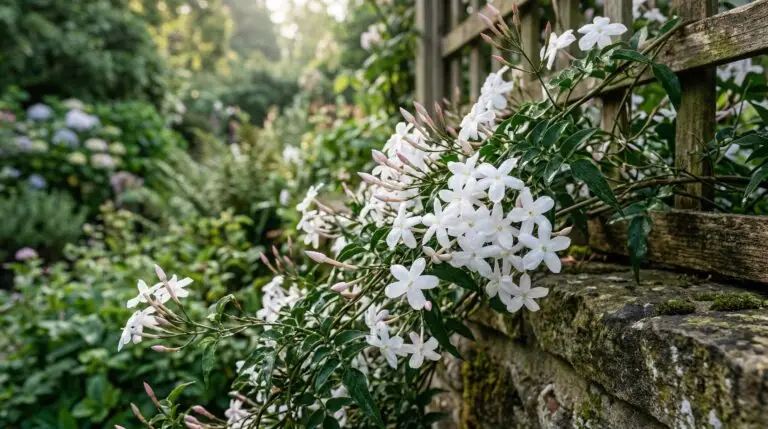
Why jasmine is not blooming and the cold night temperatures it needs to set buds
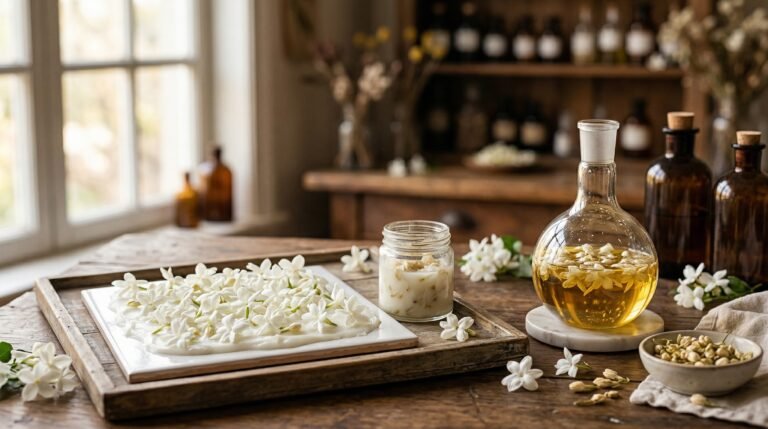
Jasmine essential oil and why this is one of the most precious fragrances on earth
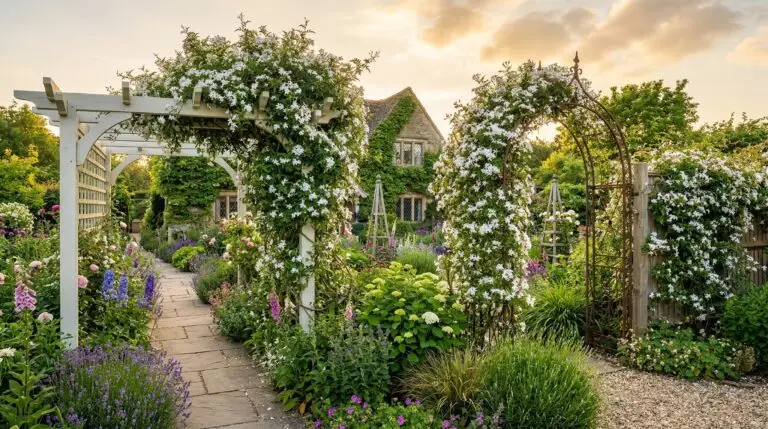
Training jasmine vines on arbors trellises and pergolas for fragrant garden structures
Best jasmine varieties from hardy winter jasmine to intensely fragrant Arabian jasmine
Jasmine tea and the ancient art of scenting tea leaves with fresh jasmine flowers