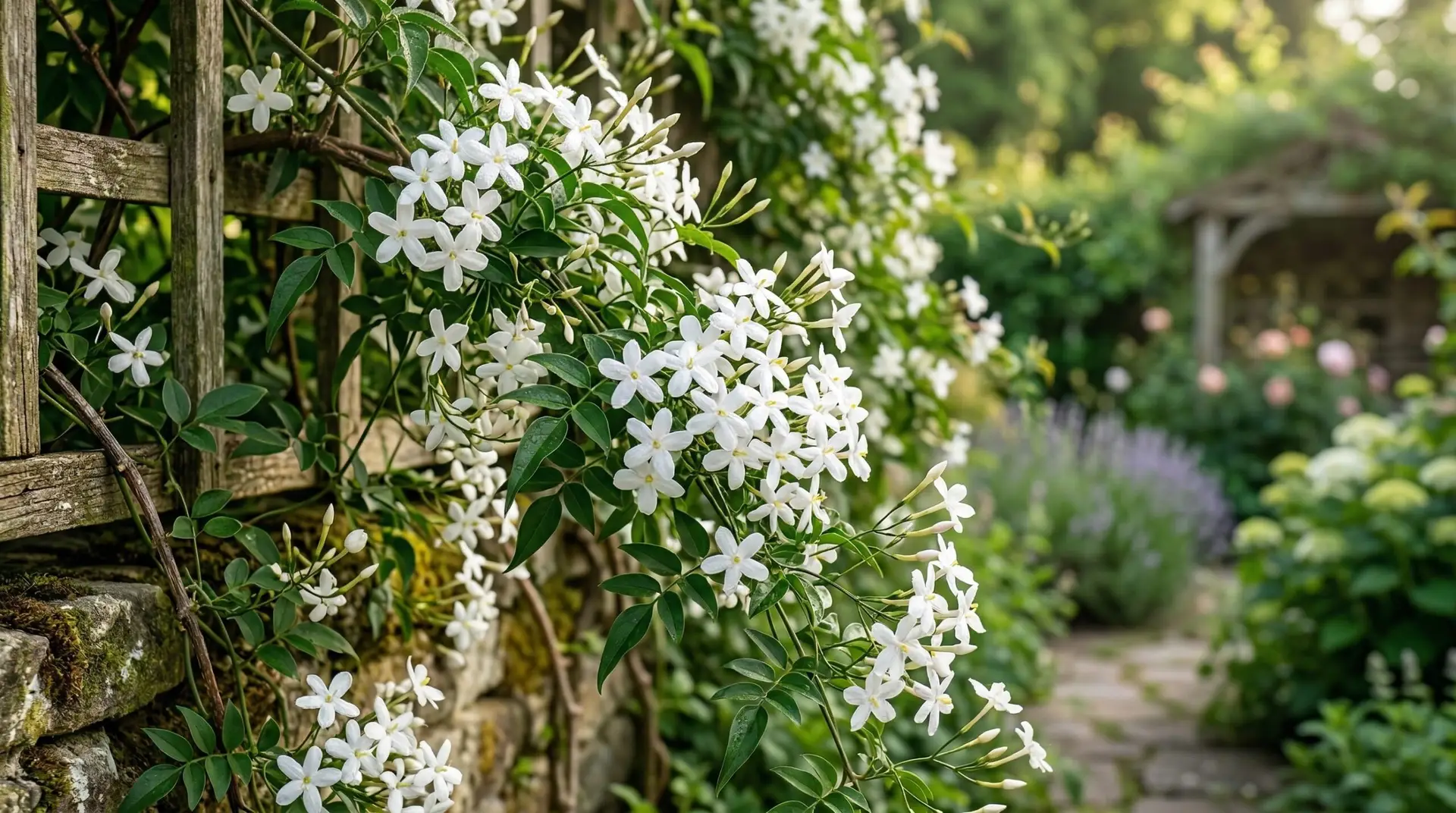
The moment the sun drops below the horizon, a biological switch flips inside the petals of true jasmine. The plant detects the fading light and the subtle drop in ambient temperature, triggering the synthesis and release of highly volatile organic compounds. These molecules, primarily linalool and benzyl acetate, vaporize instantly into the cooling evening air. This is not a random occurrence but a highly targeted evolutionary strategy. The plant is actively signaling to nocturnal pollinators, specifically long-tongued sphingid moths, guiding them through the darkness toward its nectar reserves. Understanding this temporal rhythm completely changes how we experience these plants in our own spaces.
Before discussing growing jasmine, we must identify what plant we are actually observing. The botanical world is filled with impostors bearing the same common name, but true jasmines belong exclusively to the genus Jasminum within the olive family, Oleaceae. This classification distinguishes them entirely from plants like star jasmine or night-blooming jessamine, which belong to different botanical families and possess entirely different growth habits and toxicities. The true jasmines, including the classic Jasminum officinale and the intensely fragrant Jasminum sambac, share specific morphological traits. They feature opposite or alternate leaves, typically pinnate, and produce tubular flowers with flaring lobes designed perfectly for the proboscis of a hovering moth.
Contents 5 sections
Understanding the twining habit of true jasmine
True jasmines are aggressive climbers, yet they lack the specialized gripping tools found on many other vines. They do not produce the adhesive pads of Boston ivy, nor do they develop the curling, touch-sensitive tendrils seen on a clematis vine. Instead, jasmine relies on a biological process called circumnutation combined with thigmotropism. The growing tip of the stem continuously sweeps in a wide, circular motion through the air, searching for a solid object. Once the stem makes physical contact with a structure, the cells on the opposite side of the touch point elongate rapidly, forcing the stem to coil tightly around the obstacle.
This specific climbing mechanism dictates much of our approach to jasmine vine care. Because the plant must physically wrap its main stems around a support, it cannot climb a flat wall or a thick wooden post. Gardeners must provide structures with narrow gauges, such as wire trellises, chain-link fences, or thin metal obelisks. If the sweeping stems do not find a suitable vertical support, they will simply tangle into themselves, creating a dense, impenetrable mound of vegetation on the ground. Providing the right structural framework early in the season allows the plant to distribute its foliage evenly, maximizing the surface area exposed to sunlight.
Root systems and soil requirements
Most cultivated Jasminum species originate in the subtropical and tropical regions of Eurasia and Oceania. In these native habitats, they frequently grow in loose, rocky soils on forest margins where they receive abundant rainfall followed by rapid drainage. They have evolved to absorb moisture quickly without sitting in stagnant water. Replicating this hydrology is the foundation of successful jasmine plant care. When planted in heavy, compacted clay, the pore spaces in the soil remain filled with water, depriving the roots of the oxygen they need for cellular respiration.
The root system of a jasmine plant is relatively fine and fibrous, making it highly efficient at nutrient uptake but exceptionally vulnerable to fungal pathogens in anaerobic conditions. If you are dealing with dense native soil, you must amend the planting site generously with coarse sand, pine bark, or perlite to create macroscopic air channels. The soil pH should ideally hover in the slightly acidic to neutral range, which keeps essential micronutrients like iron soluble and available to the roots. When the underground environment drains freely and breathes well, the plant can direct its energy toward producing the massive amounts of foliage required to support its floral display.
Light levels and floral production
Producing the complex chemical compounds responsible for that famous evening fragrance requires a massive amount of metabolic energy. The plant manufactures this energy through photosynthesis, meaning the ultimate fuel for your night garden is intense daytime sunlight. A jasmine vine planted in deep shade will survive and produce green leaves, but it will lack the carbohydrate reserves necessary to develop flower buds. For maximum floral production, the plant needs at least six hours of direct sunlight daily, which drives the sugar production needed to synthesize volatile oils.
The relationship between sunlight, heat, and scent is deeply interconnected. During the heat of the day, the plant keeps its stomata partially closed to conserve water, and the volatile oils remain trapped within the floral tissues. As the evening cools, the relative humidity rises, and the plant opens its pores, releasing the accumulated scent molecules into the air. This metabolic rhythm is very similar to the behavior of a gardenia, another warmth-loving plant that produces heavy, intoxicating floral chemistry. High daytime temperatures followed by a distinct drop in evening temperatures create the most dramatic release of fragrance.
Pruning for cellular renewal and bloom
Left to its own devices, a jasmine vine will direct most of its growth hormone, auxin, to the very tips of its stems, a phenomenon known as apical dominance. This evolutionary trait helps the plant race toward the top of the forest canopy to reach the sun. In a garden setting, this natural habit results in a plant that is bare and woody at the base, with all the flowers blooming out of reach at the top of the trellis. Pruning interrupts this hormonal flow, removing the dominant apical bud and forcing the plant to activate dormant lateral buds lower down on the stems.
The timing of this pruning depends entirely on the specific species you are growing. Summer-blooming varieties like Jasminum officinale produce their flowers on the current season’s new growth, meaning you can prune them hard in late winter or early spring without sacrificing the summer display. Conversely, winter or spring-blooming species like Jasminum polyanthum form their flower buds on the previous year’s wood. If you prune these in late winter, you will cut off all the developing floral meristems. Managing this growth cycle requires the same careful observation you might apply to an indoor stephanotis, ensuring you encourage branching without removing the very tissue destined to bloom.
The chemistry of the night garden
The physical weight of the scent molecules plays a significant role in how we perceive jasmine in the garden. The primary compounds, including indole, are relatively heavy organic molecules. During the day, warm air currents would carry these molecules up and away, dispersing them rapidly into the atmosphere. In the still, humid air of a summer evening, these heavy molecules become trapped in the moisture close to the ground. They pool in low-lying areas of the garden, creating concentrated pockets of fragrance that seem to hang invisibly in the air.
This evening phenomenon reveals the true biological purpose of the plant. The jasmine vine is not passively existing in the garden; it is actively communicating chemically with the dark ecosystem around it. When we step outside and smell that heavy, sweet perfume, we are essentially intercepting a highly specific dialogue between a flower and its co-evolved pollinators. The plant waits for the sun to disappear and the air to cool before spending its hard-earned metabolic energy, proving that the most complex activity in the garden often begins exactly when we think it is going to sleep.
More About Jasmine flower
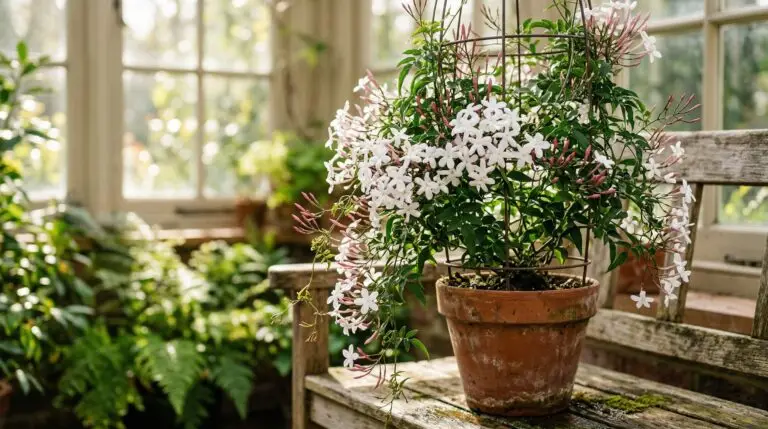
Growing jasmine indoors for fragrant winter blooms from a houseplant vine
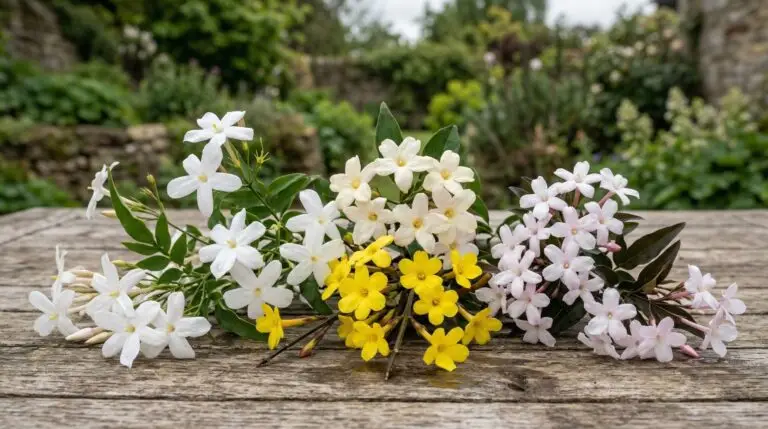
Winter jasmine for cheerful yellow flowers on bare branches in the coldest months
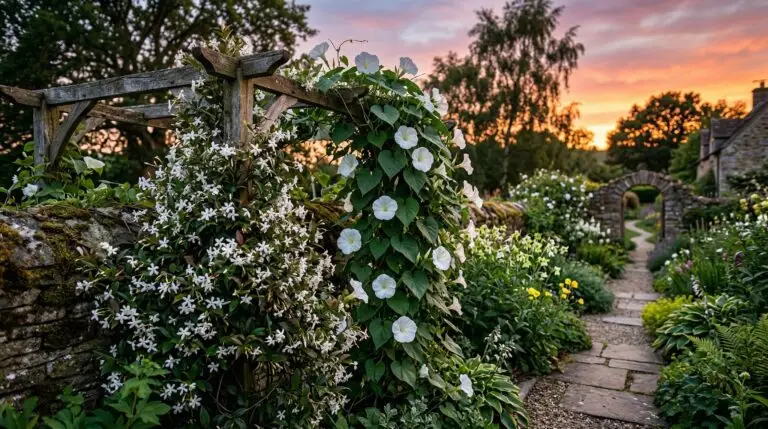
Companion plants for jasmine: what to grow and what to avoid
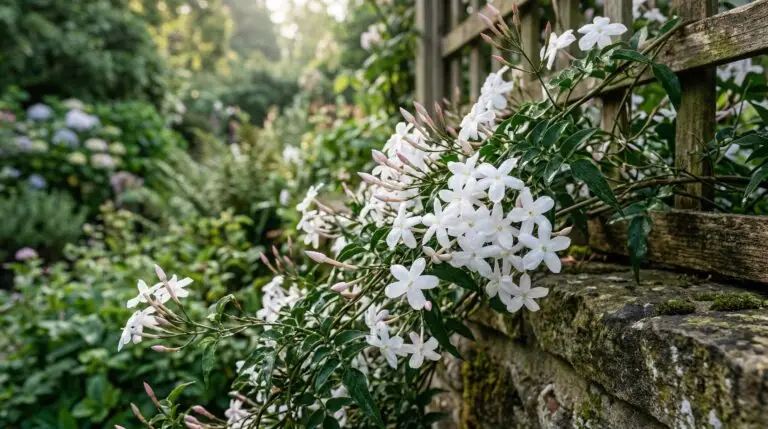
Why jasmine is not blooming and the cold night temperatures it needs to set buds
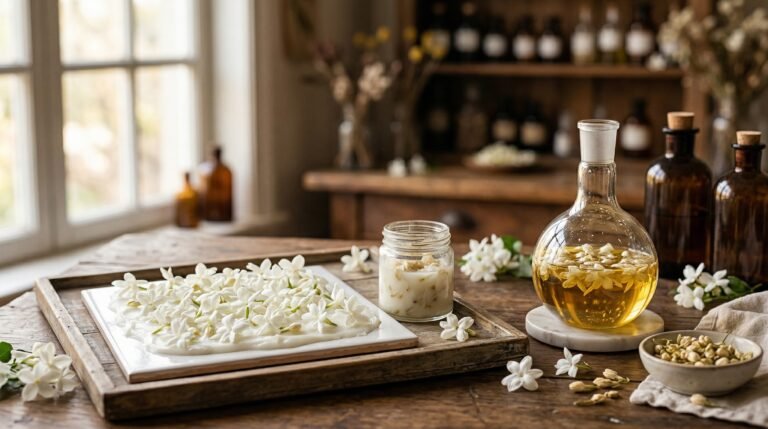
Jasmine essential oil and why this is one of the most precious fragrances on earth
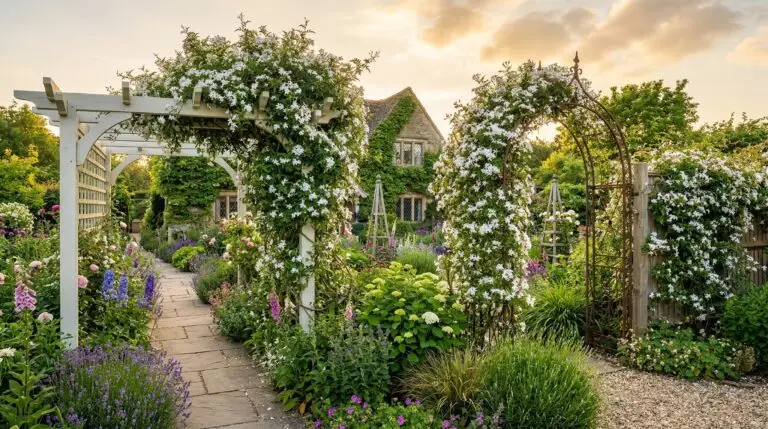
Training jasmine vines on arbors trellises and pergolas for fragrant garden structures
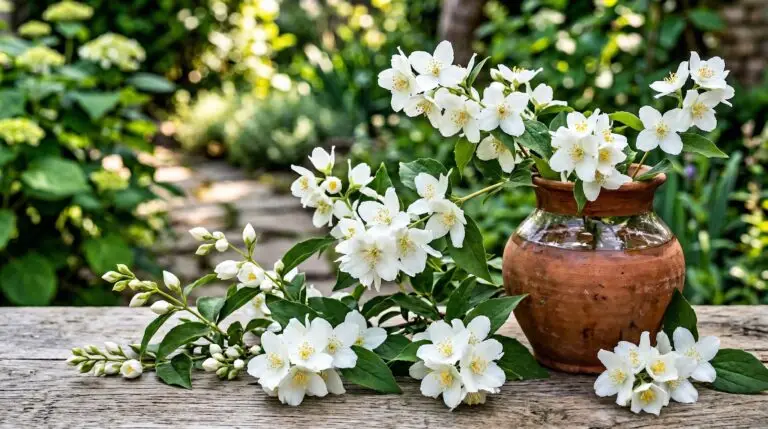
Best jasmine varieties from hardy winter jasmine to intensely fragrant Arabian jasmine
Jasmine tea and the ancient art of scenting tea leaves with fresh jasmine flowers
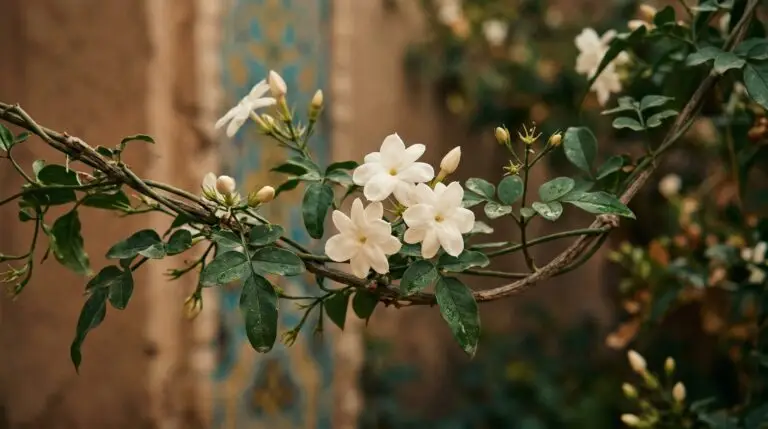
Jasmine flower meaning and why it represents love and sensuality across cultures
Enjoying our flower guides? Add YourFlowersGuide as a preferred source on Google. It helps more readers find us.
Add to Preferred Sources