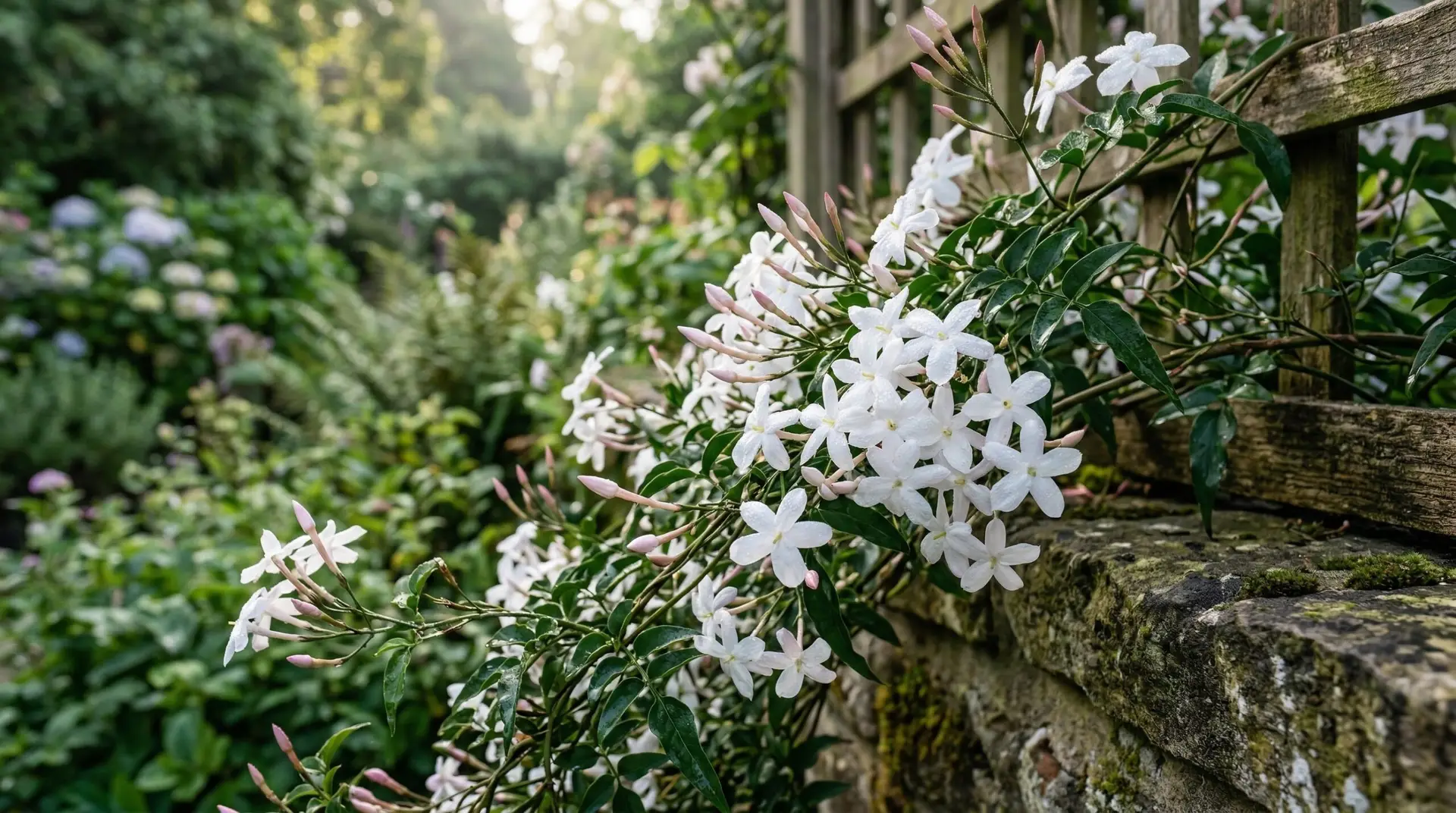
You buy a jasmine plant for one specific reason, and it is entirely about the fragrance of those tiny white or pink blossoms. When you spend months watering and caring for a vine that grows aggressively but refuses to produce a single flower, it feels incredibly frustrating. I hear from gardeners every week who are staring at a massive, healthy green plant and wondering exactly why they have a jasmine with no flowers. The truth is that getting a jasmine to bloom is rarely about simply giving it more water or repotting it into better soil. These plants operate on specific environmental triggers, and if you miss just one of those signals, the plant will happily remain a foliage vine indefinitely. We need to look at exactly what signals your plant is missing and how to adjust your care routine so you can finally get those blooms.
The most common culprit behind a jasmine not blooming is a misunderstanding of how the plant experiences seasons. Many people keep their jasmine indoors year-round because they fear the cold will kill it, keeping the house at a comfortable seventy degrees all winter. While the plant will survive perfectly well at room temperature, it misses the specific environmental cue that tells it to start reproducing. Without a distinct shift in weather, the plant assumes it is still the middle of summer and continues pushing out new green leaves instead of preparing for a spring bloom. Fixing this requires a slight shift in how you treat the plant during the autumn months, moving away from constant comfort and introducing a bit of controlled stress.
Contents 4 sections
The cold night temperature trigger
If you are growing the very popular pink jasmine or white winter jasmine, you are dealing with a plant that absolutely requires a cold period to initiate its blooming cycle. When autumn arrives, these specific varieties need to experience night temperatures dropping down into the forty to fifty degree range for several weeks. This chilling period is the biological switch that causes the plant to stop growing leaves and start forming flower buds for the late winter or early spring display. If you keep the plant inside your heated living room during November and December, that biological switch never flips, resulting in a completely green vine with no buds. The plant relies on this temperature drop to signal that winter is approaching and that it is time to prepare for the next generation. Much like a camellia needs specific cool weather patterns to develop its winter flowers properly, your jasmine is waiting for a chill in the air to tell it what to do next.
Replicating this chill period requires a bit of strategic placement if you live in a climate with freezing winters. You cannot just leave the plant outside in a snowstorm, as hard freezes will damage or kill the tropical and subtropical varieties commonly sold as houseplants. Instead, you need to find an unheated room, a cool enclosed porch, or an attached garage with a window where the temperatures hover in the low fifties at night. Leave the plant in this chilly spot for about four to six weeks during the late fall while making sure it still gets some daylight. You will need to monitor the space with a thermometer to ensure it does not accidentally drop below freezing during a sudden cold snap. Once you see the tiny clusters of buds begin to form at the ends of the vines, you can bring the plant back into your normal living space to enjoy the fragrant display as the flowers open.
Light levels and energy for blooming
Even if you get the temperature drop exactly right, your jasmine bud set will fail completely if the plant is starved for light. Producing hundreds of highly fragrant flowers takes an enormous amount of energy, and the plant can only manufacture that energy through direct sunlight. Many indoor gardeners place their vines in the middle of a room or near a north-facing window where the light is bright but indirect. While this is enough light to keep the leaves green and the roots alive, it is nowhere near enough solar energy to fuel a heavy bloom cycle. You will see a similar issue if you try to grow a gardenia in a dark corner, as these heavy bloomers simply abort their flowering plans when they lack the necessary light. Moving a plant into a darker spot temporarily for display is fine, but it cannot live there full time if you expect it to bloom.
To fix a light deficiency, you need to give your jasmine the brightest spot available in your home during the winter months. A large south-facing or west-facing window that receives several hours of direct, unfiltered sunlight is usually the best option for indoor plants. If you do not have a window that provides adequate sun, you will need to supplement the natural light with a dedicated grow light positioned a few inches above the foliage. During the summer, the absolute best thing you can do for your indoor jasmine is to move it outside to a patio or balcony. Letting the plant soak up abundant outdoor sunshine for several months builds up the internal energy reserves it needs to push out a large flush of flowers the following spring. Just remember to bring it back inside or into a protected cool space before the first hard frost hits your area.
Nitrogen overload and fertilizer mistakes
Another frequent mistake that leads to a jasmine not blooming involves the exact type of fertilizer you are pouring into the soil. When gardeners see a plant struggling to flower, their first instinct is often to feed it with a heavy dose of all-purpose liquid fertilizer. The problem is that most standard houseplant fertilizers are heavily weighted toward nitrogen, which is the nutrient responsible for fueling rapid, green leafy growth. When you pump a jasmine full of nitrogen, the plant responds by growing long, aggressive vines and giant green leaves at the absolute expense of any flower production. You are essentially telling the plant to focus all of its energy on expanding its footprint rather than reproducing. A vine that is growing a foot a month in the middle of winter is a clear sign of nitrogen overload and will rarely produce buds.
Correcting a fertilizer imbalance requires a shift in your feeding strategy as the blooming season approaches. During the spring and early summer, a balanced fertilizer is perfectly fine to help the plant recover from pruning and put on new growth. However, as late summer turns into fall, you need to stop feeding the plant entirely to let the rapid growth slow down. If you feel you must fertilize, switch to a formula that is higher in phosphorus and potassium, which support root health and flower development rather than foliage. Flushing the soil with plain water can also help wash away excess nitrogen salts that may have built up in the pot over the summer months. By withholding fertilizer in the fall, you help signal to the plant that the active growing season is over and the blooming season is near.
Pruning away the future flowers
Timing your pruning incorrectly is a guaranteed way to ensure your jasmine produces absolutely no flowers for an entire year. Many people get annoyed by the long, straggly vines that jasmine produces in the late summer and decide to give the plant a severe haircut in the autumn. Unfortunately, many spring-blooming varieties set their flower buds on the older wood that grew during the previous summer. When you take a pair of shears to the plant in October or November, you are physically cutting off every single microscopic bud that the plant was preparing to open. The plant will look tidy for the winter, but you will have completely destroyed your chances of seeing any blossoms. You have to learn to tolerate a slightly messy plant in the fall if you want a fragrant display in the spring.
The only safe time to prune a spring-blooming jasmine is immediately after it finishes flowering. Once the last blossoms turn brown and fall off, you have a window of a few weeks to trim the vines back, shape the plant, and control its size. Any new growth that emerges after this spring pruning will have plenty of time to mature and develop the necessary wood to support the next year’s flower buds. If your plant has grown completely out of control and you missed the spring pruning window, you will have to accept that bringing it back into shape now means sacrificing the upcoming bloom cycle. Sometimes taking that loss is necessary for the long-term health of an overgrown plant, but you should make that cut knowing exactly what the consequence will be. Planning your pruning schedule around the natural blooming cycle prevents you from accidentally sabotaging your own efforts.
Getting a jasmine to bloom reliably requires you to stop treating it like a static piece of home decor and start treating it like a living thing that responds to the seasons. You have to orchestrate the right combination of bright summer light, a distinct drop in autumn temperatures, and a strict hands-off approach to pruning in the fall. Missing just one of these requirements is usually the exact reason why a previously healthy plant suddenly stops producing flowers. If you only remember one piece of advice when dealing with a stubborn, flowerless jasmine, let it be this simple routine. Put the plant outside in the early fall and leave it there until the night temperatures consistently threaten to drop below forty degrees. That natural, extended exposure to chilly autumn nights is the single most effective way to force a healthy jasmine to finally set its buds and reward you with the fragrance you have been waiting for.
More About Jasmine flower
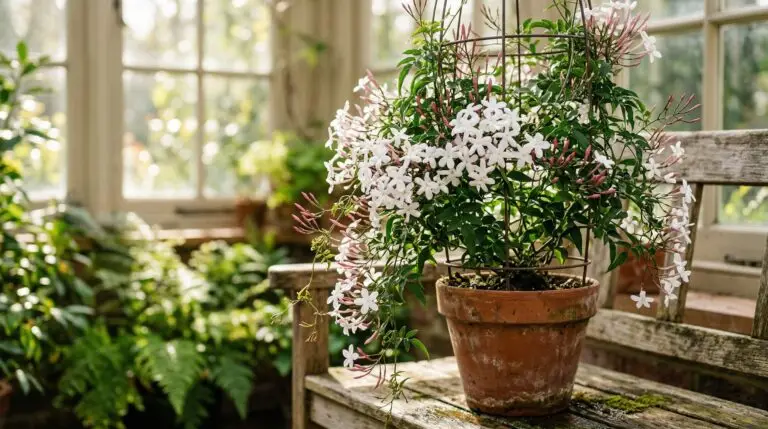
Growing jasmine indoors for fragrant winter blooms from a houseplant vine
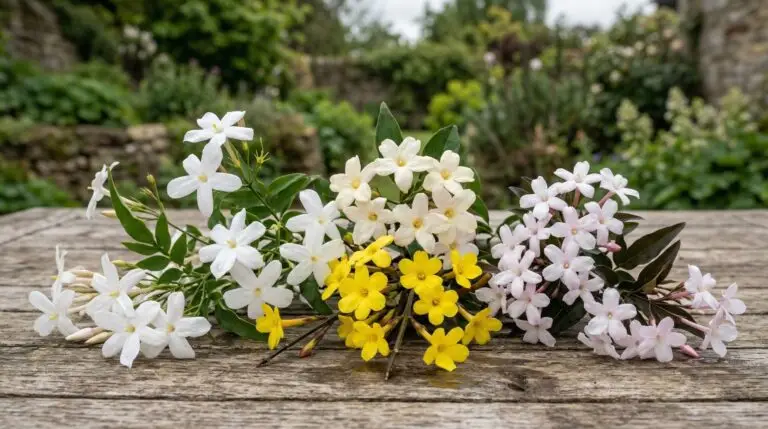
Winter jasmine for cheerful yellow flowers on bare branches in the coldest months
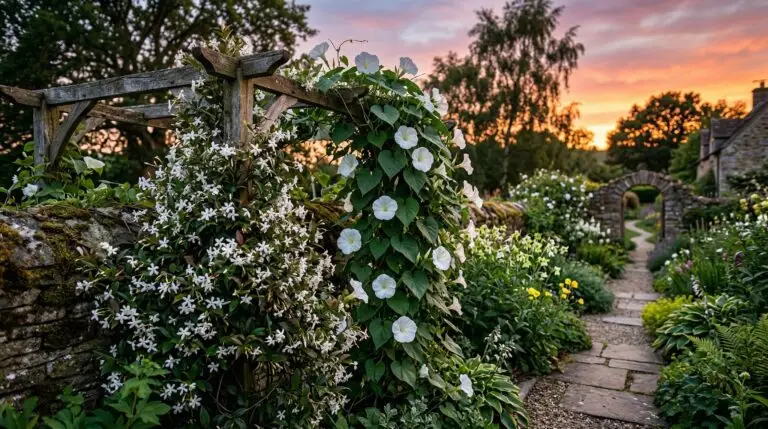
Companion plants for jasmine: what to grow and what to avoid
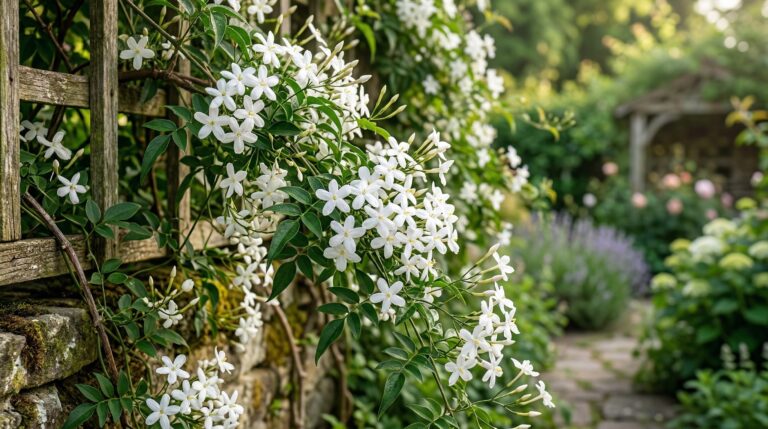
How to grow jasmine for intoxicating evening fragrance that fills the entire garden
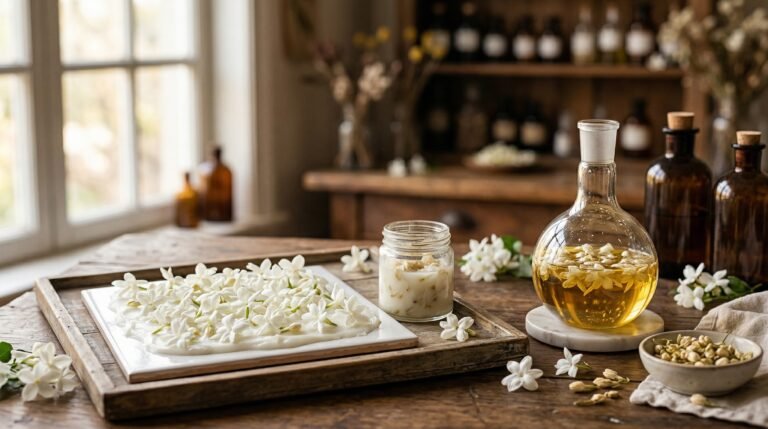
Jasmine essential oil and why this is one of the most precious fragrances on earth
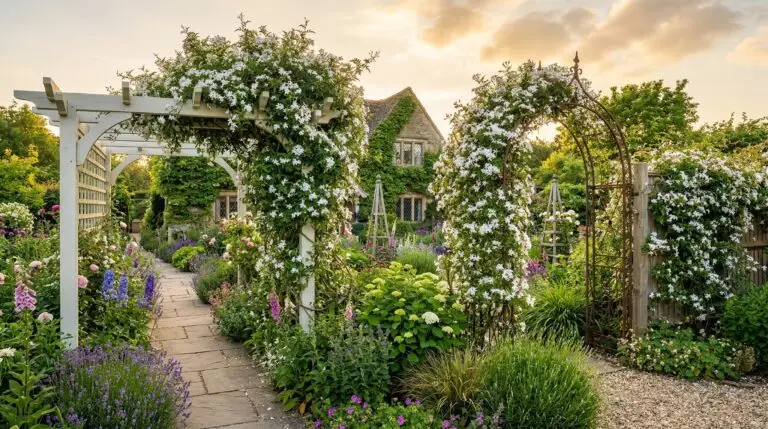
Training jasmine vines on arbors trellises and pergolas for fragrant garden structures
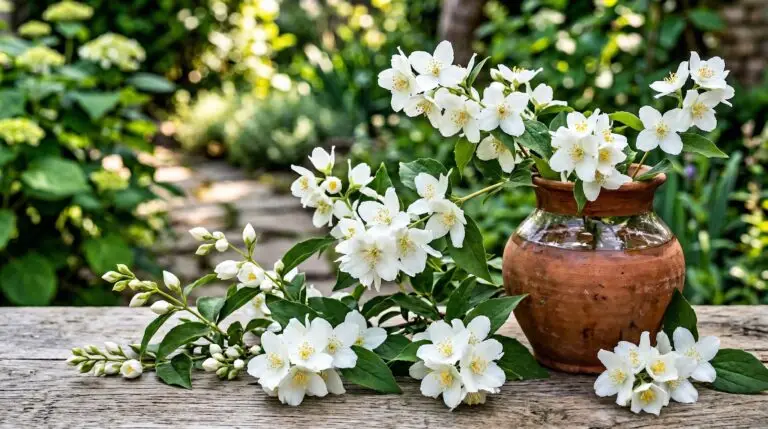
Best jasmine varieties from hardy winter jasmine to intensely fragrant Arabian jasmine
Jasmine tea and the ancient art of scenting tea leaves with fresh jasmine flowers
Jasmine flower meaning and why it represents love and sensuality across cultures
Enjoying our flower guides? Add YourFlowersGuide as a preferred source on Google. It helps more readers find us.
Add to Preferred Sources