When gardeners approach the vast selection of lantana varieties available today, the sheer volume of choices can overwhelm the senses. Rather than cataloging every option on the market, it is far more useful to evaluate these plants through the lens of modern breeding achievements. The most significant advancements in recent decades have focused heavily on refining growth habits and reducing seed production. Older types of lantana earned a reputation for aggressive spreading and messy berry drop, making them a liability in carefully planned garden spaces. By focusing on specific modern series, we can select plants that offer the characteristic heat tolerance of the species without the unruly behavior of their predecessors. Evaluating these modern series based on their sterile nature and specific growth habits reveals a clear hierarchy of quality.
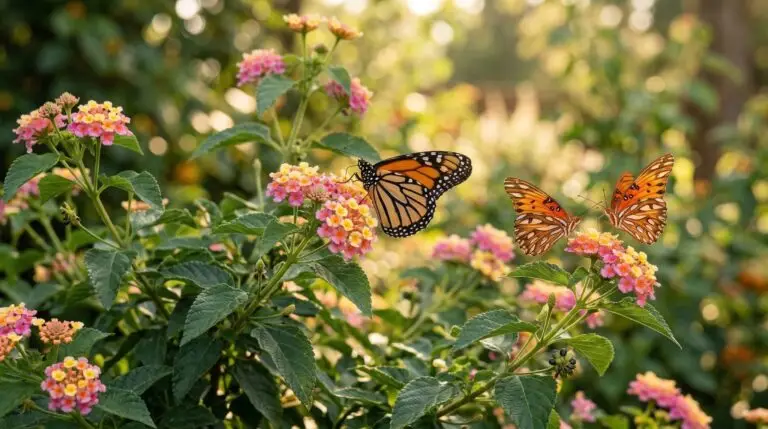
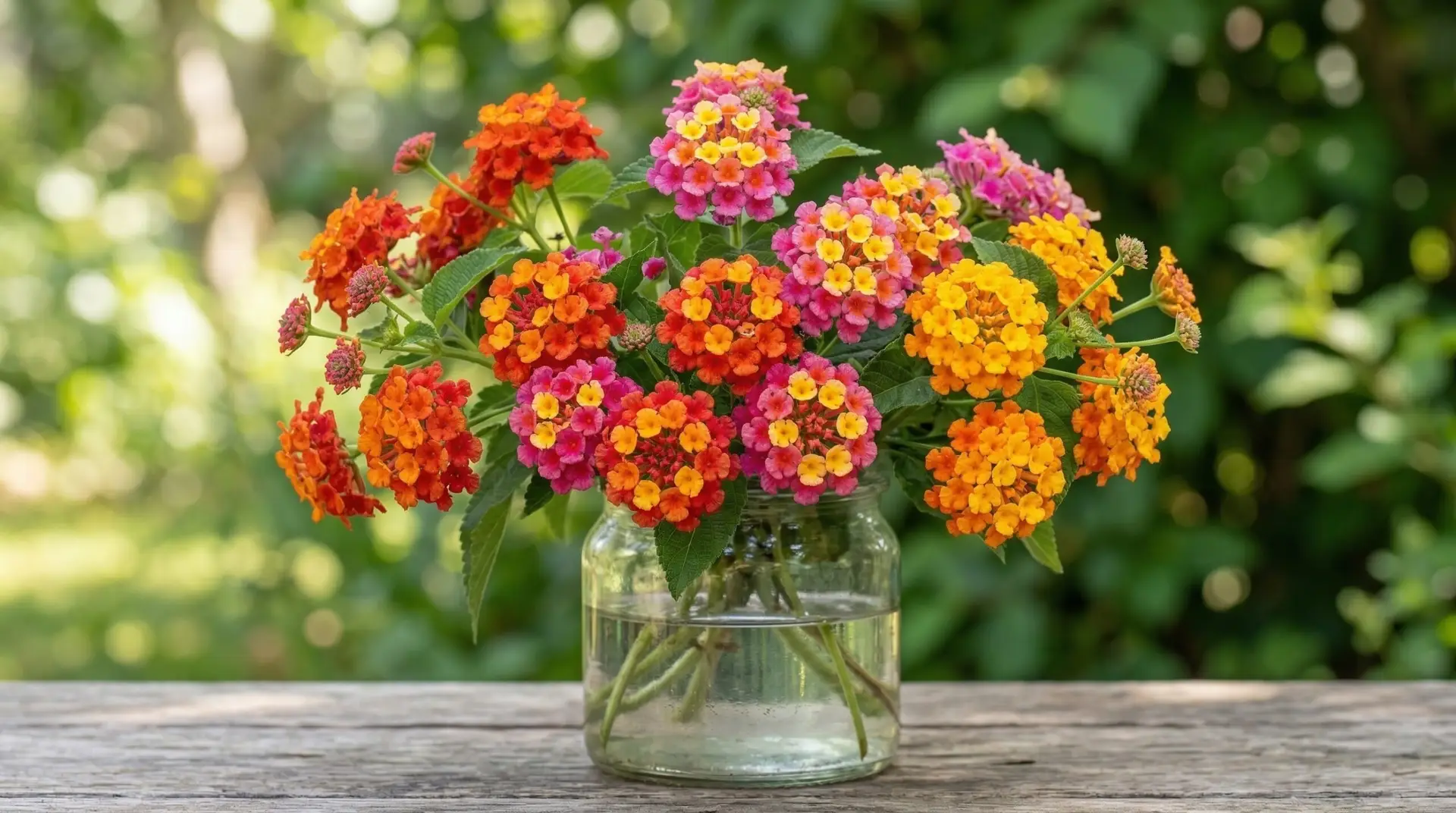
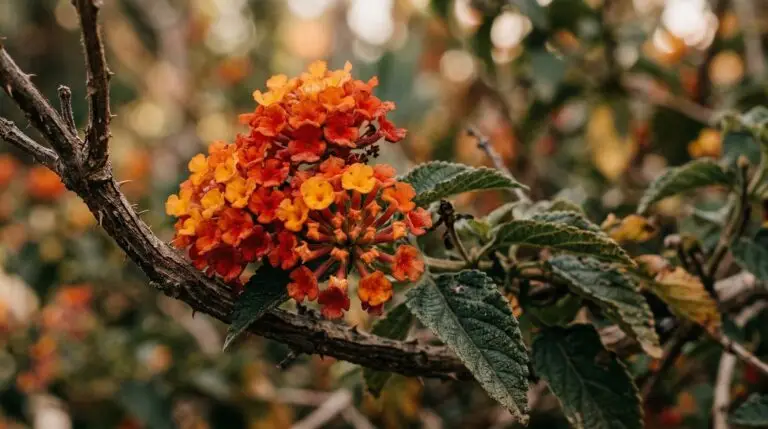
The defining characteristic of most types of lantana is the way their flower clusters change color as they mature on the stem. Each rounded cluster, called an umbel, opens its individual tiny flowers sequentially from the outside edge toward the center. A newly opened flower might start as pale yellow, shift to bright orange on its second day, and mature into deep red or magenta before finally fading. This biological mechanism actually signals local pollinators, indicating which individual blooms still contain nectar and which have already been visited. The result is a single flower head that displays three distinct colors simultaneously, creating a complex visual effect. Understanding this color-shifting behavior helps clarify why certain mixed varieties look deliberately designed while older species types appear visually chaotic.
The case for sterile and low-seed varieties
Many traditional gardening guides recommend older species forms, but in practice, these often underperform compared to newer sterile or low-seed introductions. When a lantana produces heavy crops of dark berries, it diverts immense energy away from creating new flowers. These toxic berries also create a significant nuisance when they drop onto patios and walkways late in the summer. The Luscious series eliminates this problem by remaining virtually sterile throughout the entire growing season. Because these plants never set viable seed, they continue pushing out fresh blooms from late spring until the first frost without requiring the tedious task of deadheading. Within this specific series, the plants maintain a vigorous but well-branched habit that fills large spaces without becoming woody or sparse in the center.
Upright mounds for structural impact
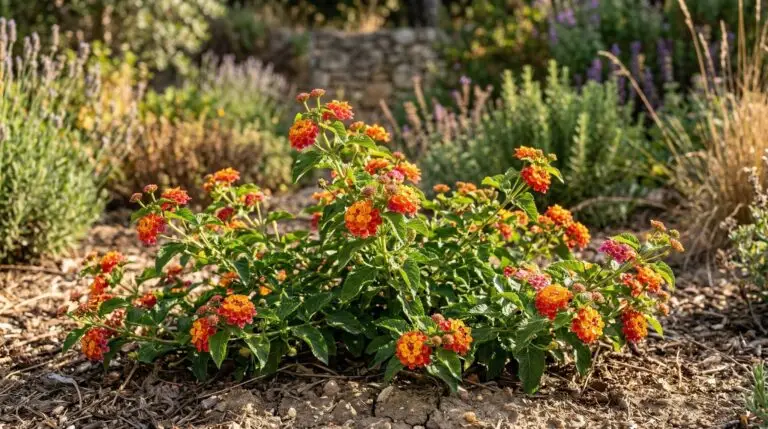
For gardeners needing a predictable, mounding shape that holds its own in mixed borders, the Bandana and Lucky series represent the peak of current breeding. The Bandana series is particularly notable for producing some of the largest individual flower clusters in the genus, held prominently above dense, dark green foliage. These plants form tight, rounded mounds that rarely exceed two feet in height, making them excellent structural anchors at the front of a hot, sunny garden bed. The Lucky series offers a very similar compact, upright growth habit but tends to bloom slightly earlier in the season. Plants in the Lucky series handle the transition from greenhouse containers to garden soil with exceptional reliability. Both series resist the stretching and flopping that often plagues older upright varieties by late summer.
Within these mounding types, the specific color mixes deserve careful consideration before planting. The Confetti variety remains a standard against which other multicolored types are judged, blending pink, yellow, and magenta in a way that feels highly intentional. Gardeners often rely on a trailing petunia for bright, continuous summer color, but in climates with extreme heat and high humidity, a mounding lantana will easily outlast it. The dense canopy formed by the Bandana and Lucky series naturally suppresses weeds around their base while keeping the root zone slightly cooler. Their stiff, upright stems carry the heavy flower clusters easily without snapping in summer thunderstorms. Choosing these tightly controlled upright varieties ensures the garden retains a deliberate, designed appearance even during the most punishing weeks of August.
Trailing forms for edges and containers
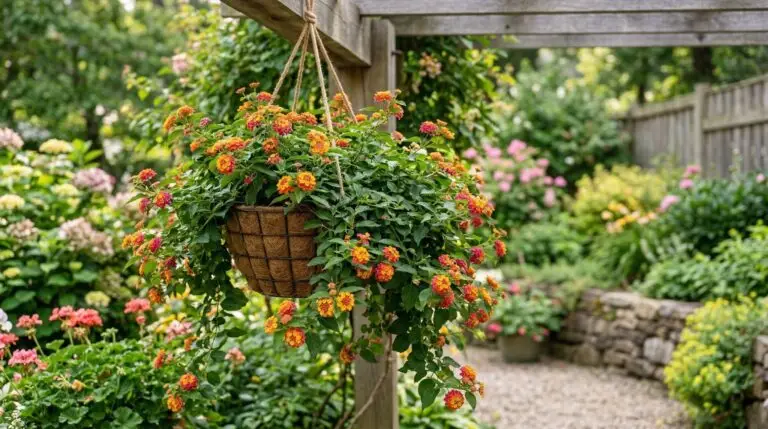
While mounding types excel in garden beds, trailing lantana varieties solve entirely different design problems. These low-growing, spreading plants are genetically distinct from their upright cousins and behave much more like a groundcover. They will eagerly spill over the edges of tall planters, soften the harsh lines of retaining walls, and weave through gaps in rock gardens. Much like a spreading verbena, they root lightly along their stems wherever they touch bare soil, creating a dense mat of drought-tolerant foliage. Their lax stems lack the stiff, woody character of upright types, allowing them to move gracefully in the wind. This flexible growth habit allows them to cascade naturally down vertical surfaces without looking stiff or artificial.
Among the trailing options, the pure white Nivea stands out as a highly overlooked selection in a genus famous for loud, tropical colors. Most gardeners associate the best lantana varieties with fiery reds, bright oranges, and deep yellows, completely ignoring the cooling effect of pure white flowers in a summer garden. Nivea produces pristine white umbels with just a faint touch of pale yellow in the very center of newly opened blooms. This pale yellow center quickly fades to snow white as the individual tiny flowers mature. This variety is exceptionally useful for breaking up large masses of intense color or for illuminating evening gardens where dark reds and purples disappear into the shadows. Using a trailing white variety provides a sophisticated, restrained alternative to the typical chaotic color mixes usually associated with the plant.
The curator’s top selection
After evaluating the growth habits, sterility, and color stability of the current market offerings, one specific variety stands above the rest for overall garden performance. Luscious Marmalade combines the best traits of modern breeding into a single, highly reliable plant. It produces an unbroken sequence of bright orange and golden yellow flowers from planting day until a hard freeze. This specific cultivar entirely avoids the exhausting seed-setting phase that ruins the late-season appearance of older varieties. The habit is neither rigidly stiff nor completely prostrate, forming a graceful, sprawling mound that works equally well in the ground or in large planters. For gardeners who want the maximum return on their planting effort with zero required maintenance, this specific selection represents the highest standard of what a modern lantana can achieve.
More About Lantana
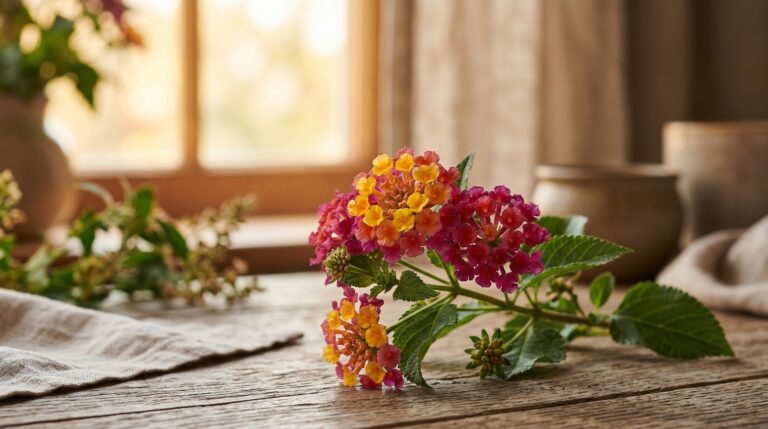
Why lantana flowers change color as they age and the science behind the show
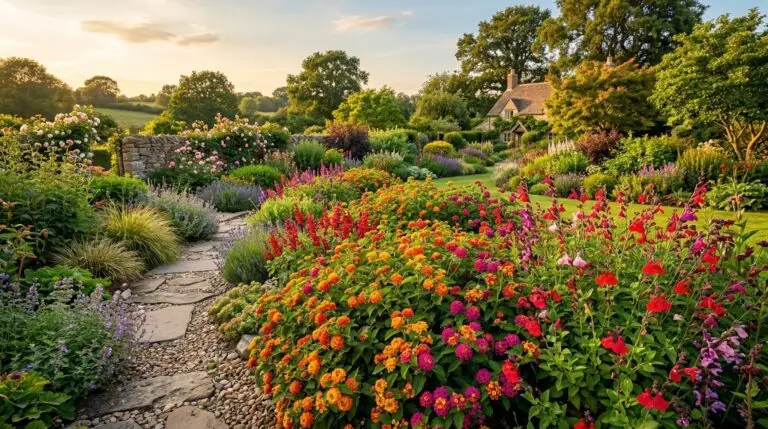
Companion plants for lantana in hot sunny borders and Mediterranean-style gardens
Lantana flower meaning and the resilient beauty of this tough tropical bloomer
Lantana as a low-maintenance ground cover for slopes and hard-to-mow areas
Overwintering lantana plants indoors for saving your favorite varieties until spring
Is lantana invasive and how to grow it responsibly in warmer climates
Growing lantana in containers and hanging baskets for summer patio color
How to grow lantana for non-stop color in the hottest driest spots in your garden