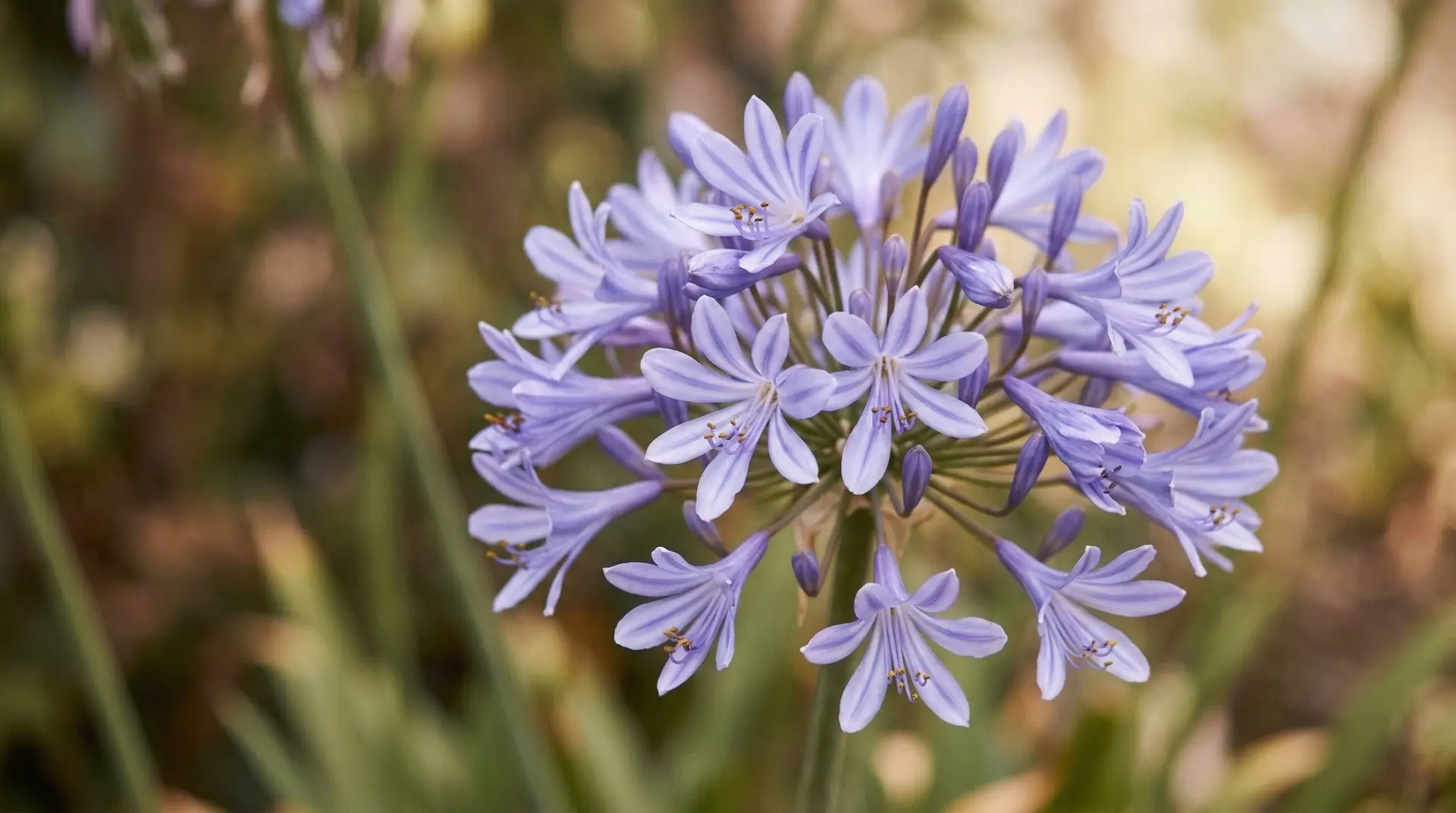
In the late seventeenth century, botanists working for the Dutch East India Company established a supply station at the Cape of Good Hope and began cataloging the unfamiliar flora of southern Africa. Among the distinctive plants they encountered was a tall, structural perennial producing globes of blue flowers on long stalks. They sent seeds and rootstocks back to the botanical gardens of Europe, where the plant quickly captivated cultivators who had never seen such a specific shade of azure in a large flowering perennial. When European taxonomists officially classified the plant, they looked to ancient Greek to capture its essence, combining the words “agape,” meaning love, and “anthos,” meaning flower. This gave birth to the botanical name Agapanthus, literally translating to the flower of love. The name locked the plant into a romantic narrative that would follow it across continents and centuries. Today, the agapanthus meaning remains deeply tied to this original naming convention, though its cultural story begins long before European ships arrived in South Africa.
Traditional medicine and meaning in South Africa
Before it was named the flower of love in European greenhouses, the agapanthus held profound spiritual and practical significance for the indigenous peoples of southern Africa. In traditional Xhosa and Zulu cultures, the plant is known as isicakathi and is a vital component of traditional medicine and spiritual protection. Traditional healers have long used the roots and leaves of the plant to create preparations for pregnant women, believing the medicine ensures a healthy pregnancy and an easy labor. Beyond its physical applications, the agapanthus carries strong protective symbolism, often grown around homes or worn as a charm to ward off storms and lightning. The plant is deeply woven into rituals surrounding fertility, maternal strength, and the protection of new life. This indigenous understanding of the plant focuses on a different kind of love than the romantic European interpretation, centering instead on maternal devotion, communal survival, and the fierce protection of the vulnerable. These practices continue in many parts of South Africa today, existing alongside the plant’s global reputation as an ornamental garden flower.
Botanical exploration and the European naming
As the plant spread through European aristocratic gardens in the eighteenth century, it acquired the common name African lily, a moniker that reveals the era’s tendency to group unfamiliar plants with known specimens. The agapanthus is entirely unrelated to the true lily, belonging instead to the Amaryllidaceae family, but the loose, trumpet-shaped individual flowers misled early observers. The intense blue of the original species, Agapanthus africanus, made it a highly prized specimen in the orangeries of France and England, where it was grown in large wooden tubs and overwintered indoors. The French botanist Charles Louis L’Héritier de Brutelle formalized the genus name Agapanthus in 1788, cementing the literal “love flower” translation into scientific literature. The European fascination with the plant was driven by both its exotic origins and its architectural form, which contrasted sharply with the softer, more delicate woodland flowers native to the northern hemisphere. By naming it the flower of love, botanists elevated the agapanthus from a mere botanical curiosity to a plant rich with poetic potential. This naming convention ensured the agapanthus symbolism would always lean toward romance, regardless of its actual botanical lineage.
Victorian flower language and romantic symbolism
During the nineteenth century, the Victorian obsession with floriography transformed the agapanthus from a greenhouse specimen into a vessel for secret communication. The rigid social etiquette of the era prevented open expressions of affection, leading lovers to exchange carefully arranged bouquets where every bloom carried a specific message. Because its scientific name literally translated to “love flower,” the agapanthus became a powerful symbol of deep, enduring romantic attachment in the Victorian flower language. Senders would use the blue globes to declare their affections when words were socially unacceptable, pairing them with other meaningful blooms to create complex emotional letters. The agapanthus offered a bold, visual declaration of love that contrasted with smaller, more common garden flowers. While a suitor might use a jasmine blossom to suggest amiability or grace, the agapanthus was reserved for profound, unmistakable declarations of romantic intent. The plant’s ability to thrive and multiply over time also allowed it to symbolize a love that grows stronger and more expansive with the passing years.
Modern cultivation and contemporary symbolism
The historical narratives surrounding the agapanthus continue to shape its role in modern gardens and floral design. The Dutch developed early breeding techniques for these plants in the seventeenth and eighteenth centuries, and modern hybridizers still use variations of the same approach to create new cultivars with darker blues, pure whites, and hardier constitutions. In contemporary floral design, the agapanthus remains a popular choice for wedding arrangements, where its historical designation as the flower of love suits the occasion perfectly. The structural integrity of the flower head, composed of dozens of individual blooms radiating from a single strong stem, is often interpreted as a symbol of unity and the gathering of family around a central bond. Gardeners today plant agapanthus for its architectural beauty and drought tolerance, but they are also participating in a centuries-old tradition of cultivating romance and protection. Whether grown in a coastal California garden or a traditional South African homestead, the plant carries the weight of its history in every spherical bloom. The agapanthus is a living record of human connection, linking the protective charms of indigenous healers with the romantic gestures of Victorian lovers.
More About Agapanthus
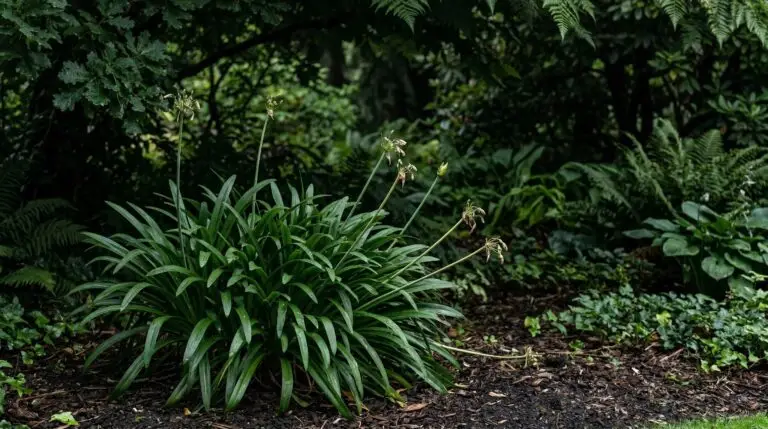
Why your agapanthus is not blooming and how to fix it
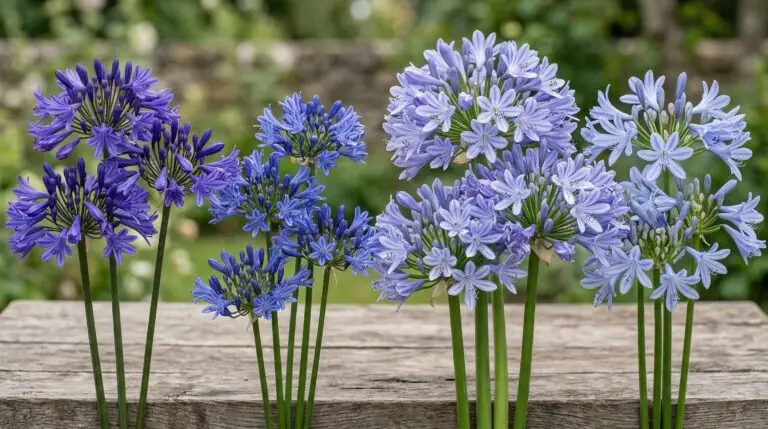
Evergreen versus deciduous agapanthus and which type suits your garden
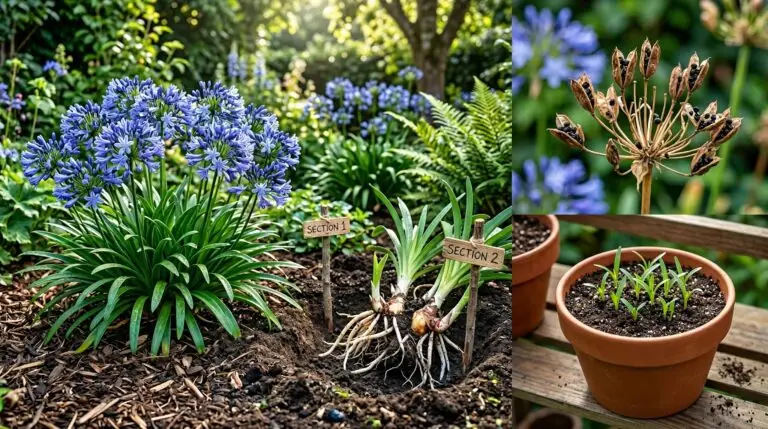
How to divide and propagate agapanthus for more plants every season
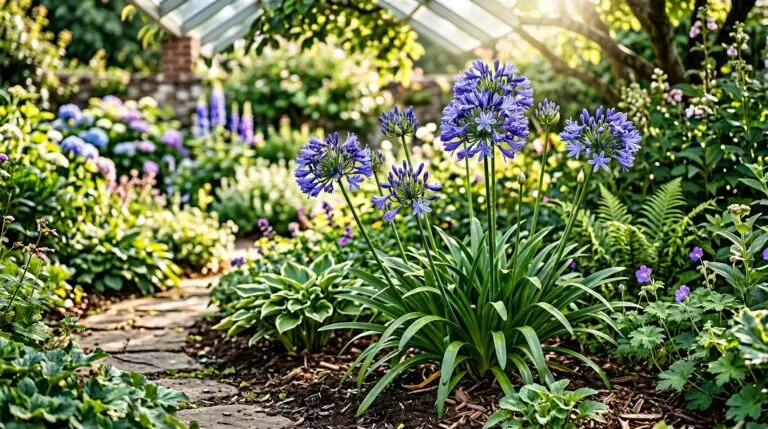
Growing agapanthus indoors as a striking houseplant that actually blooms
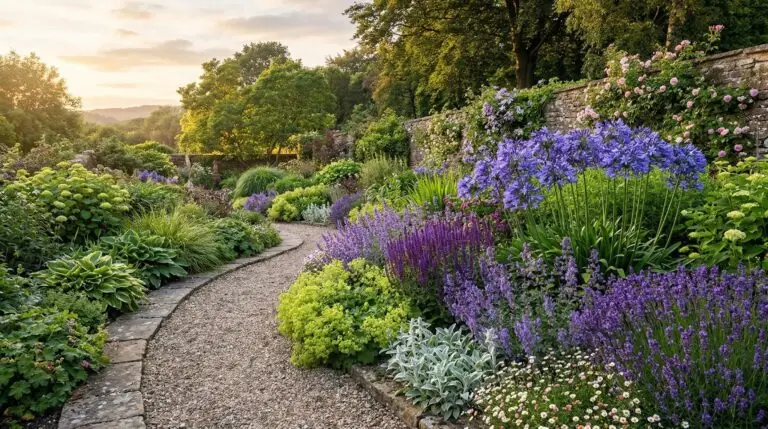
Best companion plants for agapanthus to create a layered garden border
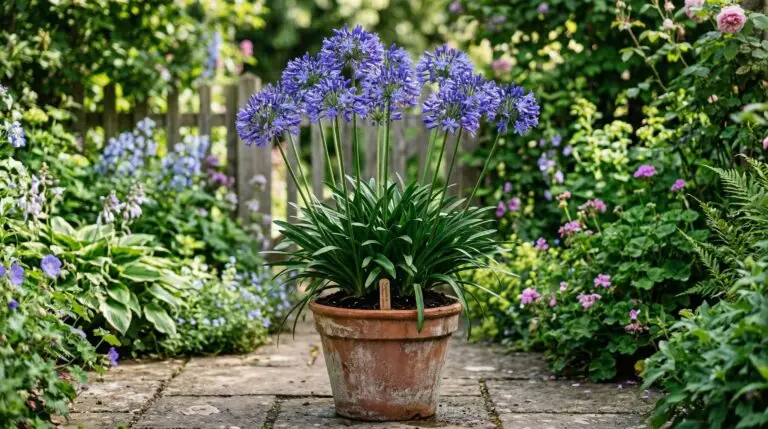
How to grow agapanthus in pots and containers for a spectacular patio display
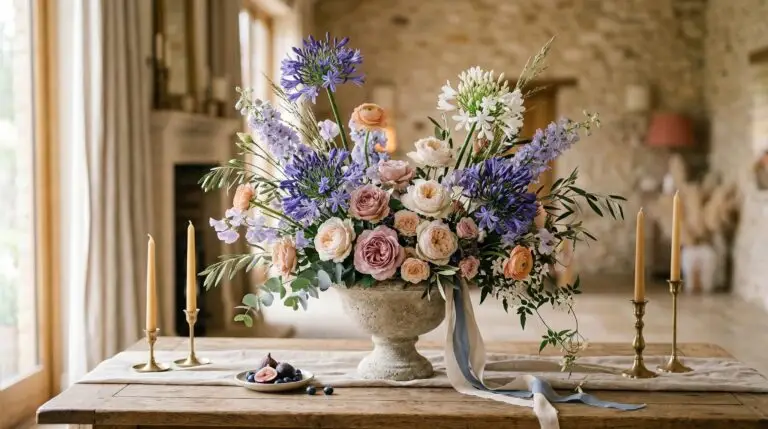
Agapanthus wedding bouquets and floral arrangements that feel effortlessly elegant