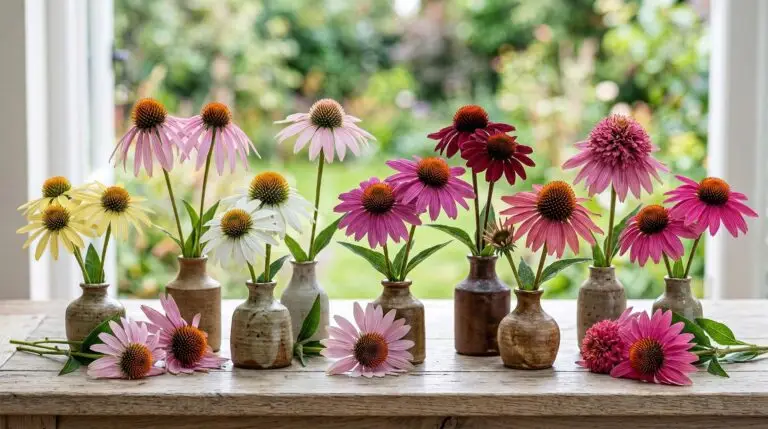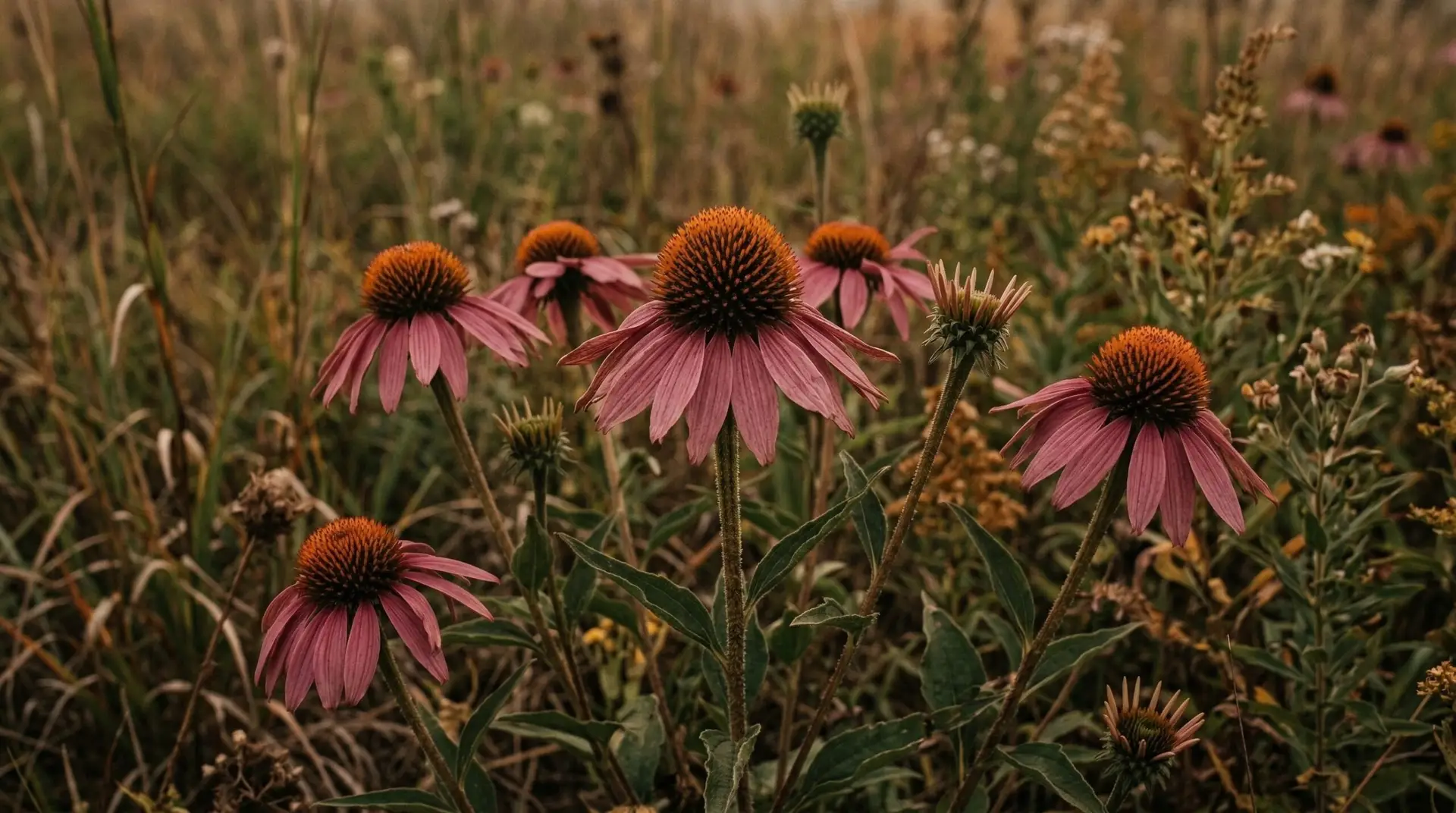
Long before the coneflower became a familiar sight in suburban flower beds, it belonged to the vast, windswept prairies of North America. The rough, bristly stems pushed through the thick prairie grass every spring, carrying heavy buds that would eventually open into pale purple petals drooping around a rust-colored central cone. Plains tribes knew this plant intimately, long before European botanists arrived to catalog it. They watched the plant survive blistering summer droughts and freezing winters, recognizing a resilience that they soon learned to borrow for themselves. The story of the coneflower is the story of a wild medicine that slowly made its way from the open plains into our fenced backyards and teacups.
The roots of the narrow-leaved purple coneflower, known botanically as Echinacea angustifolia, held a sharp, tingling bite that numbed the tongue when chewed. Native Americans across the Great Plains relied on this numbing effect to soothe toothaches and sore throats during the harsh winter months. They ground the heavy taproots into poultices for insect stings, burns, and snakebites, trusting the plant to draw out infection and speed the healing process. When early European settlers moved westward, they observed these practices and quickly adopted the root for their own survival kits. By the late nineteenth century, doctors associated with the Eclectic medical movement had turned the wild prairie flower into one of the most prescribed botanical medicines in the United States.
The shift from wild plains to apothecary shelves
As commercial demand grew, wild populations of the narrow-leaved coneflower faced heavy harvesting pressure. Botanists and pharmacists began looking toward a closely related species, Echinacea purpurea, which grew taller and adapted much easier to cultivation. This broad-leaved cousin traded the dry, rocky soils of the western plains for the moister edges of eastern woodlands, making it an ideal candidate for farming. The transition saved the wild populations from being completely dug up and introduced the coneflower to a much broader audience. Growers found that the cultivated plant produced the same tongue-tingling compounds, and soon the purple coneflower became the primary source for tinctures and salves across the country.
Today, the connection between the ornamental garden flower and its medicinal past often gets lost among the bright orange and double-petaled cultivars sold at local nurseries. Those highly bred varieties look beautiful against a white picket fence, but they have lost much of the chemical potency that defined their wild ancestors. To experience true coneflower medicinal properties, a gardener must seek out the original, unadulterated species. Planting plain Echinacea purpurea seeds directly into the spring soil starts a slow process of building both a garden display and a home apothecary. The seeds require a period of cold stratification, mimicking the freezing prairie winters, before they will wake up and send their first green shoots toward the sun.
Tending the medicinal garden through the seasons
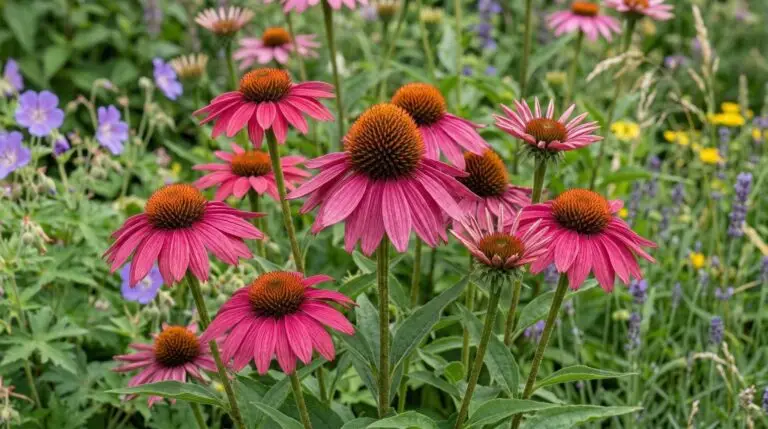
Once established, the purple coneflower asks very little of the person who planted it. The thick, hairy leaves emerge in late spring, forming a dense basal rosette that crowds out competing weeds. By midsummer, the stalks rise three to four feet in the air, topped with the familiar spiky cones that give the plant its name, derived from the Greek word for hedgehog. Bees and butterflies crowd the blooms throughout July and August, drinking nectar while the plant busily manufactures the complex sugars and alkylamides that provide echinacea health benefits. The gardener simply watches and waits, letting the summer sun bake the oils and compounds into the leaves, flowers, and roots.
Harvesting requires a sense of timing and a willingness to dismantle the very thing you spent months growing. While commercial operations often dig up the entire three-year-old taproot for maximum potency, a home gardener can take a gentler approach. Gathering the aerial parts, the leaves, stems, and newly opened flower heads, provides plenty of material for home use without killing the plant. Snipping the flowers at the height of summer, just as the petals begin to drop downward, captures the plant energy at its peak. You lay the heavy flower heads and rough leaves on screens in a warm, dark room, letting the moisture slowly evaporate until the plant material snaps cleanly between your fingers.
Brewing resilience for the winter months
The true reward of growing your own medicine arrives months later, when the garden outside is dormant and the cold weather sets in. Making echinacea tea requires a bit more effort than simply pouring boiling water over delicate leaves. Because the beneficial compounds are locked inside tough plant fibers, the dried coneflower needs to be simmered gently in water for fifteen to twenty minutes, a process herbalists call decoction. The resulting liquid takes on a dark, earthy color and a slightly bitter, woody flavor that tastes exactly like the wild roots from which it came. Many people rely on this strong brew for echinacea immune support at the very first sign of a winter chill or a scratchy throat.
Because the flavor of pure coneflower can be somewhat harsh on its own, gardeners often blend it with other herbs they harvested during the summer. Adding a handful of dried chamomile flowers during the last few minutes of steeping brings a soft, apple-like sweetness that balances the earthy bite of the echinacea root. Some prefer to mix in a few sprigs of lavender, which adds a floral aroma and helps calm the body when fighting off a cold. These combinations turn a strictly functional medicinal brew into a comforting ritual, blending the different seasons and harvests of the garden into a single warm cup.
Sitting by a window with a mug of this dark tea, you can look out at the empty patches of soil where the coneflowers grew. The snow might be covering the dormant crowns, but the warmth of the summer sun and the resilience of the prairie are held right there in your hands. The plant completes its cycle, moving from a tiny seed in the cold spring dirt to a towering summer bloom, and finally to a quiet, healing presence in the depths of winter. Growing and drinking your own coneflower tea closes the distance between the wild plains of the past and the small plot of land you tend today.
More About Coneflower
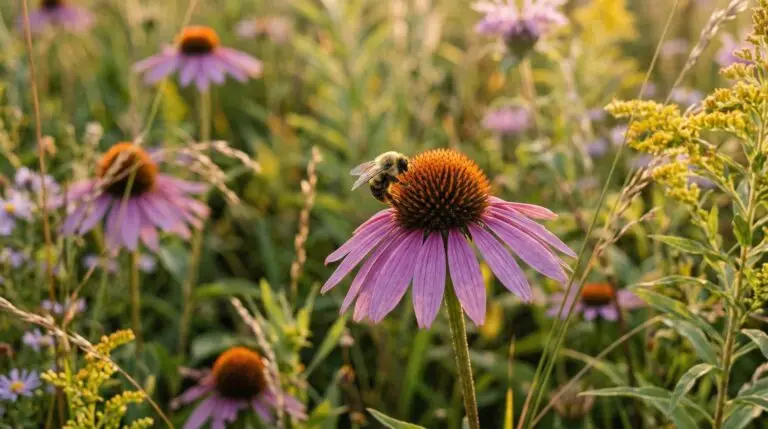
Coneflowers as the backbone of pollinator gardens attracting bees butterflies and birds
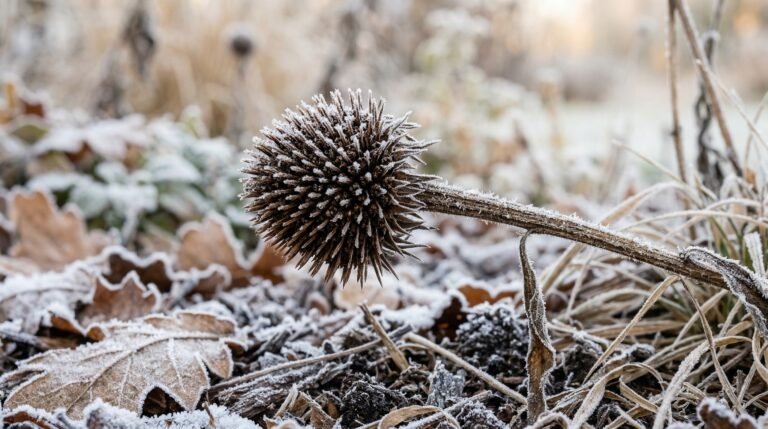
How to grow coneflowers from seed for a naturalistic wildflower garden
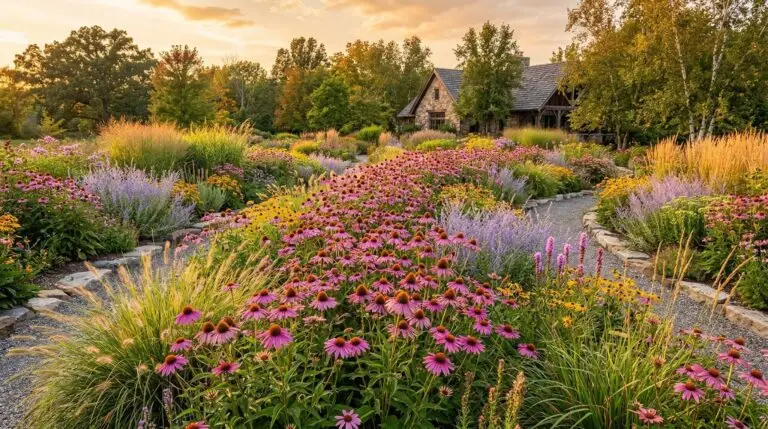
Coneflower and ornamental grass combinations for a modern prairie garden design
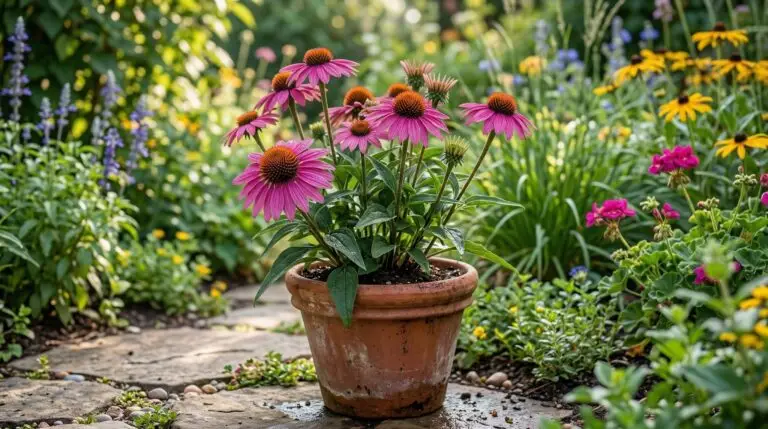
Growing coneflowers in containers for sunny balconies and apartment gardens
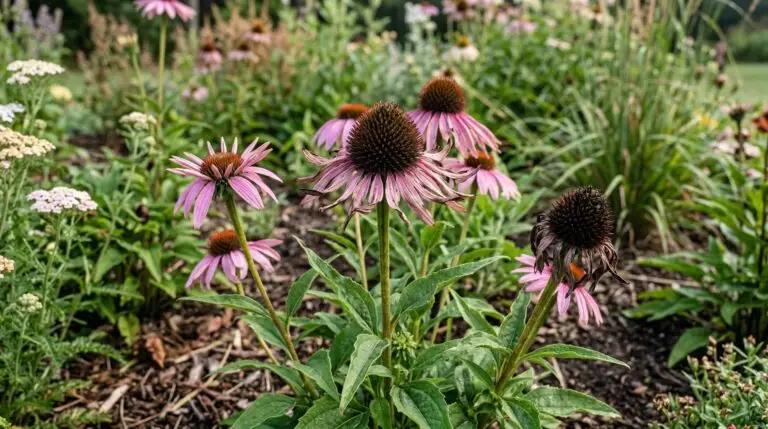
Using coneflowers as long-lasting cut flowers in summer and fall bouquets
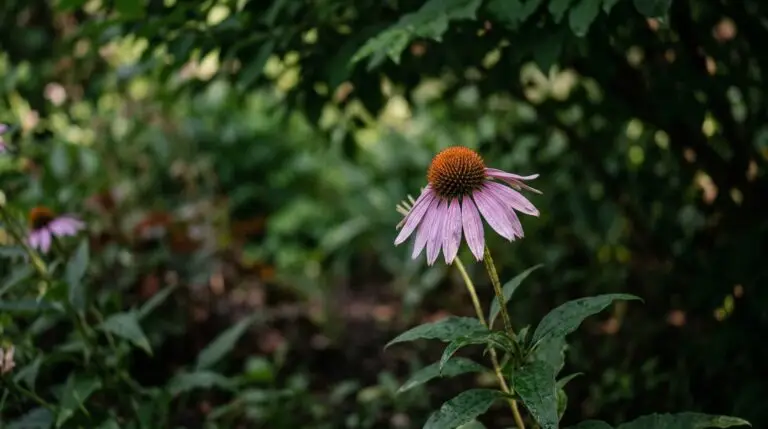
Why coneflowers flop over and how to grow sturdy upright plants without staking
Best coneflower varieties from classic purple to sunset orange and double blooms