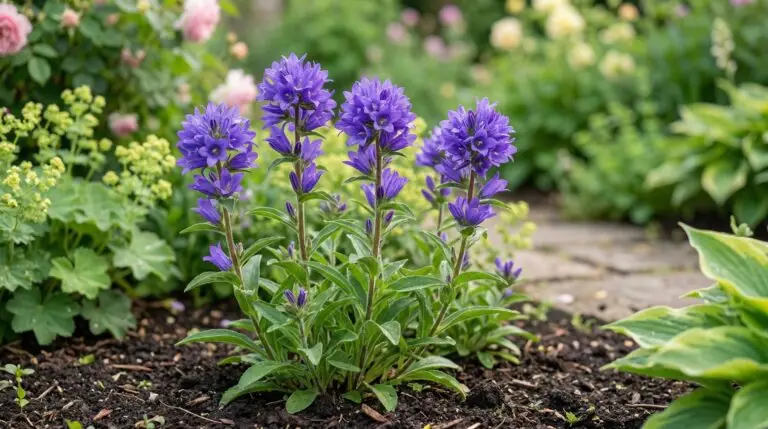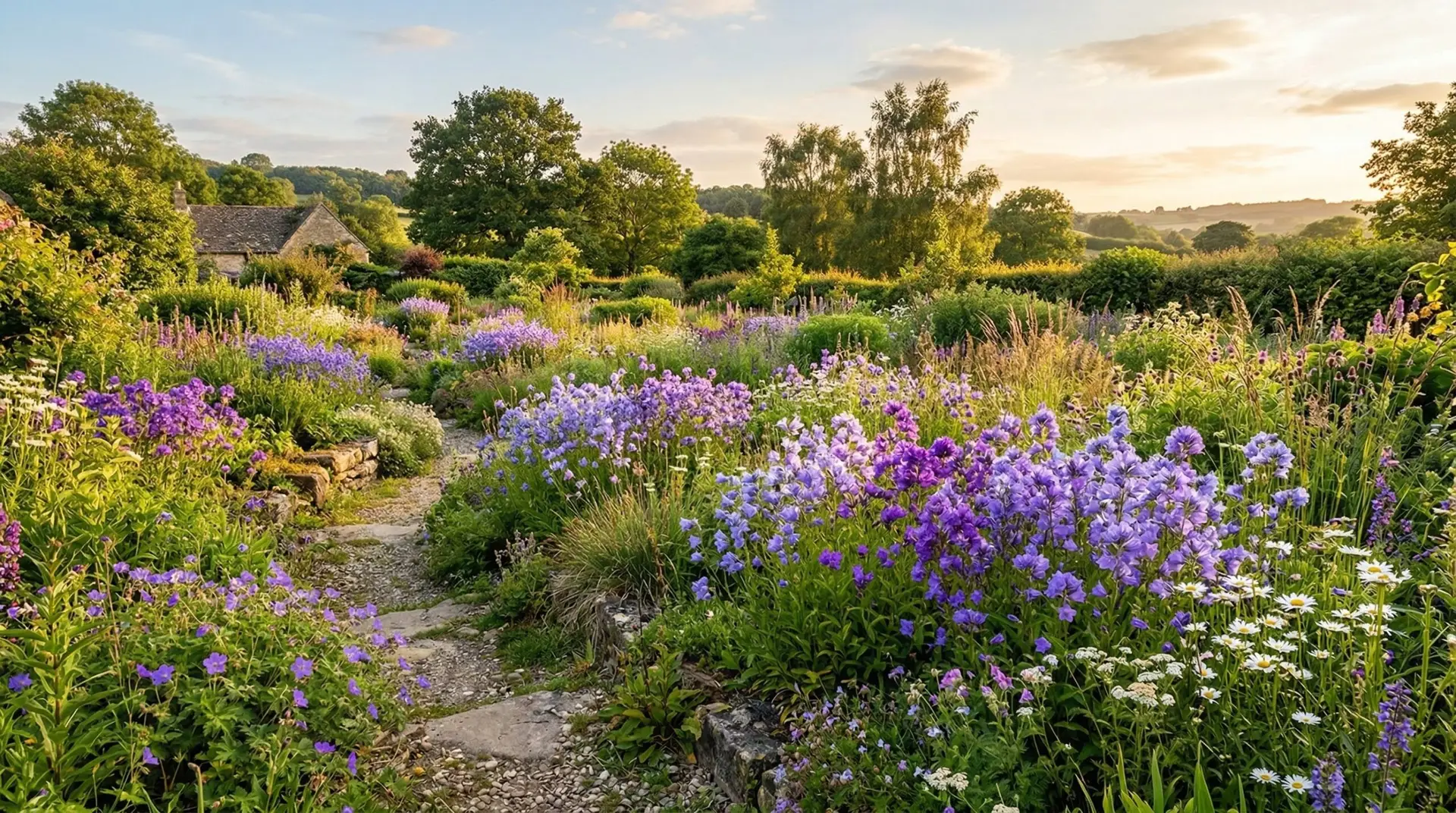
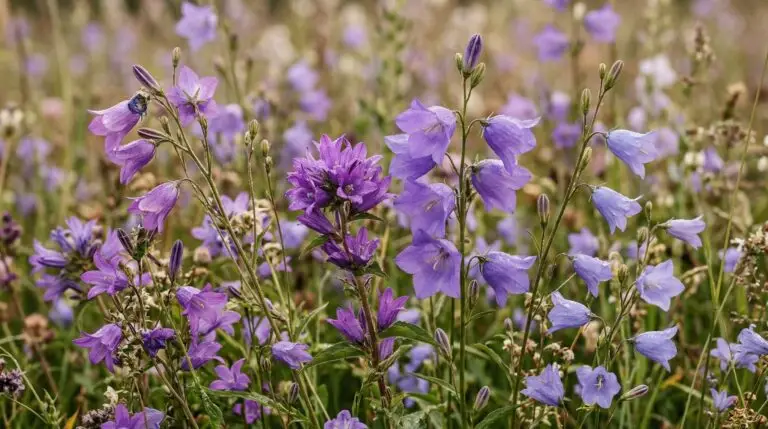
The morning air holds a damp chill, and the low sun catches the dew on the stems of the tall grasses at the edge of the yard. Tucked among the green blades, a single harebell, Campanula rotundifolia, hangs its head in the quiet light. The pale blue corolla is perfectly still until a small, solitary bee lands on the lower lip and pulls itself inside the bell. The flower dips slightly under the weight of the insect, a brief mechanical exchange of pollen and nectar that has played out in grassy clearings for millennia. Watching this small interaction, the boundary between the cultivated garden and the wilder world dissolves entirely. We plant flowers hoping to possess their beauty, but the flowers themselves are busy sustaining a vast, hungry ecology. The campanula does not exist for the human eye, though we are lucky enough to witness its quiet work in the morning light.
The wild origin of the bellflower
To understand the nature of the campanula, we have to look toward the old hay meadows and chalk downlands of Europe where these plants evolved. In those open spaces, bellflowers do not grow in isolated clumps surrounded by bare mulch, but rather in dense, competitive communities of roots and stems. They push up through fine fescues and bentgrasses, finding their light in the middle tier of the meadow canopy. The soil in these ancient meadows is notoriously poor, stripped of excess nutrients by centuries of grazing and haymaking. This poverty of soil is exactly what allows the delicate campanula to thrive, because rich earth would only encourage aggressive grasses to swallow the broadleaf flowers entirely. The bellflower is a creature of balance, requiring the gentle suppression of its neighbors to find its own space in the sun. When we bring them into our yards, we are inviting a fragment of this ancient, contested ground into our daily lives.
Sowing a meadow at home
Recreating this ecological balance in a domestic space requires a shift in how we think about gardening. We are conditioned to dig, fertilize, and amend the soil until it is rich and dark, but a true meadow garden demands the opposite approach. If you want a campanula meadow to take hold, you must start by accepting the soil you have, or even impoverishing it by removing the nutrient-rich top layer. Sowing the seed is an act of blind faith, scattering dust-like specks onto bare earth and hoping the rains will wake them. You can mix the perennial bellflower seeds with annuals to provide cover and early color while the slow-growing perennials establish their deep taproots. Scattering the seeds of cornflowers alongside the campanula brings a sudden rush of blue to the first summer, giving the eye something to rest on while the permanent community forms below. Gardening in this way is a slow relinquishing of control, allowing the seeds to find their own preferred niches in the uneven ground.
Tending the wilder spaces
The work of maintaining a meadow is less about planting and more about editing the space as the seasons turn. In the first year, weeds will inevitably rise faster than the slow-germinating meadow seeds, and the gardener must step in to mediate the dispute. Thinning seedlings feels like a small act of cruelty, but crowded plants compete for light and water until none of them thrives. You learn to recognize the tiny, rounded true leaves of the campanula hiding under the broader foliage of opportunistic weeds. As the summer progresses, you might add the papery blooms of a poppy to the mix, watching how the red petals contrast with the pale blue bells in the afternoon wind. Later in the season, late-blooming additions like cosmos can hold the space as the earlier flowers fade and drop their seeds back to the earth. The gardener becomes a steward of transitions, watching the dominance shift from one species to another as the weeks slip by.
The harvest of late summer
When late summer arrives, the meadow begins to dry and the campanula stems turn brown and brittle. This is the hardest season for the traditional gardener to accept, because the instinct is to cut away the dying material and restore order. However, the dead stalks are holding the future of the meadow in their dry, papery capsules. If you listen closely on a windy day, you can hear the seeds rattling inside the dry pods, waiting for a strong gust to scatter them across the soil. The insects, too, rely on this standing deadwood, with hollow stems providing winter shelter for the very bees that pollinated the bells in June. We must learn to see the beauty in this decay, recognizing that a neat, cleared garden is an ecological desert. Leaving the meadow standing until early spring is a promise to the local ecology that they will have a home through the dark months.
Finding peace in the cycle
Cutting the meadow is the final act of the gardening year, often done in late winter or early spring just before the new growth begins. Wielding a scythe or a string trimmer, the gardener levels the dry stems, mimicking the grazing animals that once kept the European downlands open. The cut material is raked away to keep the soil lean, a necessary theft of nutrients that ensures the campanula will have space to return. Walking over the sheared ground, it is hard to believe that the dense mass of life will rise again from the cold mud. Yet the roots are waiting in the dark, holding the memory of the sun and the rain. The campanula teaches us that survival is not about dominating a space, but about finding a way to live alongside others in a shared environment. We plant the meadow to heal the earth, but in the rhythm of sowing, tending, and cutting, we find that the earth is slowly healing us.
More About Campanula
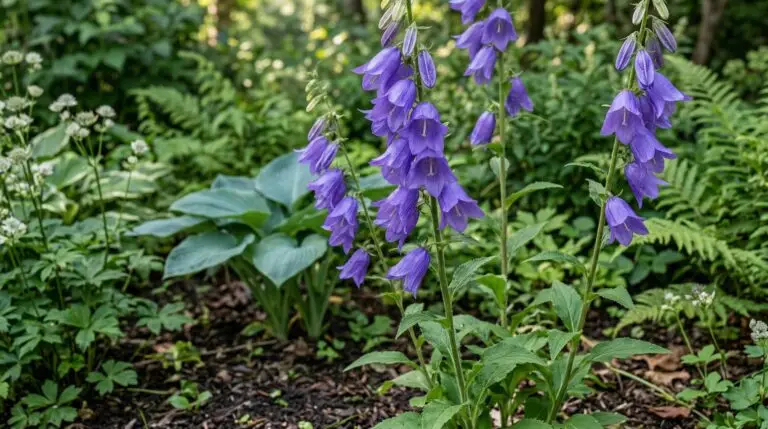
Campanula for shady garden spots where color is hard to find
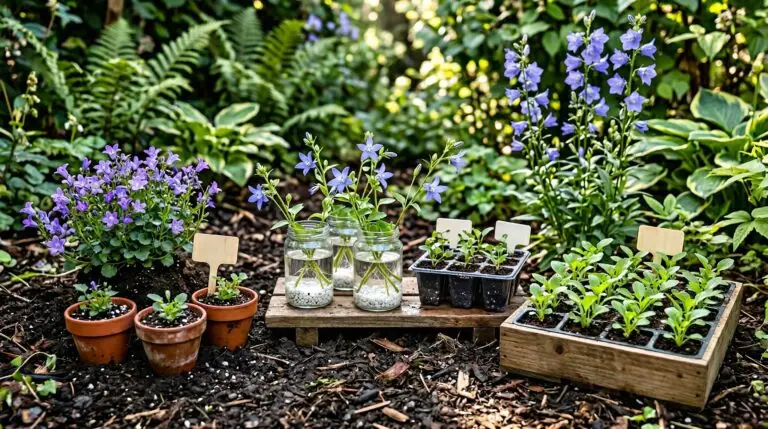
How to propagate campanula from stem cuttings root division and seed
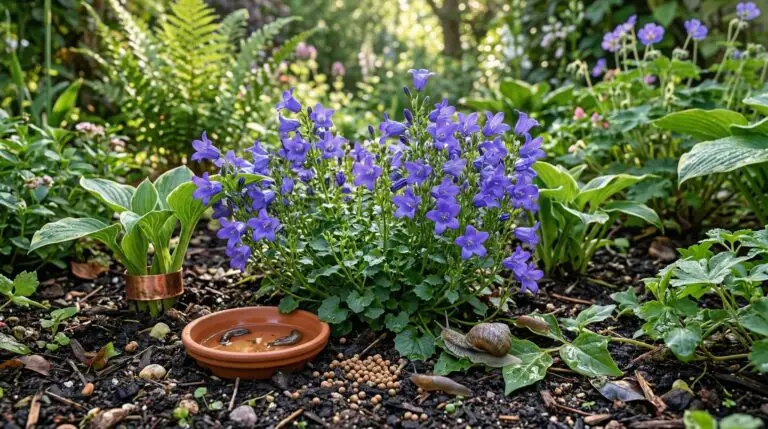
Campanula pests including slugs and rust and organic prevention methods
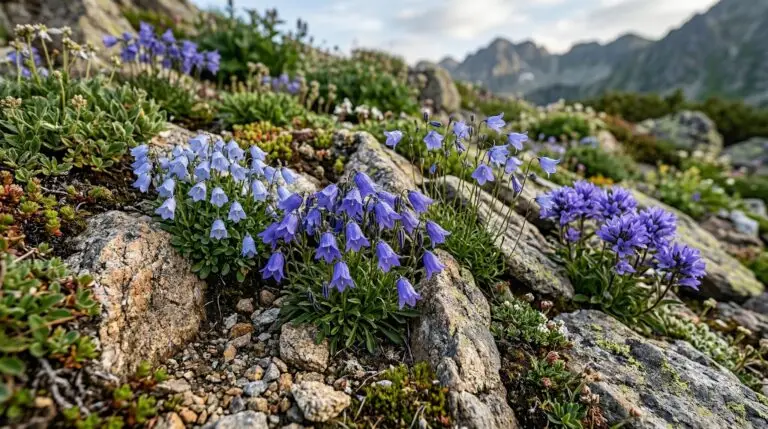
How campanula adapts to different growing conditions from mountains to meadows
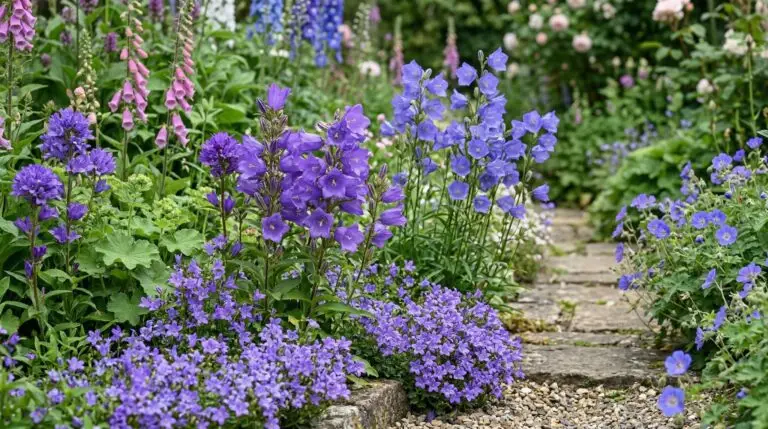
Campanula persicifolia the elegant peach-leaved bellflower for cottage gardens
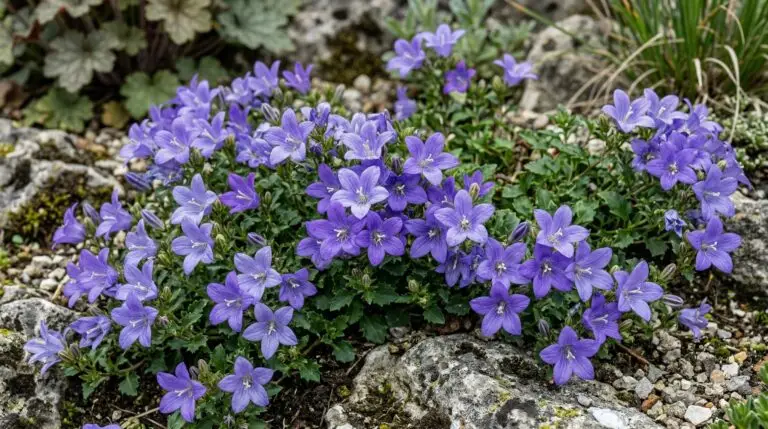
A guide to campanula species for rock gardens alpine troughs and stone walls
The botanical diversity of campanula with over 500 species across the world
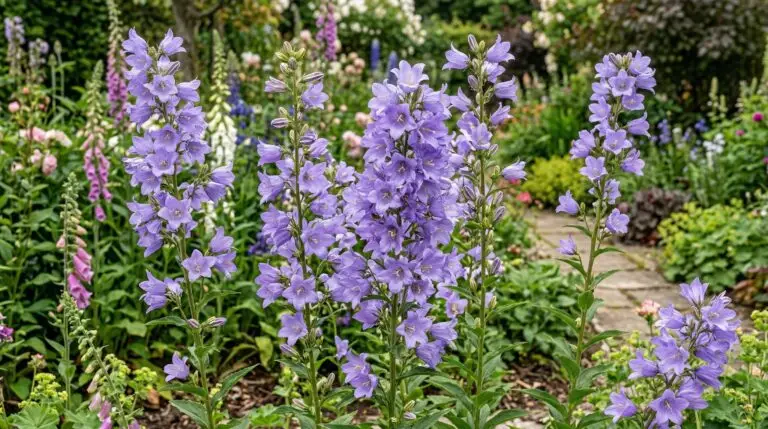
Campanula lactiflora and the tall milky bellflowers for the back of the border