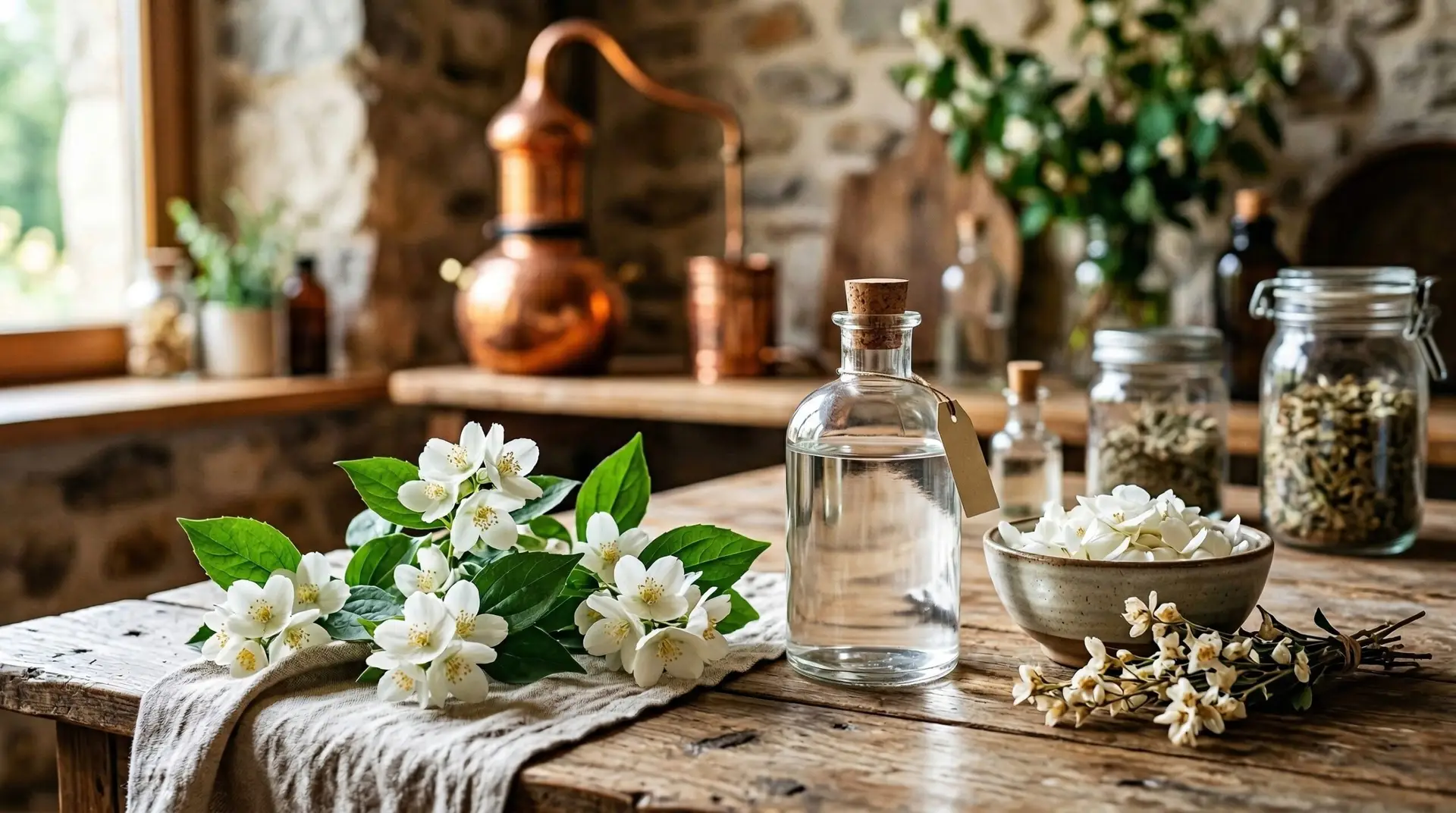
Capturing the sweet citrus scent
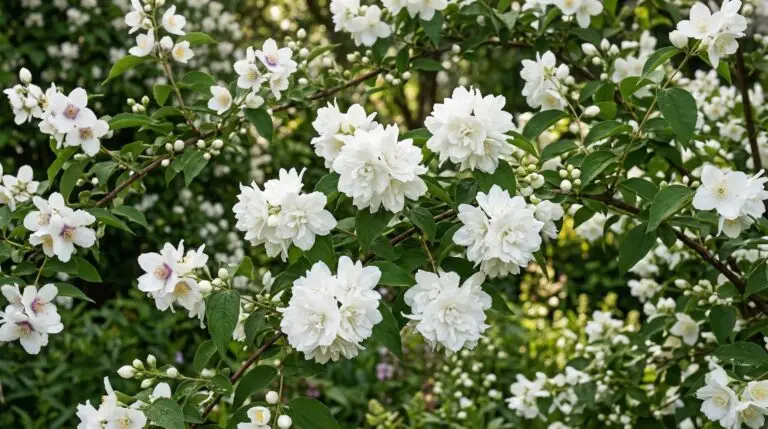
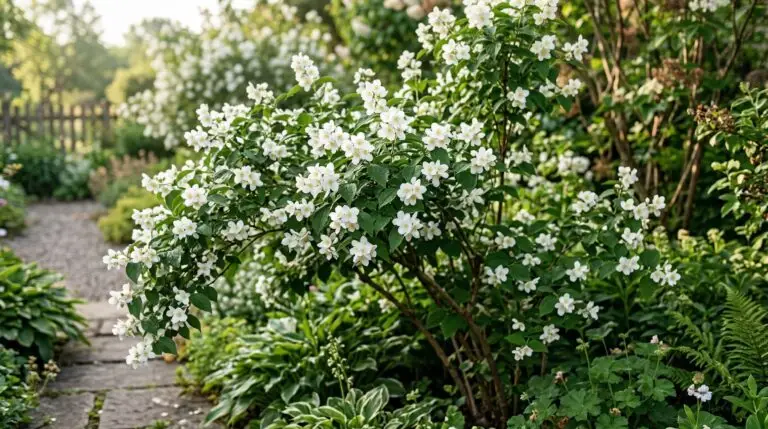
One of the first things gardeners ask when they start growing mock orange is whether they can bottle up that sweet fragrance. The philadelphus scent is famous for smelling exactly like sweet orange blossoms, filling the late spring garden with a heavy, sweet perfume. People naturally want to bring that aroma indoors, but sticking a few branches in a vase only lasts a couple of days before the white petals drop all over the table. This leads to the obvious question of how to preserve the mock orange fragrance long after the short blooming season finishes. Fortunately, you can harvest these fresh blooms to create your own homemade floral waters, infused oils, and scented sugars right in your kitchen. You just need a healthy shrub that has not been sprayed with pesticides, a pair of sharp scissors, and a little bit of patience.
The natural follow-up question is usually about how to extract that delicate scent without destroying it in the process. Creating a simple flower water through stovetop distillation is the most reliable method for capturing mock orange perfume at home. You do not need a copper still or complicated laboratory equipment to make this happen. A large cooking pot with a curved lid, a heat-safe bowl placed inside, and some ice cubes will work perfectly for this project. You place the fresh mock orange petals in the water at the bottom of the pot, put the empty bowl in the center, and place the lid upside down so the ice on top creates condensation. As the water simmers gently, the steam carries the aromatic oils up to the cold lid, where it condenses and drips down into your bowl as a highly fragrant floral water.
Making infused oils and dried blends
Once people master flower water, they often wonder if they can make a stronger mock orange perfume using oil. Because the aromatic compounds in these flowers are quite sensitive to heat, a hot oil extraction will ruin the scent and leave you with something smelling like cooked salad greens. Instead, you need to rely on cold infusion, which takes several weeks and a large volume of fresh flowers. You fill a glass jar with a neutral carrier oil like sweet almond or jojoba, then pack it with freshly picked petals that have wilted slightly to lose their excess moisture. Every three days, you strain out the old, spent petals and add a fresh batch to the exact same oil. You repeat this process throughout the blooming season until the oil carries a strong, sweet aroma that you can dab onto your wrists.
This leads to something many growers wonder about when they see the petals naturally falling off the shrub like summer snow. Can you dry mock orange flowers to use in homemade potpourri? The answer is yes, but the petals shrink significantly and lose some of their visual appeal as they turn a pale ivory color during the drying process. To make a successful potpourri, you should combine the dried mock orange blossoms with stronger structural elements and complementary scents. Blending them with dried lavender buds creates a sweet citrus and herbal mix that holds its fragrance for months in a closed jar. You can also mix them with dried rose petals and a fixative like orris root powder to anchor the lighter citrus notes so they do not evaporate too quickly into the room.
Moving the fragrance into the kitchen
While we are talking about preserving the scent, there is an incredibly easy method that most people never think to ask about. You can use the fresh flowers to make a heavily scented sugar for baking and sweetening tea. You simply layer fresh, dry mock orange petals with plain white granulated sugar in an airtight glass jar. The sugar naturally draws the aromatic oils out of the petals over a few weeks, taking on that distinct orange blossom flavor without any liquid extracts. You just sift the dried petals out before using the sugar, leaving you with a delicate, floral sweetener that works beautifully in shortbread cookies or iced summer drinks. This trick works similarly well with other fragrant blooms, and you might enjoy experimenting with jasmine if you have it growing nearby in your garden.
After learning all these preservation methods, a completely different question usually comes up regarding the harvest itself. Why do some mock orange flowers seem intensely fragrant while others on the exact same bush smell like nothing at all? The timing of your harvest dictates everything about the success of your homemade fragrance projects. The flowers produce their strongest scent compounds in the early evening and early morning, while the heat of the midday sun causes those volatile oils to evaporate directly into the air. If you want to capture the true essence of the plant for your waters and oils, you must pick the blooms right after the morning dew dries but before the sun gets hot. Harvesting at the right moment ensures your homemade perfumes and potpourri will smell exactly like the fresh shrub in full bloom.
More About Mock Orange

Companion plants for mock orange that fill the gap when its brief bloom show ends

Mock orange as a fragrant hedge that fills the neighborhood with perfume in June
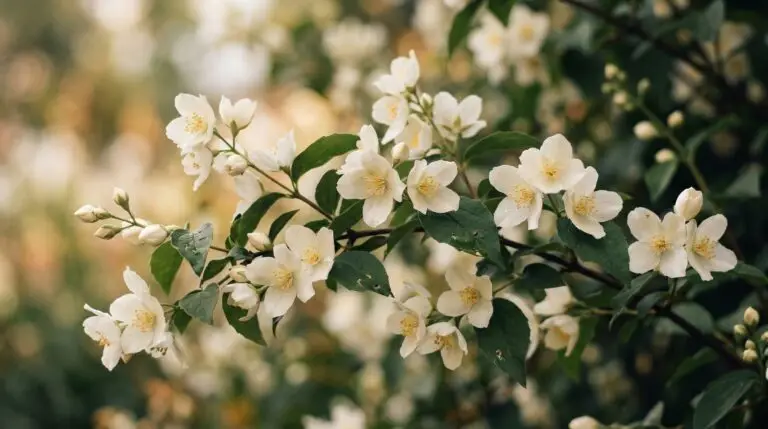
Mock orange flower meaning and why this shrub has fooled people into thinking it is an orange tree
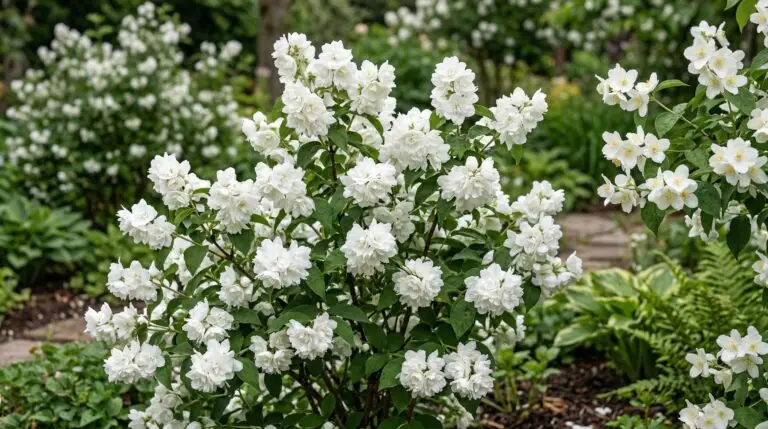
Dwarf mock orange varieties for small gardens that still deliver incredible fragrance
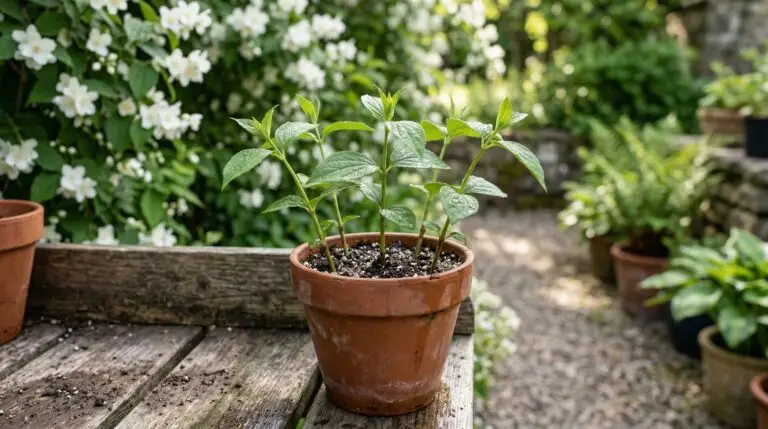
How to propagate mock orange from cuttings for free new shrubs from your favorite plant
Best mock orange varieties from compact Snowbelle to the intensely fragrant Virginal
Why mock orange is not flowering and the common reasons this shrub refuses to bloom
How to grow mock orange for intoxicating citrus-scented white blooms in early summer