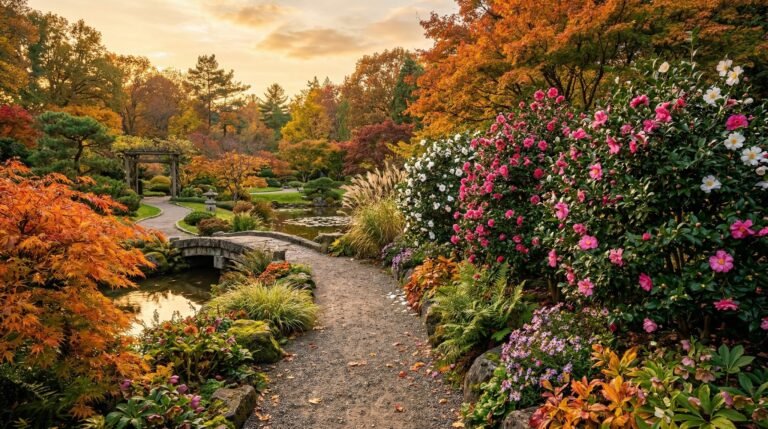
When planning a garden that looks alive during the colder months, many gardeners eventually find themselves weighing camellia japonica vs sasanqua. Both of these evergreen shrubs offer glossy dark green foliage and beautiful flowers when most other plants are completely dormant. The difference between camellias often comes down to timing, sun exposure, and how you want the plant to function in your yard. Making the right choice matters because placing the wrong type of camellia in a sunny spot or expecting flowers at a specific time of year can lead to disappointment. Understanding the specific traits of each species will help you match the right plant to your garden conditions and your personal preferences. You are deciding between a fall blooming shrub that can handle some heat and a late winter blooming shrub that demands the protection of shade.
Understanding the bloom times and flower forms
The most obvious way to separate these two types of camellia is by looking at the calendar. Camellia sasanqua begins the flower show in autumn, often opening its buds in October and continuing through December depending on your climate. The flowers on a sasanqua are generally smaller, measuring two to three inches across, and they usually have a simpler form with single or semi double layers of petals. These fall blooms have a delicate, slightly rumpled appearance that looks very natural in a mixed border. When the sasanqua flowers finish blooming, they drop their petals one by one, creating a colorful blanket of petals on the ground below the shrub. This shattering habit means you do not have to pick dead brown flowers off the bush to keep it looking tidy.
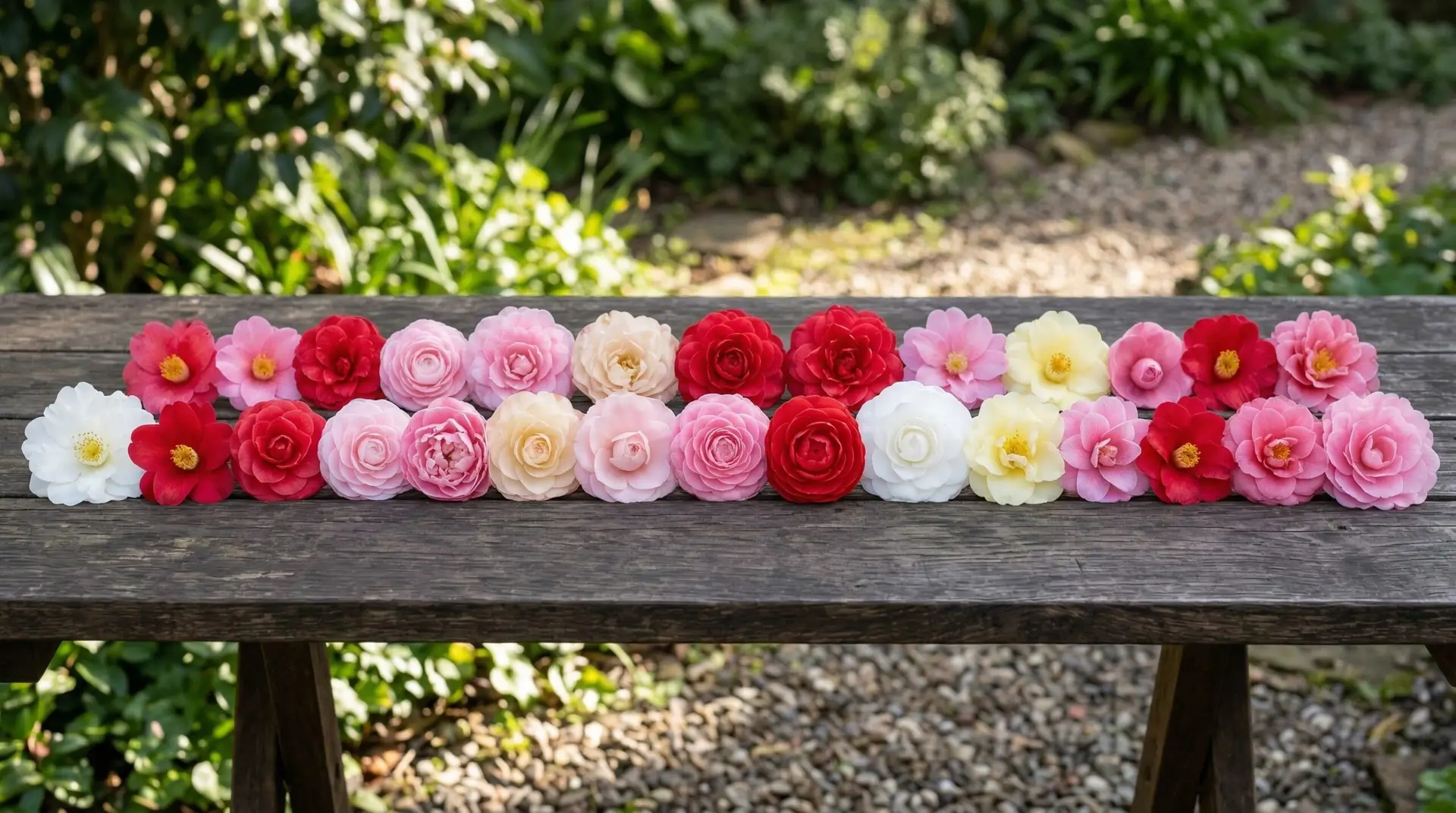
Camellia japonica takes over the garden exactly when the sasanqua finishes, blooming from late winter into early spring. The flowers on a japonica are noticeably larger, often reaching four to five inches across, and they come in highly complex shapes including formal doubles, anemone forms, and peony forms. These spring blooms look incredibly pristine and structured, making them highly prized for cutting and bringing indoors for floral arrangements. Unlike the sasanqua, a japonica flower typically falls off the plant in one solid piece when it is finished blooming. This solid drop can look a bit messy on the ground, and sometimes the heavy flowers turn brown and stick to the plant, requiring you to manually remove them to maintain a clean appearance.
Sun tolerance and yard placement
Beyond the flowers, the way these plants interact with sunlight should heavily influence your decision. Camellia sasanqua is a tough plant that can tolerate a significant amount of direct sunlight, especially if it gets established with adequate moisture. This sun tolerance makes the sasanqua an excellent candidate for planting along a driveway, against a south facing wall, or in areas where tree cover is minimal. The growth habit of a sasanqua is relatively fast and somewhat loose, with pliable branches that can be trained easily. Because it grows quickly and handles pruning well, the sasanqua is the clear winner if you want to create a dense, flowering evergreen hedge. You can shear it into a formal shape or let it grow into a tall, sweeping screen to block out neighbors.
Camellia japonica has entirely different needs when it comes to light and placement in the yard. This species evolved as an understory plant in forested areas and requires protection from harsh afternoon sunlight to thrive. If you plant a japonica in full sun, the leaves will quickly scorch, turning a sickly yellow or developing large brown sunburn patches. You should treat a japonica much like you would treat an azalea, giving it a spot with dappled morning light and solid afternoon shade. The growth habit of a japonica is much slower and stiffer than its fall blooming cousin, eventually forming a dense, upright shrub or small tree. Because it grows slowly and has rigid branches, a japonica is better suited as a standalone specimen plant rather than a heavily pruned hedge.
Fragrance and cold hardiness differences
Scent is another factor that divides these two popular shrubs, though it might not be the primary reason you choose one over the other. Camellia sasanqua has a distinct, earthy fragrance that some gardeners find spicy and pleasant, while others find it slightly musky. The scent is usually strongest on warm autumn afternoons, drifting through the garden just as the weather begins to cool down. If you are looking for a highly perfumed garden, you might still need to rely on a gardenia for those classic sweet floral notes, but the sasanqua definitely brings an interesting scent to the fall yard. In terms of cold tolerance, most sasanqua varieties are reliably hardy in USDA zones seven through nine. Their fall blooming habit actually protects their flowers from severe winter freezes, as they finish their display before the deepest cold arrives.
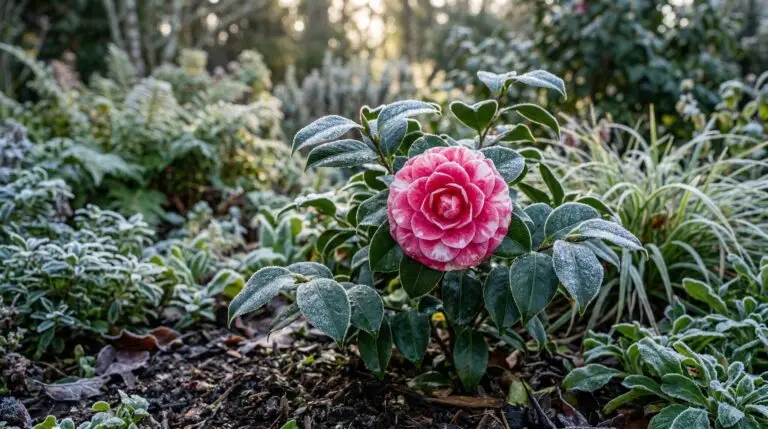
Camellia japonica is almost entirely devoid of fragrance, focusing all its energy on producing massive, visually perfect flowers instead. You will occasionally find a hybrid with a faint scent, but generally, you should not plant a japonica expecting it to perfume your yard. Hardiness is a slightly more complex issue for the japonica, as the plant itself is hardy in zones seven through nine, with some newer varieties surviving in zone six. The real challenge is that the japonica blooms in late winter or early spring, making its fat flower buds highly vulnerable to late freezes. A sudden temperature drop in February or March can turn a bush full of ready to open japonica buds into brown mush overnight. If you live in an area prone to late spring freezes, you will need to plant your japonica in a sheltered location to protect those delicate spring flowers from icy winds.
Choosing the right camellia for your space
Choosing between these two excellent shrubs comes down to evaluating your specific garden conditions and what you want the plant to do. If you have a sunny spot that needs an evergreen screen, or if you want to enjoy flowers in October and November, then the sasanqua is exactly what you need. The sasanqua is also the better choice if you prefer a lower maintenance plant that drops its petals cleanly and recovers quickly from heavy pruning. This is the working shrub of the camellia world, providing structure and reliable fall color with very little fuss. It handles the less than perfect conditions of a typical suburban yard much better than its more demanding relative. You can rely on it to anchor a garden bed without requiring constant monitoring or specialized care.
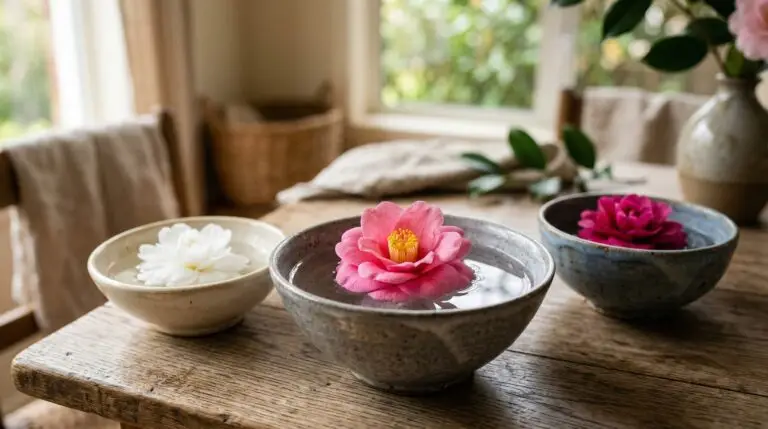
On the other hand, if you have a mature garden with large shade trees and you want large individual flowers, the japonica is the right choice. The japonica rewards patience and proper placement with blooms that look like they belong in a florist shop. You have to be willing to provide the necessary shade, accept a slower growth rate, and occasionally pick up fallen brown flowers to keep the plant looking its best. If your goal is to walk out into the crisp spring air and cut perfect, formal double blooms to float in a bowl of water on your dining table, the japonica will give you exactly that experience. By honestly assessing your sunlight, your patience for maintenance, and your preferred blooming season, you can easily select the camellia that will thrive in your garden.
More About Camellia
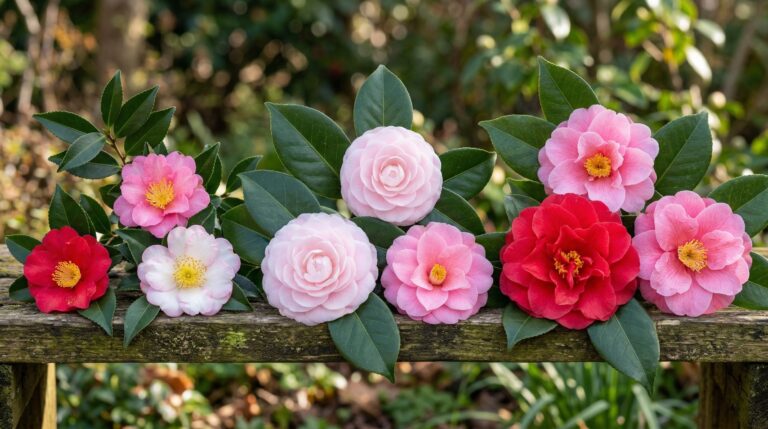
Best camellia varieties for Southern gardens from fall through spring blooms
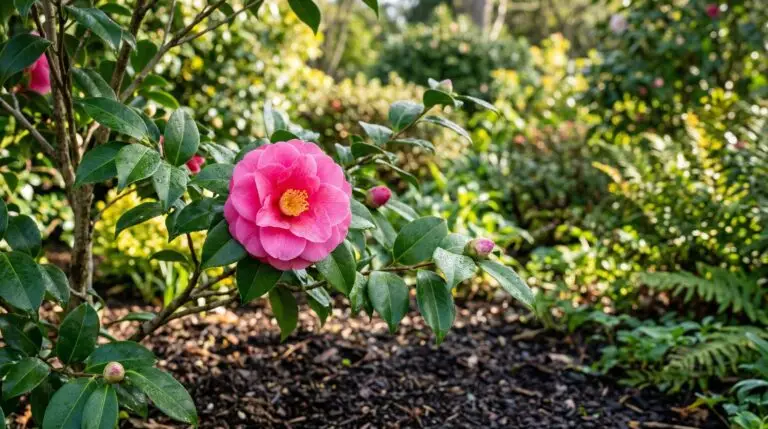
Common camellia diseases including petal blight and scale and how to treat them
How to prune camellias for shape and size without sacrificing next season’s flowers
Camellia flower meaning in Japanese tea ceremony culture and garden traditions
Growing camellias in containers for patios and northern gardeners who want blooms
How to grow camellias in cold climates with the right varieties and winter protection
Using camellia flowers for floating arrangements and simple winter table decor
Why camellia buds drop before opening and how to prevent bud blast