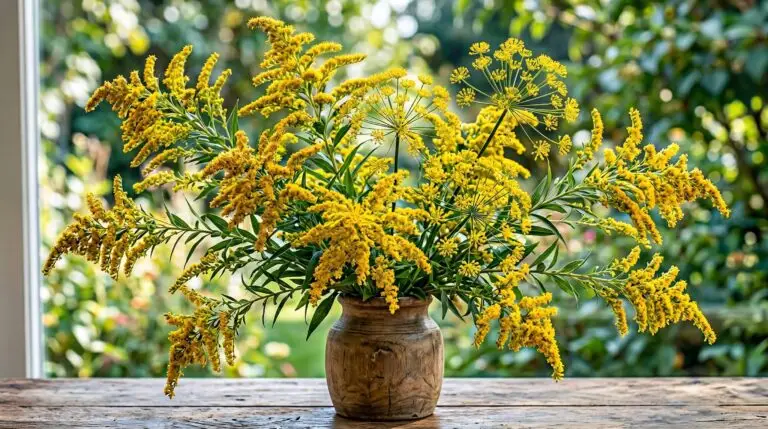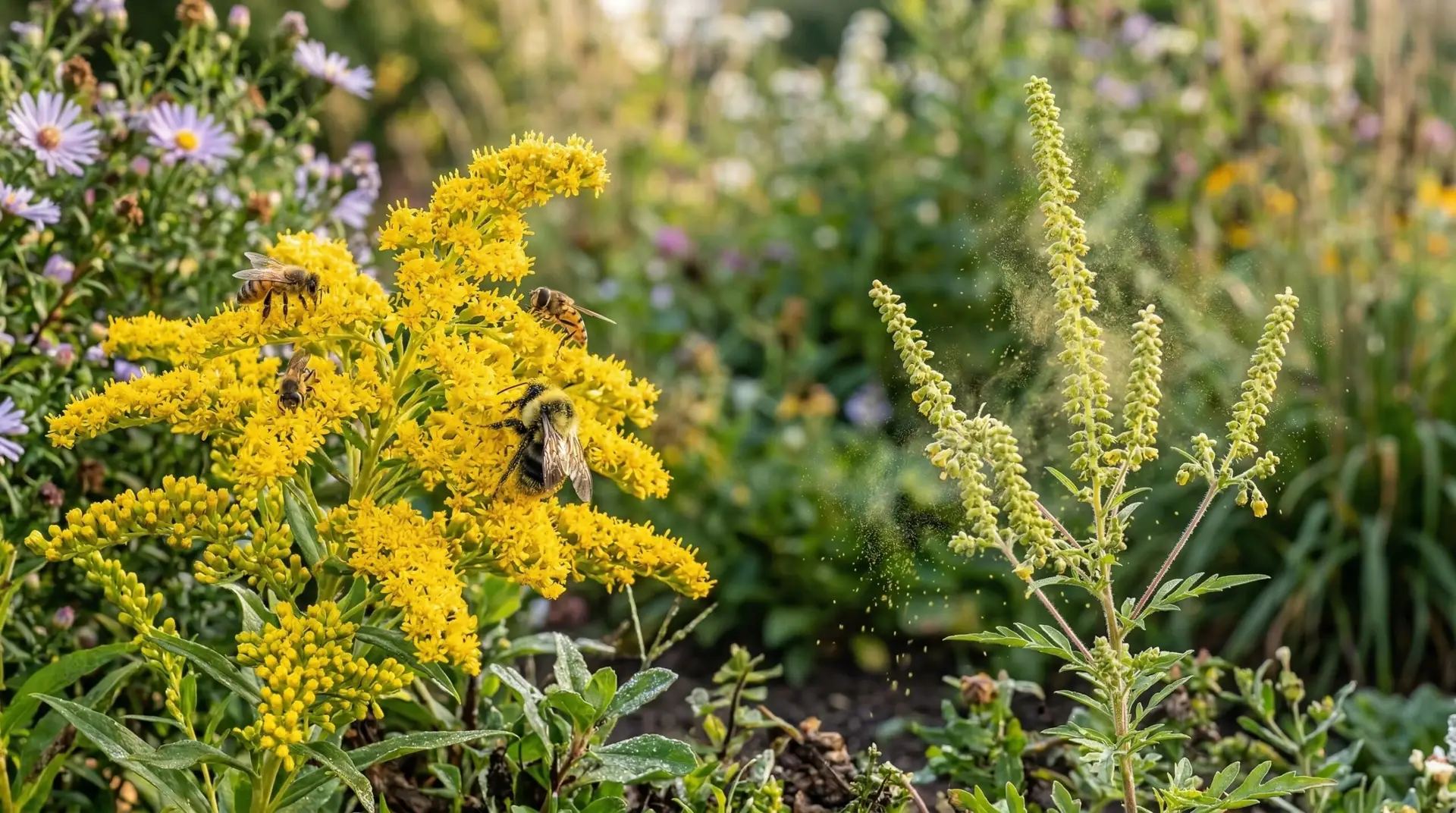
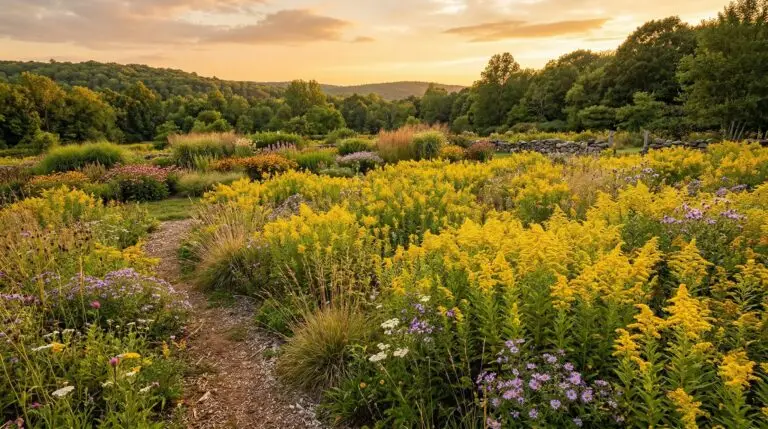
Goldenrod does not cause seasonal allergies. The true culprit behind autumn hay fever is ragweed, a completely different plant that happens to bloom at the exact same time. Goldenrod produces heavy, sticky pollen designed to attach exclusively to the bodies of insects. This pollen cannot become airborne and will never reach your nasal passages unless you intentionally press the flower directly to your face. Ragweed produces billions of microscopic, lightweight pollen grains specifically engineered to ride the wind for miles. Because goldenrod is bright and highly visible while ragweed is green and inconspicuous, the innocent plant takes the blame for the invisible airborne dust. Knowing this biological distinction prevents you from destroying a productive pollinator plant for no reason.
The mechanical differences in pollen distribution
Plants rely on two primary methods to move genetic material from one flower to another. Insect-pollinated plants expend massive amounts of energy creating bright colors and sweet nectar to attract bees, butterflies, and beetles. Goldenrod falls into this category, producing large, heavy pollen grains that clump together naturally. These grains are coated in a sticky substance that adheres securely to visiting insects. Gravity pulls this pollen straight down if it ever gets dislodged, meaning it simply does not float through the air. You can plant goldenrod right next to your front door, your patio, or your open windows without triggering a single allergic reaction. The architecture of the flower physically prevents the pollen from escaping without an insect carrier.
Recognizing the actual cause of autumn sneezing
Ragweed operates entirely differently because it relies completely on the wind for reproduction. Wind-pollinated plants do not expend energy growing colorful petals or producing nectar since they do not need to attract insect pollinators. Ragweed flowers are tiny, green, and visually blend into the surrounding foliage, making them nearly invisible to the casual observer. A single ragweed plant generates up to one billion grains of aerodynamic pollen per season. These microscopic particles catch the slightest breeze and can travel hundreds of miles from the parent plant in a matter of days. When you experience itchy eyes and a runny nose in late summer, you are inhaling this invisible dust. This reaction is completely unrelated to the yellow flowers blooming brightly in the nearby fields.
Distinguishing between the two plants in the field
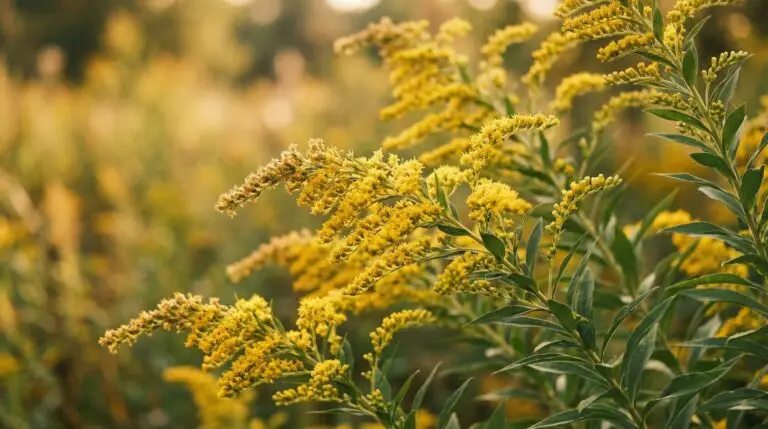
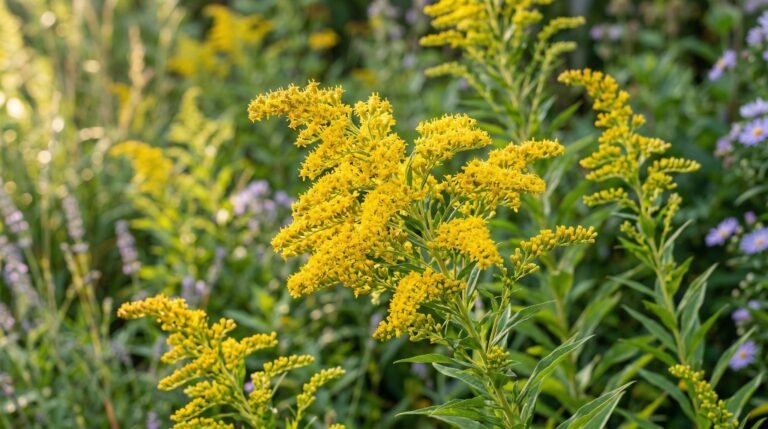
Identifying these plants accurately requires looking closely at their leaves and flower structures. Goldenrod stems are usually unbranched until near the top, where they form dense, bright yellow flower spikes. The leaves are typically narrow, smooth-edged, and alternate along the single sturdy stem. Common ragweed has deeply lobed, fern-like leaves that look somewhat similar to marigold foliage or wild carrot. The ragweed plant branches frequently from the base and produces long, slender spikes of green floral bumps that release yellow dust when tapped. If you shake a mature ragweed stem in late August, you will see a visible cloud of pollen drift away on the air currents. Shaking a goldenrod stem yields absolutely nothing in the air, proving its innocence immediately.
Managing ragweed in the garden
Controlling allergy symptoms requires active management of ragweed on your property before the flowers mature. Common ragweed thrives in disturbed soil, frequently appearing along driveway edges, in newly tilled garden beds, and near construction sites. Giant ragweed prefers richer soils and can reach heights of twelve feet, producing even larger quantities of airborne pollen. The most effective control method is physical removal before the green flower spikes open in mid-August. Pulling the plants by hand after a light rain ensures you extract the entire taproot, preventing the weed from regenerating. Mowing is often ineffective because ragweed will simply form new flower heads closer to the ground. Eradicating these weeds early in the season drastically reduces the local pollen load around your home.
Late season planting strategies for healthy gardens
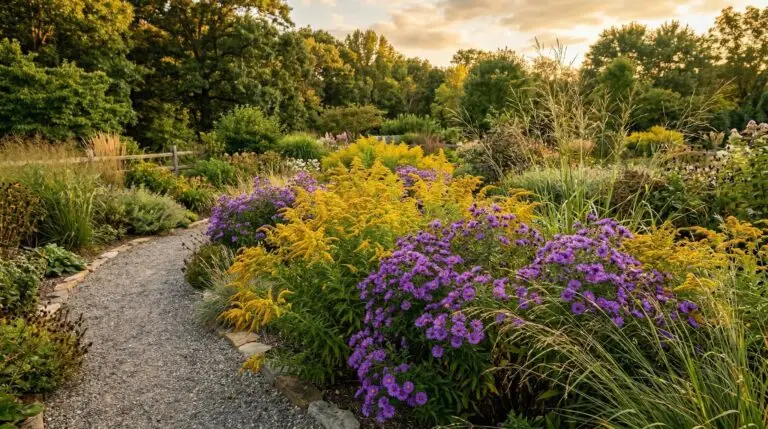
Removing goldenrod from your property does nothing to alleviate allergy symptoms. Destroying goldenrod actually removes a primary late-season food source for migrating monarch butterflies and overwintering native bees. Gardeners should actively cultivate late-blooming, insect-pollinated native plants to support local wildlife before the first frost arrives. Goldenrod pairs exceptionally well with a late blooming aster to provide both visual contrast and diverse nectar sources in the autumn garden. You can also mix it with a sturdy coneflower to extend the foraging season for beneficial insects well into September. Identify the true weeds in your yard by their botanical traits rather than punishing plants for their proximity to the actual offenders. Base your garden management on plant biology, not visual coincidences.
More About Goldenrod
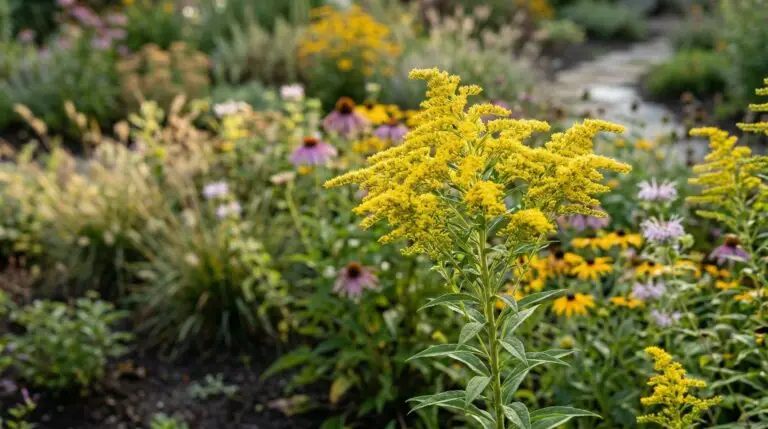
How to grow goldenrod for brilliant golden plumes that light up the fall garden
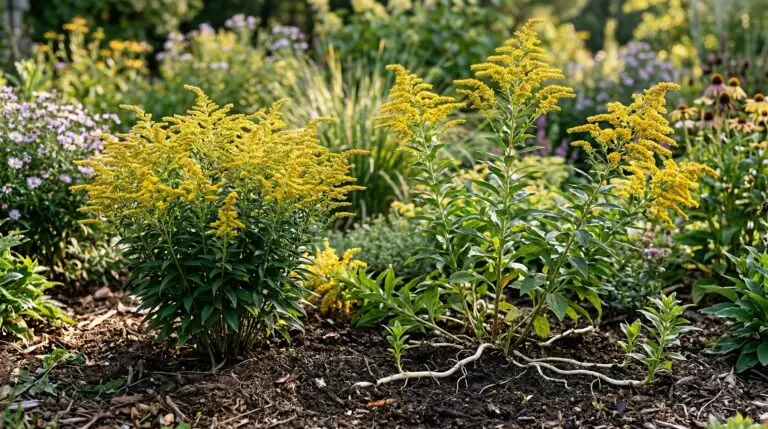
How to keep goldenrod from spreading aggressively in cultivated garden beds
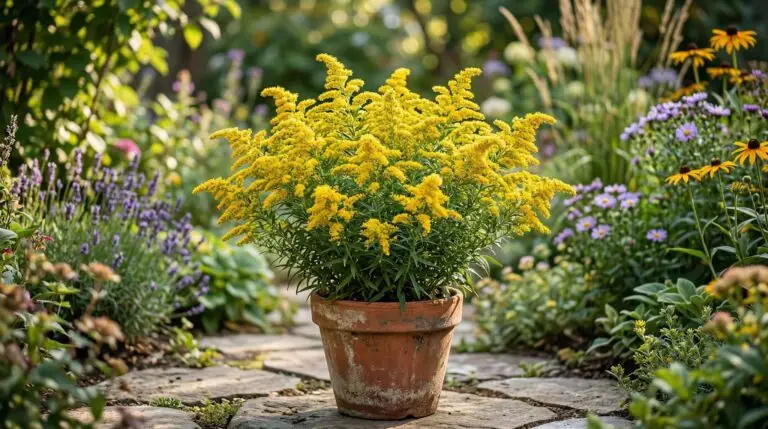
Growing goldenrod in containers for fall patio color when everything else is fading
Goldenrod flower meaning and the American wildflower that nearly became the national flower
Goldenrod in dried flower arrangements for warm autumn bouquets that last all winter
Companion plants for goldenrod: what to grow, what to avoid
Goldenrod for naturalizing in meadows and the wildflower garden it was born for