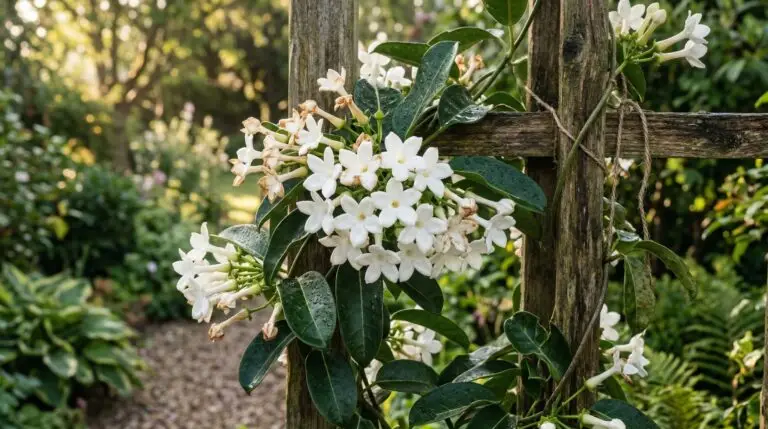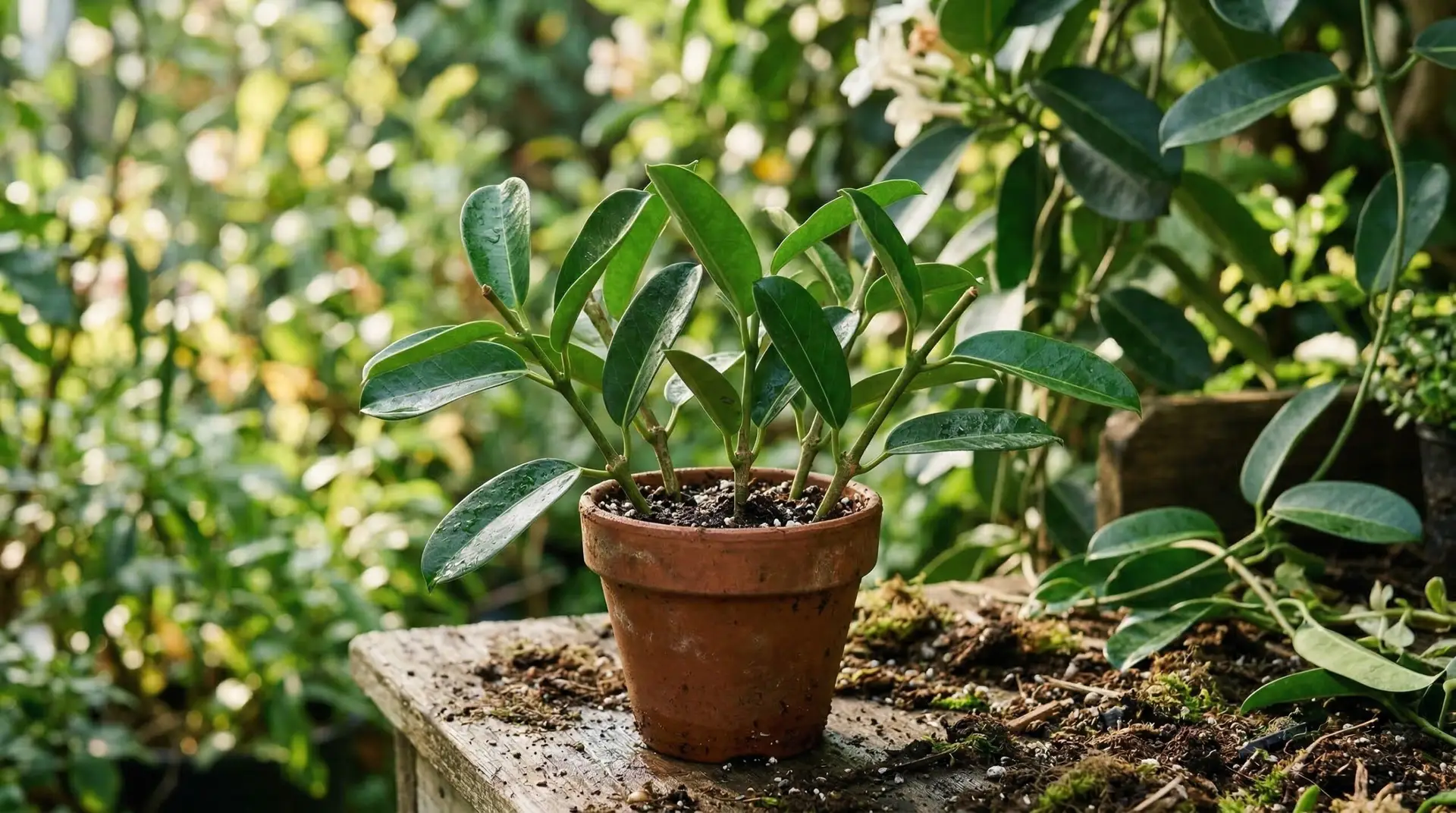
By the time you finish reading this guide, you will understand exactly how a severed piece of stephanotis vine transforms into an entirely new, independent plant. Propagating Madagascar jasmine from cuttings is widely considered a difficult task among indoor gardeners. This reputation comes from the plant’s specific environmental demands rather than any actual magic required to make it grow. When you take a cutting, you are essentially asking a piece of stem to survive without a root system while simultaneously building one from scratch. Understanding the biological stress this causes allows you to create an environment that supports the cutting through its vulnerable transition. We will look at how to select the right plant material, manage water loss, and use temperature to trigger root development.
Selecting the right cutting material
The success of your stephanotis propagation begins with choosing the correct type of stem. You need what horticulturists call semi-ripe wood, which represents the transitional phase between fresh green growth and older woody stems. Think of semi-ripe wood as the Goldilocks zone of plant propagation. If you choose stems that are too young and green, they will likely rot before they can produce a single root. If you choose older, brown, hardened wood, the cellular structure is too rigid and inactive to generate new roots. You can identify semi-ripe wood by finding a section of the vine that grew this season but has started to firm up and change color slightly at the base. When you bend it, the stem should feel flexible but offer some resistance, perhaps even snapping if you bend it too far.
Once you locate the ideal semi-ripe section, the exact location of your cut dictates whether roots will form. You want to make your cut just below a leaf node, which is the slightly swollen joint on the stem where leaves emerge. Nodes act as biological hubs packed with undifferentiated cells that can become either new shoot growth or new roots depending on their environment. By cutting just below this hub, you expose these active cells directly to the soil and rooting hormones. Use a sharp, sterilized blade to make a clean slice, as crushed stem tissue from dull scissors invites bacterial rot. You will then strip the lower leaves off the cutting, leaving only two or three leaves at the top to conduct photosynthesis. Removing the lower leaves prevents them from rotting in the soil and reduces the total surface area the cutting has to support.
Managing the water balance
A cutting faces an immediate and severe water crisis the moment it is separated from the mother plant. The leaves at the top of your cutting continue to lose moisture to the surrounding air through a process called transpiration. Because the cutting no longer has roots to pull replacement water up from the soil, it will quickly dehydrate and die if left in normal room air. You can think of this situation like a leaky bucket where the hose filling it has been turned off. To keep the cutting alive, you must stop the leak by placing the cutting in an environment with nearly one hundred percent humidity. This high humidity slows transpiration to a crawl, allowing the cutting to retain its internal moisture while it works on growing new roots. Like a tropical gardenia, stephanotis evolved in humid conditions and responds exceptionally well to a moisture-rich propagation environment.
Creating this humid environment requires enclosing the cutting, but you must do so without creating a stagnant swamp. You can use a clear plastic bag supported by small stakes or a specialized plastic propagation dome placed over the pot. This cover traps the moisture evaporating from the soil and the leaves, creating a miniature greenhouse effect around the foliage. This might seem contradictory, but while the air around the leaves needs to be saturated, the soil itself should only be lightly moist. If the potting mix is soaking wet, the buried portion of the stem will suffocate and rot because roots need oxygen just as much as they need water. You should open the dome or bag for a few minutes every couple of days to allow fresh air to circulate and prevent fungal spores from taking hold.
Triggering root development with heat and hormones
While creating the right physical environment keeps the cutting alive, you also need to give it a chemical signal to start building roots. Plants naturally produce rooting hormones called auxins, which travel down the stem and accumulate at the base of the cut. Because stephanotis is a slow-rooting vine, its natural auxin production is rarely enough to stimulate root growth before the cutting exhausts its energy reserves. Dipping the cut end of the stem into a commercial rooting hormone powder provides a concentrated dose of synthetic auxins directly to the node. This powder signals the undifferentiated cells at the node to immediately begin forming root tissue rather than trying to heal the wound with scar tissue. Tap off any excess powder before inserting the stem into the soil, as too much hormone can actually burn the plant tissue and inhibit growth.
The final environmental trigger for stephanotis cuttings is temperature, specifically the temperature of the soil rather than the air. Warm soil accelerates cell division at the base of the cutting, drastically reducing the time it takes for roots to emerge. You can provide this localized warmth by placing the propagation pot on a specialized seedling heat mat, which maintains the soil at a steady temperature slightly above room temperature. If the soil remains cold, the cutting sits dormant, giving rot-causing fungi more time to attack the vulnerable stem. You want the soil to be warm to encourage roots, but the air above the soil should remain slightly cooler to keep the top of the plant resting. This temperature differential tells the plant to focus all its available energy downward into root production rather than pushing out new leaves at the top.
The timeline for new growth
Propagating Madagascar jasmine requires a significant amount of patience, as woody vines build their root systems much slower than soft herbaceous plants. You should expect your cuttings to sit in their humid, warm environment for anywhere from six to ten weeks before substantial roots form. During this waiting period, the cutting will likely do absolutely nothing above the soil line, and this lack of visible progress is completely normal. It is very tempting to pull the cutting out of the soil to check for roots, but doing so will tear the microscopic root hairs that are just beginning to form. Instead of pulling on the plant, watch the top leaves for signs of life. Once you see a tiny new leaf or shoot beginning to emerge from the top node, you will know that a functional root system has formed below the soil to support that new growth.
Learning to balance soil moisture, air humidity, and temperature takes a season or two to get a feel for, and losing a few cuttings during your first attempt is part of the learning curve. Even experienced nursery growers expect a certain percentage of their stephanotis cuttings to fail. Once your successful cuttings do push out new growth, you must gradually introduce them to normal room air by leaving the humidity dome open a little more each day over a week. Moving a newly rooted cutting directly from a hundred percent humidity into dry household air will shock the fragile new root system. Similar to the care required when tending a delicate jasmine vine, attention to these subtle environmental transitions makes a noticeable difference in plant survival. The core principle to understand is that propagation is not about forcing a plant to grow, but rather carefully managing its water loss and energy reserves until it can sustain itself.
More About Stephanotis

How to get stephanotis to bloom indoors with the right winter rest and spring warmth
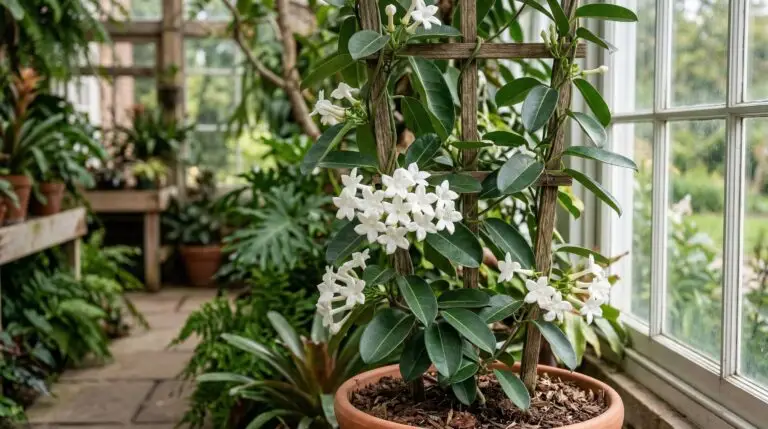
How to grow stephanotis for waxy white stars with an intoxicating jasmine-like fragrance
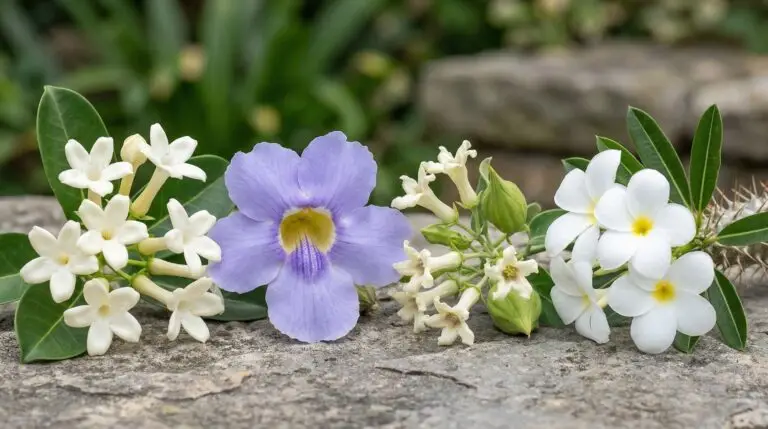
Stephanotis versus jasmine and choosing the right fragrant white vine for your home
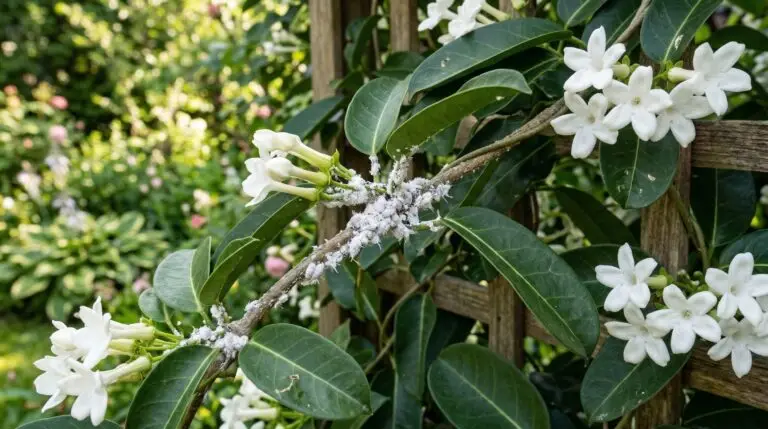
Common stephanotis pests from mealybugs to scale and keeping your vine clean
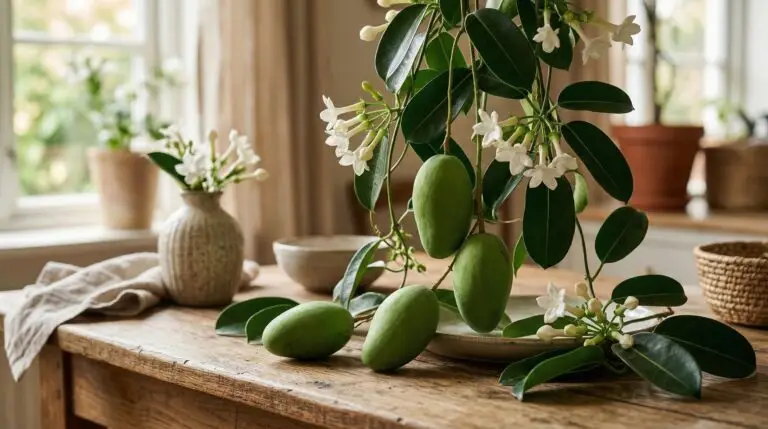
Stephanotis seed pods the giant green fruits that sometimes appear on indoor plants
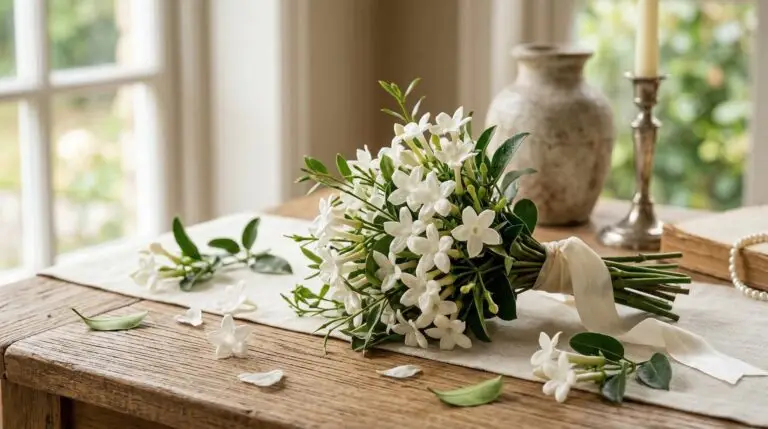
Stephanotis in bridal bouquets and why this is called the wedding flower
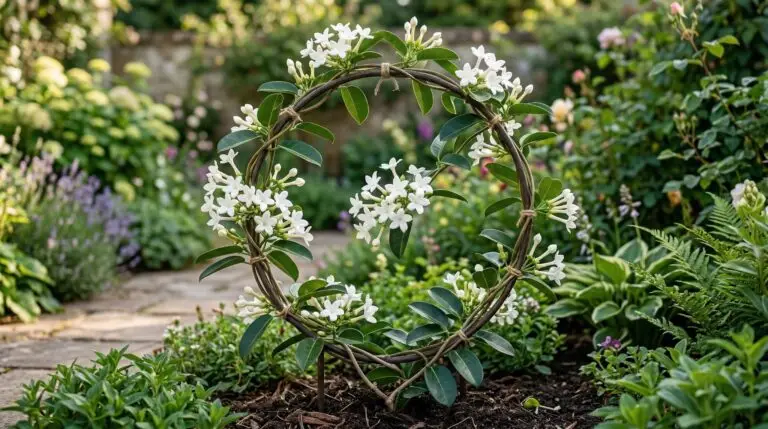
Growing stephanotis on an indoor trellis or hoop for a fragrant living room feature
Stephanotis flower meaning and the marital happiness this bloom has promised for centuries