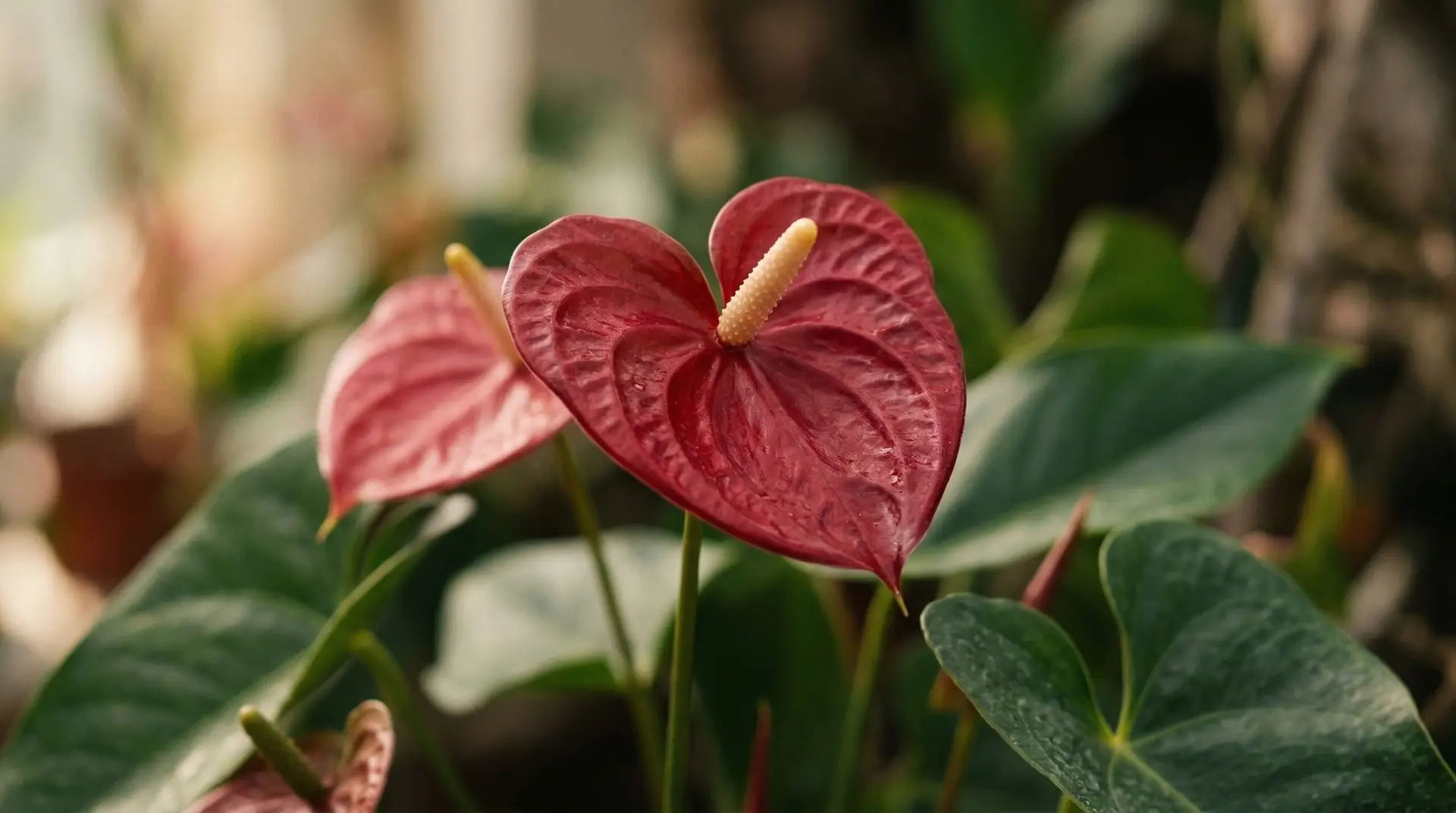
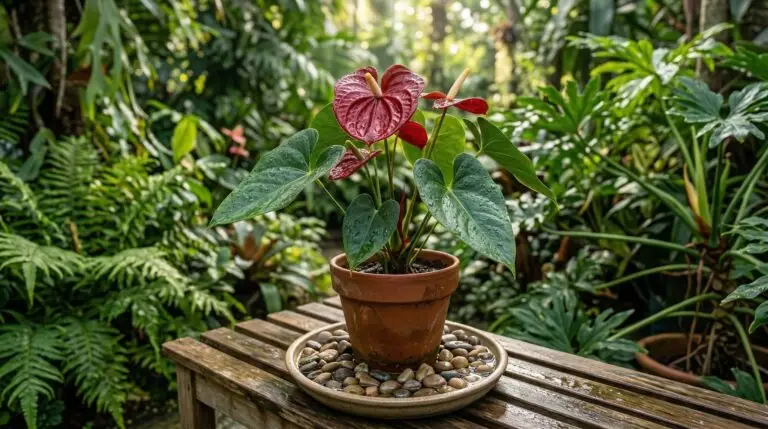
In the high-altitude cloud forests of Colombia and Ecuador, indigenous communities have long lived alongside a plant that appears to produce glossy, blood-red hearts directly from the damp earth. This plant is the anthurium, a member of the Araceae family that thrives in the humid understory of the Andes mountains. What casual observers often mistake for a flower petal is actually a spathe, a modified waxy leaf designed by nature to protect the true flowers growing on the spike-like spadix. Long before European botanists cataloged the species, local populations recognized the plant for its remarkable resilience in an environment characterized by heavy rains and dense canopy shade. The waxy coating on the spathe allows water to roll off easily, preventing rot in the hyper-humid environment of the tropical rainforest. This biological adaptation laid the groundwork for the earliest anthurium meaning, making the plant a symbol of survival, protection, and the ability to thrive under challenging conditions. The botanical name itself comes from the Greek words anthos, meaning flower, and oura, meaning tail, a direct reference to the prominent spadix that juts from the center of the heart-shaped leaf. Today, when people exchange an anthurium flower gift, they are tapping into a botanical lineage of adaptation that stretches back millennia in the South American highlands.
Contents 4 sections
The Victorian fascination and European glasshouses
The cultural trajectory of the anthurium shifted dramatically in 1876 when the French botanist and horticulturist Édouard André encountered the plant during an expedition through the Colombian Andes. André sent living specimens back to Europe using sealed glass terrariums known as Wardian cases, which protected the tropical plants from the salty air and cold temperatures of the ocean voyage. Upon arrival, the plant immediately captivated the horticultural elite of the late Victorian era. During this period, wealthy Europeans engaged in intense competition to cultivate exotic tropical plants in massive heated glasshouses on their country estates. Cultivating these tropical aroids required immense wealth, massive piles of coal to heat the glasshouses, and highly specialized horticultural knowledge. The anthurium, with its almost artificial-looking spathe and unusual reproductive structure, provoked both fascination and mild scandal among conservative Victorian society. Much like the European obsession with the orchid, possessing a blooming anthurium communicated affluence and worldly connections to anyone who visited the estate. In these aristocratic circles, the anthurium symbolism evolved into a marker of high-class hospitality, and hosts would display their most prized specimens in their entryways to impress arriving guests.
Arrival in Hawaii and the birth of a cultural icon
The plant found its deepest cultural resonance far from both its Andean homeland and the glasshouses of Europe. In 1889, Samuel Mills Damon, a prominent Hawaiian politician and businessman, introduced the anthurium to the Hawaiian Islands through the gardens of his Moanalua estate. The volcanic soil and tropical climate of Hawaii provided an ideal environment, and the plant quickly escaped the confines of private collections to become deeply integrated into local agriculture. By the mid-twentieth century, Hawaiian growers in the rainy regions of Hilo had developed hundreds of new cultivars, transforming the territory into the global epicenter of commercial anthurium production. Within Hawaiian culture, the plant took on a deeply localized anthurium meaning tied directly to the concept of aloha and unconditional hospitality. The open, heart-shaped face of the spathe came to mean an open door and an open heart, making it a mandatory presence at luaus, weddings, and welcoming ceremonies. Local women wove the heavy, waxy flowers into massive arrangements to greet arriving passenger ships, cementing the plant’s reputation as the ultimate botanical expression of island warmth. The anthurium remains the official flower of the city of Hilo, a permanent reminder of the deep agricultural and cultural roots the plant put down in the volcanic soil.
Anthurium flower gift traditions and color significance
Beyond regional hospitality, the physical characteristics of the plant have generated specific traditions around the anthurium flower gift, particularly concerning romantic relationships. Unlike a traditional rose, which blooms heavily but drops its petals within a week, an anthurium spathe can remain pristine on the plant for several months. This extraordinary longevity makes the plant a powerful communicator of permanent, lasting love rather than fleeting romantic passion. Couples often exchange red anthuriums to communicate a commitment that withstands the test of time, drawing a direct parallel between the tough, leathery texture of the spathe and the resilience required in a long-term partnership. White anthuriums carry a different cultural weight, and people use them in peace offerings or to communicate the pure, unblemished nature of a new relationship. Pink varieties have historically been given to celebrate maternal love or the birth of a child, communicating a gentle but unyielding affection. The act of giving an anthurium is a deliberate choice to prioritize longevity and steadfastness over temporary, fragile beauty. The receiver of an anthurium gets a living companion that requires attention and care, much like the relationship it is meant to honor.
Modern cultivation and the legacy of the heart
The historical practices of breeding and gifting anthuriums have shaped how we interact with these plants in modern homes and gardens. The exact hybridization techniques developed by Dutch and Hawaiian growers in the early twentieth century are still utilized today to create spathes in shades of deep chocolate, neon green, and speckled purple. When modern gardeners place an anthurium near a bright window, they are replicating the dappled light of the Andean cloud forests where the plant originated centuries ago. The cultural memory of the anthurium as a greeter of guests persists in contemporary interior design, where the plant is frequently placed in foyers and reception areas to welcome visitors. Understanding the anthurium symbolism elevates the plant from a simple decorative object to a living artifact of human exploration, cultural exchange, and botanical ingenuity. The thick, glossy spathe requires regular misting and careful watering, demanding that the owner participate in the ancient rhythm of the rainforest. The heart of the anthurium continues to communicate exactly what it did in the Victorian glasshouses and Hawaiian estates, offering a message of lasting warmth and open-hearted hospitality.
More About Anthurium
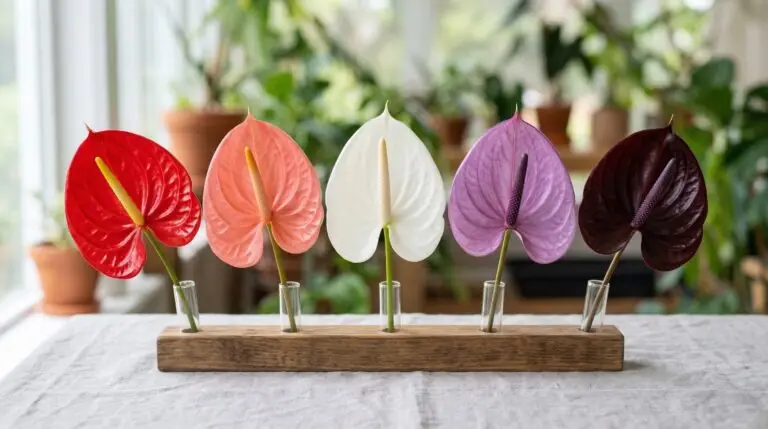
Anthurium versus peace lily and which tropical houseplant suits your home better
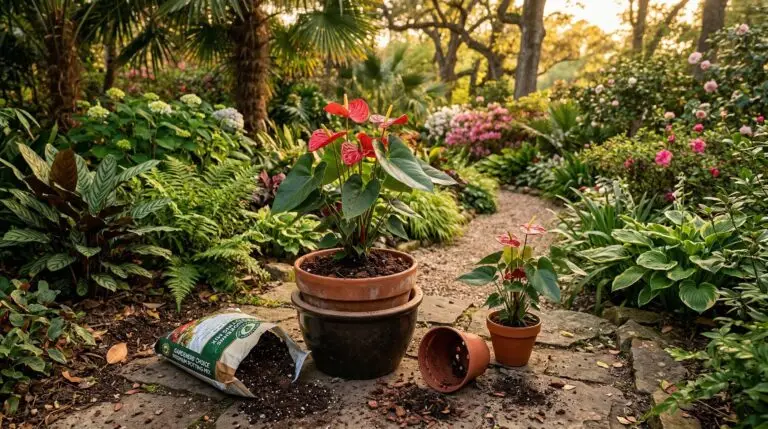
How to repot anthurium plants and when to know it is time for a bigger pot
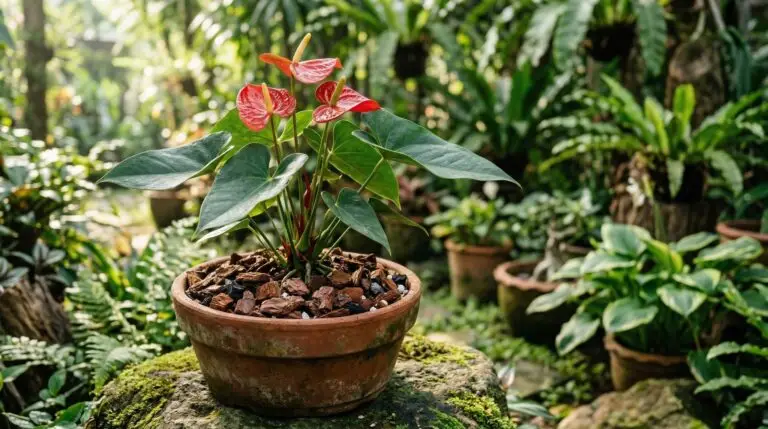
Best soil mix for anthurium plants that prevents root rot and promotes growth
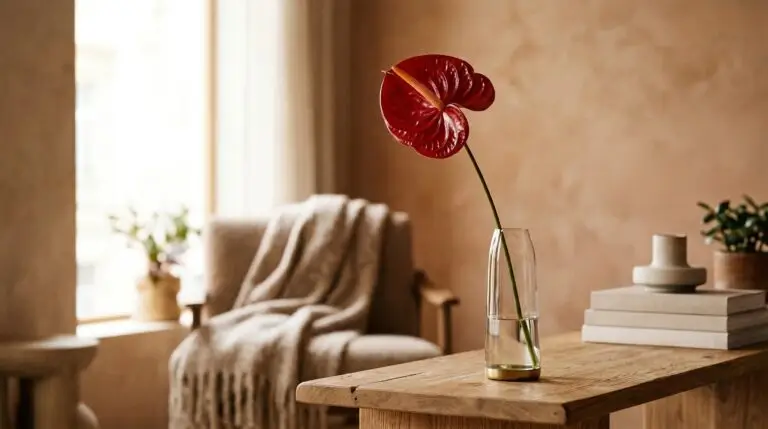
Using anthurium flowers in modern minimalist home decor and arrangements
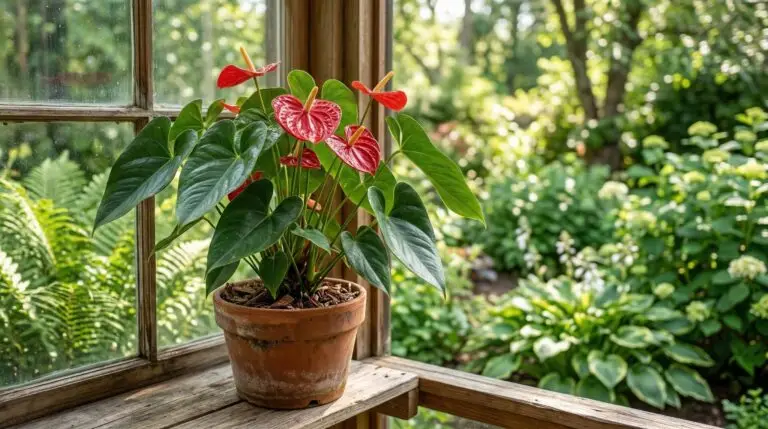
How to care for anthurium houseplants so they bloom all year long
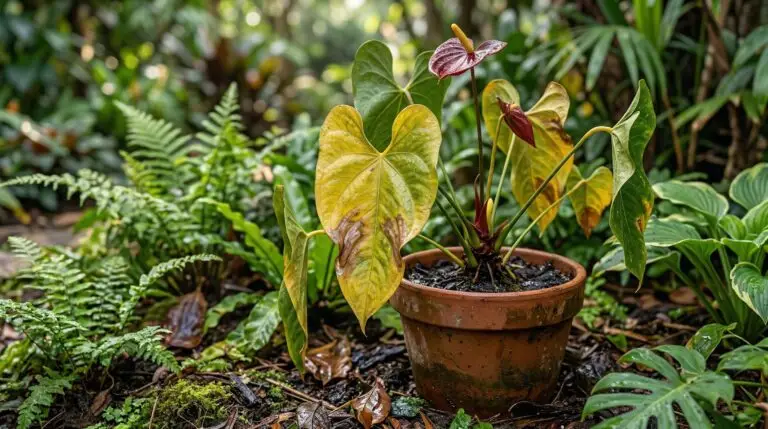
Why your anthurium leaves are turning yellow and brown and what to do about it
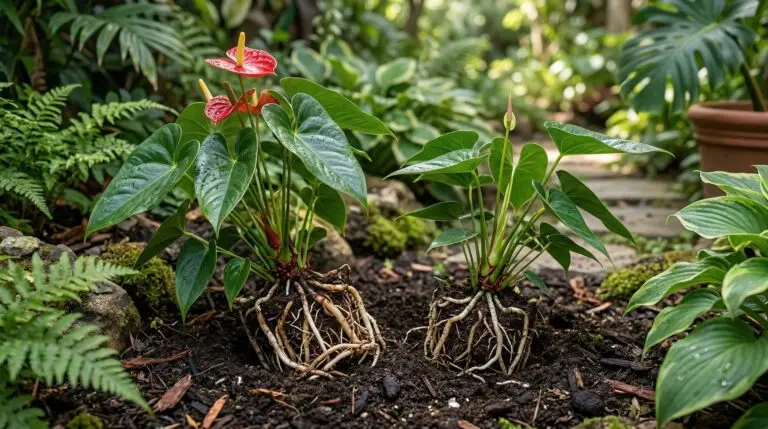
How to propagate anthurium by division and stem cuttings for more plants
How to increase humidity for anthurium plants without a greenhouse
Enjoying our flower guides? Add YourFlowersGuide as a preferred source on Google. It helps more readers find us.
Add to Preferred Sources