How to Grow and Care for Cornflowers
Contents
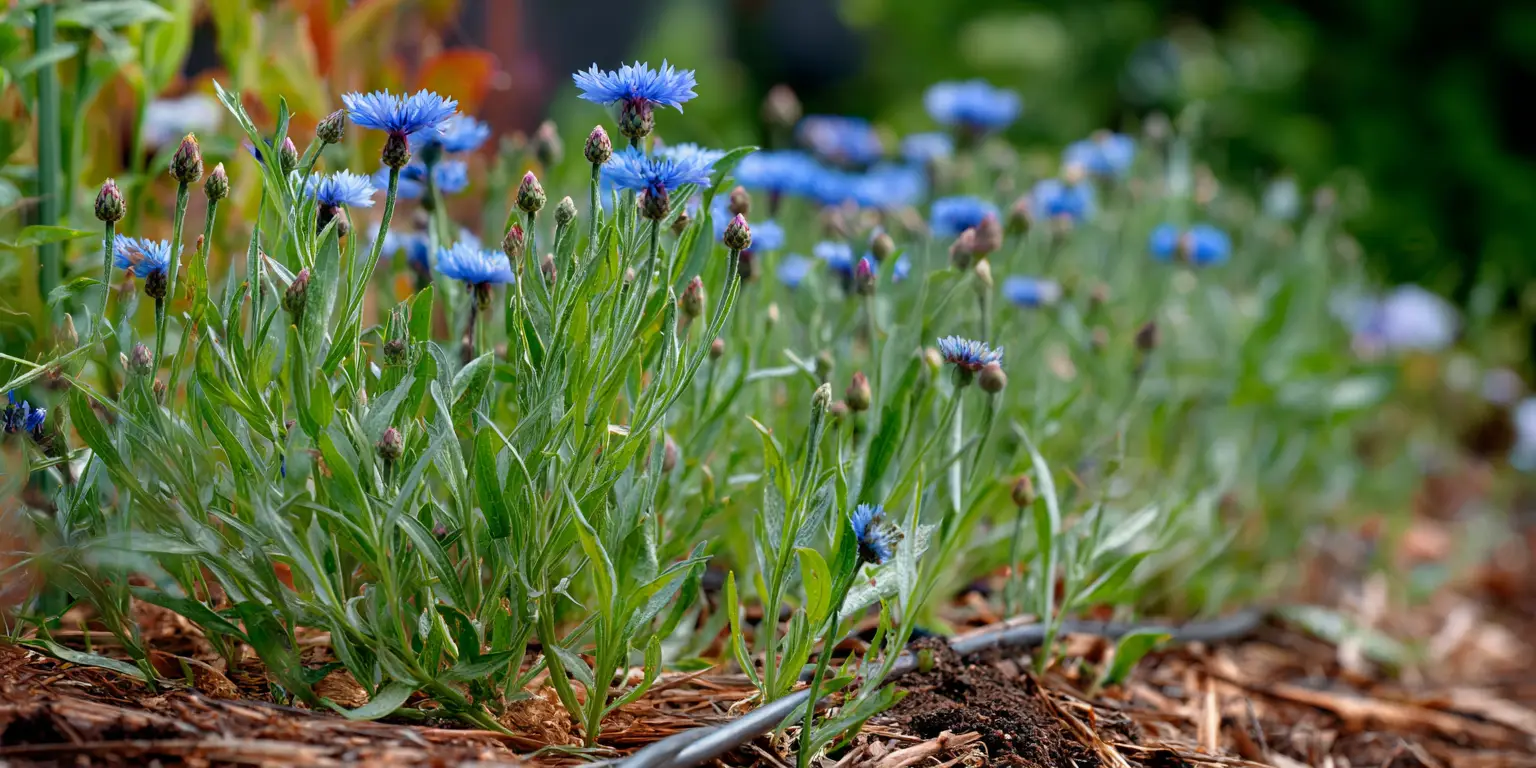
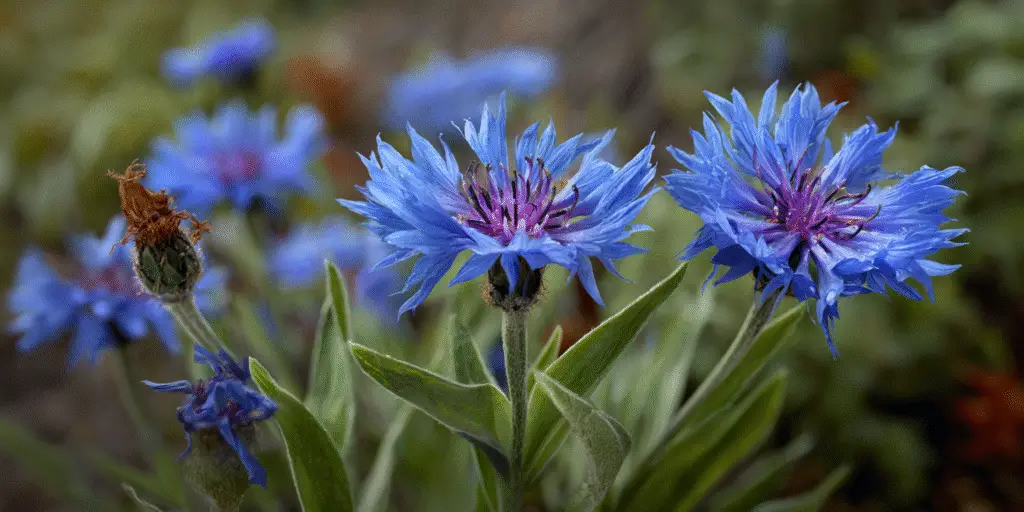
Cornflowers are classic cool season annuals known for vivid blue blooms that read clearly from a distance and mix well with many border plants. The accepted botanical name is Centaurea cyanus L., and you will also see these plants sold as bachelor’s buttons and garden cornflowers. In most of the United States they are grown as hardy annuals that thrive in cool weather and tolerate light frost. Full sun produces the strongest stems and the best flower color. Cornflowers perform in average garden soil, bring steady color from late spring into early summer, and are easy to direct sow where you want them to bloom. For reliable cornflower care, focus on sun, drainage, timely sowing, and regular deadheading to keep new buds coming.
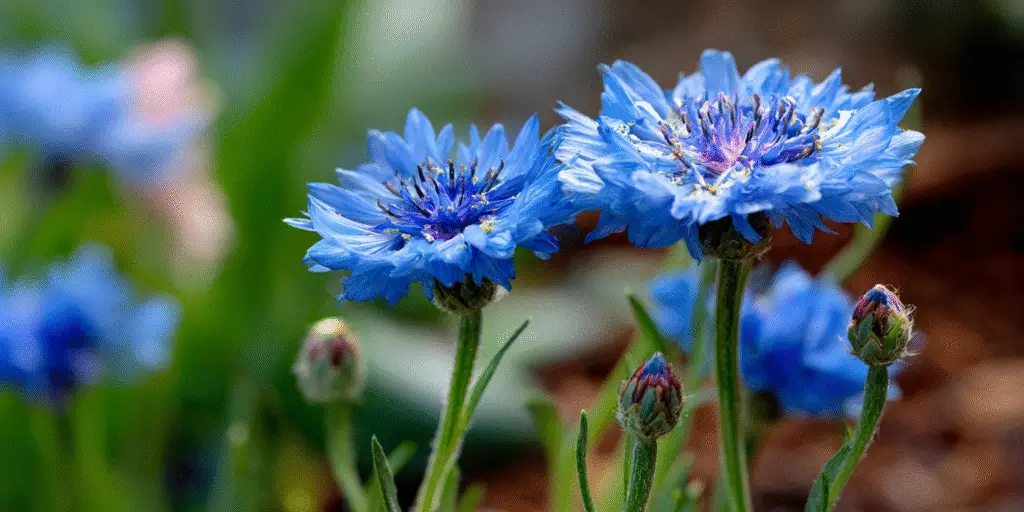
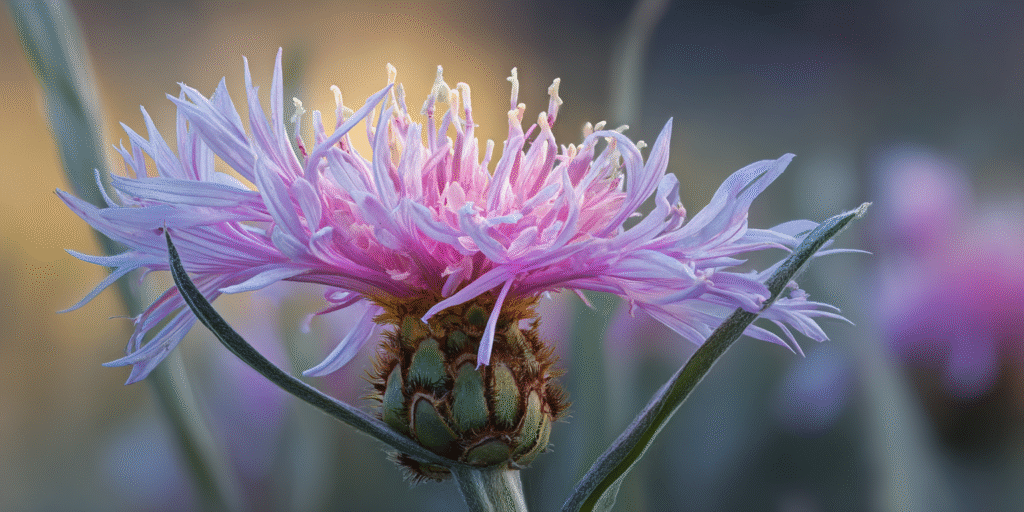
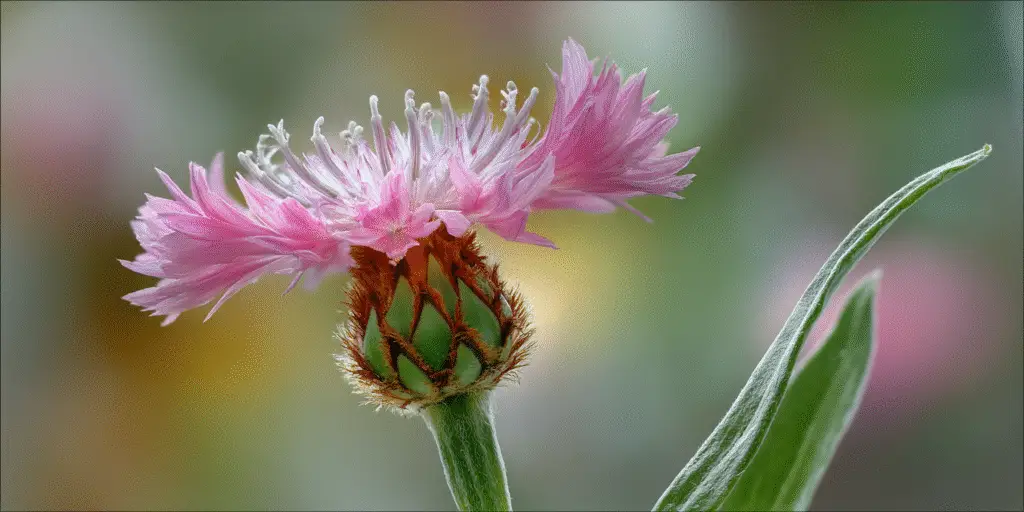
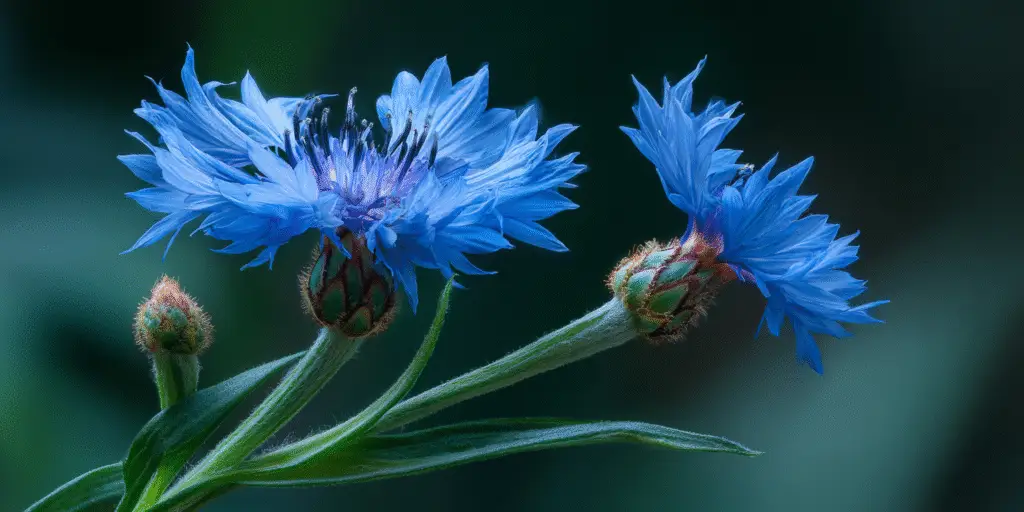
Hardiness overview and habit. Cornflowers complete their life cycle in a single season, yet they handle chilly nights well once established. Seedlings usually tolerate brief dips near freezing and mature plants flower best under cool conditions. Expect plants to reach 12 to 36 inches tall with a similar spread, depending on variety and growing conditions. Flowers are most famous for their true blue tone, though modern mixes add pink, white, and purple forms, as well as double and shaggy selections. If you garden for pollinators or cut flowers, cornflowers are dependable performers that combine easily with other blue flowers and many spring companions. Among popular types of flowers, few annuals deliver this much color for so little effort.
Ideal sunlight and a snapshot of success. Give cornflowers at least 6 to 8 hours of direct sun each day to build sturdy stems and abundant blooms. In regions with intense summer heat, a touch of afternoon shade extends the bloom window as spring shifts to summer. Success with cornflowers looks like this: direct sow in cool soil, thin seedlings for airflow, water deeply but infrequently once roots are set, avoid rich nitrogen, and shear after the first heavy flush for a second round. Follow that simple routine and cornflowers will carry your beds through the season with crisp, saturated color.
Soil & Bed Preparation
Texture and fertility. Cornflowers grow best in well drained loam or sandy loam with moderate fertility. They dislike heavy, waterlogged clay. Mix in 1 to 2 inches of finished compost to improve tilth if your soil is thin or crusty. Avoid high nitrogen amendments that drive lush leaves instead of buds. If you garden in clay, build broad, gently raised beds 4 to 6 inches high filled with native soil and compost. This improves drainage without creating steep sides that dry out. Do not add construction sand to clay since that can create a hard, bricklike layer. In quick draining sand, use more compost to hold moisture through windy spells.
pH range and adjustments. Cornflowers accept a neutral to slightly alkaline soil. A practical target is pH 6.5 to 7.5. If your soil test shows pH below 6.5, incorporate garden lime at labeled rates a few months before planting to nudge pH upward. If pH is above 7.5 and micronutrient lockout is a concern, add organic matter and, if needed, elemental sulfur at conservative rates to move the pH toward neutral over time. Always base lime or sulfur additions on a current soil test and retest every two to three years.
Raised beds versus in ground. In ground beds work well where soil drains freely and is not compacted. Raised beds are helpful where spring soils stay cold and wet, where tree roots compete, or where you need a neat, contained look for edging and cutting rows. In both cases, a flat, even surface helps seed placement and watering, and a clean border or edge reduces encroaching grass.
Drainage Test and pH Targets. To check drainage, dig a 12 inch deep hole and fill it with water. After it drains, refill and time how long the second fill takes to disappear. Ideal is about 1 to 2 inches per hour. Slower than that signals a need for more organic matter or for slightly raised beds to move water along. For pH, use a reliable soil test kit or your county Extension service. For cornflower care, aim for pH 6.5 to 7.5, with organic matter in the 4 to 6 percent range.
Planting Calendar by USDA Zone
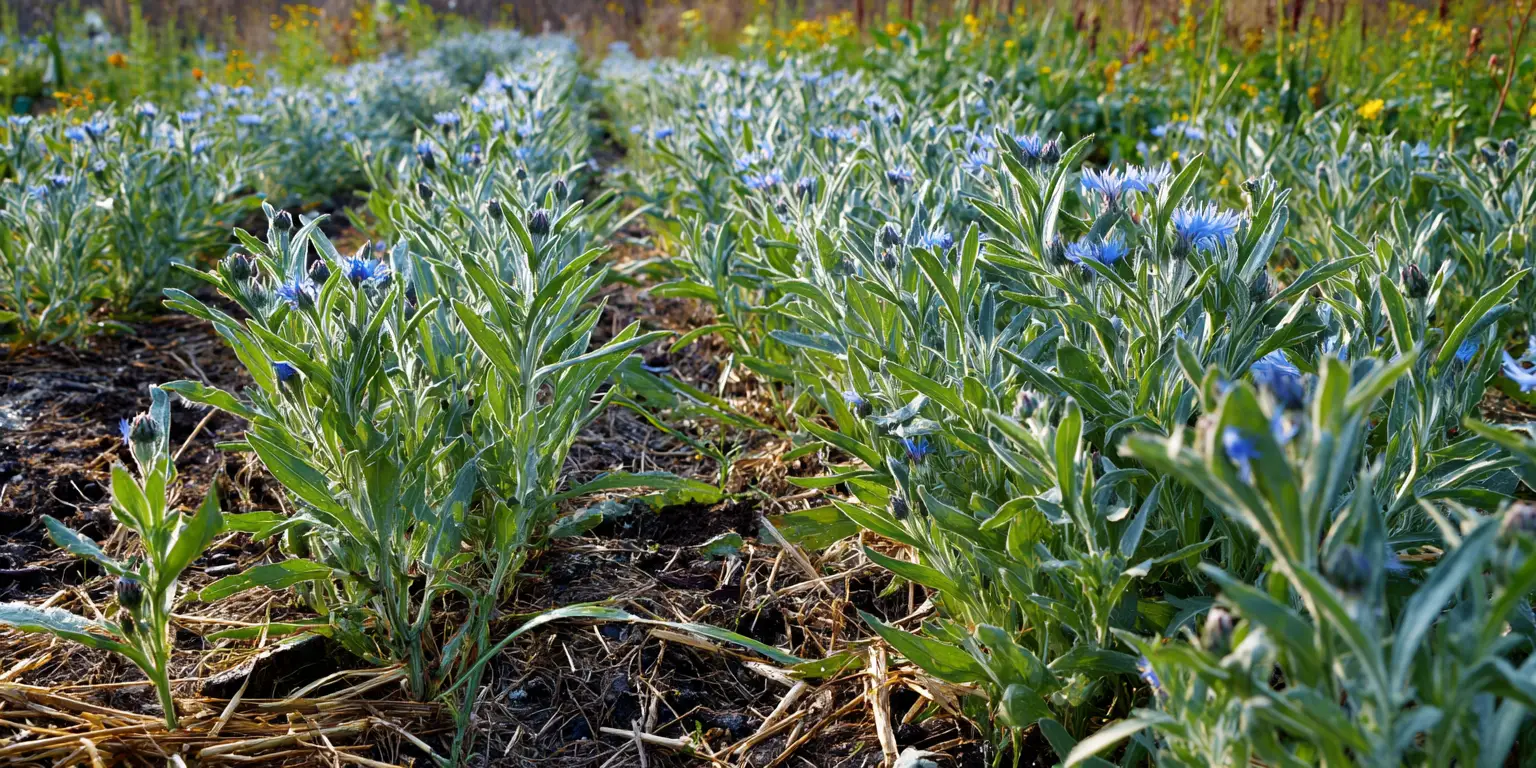
Understanding cornflower timing. Cornflowers are cool season bloomers. They resent hot soils at germination and stretch in heat. Use your local frost dates to choose a window when nights are cool and days are bright. Where winters are mild, fall sowing produces earlier, sturdier spring displays. Where winters are cold, early spring sowing takes advantage of cool weather. Successive sowings every two to three weeks stretch the bloom period.
Zones 2 to 5. Direct sow outdoors as soon as the soil can be worked and daytime highs sit in the 50s to 60s Fahrenheit. That is often mid April to May depending on your location. You can also cold sow in late fall after several killing frosts so seeds lie dormant until spring. In very cold interiors and high elevations, stick with early spring sowing. Transplanting is possible, but cornflowers resent root disturbance, so use deep cells and move seedlings before they fill the plug.
Zones 6 to 7. You have two good options. Direct sow 2 to 4 weeks before the last expected spring frost for late spring flowers, or sow in late fall after consistent cool nights for an early spring show. If you miss those windows, sow in very early spring to catch the tail end of the cool season. In humid summers, aim for earlier flowers, then shear and allow a lighter second bloom before heat shuts down the display.
Zones 8 to 9. Fall sowing provides the best results. Sow from October to December for spring bloom. In warm inland valleys, sow during the coolest part of the season and consider light afternoon shade as days lengthen. Cornflowers typically overwinter as small rosettes that bolt and flower as the days brighten. A light mulch helps regulate soil temperature and suppress winter weeds.
Zones 10 to 11. Treat cornflowers as a true cool season annual. Sow from November to January in areas with mild winters. In low deserts, sow in late winter to catch the last cool months. In coastal areas with steady ocean breezes, fall sowing can carry a long season if you shear after the first flush. In all warm zones, expect flowering to slow or stop once nights stay warm and soils heat up.
Regional caveats. In hot humid regions, give ample spacing and morning sun to dry foliage. In arid regions with reflected heat, use an organic mulch and irrigate deeply to maintain even moisture around roots. In windy coastal settings, use low windbreaks or plant on the leeward side of a fence to prevent lodging in tall varieties.
Planting: Depth & Spacing
Direct sow seed. Cornflowers shine when you sow them where they will bloom. Rake the seedbed smooth, then sow seeds about 0.25 inch deep. A light covering of fine soil or compost is enough. Keep the surface evenly moist until germination, which typically occurs in 7 to 14 days in cool soils. Once seedlings have two true leaves, thin to 8 to 12 inches apart to promote airflow and strong branching. For cutting rows, use 12 to 18 inches between rows to allow for harvest access. Thinning is not optional. Proper spacing prevents mildew, gives room for basal shoots, and reduces staking needs.
Transplant seedlings. If you must start indoors, use deep cells and a cool bright location. Sow 4 to 6 weeks before your outdoor date and keep temperatures near 55 to 65 degrees Fahrenheit. Pot up promptly before roots coil. Begin hardening off 7 to 10 days before transplant by setting trays outside in a sheltered spot for a few hours each day and increasing exposure gradually. Transplant on a cloudy day, handle by leaves, and avoid tugging on stems. Water in with a gentle soak. Set the crown at the same level it grew in the cell. Mulch lightly to buffer temperature swings.
Container grown starts from the nursery. If you buy six packs, check for tight roots and avoid plants with buds already open. Younger transplants settle faster and branch better. Loosen roots gently, set at the same depth, and space as you would direct sown plants. Water in well and keep evenly moist as roots knit into the new soil. A temporary hoop of mesh or a short ring of hardware cloth deters rabbits while plants establish.
Minimizing shock and quick acclimation. Shock comes from sudden changes in light, temperature, or root environment. Harden off steadily, plant into moist but not soggy soil, and water to settle soil at the root zone. Shade with a lightweight row cover for 2 to 3 days if sun is intense. Avoid fertilizer during the first week after transplant. Once you see fresh growth, resume your normal schedule.
Watering & Mulching
Establishment watering. Keep seedbeds and new transplants evenly moist from sowing through early branching. The goal is consistent moisture in the top 4 to 6 inches of soil, not constant sogginess. A finger test works. If the top inch is dry, water. Early on, lighter but more frequent irrigation is fine since roots are shallow. As plants size up, switch to a deeper soak to train roots downward. A general benchmark is about 1 inch of water per week from rain and irrigation combined during cool weather, more during windy spells or in sandy soils.
Mature schedule and summer strategy. Once plants are branching and setting buds, water deeply when the top 2 inches of soil dry out. In most gardens that means a thorough soak every 5 to 7 days in spring. In warm inland sites, you may need water every 3 to 5 days during a heat spike. Water at the base in the morning so foliage dries quickly. Overhead watering in the evening invites foliar disease in humid climates. In peak heat or when blooms flag, a hard shear followed by a deep watering often resets plants for a second bloom when nights cool.
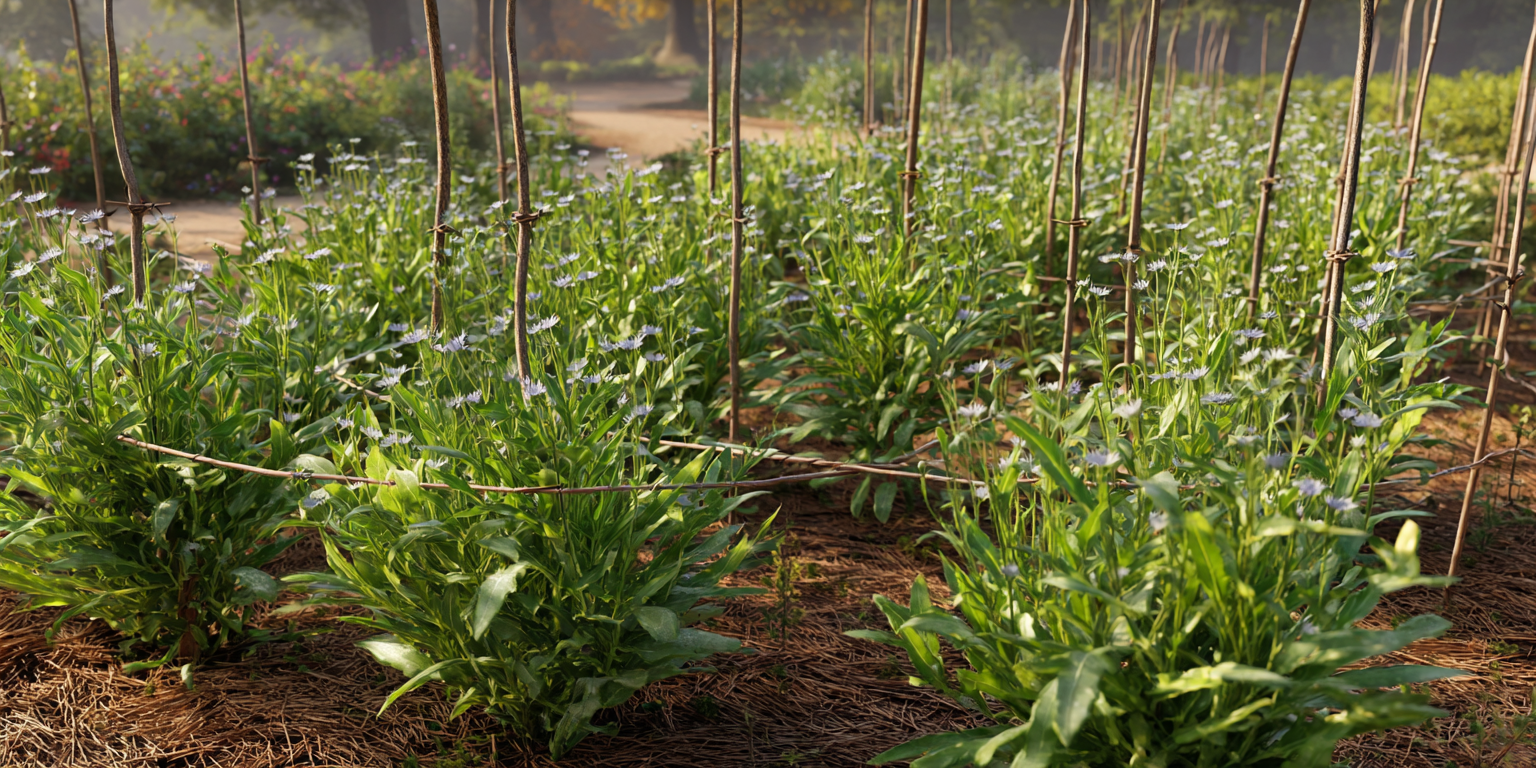
Mulch types and thickness. A 1 to 2 inch layer of shredded leaves, leaf mold, pine fines, or clean straw helps conserve moisture and keeps soil temperatures stable. Pull mulch back 2 inches from stems to prevent a damp collar that can encourage rot. In very sandy soil, consider a slightly thicker layer near 2 inches to reduce evaporative loss. In spring soils that stay wet, use a thin mulch or delay mulching until the first hot week, then apply to lock in moisture.
Preventing root and crown rot. The surest way to avoid rot is to plant in soil that drains and to water deeply rather than often. Avoid piling mulch against stems, and allow the soil surface to dry a bit between waterings. If you garden in heavy clay, build a low raised bed and avoid compacting the bed surface when wet.
Feeding
How much and when to fertilize. Cornflowers are not heavy feeders. Many gardens do not need fertilizer beyond a modest compost addition at bed prep. If a soil test indicates low fertility, apply a light dose of a balanced flower fertilizer shortly after thinning or transplant, then again after the first big flush if growth seems tired. Practical N P K ranges for flower production are in the neighborhood of 3 5 4 to 5 10 10 for synthetic blends, or an organic option near 4 6 3. Use the low end in fertile soil and the higher end in lean soil. Always follow label rates and water in after feeding.
When to skip fertilizer. If plants are tall, soft, and leafy with few buds, skip nitrogen. Overfeeding produces lush foliage at the expense of flowers and increases lodging in wind. In rich beds where you grew vegetables or heavy feeders last year and added compost, consider fertilizer unnecessary. A better use of time is steady deadheading and a timely shear.
Soil biology pointers. Sustained performance comes from healthy soil structure. Aim for 1 to 2 inches of compost each year in ornamental beds and keep soil covered with living roots or mulch to protect beneficial organisms. If you adjusted pH this season, retest in late fall or the following spring to confirm that amendments reached the target range.
Pruning & Support
Deadheading and shearing. Regular deadheading keeps cornflowers in bloom. Snip finished flower heads back to the first healthy lateral bud to maintain a tidy shape. When the first big wave of bloom begins to fade, shear plants by one third, feed lightly if soil is lean, and water deeply. Most plantings respond with fresh foliage and a second bloom as nights cool. For bouquets, cutting stems just as outer florets open encourages continued branching and reduces spent heads in the bed.
Pinching and stem quality. Pinch young plants when they reach about 6 inches tall to promote branching and a bushier habit. This is especially helpful for taller selections. Pinching delays the first flower by a week or two but pays back with more stems over a longer window. For cutting rows, selective thinning to the strongest stems improves light penetration and air movement.
Staking and wind management. Many dwarf varieties stay upright without support. Taller selections in windy or exposed beds benefit from a light support grid. Push a few slim stakes around the clump and weave garden twine in a simple crisscross about 12 inches above the ground, then add a higher tier if needed. You can also use low hoops with soft netting to corral stems. Good spacing and even watering reduce lodging.
Tool hygiene to limit disease spread. Clean pruners and snips before you start and when moving between beds. A quick wipe with a cloth soaked in 70 percent isopropyl alcohol is effective. Avoid working in wet foliage since spores and bacteria spread more easily on damp tools and sleeves.
Overwintering
In cold winter regions. Since cornflowers are annuals, the usual approach is to sow early in spring and enjoy the bloom until heat or hard frost ends the show. There is no need to overwinter plants in the ground. If you practice late fall sowing in zones 2 to 5, sow after several hard frosts so seed does not sprout in a warm spell. In snow covered areas, a thin cover of mulch helps keep seed in place, but do not bury seed deeply.
In mild winter regions. In zones 8 to 10 where fall sowing is common, seedlings overwinter as small rosettes. After germination, apply a 1 inch mulch to buffer freeze to thaw cycles. In an unusually cold snap, a floating row cover adds several degrees of protection. Remove protective covers on bright days so rosettes do not cook under fabric. Pull winter mulch back in early spring to warm the soil and encourage rapid growth.
Container considerations. In cold regions, containers freeze hard which can heave seedlings. Either sow in spring once hard freezes pass, or keep fall sown containers in a sheltered unheated porch to reduce freeze to thaw swings. In warm zones, fall sown pots do fine outdoors with a light mulch. Check often since pots dry faster than beds.
Growing Environments
Containers and minimum soil volume. Cornflowers are very suitable for pots and planters if you can offer sun and airflow. Use a high quality potting mix that drains well yet holds moisture. A single plant needs about a 10 to 12 inch wide container holding at least 2 to 3 gallons of mix. In long boxes, space plants 8 to 10 inches apart. Water when the top inch of mix dries and feed lightly as needed since nutrients leach faster in containers. Mix slow release fertilizer into the top layer at planting if your soil test suggests low fertility.
Drainage and potting mix. Choose containers with broad drainage holes and avoid saucers that hold standing water. If your mix is very peat heavy and dries suddenly, consider a blend with some fine bark to improve structure. Top dress with one inch of compost midseason to refresh nutrients. Keep mulch thin in pots to avoid sogginess near stems.
Microclimate tips. Set containers where they get morning sun and good airflow, especially in humid regions where still air encourages mildew. On patios with reflected heat, offer light afternoon shade in midsummer or move pots a few feet back from walls to reduce heat stress. In windy exposures, arrange pots in groups or tuck them behind a bench for shelter. In borders, tuck cornflowers among perennials such as lavender to frame the blue tones and soften the edges.
Companion Planting & Design
Color partners and bloom sequencing. Cornflowers are standouts in cool palettes and mingle easily with larkspur, snapdragons, love in a mist, and poppies. For a long border, combine with yarrow, catmint, and salvias so the display continues after cornflowers finish. The electric blue pairs beautifully with white, yellow, and soft pinks. Use the blue forms to amplify a section of white flowers or to cool a block of yellow flowers. In mixed borders, set blue cornflowers near silver foliage for contrast or weave them through pastel beds of purple flowers. If you plan seasonal displays for events, browse your wedding flowers guide and slot cornflowers into early ceremonies where cool tones photograph well.
Pollinator value and ecology. Cornflower nectar attracts native bees and honey bees, and the open flowers make excellent landing pads. Bloom timing is useful in the shoulder season when other nectar is limited. If you allow a patch to set seed at the end of the run, finches and other small songbirds will work the seedheads. To balance wildlife support with tidiness, reserve a back corner for seed and keep the front beds tightly deadheaded.
Space and airflow with companions. When mixing cornflowers with perennials and bulbs, maintain spacing to keep air moving at leaf level. Give 8 to 12 inches between cornflower crowns and 12 to 18 inches between clumps. In cutting gardens, single species rows simplify harvest, but interplanting with calendula or dill can confuse pests and increase biodiversity. Around classic shrubs and perennials such as roses and tulips, use cornflowers as an airy filler that bridges gaps and invites beneficial insects.
Written by: Your Flowers Guide editorial team
We are a small independent group of flower lovers who research and review each guide using trusted horticultural and educational sources. Learn more about us