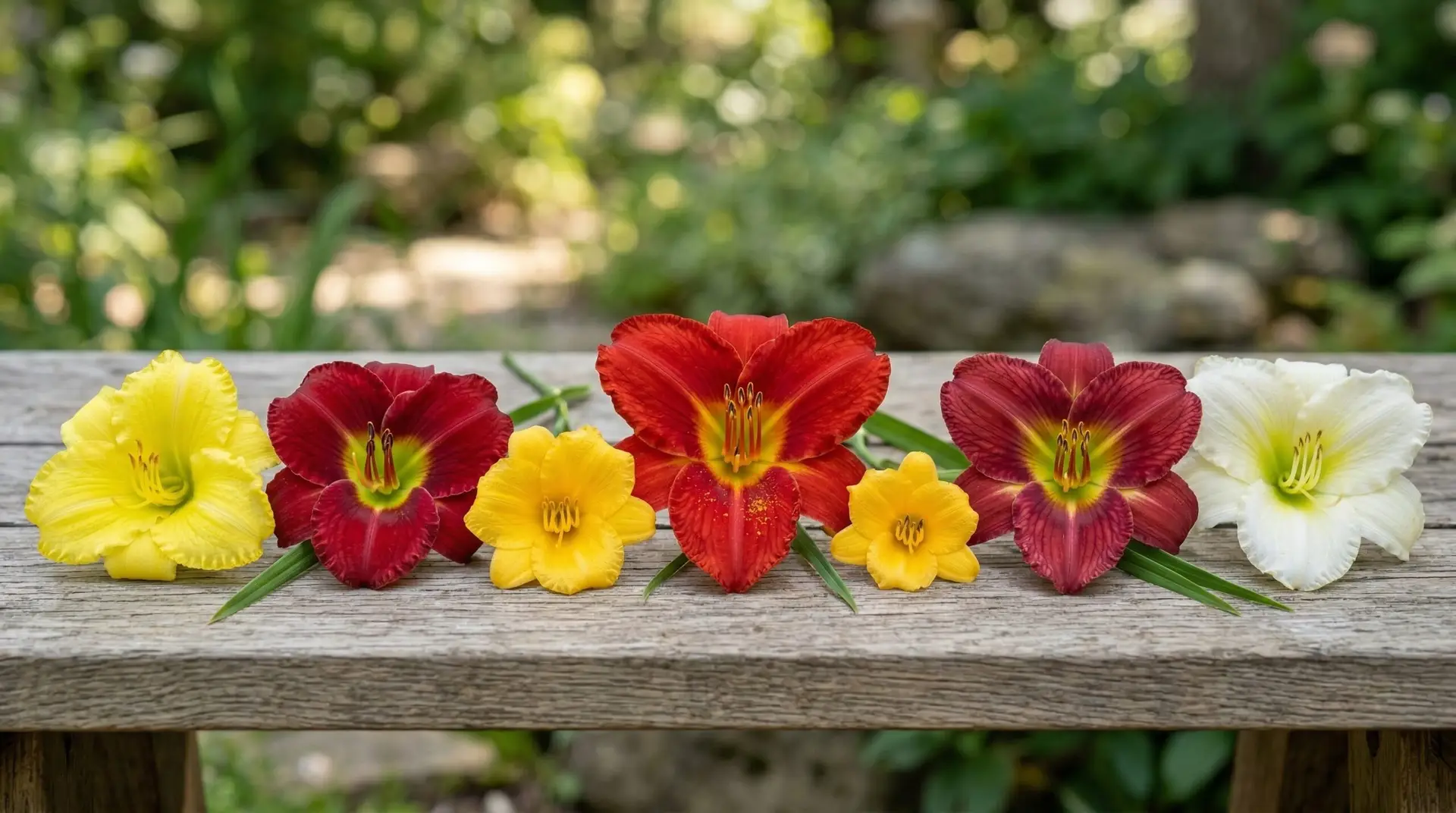
Gardeners often find themselves standing in the nursery trying to decipher the difference between a daylily and a true lily. The shared common name creates a lot of confusion, leading people to believe these plants are closely related or interchangeable in the garden. In reality, they belong to completely different plant families and behave in fundamentally distinct ways. Understanding the difference daylily lily characteristics present will save you from planting the wrong flower in the wrong place. When you know how each plant grows, multiplies, and blooms, you can make an informed decision about which one belongs in your garden beds.
The choice between a daylily vs lily comes down to what you want the plant to do in your yard. One is a rugged, spreading ground cover that produces a succession of quick-fading blooms. The other grows as an elegant, upright specimen plant with long-lasting individual flowers suitable for cutting. Both have their place in horticulture, but they require different care, soil conditions, and maintenance routines. Looking closely at Hemerocallis vs Lilium reveals two completely different approaches to summer garden color.
Contents 5 sections
Examining the botanical differences and growth habits
The easiest way to tell these two plants apart is by looking at their leaves and roots. Daylilies belong to the genus Hemerocallis and grow from a mass of thick, fleshy, tuberous roots. Their foliage emerges directly from the crown at the soil line, forming dense clumps of long, arching, grass-like leaves. When the plant prepares to bloom, it sends up leafless stalks called scapes, which bear clusters of flower buds at the top. This basal foliage remains attractive long before and after the flowers appear, providing a textural element to the garden border.
True lilies belong to the genus Lilium and grow from scaly, true bulbs planted deep in the soil. Instead of a clump of grassy foliage, a true lily produces a single, rigid, upright stem. The leaves grow directly on this main stem, arranged in whorls or scattered spirally from the base to the tip. If this single stem breaks or gets cut down, the plant will not grow another one or produce flowers until the following year. This structural difference means true lilies take up very little horizontal space at the ground level, making them easy to tuck between other bushy perennials.
Comparing bloom duration and flower performance
The name daylily is entirely accurate because each individual blossom opens in the morning and dies by nightfall. To make up for this short lifespan, a mature daylily scape produces numerous buds that open in succession over a period of three to four weeks. Some varieties, known as rebloomers, will send up secondary scapes later in the season to provide another flush of color. The color range is vast, covering almost every shade except pure blue and pure white. Breeders have developed many varieties featuring contrasting eyes, ruffled edges, or bright throats.
True lilies take a different approach to blooming. Each individual flower on a Lilium stem lasts for a week or more, making them excellent candidates for floral arrangements. A single stem might hold anywhere from three to twenty buds depending on the variety and age of the bulb. The flowers open gradually from the bottom of the cluster to the top, providing a show that can last two to three weeks. You can find true lilies in trumpet shapes or with strongly recurved petals like those seen on classic tiger lilies. They also offer something most daylilies lack, which is a powerful, heavy fragrance that can perfume an entire garden, particularly in the Oriental lily group.
Evaluating maintenance needs and multiplication rates
Daylilies are famous for their tough, forgiving nature and their ability to survive in less than ideal conditions. They tolerate poor soil, summer heat, and brief periods of drought without complaining. Over time, a single daylily fan will multiply into a massive clump that can easily measure two or three feet across. This aggressive multiplying habit makes them excellent for filling large, empty spaces or stabilizing slopes. You will need to dig up and divide these heavy clumps every four to five years to keep them blooming vigorously, a chore that requires a sharp spade and a bit of physical effort.
True lilies require more specific growing conditions to thrive and multiply. They need excellent drainage because their fleshy bulbs will rot quickly in heavy, waterlogged winter soils. While they like their flowers in the sun, they prefer their roots to be shaded and cool, often benefiting from a thick layer of mulch or low-growing companion plants. True lilies multiply by forming small bulblets along the underground portion of the stem or by splitting at the main bulb. This process is much slower than the rapid clumping of a daylily, meaning a true lily will stay well-behaved and contained in its designated garden spot for many years without needing division.
Addressing pest pressures and wildlife challenges
Both plants face challenges from local wildlife, particularly deer, but the damage impacts them differently. Deer consider true lily buds to be a high-value treat, often biting the entire top off the single stem right before the flowers open. Because a true lily has only one stem and its leaves are attached to it, a deep deer bite destroys the plant’s ability to photosynthesize and build energy for the next year. Gardeners in areas with heavy deer pressure often have to spray true lilies constantly or grow them inside fenced enclosures to see them bloom.
Daylilies are also eaten by deer, but they handle the grazing with much more resilience. If deer eat the flower scapes, you lose the blooms for that season, but the dense clump of basal foliage remains intact to gather sunlight and feed the roots. Daylilies are generally free of serious insect pests, making them a reliable choice for low-spray gardens. True lilies face a severe threat from the red lily leaf beetle in many parts of the country. This destructive pest eats the leaves and coats the plant in excrement, requiring vigilant hand-picking or chemical intervention to keep the plants alive and healthy.
Choosing the right plant for your garden goals
Deciding between these two plants depends entirely on what you want to achieve in your garden space. If you need a reliable, low-maintenance workhorse to line a long driveway, fill a difficult slope, or choke out weeds, the daylily is the clear winner. Their dense foliage acts as a living mulch, and their robust root systems hold soil in place perfectly. They are the better choice for gardeners who want maximum color impact with minimal fuss, provided you have the horizontal space to accommodate their spreading clumps.
If your priority is growing elegant flowers for indoor bouquets, or if you have a tight garden bed that needs vertical interest, true lilies are the better option. Their narrow footprint allows you to squeeze them into established perennial borders where a daylily would simply take up too much room. True lilies provide a formal, structural element to the garden and reward you with long-lasting, often fragrant blooms. By assessing your soil drainage, your willingness to battle pests, and your available space, you can confidently select the plant that will perform best in your specific garden environment.
More About Daylily
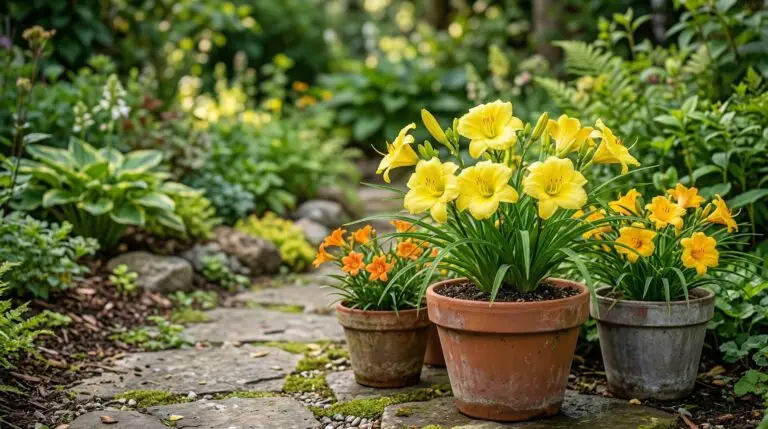
Growing daylilies in containers for small spaces and apartment balcony gardens
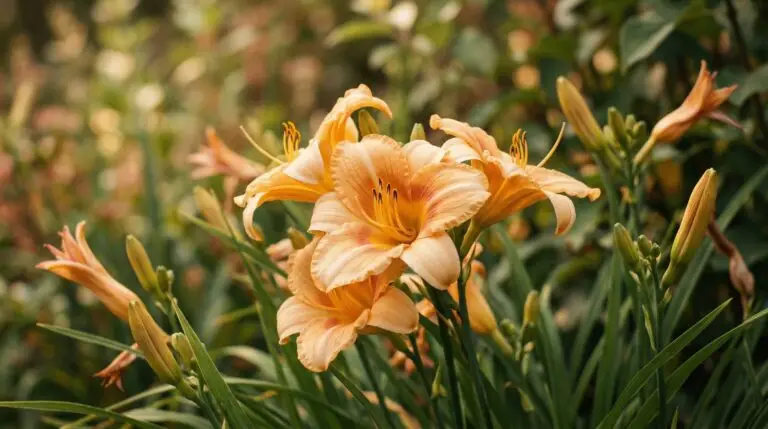
Daylily flower meaning and why each bloom lasts only one beautiful day
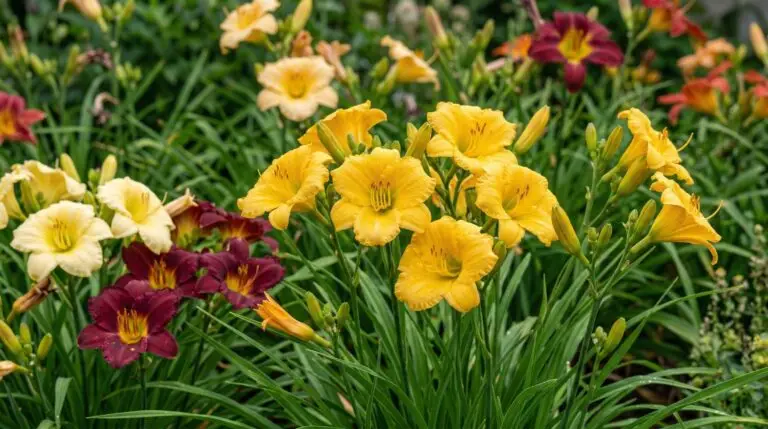
Best reblooming daylily varieties that flower from June through September
How to divide overgrown daylily clumps for healthier plants and more blooms
Collecting daylilies and the world of hybridizing with over 90000 named varieties
Using daylilies for erosion control on slopes and banks where nothing else grows
Edible daylilies from garden to plate and how to cook with hemerocallis flowers
Daylily rust and other common problems and how to keep your plants healthy
Companion plants for daylilies: what to grow, what to avoid
Enjoying our flower guides? Add YourFlowersGuide as a preferred source on Google. It helps more readers find us.
Add to Preferred Sources