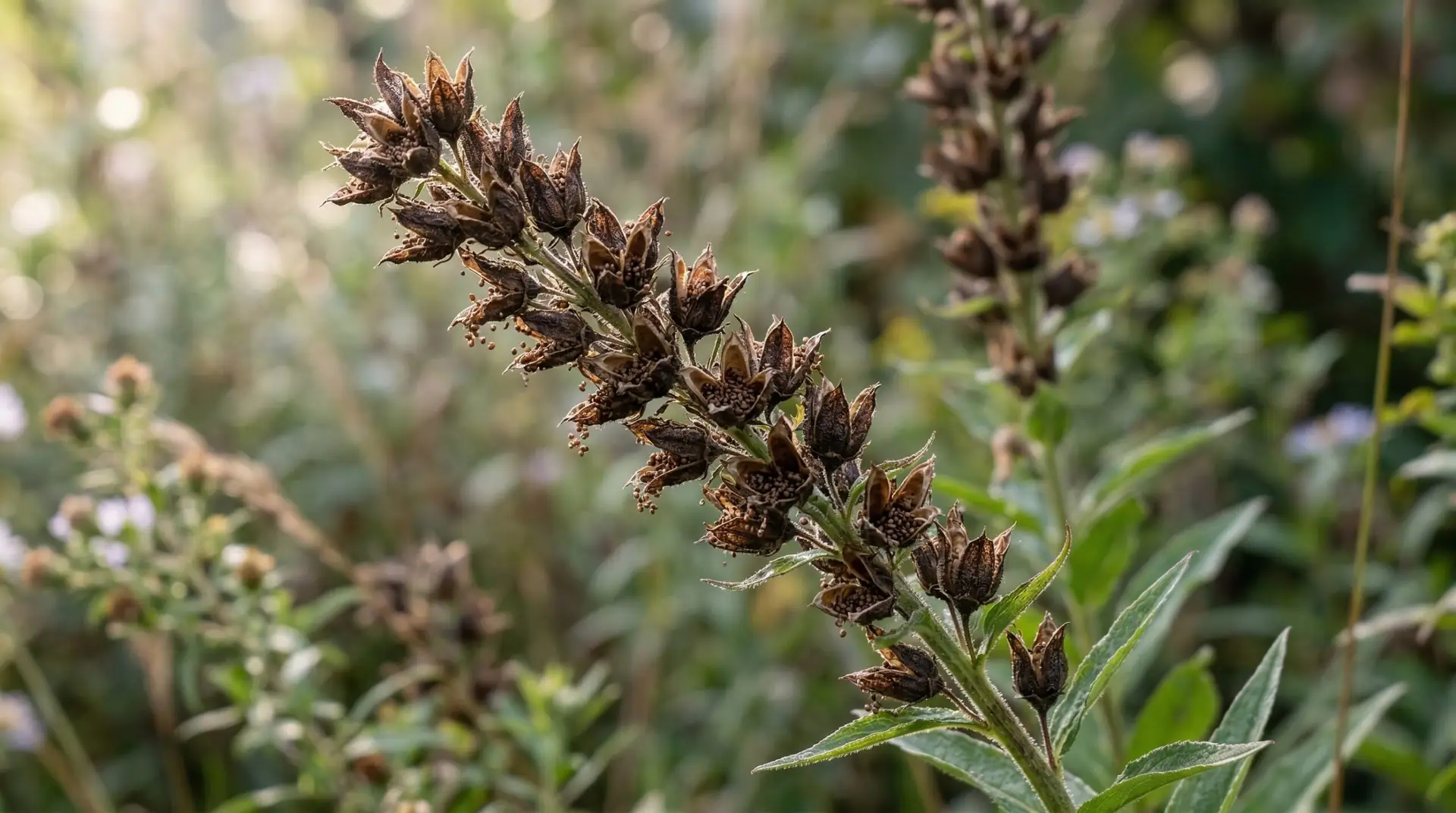
Have you ever wondered how a tiny speck of a seed knows exactly when it is safe to wake up and grow? When you hold a packet of blue lobelia seeds, you are holding thousands of dormant living things waiting for a very specific set of signals. In nature, a plant dropping its seeds in autumn faces a serious problem. If those seeds sprouted during the warm days of October, the delicate new seedlings would freeze to death a few weeks later when winter arrives. To survive, these plants evolved a chemical lock inside their seeds that prevents germination until they have experienced a long period of cold, wet weather. By the time you finish reading this, you will understand exactly how to recreate those natural signals to successfully grow your own plants from scratch.
Contents 5 sections
The chemistry of cold stratification
When we talk about lobelia seed starting, the most important concept to understand is cold stratification. This is the garden term for mimicking winter conditions to break a seed’s natural dormancy. Think of the seed coat as a thick wall holding in a chemical sleep hormone. Dry cold, like storing seeds in a refrigerator packet, does nothing to break down this wall. The seed needs both moisture to soften the coat and cold temperatures to slowly dissolve the sleep hormone over several weeks. Once that hormone is gone, the seed is chemically primed and simply waiting for the warmth of spring to sprout. This might seem contradictory to everything we learn about keeping seeds warm and cozy, but the reason is purely about survival. Native plants rely on this cold, moist period as a biological calendar to ensure they only emerge when the danger of deep winter has passed.
Light and the tiny seed
Once the seeds have experienced their necessary cold treatment, they need a second specific signal to germinate. Lobelia siphilitica from seed requires light to sprout, which tells us exactly how to plant them. These seeds are incredibly small, resembling fine dust or ground pepper rather than what we typically picture as a seed. You can think of a seed as a packed lunch for the baby plant inside. A large seed, like a bean or a squash, has a massive packed lunch and can afford to be buried deep in the soil because it has enough stored energy to push its way up in the dark. A tiny lobelia seed has almost no stored energy at all. If you cover it with even a thin layer of soil, the seedling will run out of energy and die before it ever reaches the sunlight. Therefore, we must press these dust-like seeds firmly into the surface of moist soil without covering them, ensuring they have good contact with the damp earth while remaining fully exposed to the light.
Winter sowing outside
One of the most reliable ways to provide both the cold, moist treatment and the necessary light is a method called winter sowing. Instead of taking up space in your refrigerator with damp paper towels, you simply let nature do the work. You fill pots or recycled plastic containers with moist potting soil, press the blue lobelia seeds into the surface, and set them outside in the middle of winter. The rain and snow will keep the soil damp, while the fluctuating winter temperatures break down the seed dormancy perfectly. It takes a season or two to get a feel for leaving vulnerable seeds outside in freezing weather, and that is completely normal. Many gardeners feel anxious about this hands-off approach initially, but this is exactly how wild plants propagate themselves. Other beautiful blue perennials like Delphinium elatum and native Gentian also respond wonderfully to this outdoor winter treatment. When the soil warms up in the spring, the seeds will sprout exactly when the local climate dictates it is safe.
Indoor starting and division
If you prefer to start your seeds indoors under lights, you will need to artificially recreate the winter experience. You can do this by mixing the tiny seeds with a small amount of damp sand in a sealed plastic bag and placing it in your refrigerator for about sixty days. The damp sand provides the moisture, and the refrigerator provides the winter chill. After two months, you carefully spread the sand and seed mixture over the surface of your indoor potting soil and place the trays under bright grow lights. Because the seeds are so tiny, they grow quite slowly during their first few months of life. You must be patient and keep the soil surface consistently moist, as a dried-out surface will quickly kill the microscopic roots. If this entire process feels too slow for your current garden plans, you can always rely on division for quicker results. Mature great blue lobelia plants can be dug up in the early spring and gently pulled apart into several smaller plants, giving you immediate size and guaranteed blooms that same year.
Working with the natural cycle
Once you successfully grow your first batch of great blue lobelia, the plants will happily take over the propagation duties for you. A mature plant produces thousands of seeds in late summer, dropping them into the soil around its base. Because the seeds fall naturally on the soil surface, they receive the perfect combination of winter cold, moisture, and light without any intervention from the gardener. You will often find tiny new seedlings popping up in the spring, which you can easily transplant to other areas of your garden while they are still small. Understanding this natural cycle removes the mystery from seed starting and replaces it with simple observation. The core principle to take away is that we are never forcing a seed to grow. We are simply providing the exact environmental cues the plant has relied on for thousands of years to know the world is safe to enter.
More About Great Blue Lobelia
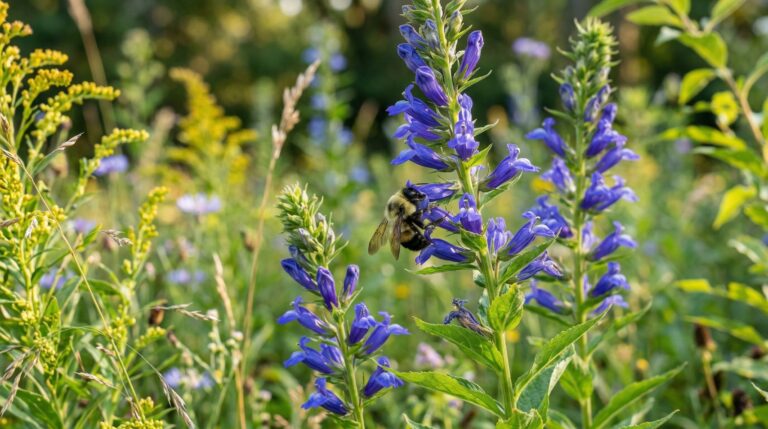
Great blue lobelia for hummingbird and pollinator gardens in late summer
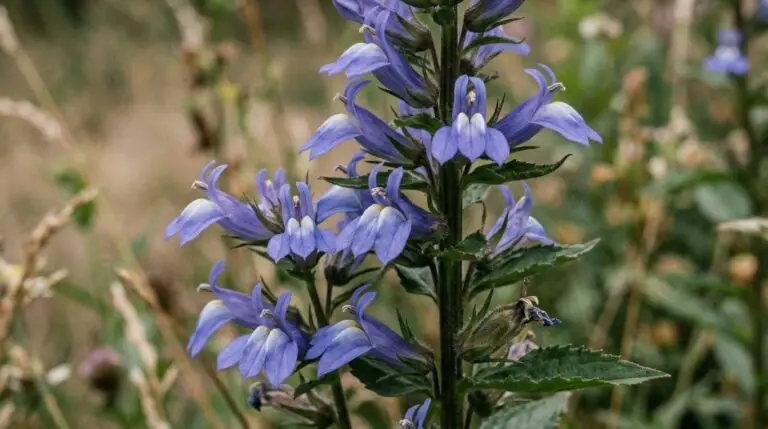
The medicinal history of lobelia siphilitica and how it got its unusual name
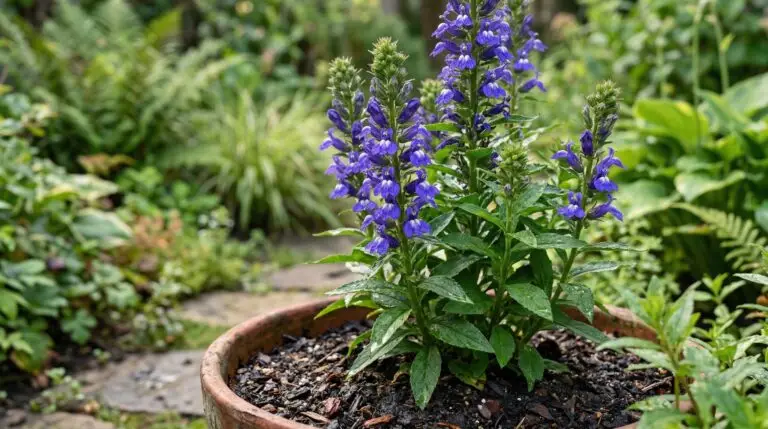
Growing great blue lobelia in containers for a native plant patio garden
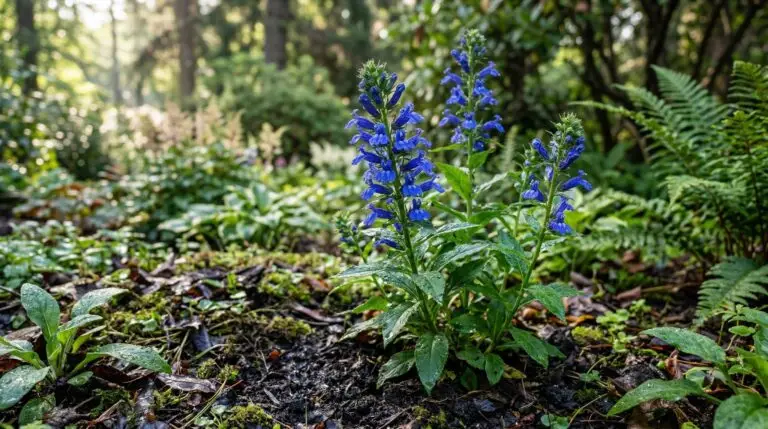
How to grow great blue lobelia for tall sapphire spikes in moist garden borders
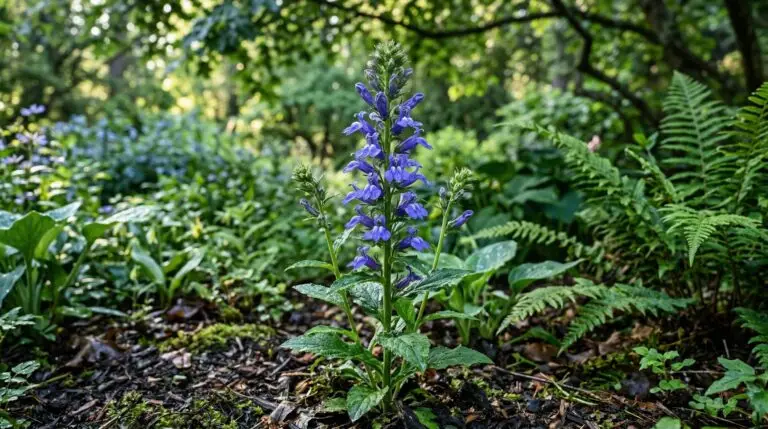
Great blue lobelia in shady wet gardens where most blue flowers refuse to grow
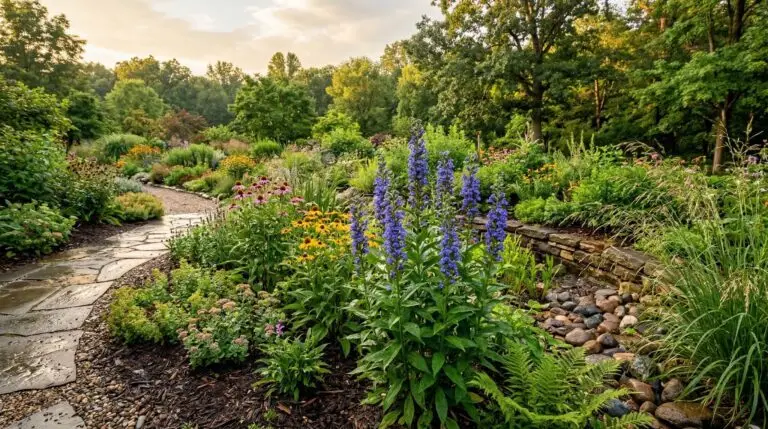
Great blue lobelia as a native plant for rain gardens and wet problem areas
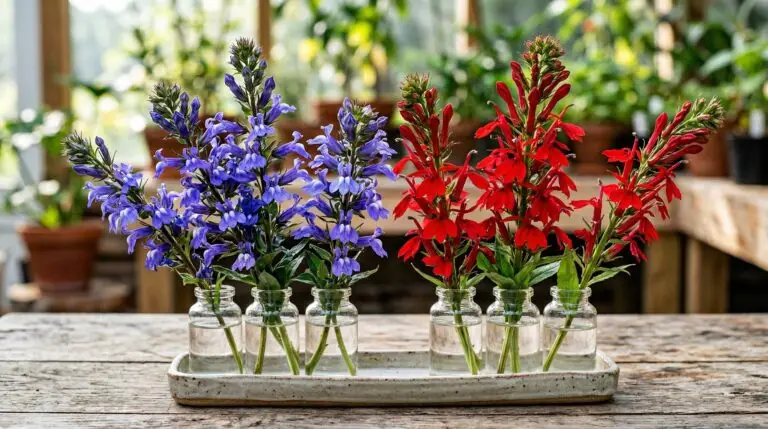
Great blue lobelia versus cardinal flower and choosing the right lobelia for your garden
Great blue lobelia companion plants: what to grow and avoid
Why great blue lobelia is short-lived and how to keep it going through self-seeding
Enjoying our flower guides? Add YourFlowersGuide as a preferred source on Google. It helps more readers find us.
Add to Preferred Sources