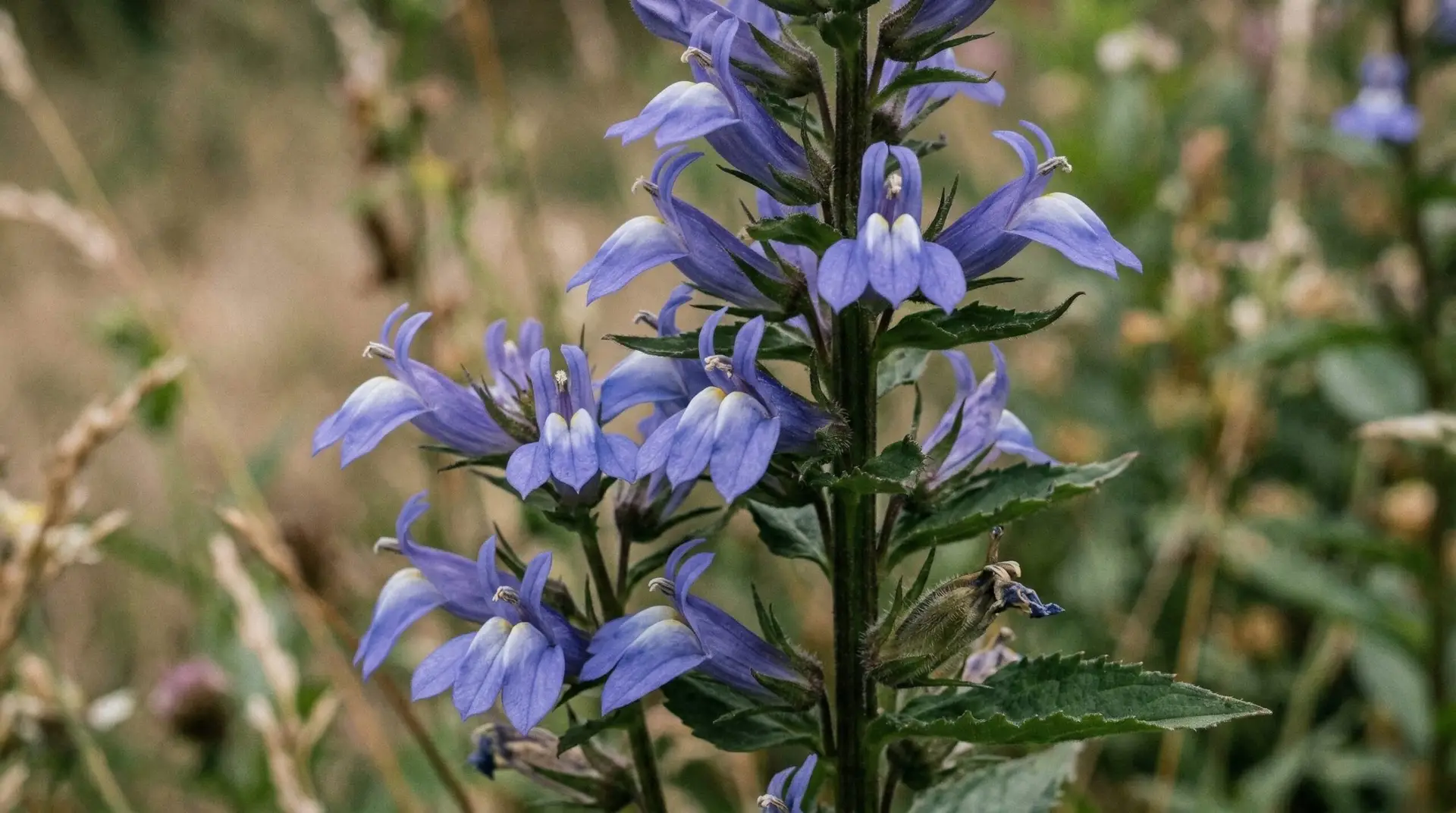
In the middle of the eighteenth century, the British Superintendent of Indian Affairs, Sir William Johnson, purchased a closely guarded medical secret from the Haudenosaunee people in North America. European colonists were desperate for a cure to a devastating disease spreading through their settlements. Johnson believed he had found the answer in the roots of a tall, late-blooming perennial with distinctive blue flowers. He sent samples of this root across the Atlantic Ocean to eager physicians in London. The plant in question was the great blue lobelia, a native North American wildflower that grew abundantly in damp meadows and along stream banks. This transaction permanently altered the history of the plant and cemented its reputation in European medical texts. The resulting botanical name forever tied a beautiful garden flower to a grim chapter of human disease.
Long before Europeans arrived with their specific medical crises, indigenous healers across North America cultivated an extensive knowledge of the great blue lobelia. The Cherokee used an infusion of the roots to treat respiratory complaints and body aches. The Iroquois prepared the leaves as a poultice for localized pain and relied on the plant to treat various stomach ailments. These healers understood the precise dosages required to use the plant safely, as the entire genus contains potent alkaloids that cause vomiting if ingested in large quantities. This deep pharmacological knowledge was part of a broader medicinal tradition that included other native species. For example, indigenous practitioners often combined different roots and leaves to create complex treatments, much like their extensive use of the coneflower for immune support or their reliance on yarrow to stop bleeding. The great blue lobelia was a respected tool in a sophisticated apothecary, not a single magic cure for a foreign plague.
Contents 3 sections
The blue lobelia name origin and botanical history
The first half of the plant’s scientific name honors a man who never set foot in the Americas and never saw the great blue lobelia in the wild. Matthias de Lobel was a Flemish physician and botanist who lived from 1538 to 1616. He served as the personal physician to King James I of England and managed several prominent royal botanical gardens. Lobel made significant advancements in the science of botany by proposing that plants should be classified by their physical characteristics, specifically their leaf shapes, rather than their supposed medical uses. When the Swedish taxonomist Carl Linnaeus began formalizing the binomial nomenclature system in the eighteenth century, he chose to immortalize Lobel’s contributions to science. Linnaeus assigned the name Lobelia to a diverse genus of flowering plants that eventually included hundreds of species distributed across the globe. This naming convention securely anchored the Flemish botanist’s legacy in gardens worldwide.
The second half of the botanical name carries the weight of Sir William Johnson’s eighteenth-century transaction. Pehr Kalm, a Finnish-Swedish botanist and student of Linnaeus, traveled extensively through the American colonies between 1748 and 1751. Kalm spent considerable time recording the agricultural and medical practices of both the colonists and the indigenous populations. He heard the persistent rumors that the indigenous people possessed a secret botanical cure for syphilis, which they had supposedly sold to Johnson. Kalm documented this claim and sent the information, along with plant specimens, back to his mentor in Sweden. Linnaeus accepted the report at face value and officially published the species name as Lobelia siphilitica in 1753. This specific epithet transformed a colonial rumor into a permanent scientific classification.
The failure of a medical miracle
The formal naming of the plant sparked a frenzy of medical trials across European hospitals. Physicians administered decoctions of the great blue lobelia root to patients suffering from advanced stages of the disease, expecting rapid recoveries based on the North American reports. The results were universally disappointing and often harmful to the patients. The plant has no antibacterial properties capable of treating the infection, and the high doses of alkaloids frequently caused severe nausea and distress. Modern historians of medicine conclude the original cultural exchange was based on a profound misunderstanding. The indigenous healers were likely treating entirely different conditions with similar secondary symptoms, or the colonists simply misinterpreted the specific ailments the root was meant to cure. By the end of the eighteenth century, European doctors completely discarded the great blue lobelia as a useless and potentially dangerous medical treatment.
This spectacular medical failure directly influenced how the plant was perceived in the cultural imagination of the nineteenth century. As the Victorian era developed the complex language of flowers, the lobelia genus acquired a decidedly negative symbolism. Floral dictionaries from the period frequently associated lobelia with malevolence, hidden danger, or arrogance. The dark, saturated blue of the flowers seemed to represent the heavy, serious nature of apothecary poisons rather than lighthearted garden beauty. People viewed the plant with suspicion because it had promised a miraculous cure and delivered only sickness. This symbolic weight kept the great blue lobelia out of many romantic bouquets and sentimental garden designs of the era. The plant remained a curiosity of the medical garden rather than a beloved ornamental specimen.
Cultivation from apothecary to garden
The perception of the great blue lobelia slowly shifted as British estate gardeners began experimenting with native American plants in the late nineteenth century. These horticulturalists faced a common problem in their expansive estate grounds, as they needed tall, colorful plants that could survive in poorly drained, boggy soils. They discovered that Lobelia siphilitica thrived in damp conditions where traditional European border plants quickly rotted. Gardeners learned to treat the plant as a short-lived perennial, developing propagation techniques that relied on dividing the basal rosettes in the early spring. They also recognized the plant’s value in extending the flowering season, as its tall blue spikes emerged in late summer when most other garden flowers were fading. The great blue lobelia transitioned from a failed pharmaceutical commodity into a highly practical solution for difficult garden environments. This shift in utility finally allowed people to appreciate the plant for its architectural beauty rather than its chemical properties.
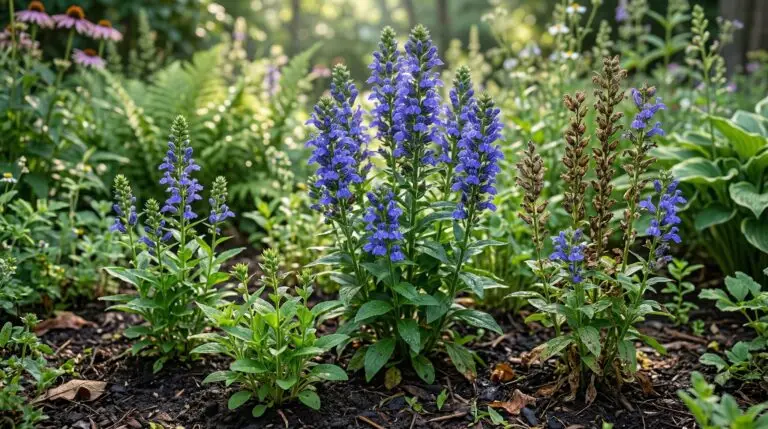
Modern horticultural practices still rely heavily on the lessons learned by those nineteenth-century estate gardeners. We continue to plant the great blue lobelia in rain gardens, wet meadows, and heavy clay soils where it can access the consistent moisture it requires to thrive. Contemporary gardeners value the species for its ability to support local ecosystems, particularly its role in providing late-season nectar for native bees and hummingbirds. The plant self-seeds generously in favorable conditions, creating the same dense colonies that indigenous healers once harvested along wild stream banks. When we grow this tall blue perennial today, we participate in a continuous history of cultivation that spans centuries and continents. The awkward botanical name remains a permanent record of a profound cultural misunderstanding. The plant itself simply continues to grow in the damp earth, outlasting the medical controversies and symbolic fears of the past.
More About Great Blue Lobelia
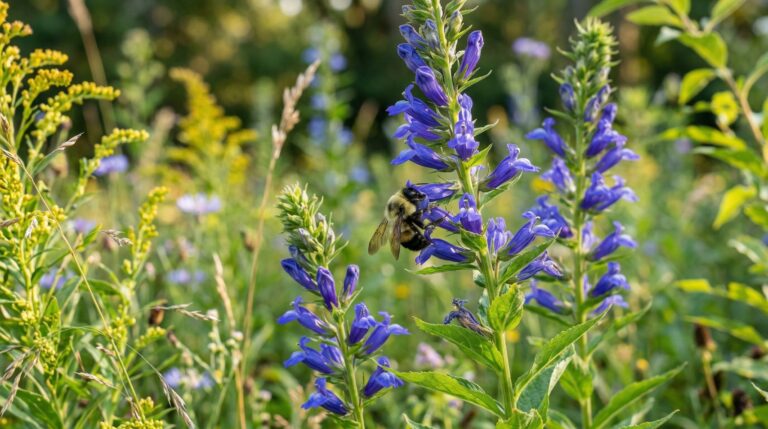
Great blue lobelia for hummingbird and pollinator gardens in late summer
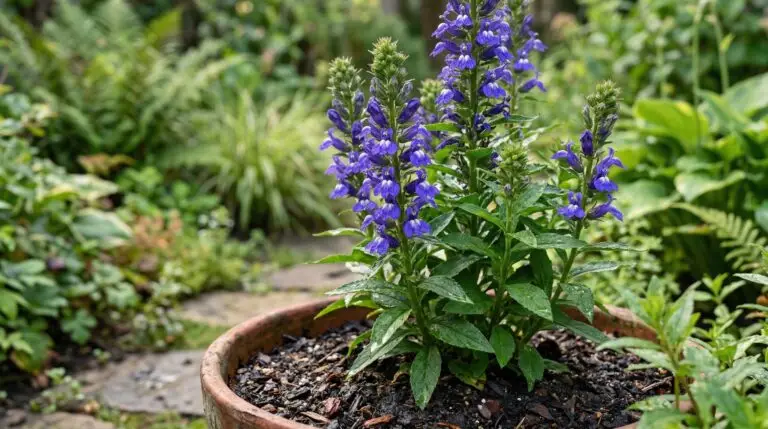
Growing great blue lobelia in containers for a native plant patio garden
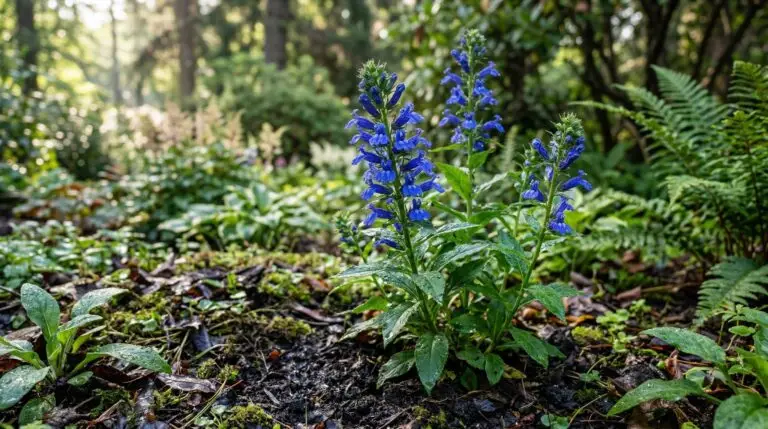
How to grow great blue lobelia for tall sapphire spikes in moist garden borders
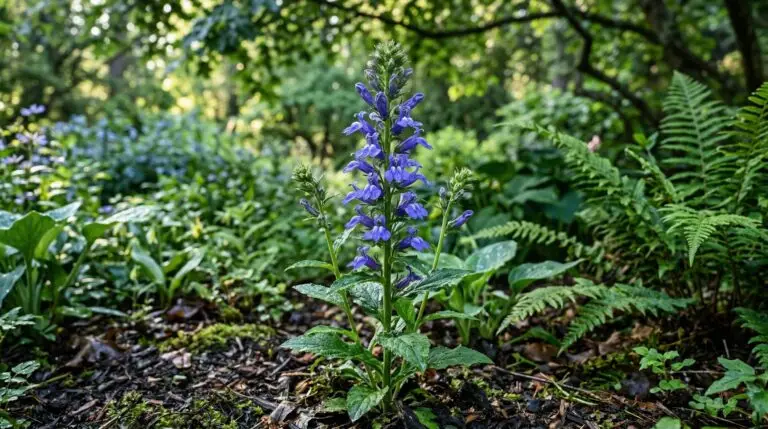
Great blue lobelia in shady wet gardens where most blue flowers refuse to grow
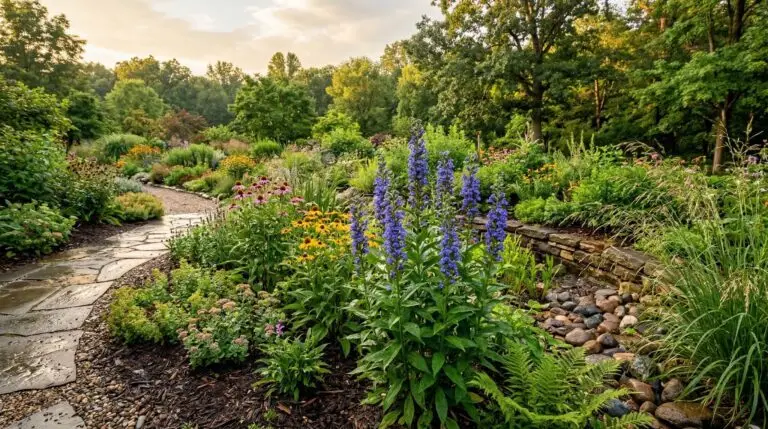
Great blue lobelia as a native plant for rain gardens and wet problem areas

Growing great blue lobelia from seed and the cold treatment they need to germinate
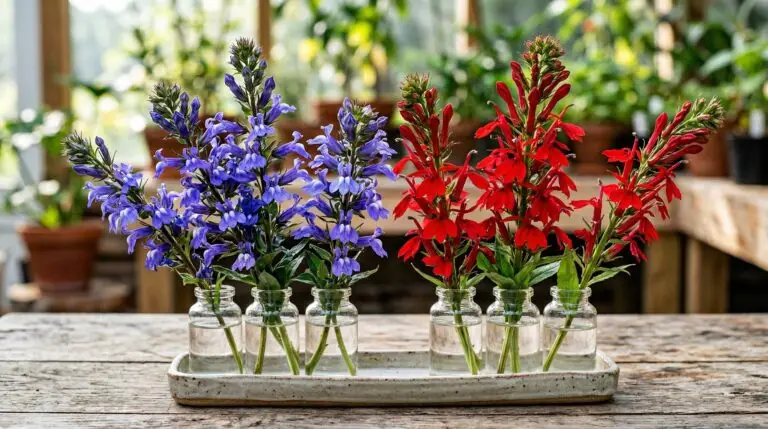
Great blue lobelia versus cardinal flower and choosing the right lobelia for your garden
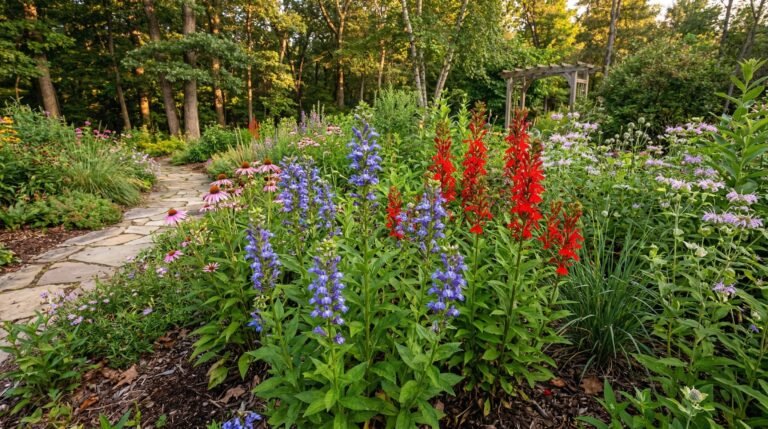
Great blue lobelia companion plants: what to grow and avoid
Why great blue lobelia is short-lived and how to keep it going through self-seeding
Enjoying our flower guides? Add YourFlowersGuide as a preferred source on Google. It helps more readers find us.
Add to Preferred Sources