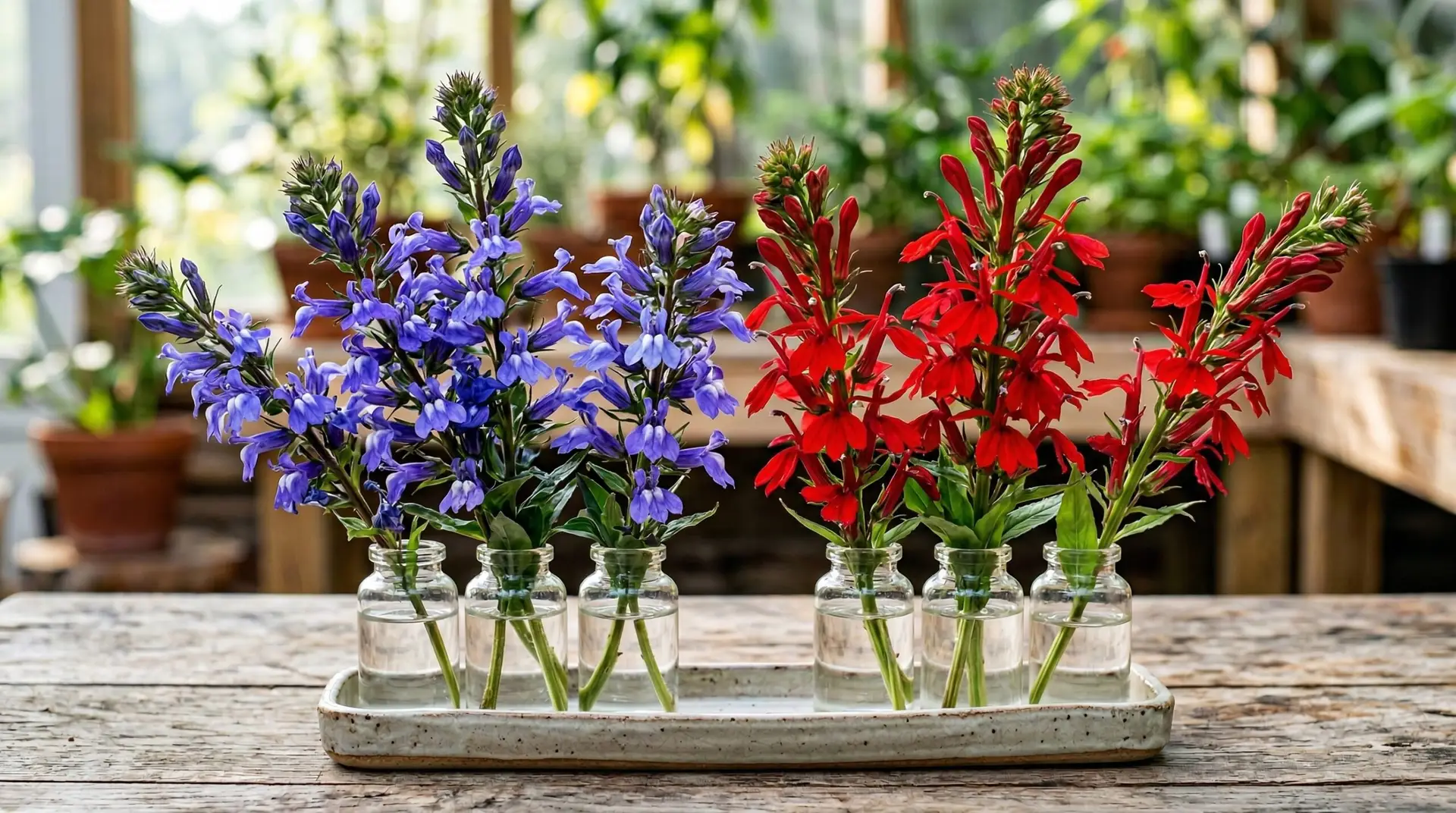
Gardeners looking to add late-season color to damp areas often find themselves choosing between great blue lobelia and cardinal flower, known botanically as Lobelia siphilitica and Lobelia cardinalis. Both of these native perennials belong to the same genus and share similar growth habits, sending up tall spikes of tubular flowers just as summer begins to fade. They both thrive in conditions that would cause many other garden plants to rot, making them excellent candidates for rain gardens or low-lying spots. When weighing great blue lobelia vs cardinal flower, the decision usually comes down to subtle differences in soil moisture tolerance, your preferred color palette, and the specific wildlife you want to attract. While they look quite different in bloom, their underlying structural similarities make them frequent subjects for a lobelia comparison. Understanding how these two plants behave in a garden setting will help you select the right option for your specific yard.
Contents 4 sections
Evaluating soil moisture and hardiness requirements
Cardinal flower requires consistently wet soil to thrive and will quickly decline if allowed to dry out. In its natural habitat, you will find it growing along stream banks, in swamps, and in damp meadows where the soil rarely dries entirely. This strict moisture requirement means you need a dedicated wet spot in your garden, a low-lying area that collects runoff, or a willingness to water frequently during dry spells. If you plant cardinal flower in a standard garden bed with average drainage, it will likely struggle and fail to return the following year. It grows well in hardiness zones three through nine, tolerating cold winters provided the soil remains adequately moist rather than bone dry. The shallow root system simply cannot reach deep groundwater, making surface moisture absolutely critical for its survival.
Great blue lobelia is much more forgiving when it comes to soil moisture. While it also prefers damp conditions and thrives in rain gardens, it can adapt to medium garden soils that experience occasional dry periods. This adaptability makes it a better candidate for traditional perennial borders where you might not have the ability to maintain bog-like conditions. It shares a similar hardiness range, growing reliably in zones four through nine. The plant develops a deeper root system that helps it weather brief droughts better than its red-flowered cousin. You will still need to provide supplemental water during extended summer dry spells, but the plant will not perish immediately if the soil surface dries out for a few days.
Comparing bloom colors and pollinator appeal
The visual impact of cardinal flower relies on its intense, brilliant red flower spikes that reach up to four feet tall. This specific shade of red is highly visible to hummingbirds, and the deep tubular shape of the blooms perfectly accommodates their long bills. If your primary goal is drawing hummingbirds to your yard, cardinal flower is widely considered one of the most effective native plants for the job. Much like scarlet sage, it provides a crucial nectar source late in the season when migrating birds need energy the most. The bright red spikes create a strong focal point that commands attention from across the yard. Because the color is so dominant, you have to plan your surrounding plant palette carefully to avoid visual clashes.
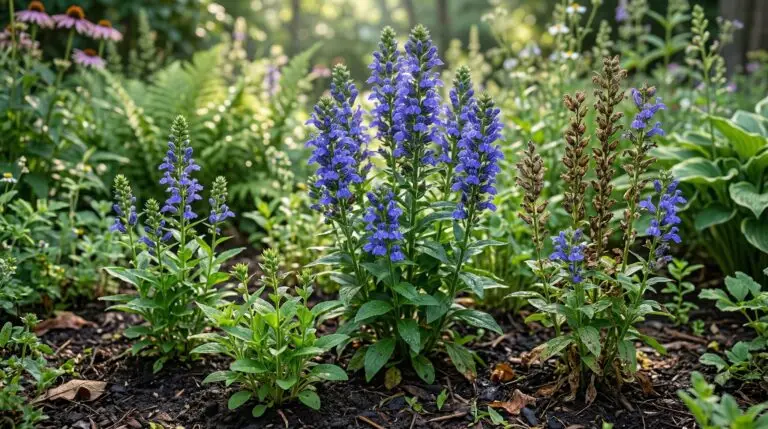
Great blue lobelia produces dense spikes of light to deep blue flowers, occasionally leaning toward a violet hue. The flowers are slightly larger and more open than those of cardinal flower, making them perfectly shaped for bumblebees and other native bees to access. While hummingbirds will occasionally visit the blue blooms, the plant is primarily a bee magnet. The cool blue tones have a recedent visual effect, blending harmoniously with other late-summer bloomers rather than demanding immediate attention. If you are already growing plants like blue salvia and want to continue a cool-toned color scheme into the damp areas of your yard, great blue lobelia is the logical choice. It pairs exceptionally well with yellow late-season bloomers like goldenrod or sunflowers, creating a classic complementary color scheme.
Understanding longevity and maintenance needs
Neither of these lobelias is a long-lived perennial in the traditional sense. Individual plants typically live for only three to four years before losing vigor and dying out. To maintain a presence in the garden, both species rely on producing offshoots called basal rosettes at the base of the dying parent plant, as well as dropping copious amounts of tiny seeds. Gardeners must be careful when cleaning up autumn debris, as burying these low-growing winter rosettes under thick layers of mulch or fallen leaves will cause them to rot. You need to leave the soil partially bare around the base of the plants to ensure the next generation can take hold and grow. Winter survival depends entirely on these small green rosettes receiving adequate sunlight during the colder months.
Great blue lobelia is generally the more aggressive self-seeder of the two. If it finds a spot it likes, it will readily drop seed and produce dozens of new seedlings in the surrounding soil the following spring. This enthusiastic reproduction makes it excellent for naturalizing in a meadow or large rain garden, but it might require some thinning if you are working with a small, highly structured space. Cardinal flower is slightly more finicky about where its seeds will germinate, requiring adequate light and consistent moisture to sprout. You will often need to manually divide the basal rosettes of cardinal flower every couple of years to keep your colony going strong. Taking the time to separate and replant these offsets in fresh soil ensures the cardinal flower continues to return year after year.
Making the final choice for your yard
Choosing the right lobelia ultimately depends on your specific site conditions and your gardening goals. If you have a true bog, a pond edge, or a poorly draining low spot and you want to feed migrating hummingbirds, cardinal flower is the clear winner. Its brilliant red color offers a strong visual element that few other moisture-loving plants can match. However, if your soil is only moderately moist or you want a plant that requires less supplemental watering during dry spells, great blue lobelia is the safer investment. It will establish itself easily in average garden beds and provide reliable late-season food for local bee populations. Gardeners with limited time for watering and dividing plants will generally find the blue variety much easier to manage.
You do not necessarily have to limit yourself to just one species if your garden conditions allow for both. Planting them side by side in a moist area creates a visually appealing contrast between the fiery red and the cool blue spikes. They bloom at exactly the same time, usually from late August through September, allowing you to support both hummingbirds and bumblebees simultaneously. If you decide to grow them together, you will need to water the area based on the needs of the cardinal flower, as the great blue lobelia will happily tolerate the extra moisture. They occasionally cross-pollinate when grown in close proximity, sometimes resulting in interesting purple-flowered hybrids in the next generation. Assessing your soil drainage and deciding how much time you want to spend watering will guide you to the right lobelia for your garden.
More About Great Blue Lobelia
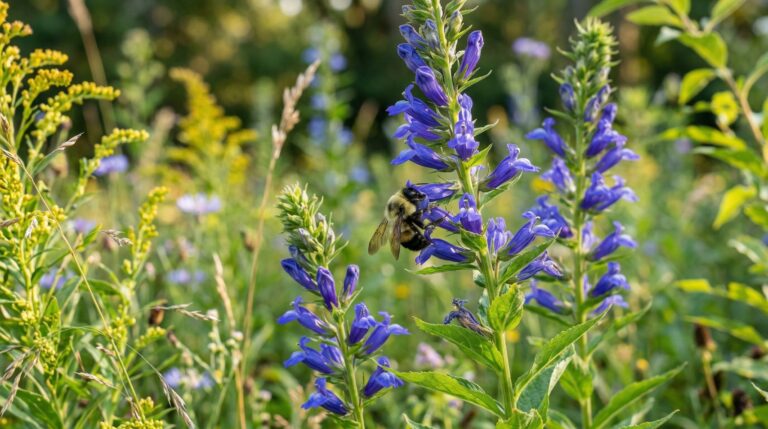
Great blue lobelia for hummingbird and pollinator gardens in late summer
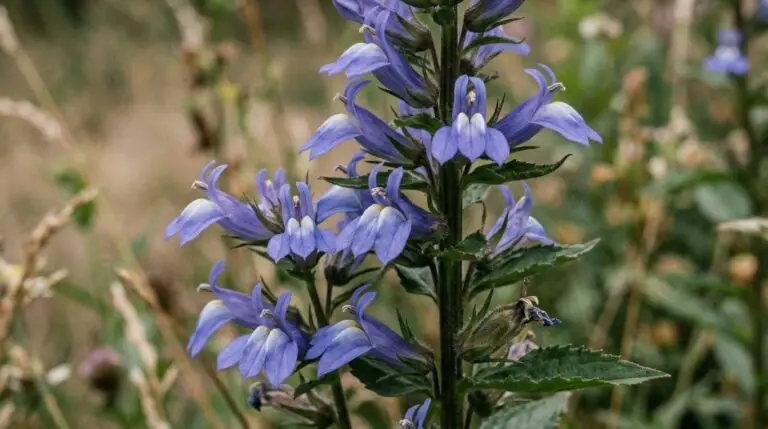
The medicinal history of lobelia siphilitica and how it got its unusual name
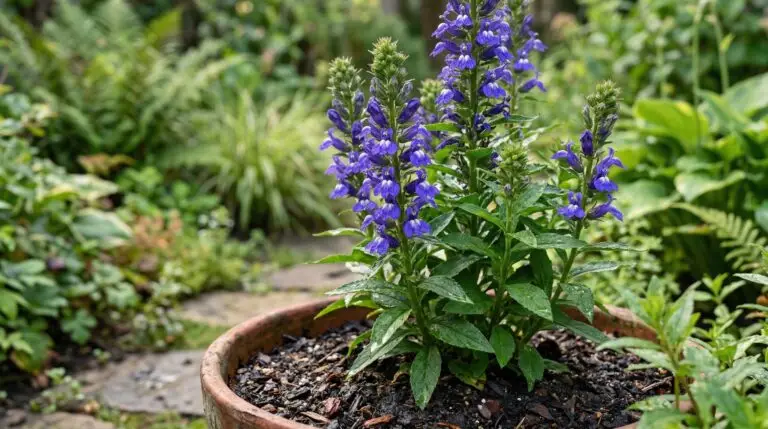
Growing great blue lobelia in containers for a native plant patio garden
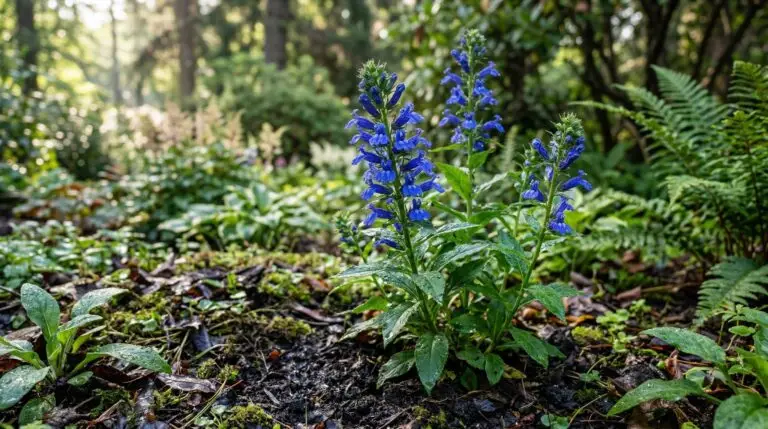
How to grow great blue lobelia for tall sapphire spikes in moist garden borders
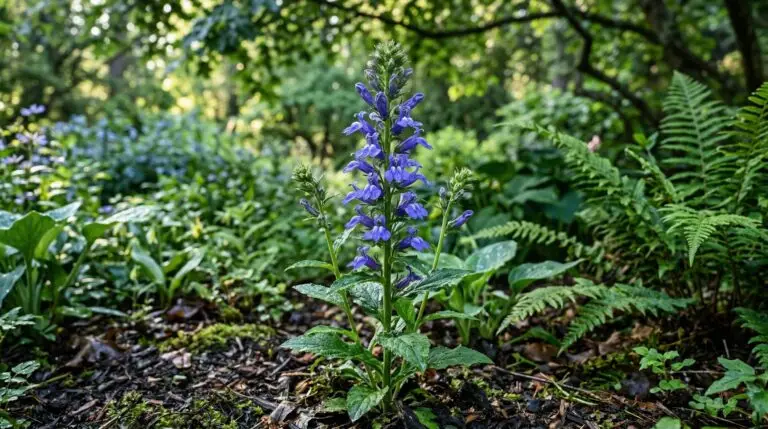
Great blue lobelia in shady wet gardens where most blue flowers refuse to grow
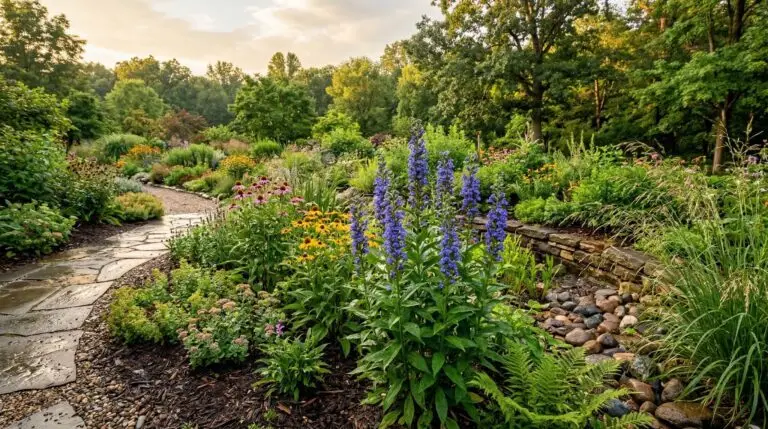
Great blue lobelia as a native plant for rain gardens and wet problem areas

Growing great blue lobelia from seed and the cold treatment they need to germinate
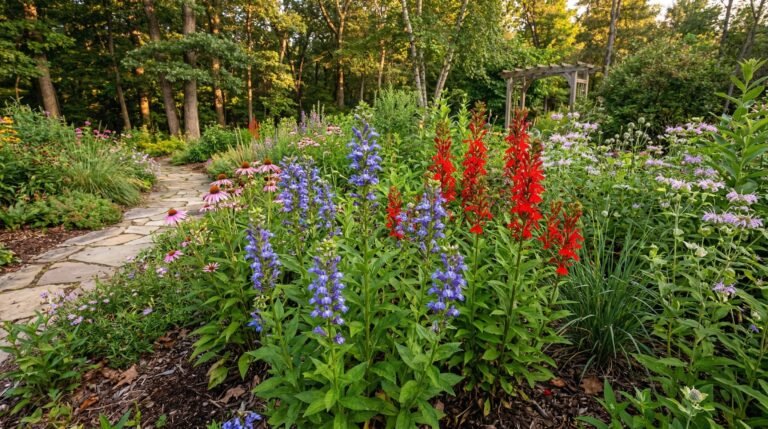
Great blue lobelia companion plants: what to grow and avoid
Why great blue lobelia is short-lived and how to keep it going through self-seeding
Enjoying our flower guides? Add YourFlowersGuide as a preferred source on Google. It helps more readers find us.
Add to Preferred Sources