How to Grow and Care: Lilac (Syringa vulgaris)
Contents
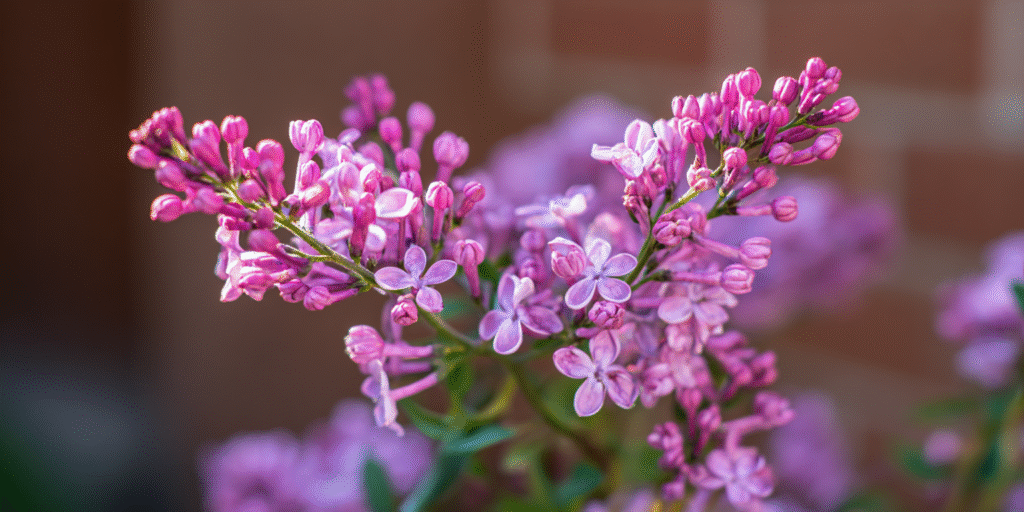
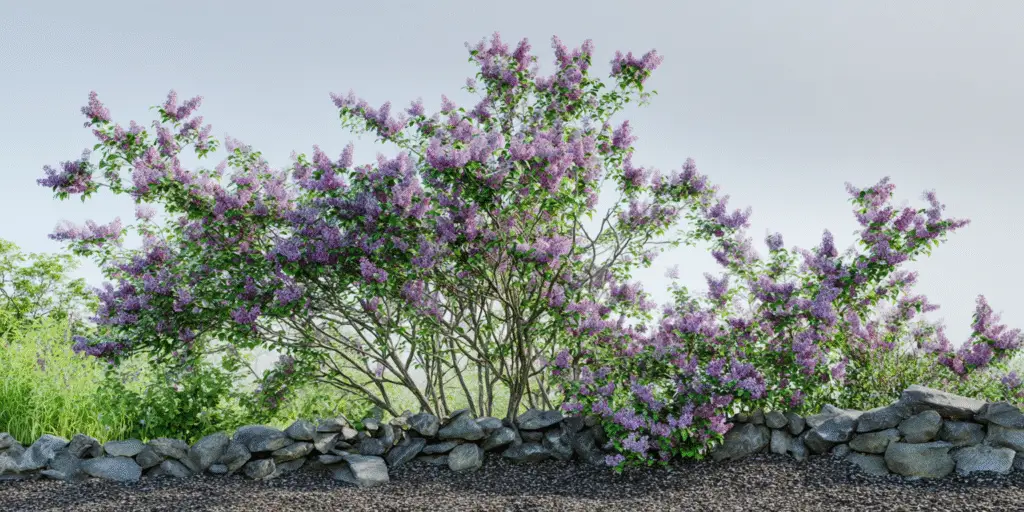
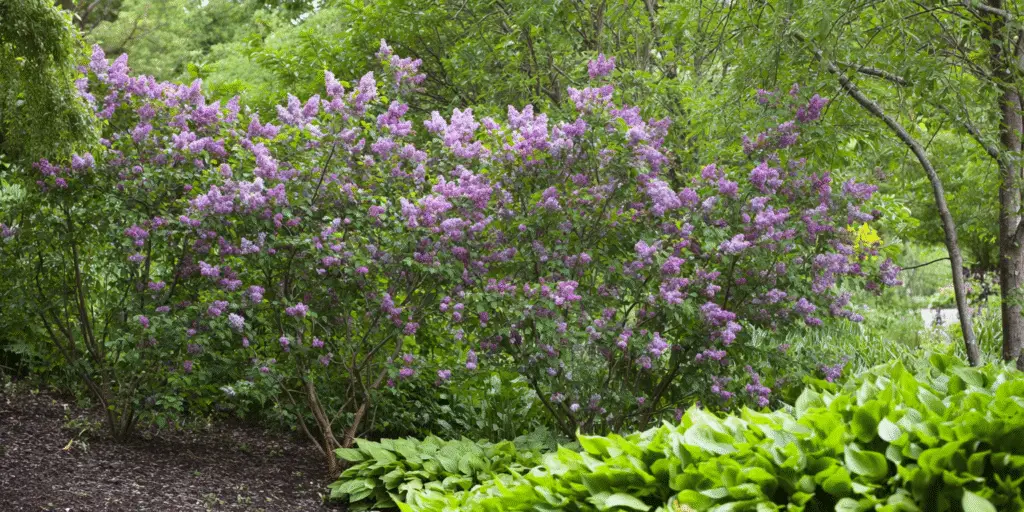
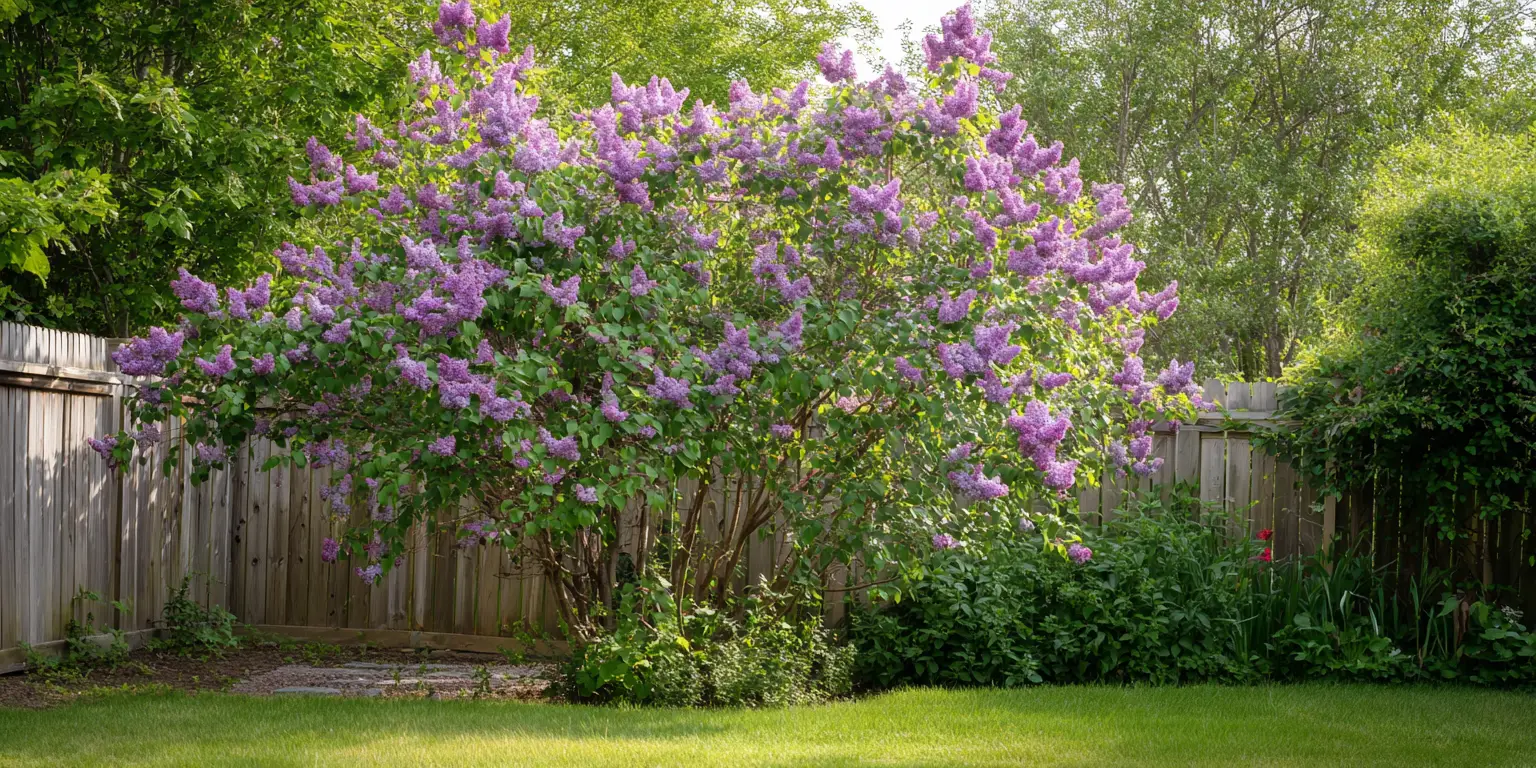
Lilac (Syringa vulgaris) is a long‑lived, spring‑flowering shrub valued for cool‑season bloom, heart‑shaped foliage, and a fragrance that defines late spring in many U.S. gardens. The accepted botanical name for common lilac is Syringa vulgaris, and gardeners may also encounter related species such as Syringa reticulata, the Japanese tree lilac, and Syringa meyeri, often called Korean lilac. Plant Lilac in full sun for best flowering. Six to eight hours of direct light produces dense growth and abundant panicles. Most common lilacs are hardy in USDA Zones 3 to 7. Some selections and species tolerate slightly warmer conditions, especially where winter nights remain cold and summers are dry. Lilac care is simple when you match the plant to your climate, choose a well‑drained site, and time your pruning correctly.
Snapshot of success: plant in full sun, use a loamy and well‑drained soil with a near‑neutral pH, water deeply during the first growing season, mulch with a thin layer that does not touch the stems, and prune right after bloom. Good airflow reduces powdery mildew, and a light hand with fertilizer promotes flowering rather than leaves. Match plant size to your space, since many heritage lilacs mature as substantial shrubs that need room for air and light.
Soil & Bed Preparation
Lilacs prefer a loam or sandy loam that drains freely yet holds moderate moisture. Heavy clay that stays wet in spring or after storms leads to weak growth and disease pressure. In soils that puddle, install a shallow French drain, terrace the planting area, or create a berm. Avoid low spots where snowmelt collects. If your only option is compacted ground, loosen the top 12 to 18 inches (30 to 45 cm) by broadforking or digging in stages so roots can explore oxygenated pores rather than sitting in water. Work two to three inches (5 to 7.5 cm) of finished compost into the top 8 to 10 inches (20 to 25 cm) of soil before planting. Compost improves tilth and moisture management without pushing excess nitrogen. Avoid fresh manures. If you use bagged topsoil, blend it with your native soil to prevent a water boundary between layers. Keep amendments simple. Lilacs respond best to steady, moderate fertility rather than rich blends that drive excessive leafy growth. Target a soil pH of 6.5 to 7.5. Lilacs tolerate slightly alkaline soils and often look their best where free calcium is available. If a soil test shows acidic conditions, apply garden lime at the label rate for your texture class and retest in six months. If the pH is higher than 7.8, do not add lime. Focus instead on organic matter and drainage. Avoid aluminum sulfate products intended for acid lovers.
To check drainage, dig a hole 12 inches wide and 12 inches deep (30 by 30 cm). Fill with water and allow it to drain. Refill and time the second drain. A drop of one inch (2.5 cm) every 15 to 30 minutes is ideal. If water remains after four hours, improve drainage or use a raised berm 8 to 12 inches high (20 to 30 cm). For pH, use a cooperative extension kit or a lab test. Aim for 6.5 to 7.5 and correct slowly. Abrupt pH swings are hard on soil biology.
Lilacs are deep‑rooted shrubs that anchor best in open ground, but a modest berm or raised border is useful on marginal sites. Use a wide, low mound rather than a tall box. A raised bed that dries out quickly in summer can reduce bloom the next year. Do not plant lilac in peat‑heavy mixes that stay soggy after rain. If your garden is very windy, site the bed where fencing or evergreens break the wind without casting dense shade.

Planting Calendar by USDA Zone
Zones 3 to 4. Plant bare‑root lilacs as soon as soil is workable in early spring. Container plants can go in from mid spring through early summer, then again in early fall so roots settle before hard freeze. Fall planting is best from roughly early September to the first frost if you can water during a dry spell. In very cold sites, early spring planting reduces heaving during the first winter.
Zones 5 to 6. Early fall is the preferred window. Plant bare‑root stock soon after leaf drop in late September to October. Container plants establish quickly in fall and can also be planted in mid spring after soil has warmed. Avoid high‑summer planting unless you have drip irrigation and steady mulch. Where summers are humid, choose sites with open air and morning sun to dry leaves.
Zone 7 and sheltered parts of zone 8. Choose heat‑tolerant lilac types such as Korean lilac forms, Syringa pubescens subsp. patula selections, some hyacinthiflora hybrids, and Japanese tree lilac. Plant in fall and winter when soils are cool. Afternoon shade and excellent airflow help in warm summers. In the Southeast and Gulf Coast, many common lilacs do not meet their chilling needs and are prone to disease. Consider species and cultivars selected for fewer chill hours and site them in the coolest microclimate available.
Regional caveats. In arid zones, plant in fall so roots grow during the cool season and mulch to conserve water. In coastal climates with salt spray, site lilac out of direct exposure and away from salted roads. In high‑elevation gardens, spring winds can desiccate new growth. Use a wind break and water the root zone before a predicted dry wind event.
Planting: Depth & Spacing
Not applicable. Lilac is a woody shrub and is not planted as a bulb, corm, tuber, or rhizome. Soak bare‑root plants in a bucket of clean water for one to two hours before planting. Trim only torn roots. Set the plant so the root flare meets the final soil surface. If your lilac was grafted, set the graft union one to two inches (2.5 to 5 cm) below the surface to discourage suckers from the rootstock and to encourage the scion to form its own roots. Backfill with your native soil blended with compost. Water thoroughly to settle soil around roots. Space full‑size common lilacs 8 to 12 feet apart (2.4 to 3.7 m) so mature canopies receive light on all sides. Dwarf or compact forms need 4 to 6 feet (1.2 to 1.8 m). For hedging, stagger plants to improve airflow rather than a single tight row. Water the pot the day before planting. Remove the plant and loosen or slice circling roots three to four times from top to bottom so new roots grow outward. Set the top of the root ball level with the surrounding soil. Avoid planting deeper than the original depth. Create a shallow basin beyond the root ball and water in slowly until the entire volume is moist. Finish with mulch that does not touch the stems. For large landscapes, tree lilac spacing of 15 to 20 feet (4.6 to 6.1 m) allows a rounded crown with good light penetration. Harden off nursery plants that were grown under shade cloth by placing them in bright open shade for three to five days, then half sun for the same period, then full sun. Water deeply and allow the top one to two inches (2.5 to 5 cm) of soil to dry between waterings. A temporary stake is helpful for newly planted tree lilac where wind is strong. Remove stakes after the first growing season so trunks develop taper. Many lilacs produce basal shoots. To propagate, dig a young sucker in early spring with a spade that includes a slice of the parent root. Replant at the same depth and water in. Remove flowers the first year so energy goes to rooting.
Watering & Mulching
During the first season, supply about one inch of water per week through rainfall or irrigation. That equals roughly 0.6 gallons per square foot of root zone. Water in the morning so leaves dry promptly. After the plant is established, water deeply during extended dry spells. Lilacs are reasonably drought tolerant once mature, but even moisture in spring and early summer sets more flower buds for the next year. Before a heat spike, soak the root zone to a depth of 8 to 10 inches (20 to 25 cm). This buffer reduces stress and leaf scorch. In hot climates, a strip of afternoon shade from a high canopy tree can reduce stress without meaningfully reducing bloom. Avoid frequent shallow watering. Use a simple soil probe or screwdriver. If it slides easily to 6 inches (15 cm), moisture is adequate. Apply a two to three inch layer (5 to 7.5 cm) of shredded leaves, wood chips, or pine bark fines around the dripline after planting. Keep mulch three inches (7.5 cm) away from trunks and basal stems to prevent rot and borer problems. Mulch stabilizes soil temperature, limits weeds, and protects roots from freeze and thaw. Replenish lightly each spring so the layer remains thin and porous. Thick mulch placed right against stems encourages moisture diseases and rodent damage. Most municipal water supplies are acceptable for lilacs. Avoid water with obvious salinity or areas where winter road salt drains into beds. If you irrigate with a softened water source, occasionally flush the root zone with rainwater to limit sodium buildup.
Feeding
Lilacs respond to modest feeding in early spring as buds swell. Use a low‑nitrogen, higher phosphorus and potassium formula to support bud formation, such as 5‑10‑10 or a similar ratio, at the label rate for shrubs. Broadcast evenly over the root zone and water in. Skip high‑nitrogen lawn fertilizers near lilac beds, since abundant nitrogen encourages leaves at the expense of bloom. If growth is strong and flowering is good, skip fertilizer that year. Maintain two inches (5 cm) of quality compost on the soil surface and allow worms and microbes to incorporate it. This slow feed mirrors natural nutrient cycling and supports a balanced soil food web. Target an organic matter level of roughly 4 to 6 percent in loams. Retest soil every three to four years or any time growth patterns change. Where soils test high in phosphorus, avoid bone meal and use a balanced or low‑phosphorus product. If a soil test reveals potassium deficiency, use a sulfate of potash product rather than muriate of potash to limit chloride. On alkaline soils that tie up micronutrients, foliar symptoms are rare on lilac, but if leaves show interveinal yellowing while veins remain green, consult a local extension for an iron chelate recommendation that fits your pH and water source.
Pruning & Support
Lilacs set next year’s flower buds on new shoots that grow shortly after bloom. Prune immediately after flowering, not in late summer, fall, or winter. Begin by removing spent flower trusses down to the first strong pair of leaves. Deadheading keeps shrubs neat. It may not increase bloom directly but it prevents seed formation and directs energy to shoots.
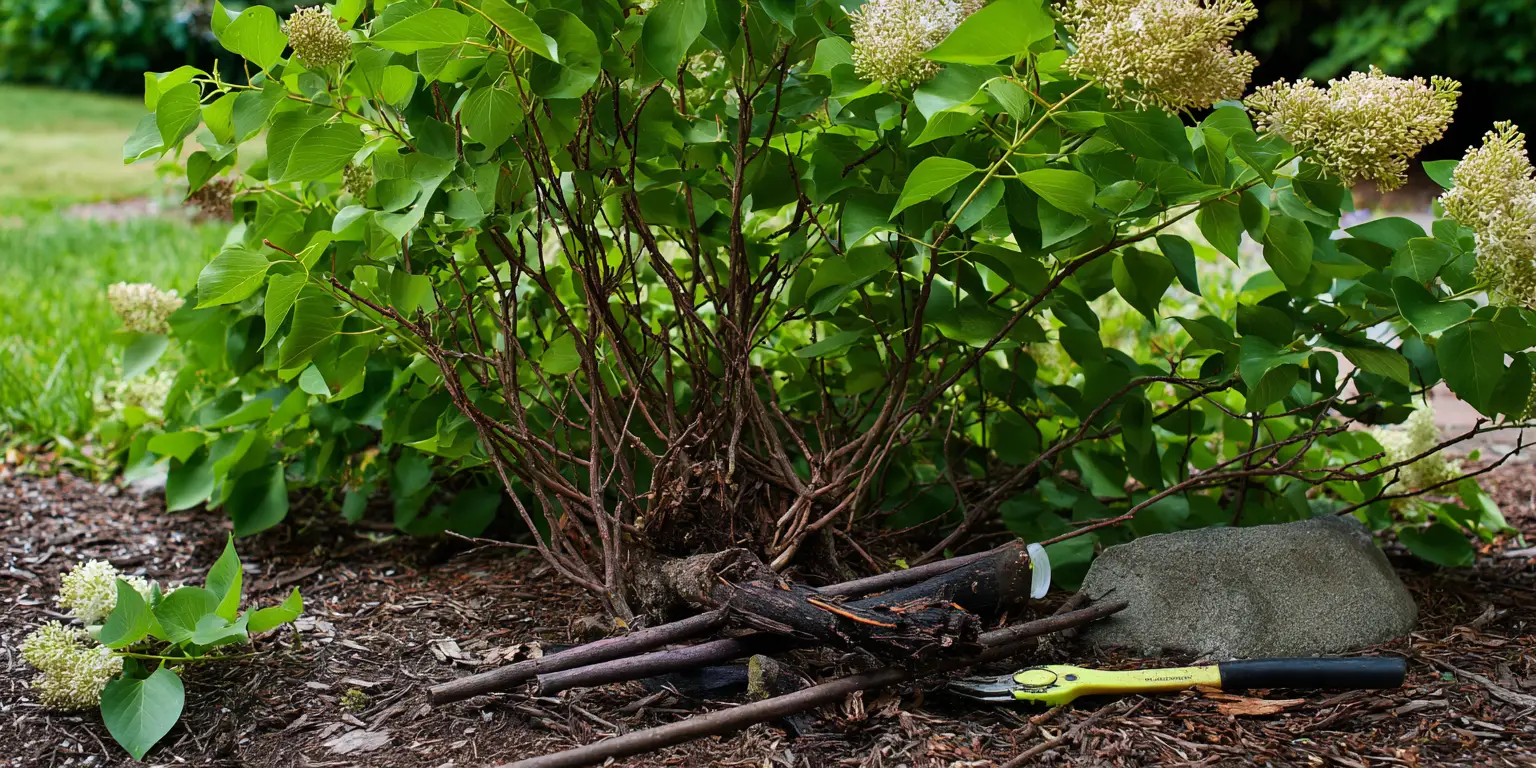
Each year, remove one to three of the oldest thick stems near ground level to admit light and air. Aim for a framework of eight to twelve healthy canes of varied ages. This renewal method keeps shrubs vigorous without harsh cutting. If a lilac is overgrown, use a three‑year rejuvenation plan. In year one, remove one third of the oldest canes to near ground level right after bloom. Repeat in year two and year three. Avoid shearing the exterior into a tight shell. Dense outer foliage traps humidity and invites mildew.
Disinfect pruners between shrubs and after any cut through diseased wood. Use isopropyl alcohol at 70 percent strength on a rag or spray. If you must use a household bleach solution, mix one part bleach to nine parts water, dip tools briefly, and rinse and dry to limit corrosion. Dispose of blighted or cankered wood in the trash rather than compost.
Shrub lilacs rarely need permanent staking. Young tree lilacs benefit from a single flexible stake in windy sites during their first season. Tie with a soft, flat tie. Remove the stake once the root system anchors the tree.
Overwintering
In cold climates, a two to three inch mulch layer applied after the ground begins to freeze helps prevent heaving. Do not mound mulch against stems. In spring, rake back mulch lightly from the crown to warm the soil. Water the day before a dry winter front so roots are hydrated going into cold.
In vole‑prone gardens, encircle the base with a cylinder of hardware cloth set one inch (2.5 cm) into the soil and eight inches (20 cm) above grade during winter. Remove in spring. Keep mulch thin to reduce hiding places.
Move potted dwarf lilacs into an unheated garage or shed where temperatures remain roughly 20 to 40°F (‑6 to 4°C). Water the container lightly once a month so the root ball does not dry out completely. In snow country, some gardeners sink the entire pot into the ground or a protected mulch bed for winter insulation. Return containers outdoors as buds swell in spring.
Growing Environments
Compact lilacs such as Syringa meyeri selections adapt to large containers, but they still need room. Use a pot at least 18 to 24 inches wide and deep (45 to 60 cm) with generous drainage holes. Elevate the container on pot feet to prevent water from sealing the base. Choose a coarse, bark‑based potting mix with perlite for airflow. Avoid garden soil in pots. Repot every three to five years or refresh the top third of the mix with new media and compost.
Water when the top two inches (5 cm) are dry. Apply water until it flows from the drain holes. Feed in early spring with a slow‑release shrub fertilizer that is not high in nitrogen or use a light topdressing of compost. In hot interiors of paved patios, shade the container wall with neighboring pots or a low groundcover to reduce midday root heat.
Morning sun with afternoon shade suits warm zones. In humid regions, plant where breezes pass through. Avoid tight corners and solid fences that trap moisture. In reflective heat pockets near stucco or brick, provide a little afternoon shade so flower buds do not abort in mid‑summer. Wind exposure is useful if it brings airflow without causing desiccation. In frost pockets, avoid planting in the lowest point of a yard where cold air collects.
Companion Planting & Design
Lilacs finish blooming by early summer in most regions. Underplant with late spring bulbs such as daffodils and alliums to bridge the gap, then hand off to summer perennials like salvia, catmint, daylily, and peony. A carpet of hardy geranium or lady’s mantle softens the base and hides older wood. Good companions offer contrasting leaf shapes and heights so the composition stays lively once flowers pass.
Lilac foliage benefits from space. Combine with perennials and shrubs that do not crowd the canopy. Keep at least two to three feet (60 to 90 cm) of open air around the dripline. Site sprinklers so they do not wet lilac leaves late in the day. In hedges, stagger plants to create light wells between crowns. For wildlife value, consider pairing with flowering crabapple or serviceberry to feed pollinators across spring.
Color planning. Traditional pairings with old roses, peonies, and irises create a romantic spring scene. Blue, lavender, and white schemes calm bright patios, while magenta lilacs anchor cottage borders. To guide readers across your site, this page naturally connects to related topics such as lilacs, purple flowers, types of flowers, roses, tulips, hydrangea macrophylla, lavender, and wedding flowers guide. Use these ideas to build palettes that move from spring pastels into summer color without clashing foliage textures.
References
University of Minnesota Extension – Lilacs for Minnesota gardens.
NC State Extension Plant Database – Syringa vulgaris (Common Lilac).
University of Wisconsin-Madison Division of Extension – Lilac.