Apology Flowers Guide | Step-by-Step
Apology flowers land well when the style stays calm and the message stays simple. In most cases, softer shapes, clean greens, and a few thoughtfully chosen stems read more sincere than a loud mix. For quiet, sincere classics, white lilies are often too risky for fragrance and pets, and big red roses can feel romantic or performative. A safer classic direction is white or blush chrysanthemums (in modern forms), alstroemeria in soft tones, and white hydrangea used sparingly for volume. If a rose must appear, a single cream rose as a small accent can work, but it should not lead the design. Tulips can be a brief fallback in spring in soft colors, but they are better kept minimal.
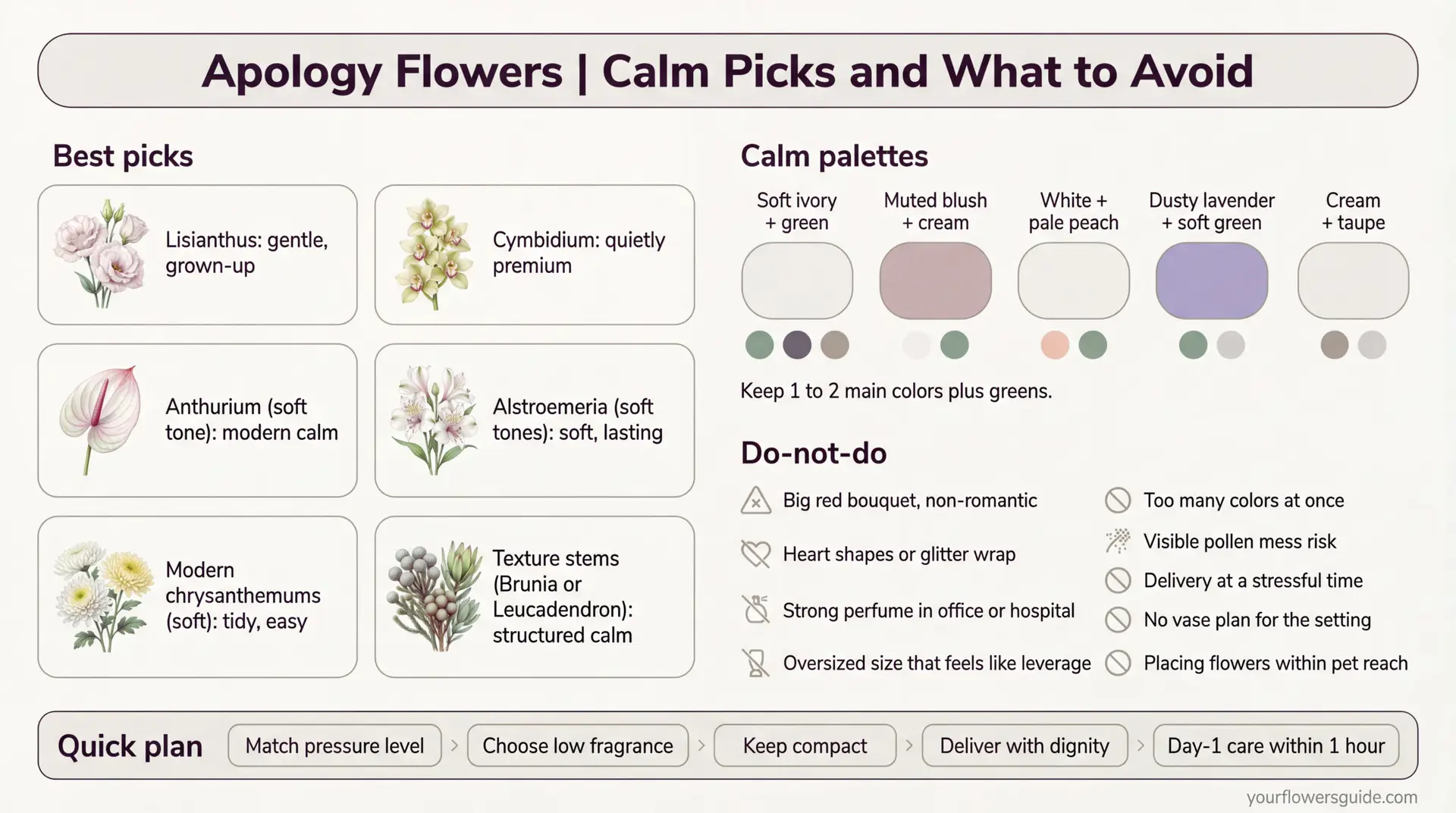
Modern, less-common apology-safe picks usually feel “quietly premium” without sending romantic signals. Lisianthus reads gentle and grown-up, especially in white, cream, pale mauve, or soft peach. Cymbidium orchids (cut stems) feel polished and neutral, especially in creamy green, ivory, or muted blush. Anthurium in soft tones can look modern and respectful when used as one or two focal stems, not a whole bundle. For texture without drama, scabiosa, brunia, viburnum, and clean textured foliage (like ruscus or toned-down eucalyptus) add depth while staying restrained. When available, hellebore and flowering branches (plum, quince, or magnolia in pale tones) bring a calm, seasonal feel that looks intentional.
For long-lasting winners, sturdy stems and good vase life matter more than rare blooms. Alstroemeria, lisianthus, chrysanthemums, carnations (modern varieties in soft shades), and leucadendron hold up well, especially for doorstep delivery or office settings where water changes are not perfect. Low-fragrance options tend to overlap with the most apology-friendly choices, including lisianthus, anthurium, cymbidium orchids, many chrysanthemums, and most greenery-heavy designs. This helps when allergies or sensitivity are unknown.
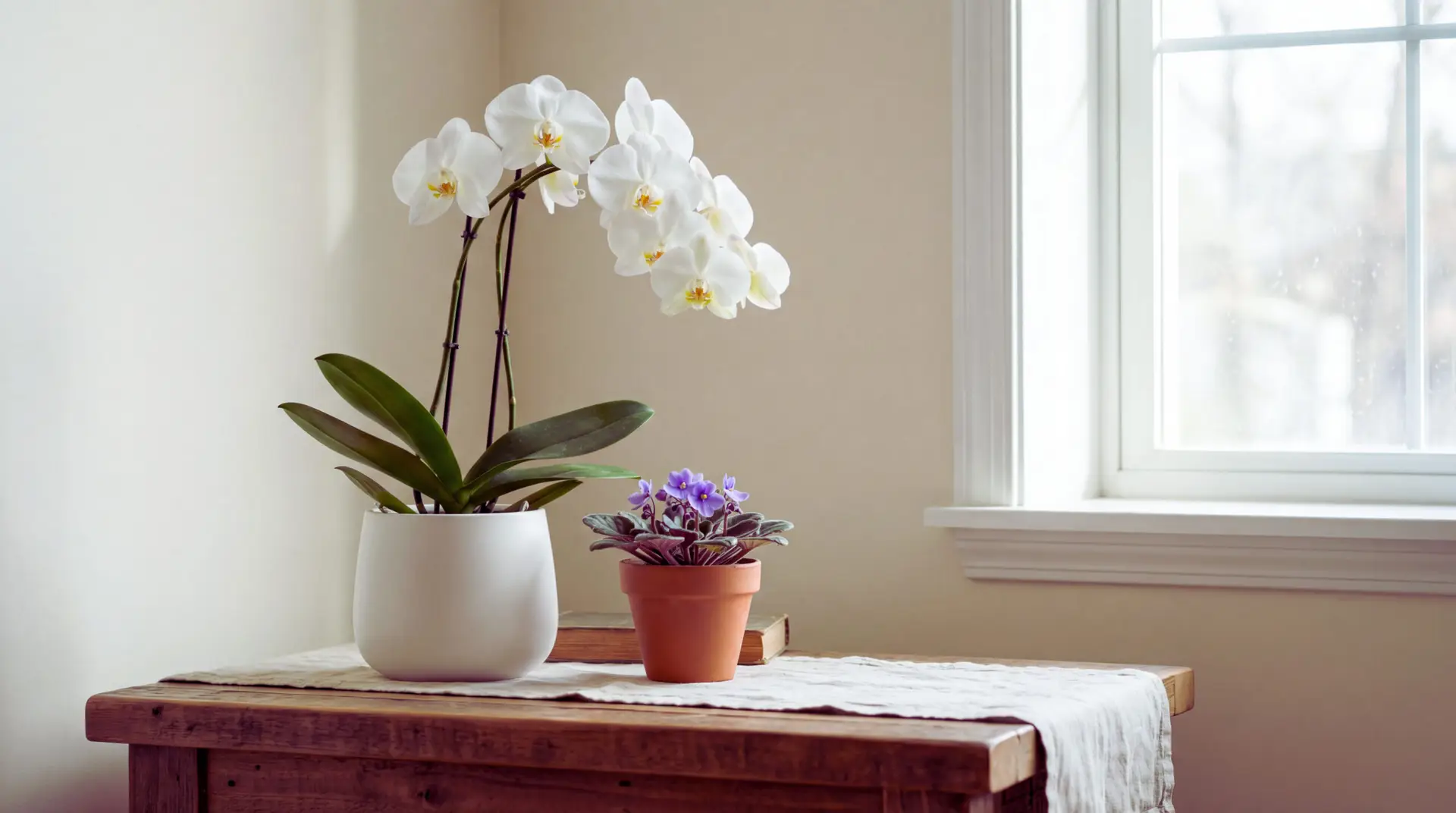
Budget-smart picks can still feel thoughtful when the design looks edited. A small arrangement built around alstroemeria plus one “premium” stem like cymbidium orchid or a small cluster of brunia often reads better than a larger mixed bouquet of random blooms. For potted plant gifts, neutral and calm is the rule: phalaenopsis orchid in white, African violet, or a simple green plant in a clean pot can feel considerate without being intense. For grow-it-yourself friendly picks, simple starters like zinnia seeds, calendula, or a small potted herb can work when the situation is minor and the relationship is casual, since it signals effort without making a big scene.
Table of Contents
The Step-by-Step Plan
A good apology arrangement starts by matching the “pressure level” to the situation. Flowers should support the apology, not replace it, and the design should respect boundaries. The safest choices look calm, keep romance signals low unless clearly appropriate, and fit the setting where they will be received.
The second decision is the gift path. Cut flowers suit most situations when timing is important. Potted plants fit workplaces or long-distance apologies where longevity matters. Grow-it-yourself gifts only work when the issue is small and the relationship is comfortable with a light gesture.
- Define the relationship boundary first (partner, friend, coworker, client) and choose a style that fits that lane.
- Match size to seriousness. Small to medium works for most apologies, and large designs can feel like leverage.
- Choose a neutral color direction (cream, white, soft green, muted peach, dusty lavender) unless the recipient loves bold color.
- Avoid romance signaling when it is not appropriate. Skip red roses, heart shapes, glitter, and over-the-top wrapping.
- Pick one or two “quietly premium” stems (like cymbidium orchid or soft-tone anthurium) instead of upgrading by size.
- When fragrance is unknown, lean low-scent flowers like lisianthus, cymbidium, and greenery-forward designs.
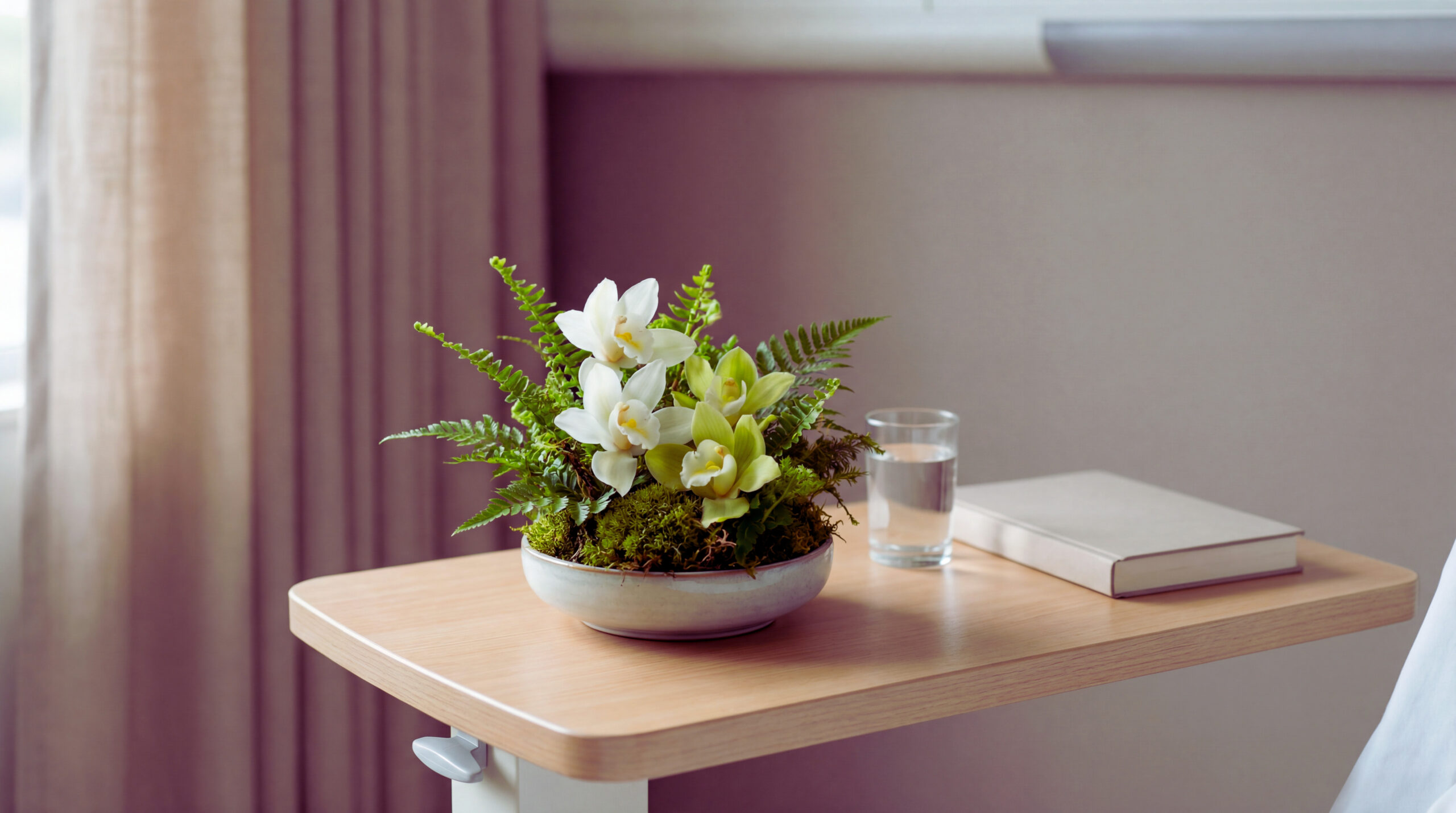
- For hospitals or shared spaces, reduce pollen and avoid heavy fragrance, and keep the arrangement compact for a bedside table.
- Choose delivery method based on dignity. Doorstep delivery can reduce pressure, office delivery should be simple and professional, and in-person works best when the moment is calm.
- Time it well. Same-day can be right for small issues, while waiting for a cooler moment can be better after a heated conflict.
Budget and setting adjustments are straightforward. Under $30 can still work with a small, edited bundle and clean wrapping. Higher budgets should increase quality and longevity, not drama, with better stems, a better vessel, and fewer but nicer focal elements.
Color Palettes That De-escalate, Not Escalate
Soft Ivory and Green feels calm, clean, and emotionally neutral. It fits coworkers, clients, and family because it reads respectful without implying romance. A common mistake is adding bright red accents “for contrast”, which can change the signal fast.
Blush, Cream, and Sage reads warm without being romantic-forward when blush stays muted and the design stays airy. It fits close friends and partners when the goal is gentle repair, not grand emotion. The main mistake is going too pink or adding glittery wrap that turns it into a romantic gift.
White, Pale Peach, and Smoke Gray feels modern and quietly serious. It fits workplace apologies and doorstep deliveries because it looks thoughtful without being loud. The common mistake is using neon peach or hot coral, which can feel celebratory or flirty.
Muted Lavender and Soft Green can communicate calm and reflection, especially when lavender is dusty rather than bright. It fits family members and friends who like cooler tones. The mistake to avoid is pairing lavender with dramatic black ribbon or very dark flowers, which can make the mood feel heavy.
Cream, Taupe, and Soft Bronze works well with dried accents used sparingly, like a small dried palm spear or neutral grasses. It fits recipients who prefer minimal, modern style and can look premium even in a small size. The mistake is overloading dried elements, which can read like decor rather than a sincere apology gesture.
Bouquet Styles and Sizes (Low-Pressure, High-Sincerity)
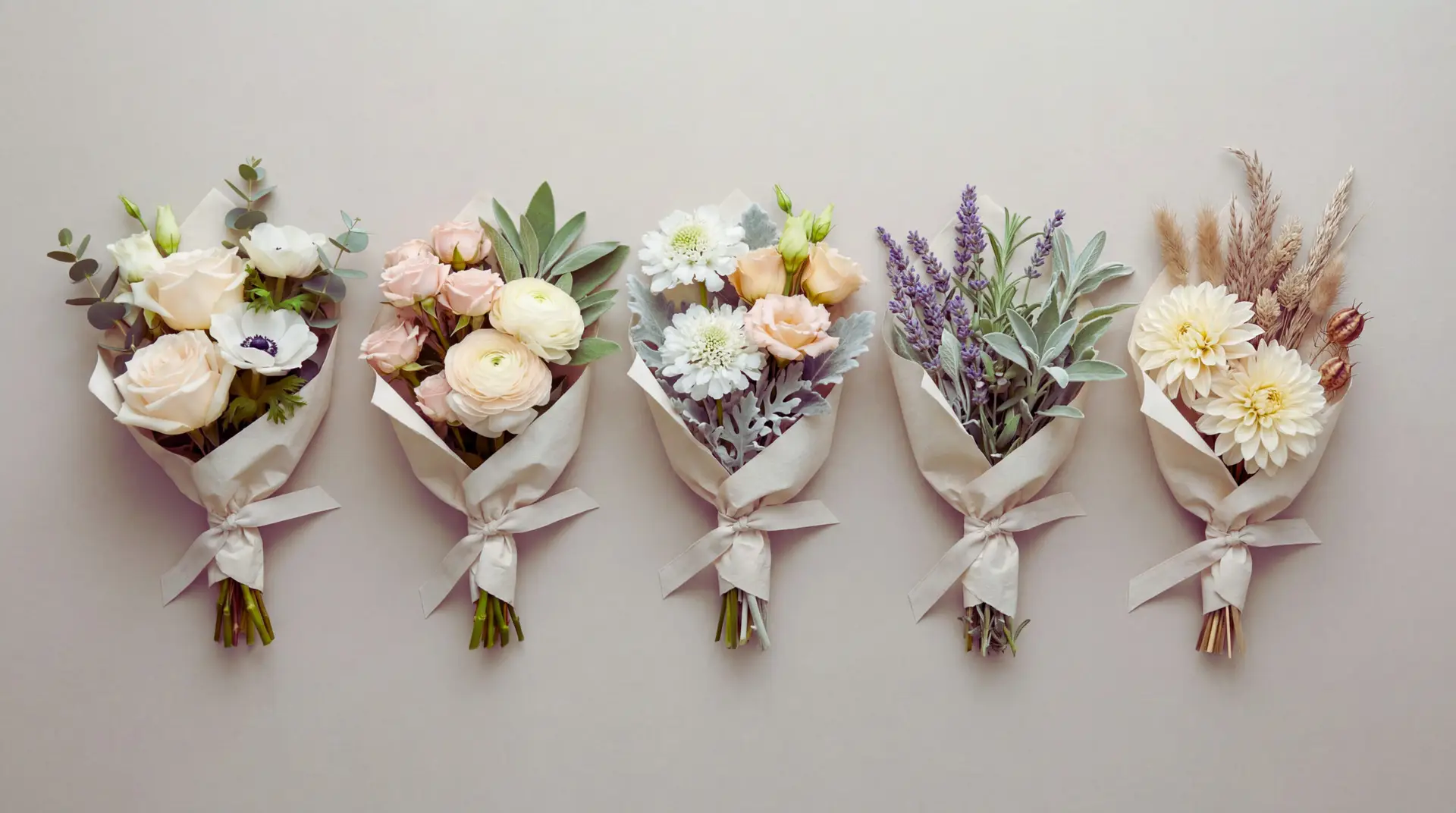
In apology situations, the most sincere-looking bouquets are often the ones that seem easy to accept. A compact hand-tied bouquet with clean greens and a calm focal flower reads supportive, not demanding. A large, tightly packed dome bouquet, especially in red or hot pink, can feel like performance, even when the intent is good. For many recipients, a small to medium size makes it easier to say “thank you” without feeling pulled into a bigger emotional moment.
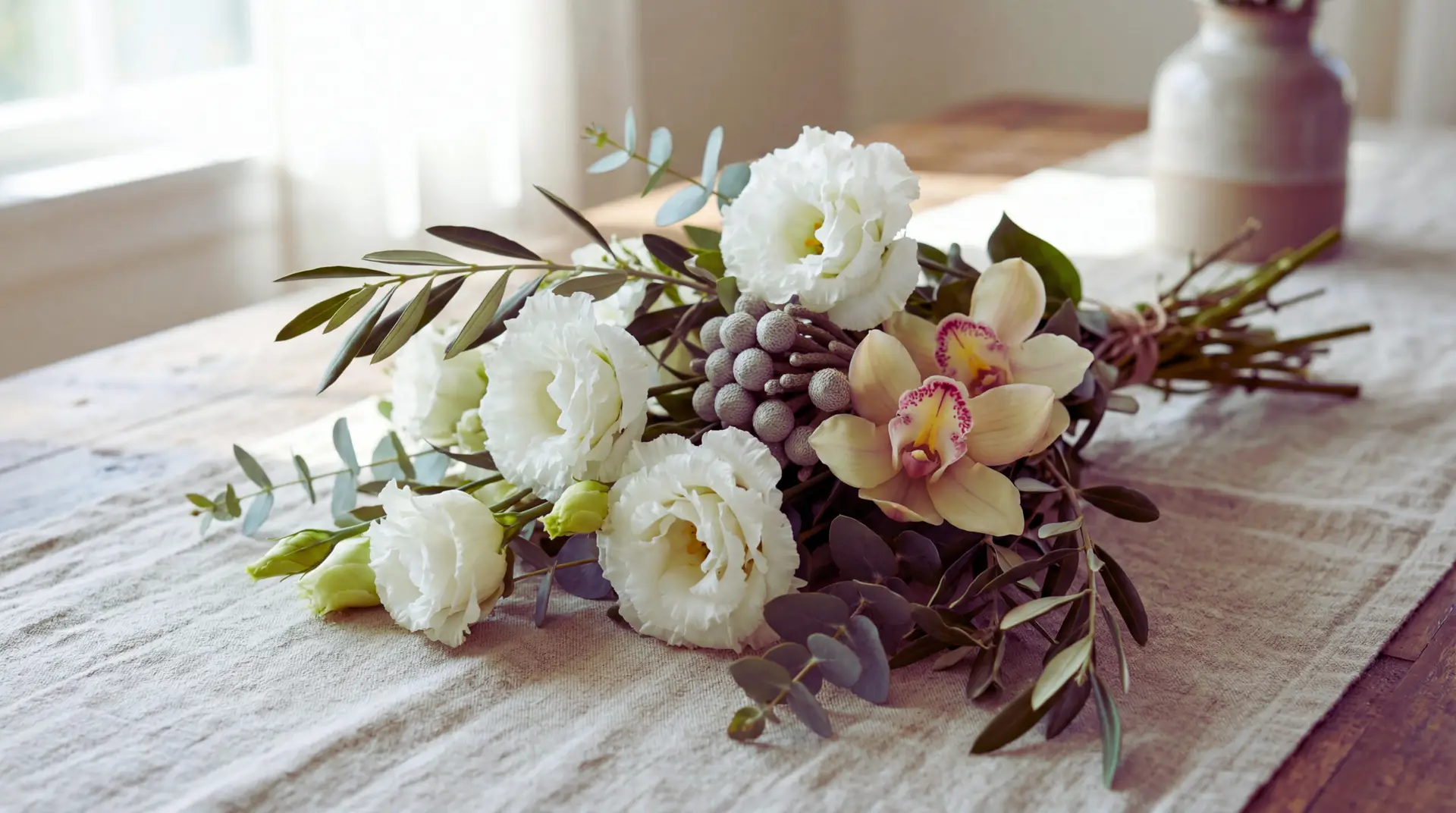
A modern apology style often looks “edited”. One focal element like cymbidium orchid or a soft anthurium stem, paired with lisianthus and tidy foliage, signals care through restraint. Texture matters more than variety. Brunia, viburnum, and a few airy stems can make a modest bouquet look designed rather than cheap.
A premium look without a premium price usually comes from structure. A small arrangement in a simple vase or low bowl can look more intentional than extra stems wrapped in lots of paper. Neutral wrap, a clean ribbon, and fewer colors help. The upgrade should be better materials, not more materials.
Potted plant gifts work best when the pot and presentation are calm. A white phalaenopsis orchid in a simple ceramic pot or an African violet in a clean container can feel respectful in offices and homes. Grow-it-yourself gifts should be modest and practical, such as a small seed kit or starter pot with clear care notes, and it should only be used when the situation is truly minor.
By Situation (What Happened, What Works)
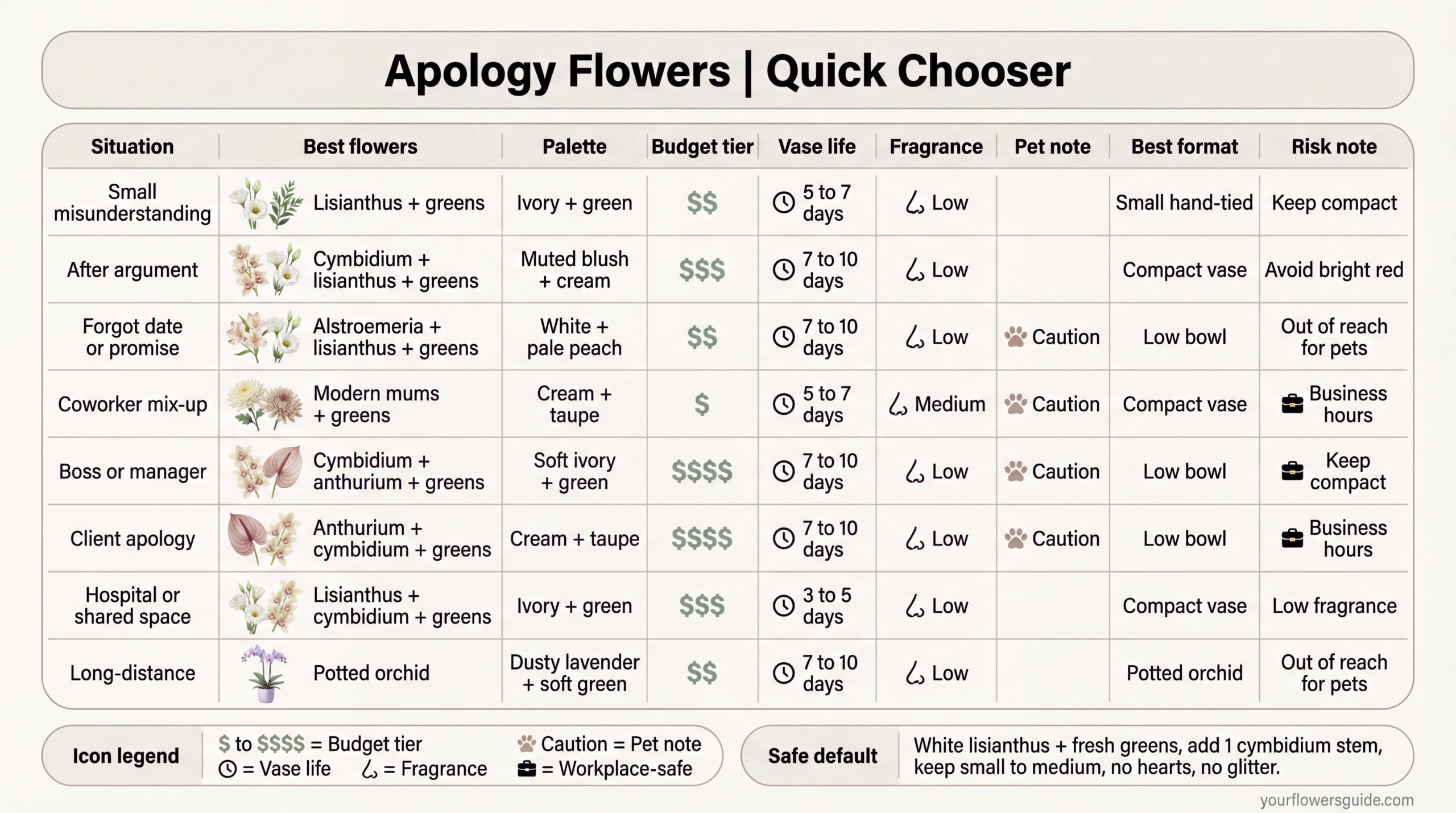
For a small misunderstanding or lateness, the flowers should communicate acknowledgement and respect, not a dramatic plea. A small cut bouquet works well, especially lisianthus with clean greens and one texture stem like brunia. A boundary-aware detail is delivery choice, since a simple doorstep drop can reduce pressure and keep the moment calm.
After harsh words during stress, the message should be responsibility and a desire to reset the tone. A medium cut arrangement or a potted plant can fit, depending on the recipient. A calm direction could be cymbidium orchids with soft greens and muted whites, or a potted phalaenopsis orchid in a simple pot. The boundary note is timing, since a short pause after an argument can make the gesture feel less like control.
Forgetting an important date or promise needs something that feels intentional but not theatrical. A neat vase arrangement often lands better than a giant bouquet because it reads prepared. Anthurium in soft tones paired with lisianthus and a few flowering branches can look thoughtfully chosen. The boundary note is size, since oversized designs can look like compensation instead of sincerity.
A workplace mistake like a missed deadline or miscommunication should stay professional and low-friction. A small arrangement with low fragrance, such as lisianthus, chrysanthemums in soft shades, and tidy foliage, is usually safer than anything bright or romantic. If delivery is to an office, a compact design that does not need a big vase is more considerate.
A client-facing apology should be neutral, polished, and easy to accept. A simple arrangement with clean whites and greens, possibly with a few cymbidium orchid blooms for a premium touch, fits most professional contexts. The boundary note is to avoid personal notes that sound emotional, and to use a delivery window that respects business hours.
By Recipient and Boundaries (Partner vs Coworker vs Client)
For a partner or spouse, the best path is often cut flowers or a potted gift that feels calm and personal without leaning romantic. Lisianthus, soft-tone anthurium, and a small accent of cymbidium orchid can read sincere and grown-up. Message: “I am sorry for how that landed, and I want to make it right.”
For a close friend, cut flowers or a small plant can both work, depending on how the friend handles direct gestures. Scabiosa for a soft, airy feel, lisianthus for calm, and a touch of brunia for texture can look thoughtful without being intense. Message: “I value this friendship, and I regret my part in the situation.”
For a parent or family member, a potted plant can be especially practical, or a simple cut arrangement in a vase-ready shape. Chrysanthemums in modern forms, viburnum when available, and soft greenery create a respectful, steady look. Message: “I am sorry, and I appreciate the chance to repair this.”
For a coworker, the safest path is a compact cut arrangement with low fragrance and neutral color. Lisianthus, soft chrysanthemums, and clean foliage keep it appropriate and professional. Message: “Apologies for the mix-up, and thank you for the patience.”
For a boss or manager, a small arrangement or a potted plant with a clean container usually fits best. Cymbidium orchids in neutral tones, leucadendron for structure, and tidy greens can look polished without being personal. Message: “Sorry for the miss, and it will be handled differently going forward.”
For a client or customer, a professional arrangement with a restrained palette is the safest path. Cymbidium orchids, lisianthus, and light greenery can communicate care and accountability without emotion. Message: “Apologies for the inconvenience, and thank you for the opportunity to correct it.”
Fragrance, Pollen, and Allergy Notes (Always Include)
Fragrance is one of the fastest ways a well-meant apology turns into a problem, especially in offices, hospitals, and shared homes. A low-fragrance direction often includes lisianthus, cymbidium orchids, anthurium, many chrysanthemums, and greenery-forward designs. These options tend to feel calm and modern, and they are less likely to overwhelm a room.
When allergy sensitivity is unknown, the safest approach is to avoid strongly scented blooms and heavily pollen-shedding flowers. It also helps to keep the bouquet smaller and more airy rather than tightly packed, since tightly packed designs can trap scent and pollen close to the face. If a florist offers a choice, asking for “low fragrance and low visible pollen” is a practical way to frame it without medical claims.
Simple pollen control is mostly about smart flower selection and preparation. Flowers with minimal visible pollen, clean petals, and fewer loose stamens tend to be easier for sensitive environments. Keeping the arrangement away from heat vents and direct sun can also reduce how quickly scent intensifies in a room.
A safe default bouquet plan is a small to medium hand-tied of white lisianthus with fresh greens, plus one neutral “premium” stem like cymbidium orchid. It looks intentional, carries low social pressure, and usually works across most recipients and settings.
Pet Safety and Toxicity (Short, Practical)
Some popular flowers and plants can be toxic to pets, and risk is not always obvious from the look. Cats and dogs may chew leaves, drink vase water, or nibble fallen petals, especially in new environments. Lilies are widely known as a serious risk for cats, and many common bulb flowers and houseplants can also cause problems. A cautious approach is to assume risk unless the plant is known to be pet-safer, and to keep arrangements out of reach whenever pets are present.
A safer swap strategy keeps the mood while reducing risk. Instead of using risky focal flowers, the same calm look can be built with lisianthus, cymbidium orchids, and greenery-forward structure. For texture, brunia and leucadendron can add shape without relying on high-risk blooms. Potted gifts should be chosen carefully, since many common houseplants can irritate pets if chewed.
Safer alternatives that often fit apology style:
- Orchids (phalaenopsis or cymbidium types)
- African violets
- Spider plant (as a simple green gift)
- Parlor palm
- Haworthia (small succulent)
Care Tips to Extend Life (Cut Flowers + Potted Gifts + Starter Plants)
Cut flowers
Cut flowers last longer when the first hour is handled well. Clean water, a freshly trimmed stem end, and a clean vase do more than any spray or powder. A small trim of about 1 inch (2 to 3 cm) helps the stems drink, especially after delivery. Keeping the bouquet away from direct sun, heat vents, and fruit bowls also matters, since warmth and ethylene can shorten vase life.
Potted gifts
Potted gifts should be treated like living plants, not decor. Most problems come from overwatering, especially when the pot has poor drainage. A simple rule is to water only when the top layer of soil feels dry, then let excess drain. Bright indirect light suits many common gift plants, and a calm spot away from heaters helps reduce stress.
Grow-it-yourself starters (first 2 weeks)
Grow-it-yourself gifts work best when the first two weeks are easy. A small pot with fresh potting mix, consistent light, and gentle watering is enough for simple starters like zinnia or calendula. Overwatering is the main mistake, so the soil should be kept lightly moist, not wet. A short note that sets expectations helps, since germination can take a week or more depending on temperature.
FAQ + Common Mistakes
Should apology flowers be big or small?
Most apologies land better with small to medium flowers, especially early on. Bigger can feel like pressure unless the situation is serious and the relationship supports it.
Is it okay to send flowers to a workplace?
It can be appropriate when the design is compact, neutral, and low fragrance. It should avoid romantic colors and anything that draws attention in a way the recipient would not want.
Are roses always a bad idea for apologies?
Not always, but red roses often signal romance or intensity. If roses are used, cream or soft blush in a small amount usually reads more neutral.
What works best for a professional apology to a client?
A restrained arrangement in white and green, sometimes with a few cymbidium orchid blooms, looks polished. The note should stay brief and businesslike.
What is a safe low-fragrance flower choice?
Lisianthus and many orchid stems are often calm and low-scent compared with highly perfumed blooms. A greenery-forward design also helps keep scent down.
What if allergies are unknown?
Low fragrance and low visible pollen is the safest direction, especially in offices and hospitals. The arrangement should be compact and easy to place away from faces.
Are potted plants better than bouquets?
They can be better for workplaces and long-distance apologies because they last longer. They can also create pet safety issues, so selection matters.
When does a grow-it-yourself gift make sense?
It fits minor situations with casual relationships, where the gesture should feel light and thoughtful. It is not a good match for serious conflicts.
Common mistakes
Timing mistakes are common. Sending flowers immediately after an argument can feel like an attempt to skip the conversation, while waiting too long can feel avoidant. Another timing issue is delivering during busy work hours or late at night, which can add stress to the recipient.
Workplace boundary mistakes usually come from style signaling. Bright reds, romantic wrapping, oversized bouquets, and strong fragrance can create unwanted attention. A professional apology should look compact and neutral, and the message should stay short and respectful.
Care, allergy, and pet mistakes often show up after delivery. Strongly scented flowers can bother sensitive recipients, and visible pollen can be messy in shared spaces. In homes with pets, risky flowers and plants can create real worry, even if nothing happens. A better approach is to keep the design calm, choose safer stems when possible, and include simple care instructions so the gesture stays helpful instead of becoming a problem.
Apology flowers work best when they are easy to receive and easy to live with. A calm palette, a modest size, and a thoughtful flower choice usually do more than any dramatic design. The plan is simple to adjust for any budget, and the most important signal is respect, not intensity.
Written by: Your Flowers Guide editorial team
We are a small independent group of flower lovers who research and review each guide using trusted horticultural and educational sources. Learn more about us