Contents
Snapdragon
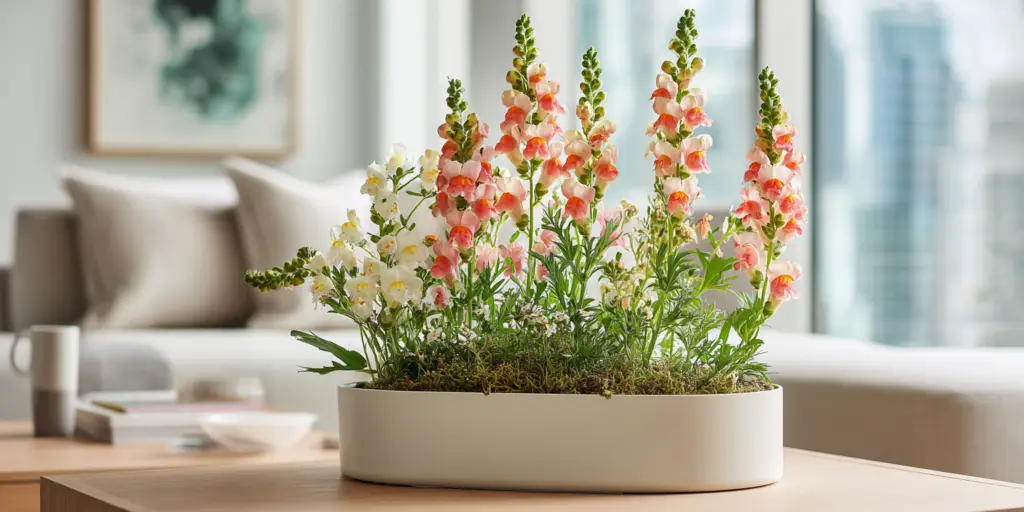
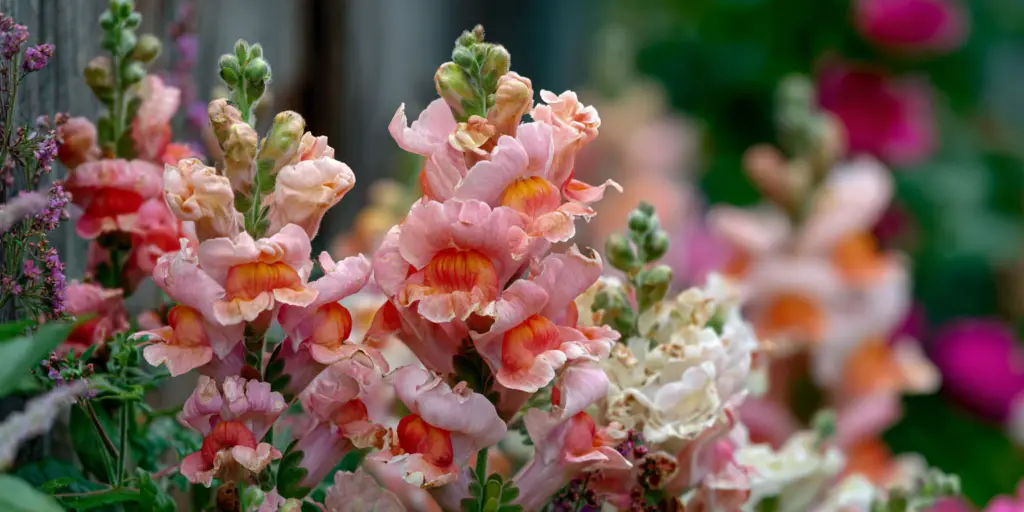
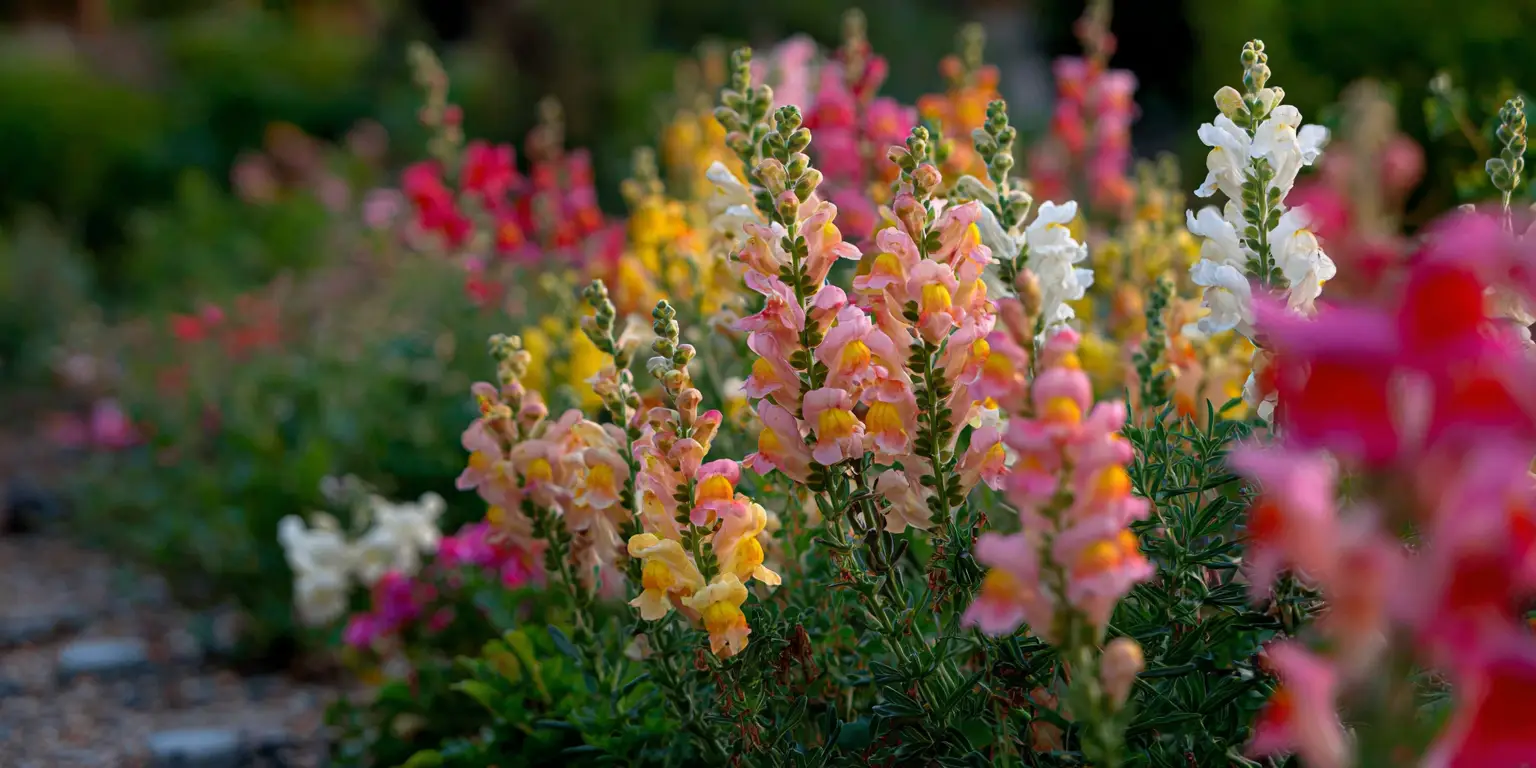
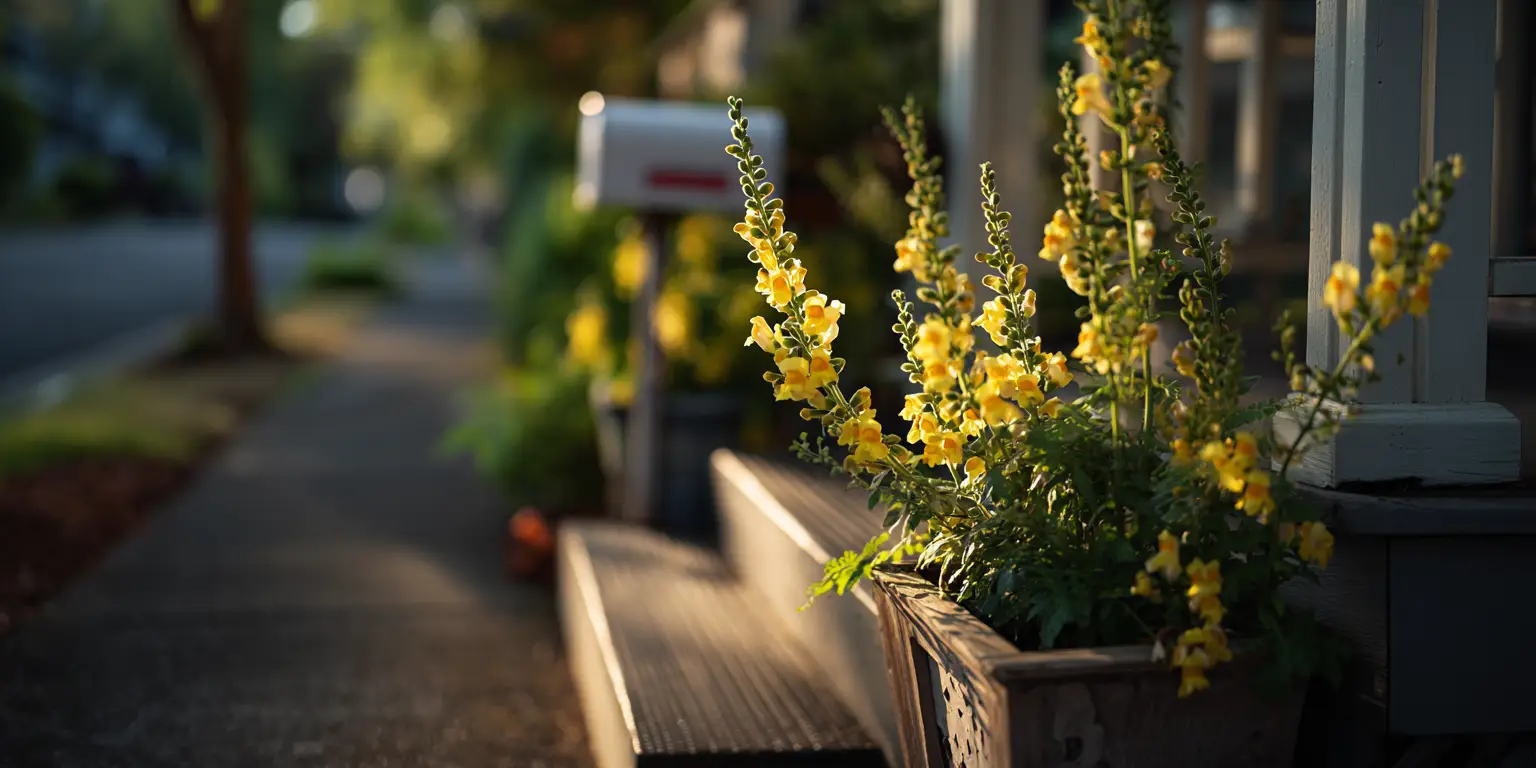
Snapdragon (Antirrhinum majus) is a short-lived perennial often grown as a hardy annual, celebrated for its showy spikes of vibrant blossoms that resemble a dragon’s mouth snapping open. These upright yellow flowers, pinks, reds, whites, and more come in nearly every color except true blue flowers, offering gardeners a broad palette for stunning displays. Snapdragons have bright green lance-shaped foliage and a bushy to spiky habit, making them eye-catching additions to flower beds, borders, and containers. With their long bloom period and unique floral shape, they have been cherished in cottage gardens and formal plantings for generations.
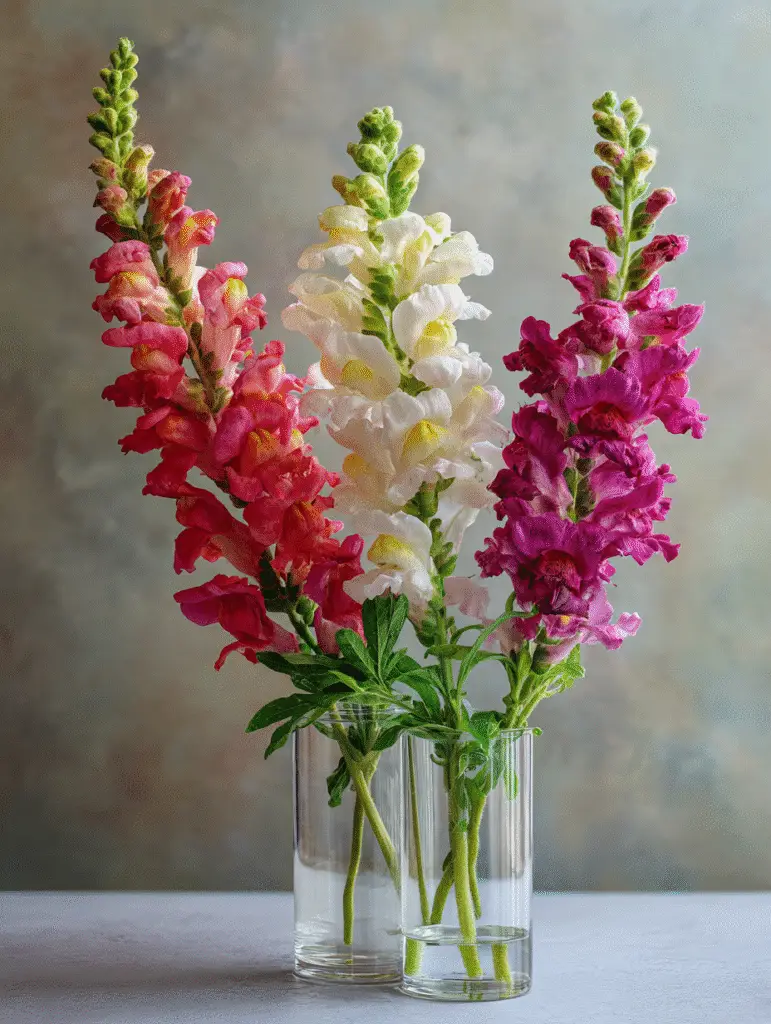
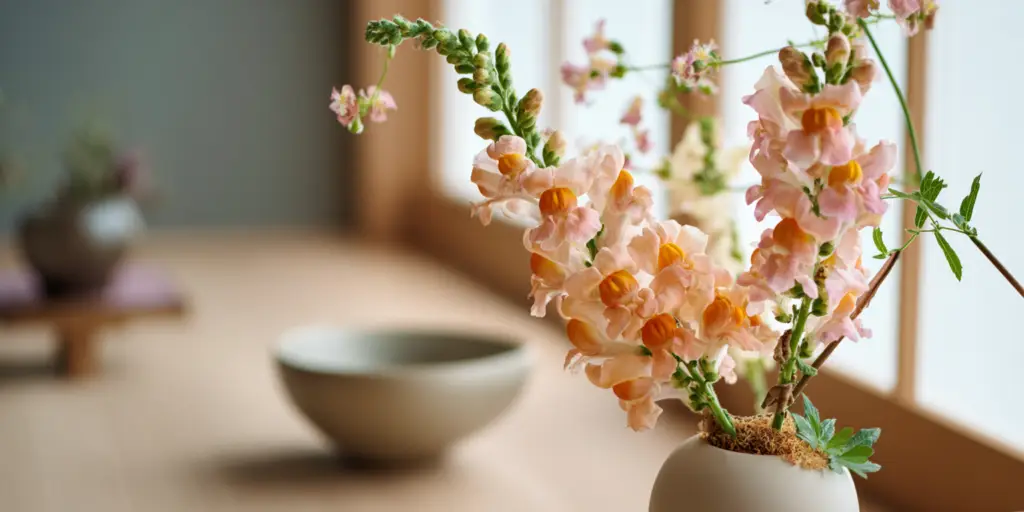
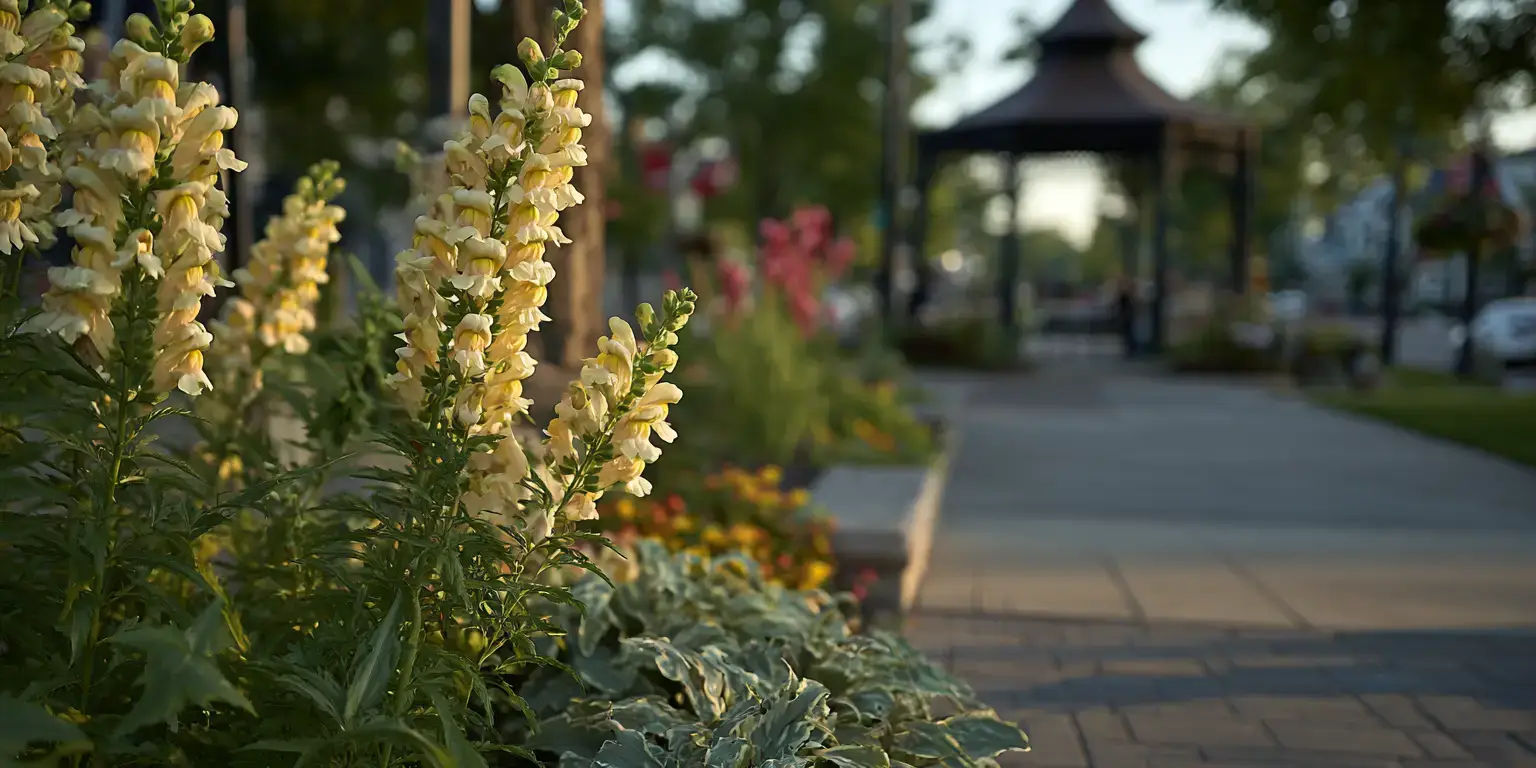
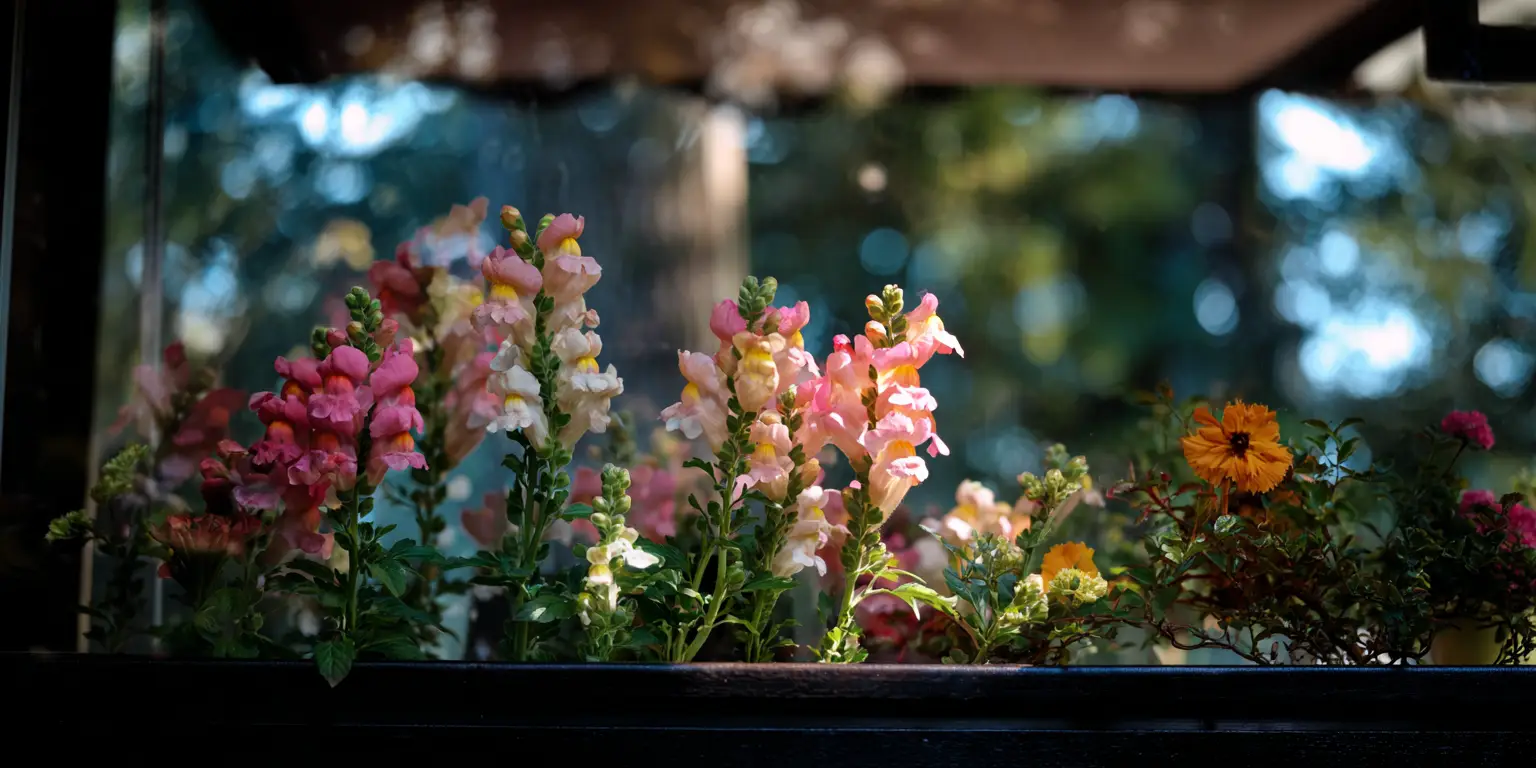
In floral design, snapdragons are prized for their height and striking form. They lend vertical interest to bouquets and centerpieces, often featured among occasion flowers for celebrations and ceremonies. Many wedding arrangements include snapdragons for their elegance and range of hues. They are frequently highlighted in wedding flowers guide resources as excellent line flowers to add height, color, and texture to bouquets. Gardeners and florists alike appreciate that snapdragons are easy to grow, attract pollinators, and are generally pet-safe, making them a versatile and family-friendly choice for any garden or event.


A clear, step-by-step guide to soil, planting, watering, feeding, pruning, and winter care. Includes zone timing, container tips, companions, and quick fixes for common problems.

Bouquet Ideas
Explore simple, beautiful bouquet ideas for the home, gifts, and special occasions from romantic mixes to clean, minimal styles. Each idea includes suggested flower combinations, color palettes, and sizes, with photos for quick inspiration.
🌱 Taxonomy and origin
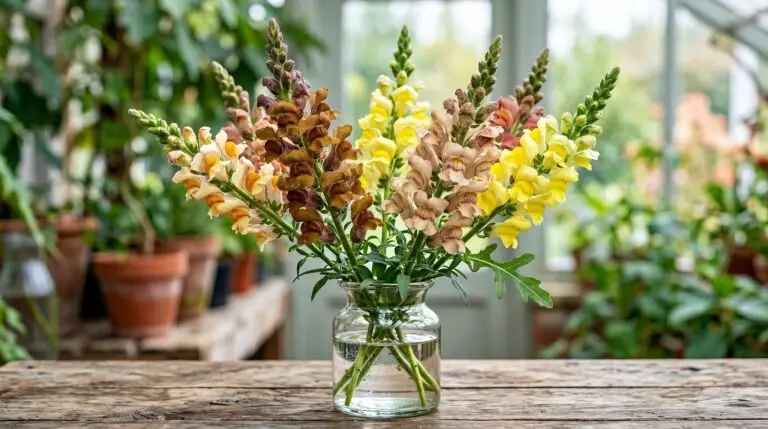
The common snapdragon is classified as Antirrhinum majus, a member of the Plantaginaceae family (the plantain or figwort family). The genus name Antirrhinum comes from Greek, meaning “like a snout,” referring to the flower’s snout-like, dragon-head shape. This unique bloom form inspired the common name “snapdragon” – when the sides of the tubular flower are gently squeezed, the “dragon’s mouth” appears to open and snap shut. Snapdragons are also sometimes nicknamed “dragon flowers.”
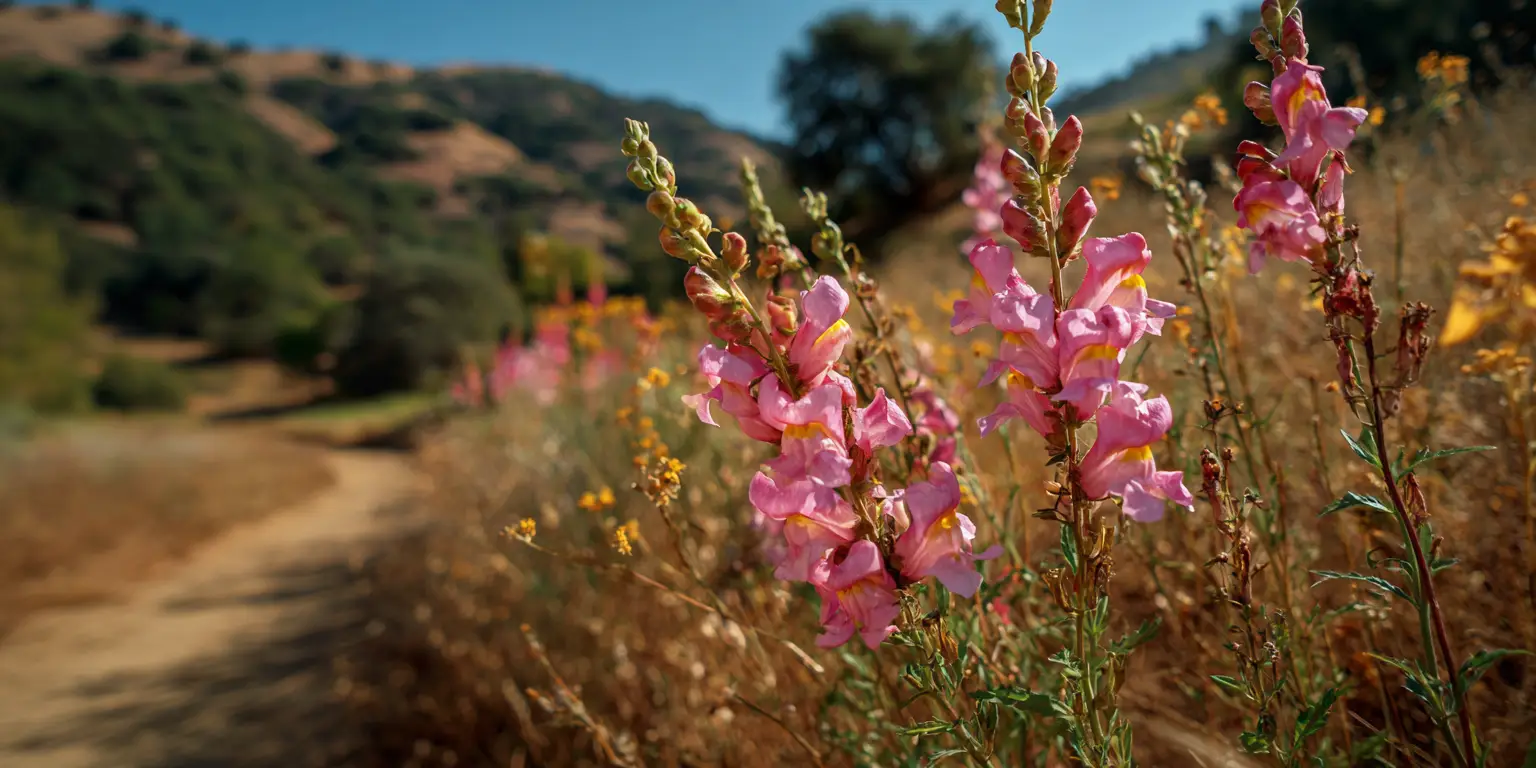
Snapdragons are native to the rocky hillsides of the western Mediterranean region, including parts of southern Europe (such as Spain and Italy) and North Africa. They have a long history of cultivation dating back centuries. Originally, wild snapdragons bloomed mostly in white or purplish-magenta shades, but over time horticulturists bred a much wider color range. The plants were introduced to other regions early on and became popular garden flowers in England and America by the eighteenth and nineteenth centuries. Today Antirrhinum majus is naturalized in many temperate areas worldwide. While dozens of wild snapdragon species exist (some in North America often called “toadflax”), the garden snapdragon remains the most widely grown, with countless cultivars developed for diverse colors, sizes, and uses.
🌸 Bloom time
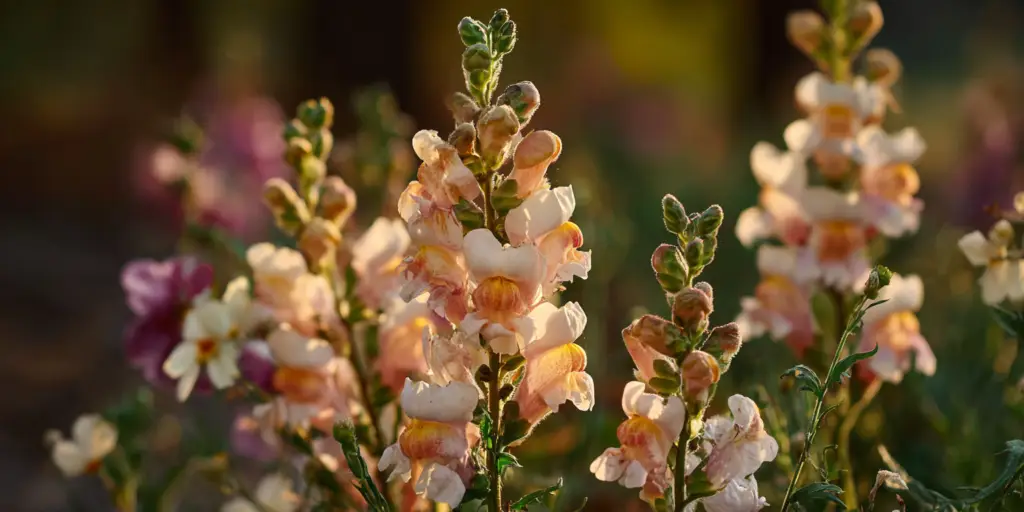
Snapdragons are classic spring flowers that bloom prolifically during the cooler parts of the growing season. They typically begin blooming in mid to late spring, shortly after the last frost, and can continue to produce flowers throughout spring and early summer. With proper care, deadheading, and moderate temperatures, a single planting can offer waves of blossoms for many weeks or even months. In regions with mild summers, snapdragons may flower all summer long. Each upright spike opens flowers sequentially from the bottom upward, providing a continually fresh look as new florets open.
In hotter climates or during the peak of summer, snapdragons often slow down or pause blooming. They prefer mild weather and may struggle when daytime temperatures consistently soar above about 85°F (29°C). Gardeners in hot-summer areas sometimes treat snapdragons as a cool-season annual: planting them in fall or late winter for spring bloom, then replacing them with heat-loving annuals by midsummer. For instance, after snapdragons fade in the sweltering months, one might fill the gap with tough summer annuals like zinnias to maintain color. When cooler autumn weather returns, snapdragons often rebound and bloom again, making them valuable fall flowers as well. In fact, a fall planting (or spring plants that survived summer) can flower anew in late September or October in many regions. Overall, snapdragons boast an extended blooming period from spring until frost in suitable climates, especially if spent blooms are removed to encourage new buds.
📏 Height and spread
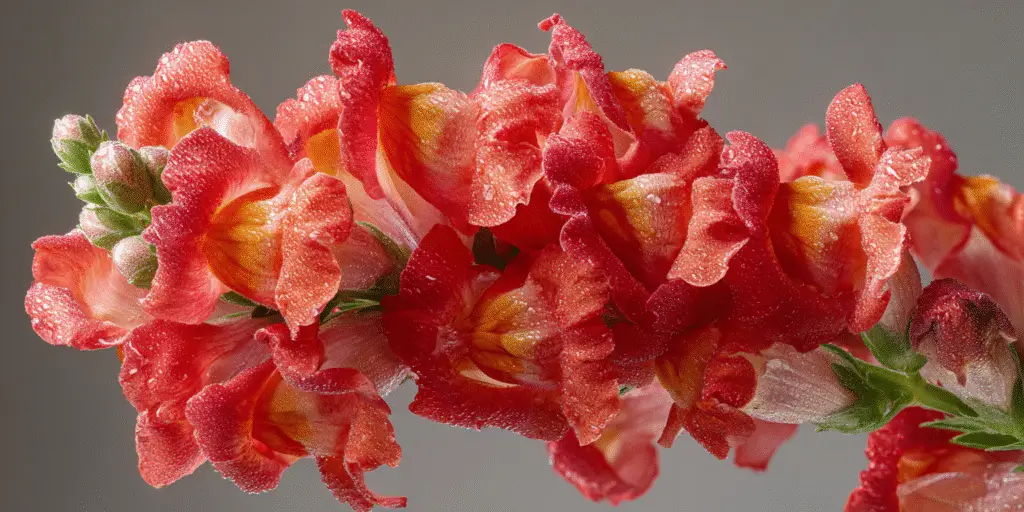
One notable feature of snapdragons is the variety of heights available, suiting different garden roles. Cultivars are broadly grouped into four size categories: Dwarf snapdragons: Only about 6-8 inches tall, forming compact, bushy mounds. These tiny varieties are perfect for edging borders, rock gardens, or containers and window boxes, where their petite spikes make a cheerful border. Short (or bedding) snapdragons: Around 9-12 inches tall. These small, tidy plants work well at the front of flower beds or mixed into planters. They create low accent color and can be massed as a groundcover of blooms. Intermediate (medium) snapdragons: Roughly 12-24 inches tall. This is the most popular garden size. Intermediate snapdragons produce abundant flower spikes and are versatile – excellent as mid-border plants and also long enough for cut flower use. They tend to branch well, resulting in a bushier appearance with multiple spikes. Tall snapdragons: Approximately 24-36 inches tall (2-3 feet), with some exceptional varieties reaching up to 4 feet in height under ideal conditions. Tall snapdragons carry impressive spires of flowers and often have a more columnar, less branched form with a dominant central spike. These are dramatic as background plants in borders and are prized for cutting (florists often grow tall types for their long stems).
Spread for snapdragons is generally modest. Individual plants typically grow 6 to 12 inches wide, depending on the variety and how much they branch. Dwarf types might only spread 4-6 inches across, whereas larger varieties can form clumps about a foot or slightly more in diameter when well branched. The growth habit is upright, and taller plants can sometimes become top-heavy when in full bloom. Gardeners may need to stake the tallest varieties or plant them in sheltered spots to prevent lodging (toppling over) in wind or rain. Overall, snapdragons fit well even in small garden spaces since they grow vertically more than they sprawl. Their vertical flower spikes are reminiscent of other stately spike-blooming plants like Delphinium elatum, though snapdragons are generally much easier to grow and manage.
☀️ Light
Snapdragons flourish in locations with ample sunlight. Full sun (at least 6 hours of direct sun per day) is ideal for robust growth, sturdy stems, and maximum flowering. In temperate climates, planting snapdragons in full sun encourages the most prolific blooming and compact, healthy plants. They can tolerate partial shade, especially in hotter regions – in fact, a bit of afternoon shade in summer can help prevent stress when temperatures are high. However, too much shade will result in leggy stems and reduced flower production. Aim to provide morning sun and some mid-day sun at minimum. In warm climates like the Deep South or Southwest, a site with morning sun and light filtered shade in the hottest part of the afternoon can keep snapdragons happier through the season. Always ensure the spot has good air circulation as well, since stagnant, shady conditions can promote fungal diseases. In summary, choose a bright location for your snapdragons: full sun for most areas, or partial sun if you need to shield them from extreme heat.
💧 Water
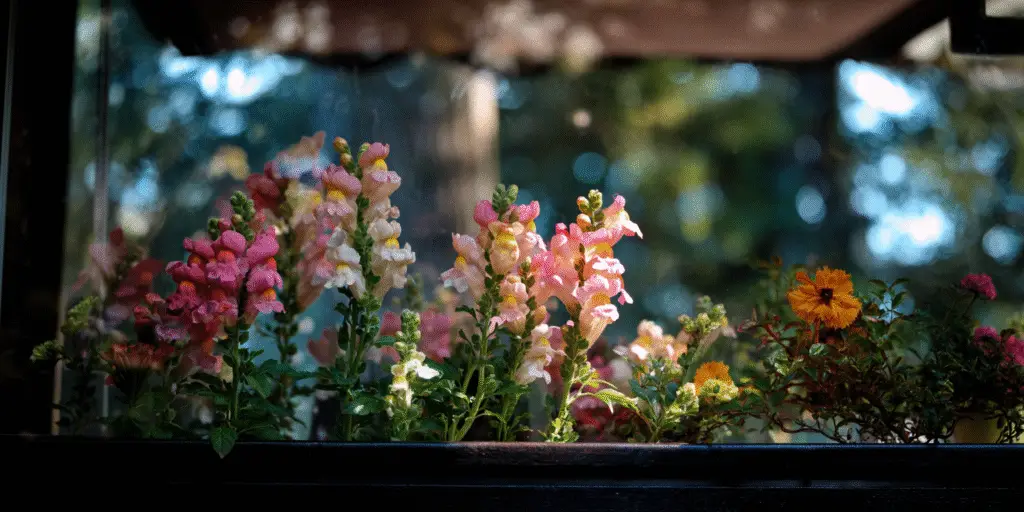
Consistent moisture is key to keeping snapdragons thriving. These plants prefer evenly moist, well-drained soil. Water snapdragons regularly, providing moderate amounts of water so that the soil stays damp but not waterlogged. A good practice is to water deeply whenever the top inch of soil feels dry to the touch. During hot or windy weather, snapdragons may require more frequent watering, as they are not highly drought-tolerant and will wilt if they dry out too much. Mulching around the base of the plants with organic mulch (like straw or shredded bark) can help conserve soil moisture and keep roots cool.
While snapdragons enjoy moisture, it’s important to avoid overwatering and poor drainage. Soggy or waterlogged soil can lead to root rot and other disease issues. Make sure the planting site or container has excellent drainage so water does not stand around the roots. When watering, try to aim water at the soil level rather than soaking the foliage. Snapdragons are somewhat susceptible to fungal diseases on their leaves and stems, and wet foliage (especially overnight) can encourage problems like rust or mildew. Using soaker hoses or drip irrigation is ideal, or water early in the day so leaves dry quickly. In summary, give your snapdragons a steady water supply without drowning them – moist but well-drained conditions will result in the healthiest growth and longest bloom display.
🌍 Soil and pH
Snapdragons grow best in rich, fertile soils that drain well. A loose, loamy soil high in organic matter provides an ideal environment for their roots. Before planting, it helps to work in compost or well-rotted manure to improve soil structure and nutrient content. Good fertility supports the continuous flowering that snapdragons can achieve. However, avoid soils with too much quick-release nitrogen. Overly lush foliage can be more disease-prone, so a balanced approach to fertilization is ideal.
Soil pH is also an important consideration. Snapdragons prefer slightly acidic to neutral soil conditions. An optimal pH range is roughly 5.5 to 7.0. In slightly acidic soil (around pH 6), snapdragons can uptake nutrients effectively and will grow vigorously. If the soil is too alkaline (considerably above pH 7), the plants may develop nutrient deficiencies (for example, iron chlorosis, which causes yellowing leaves). They do not exhibit the dramatic color-changing response to soil pH that some plants do – for instance, hydrangea macrophylla famously shifts bloom color based on soil pH, whereas snapdragon flower colors are determined by genetics – but pH can still affect snapdragon health. If you know your garden soil is very alkaline, incorporating peat moss or sulfur to lower the pH slightly can benefit snapdragons. In any case, ensure the soil is well drained. Heavy clay soils should be amended with compost and possibly sand to improve drainage, or consider planting snapdragons in raised beds or containers if drainage is a concern. These flowers do not tolerate waterlogged soil around their roots. Given the right soil conditions – well-drained, moderately fertile, and slightly acidic – snapdragons will reward you with robust growth and bountiful blooms.
❄️ USDA hardiness
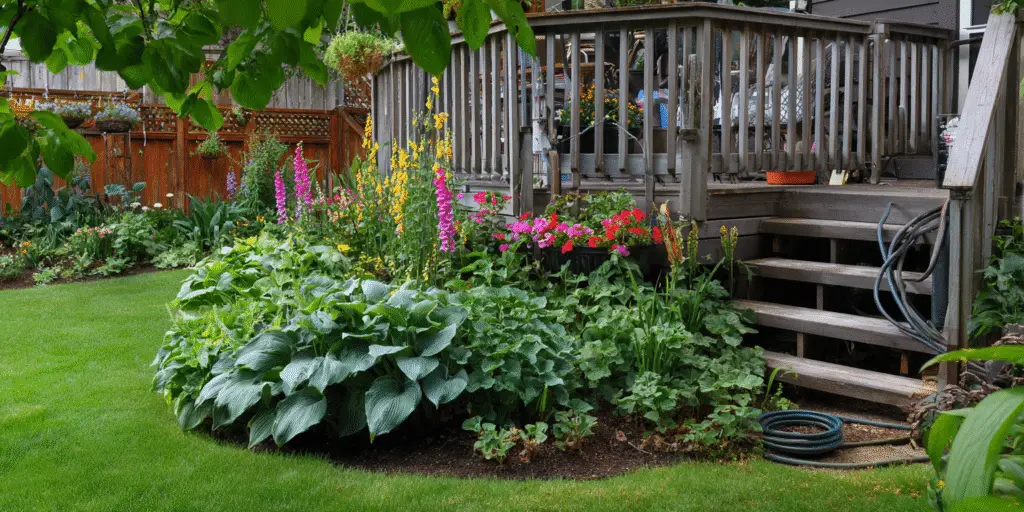
Snapdragons are sensitive to freezing temperatures, but they have some tolerance for light frost and cool weather. They are generally hardy as perennials in approximately USDA Hardiness Zones 7 through 10. In these milder zones, snapdragon plants can often survive the winter (especially if temperatures only occasionally dip below freezing or if given mulching protection) and bloom again the following year. In Zone 7, for example, snapdragons may overwinter and return in spring if the winter is not too harsh and if they are in a sheltered spot. In Zones 8-9 (with relatively mild winters), snapdragons frequently behave as short-lived perennials, lasting for two or more years in the garden. They often slow down during the hottest part of summer and then pick up flowering again when the weather cools.
In colder regions (Zones 6 and below), snapdragons are not winter-hardy in the ground and are typically treated as annuals. Frost will kill them, so they are planted anew each spring after the last hard frost has passed. However, because they tolerate light frosts, gardeners in Zone 5 or 6 can sometimes plant snapdragon seedlings outdoors a bit earlier than true warm-season annuals – snapdragons can handle chilly nights in the high 30s or low 40s °F (around 4-5°C) without damage, and a brief dip slightly below freezing might only singe buds but not kill the plant outright. This hardiness to cool temperatures makes them excellent for extending the flower season into early spring and late fall in colder climates.
It’s worth noting that in very hot climates (such as parts of Zone 10 or 11 with tropical heat), snapdragons may not thrive year-round either – they prefer cooler weather. In such areas, snapdragons are often grown as winter annuals. For example, in parts of Florida, the Deep South, or Southern California, one might sow snapdragons in the fall, enjoy blooms over the cooler winter and spring months, and then discard the plants once the intense summer heat arrives. In summary, outside of their perennial range, snapdragons can be grown virtually anywhere as annuals, as long as you provide the right season for them: they flourish in the cooler portions of the growing season and will succumb to either extreme cold or extreme heat.
🌼 Propagation and longevity
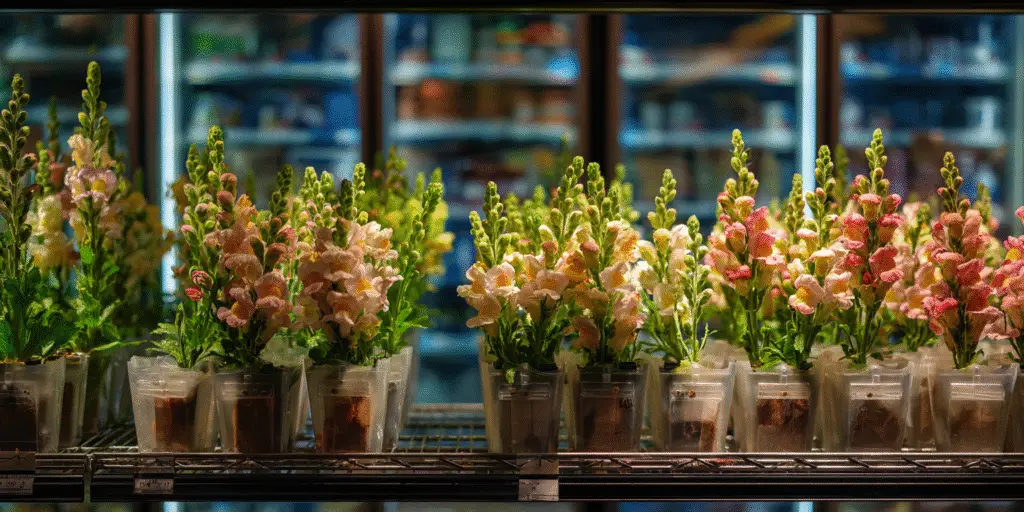
Snapdragons are commonly propagated from seed, which is an economical and effective way to grow a large variety of plants. The seeds are very small (dust-like) and require light to germinate, so they should be sown on the surface of the growing medium and not buried deeply. For best results, start snapdragon seeds indoors 6 to 10 weeks before your last expected spring frost. Sow them in trays or pots filled with a fine seed-starting mix; gently press the seeds onto the surface and mist with water. Keep the seeds consistently moist (covering the tray with a clear lid or plastic wrap can help retain moisture) and provide light – either a bright location or a fluorescent grow light – since light exposure helps trigger germination. Snapdragon seeds germinate in about 7 to 14 days at room temperature (around 65-70°F). A brief chilling period of a few days before sowing (for example, placing the seeded trays in a refrigerator or cold room at ~40°F) can improve germination uniformity, mimicking the cool period of early spring. Once the tiny seedlings emerge, give them plenty of light and good air circulation. When seedlings develop their first set of true leaves, you can transplant them into individual pots and continue growing them until the garden is ready.
Transplant snapdragon seedlings outdoors after the last hard frosts, hardening them off first. They can tolerate cool spring weather, so you need not wait until the soil is very warm. Space plants according to their expected spread – compact varieties about 6 inches apart and taller varieties up to 12 inches apart so they have room to fill out. If you pinch back the growing tips of young snapdragon plants when they are 4-6 inches tall, it encourages them to branch out and become bushier, leading to more flowering stems. This pinching technique is useful especially for taller varieties to get multiple spikes instead of one main spike.
Snapdragons can also be propagated from cuttings, though this is less common for home gardeners since seeds are easy to start. To propagate from cuttings, take a 2-3 inch softwood tip cutting from a healthy snapdragon plant (this is often done to carry a favored variety through winter or to clone a particular color exactly). Remove the lower leaves, dip the cut end in rooting hormone, and insert it into a moist rooting medium. Keep the cutting humid (use a clear dome cover or mist it frequently) and in bright, indirect light. Cuttings should form roots in a few weeks and can then be potted up. This method allows you to clone a specific hybrid or color true to the parent plant, whereas seed-grown plants may have some variability if not from a uniform strain.
In terms of longevity, individual snapdragon plants are typically short-lived. Even in ideal conditions, a snapdragon might live for a few years (often about 2-3 years maximum for perennial types), but they tend to bloom most vigorously in their first year. Many gardeners replant snapdragons each year or two, even in milder climates, to maintain vigorous plants and continuous bloom. Old plants can become woody at the base and produce fewer flowers over time. That said, snapdragons are known to self-seed under favorable conditions. If spent flowers are left to form seed pods and those seeds scatter, you may find volunteer snapdragon seedlings popping up the next season in the garden. These volunteers might not be exact replicas of the parent (if hybrids were grown, the offspring can show different colors), but they often perpetuate a population of snapdragons in a friendly, cottage-garden way. Gardeners can also save seeds from their favorite plants; once the flower spikes dry and turn brown, the seed capsules can be crushed or shaken out to collect the tiny black seeds for future planting. Properly stored in a cool, dry place, snapdragon seeds remain viable for a few years.
👃 Fragrance
Snapdragon flowers have a light, delicate fragrance, though they are not as strongly scented as some other garden blossoms. Many snapdragon varieties give off a faint sweet or musky scent, which may be noticeable on warm days or if you put your nose close to the blooms, but generally snapdragons are grown more for their bright colors and form than for fragrance. The level of fragrance can vary among cultivars – some newer open-faced varieties or heirloom types are reputed to have a slightly stronger perfume than the classic snapdragon scent, but even then the aroma is subtle. In a mass planting you might detect a gentle pleasant fragrance wafting, especially in the evening, but snapdragons will not overwhelm an area with scent.
Because their scent is mild, snapdragons contrast with powerfully perfumed flowers like lilacs or lavender. For gardeners who are sensitive to strong floral fragrances or who prefer a flower that won’t compete with other scented plants, snapdragons can be a good choice. Despite not being strongly fragrant to us, snapdragon blooms do produce nectar and are very attractive to certain pollinators. Bumblebees in particular are drawn to snapdragons; they land on the lower “lip” of the flower, which triggers the dragon’s mouth to open and grants the bee access to the nectar inside. This unique pollination mechanism is part of the snapdragon’s charm. Hummingbirds have also been known to visit snapdragon flowers, especially red and pink varieties, sipping nectar from any gap in the “mouth” that they can find. So while you may not grow snapdragons for making a room smell sweet, you can enjoy watching bees busily working the blooms on a sunny day.
⚠️ Toxicity and pet safety
Gardeners with pets and children often favor snapdragons because they are considered non-toxic. Snapdragons are not poisonous to humans, and according to the ASPCA they are non-toxic to dogs, cats, and horses. This means if a curious pet were to nibble on a snapdragon stem or flower, it should not suffer serious illness (though eating large quantities of any plant might cause mild digestive upset). The flowers are even sometimes listed as edible for people – they have been used as garnish on salads or desserts – but they have a bitter flavor and are not typically consumed in quantity. The primary value of their edibility is ornamental in cuisine.
Importantly, snapdragons are a safe alternative to many popular garden flowers that are hazardous to pets. Unlike certain bulb plants such as tulips or flowers like calla lily that contain toxic compounds, snapdragons do not contain known dangerous toxins. You can confidently plant them in areas accessible to dogs or cats without the worry that chewing a bloom will result in poisoning. Of course, it’s still wise to discourage pets from grazing on any ornamental plants to prevent possible stomach upset or damage to the plants, but you can take comfort in knowing snapdragons won’t harm your furry friends. Additionally, snapdragons don’t have sharp thorns or irritating sap, making them very child-friendly as well. Always verify the safety of all plants in your garden if young kids or pets are prone to sampling vegetation, but snapdragon is one that generally gets a green light for family gardens.
🌿 Vase life
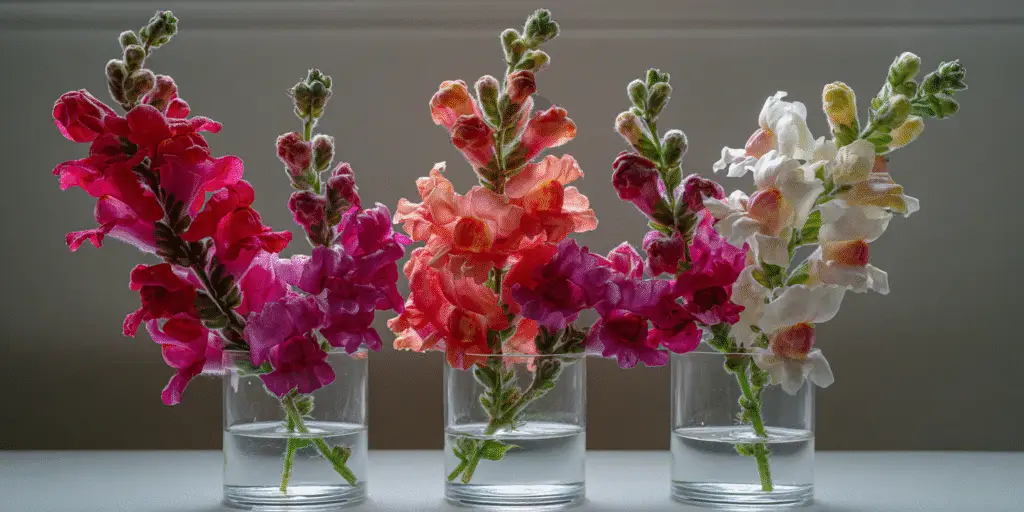
Snapdragons are highly regarded as cut flowers thanks to their impressive vase life and structural beauty in arrangements. When harvested at the right stage, snapdragon flower spikes can last about 7 to 10 days in a vase, sometimes even up to two weeks with good care. For the longest vase life, cut the stems when the lowest third of the florets on the spike are open and the rest are still in bud. In this stage, you get to enjoy the open blooms immediately, and the remaining buds will gradually open over the ensuing days. If you wait until the entire spike is in full bloom to cut, the top flowers might start to wilt before the bottom ones are finished, so earlier is better. Remove any leaves on the portion of the stem that will be under the water line to minimize rot. Place the cut snapdragons in clean water immediately after cutting; they benefit from floral preservative in the water to extend their freshness. It’s also helpful to condition them by keeping the stems in deep, cool water for a few hours before arranging, which helps hydrate the flowers.
While on display, keep snapdragon arrangements in a cool spot out of direct sunlight or heat vents to prolong their beauty. Change the water every couple of days to keep it fresh and free of bacteria. Snapdragons are somewhat sensitive to ethylene gas (a natural plant hormone that can be emitted by ripening fruit or decaying plant matter), which can cause their blossoms to age and drop more quickly. Therefore, it’s wise to keep them away from bowls of fruit or wilting flowers. As individual florets at the base of the spike fade, you can gently remove them to keep the arrangement looking clean while the upper buds continue to open.
One peculiarity to note: snapdragon stems have a geotropic response, meaning the tips will bend upward if the stems are placed on their side. Even after cutting, if snapdragons are stored or transported horizontally for a while, you may find their stems curving instead of staying straight. To avoid this “bending,” always store and display cut snapdragons upright. Florists often keep bunches standing straight up in tall buckets so the stems remain arrow-straight for arrangements. Despite this quirk, snapdragons are a florist staple. Their dramatic vertical lines complement other popular cut flowers – for example, a few tall spikes of snapdragon pair beautifully with the round blossoms of roses or peonies, creating a balanced and visually appealing bouquet. With basic care, cut snapdragons will reward you with a long-lasting splash of color in the vase, just as they do in the garden.
🐛 Pests and diseases
Snapdragons can be subject to a variety of common garden pests and diseases, although good gardening practices will minimize these problems. Here are some issues to watch for:
Insect pests: Several insects enjoy snapdragons. Aphids (tiny green, black, or reddish soft-bodied insects) often cluster on new growth and flower buds, sucking sap and potentially spreading viruses. Whiteflies, small white moth-like insects, can infest the undersides of leaves, causing yellowing and stunting. Spider mites, which are microscopic arachnids rather than insects, may proliferate in hot, dry conditions, leaving fine webbing and speckled foliage. Caterpillars (such as various moth larvae) and leafminers (larvae that tunnel inside leaves leaving winding trails) can also occasionally feed on snapdragon foliage. Regularly inspect your plants, especially the undersides of leaves and growing tips, for any signs of these pests. Early detection makes control easier. Most minor infestations can be managed by non-chemical means: spraying aphids or mites off with a strong jet of water, or using insecticidal soap or neem oil to treat affected plants. Remove any caterpillars by hand if feasible. Ensuring good spacing and weed control in your beds can also reduce pest habitat.
Diseases: The most notorious disease of snapdragons is snapdragon rust, caused by a fungus. Rust appears as yellowish spots on leaves that develop into orange-brown pustules, primarily on the undersides of the leaves, eventually causing leaves to die and drop. It can spread rapidly in humid conditions. Other fungal diseases can affect snapdragons as well: powdery mildew may show up as a white powdery coating on leaves during humid, cool weather; downy mildew causes a greyish mold on leaf undersides and yellow patches on top; Botrytis (gray mold) can make flower petals and stems turn brown and mushy in wet, cool conditions; and various soil-borne fungi like Pythium and Rhizoctonia can cause root rot or stem rot, especially in waterlogged soils or crowded conditions. There are also a few wilts and blights that occasionally strike snapdragons, particularly if the same bed is used year after year.
To keep diseases at bay, practice crop rotation if possible – avoid planting snapdragons in the same spot multiple years in a row if you’ve had issues, particularly with rust or soil diseases. Provide good air circulation by proper spacing and keep foliage as dry as possible. Water at the base of the plant and avoid overhead irrigation, or water early in the day so leaves dry quickly. Remove and dispose of (do not compost) any diseased foliage or plants immediately to prevent spread. If rust or mildew become severe, you might use a garden fungicide as directed for ornamental plants, but often removing affected parts and improving growing conditions will control the issue. Happily, snapdragons are deer resistant – they are seldom browsed by deer or rabbits, likely due to a somewhat bitter taste of the leaves and flowers. This means pest issues are more likely to come from insects and microbes than from four-legged garden visitors. With attentive care, most snapdragon problems can be managed, and healthy snapdragons will continue to bloom beautifully.
FAQ
Are snapdragons annuals or perennials?
Snapdragons can be either annual or perennial depending on the climate. Botanically they are short-lived perennials, but in cold regions they cannot survive the winter and are grown as annuals (planted each spring and lasting one season). In regions with mild winters (roughly USDA Zone 7 and warmer), snapdragons may survive year to year, effectively behaving as perennials for a few seasons. Many gardeners treat them as annuals everywhere for convenience and because the best flower display is usually in the first year.
Do snapdragons come back every year on their own?
If you live in a zone where winters do not kill the plants (zone 7-10), the same snapdragon plant might survive and return the next year, especially if mulched or in a protected spot. In colder areas, the original plants will usually die off with hard frost. However, snapdragons often self-seed. You might find new snapdragon seedlings popping up in the garden bed in spring from seeds dropped the previous year. These volunteer plants can make it seem like the snapdragons “came back,” even though they are technically new offspring from the original plants.
When is the best time to plant snapdragons?
Plant snapdragon seedlings in early to mid-spring as soon as the threat of severe frost has passed. They tolerate cool weather well, so they can often go into the garden sooner than warm-season annuals. In mild winter areas, snapdragons are frequently planted in fall or late winter to establish and then bloom in spring. Essentially, you want to give them cool conditions to grow and bloom. Avoid planting during very hot weather. If starting from seed indoors, count backwards about 8 weeks from your ideal planting time to know when to sow seeds.
How long do snapdragons bloom for?
Snapdragons have a long bloom season relative to many other flowers. Individual flower spikes bloom for one to two weeks, but each plant can produce multiple spikes in succession. With deadheading (removing spent blooms), a healthy snapdragon can continue to bloom for several months. Typically, they bloom heavily in spring and early summer. In mild climates they might slow in mid-summer then bloom again in fall. In any case, expect several weeks of color at minimum, and potentially much longer if conditions remain favorable.
Should I deadhead snapdragons?
Yes, removing the spent flowers (deadheading) is recommended to prolong the blooming period. When the flowers on a spike are mostly faded, you can cut that entire spike off. This prevents the plant from putting energy into seed production and encourages it to produce new flower spikes instead. Regular deadheading can significantly extend the flowering season, keeping your snapdragons looking neat and encouraging fresh buds. Another option is to cut snapdragon stems for flower arrangements – this also serves the same purpose as deadheading by trimming the plant and stimulating new growth.
Can snapdragons grow in containers or pots?
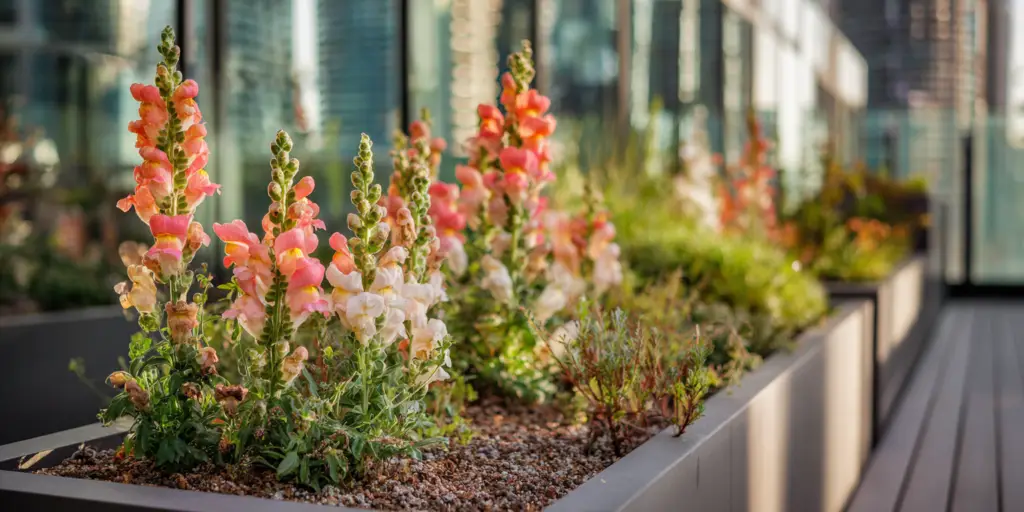
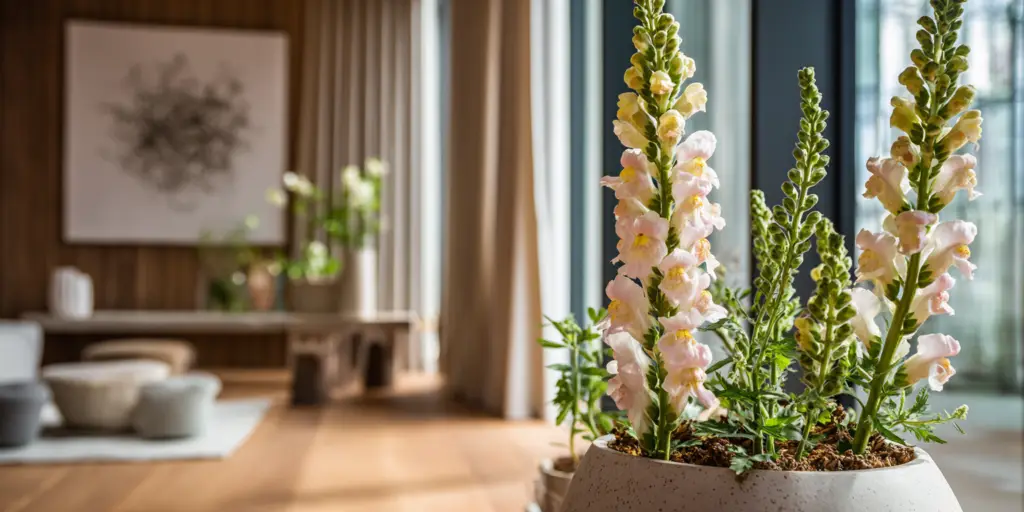
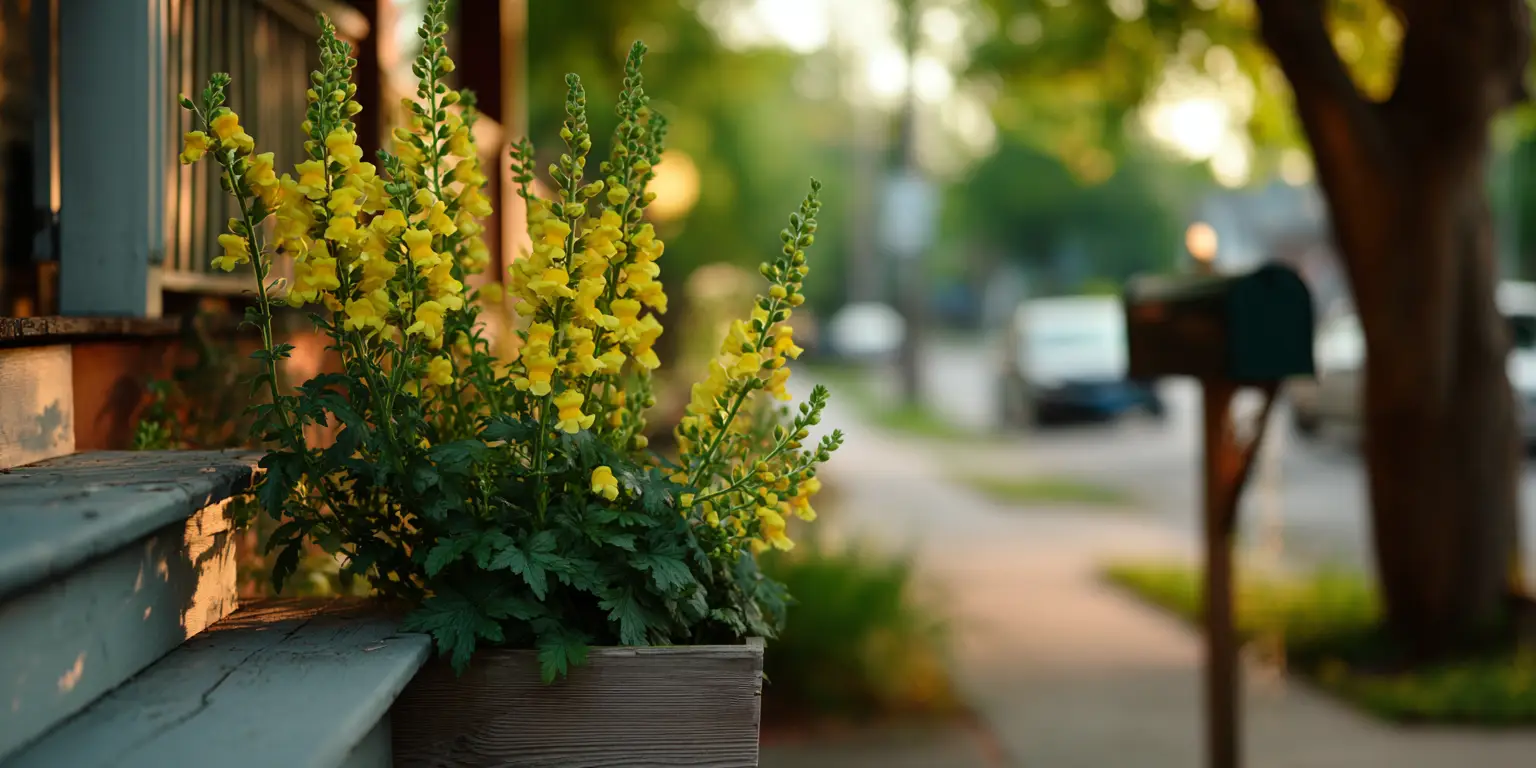
Absolutely. Snapdragons do well in containers as long as the pot has good drainage and the plants are given proper care. Dwarf and short varieties are particularly well-suited to container gardening since they stay compact. Use a quality potting mix that drains well, and water the containers consistently (they may dry out faster than garden soil). Place potted snapdragons in full sun for best bloom. They make lovely potted displays on porches or patios and can also be combined with other cool-season flowers in mixed planters.
What kind of soil is best for snapdragons?
Snapdragons prefer a loose, rich soil that is well-draining. An ideal soil is a loamy mix amended with organic matter. They like soil that holds some moisture but doesn’t stay soggy. A slightly acidic to neutral pH (around 6.0-7.0) is perfect. Avoid heavy clay that waterlogs, or extremely sandy soil that dries out too quickly (unless you amend it with compost). If your native soil is poor, consider raised beds or adding compost/aged manure to improve fertility and texture. Good soil prep will result in stronger, more floriferous snapdragon plants (i.e., plants that produce lots of flowers).
How often should I water snapdragons?
Water snapdragons whenever the top inch of soil begins to dry. In moderate spring weather, this might be about once or twice a week. In hot or windy conditions, it could be every other day. The key is to keep the soil consistently moist but not waterlogged. Snapdragons do not like drought – if they dry out too much, they will wilt and flowering will slow. At the same time, overwatering can cause root issues. So aim for even moisture. Mulching can reduce how often you need to water by retaining soil moisture. Always adjust your watering frequency based on rainfall and temperature.
Do snapdragons need full sun?
Snapdragons grow and bloom best with plenty of sun. Full sun (at least 6 hours per day) is ideal in most climates. They can tolerate partial shade, especially in the afternoon in hot regions, but too much shade will lead to fewer blooms and lanky growth. If you live where summers are cool, full sun all day is perfect. In hotter climates, try to ensure they get morning sun and some afternoon shade to protect them from intense heat. As a general rule: more sun yields more flowers, provided the plants are not getting overheated.
Interesting tips
- Snap-open blooms: The snapdragon gets its name from the way the flower reacts to touch. If you pinch the sides of a snapdragon blossom, it pops open like the jaws of a dragon, then “snaps” shut when released. This playful feature has made snapdragons a delight for children (and adults) to gently squeeze and make the “dragon” talk!
- Skull-shaped seed pods: After flowering, snapdragons form seed pods that, when dried, have an uncanny appearance – they look like tiny skulls. This curious trait has been noted in folklore and sometimes lends the snapdragon an eerie reputation in autumn when the dried pods persist in the garden.
- Symbolism and folklore: In the language of flowers, snapdragons have carried symbolic meanings of both deception and graciousness. Because the blossoms can appear tightly closed (hiding their interior) then open suddenly, they were seen as symbols of secrecy or deception in Victorian times. Conversely, their bright beauty gave them a positive meaning of grace and strength. In some European folklore, people wore snapdragon blossoms to ward off falsehood or even witchcraft, using them as a charm against evil.
- Historical uses: Snapdragons have been used beyond ornamentation in the past. Traditional herbal medicine employed snapdragon leaves and flowers for their anti-inflammatory properties – treating minor ailments like infections or swelling. And interestingly, in parts of Russia, oil was extracted from snapdragon seeds as a substitute for olive oil. While today we primarily grow them for looks, these historical uses highlight the snapdragon’s longstanding relationship with people.
- Cut flower fame: Snapdragons are among the most popular cut flowers in the floral trade. In the United States, they consistently rank as a top ten cut flower crop by volume and value. Florists love them for their lengthy, striking spikes and the way they add height and elegance to arrangements. Special series of snapdragon cultivars have been developed specifically for cutting, with extra-long, sturdy stems and long-lasting blooms. So the snapdragons you grow in your garden might be similar to the ones seen in lavish wedding centerpieces or bouquets.
- Pollinator dynamics: Bumblebees play a special role in snapdragon pollination. A bumblebee’s weight is enough to pry open the flower’s jaws as it lands on the lip petal, granting it access to nectar deep inside. This ensures that only strong pollinators like bumblebees (and occasionally larger bees) can reach the nectar, making them effective pollinators for the plant. This co-evolved trait means snapdragons essentially “choose” their pollinators by the design of their blooms – a fascinating example of plant-animal interaction.
Related Guides & Flowers
- Delphinium Elatum
Tall vertical flower spikes with a similar upright look in borders and cottage style beds. - Lupine
Another spired bloomer that pairs well with snapdragons for height and strong color blocks. - Hollyhock
Classic old garden flower with strong vertical structure for the back of beds. - Phlox
Soft rounded clusters that balance snapdragon spikes and help fill gaps in mixed borders. - Verbena
Airy blooms that add movement and long color without competing with snapdragon height. - Salvia May Night
Purple spikes with a similar silhouette, great for repeating the vertical theme in a planting. - Sweet Alyssum
Low edging flower that works as a soft base layer under taller snapdragons. - Cornflowers
Meadow style annual that fits the same informal, colorful garden vibe as snapdragons.
References
- North Carolina State University Extension Plant Toolbox, Antirrhinum majus
Cultural needs, light, soil, and notes about growth habit and heat tolerance. - University of Florida IFAS EDIS, Antirrhinum majus Snapdragon
Use and management, soil preferences, and how to cut back for another flush of blooms. - University of Illinois Extension, Snapdragon
Practical planting and care notes, including rebloom tips and general site preferences. - ASPCA Animal Poison Control, Common Snapdragon
Pet safety reference stating non toxic status for dogs, cats, and horses.
Written by: Your Flowers Guide editorial team
We are a small independent group of flower lovers who research and review each guide using trusted horticultural and educational sources. Learn more about us