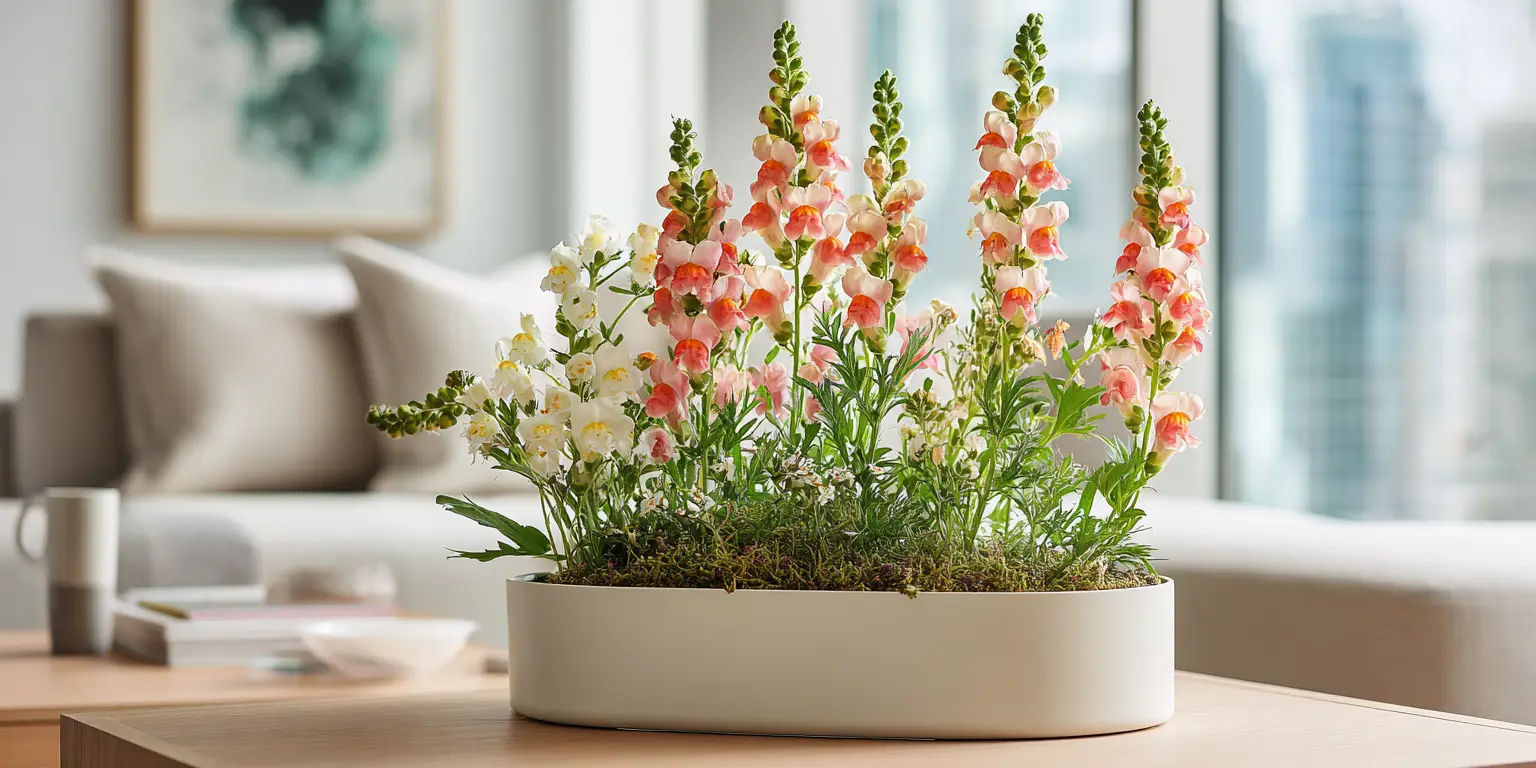
in bloom
now
through Oct
Bloom calendar
Sonnet
At‑a‑glance
- Group/Class: F1 series; garden height
- Height × spread: 18-24 in (45-60 cm) × 10-12 in (25-30 cm)
- Bloom window: spring to early summer; extends with deadheading
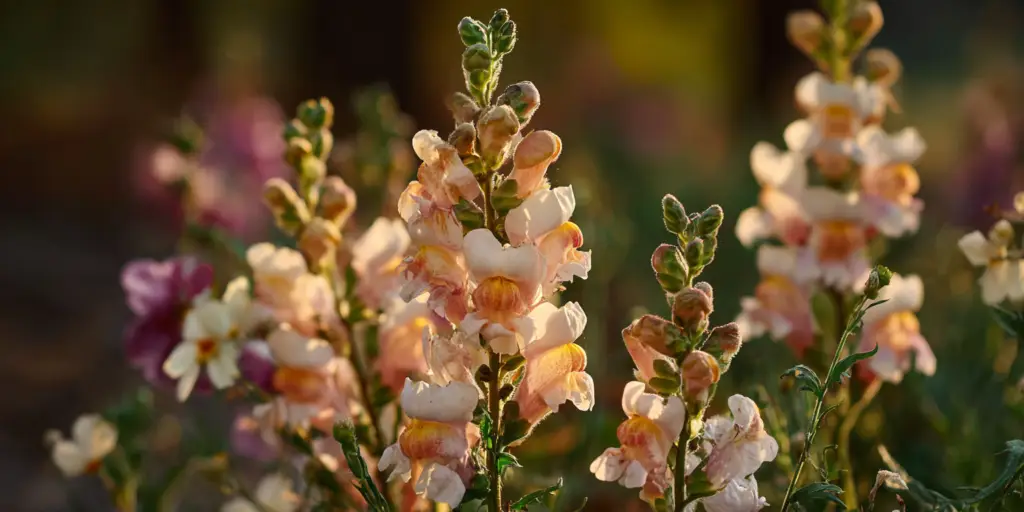
- Color & flower form: mix; classic snapdragon form
- Fragrance: 2 noticeable
- USDA hardiness: grown as annual in most of North America; short-lived perennial in zones 7-10
- Breeder / Year / Origin: Sakata Ornamentals, unknown, Japan
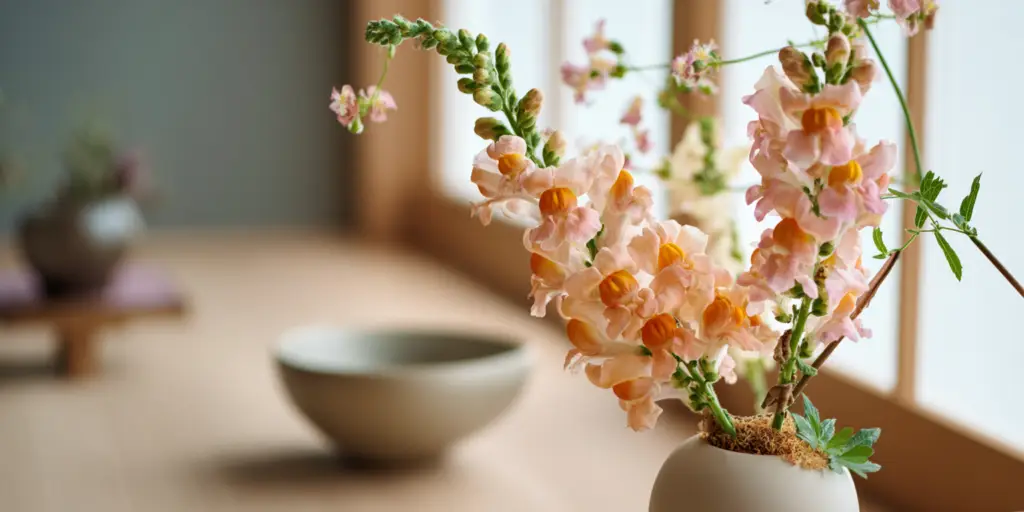
- Cut-flower notes: good for home cuts; typical vase life ~7-10 days
- Pet safety: safe
How it differs
- Shorter and bushier than tall cut-flower strains.
- Initiates buds at roughly 12 hour days for earlier bloom.
- Offers noticeable scent compared with many bedding strains.
Strengths
- Strong root system and sturdy branching.
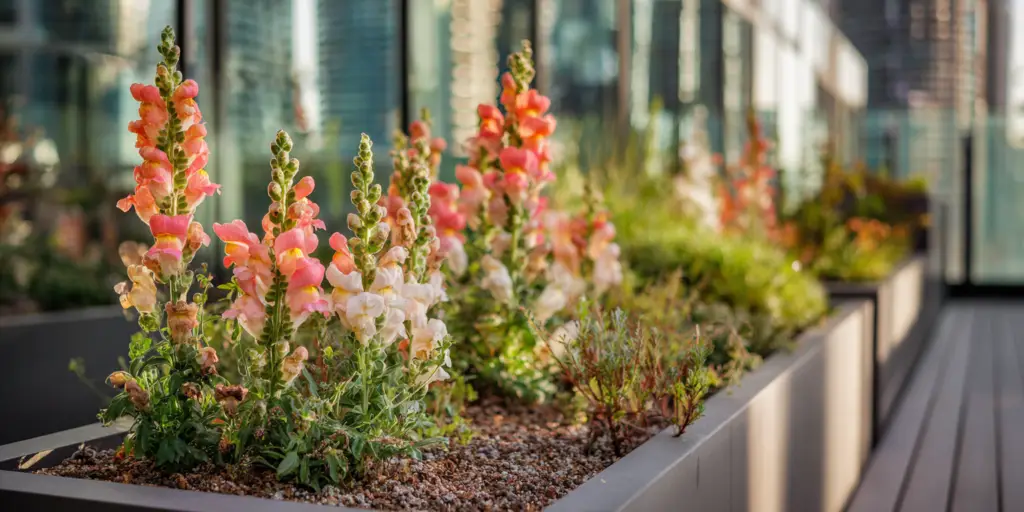
- Performs in large containers and garden displays.
- Long flowering window with regular deadheading.
Care in one minute
Site: full sun to light shade in warm areas.
Soil and pH: rich, well-drained media; production pH 5.5 to 5.8; many gardens succeed near neutral.
Water: regular moisture; water early to keep foliage dry by night.
Feeding: moderate feed with nitrate-based fertilizer.
Pinch and tidy: pinch once; remove spent spikes to keep plants compact.
Watch‑outs
- Can pause in peak summer heat in hot zones.
- Watch for rust, downy mildew, and botrytis in cool, wet weather.
Best uses (tags)
Provenance note
An F1 series from Sakata Ornamentals; culture guides specify 12 hour days for flowering and note the series’ fragrance.
References
- Sakata Ornamentals – Sonnet page
- Sakata Ornamentals EU – Sonnet culture guide
- NC State Extension Plant Toolbox – Antirrhinum majus
- Cornell High Tunnels – Snapdragon vase life
- ASPCA – Common Snapdragon (non-toxic)
Similar Flowers
Enjoying our flower guides? Add YourFlowersGuide as a preferred source on Google. It helps more readers find us.
Add to Preferred Sources