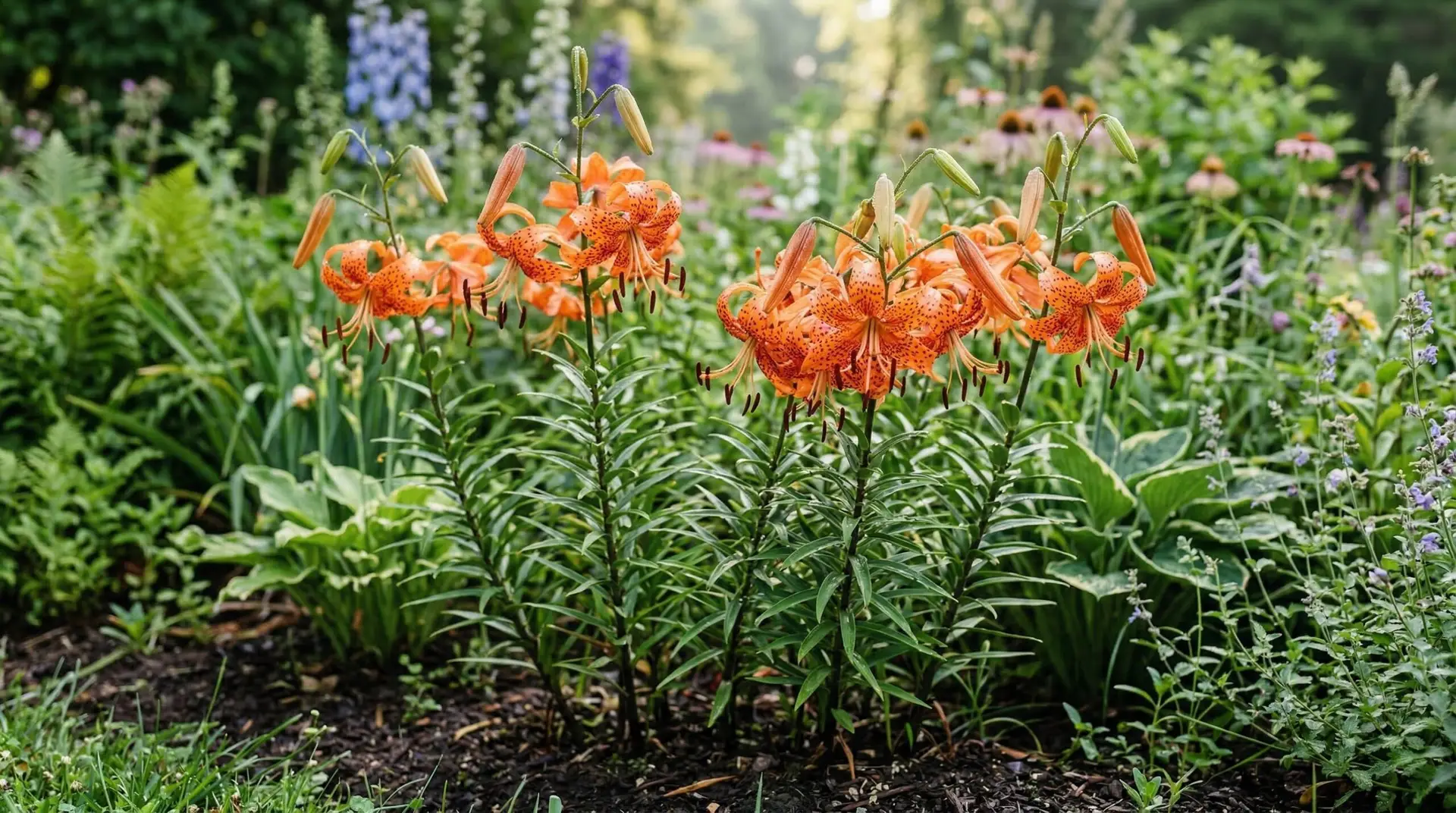
I have encountered few plants with the sheer resilience and reliable performance of the true tiger lily, known botanically as Lilium lancifolium. Many gardeners confuse this species with the common orange daylily often seen growing wild along rural roads, but the two are entirely different plants. The true tiger lily produces tall, rigid stems that bear downward-facing, heavily spotted orange flowers with strongly recurved petals. These petals curl back so far they almost touch the stem, exposing prominent stamens loaded with heavy pollen. Unlike many delicate modern hybrids, this plant possesses a rugged constitution that allows it to thrive in neglected farmyards and untended borders for decades. You will often find old clumps persisting around abandoned homesites long after the gardeners who planted them have gone.
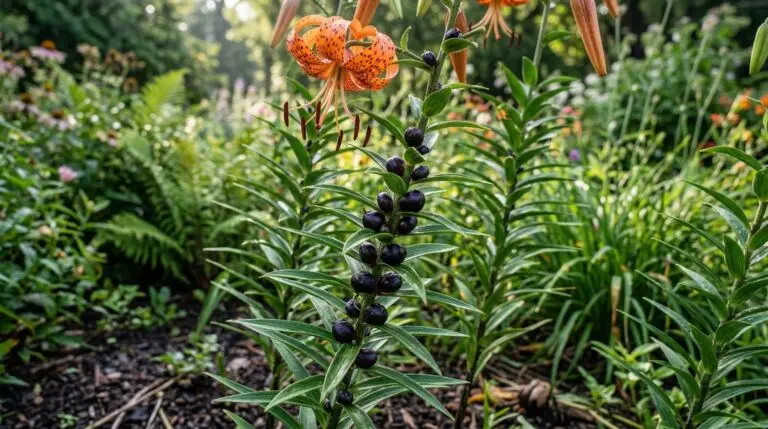
Understanding how this lily grows is the first step in managing it effectively in your own garden space. Lilium lancifolium grows from a scaly underground bulb, but its most defining characteristic appears along the upper portion of the stem in late summer. Dark, purplish-black spherical structures called bulbils form in the axils where the leaves meet the main stem. A bulbil is essentially a tiny, fully formed clone of the parent bulb that develops above ground. As the season progresses, these bulbils ripen, eventually dropping to the soil surface where they quickly send down roots to establish new plants. This unique reproductive strategy explains why a single bulb can turn into a dense colony within just a few growing seasons.
Contents 3 sections
Soil preparation and site selection
Tiger lilies are highly adaptable, but they perform best in well-drained soil with a slightly acidic to neutral pH between 6.0 and 7.0. Heavy clay soils that hold standing water in winter are the primary enemy of these bulbs, as excessive moisture leads directly to basal rot. If you garden in areas with dense clay, you should incorporate generous amounts of coarse sand and compost to improve drainage before planting. Position the bulbs in a location that receives full sun for at least six hours a day to ensure strong, upright stems that will not require staking. While they tolerate partial shade, the stems tend to lean heavily toward the light, resulting in a disorganized appearance that detracts from their natural architectural form.
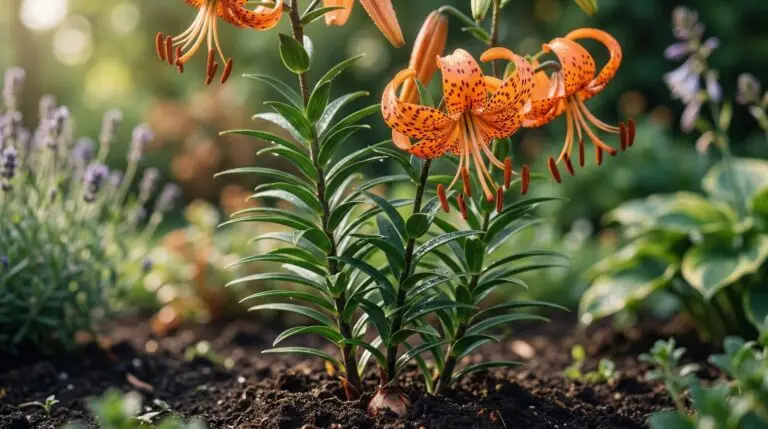
Proper planting depth is essential because tiger lilies are stem-rooting plants. This means the plant produces a set of roots from the bottom of the bulb, and a secondary set of roots emerges from the portion of the stem buried just below the soil surface. These stem roots anchor the tall, heavy plant and absorb the majority of the nutrients and water during the active growing season. You should plant the bulbs approximately six to eight inches deep, measuring from the top of the bulb to the soil line. Spacing them about ten to twelve inches apart provides adequate air circulation, which helps prevent fungal diseases like botrytis blight during periods of high humidity.
Watering, feeding, and disease management
Once established, tiger lilies require surprisingly little supplemental care compared to other garden ornamentals. They need consistent moisture during their rapid spring growth phase, but you should allow the soil surface to dry slightly between waterings to protect the bulbs. A light application of a balanced, slow-release fertilizer in early spring as the shoots emerge provides all the nutrition needed for the season. Avoid high-nitrogen fertilizers, which encourage weak, sappy stem growth that is highly susceptible to wind damage and aphid infestations. Much like a robust canna lily, these plants have vigorous root systems that scavenge effectively for nutrients in average garden soil.
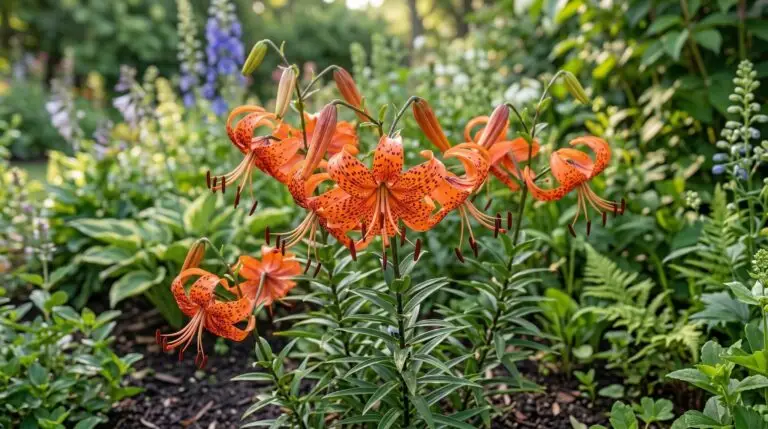
There is one specific pathological trait every horticulturist must consider before introducing Lilium lancifolium to a mixed collection. Tiger lilies are notorious asymptomatic carriers of lily mosaic virus. The virus rarely harms the tiger lily itself, but aphids feeding on the foliage can easily transmit the pathogen to more susceptible lily species nearby. Infected hybrid lilies will develop mottled, distorted foliage and stunted flowers before eventually dying out completely. For this reason, I always advise isolating tiger lilies in their own dedicated bed or planting them at the opposite end of the property from your prized Oriental or trumpet hybrids.
Propagation and managing garden spread
Collecting and growing the stem bulbils is an excellent way to share this historic plant with other gardeners. You can harvest the bulbils in late summer when they detach easily from the stem with a gentle brush of the thumb. Prepare a shallow nursery bed with loose, weed-free soil and press the bulbils into the surface, covering them with no more than half an inch of fine earth. They will root in the fall, produce a single grassy leaf the following spring, and typically reach flowering size by their third year. This simple propagation method has kept the tiger lily in continuous cultivation for centuries, passing from neighbor to neighbor without the need for commercial nurseries.
Left to their own devices, an established colony will eventually become overcrowded, leading to a noticeable decrease in flower production. You should plan to dig and divide the main bulb clusters every four to five years in early autumn after the foliage has died back naturally. Lift the entire clump with a garden fork, gently separate the interlocking bulbs, and replant the largest specimens immediately at the proper depth. Discard any bulbs that feel soft or show signs of fungal decay. Taking the time to thin your established patches ensures the plants maintain their vigor and continue producing those tall, heavily spotted flowers for years to come.
More About Tiger Lilies
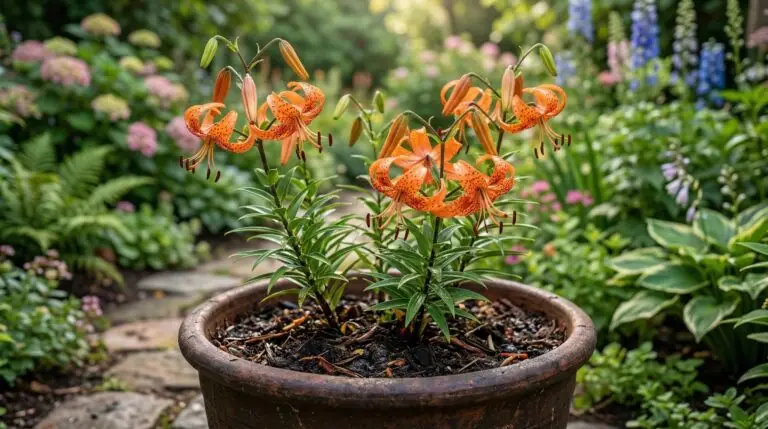
Growing tiger lilies in containers for bold orange summer drama on patios
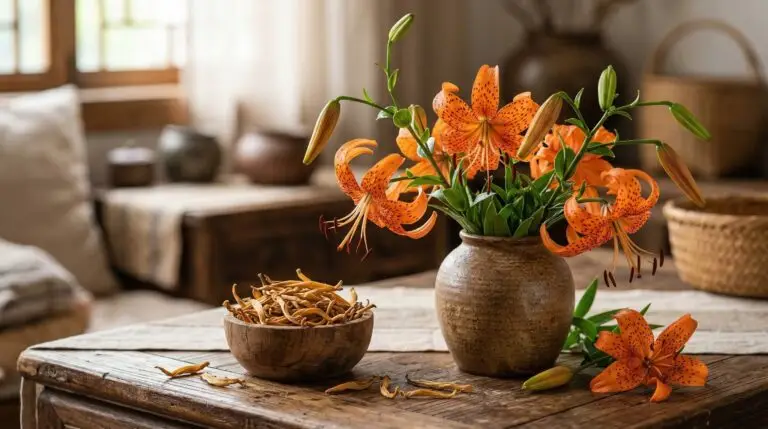
Edible tiger lily buds in Asian cuisine and the centuries-old tradition of cooking with lilies
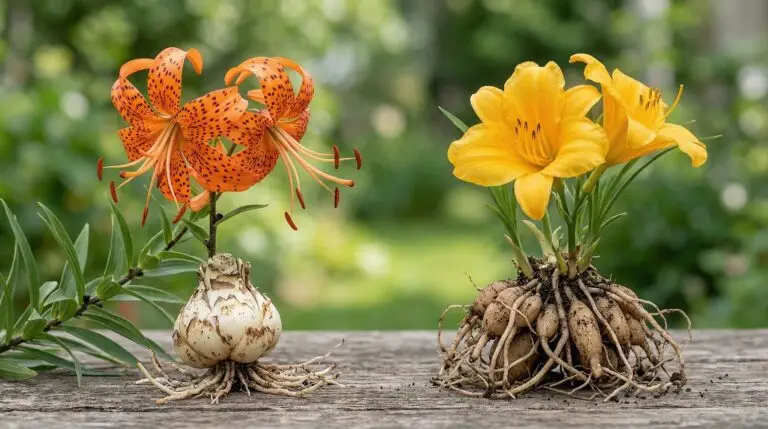
Tiger lilies versus daylilies and the common confusion between these two orange flowers

Tiger lilies in cottage and farmhouse gardens and why old gardens always have them
Tiger lilies that are toxic to cats and the urgent warning every cat owner needs to know
Propagating tiger lilies from the tiny black bulbils that form along the stem
Warning about tiger lilies near other lilies and the virus they can silently carry

Tiger lily companion plants: what to grow, what to avoid

Tiger lily flower meaning and the bold confidence this spotted bloom represents
Enjoying our flower guides? Add YourFlowersGuide as a preferred source on Google. It helps more readers find us.
Add to Preferred Sources