Contents 5 sections
Evaluating verbena for the modern garden
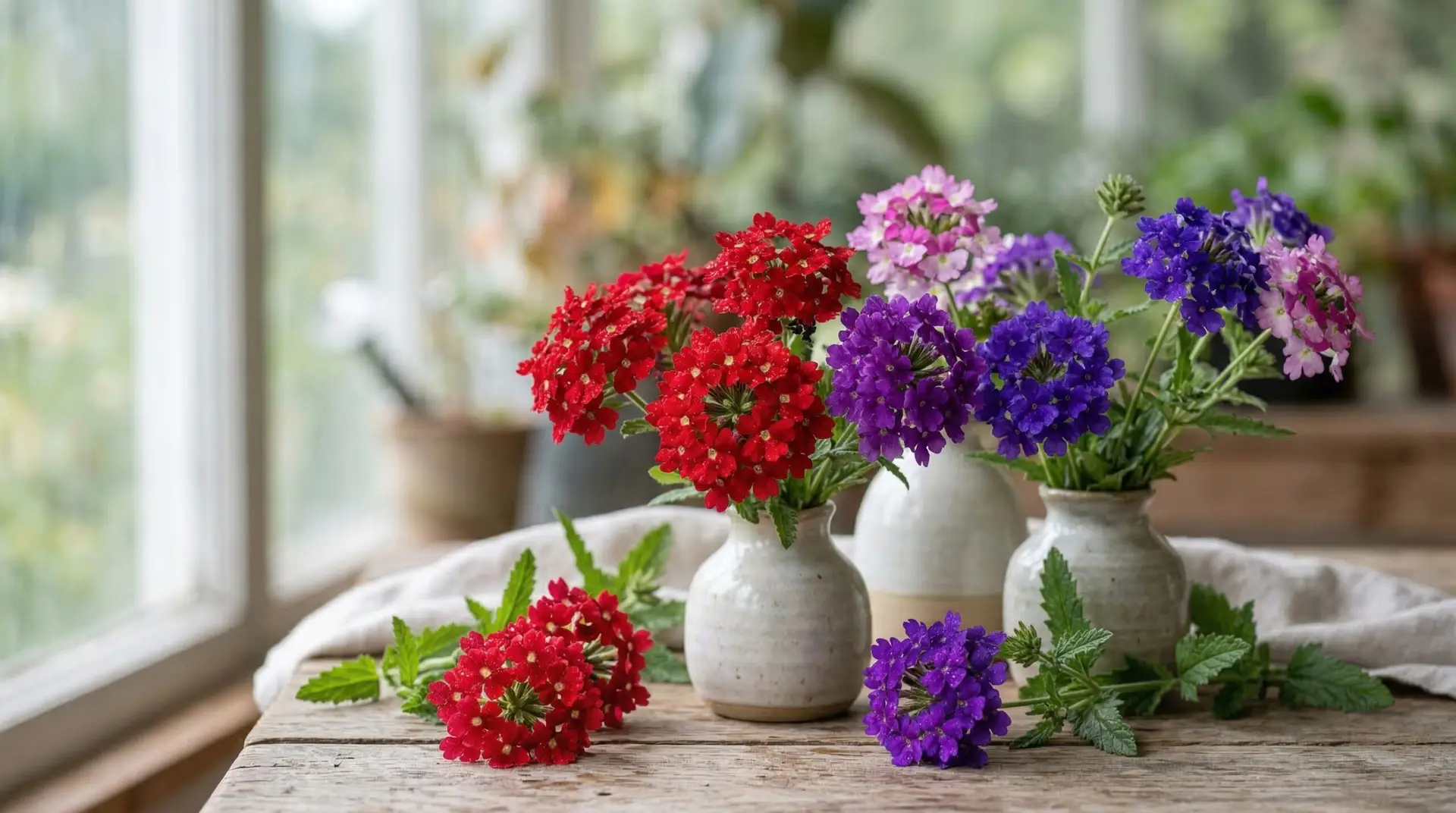
When you look at the sheer number of verbena varieties available at a local nursery, the choices quickly become overwhelming. Many garden centers stock dozens of seed-grown bedding verbenas in every color imaginable, but a large portion of these older genetics will disappoint you by midsummer. Plants like the old Quartz series often succumb to powdery mildew or simply stop blooming when temperatures peak in July and August. The history of verbena breeding has been a long struggle against these exact issues, pushing horticulturists to develop stronger, more resilient plants. Instead of trying to navigate every available cultivar, the better approach is to select specific, proven varieties based on whether you need a tall architectural plant, a trailing container specimen, or a resilient groundcover. By focusing strictly on heat tolerance, disease resistance, and growth habit, we can filter out the mediocre performers and concentrate on the few verbenas that actually earn their keep through the entire season.
The architectural presence of tall verbena
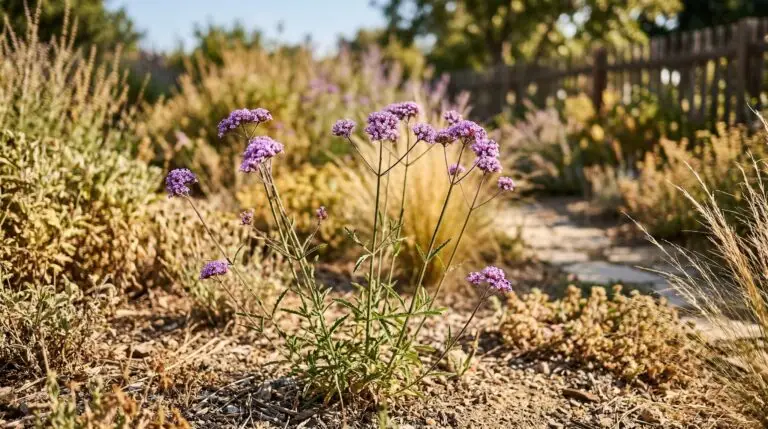
There is exactly one species of verbena that belongs in the middle or back of a mixed border, and that is Verbena bonariensis. This tall, airy plant produces rigid, square stems that reach three to four feet in height, topped with tight clusters of purple flowers. The true value of this species lies in its transparent habit, allowing you to plant it in front of other flowers without obscuring the view behind it. The widely spaced stems catch the morning and evening light beautifully, acting as a structural element that ties a chaotic garden design together. It catches the wind with a gentle swaying motion and draws pollinators from across the yard with its nectar-rich blooms. While it is technically a tender perennial in warm climates, it grows so quickly from seed that northern gardeners use it reliably as a fast-growing annual.
While the standard Verbena bonariensis is an excellent plant, it has a habit of self-seeding aggressively in bare soil, which can create unwanted weeding work the following spring. For a more controlled approach, the vegetative variety called Meteor Shower offers a distinct and highly useful improvement. This specific cultivar grows to a much denser, more manageable height of about thirty inches, making it appropriate for large mixed containers or the middle of a formal garden bed. Because it produces little to no viable seed, it puts all its energy into continuous blooming rather than reproduction. You get the same lilac-purple flower clusters and the same magnetic attraction for butterflies, but in a refined, compact package that stays exactly where you put it. It solves the primary complaint gardeners have with the straight species while keeping all the visual benefits intact.
Trailing varieties for containers and edges
When it comes to the edge of a raised bed or a hanging basket, the criteria for a good verbena shift entirely toward vigor and continuous color. The Superbena series is the current standard for this application, easily outperforming older, stringy trailing types. These plants are propagated from cuttings rather than seed, resulting in much larger individual flowers and a robust, branching growth habit that quickly fills empty space. They develop a strong root system that handles dry spells remarkably well, bouncing back quickly after a missed watering. Gardeners often rely on trailing petunias for this specific cascading effect, but a Superbena will generally require far less fertilizer and suffer fewer pest problems as the summer progresses. They require no deadheading to keep producing buds, shedding their old flowers naturally as new ones open.
If you garden in a region with high humidity and frequent summer rains, your primary concern with any low-growing verbena will be powdery mildew. This fungal disease coats the leaves in a thick white film and saps the plant of its energy, completely ruining the floral display. The Lanai series was bred specifically to solve this problem, offering the highest level of mildew resistance currently available in trailing verbenas. Like the Superbena line, Lanai varieties spread wide and bloom heavily, but their foliage remains clean and green even in stagnant, humid air. The series includes excellent solid colors and unique bi-colors, such as the popular Lanai Twister varieties that blend pink and purple in a single flower head. Choosing a Lanai variety over a generic trailing verbena is a simple preventative measure that saves you from having to pull out diseased plants in late August.
Reliable perennial performance
Most gardeners treat verbena as a single-season plant, but there is one specific perennial variety that deserves permanent placement in southern and transitional zones. Homestead Purple was discovered growing at an abandoned farm in Georgia, and it survives harsh winters down to zone six while shrugging off extreme summer heat. It forms a dense, weed-suppressing mat of dark green foliage that roots wherever the stems touch bare soil. The flowers are a deep, velvety violet-purple that appears in massive flushes in spring and fall, with steady color through the hottest months of the year. To ensure winter survival in colder zones, it requires excellent soil drainage, as cold, wet roots will kill it faster than freezing temperatures. It provides the same rugged, drought-tolerant utility as tough lantana varieties, but with a low, creeping profile that softens the edges of hardscaping and stone walls.
The definitive choice for summer endurance
If you only have space to plant one verbena this season, the clear and uncompromising choice is Superbena Whiteout. While the purple and pink varieties in the Superbena line are excellent, the pure white version offers an unmatched level of visual impact and utility in the garden. White flowers naturally illuminate shaded corners and remain visible long into the evening, providing a cooling visual contrast to the harsh, hot colors of midsummer. It pairs perfectly with any other color in a mixed container, acting as a bright neutral that makes surrounding reds and blues look sharper, much like a white trailing petunia would. Superbena Whiteout exhibits the absolute best traits of modern verbena breeding, combining massive flower clusters with a thick, disease-free canopy that never requires trimming or fussing. It is the rare plant that delivers exactly what it promises, blooming relentlessly from the day you plant it until the very first hard frost.
More About Verbena
Verbena flower meaning and the sacred herb that ancient Romans used for altars and oaths
Verbena as a butterfly garden essential that attracts dozens of species all summer
Why verbena gets powdery mildew and how to prevent the white coating on leaves
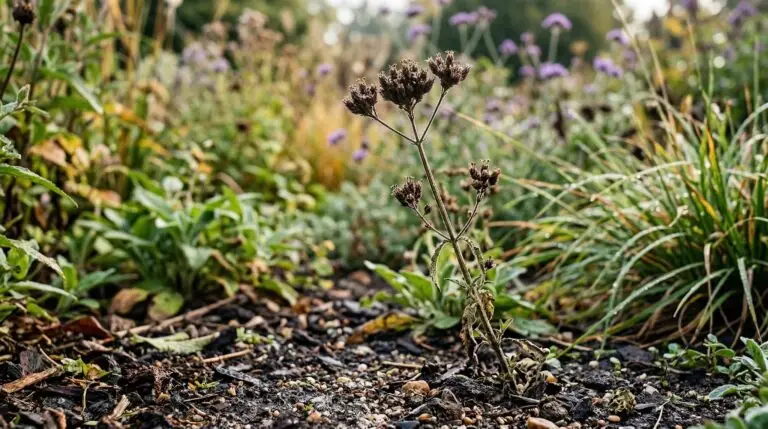
Growing verbena from seed and cuttings for more plants from your favorites
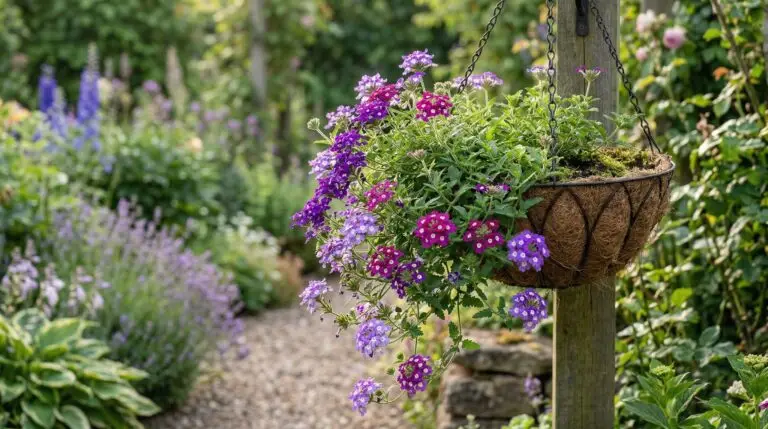
Growing verbena in hanging baskets and containers for trailing summer cascades
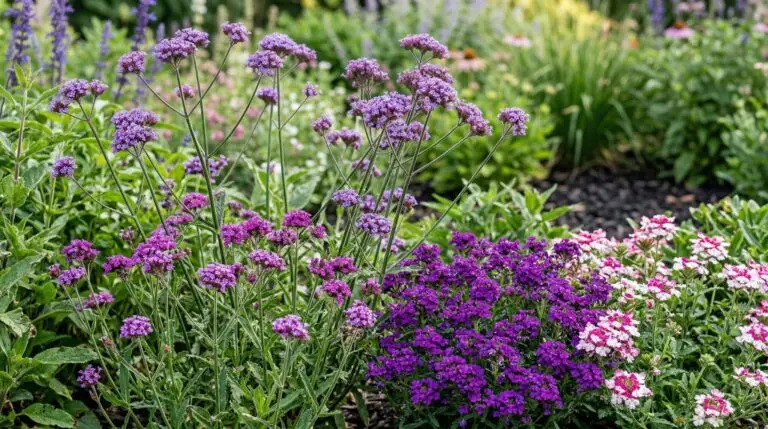
Homestead Purple verbena the tough perennial ground cover that blooms for months
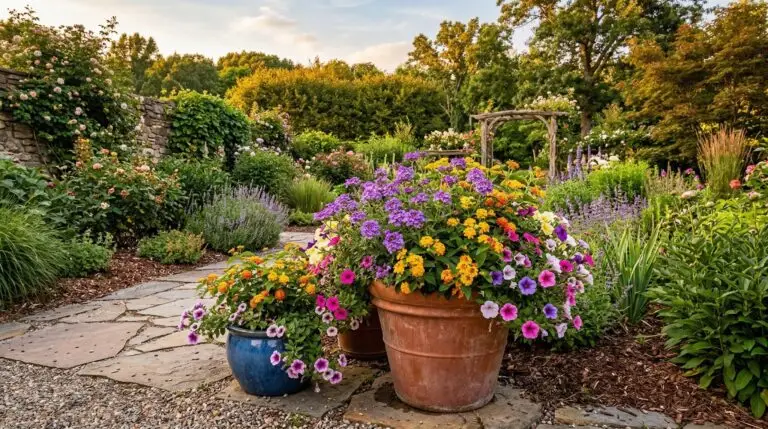
Companion plants for verbena: what to grow and what to avoid
How to grow verbena for non-stop clusters of color that bloom through heat and drought
Enjoying our flower guides? Add YourFlowersGuide as a preferred source on Google. It helps more readers find us.
Add to Preferred Sources