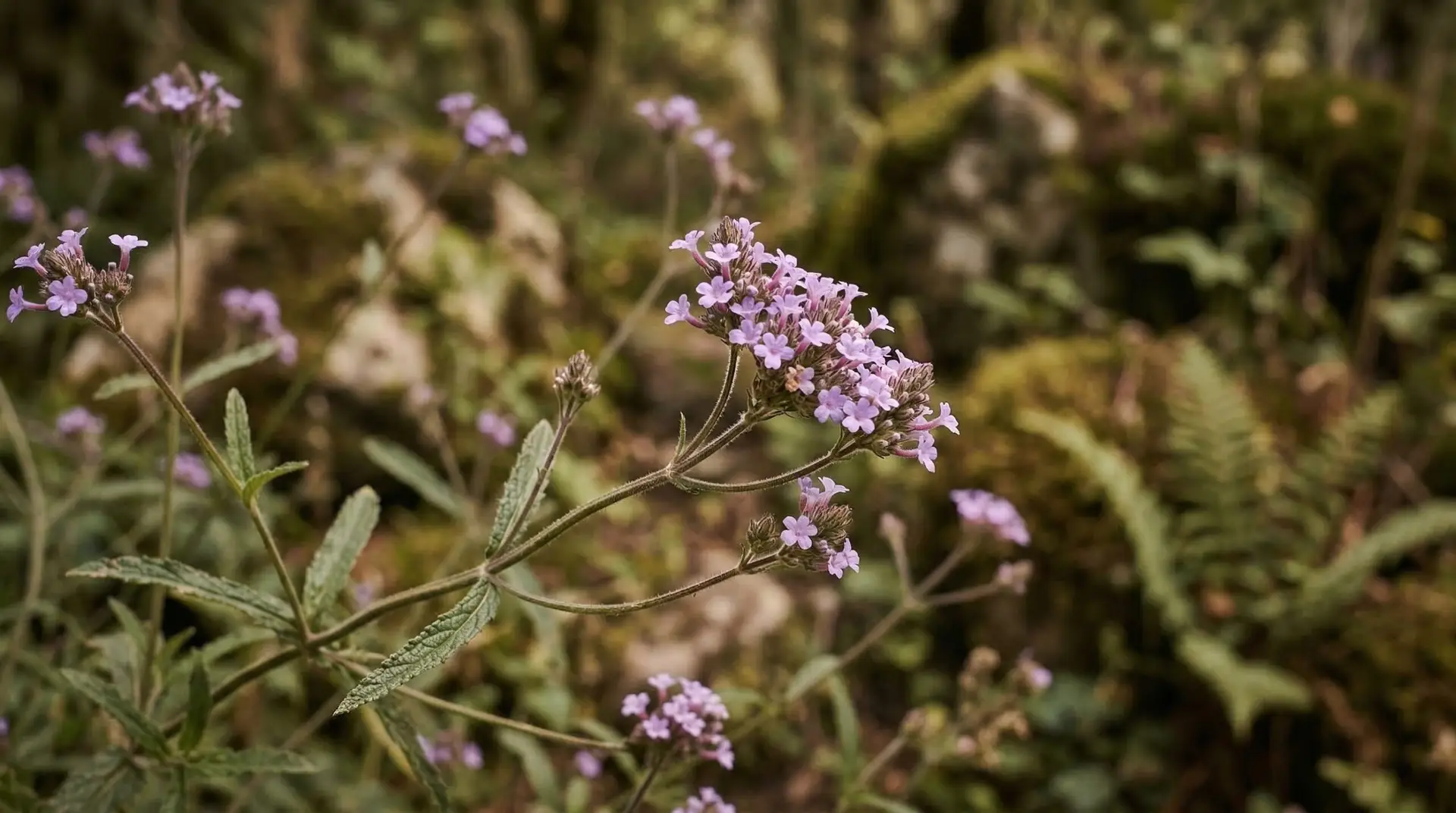
In the first century, the Roman author Pliny the Elder recorded the strict protocols required to harvest a plant so powerful that diplomats carried it to guarantee treaties. The Romans called this plant Verbena officinalis, a humble weed with slender spikes of pale lilac flowers that possessed no obvious physical defenses or striking beauty. Yet this unassuming botanical specimen held immense spiritual weight across the ancient world. Before a Roman envoy could negotiate peace with a rival nation, priests known as fetials gathered verbena from the sacred Capitoline Hill to purify the diplomats and bind their oaths. The plant became synonymous with the concept of a sacred pledge. To break a treaty sworn on verbena was to invite the wrath of Jupiter himself. The history of this plant reveals how ancient civilizations projected their deepest desires for order, protection, and divine connection onto the natural world.
Contents 4 sections
The sacred herb of Roman altars and ancient oaths
The word verbena originally functioned as a broad Latin term for any sacred bough or leafy branch used in religious ceremonies, including olive, myrtle, and laurel. Over time, the designation narrowed to identify a specific family of plants that grew wild across the Mediterranean basin. Roman priests swept the altars of their gods with bundles of these herbaceous stems to cleanse the stone of spiritual impurities before conducting sacrifices. Citizens adopted similar practices in their own homes, and they hung dried sprigs above their doorways to protect their households from misfortune and malicious spirits. The plant earned the title herba sacra, or the sacred herb, which reflected its ubiquitous presence in both state religion and domestic piety. The physical act of sweeping with the herb became a visual metaphor for sweeping away evil. When Pliny documented the natural history of his era, he noted that no plant was more highly honored among the Roman people than the common verbena.
Druidic rituals and the magic of the Celtic world
While the Romans incorporated verbena into their civic religion, the Celtic Druids of Northern Europe integrated the same plant into complex magical traditions. The Druids viewed the natural world as a repository of divine energy, and they treated the harvesting of sacred herbs as a precise science governed by celestial movements. According to ancient records, Druidic priests would only gather verbena when the dog star Sirius rose in the sky and the moon was absent. They approached the plant cautiously, offering honeycombs to the earth as compensation before using an iron-free instrument to lift the roots from the soil. The gathered stems were held aloft in the left hand and dried in the darkest spaces they could find. The Celts used the resulting preparations in lustral water to purify their sacred groves, brew protective tonics, and divine the future. These strict harvesting rules ensured the magical properties of the herb remained intact.
The Celtic association with magic deeply influenced the verbena flower meaning in later European folklore. Medieval practitioners of magic believed the plant could secure the affections of a reluctant lover if the leaves were rubbed against the skin. People wore amulets containing the dried flowers to ward off enchantments, believing the sacred nature of the herb neutralized dark magic. This protective reputation extended to physical spaces, with farmers planting borders of the herb around their fields to guarantee a successful harvest and protect their crops from blight. The plant acted as a botanical shield against the unknown terrors of the medieval world. Even as agricultural practices evolved, the rural populations of Europe maintained a persistent faith in the defensive properties of the common vervain. They passed these protective superstitions down through generations of oral tradition.
Christian legends and the herb of the cross
As Christianity spread across Europe, the new religion frequently absorbed the botanical lore of the cultures it encountered. Verbena transitioned seamlessly from a pagan magical herb into a deeply venerated Christian symbol known as the Herb of the Cross. According to widespread medieval legend, the plant was discovered growing at the base of the cross on Mount Calvary, where it received the blood of Christ. This origin story completely transformed the verbena symbolism from a tool of earthly magic into a vessel of divine grace. Believers claimed the plant possessed miraculous healing properties because of this sacred baptism, and they used it to staunch bleeding and treat deep wounds. The folklore instructed Christians to cross themselves and recite a specific prayer before harvesting the plant to ensure the medicinal preparations retained their holy efficacy. The prayers replaced the old Druidic honey offerings, but the reverence for the physical plant remained identical.
The practical application of verbena in traditional medicine often blurred the line between physical healing and spiritual intervention. Apothecaries prescribed vervain teas to treat fevers, soothe nervous disorders, and cure digestive ailments. The herb took its place in the medieval medicine cabinet alongside other revered plants, sharing a therapeutic tradition similar to the calming properties associated with lavender in early monastic gardens. Physicians believed the bitter taste of the verbena leaves indicated a strong medicinal potency, following the ancient doctrine that effective medicine must challenge the senses. While modern science has identified compounds in the plant that do possess mild anti-inflammatory properties, the historical usage relied heavily on the psychological comfort of consuming a sacred artifact. The physical plant provided a tangible connection to the protective legends that had surrounded it for millennia. Patients drank the bitter infusions with absolute faith in their curative power.
Modern gardens and the living history of verbena
During the nineteenth century, the strict rules of Victorian flower language assigned new layers of meaning to the ancient herb. The compilers of floral dictionaries decided that verbena symbolism should indicate sensibility and enchantment, a polite nod to its long history as an ingredient in love potions and druidic magic. Plant hunters operating during this era began introducing new, vividly colored species from South America, and expanded the botanical family far beyond the pale medicinal weeds of antiquity. These new introductions caught the attention of European hybridizers, who spent decades crossing the species to produce the large, clustered blooms that populate contemporary flower beds. The Dutch developed many of these early breeding techniques in the 1800s, and modern hybridizers still use variations of the same approach. Modern gardeners often pair these trailing hybrids with the classic rose to create layered, historically rich garden designs. The bright purple, red, and white cultivars sold in garden centers today might look different from the wild stems gathered by Roman priests, but they carry the exact same botanical lineage.
The story of verbena demonstrates how a single plant can adapt to the spiritual needs of entirely different civilizations. The Romans needed a guarantor of state oaths, the Druids required a conduit for earthly magic, and medieval Christians sought a tangible reminder of divine sacrifice. Each culture looked at the exact same herbaceous weed and saw a reflection of its own highest values and deepest fears. When a modern gardener pinches back the stems of a potted verbena to encourage new blooms, they are participating in a physical interaction that stretches back to the dawn of recorded history. The plant remains a quiet witness to human civilization, and holds centuries of sacred oaths, whispered prayers, and protective magic within its roots. Growing this ancient herb today keeps the long, complex history of human botanical worship alive in the modern soil.
More About Verbena
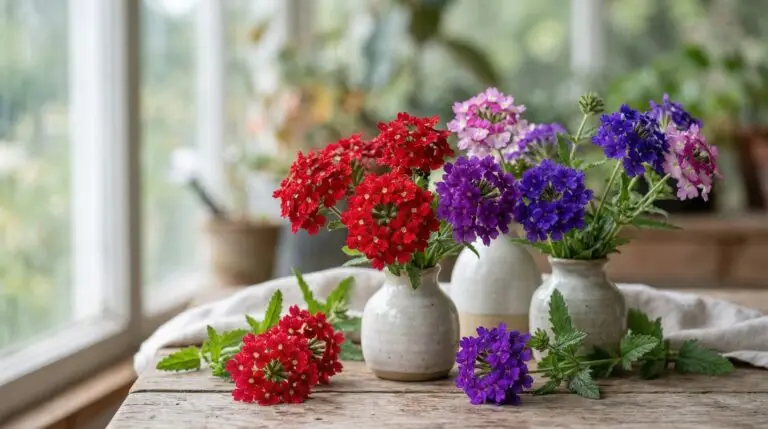
Best verbena varieties from trailing Superbena to tall bonariensis purple towers
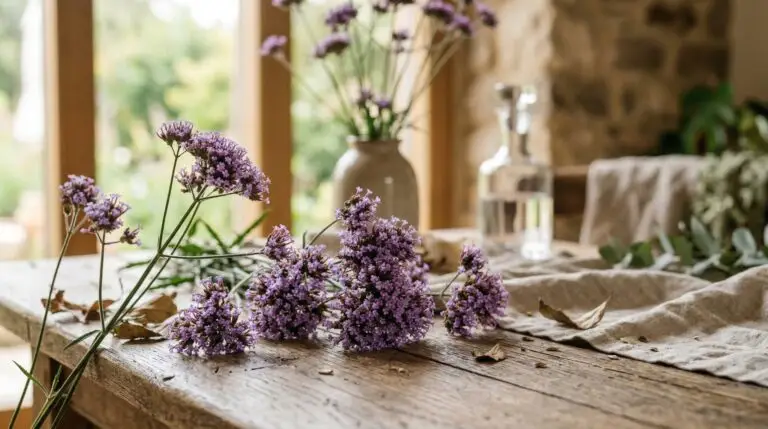
Verbena as a butterfly garden essential that attracts dozens of species all summer
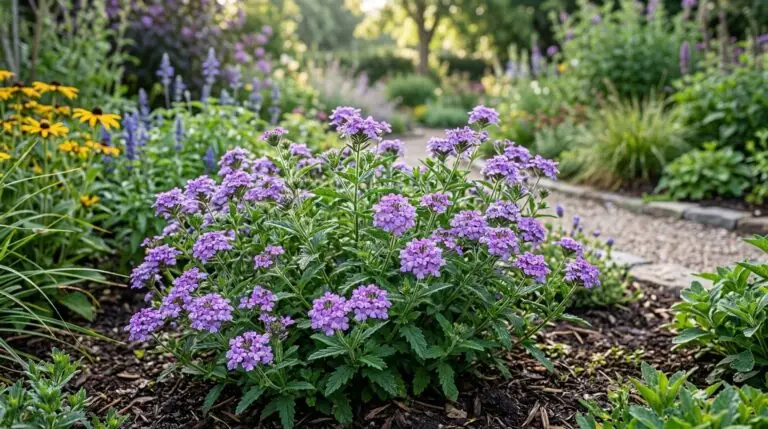
Why verbena gets powdery mildew and how to prevent the white coating on leaves
Growing verbena from seed and cuttings for more plants from your favorites
Growing verbena in hanging baskets and containers for trailing summer cascades
Homestead Purple verbena the tough perennial ground cover that blooms for months
Companion plants for verbena: what to grow and what to avoid
How to grow verbena for non-stop clusters of color that bloom through heat and drought
Enjoying our flower guides? Add YourFlowersGuide as a preferred source on Google. It helps more readers find us.
Add to Preferred Sources