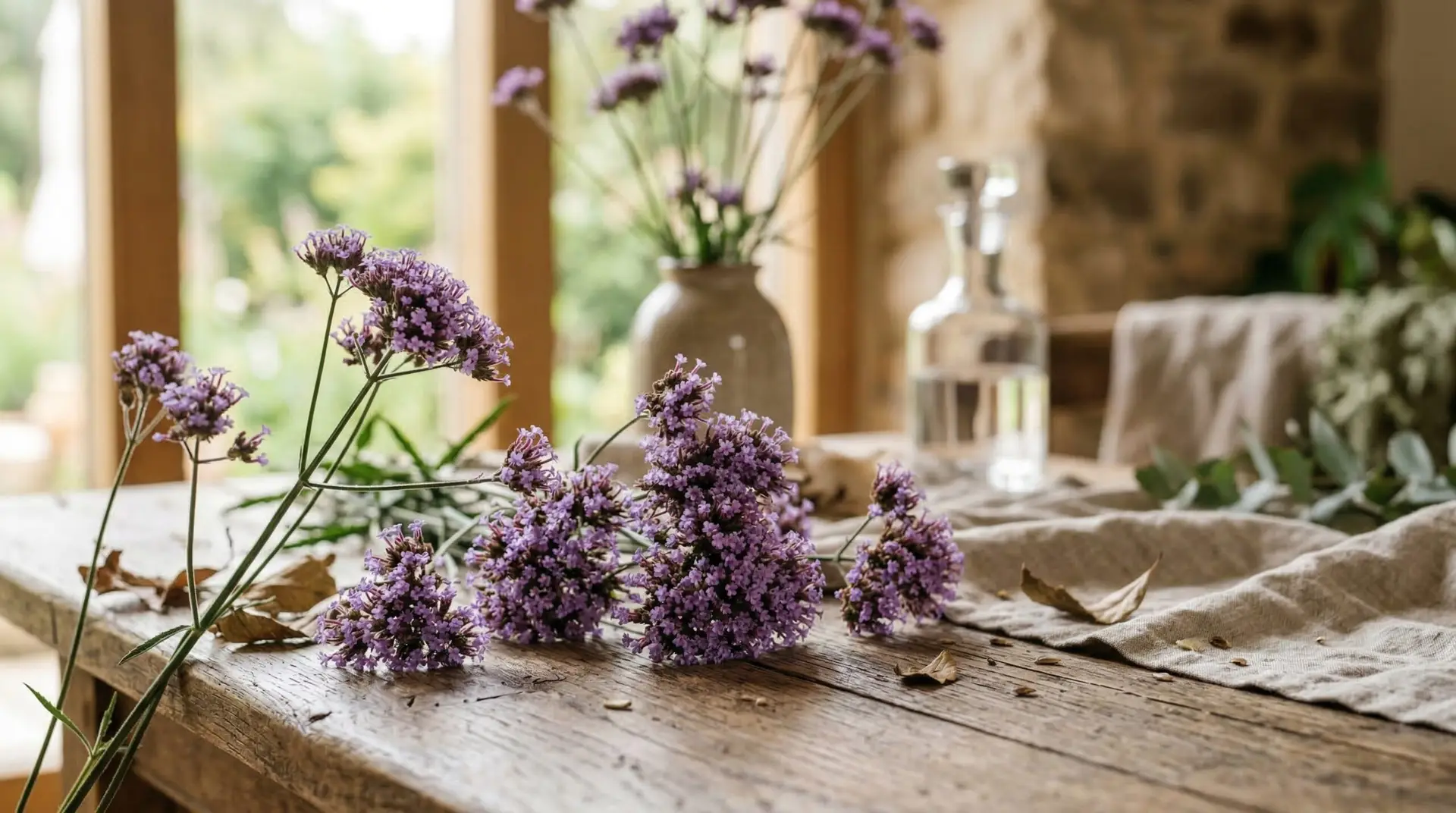
The August morning breaks with a heavy dew that clings to the wiry stems of the tall verbena. I watch from the edge of the border as the sun clears the tree line and catches the moisture, turning the garden into a field of temporary glass. The verbena stands head-high, entirely unbothered by its own height, swaying slightly in a wind I cannot feel. Before the moisture has even evaporated from the purple florets, the first eastern tiger swallowtail arrives. It drops from the canopy, circles once, and settles onto the flat cluster of blooms with a quiet precision. The insect uncoils its proboscis, probing the tiny tubular flowers one by one. This is the daily awakening of the verbena, a plant that does not simply exist in the dirt but orchestrates the life above it.
To understand the draw of verbena butterflies, you have to look closely at the architecture of the flower head. Unlike deep bells or complex orchids that require specialized pollinators, the verbena offers a broad, flat landing pad composed of dozens of individual blooms. This sturdy platform accommodates the wide wingspans of monarchs, painted ladies, and great spangled fritillaries, allowing them to rest securely while they feed. They do not have to hover or fight for balance on a delicate petal. The nectar is shallow enough to be accessible, yet abundant enough to keep the insects returning hour after hour. As the morning warms, the swallowtails are joined by smaller skippers, their erratic flight paths ending abruptly when they find the purple clusters. The plant becomes a busy intersection of ecological commerce, trading sugars for the simple friction of pollen against legs and abdomens.
Watching the garden over the course of a single afternoon reveals the distinct personalities of the visiting insects. The monarchs are deliberate and heavy, gliding in with a slow confidence to claim the largest flower clusters for themselves. They spend long minutes on a single umbel, their orange and black wings opening and closing slowly in the sun like the pages of a heavy book. The painted ladies are far more restless, flitting from stem to stem, taking only brief sips of nectar before a perceived threat sends them spiraling upward. Silver-spotted skippers dart through the foliage with a frantic, buzzing energy, often chasing the larger butterflies away from prime feeding spots. The verbena accommodates them all with equal indifference, its stiff stems barely bowing under the weight of the heaviest visitors. This daily gathering turns a simple flower border into an active theater of survival and sustenance.
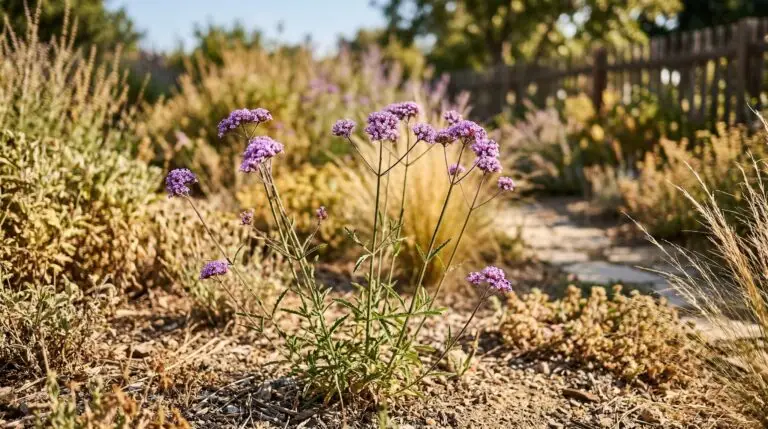
Among the many varieties available to growers, Verbena bonariensis holds a specific authority in the garden. It grows with a skeletal grace, pushing up stiff, square stems that branch sparsely and carry very few leaves. Because its foliage is concentrated near the ground, it does not shade out its neighbors, instead weaving its purple umbels through the empty air above other plants. I often let it self-seed where it chooses, finding that it knows better than I do where it belongs. It rises effortlessly through the dense green foliage of coneflower patches, adding a layer of floating color to the sturdy daisy shapes below. Pulling up out-of-place seedlings feels like a small act of cruelty, but crowded plants compete for light and water until none of them thrives. The ones that remain grow strong, anchoring the back of the border and waiting for the migrating insects to find them.
Creating a space for winged visitors
Building a butterfly garden verbena habitat requires thinking less like a decorator and more like a foraging insect. Butterflies navigate by sight and scent over long distances, and a single isolated plant rarely catches their attention. They look for mass and volume, a reliable source of calories to fuel their flight. I plant verbena in large, irregular drifts, mimicking the way it might colonize an open meadow. When paired with the spreading, heat-loving clusters of lantana, the garden offers a continuous feast that bridges the gap between early summer and late autumn. The gardening process here is largely about restraint, stepping back and allowing the plants to lean into each other and form a dense thicket of stems. In these tangled spaces, the verbena pollinators find food and secure shelter from predatory birds and strong afternoon winds.
The long season of sustenance
By the time August arrives, the soil is dry and the air holds a heavy, stagnant heat that discourages unnecessary movement. Many plants surrender to this weather, their leaves drooping and their flower production slowing to conserve energy. The tall verbena ignores the drought, continuing to push out new purple clusters at the tips of its branching stems. It stands alongside the airy, fern-like foliage of cosmos, both of them thriving in the harsh light and lean soil. I sit on the stone wall nearby and watch the constant rotation of visitors, noting how the bumblebees take the lower flowers while the butterflies claim the highest perches. The garden hums with a low, steady vibration of wings, a sound that belongs entirely to the late summer. The verbena provides a dependable anchor in this shifting season, asking for nothing and offering everything.
As the days grow shorter in September, the purple florets finally begin to fade, leaving behind hard, brown seed heads that rattle in the autumn wind. The butterflies have mostly moved on, following ancient migratory routes southward, fueled by the nectar they gathered from these very stems. Now the goldfinches arrive, clinging sideways to the wiry stalks to pick the tiny seeds from their casings. The plant has finished its primary work, yet it continues to feed the residents of this small patch of earth. Gardening is often an exercise in accepting loss, watching the green life of summer retreat into the cold ground. But looking at the exhausted, leaning stems of the verbena, I feel only a quiet satisfaction. The plant has fulfilled its purpose entirely, turning sunlight and water into a temporary refuge for the winged world, before dropping its seeds into the dark soil to begin the cycle again.
More About Verbena
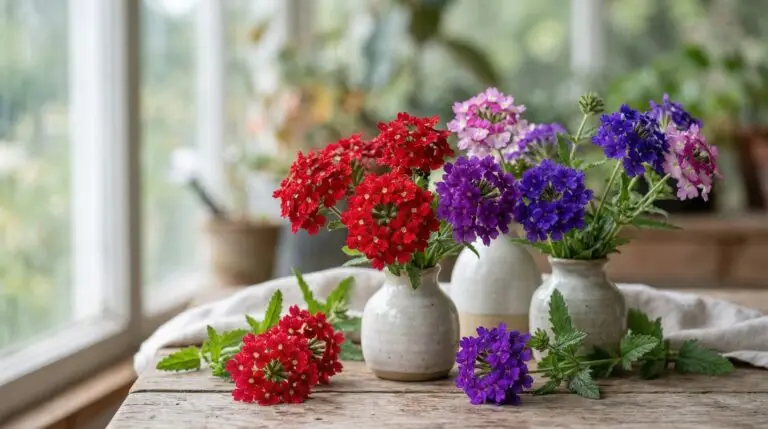
Best verbena varieties from trailing Superbena to tall bonariensis purple towers
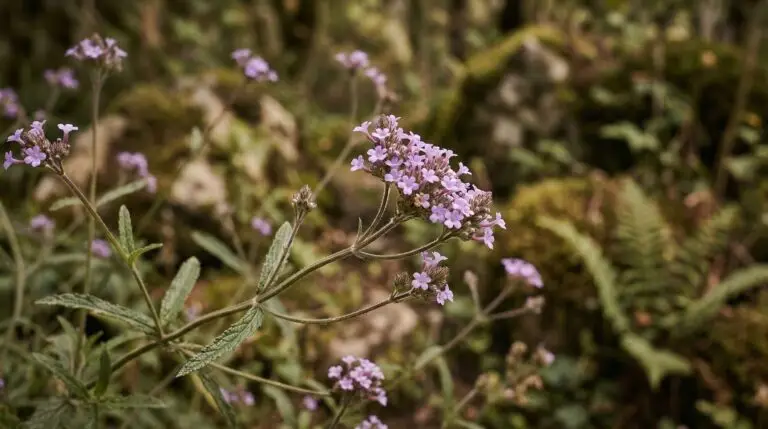
Verbena flower meaning and the sacred herb that ancient Romans used for altars and oaths
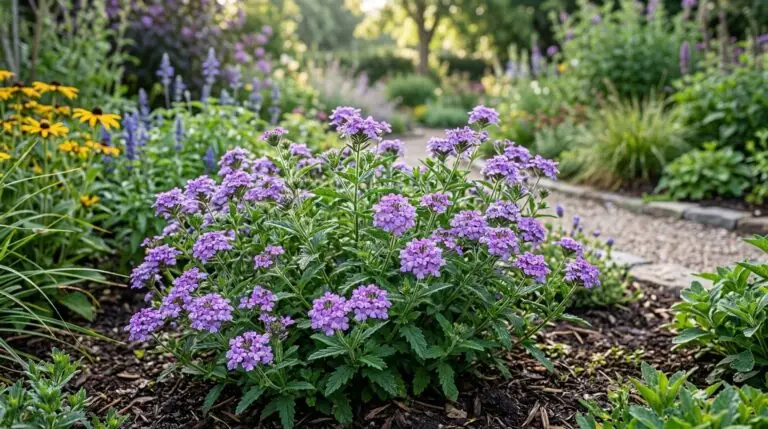
Why verbena gets powdery mildew and how to prevent the white coating on leaves
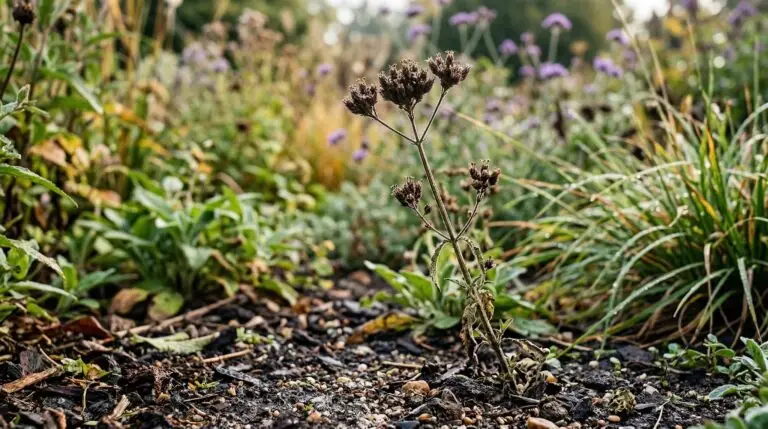
Growing verbena from seed and cuttings for more plants from your favorites
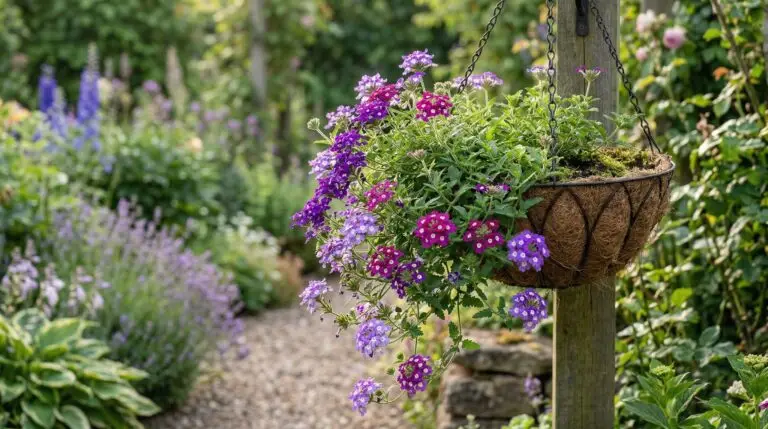
Growing verbena in hanging baskets and containers for trailing summer cascades
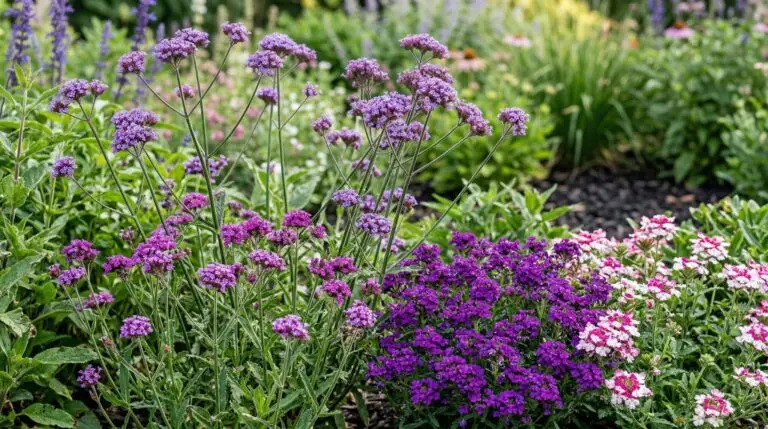
Homestead Purple verbena the tough perennial ground cover that blooms for months
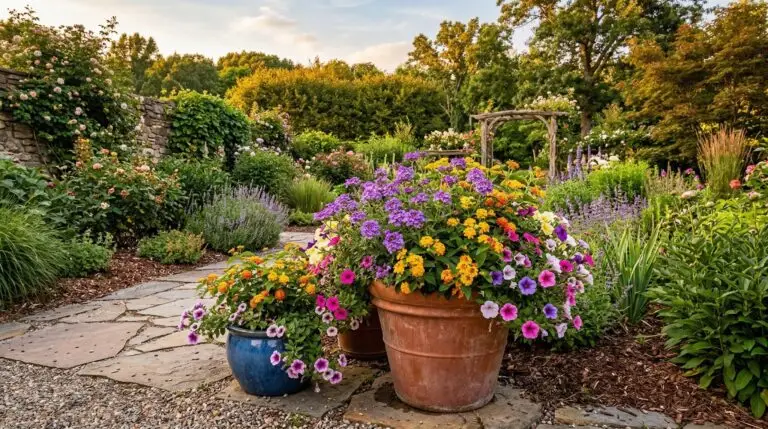
Companion plants for verbena: what to grow and what to avoid
How to grow verbena for non-stop clusters of color that bloom through heat and drought
Enjoying our flower guides? Add YourFlowersGuide as a preferred source on Google. It helps more readers find us.
Add to Preferred Sources