Contents 5 sections
Late winter brings the first signs of life
When the ground is still hard and the mornings smell of frost, the woodland garden appears entirely asleep. Beneath the surface of the cold soil, the thick, fleshy roots of Virginia bluebells are already stirring. As the days lengthen and the red-winged blackbirds return to the marshes, the earth begins to thaw and soften. If you are planting bare roots for the first time, this is the moment to tuck them into the damp ground, just an inch below the surface. For established patches, you must watch the soil closely as March arrives. Soon, tiny, deep purple shoots will push through the decaying autumn leaves, looking almost like small, bruised thumbs. This early emergence is a quiet promise that the long winter is finally breaking its hold on the garden.
The transition from those first purple nubs to recognizable foliage happens with startling speed. Once the daytime temperatures rise and the spring rains begin to fall, the shoots unfurl into smooth, oval leaves that shift from purple to a soft, grayish green. The plant is rushing to capture the sunlight streaming through the bare branches of the deciduous trees above. It is a race against time, because the canopy will soon leaf out and plunge the forest floor into deep shade. You can almost feel the urgency in the air as the stems thicken and stretch upward day by day. The entire plant seems to inflate with water, becoming plump and brittle as it prepares for its brief season in the sun.
Early spring delivers a sudden rush of color
By the time you hear the spring peepers calling from the wet lowlands at dusk, the Virginia bluebells are ready to put on their show. Tight clusters of buds form at the top of the stems, starting out as a surprisingly bright, clear pink. As the buds swell and open into nodding, tubular flowers, the color transforms into a brilliant sky blue. The sight of these pink and blue bells hanging together on the same stem is one of the most reliable markers of true spring. Bumblebees, fresh from their winter hibernation, visit the bells in search of early nectar. The damp soil smells rich and earthy, and the garden feels alive with movement and sound.
This is the season when the woodland border is at its most active, and Virginia bluebells look best when surrounded by other shade lovers. You might notice the nodding, early blossoms of a hellebore blooming quietly nearby, sharing the cool spring moisture. The bluebells create a soft, flowing sea of color that contrasts beautifully with the darker, evergreen foliage of their neighbors. Because the bluebells will not stay around for long, pairing them with plants that emerge at the same time helps build a layered, complex garden bed. The gardener’s job right now is simply to watch, keep the soil moist if the spring is unusually dry, and take mental notes of where the clumps are thickest.
Late spring signals the beginning of the retreat
The glory of the spring ephemeral is tied directly to its fleeting nature. As May warms into June and the tree canopy finally closes overhead, the Virginia bluebells begin their rapid decline. The blue flowers drop away, leaving behind small, green seed pods that eventually turn brown and spill their contents onto the soil. The foliage, which was so robust just weeks ago, starts to lose its color and flop toward the ground. The leaves turn yellow, then brown, and finally dissolve entirely into the earth. It is a natural process of senescence that happens every year, yet it can be alarming to a new gardener who assumes the plant is dying from a disease.
You must resist the urge to cut the yellowing foliage away too early. The plant is busy drawing energy from those dying leaves back down into its fleshy taproot, storing up food for the long dormancy ahead. Let the stems collapse naturally, allowing the surrounding plants to grow up and obscure the fading bluebells from view. By the time the summer solstice arrives, there will be almost no trace of them left above the ground. The soil surface will look exactly as it did in late winter, completely bare and waiting. The ephemeral has successfully completed its visible life cycle for the year.
Summer requires careful planning for the empty spaces
July brings intense heat and the complete disappearance of the Virginia bluebells, leaving a noticeable gap in the garden bed. This summer dormancy is the defining trait of a spring ephemeral, requiring the gardener to plan ahead for the long, hot months. If left unaddressed, the empty patches will quickly fill with opportunistic weeds. To prevent this, you can rely on later-emerging perennials to take over the visual space once the bluebells retreat. The spreading foliage of a hardy geranium can easily stretch across the bare soil, offering fresh green leaves and sporadic summer blooms. The garden simply shifts its focus, allowing new characters to step forward while the early spring performers sleep quietly below.
Managing this disappearing act also means keeping track of where the dormant roots are hiding. It is very easy to forget the exact location of the bluebells by August, leading to accidental digging and severed roots when you try to plant something new. Experienced gardeners often use physical markers, placing a small stone or a wooden stake right where the bluebells went dormant. You can also fill the empty space with shallow-rooted shade annuals that will not disturb the sleeping ephemerals below. Tucking a few impatiens into the top layer of soil provides continuous summer color without competing for the deep root space. The garden remains full and active, even though a major component of the bed has entirely vanished.
Autumn brings a quiet end to the growing year
As the summer heat finally breaks and the autumn leaves begin to fall, the garden enters its final phase of the year. The Virginia bluebells have been asleep for months, completely unaffected by the August droughts or the late summer storms. Now, the dropping leaves from the deciduous canopy provide a natural mulch, blanketing the soil and insulating the dormant roots. The gardener should let this leaf litter remain, as it mimics the natural forest floor environment where these plants thrive. The decaying organic matter will slowly break down over the winter, feeding the soil and preparing it for the next cycle of growth. There is no pruning, watering, or fertilizing required at this stage.
When the first hard frosts arrive and the rest of the garden finally dies back to the ground, the bluebells are already well ahead of the game. They have rested through the exhaustion of summer and the cooling of autumn, holding all their energy safely underground. The winter snows will come and go, pressing the leaf mulch down tightly against the frozen earth. Beneath that protective layer, the fleshy roots sit plump and waiting. And then, just as the last winter storms begin to weaken, the tiny purple shoots will gather their strength to push upward once again.
More About Virginia Bluebells
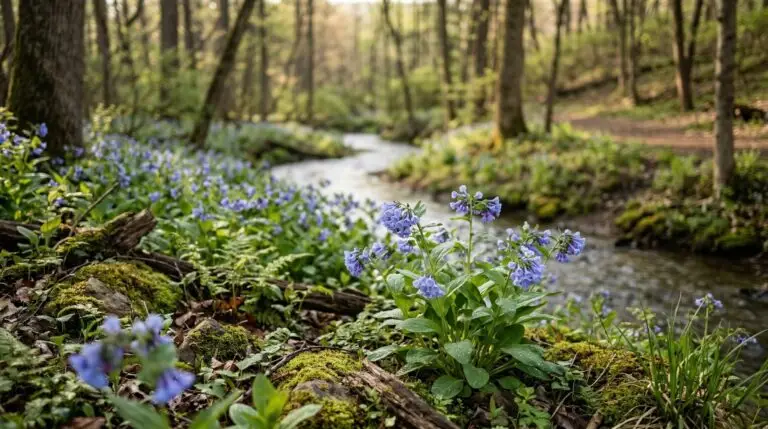
Where to see Virginia bluebells in the wild and the best springtime woodland hikes
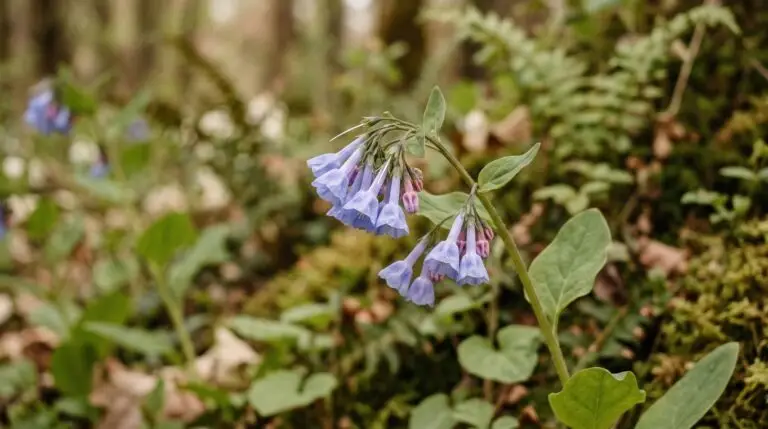
Virginia bluebells flower meaning and the native wildflower that colors eastern woodlands blue
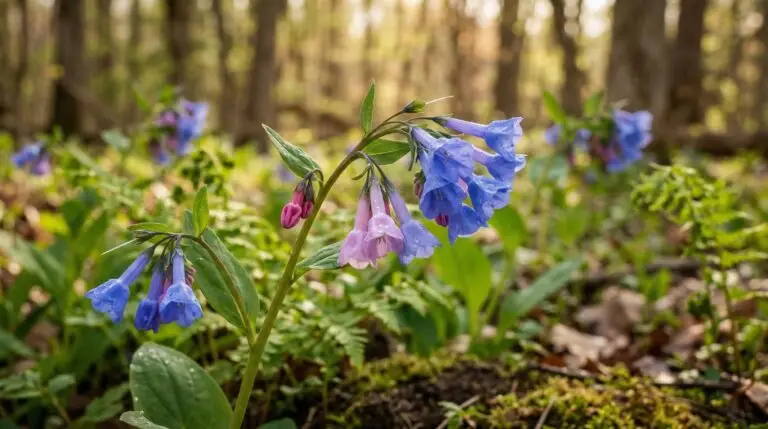
Why Virginia bluebell flowers change from pink buds to blue and the pH science behind it
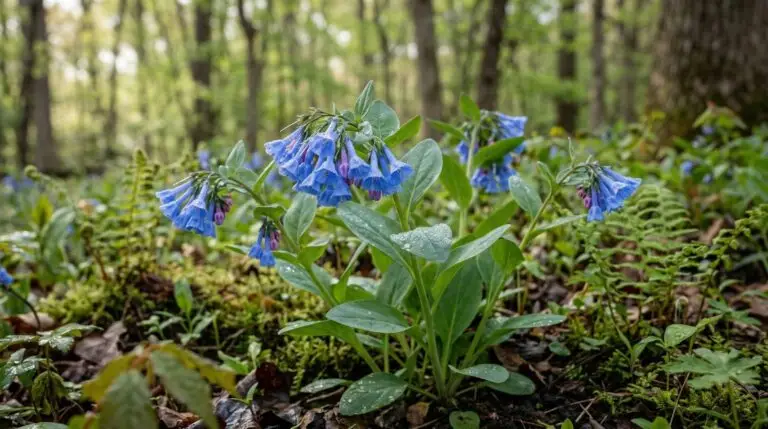
How to grow Virginia bluebells for dreamy blue drifts in spring woodland gardens
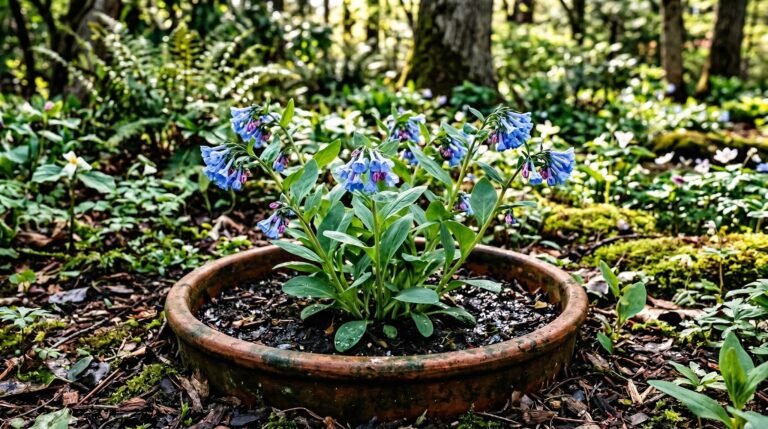
Growing Virginia bluebells in containers for a spring shade garden on a patio
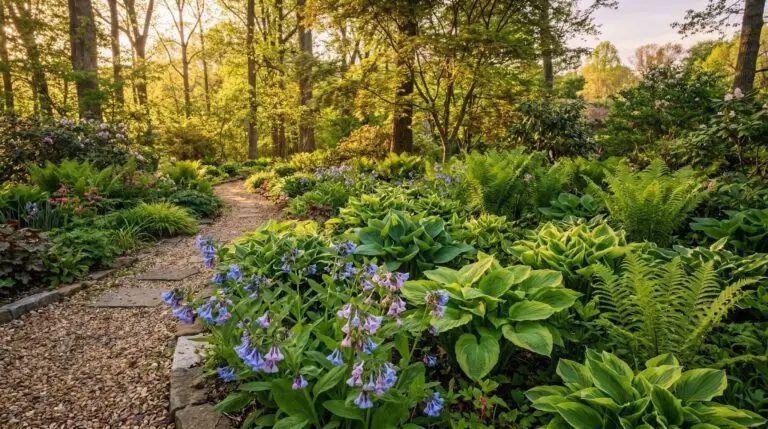
Virginia bluebells companions: what to plant and avoid
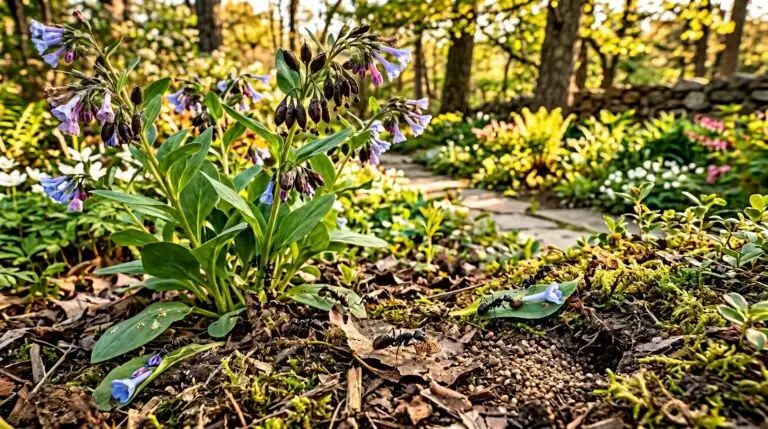
Naturalizing Virginia bluebells in woodland areas for expanding blue carpets every spring
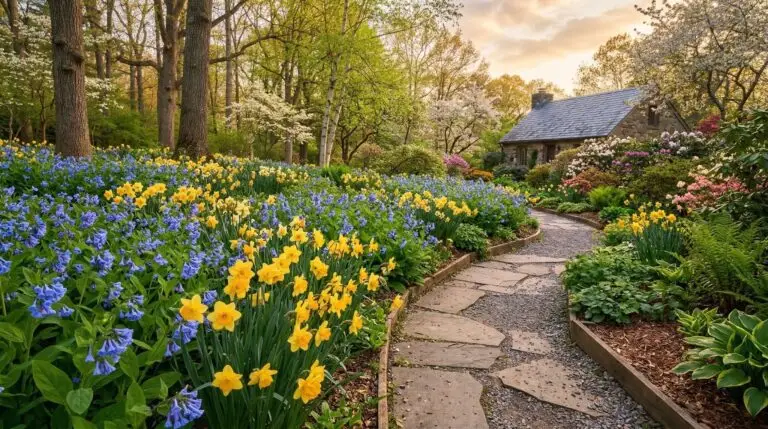
Virginia bluebells combined with daffodils for the ultimate spring woodland color combination
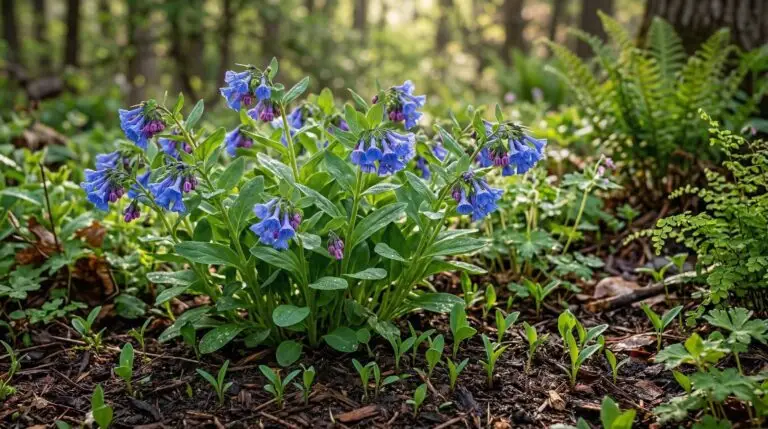
Growing Virginia bluebells from seed and the double dormancy that tests your patience
Enjoying our flower guides? Add YourFlowersGuide as a preferred source on Google. It helps more readers find us.
Add to Preferred Sources