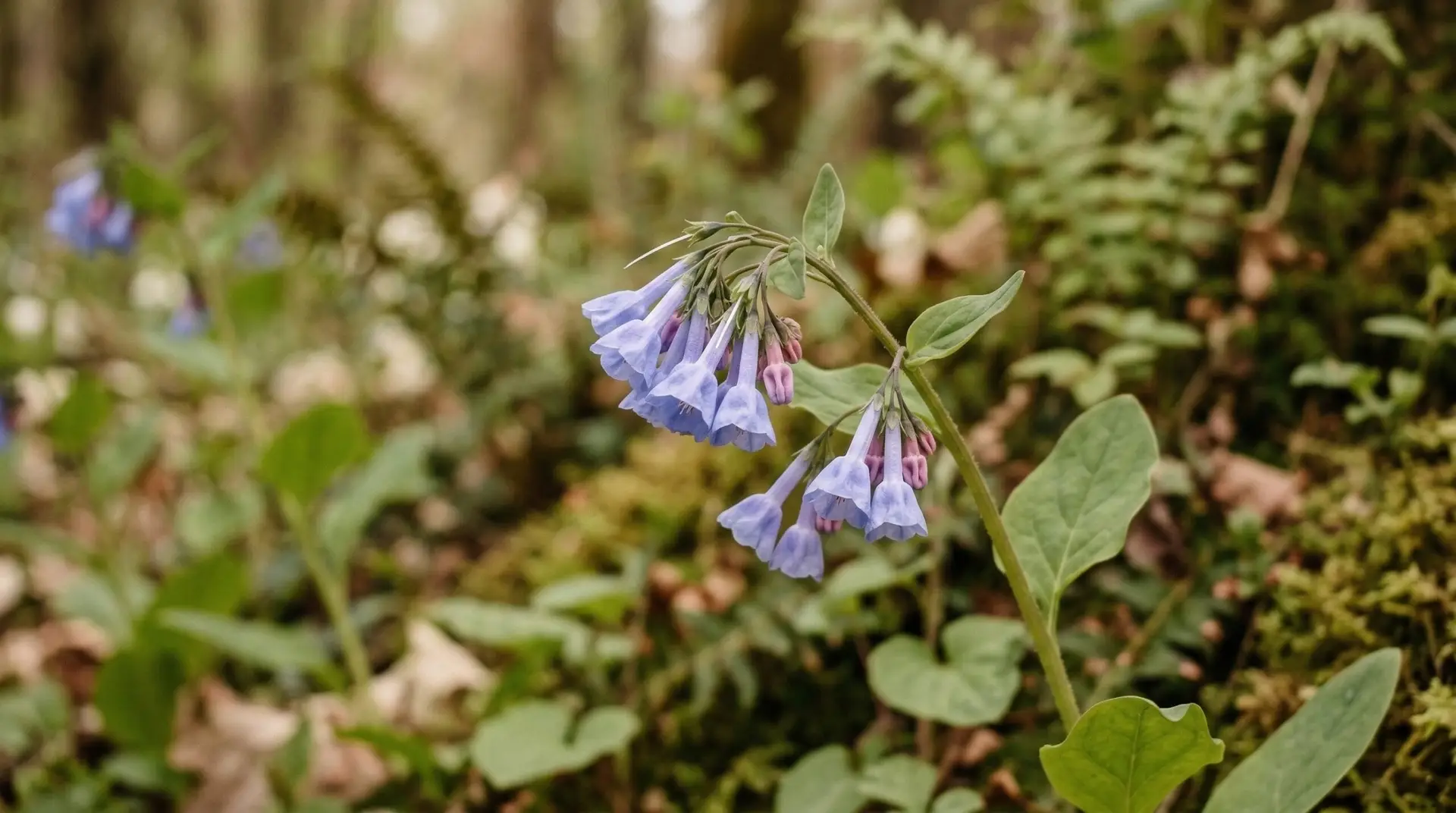
Long before the oak and hickory trees unfurl their canopy, the forest floor wakes up. The soil is still cold, dark with winter decay, but a subtle shift happens in the damp earth near riverbanks. Green shoots push through the matted leaves, carrying tight clusters of buds that look more like tiny pink pearls than flowers. This is the quiet entrance of Mertensia virginica, a plant that has grown in these eastern woodlands for centuries. Long before European botanists cataloged it, Native American tribes knew these riverbanks would soon wash in a sea of blue. The Cherokee and other eastern tribes recognized the plant as a sign that the hard winter was finally breaking. They used parts of the plant for medicinal treatments, treating respiratory ailments with the roots and leaves. The appearance of the flowers was a reliable calendar marker, a biological clock ticking in the damp soil that signaled the time for spring hunting and gathering.
Contents 4 sections
The quiet arrival of early spring
The life cycle of the Virginia bluebell moves with an urgency dictated by the sun. Because they grow on the forest floor, these plants must complete their entire above-ground life before the trees overhead leaf out and block the light. The stems rise quickly, reaching perhaps two feet in height, with smooth, oval leaves that look almost dusted with a gray-green powder. The flower buds begin as a distinct, soft pink. As the days lengthen and the soil warms, a chemical shift happens within the petals, changing the sap acidity. The pink buds expand into bell-shaped flowers that open into a clear, sky blue. This transformation from pink to blue happens over just a few days, creating a moment where a single cluster might hold both colors at once. It is a biological necessity rather than a decorative choice, signaling to early pollinators that the nectar is ready.
Bumblebees are the primary beneficiaries of this early nectar source. Queen bumblebees, emerging from their underground winter hibernation, rely heavily on these early blooms to build their strength and start their new colonies. The tubular shape of the bluebell requires a long tongue to reach the nectar hidden inside the bell. Butterflies also visit, hovering over the colonies of blue that stretch along the floodplains. The timing of this bloom is precise, often overlapping with the very end of winter. Just as the snowdrop pushes through the frost to announce the first break in the cold, the Virginia bluebell arrives to confirm that spring has actually taken hold. The plants form massive colonies in their native habitats, spreading by underground rhizomes and dropped seeds to cover acres of woodland in a wash of color.
Finding meaning in a fleeting season
The Virginia bluebells meaning is tied directly to this brief, hurried life cycle. Because the flowers appear so early and vanish so quickly, they carry a strong association with the ephemeral nature of beauty. They remind observers that some things are meant to be experienced in the moment rather than preserved or held onto. When people talk about mertensia symbolism, they often focus on humility and gratitude. The plant does not demand a long season in the sun, nor does it try to compete with the loud, heavy blooms of high summer. It does its work quietly in the damp shade, provides for the early insects, and then gracefully bows out. Giving someone a gift of these flowers, or planting them in their honor, is a way of expressing thanks for a brief but meaningful presence in one’s life.
There is a specific melancholy attached to the bluebell meaning, though it is a gentle sort of sadness. The flowers fade almost as soon as they peak. By early summer, the leaves turn yellow and the entire plant disappears back into the earth, leaving no trace above ground. This disappearing act makes the weeks they are in bloom feel urgent and precious. While a forget-me-not asks the viewer to hold onto a memory permanently, the Virginia bluebell asks the viewer to appreciate the present moment before it slips away. The bluebell does not try to fight the changing season. It accepts the closing canopy of the trees and retreats to its roots, storing energy in the dark soil while the rest of the forest goes about its summer business.
Roots in the ancient woodland soil
The history of this plant is the history of the American woodland edge. When early European settlers pushed west from the Atlantic coast, they encountered vast stretches of these blue flowers growing in the rich, alluvial soil of river valleys. Thomas Jefferson grew them at Monticello, noting their appearance in his garden books as a reliable marker of the changing season. They were soon sent back to England, where they were planted in damp, shady borders and admired for their clear color. English gardeners were already familiar with their own native bluebells, which are a completely different species, but they welcomed the American plant for its distinct, upright clusters and soft foliage. The plant adapted well to cultivation, provided the soil remained moist and the summer sun did not bake the dormant roots. The transition from wild riverbank to cultivated garden did not change the plant fundamental nature or its strict internal clock.
Growing Mertensia virginica requires a gardener to think like a forest. The soil must be rich with leaf mold, mimicking the decades of fallen oak and maple leaves that feed the wild colonies. The location needs spring sunlight but summer shade, a combination found under deciduous trees or along the north side of a building. The seeds are heavy and usually fall straight to the ground, though ants sometimes carry them short distances to eat the fleshy appendage attached to the seed coat. This slow method of seed dispersal means that a wild colony of bluebells is a sign of undisturbed, ancient soil. When a gardener establishes a patch of these flowers, they are participating in a very slow, very old ecological process. It takes years for a single plant to multiply into a sweeping drift of blue, requiring patience and a willingness to let the garden dictate its own pace.
Planting a memory for next year
The true reward of living with Virginia bluebells comes in the waiting. After the flowers drop and the foliage melts away in June, the garden space looks entirely empty. A gardener might be tempted to dig in that spot, forgetting the dormant rhizomes sleeping just below the surface. Ferns and hostas are often planted nearby to unfurl their fronds and leaves just as the bluebells are retreating, covering the bare earth. The bluebells spend the long, hot summer and the freezing winter in total silence. They require no watering, no pruning, and no attention while they rest. They simply wait for the tilt of the earth to bring the spring sun back to the forest floor.
When that first warm week finally arrives in late March or April, the gardener watches the damp soil for the familiar purple-green shoots. The return of the bluebells feels less like a gardening success and more like the return of an old friend. The pink buds swell, the blue bells open, and the bees return to gather the nectar. The cycle begins again, exactly as it has for thousands of years in the river valleys of the east. The brief wash of blue reminds us to step outside, to feel the cold spring mud under our boots, and to look closely at the woodland floor. The beauty of the garden is not always in the things that stay, but in the things that are brave enough to arrive early and wise enough to leave when their work is done.
More About Virginia Bluebells
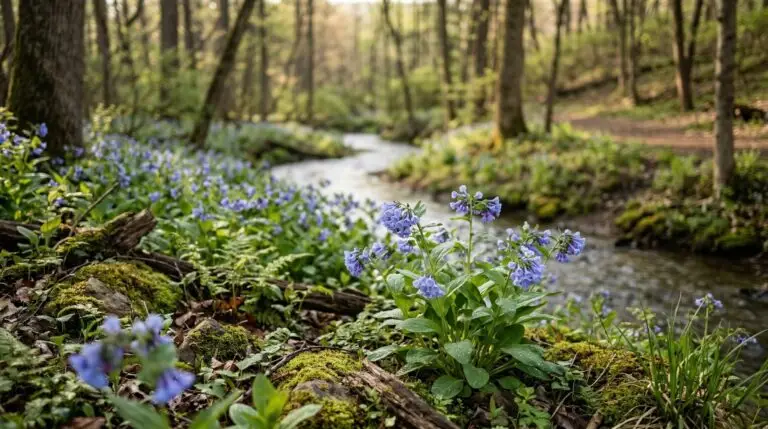
Where to see Virginia bluebells in the wild and the best springtime woodland hikes
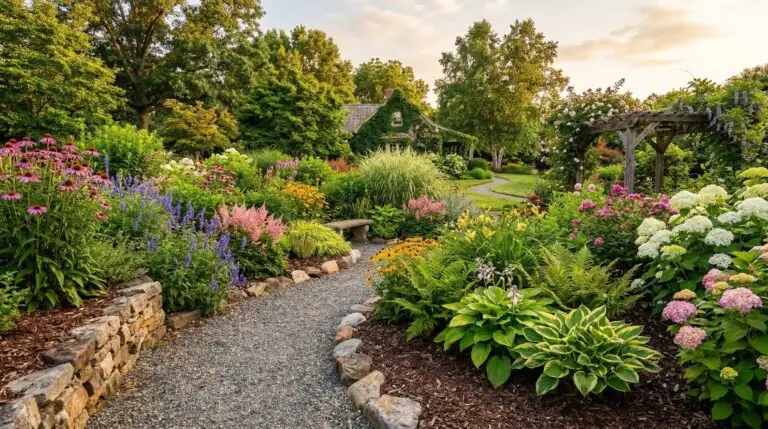
Virginia bluebells as spring ephemerals and planning for the gap when they vanish in summer
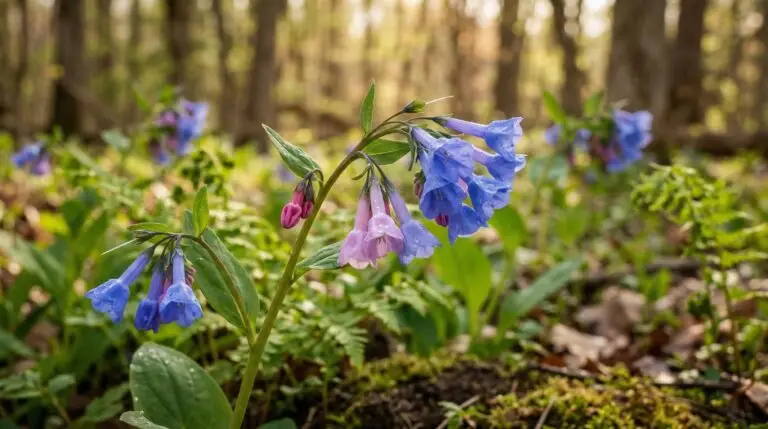
Why Virginia bluebell flowers change from pink buds to blue and the pH science behind it
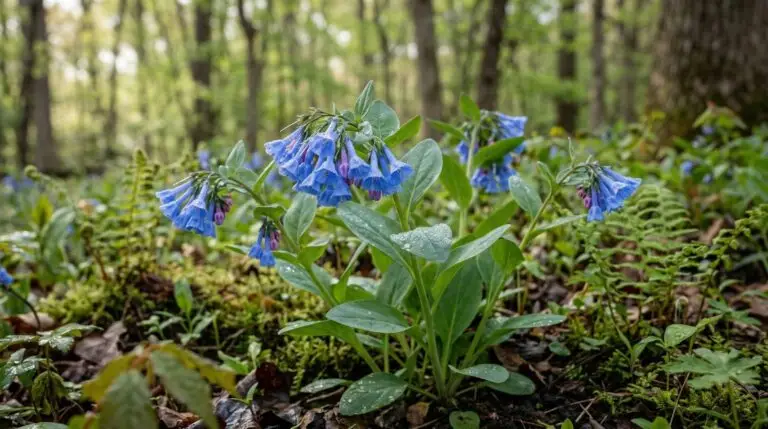
How to grow Virginia bluebells for dreamy blue drifts in spring woodland gardens
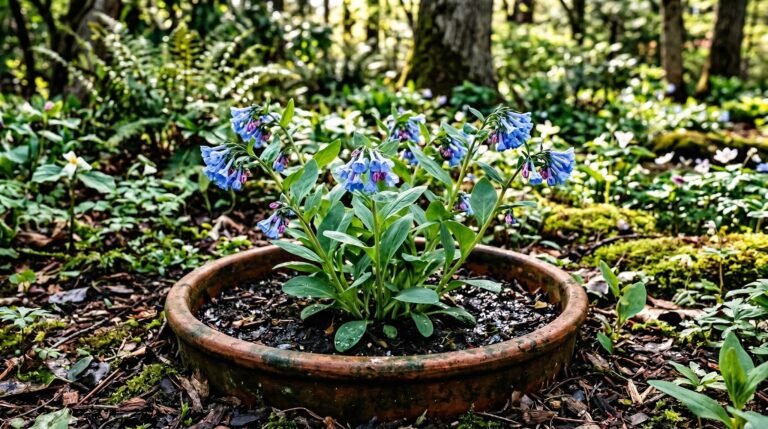
Growing Virginia bluebells in containers for a spring shade garden on a patio
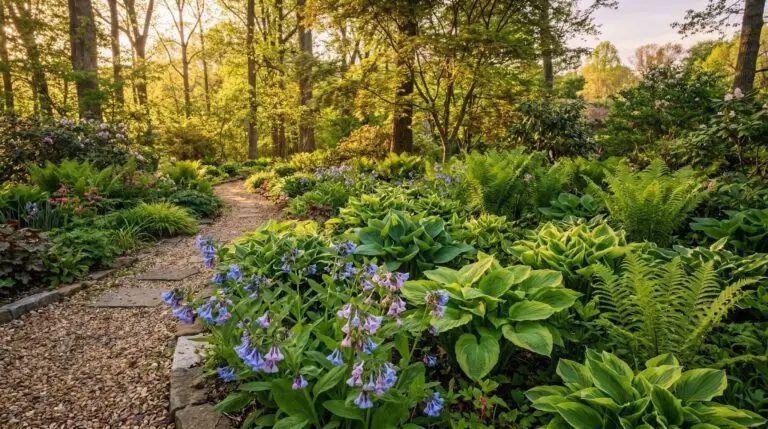
Virginia bluebells companions: what to plant and avoid
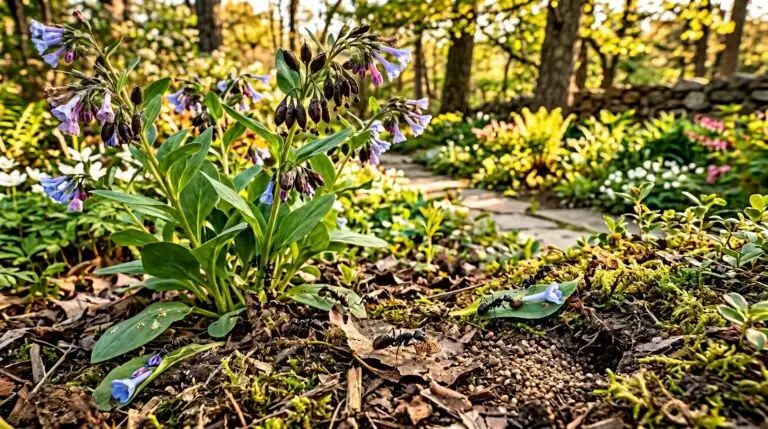
Naturalizing Virginia bluebells in woodland areas for expanding blue carpets every spring
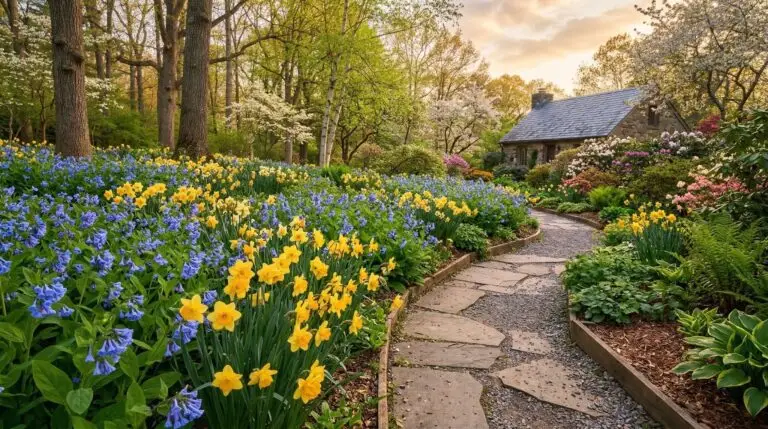
Virginia bluebells combined with daffodils for the ultimate spring woodland color combination
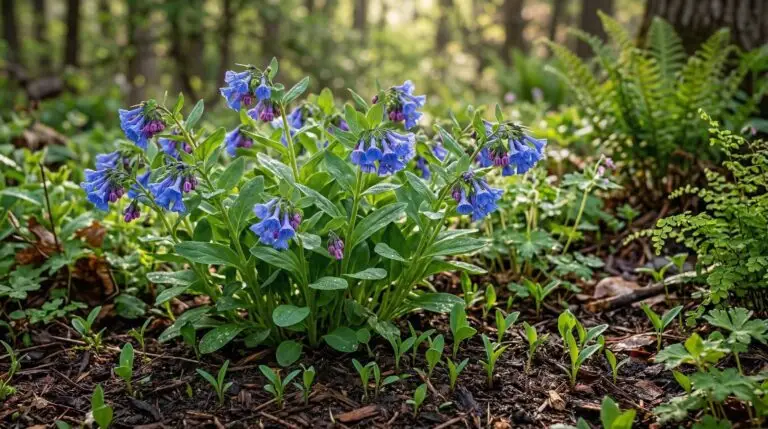
Growing Virginia bluebells from seed and the double dormancy that tests your patience
Enjoying our flower guides? Add YourFlowersGuide as a preferred source on Google. It helps more readers find us.
Add to Preferred Sources