Contents 3 sections
Finding the perfect spring wildflower walk
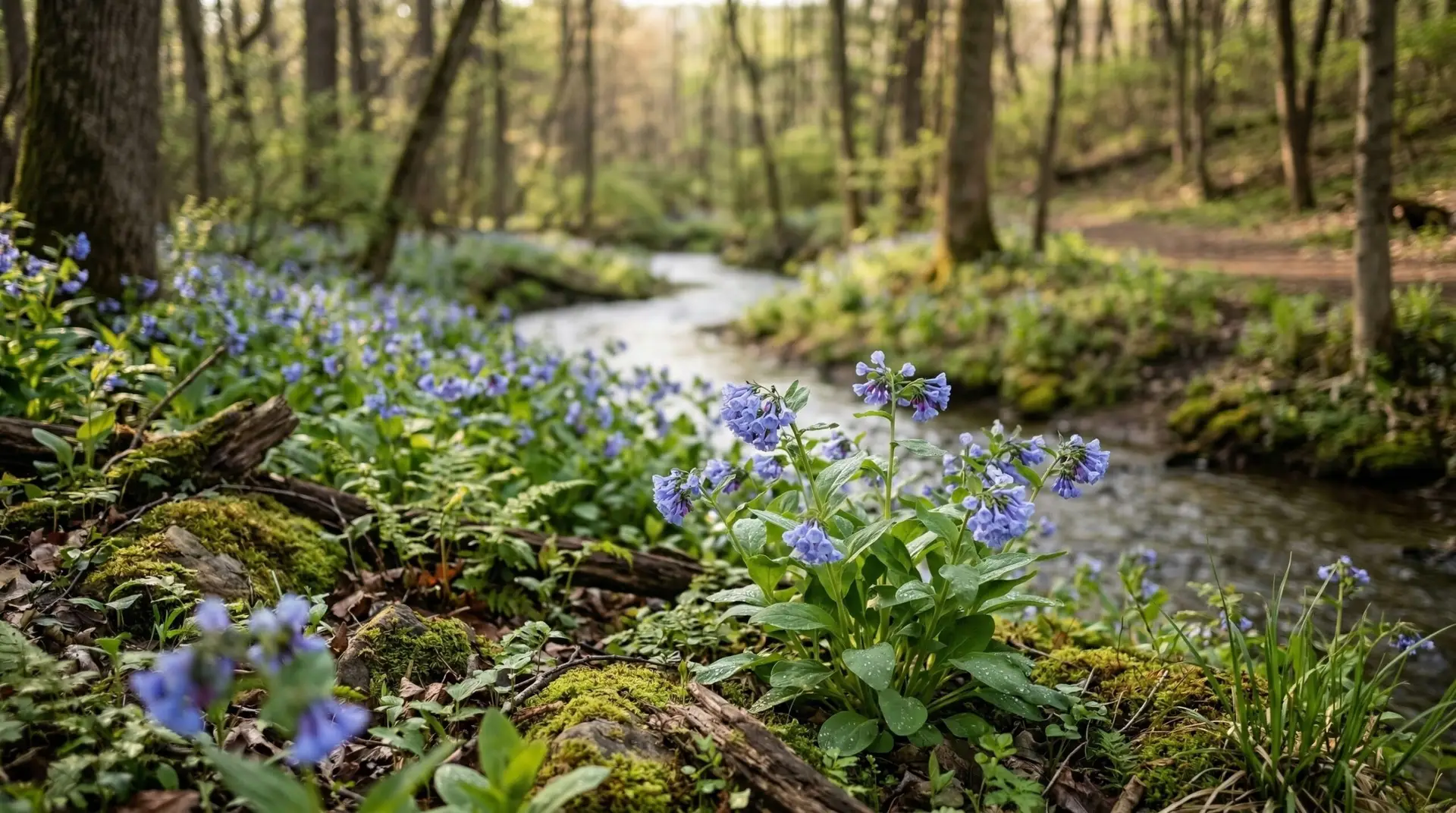
One of the first things plant enthusiasts ask when they start tracking spring blooms is exactly where to see Virginia bluebells in the wild. People want to experience that vast carpet of blue and pink flowers stretching through the woods before the trees leaf out. The timing of this trip is everything because Virginia bluebells are spring ephemerals with a very short window of glory. They typically make their appearance right after the very first signs of spring, often overlapping with the tail end of early bloomers like snowdrops that push through the late winter soil. Figuring out when to pack your hiking boots requires watching the weather closely, as an unusually warm week can push the bloom forward by several days. The natural follow-up question is what kind of environment actually supports these massive colonies in the wild. Virginia bluebells require specific floodplain and river bottom habitats where the soil stays rich, moist, and periodically flooded.
This leads directly into where you should plan your spring wildflower walks if you want the best possible view. Bull Run Regional Park in Virginia is widely considered one of the most reliable places to witness this seasonal event. The park has a trail that winds right through a massive floodplain along the stream, offering the exact damp conditions these plants crave. When you walk this trail in early to mid-April, the sheer volume of flowers creates a sea of pastel blue that stretches as far as you can see through the bare tree trunks. Many visitors wonder if they need special hiking gear for this particular location. Because the trail follows the river bottom, the path is almost always muddy, slick, and prone to large puddles during the spring thaw. Wearing waterproof boots is absolutely essential if you want to enjoy the walk without soaking your feet in the cold mud.
Exploring alternative woodland trails
People often ask if there are other, perhaps quieter, locations to see the bloom without the heavy crowds that flock to Bull Run. Merrimac Farm Wildlife Management Area offers another excellent opportunity for spring wildflower tourism with a slightly different atmosphere. This property has an expansive floodplain along Cedar Run, where the bluebells grow in thick clusters under the sycamore and oak trees. The trail network here is less manicured, giving hikers a much more rugged and natural experience in the woods. By the way, you might notice that the flowers closest to the water are often the largest and most robust in the entire colony. This happens because the river deposits fresh, nutrient-rich silt over the banks during winter floods, acting as a natural fertilizer for the dormant roots beneath the surface. The constant moisture and annual top-dressing of organic matter create the ideal growing conditions for these native plants.
A very common question from hikers is how to accurately predict the peak bloom before making a long drive to these parks. The blooming period usually lasts only about three weeks, starting with small pink buds that gradually open into bell-shaped blue flowers. You can often use the progress of cultivated spring daffodils in your local area as a rough indicator of when the wild bluebells might be waking up. Once the weather warms up enough for those familiar yellow garden flowers to open, the woodland bluebells are usually just a few days behind them. Tracking local park social media pages or calling the visitor centers directly is the best way to avoid arriving a week too early or a week too late. If you arrive too late, you will find only pale, fading blossoms and rapidly yellowing foliage. Catching the peak requires a bit of luck and flexibility in your weekend schedule.
Making the most of your bluebell hike
Once you are out on the trail, you might wonder how to interact with the environment without causing damage to the plants. The soil in these river bottom habitats is incredibly soft and fragile during the spring thaw. Stepping off the marked paths compresses the wet dirt, which damages the shallow root systems of the plants growing just below the leaf litter. Even if a patch of flowers looks empty, there are likely hundreds of dormant seeds and young sprouts hiding in the mud. Sticking strictly to the center of the established trails ensures that the colonies can continue expanding naturally year after year. Photographers often feel tempted to wade into the middle of a patch to get a better angle, but a zoom lens is a much better choice for protecting the habitat. Leaving the area exactly as you found it is the core rule of spring wildflower tourism.
Another fascinating aspect that hikers frequently ask about is the wildlife activity surrounding these massive floral displays. You will quickly notice a low humming sound echoing through the woods if you visit on a warm, sunny afternoon during peak bloom. Virginia bluebells are an essential early food source for long-tongued bees, butterflies, and even early-arriving hummingbirds that need nectar after a long migration. The shape of the flower dictates exactly which insects can access the nectar hidden deep inside the bell. Short-tongued bees cannot reach the bottom, so they sometimes chew a small hole in the side of the flower to steal the nectar without pollinating the plant. Watching these tiny interactions adds a completely new layer of appreciation to your woodland hike. Taking the time to observe the ecosystem at work makes the trip much more rewarding than simply snapping a few photos and heading home.
This brings up a question that many people never consider until they revisit the same trails later in the year: what happens to all these plants when summer arrives? If you walk through Bull Run or Merrimac Farm in July, you will find absolutely no trace of the massive bluebell colonies that dominated the woods in April. As soon as the tall deciduous trees overhead grow their leaves, the forest floor is plunged into deep shade. The Virginia bluebells respond to this shade and the rising summer heat by dropping their seeds and dying back completely to the ground. Their fleshy roots sit dormant under the soil through the hot summer, the crisp autumn, and the freezing winter. The entire plant rests out of sight, gathering energy in its underground storage organs. The roots simply wait in the dark for the snow to melt and the spring floods to signal the start of the cycle all over again.
More About Virginia Bluebells
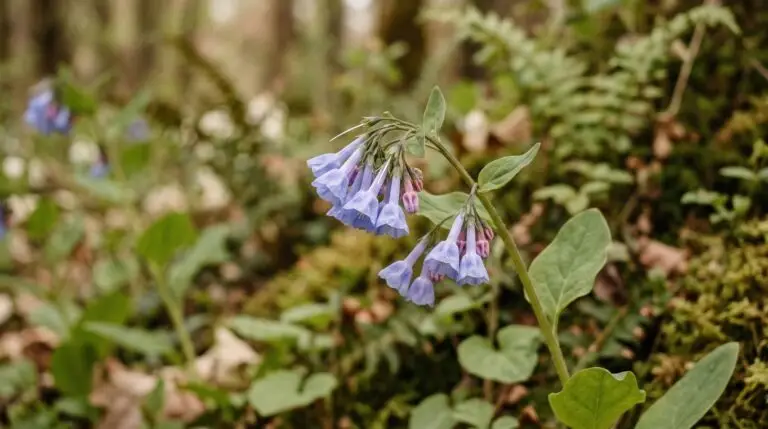
Virginia bluebells flower meaning and the native wildflower that colors eastern woodlands blue
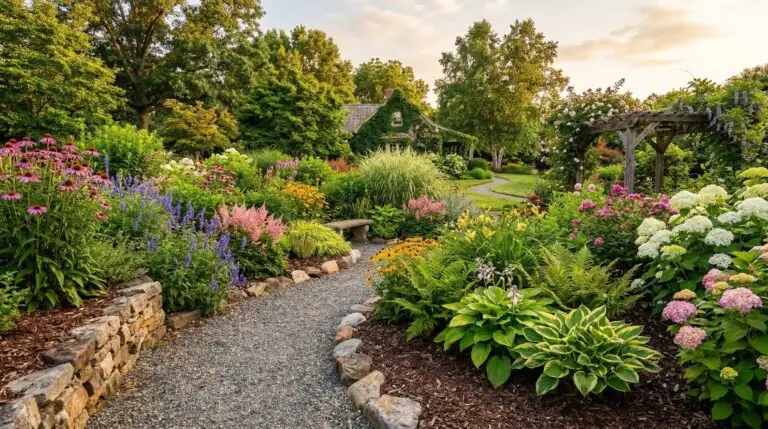
Virginia bluebells as spring ephemerals and planning for the gap when they vanish in summer
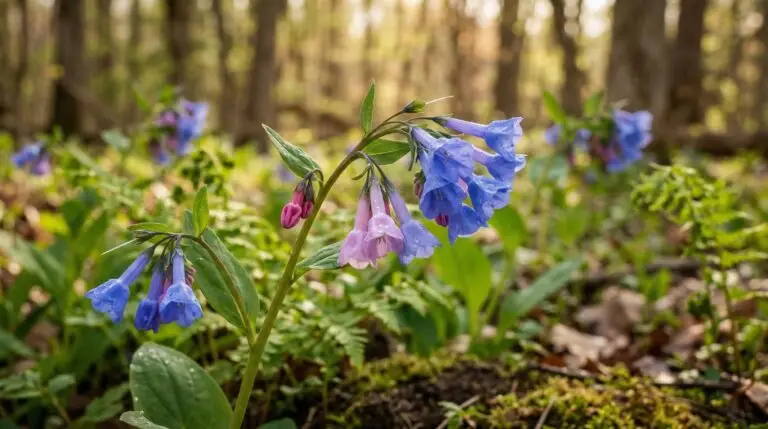
Why Virginia bluebell flowers change from pink buds to blue and the pH science behind it
How to grow Virginia bluebells for dreamy blue drifts in spring woodland gardens
Growing Virginia bluebells in containers for a spring shade garden on a patio
Virginia bluebells companions: what to plant and avoid
Naturalizing Virginia bluebells in woodland areas for expanding blue carpets every spring
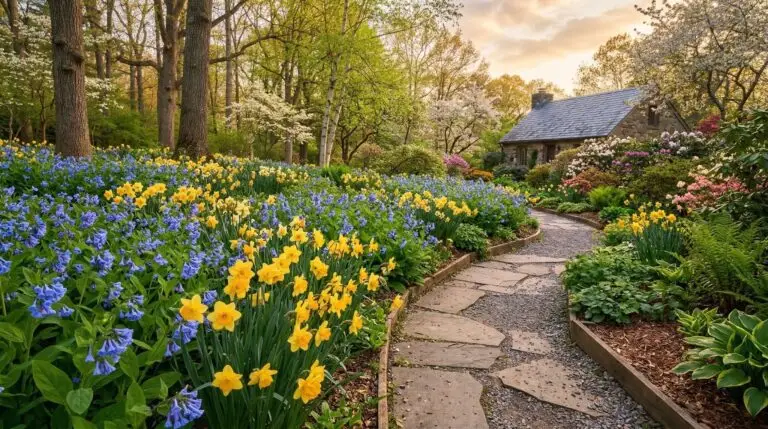
Virginia bluebells combined with daffodils for the ultimate spring woodland color combination
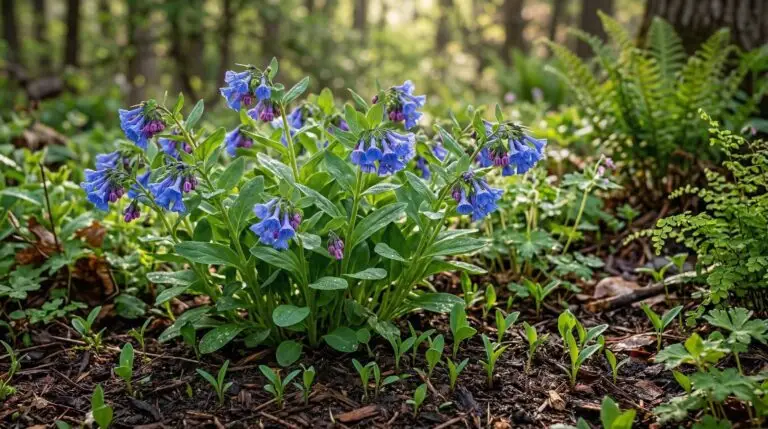
Growing Virginia bluebells from seed and the double dormancy that tests your patience
Enjoying our flower guides? Add YourFlowersGuide as a preferred source on Google. It helps more readers find us.
Add to Preferred Sources