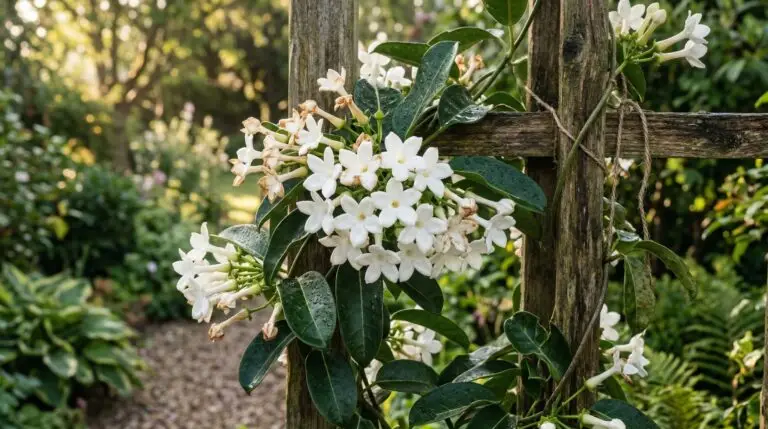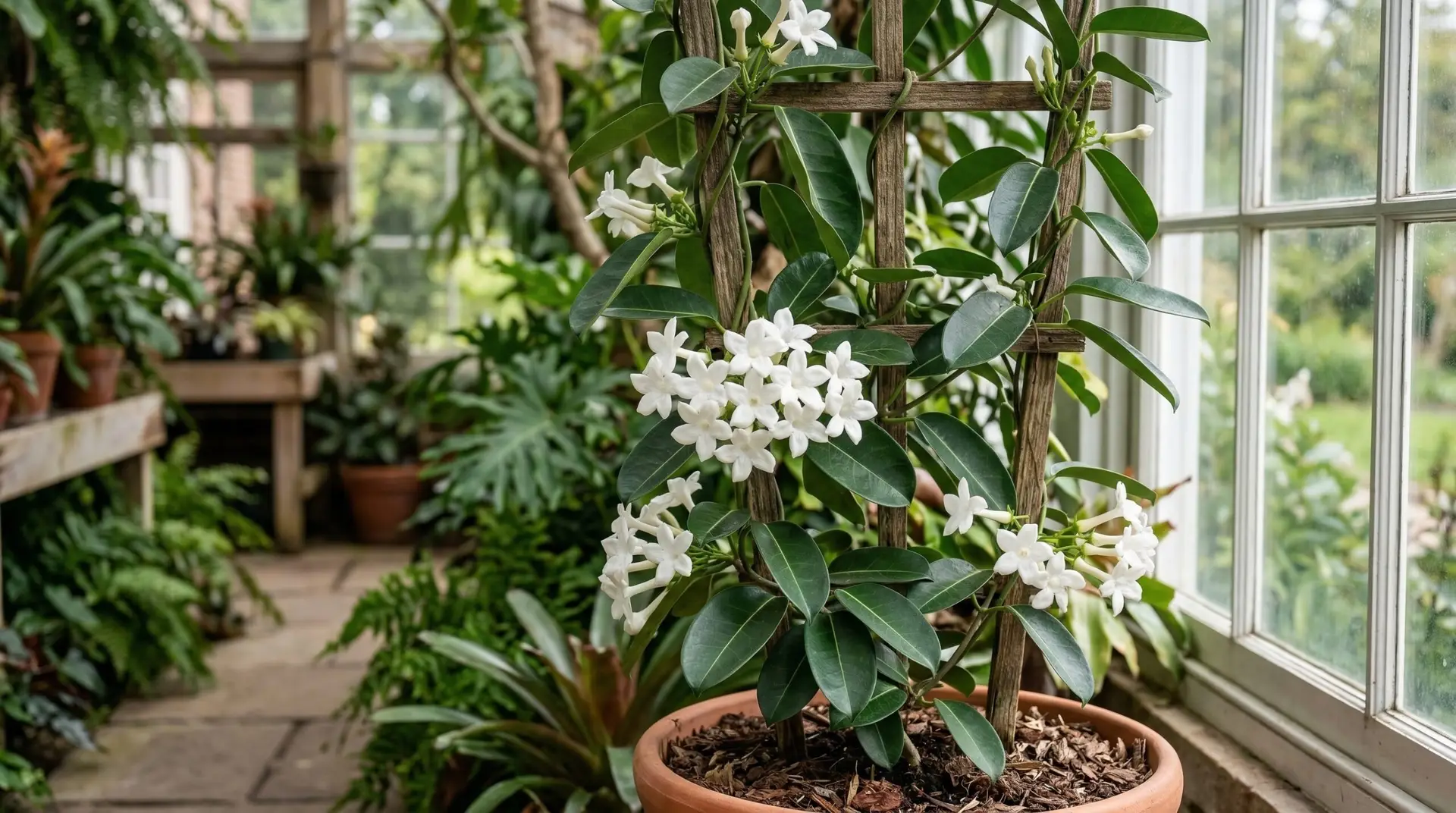
Deep in the forested ravines of Madagascar grows a liana that produces some of the most heavily perfumed flowers in the botanical world. The plant is Stephanotis floribunda, commonly known as Madagascar jasmine, though it is actually a member of the dogbane and milkweed family, Apocynaceae, and completely unrelated to true jasmine. When you examine the structure of a stephanotis bloom, you immediately notice the long, narrow corolla tube that flares out into five crisp white lobes. This specific floral architecture is an evolutionary lock designed for a very specific key. Only pollinators with exceptionally long mouthparts, specifically night-flying hawk moths, can reach the nectar hidden at the base of that tube. To attract these nocturnal visitors in the dark understory, the plant releases an intense, sweet fragrance that peaks during the evening hours.
Growing stephanotis in a home environment requires us to replicate the conditions of its native island habitat. This vine does not behave like a typical temperate houseplant that tolerates dry air and neglect. The thick, leathery leaves are covered in a waxy cuticle that helps the plant conserve water during brief dry spells, but the plant itself relies on a constant supply of ambient moisture. When we bring this species indoors, we are asking a wild tropical climber to adapt to a static, climate-controlled room. Success depends entirely on understanding how the plant interacts with light, water, and air in the wild.
Understanding the tropical origins of Madagascar jasmine
In its natural habitat, Stephanotis floribunda begins life near the forest floor and scrambles upward toward the canopy to find sunlight. It uses the trunks and branches of other trees for physical support while keeping its roots anchored in the loose, organic debris of the soil surface. This tells us exactly how to handle light exposure when cultivating Madagascar jasmine care indoors. The plant requires bright, filtered light to generate enough energy for its heavy floral displays. Direct, harsh afternoon sun will scorch the foliage and cause the leaves to bleach out and burn. You want to provide a light environment similar to what you might offer a moth orchid, where the light is abundant but diffused by a sheer curtain or a tree canopy outside the window.
Temperature also plays a critical role in the biological rhythms of this vine. Madagascar experiences warm days and slightly cooler nights, but the temperature rarely drops into the freezing zone. Indoors, stephanotis thrives when daytime temperatures hover in the seventies and nighttime temperatures dip slightly, which mimics the natural diurnal shift. If the plant is exposed to cold drafts from an air conditioning vent or a poorly sealed winter window, the sudden temperature drop signals environmental stress. The plant responds by aborting its flower buds, a survival mechanism to conserve resources when conditions turn hostile. Keeping the vine in a stable, warm room is a strict requirement for successful blooming.
Root biology and watering practices
The root system of the stephanotis vine is relatively fine and adapted to breathe in loose, highly aerated organic matter. Unlike plants that dig deep taproots into heavy mineral soils, this liana spreads its roots shallowly through leaf litter and decaying bark. When potting a stephanotis, using a standard, dense potting soil will almost certainly lead to root rot. The soil must drain rapidly while holding just enough moisture to keep the fine root hairs hydrated. I always mix standard potting soil with generous handfuls of orchid bark, perlite, and horticultural charcoal to recreate the airy texture of a forest floor. This allows oxygen to reach the roots, which is just as vital for plant respiration as the water itself.
Watering this plant requires a careful observation of its growth cycles rather than a strict calendar schedule. During the active growing season in spring and summer, the vine transpires water rapidly through its large leaves and requires frequent irrigation. You should water the pot thoroughly until moisture runs out the drainage holes, and then wait until the top few inches of the soil feel completely dry to the touch before watering again. In the winter, when the lower light levels cause the plant metabolism to slow down, it needs significantly less water. Overwatering during this dormant period drowns the root system, suffocating the plant and causing the lower leaves to turn yellow and drop off.
Humidity and temperature for flowering
The most challenging aspect of growing stephanotis indoors is managing the atmospheric humidity. In the tropical forests of Madagascar, the air is thick with water vapor, which allows the plant to keep its leaf stomata open for gas exchange without losing too much internal moisture. In a typical heated or air-conditioned home, the relative humidity often drops below thirty percent. Under these dry conditions, the plant closes its stomata to prevent dehydration, which halts photosynthesis and stops the development of flower buds. To coax out those waxy white stars, you need to raise the humidity around the plant to at least fifty percent. Using a dedicated room humidifier is the most effective way to modify the microclimate, as misting the leaves only provides a fleeting increase in moisture that evaporates within minutes.
When the humidity and temperature align, the plant produces clusters of tubular flowers that carry a scent rivaling any gardenia in intensity. The fragrance is composed of complex volatile organic compounds, primarily linalool and benzyl acetate, which the plant synthesizes to broadcast its location to pollinators. These compounds are highly volatile, meaning they evaporate easily into the air, especially as the ambient temperature warms up in the evening. If the air is too dry, the delicate buds will dry out and fall off the pedicel before they ever have a chance to open. Maintaining high humidity ensures the bud tissues remain turgid and capable of expanding into their mature, star-shaped forms.
Training the vine and managing growth
As a climbing liana, Stephanotis floribunda exhibits a biological behavior known as thigmotropism, which is a directional growth response to touch. When the sensitive growing tips of the vine make contact with a solid object, the cells on the opposite side of the stem elongate rapidly. This differential growth causes the stem to coil tightly around the support structure, securing the plant as it climbs toward the light. In cultivation, we harness this behavior by providing a sturdy wire hoop or a wooden trellis for the vine to grip. You must gently guide the new, flexible shoots onto the support, as the older stems quickly lignify and become rigid, making them impossible to bend without snapping.
Pruning is an essential part of stephanotis care that directly impacts the plant ability to produce flowers. The blooms always emerge from the leaf axils on new growth, never on the old, woody stems. If you allow the vine to grow unchecked into a single long strand, you will get very few flowers. By cutting back the growing tips in late winter just before the active growth phase begins, you break the apical dominance of the main stem. This signals the dormant lateral buds lower down on the vine to break open and grow. More lateral branches mean more new growth, which ultimately results in a much higher concentration of fragrant flower clusters.
A final biological detail changes how you observe the lifecycle of these complex flowers. After a stephanotis bloom has been open for several days, the white petals begin to take on a distinct creamy yellow hue. This color shift is not a sign of disease or poor care, but a deliberate physiological change within the floral tissue. As the flower ages and the nectar reserves are depleted, the plant alters its pigment profile and stops producing the fragrant volatile compounds. This signals to the local pollinator population that the flower is no longer a viable food source, directing the moths toward the younger, newly opened white flowers that still need to be pollinated. Watching this color transition on your own trellis is a direct window into the evolutionary communication between a tropical vine and the insects that sustain its species.
More About Stephanotis
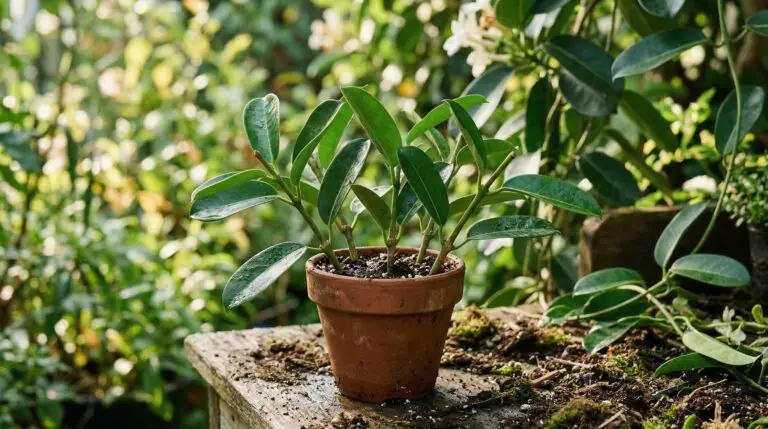
Propagating stephanotis from cuttings for new plants from your prized vine
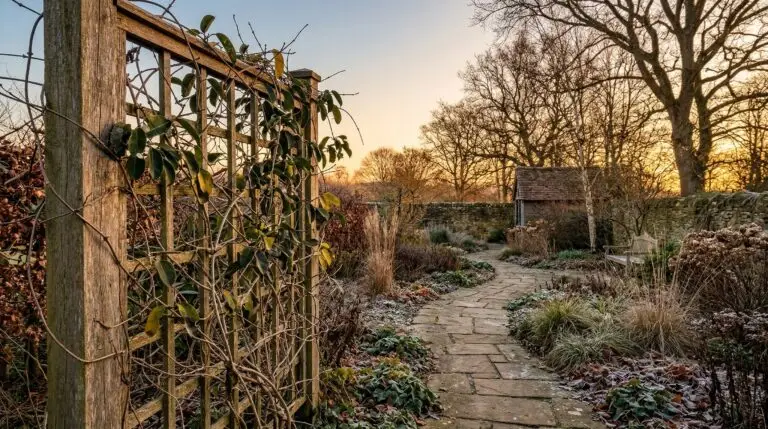
How to get stephanotis to bloom indoors with the right winter rest and spring warmth
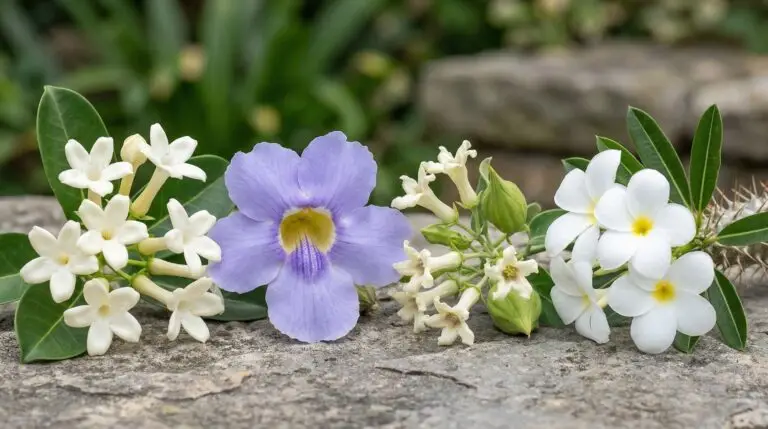
Stephanotis versus jasmine and choosing the right fragrant white vine for your home
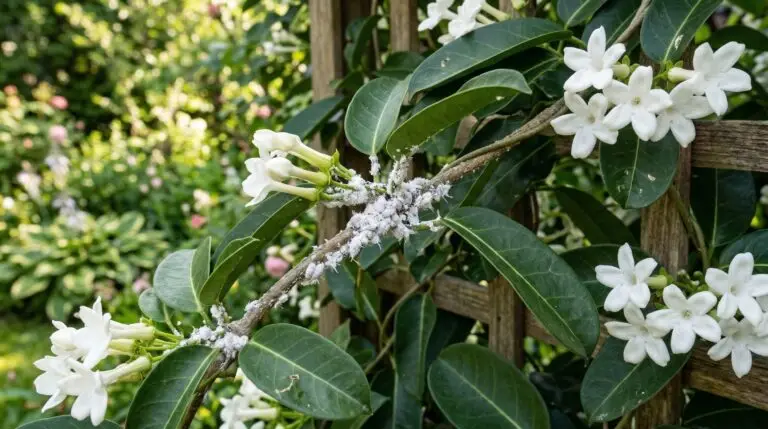
Common stephanotis pests from mealybugs to scale and keeping your vine clean
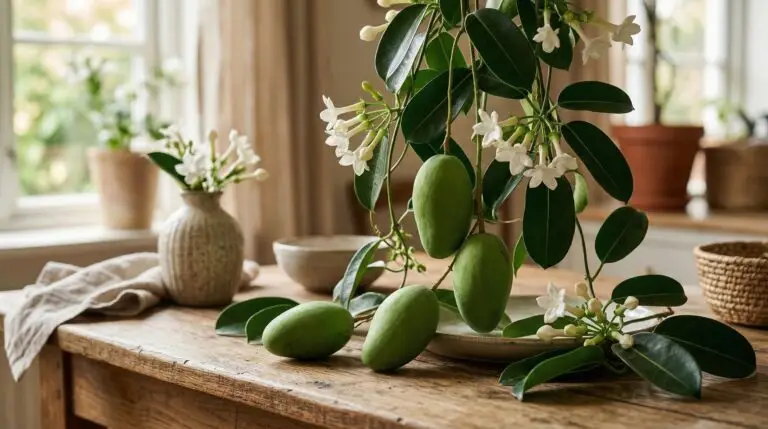
Stephanotis seed pods the giant green fruits that sometimes appear on indoor plants
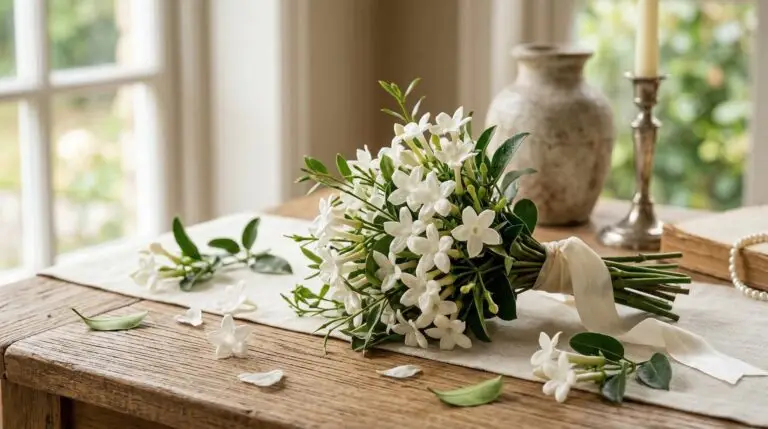
Stephanotis in bridal bouquets and why this is called the wedding flower
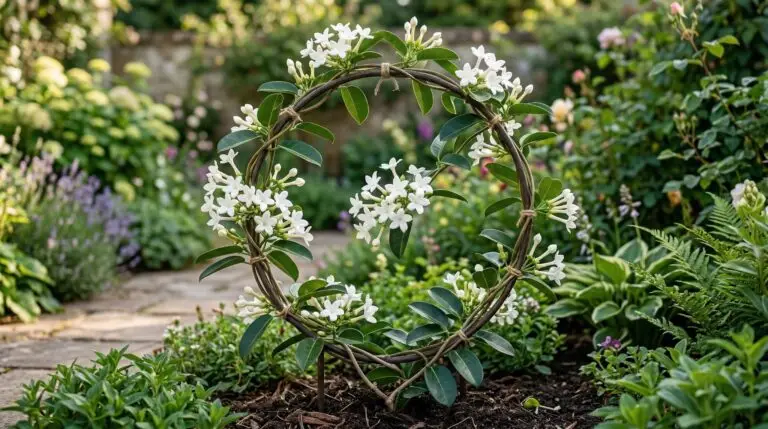
Growing stephanotis on an indoor trellis or hoop for a fragrant living room feature
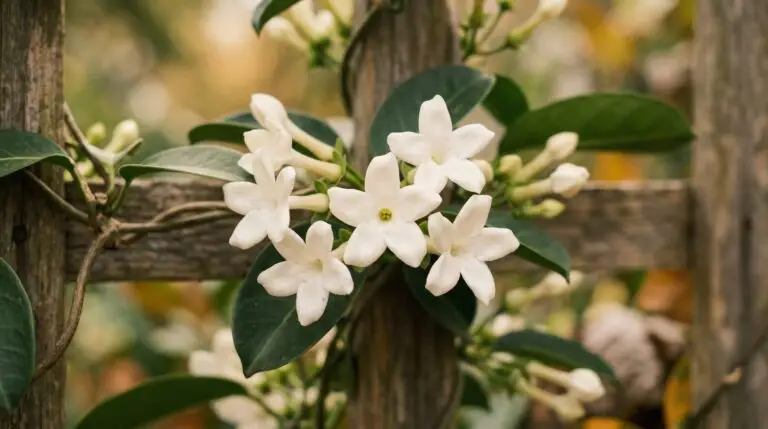
Stephanotis flower meaning and the marital happiness this bloom has promised for centuries