The scent that washed an empire
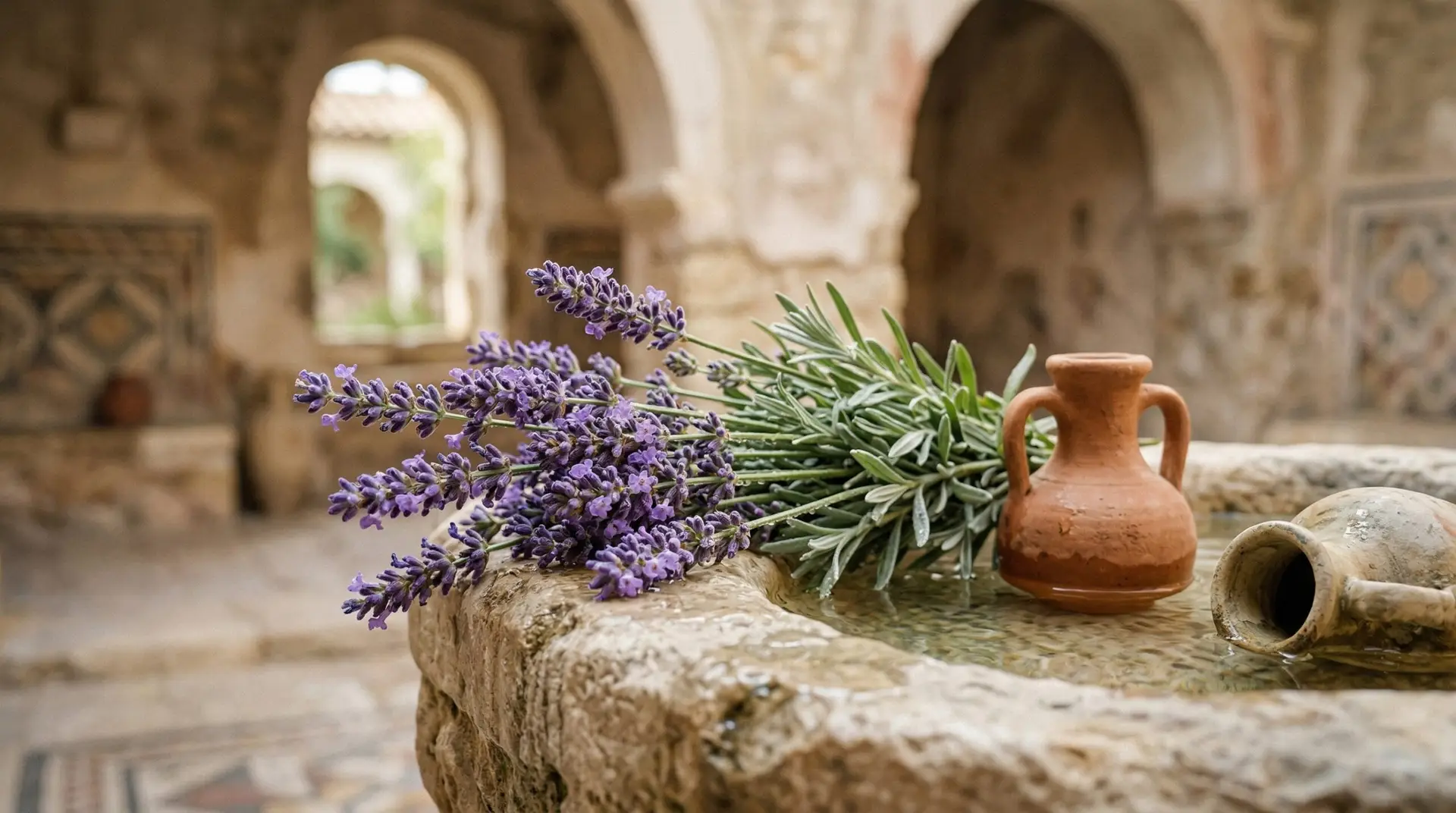
The story of lavender meaning begins in the heat of the ancient Roman bathhouse, where thick steam rose toward vaulted stone ceilings. Citizens and soldiers carried bundles of a woody, silver-leaved herb to scent the communal waters and cleanse their skin. The name of the plant comes directly from the Latin word “lavare,” meaning to wash. Before it became a symbol of devotion or a staple of modern perfumery, this tough Mediterranean shrub was a vital tool for physical and spiritual cleanliness. Soldiers carried the dried spikes on long campaigns to dress wounds, while ordinary people steeped the stems in hot water to wash away the heavy dust of the city. The scent of the herb became synonymous with a clean slate, a quiet mind, and the restoration of the tired body after a long day of labor. This early connection to purification established a foundation of serenity that the plant carries to this day.
To understand lavender symbolism, you have to watch how the plant grows in its native rocky soil. It thrives where other plants wither, baking under the fierce Mediterranean sun and drawing its potent oils from the dry, unforgiving earth. This physical resilience gave birth to its earliest cultural associations with steadfastness and quiet endurance. As the Roman Empire expanded across Europe, soldiers and settlers brought their seeds and their bathing rituals with them, planting gardens wherever they established new towns. Monks eventually took over the cultivation of the herb, growing it in walled abbey gardens for medicinal use and quiet contemplation. Through these centuries of careful tending, the plant shifted from a simple washing additive to an herb revered for its ability to bring peace to a troubled mind. The scent became a remedy for anxiety, offering a sensory escape from the hardships of early life.
A royal bloom and the silent language of courtship
By the time the Renaissance swept through Europe, the plant had found its way into the private chambers of royalty. The deep violet color of the blooms carried an inherent association with wealth and power, because purple dye was notoriously expensive and difficult to produce. Queens and kings walked across floors strewn with the dried stems, crushing the flowers underfoot to release their sweet, sharp fragrance into the drafty stone halls. Queen Elizabeth I demanded fresh stalks on her table every day of the year, a preference that cemented the plant’s status as a regal necessity. This royal favor shifted the lavender flower language toward ideas of elegance and refinement. The humble herb of the bathhouse transformed entirely into a fragrant statement of status and sophistication. To grow it in your garden was to align yourself with the tastes of the monarchy.
When the Victorian era arrived, society developed a strict code of silent communication through botany. In this rigid social climate, a carefully arranged bouquet spoke volumes that propriety forbade saying out loud. If a suitor wanted to express pure, unwavering devotion, they handed over a simple bundle of these purple spikes. The message was clear and understood immediately by the recipient, conveying a promise of loyalty and deep, abiding affection. This was a quieter, more steadfast declaration than the passionate confessions often associated with a red rose, which burned bright but perhaps less steadily. Young women sewed the dried buds into small silk sachets, keeping them in their hope chests to scent their future linens and remind them of the promises made during courtship. The scent permeated their handwritten letters, their heavy clothing, and their daily lives. The concept of love became permanently wrapped in a calming, familiar fragrance.
The summer harvest in the fields of Provence
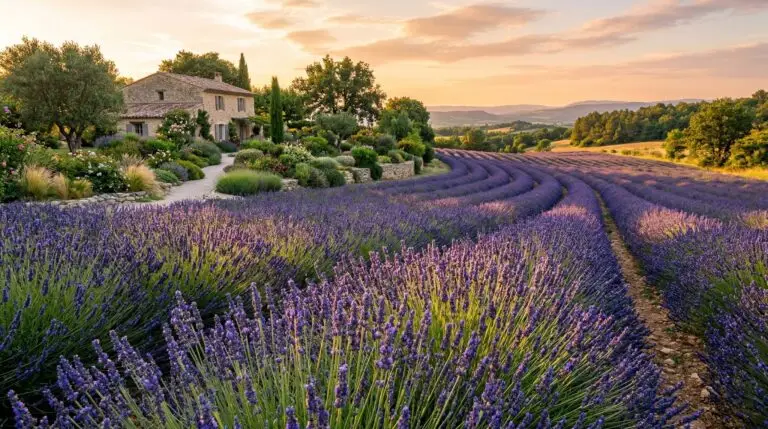
The true cultural heart of this plant now beats in the south of France, where the rocky limestone hills of Provence turn into oceans of purple every summer. The story of the season begins in early spring when the silver-green foliage shakes off the winter chill and begins to push up slender, hopeful spikes. As the days lengthen and the sun beats down with increasing intensity, the small buds swell and finally break open in late June. The air above the fields grows thick with the humming of bees, drawn by the thousands to the nectar-rich blooms. It is a sensory experience that defines the region, pulling travelers from across the world just to stand at the edge of the rows and breathe in the heavy, sweet air. The lavender meaning here is tied entirely to the rhythm of the earth, representing the peak of summer and the reward of patient cultivation. The sweeping purple rows stand as a monument to the harmony between human agriculture and the natural landscape.
The harvest happens quickly, usually in mid-July when the oil content in the flowers reaches its absolute peak. Farmers cut the stalks in the early morning hours before the heat of the day can evaporate the precious volatile oils. The freshly cut bundles go straight to the stills, where steam extracts the essence of the plant, turning a year of sun and rain into a few drops of concentrated fragrance. This process captures the soul of the summer, bottling a scent that has calmed humanity for thousands of years. It lacks the heavy, intoxicating sweetness of jasmine, offering instead a crisp, herbaceous clarity that clears the head and settles the nerves. The resulting oil travels outward to markets and apothecaries, carrying the quiet strength of the Mediterranean sun into homes far removed from the rocky French hillsides.
Finding serenity in the modern garden
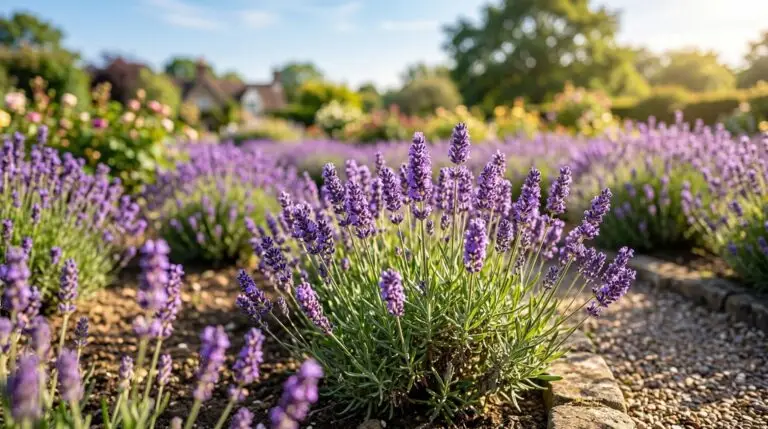
You do not need a sprawling estate in France to understand the quiet power of this plant in your own soil. When you plant a small start in your garden, you participate in a tradition that stretches back to those ancient Roman bathhouses. The plant demands very little from the gardener, asking only for loose, well-draining soil and a place in the full sun. As summer fades into autumn, the purple blooms turn gray and dry on the stem, yet they hold onto their fragrance with stubborn persistence. This is the moment when the plant’s association with devotion becomes tangible, as it refuses to let go of its essence even as the growing season comes to an end. You can cut these dried stalks and bring them indoors, tying them with a simple cotton string to hang in a dark, quiet corner of the kitchen. They will continue to perfume the air long after the winter frost has claimed the garden outside.
The true magic of the herb reveals itself in the quiet moments at the end of the day. When you walk past the plant in the fading evening light, your legs might brush against the woody stems, releasing a sudden, sharp cloud of fragrance into the cool air. You can reach down and rub a single silver leaf between your thumb and forefinger, bringing your hand to your face to inhale the scent. In that brief second, the noise of the day falls away, replaced by a profound sense of stillness and mental clarity. You are smelling the same earth, sun, and rain that calmed ancient emperors and Victorian lovers alike. It is a living reminder that some things remain constant, offering a small, fragrant piece of serenity right outside your own back door.
More About Lavender
Harvesting and drying lavender at the perfect moment for the strongest fragrance
How to grow lavender for fragrant purple spikes and the Mediterranean garden of your dreams
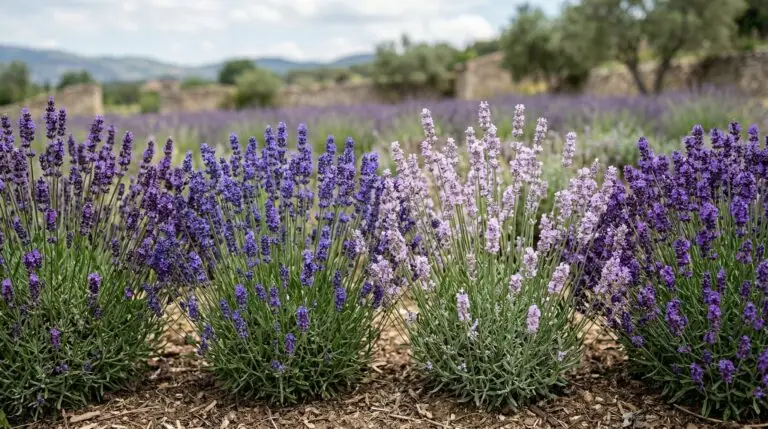
Best lavender varieties from English Hidcote to French Provence and Spanish butterfly types
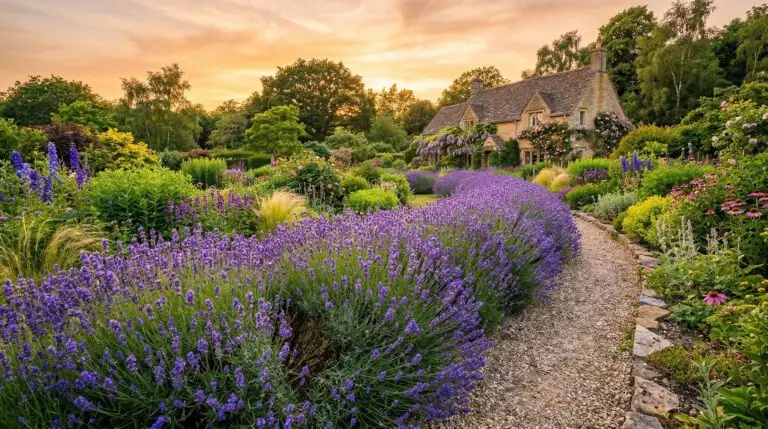
Pruning lavender at the right time to prevent woody bare stems and keep plants compact
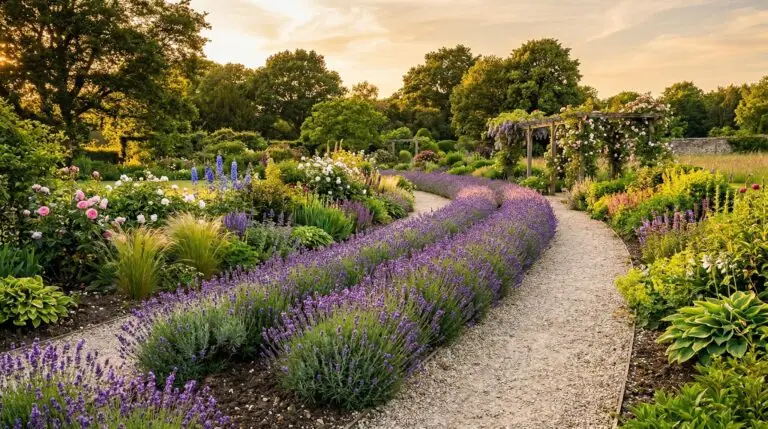
Designing a lavender hedge border that lines your garden path with fragrance
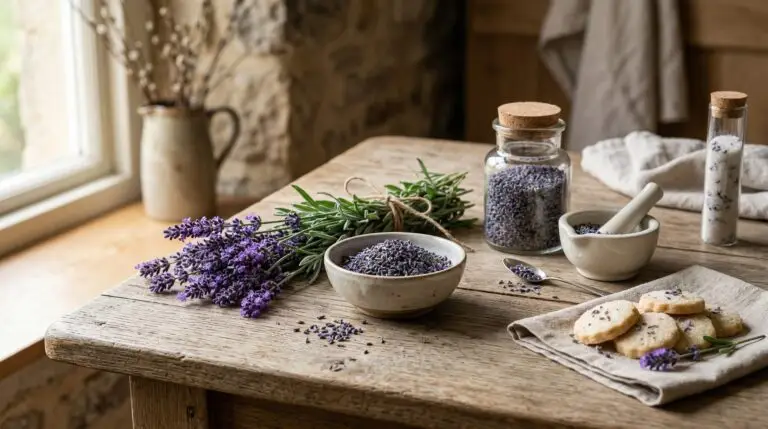
Cooking with lavender from herb-crusted lamb to lavender lemonade and shortbread
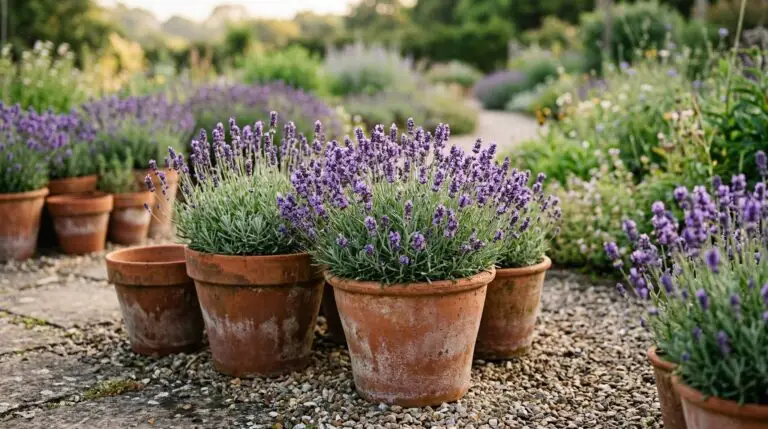
Growing lavender in containers for fragrant patio and balcony gardens
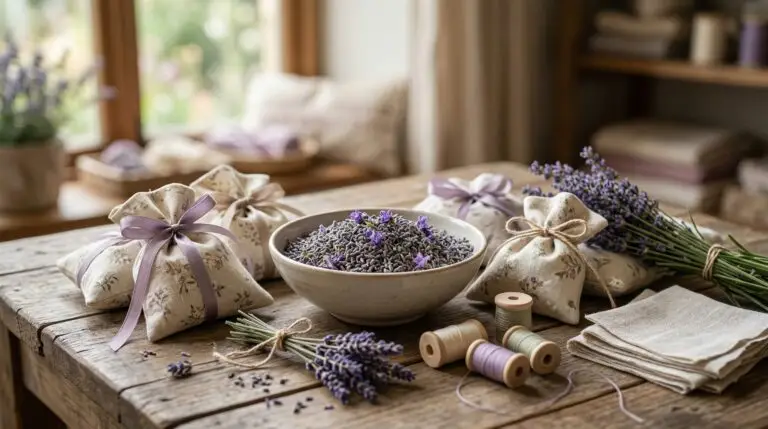
Lavender sachets potpourri and dried flower crafts using your garden harvest