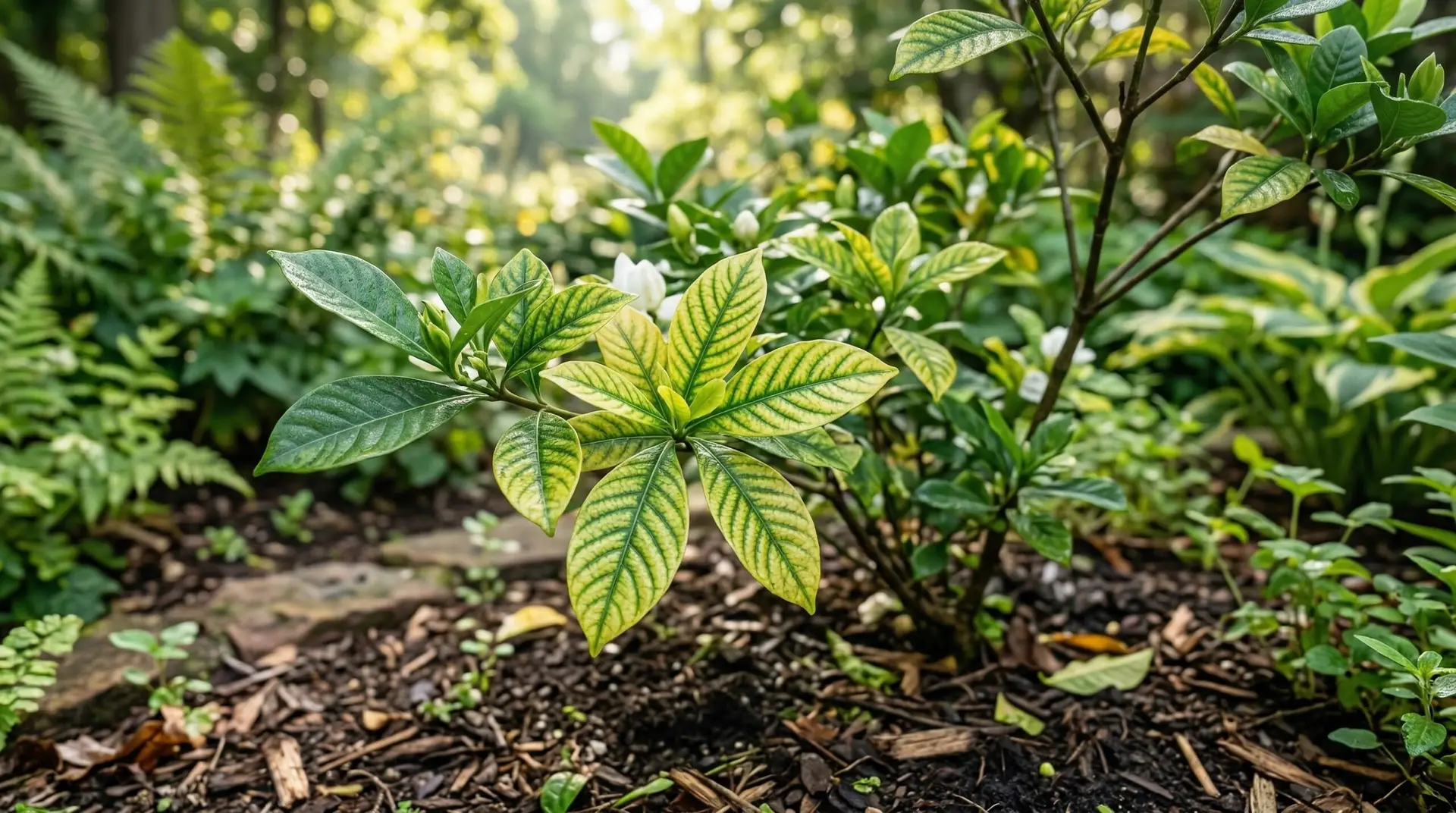
Yellow leaves on gardenias usually indicate the plant is starving for iron because your soil is too alkaline. When soil pH rises above 6.0, the iron present in the ground chemically locks up and becomes unavailable to the roots. The plant responds by pulling iron from older foliage to support new growth, resulting in a distinct pattern where the leaf turns yellow while the veins remain dark green. This condition is called iron chlorosis, and it is the most common reason gardenias fail in home gardens. Treating the symptom by simply adding more general fertilizer will not solve the underlying chemical block. You must address both the immediate iron deficiency and the environmental factors causing it.
Many gardeners misdiagnose gardenia yellow leaves as a simple nitrogen deficiency or a watering issue. Nitrogen deficiency turns the entire leaf uniformly pale, starting at the bottom of the plant, while iron chlorosis leaves the vascular network distinctly green against a yellow background. Older leaves naturally yellow and drop in early spring or fall as part of the normal growth cycle, which requires no treatment at all. True gardenia chlorosis appears primarily on the newer growth at the tips of the branches. If you see bright yellow leaves with sharp green veins near the ends of the stems, the plant is actively signaling an iron lockout. Recognizing this specific pattern prevents you from applying the wrong corrective measures and further stressing the root system.
Immediate treatments for iron chlorosis
The fastest way to green up a chlorotic gardenia is applying a chelated iron supplement directly to the root zone. Chelated iron wraps the iron molecule in an organic compound that protects it from being locked up by alkaline soil chemistry. You should specifically look for EDDHA iron chelate rather than the more common EDTA form. EDTA iron becomes useless when soil pH exceeds 6.5, while EDDHA remains highly available to roots even in extremely alkaline conditions. Mix the chelated iron powder with water according to the package directions and pour it slowly over the root zone, extending out to the drip line of the branches. The plant will absorb this bioavailable iron within days, halting the progression of chlorosis on newly forming leaves.
Foliar sprays of liquid iron can bypass the soil entirely for an emergency fix, but they provide only temporary relief. Spraying the leaves delivers iron straight into the plant tissue, yet it will not move efficiently from the sprayed leaves into subsequent new growth. You must apply foliar iron early in the morning or late in the evening to prevent the liquid from burning the foliage under direct sunlight. While this method improves the appearance of existing leaves, it requires continuous reapplication every few weeks. Foliar feeding should strictly serve as a stopgap measure while you work on permanently correcting the soil pH below the surface. A healthy gardenia relies on its roots to pull continuous nutrition from the earth.
Adjusting soil chemistry and water quality
Long-term prevention of gardenia chlorosis requires lowering the soil pH into the 5.0 to 6.0 range using elemental sulfur. Soil bacteria consume the sulfur granules and excrete sulfuric acid, gradually acidifying the surrounding soil over a period of several months. Apply elemental sulfur at a rate of one-half pound per 100 square feet of planting area in the spring, scratching it lightly into the top inch of mulch or soil. This slow biological process provides a stable, acidic environment that benefits other acid-loving companion plants nearby. You will find that an acidic soil profile simultaneously improves the health of azaleas and camellias sharing the same garden bed. Test your soil pH annually to monitor the shift and reapply sulfur only when the pH creeps back above 6.0.
Your irrigation water frequently sabotages your efforts to maintain acidic soil around gardenias. Municipal tap water is typically treated to be slightly alkaline to prevent corrosion in city pipes, meaning every time you water your plants with a hose, you slowly raise the soil pH. Hard well water loaded with calcium and magnesium carbonates creates the exact same problem by neutralizing soil acids on contact. Collecting rainwater is the most effective way to irrigate gardenias because natural precipitation is slightly acidic and completely free of dissolved carbonates. If rainwater collection is impossible, you can inject a weak acid like white vinegar into your watering can at a rate of one tablespoon per gallon to neutralize the municipal alkalinity. Like bigleaf hydrangeas, gardenias are highly sensitive to the mineral content of their water supply, and controlling this input prevents chronic iron lockout.
Building a reliable gardenia fertilizer program
A proper gardenia fertilizer program relies on acid-forming granular feeds applied at specific points in the growing season. Use a fertilizer formulated specifically for acid-loving plants, typically with an NPK ratio near 3-1-2 or 4-1-2, which provides high nitrogen for foliage and adequate potassium for root strength. Apply this granular feed at half the manufacturer’s recommended strength just as new growth begins in early spring. Follow up with a second half-strength application in mid-summer after the primary flush of blooms finishes. Never fertilize gardenias after late summer, as pushing new, tender growth right before winter leaves the plant vulnerable to severe freeze damage. Consistent, light applications of acidifying fertilizer maintain steady nutrient levels without burning the sensitive shallow root system.
Despite what many sources claim, pouring used coffee grounds around your gardenias will not fix iron chlorosis or significantly lower soil pH. The brewing process extracts the water-soluble acids into your cup, leaving the spent grounds with a nearly neutral pH of around 6.5 to 6.8. As soil microbes begin to break down the uncomposted coffee grounds, they consume available nitrogen from the soil, temporarily starving the gardenia of this essential macronutrient. While coffee grounds add minor amounts of organic matter over time, they are completely ineffective as a targeted soil acidifier or a fast-acting fertilizer. You must rely on proven agricultural products like elemental sulfur and chelated iron to manipulate soil chemistry predictably. Wasting time on kitchen remedies allows the chlorosis to advance and further weaken the plant.
The ultimate measure of your corrective feeding program is the color of the new foliage emerging from the branch tips. Severely yellowed leaves rarely regain their deep green color even after the soil chemistry is perfectly balanced and iron is restored. You should expect these damaged older leaves to eventually drop off, making room for healthy growth. Once you see rich, dark green leaves pushing out from the terminal buds, you know the root system is successfully pulling iron from the soil again. Prune away the worst of the lingering yellow foliage to improve the look of the plant and direct energy toward the new shoots. Maintain your acidic soil environment and monitor your water quality to ensure the chlorosis never returns.
More About Gardenia
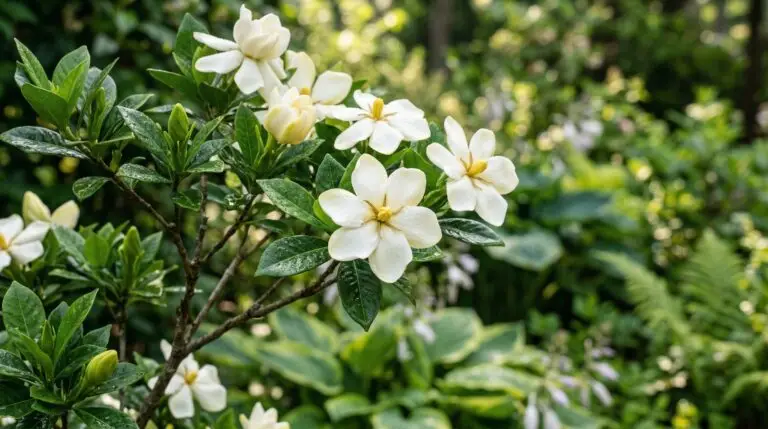
Cold hardy gardenias that survive winter in zones 6 and 7 with fragrant summer blooms
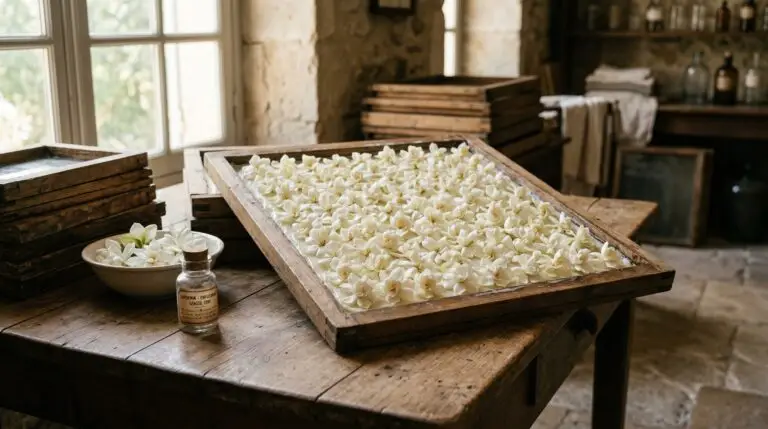
Gardenia essential oil and the history of this fragrance in perfumery and aromatherapy
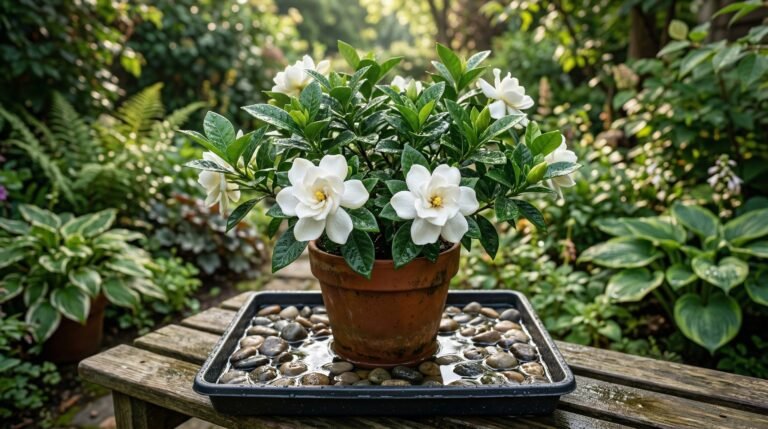
Growing gardenias indoors as houseplants and surviving the humidity challenge
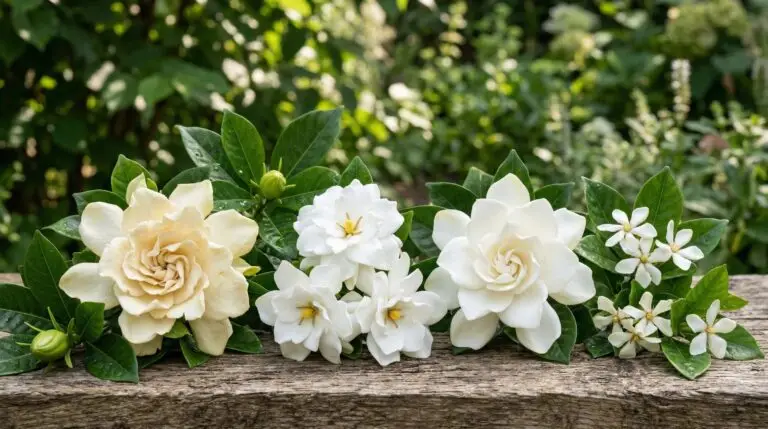
Best gardenia varieties from compact Radicans to the classic August Beauty
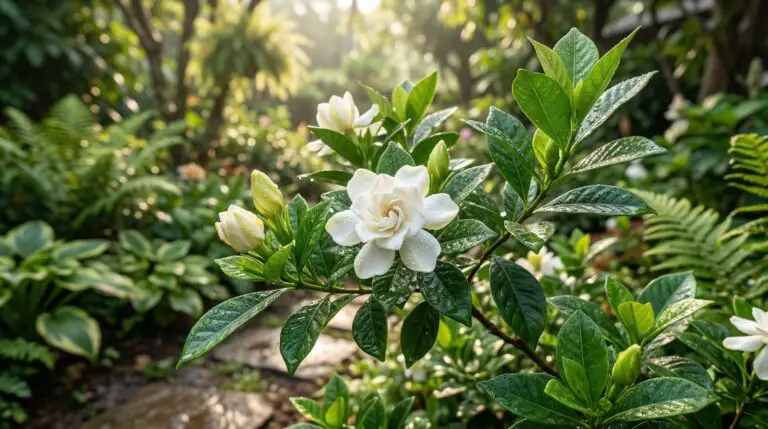
Why gardenia buds turn brown and drop off before opening and how to stop it
Gardenia flower meaning and why this bloom represents secret love and purity
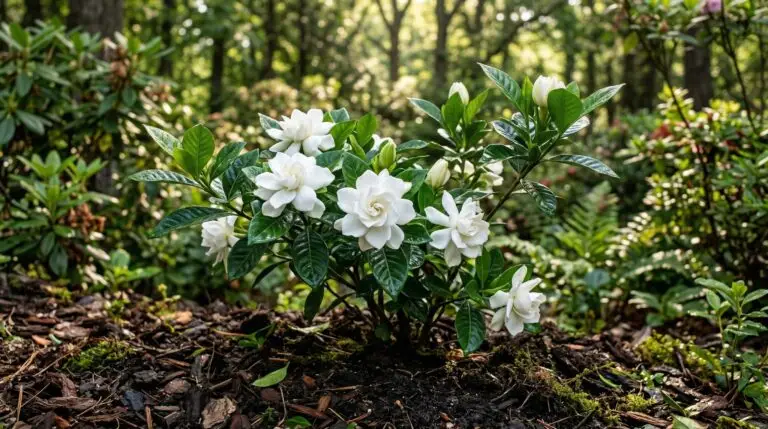
How to grow gardenias for intoxicating fragrance and creamy white blooms
Gardenia wedding flowers and the timeless elegance of white gardenia corsages and bouquets