Long before it became the default autumn decoration on American porches, the chrysanthemum was cultivated for the kitchen and the teacup. Chinese gardeners began domesticating this plant thousands of years ago, seeing it as an herb of longevity. Nobles and poets consumed the petals and leaves, believing the essence of the plant carried the vitality of the earth itself. Monks cultivated specific varieties in temple gardens, carefully selecting plants that offered the sweetest flavor and the most aromatic leaves. By the time the plant made its way to Western gardens in the eighteenth century, its culinary history was largely left behind in favor of its large, colorful blooms. Today, gardeners are rediscovering the edible chrysanthemum, bringing ancient traditions back into modern soil. Growing these specific varieties transforms a simple flower bed into a working pantry.
Seeds sown for the kitchen
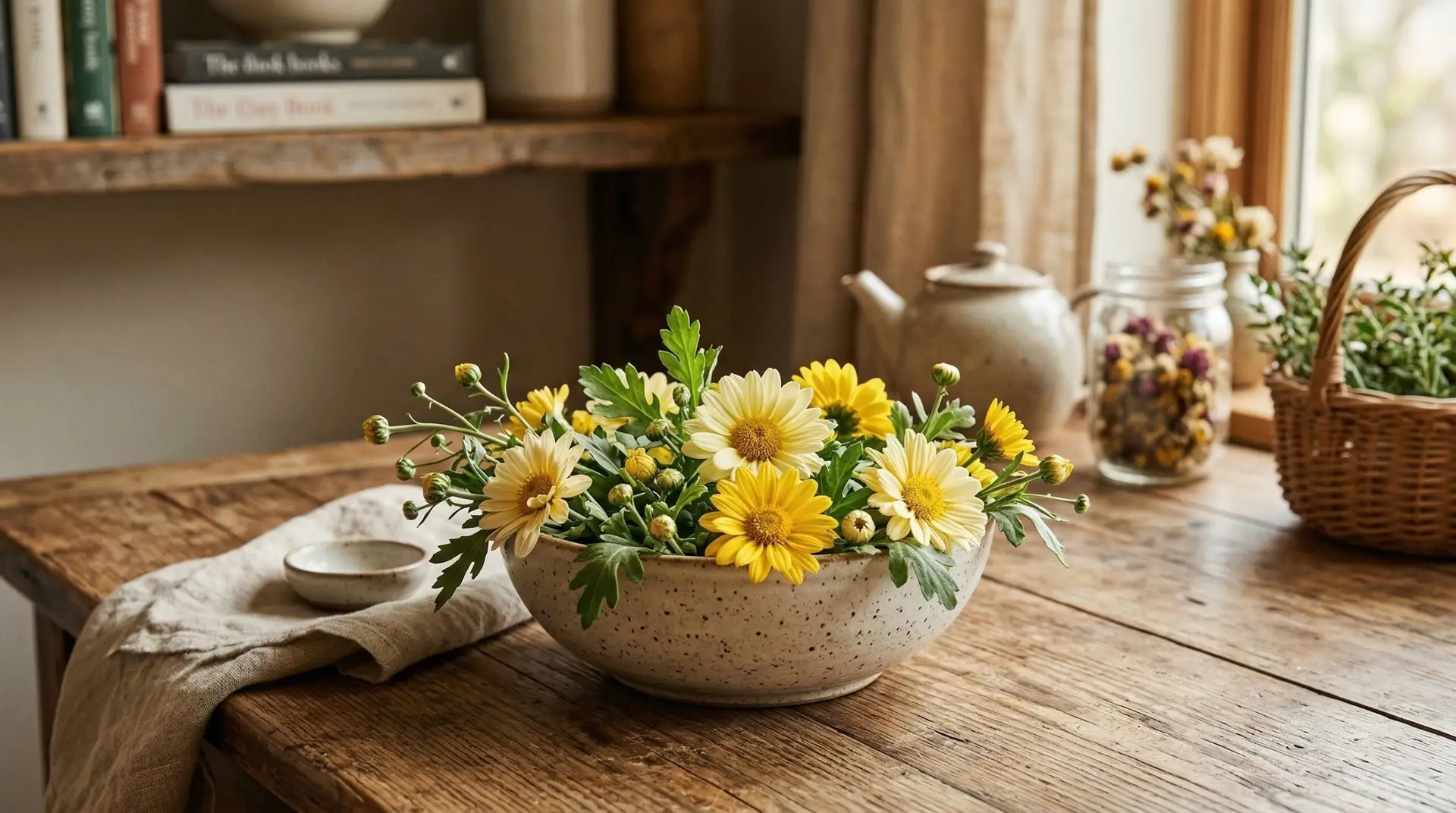
The story of cooking with chrysanthemum begins in the cool days of early spring when the seeds first go into the ground. Not all mums belong on a plate, so the mindful gardener selects specific edible varieties for their harvest. The species Chrysanthemum morifolium is the traditional choice for drying into tea, producing small, pale yellow or white blossoms that carry a sweet, earthy flavor. These tea varieties grow slowly through the summer, demanding very little from the soil while they build their strength for the autumn bloom. For savory dishes, gardeners turn to Glebionis coronaria, commonly known in Japanese cuisine as shungiku or garland chrysanthemum. These seeds sprout into serrated, aromatic leaves that grow vigorously as the days lengthen toward summer. Watching these green shoots emerge, a gardener anticipates the sharp, herbal bite they will eventually bring to the table.
Summer greens and hot woks
As spring warms into early summer, the shungiku plants demand attention before they ever produce a bud. The leaves are best harvested when the plant is young and tender, usually when it reaches about six to eight inches in height. Pinching off the top growth encourages the plant to branch out, providing a continuous supply of fresh greens for the kitchen. In the heat of the day, the leaves release a distinct aroma that hints at mustard and pine, a scent that translates directly into their flavor profile. Cooks across Asia have long relied on these greens to cut through rich, savory broths. They wilt almost instantly when exposed to heat, requiring only a brief moment in the pan. Whether dropped into a bubbling hot pot in the final seconds of cooking or lightly tossed in a hot wok with garlic, the leaves retain a pleasant, slightly bitter edge.
The autumn flower harvest
While the leafy greens dominate the summer months, the true harvest of the edible chrysanthemum waits for the shortening days of autumn. As other garden plants wither and fade under the threat of frost, Chrysanthemum morifolium begins to swell with buds. The gathering of these flowers requires patience and a gentle hand, usually taking place in the crisp morning air just after the dew has dried. Harvesters pluck the blossoms when they are fully open but before they begin to wilt, ensuring the highest concentration of essential oils. Baskets fill quickly with the small, daisy-like heads, carrying the heavy, honeyed scent of late autumn. The sap from the stems leaves a sticky, fragrant residue on the gardener’s fingers, a tactile reminder of the plant’s potency. This careful gathering is a quiet ritual that connects the gardener to centuries of agricultural rhythm.
Once gathered, the fresh flowers must be preserved to capture their flavor for the months ahead. The traditional method involves laying the blossoms out on bamboo trays in a well-ventilated, shaded area to dry slowly over several days. The flowers need constant air circulation to prevent spoiling, requiring the grower to turn them gently by hand each morning. Some modern growers prefer to use a food dehydrator on a very low setting to protect the delicate petals from molding. As the moisture leaves the flowers, they shrink tightly into themselves, their bright yellows and whites deepening into muted, golden tones. The dried flowers rustle against each other like dry autumn leaves when poured into a glass jar for storage. Properly dried and sealed, these blossoms will hold the memory of the autumn garden long after the snow falls.
Brewing the autumn garden
The preparation of chrysanthemum tea is an exercise in simplicity that honors the careful work of the harvest. A handful of dried blossoms placed in a glass teapot requires only hot water to coax the petals back to life. As the water steeps, the tight spheres unfurl slowly, expanding until they look nearly identical to the day they were picked. The resulting liquid takes on a pale golden hue, offering a mild, floral sweetness that lacks the astringency of traditional tea leaves. Herbalists have long praised mum tea benefits, noting its historical use in traditional medicine to clear heat from the body and soothe tired eyes. Much like those who brew jasmine for its calming fragrance, drinkers of chrysanthemum tea find a quiet comfort in its gentle, earthy profile. The tea asks the drinker to slow down and watch the blossoms dance in the water.
Beyond a simple infusion, the culinary applications of the dried flowers extend deep into the kitchen. Creative cooks often toss a few dried blossoms into the cooking water for rice, imparting a subtle yellow tint and a faint floral note to the grains. The petals can also be scattered over clear soups or steeped alongside goji berries and honey for a richer, more complex beverage. The flavor pairs naturally with the changing seasons, offering a grounding warmth as the evenings grow dark and cold. Gardeners who also harvest lavender for baking will find that chrysanthemum petals offer a similarly versatile, though far less soapy, floral ingredient for their pantry. A simple syrup infused with the golden petals can sweeten winter cocktails or flavor mild desserts. The dried flowers bridge the gap between the garden bed and the dining table.
The true reward of growing edible chrysanthemums arrives in the depths of winter when the garden is dormant and silent. Sitting at the kitchen table with a steaming cup of chrysanthemum tea, the gardener holds a piece of the past autumn in their hands. The steam rising from the cup carries the exact scent of the October morning when the flowers were picked. Outside the window, the soil rests under a layer of frost, but inside, the harvest continues to offer its warmth. Every sip is a reminder of the seeds sown in spring, the leaves harvested in summer, and the careful preservation of the autumn bloom. The cycle of the seasons is no longer just something observed in the yard, but something gathered, brewed, and tasted.
More About Chrysanthemum
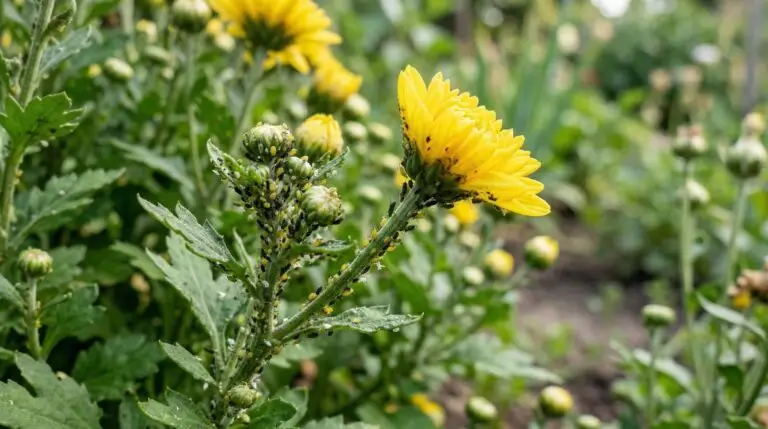
Chrysanthemum pest and disease guide including aphids leaf miners and white rust
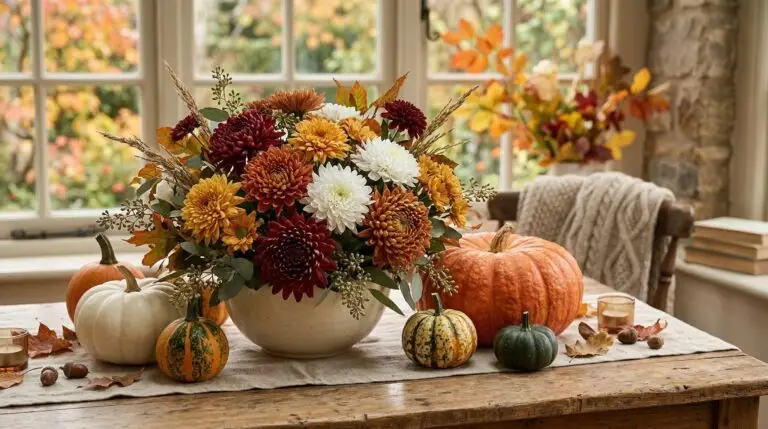
Fall porch and front door displays using chrysanthemums pumpkins and autumn decor

How to pinch chrysanthemums for bushy plants loaded with fall flowers
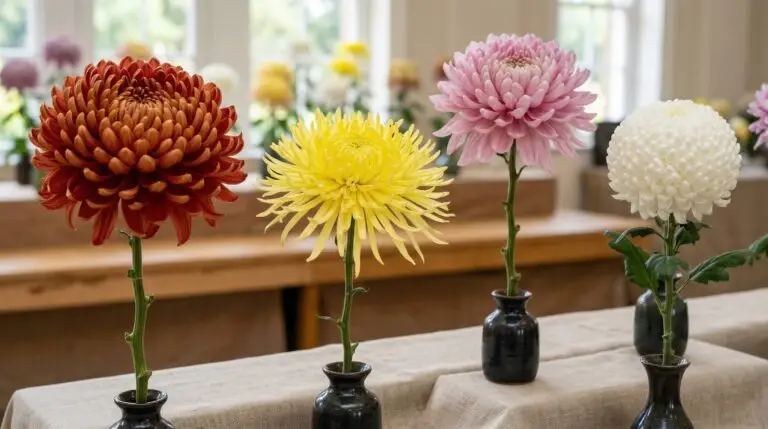
Exhibition chrysanthemums and the art of growing show-stopping single blooms
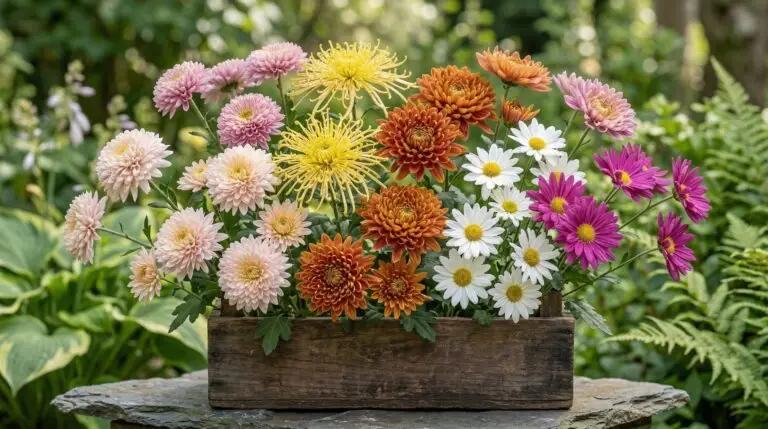
Hardy garden chrysanthemum varieties that survive winter and come back stronger

Best chrysanthemum companion plants for a colorful fall garden border
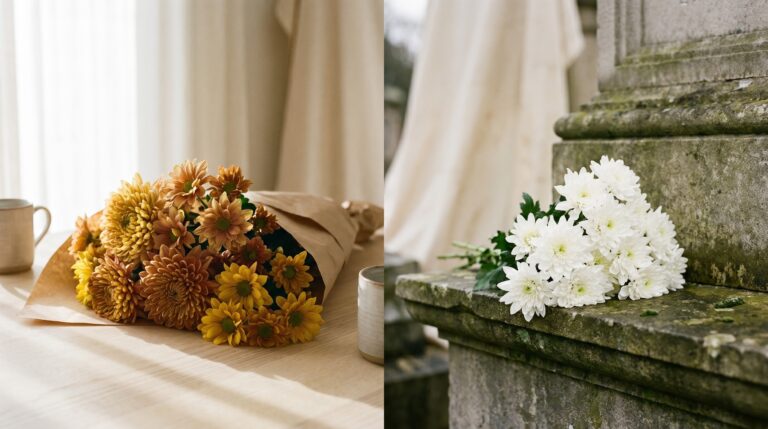
Chrysanthemum meaning, and why it says joy in one country and death in the next

How to divide chrysanthemums in spring for healthier plants and more blooms