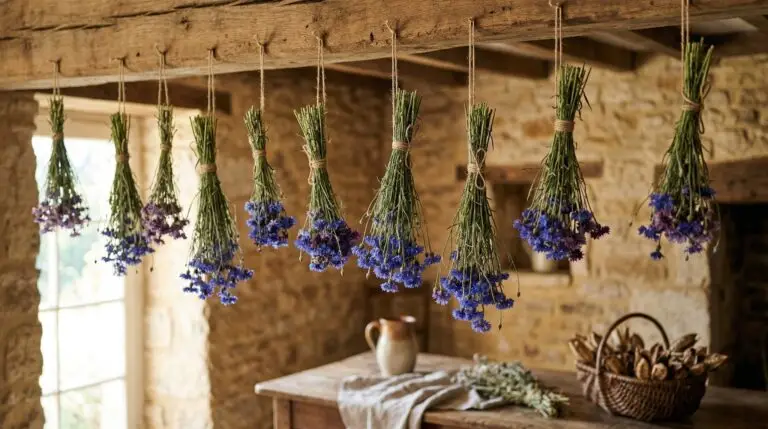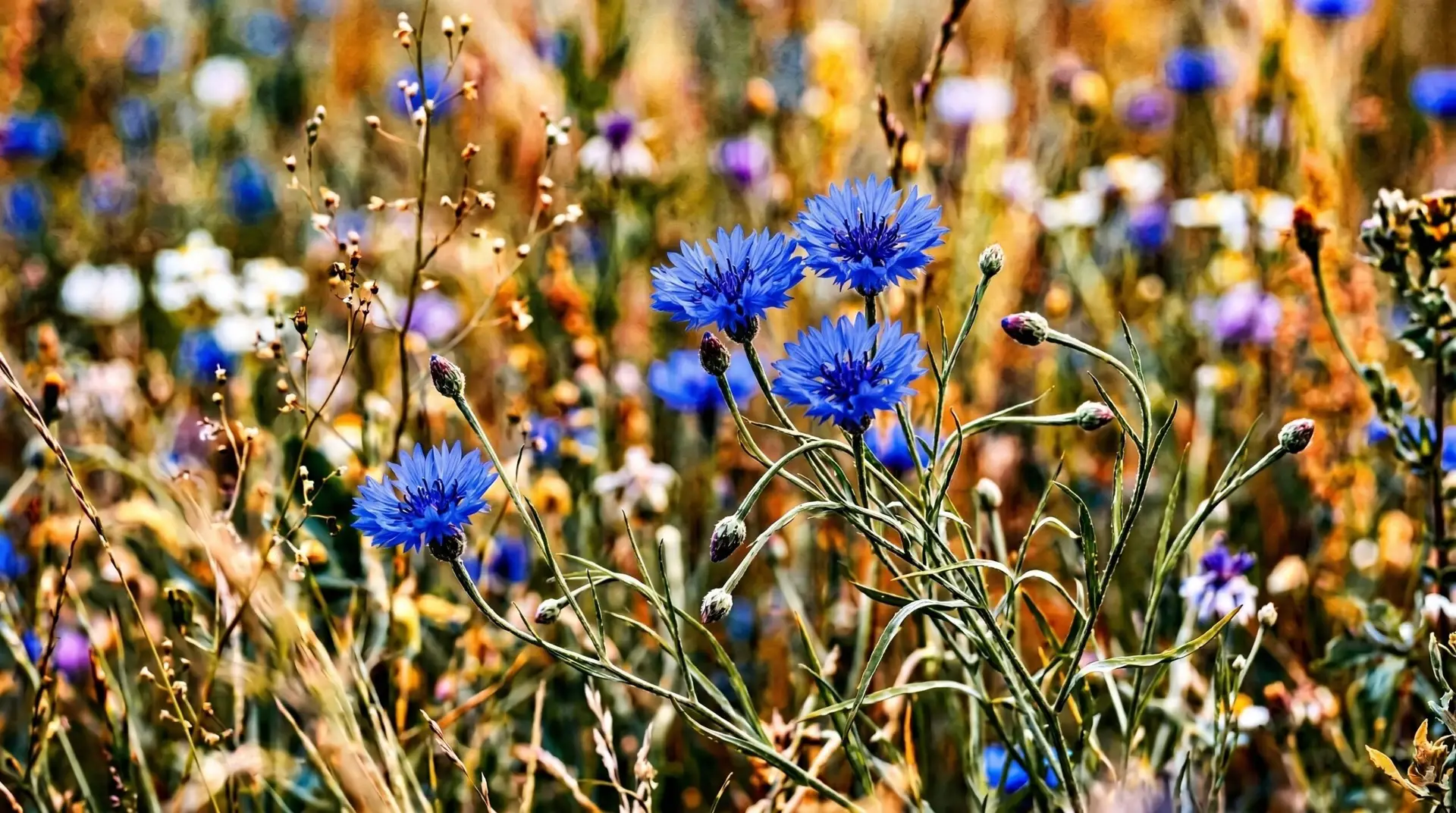
Long before it was neatly packaged in seed catalogs, the plant known botanically as Centaurea cyanus lived a wild and transient life across the agricultural lands of Europe. Farmers walking through vast fields of rye, oats, and barley would see these bright blue heads popping up stubbornly among the golden stalks. In England, all grain crops were historically referred to as corn, which is how the plant earned its most lasting common name. The original cornflower meaning was intrinsically tied to the harvest cycle and the rhythm of the changing seasons. It was viewed not as a cultivated treasure, but as a beautiful nuisance that refused to be tamed by the plow. As the grain ripened from green to gold under the heavy summer sun, the blue flowers held their color, becoming a familiar companion to the laborers who worked the fields from dawn until dusk.
The specific shade of these petals is a rarity in the natural world, a true, piercing azure that catches the eye immediately. Most flowers that appear blue lean heavily toward purple or violet, but this bloom possesses a clear, crystalline blue that seems to hold the light of a summer sky. Painters and dyers spent centuries trying to capture this exact hue, often crushing the petals in vain attempts to extract the pigment. The color alone gave the plant an almost magical reputation among early herbalists and storytellers. This striking visual contrast against the pale yellow wheat made the flower impossible to ignore, ensuring it would eventually be woven into the cultural fabric of the people who lived alongside it.
The folklore of the bachelor button
In rural villages, the flower took on a very specific role in the lives of young, unmarried men who worked the land. This custom gave rise to the plant’s alternate name, and the bachelor button meaning became deeply entwined with courtship rituals and love divination. A young man hoping to win the affections of a specific woman would venture out in the morning mist to pick a fresh bloom. He would carefully snap the stem and tuck the bright blue flower into the buttonhole of his jacket or shirt. The practice required a certain level of vulnerability, as everyone in the village would know exactly why he was wearing the bloom. The flower became a quiet, public declaration of intent, a way to signal romantic interest without speaking a word.
The true test of this tradition relied entirely on the passage of time and the natural resilience of the cut stem. The young man would wear the flower throughout his daily chores, paying close attention to how the petals fared as the hours passed. If the flower remained bright and fresh by the time evening arrived, village lore dictated that his love would be returned and the courtship would be successful. If the petals faded, wilted, or lost their color quickly under the afternoon sun, the young man had to accept that his affections were unrequited. The cornflower symbolism in this context transformed a simple weed into an oracle of the heart. The fate of a romance rested entirely on the moisture held within a single, fragile stem.
A royal refuge in the grain fields
Beyond the quiet dramas of village romance, the flower also found its way into the grander narratives of European history. During the early nineteenth century, as Napoleon’s army advanced aggressively across Europe, Queen Louise of Prussia was forced to flee Berlin with her children. According to historical accounts, she hid her young family in a field of tall grain to escape the notice of passing soldiers searching the countryside. To keep her children quiet and distracted from the terrifying danger nearby, she wove crowns out of the blue flowers growing thickly among the stalks. One of those frightened children grew up to become Kaiser Wilhelm I, and he never forgot the comfort those blue petals provided during that afternoon of hiding. He eventually declared it the national flower of Germany, cementing a new layer of cornflower meaning that spoke of resilience and royal endurance. Much like the forget-me-not, which also carries heavy historical weight, this simple blue bloom became a powerful emblem of memory and national identity.
The bleuet and the battlefields
The flower’s association with memory and survival took on an even heavier significance a century later during the First World War. When young French soldiers first arrived at the front lines, they wore new, bright blue uniforms that stood out starkly against the gray mud of the trenches. The veteran soldiers, whose own uniforms were covered in dirt and faded by the harsh elements, began calling these fresh recruits bleuets after the blue flowers of the French countryside. It was a term of endearment, recognizing the youth and innocence of the men who were stepping into the horrors of modern warfare. The cornflower symbolism shifted dramatically during these years, moving away from harvest folklore to become a representation of sacrifice and lost youth. The vivid blue color became inextricably linked to the faces of the young men who wore the uniform.
Even in the devastated terrain of the Western Front, where constant artillery fire destroyed almost all vegetation, these resilient plants found a way to survive. The seeds lay dormant in the churned earth, waiting for a few days of quiet and a bit of sunlight to germinate. Soon, the blue flowers continued to push up through the ruined soil, often blooming directly alongside the red blooms of the poppy. The sight of these delicate petals emerging from the devastation provided a sharp contrast to the destruction all around them. After the war ended, the Bleuet de France was established as the official symbol of memory and solidarity with veterans in France. To this day, the paper flowers are worn on lapels during days of national remembrance, carrying the weight of history in their artificial petals.
Sowing history in the modern garden
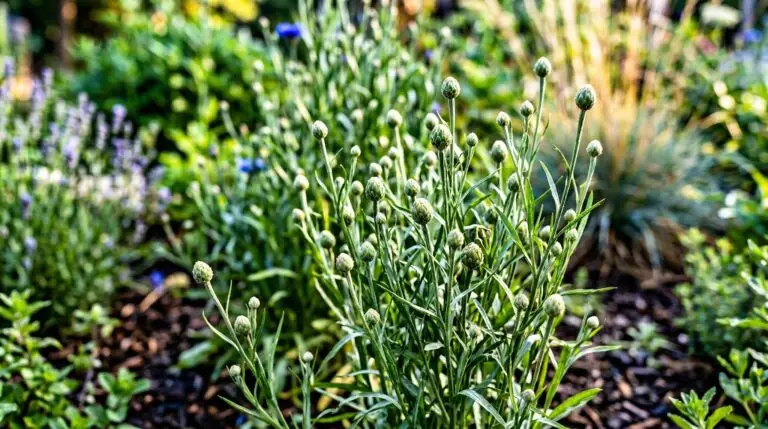
When you hold a handful of these seeds today, you are physically holding a piece of this long and varied history. The seeds themselves are curious things, looking a bit like tiny, bristly shaving brushes, completely unlike the smooth, round seeds of many other garden annuals. Scattering them over turned soil in the early days of spring feels like participating in an ancient, quiet ritual. They ask for very little from the gardener, requiring only a sunny patch of earth and a bit of water to begin their upward climb. As the days lengthen and the soil warms, the silver-green stems shoot up rapidly, forming tight buds wrapped in overlapping scales. The plant retains the hardy, independent nature of its wild ancestors, thriving even in poor soil where more delicate garden flowers might struggle.
When those scaly buds finally break open, the brilliant blue petals spill out, catching the morning light just as they did in the grain fields centuries ago. The flowers attract a steady stream of bees and butterflies, bringing movement and life to the garden from mid-summer until the first heavy frost. Watching them sway in a summer breeze, it is easy to understand why they have captured human imagination for so many generations. The deep cornflower meaning is not something you read in a book, but something you experience by watching the plant endure the changing seasons. Growing them is a quiet acknowledgment of everything they have witnessed, from hopeful young men seeking love to soldiers navigating the trenches of a broken world. They remain exactly what they have always been: a bright, stubborn flash of blue that refuses to fade into the background.
More About Cornflowers
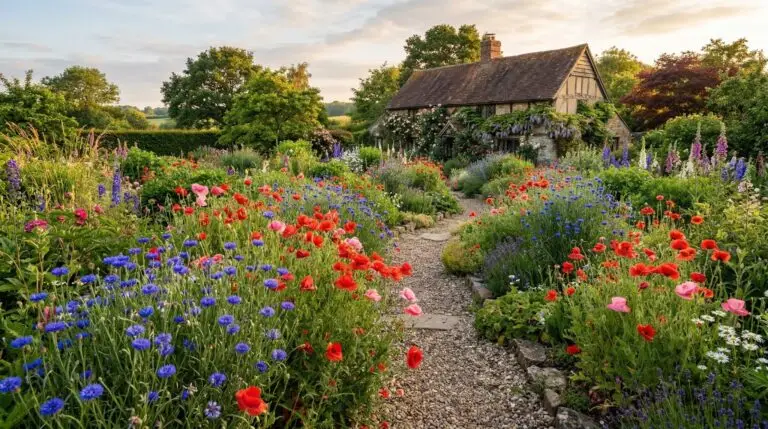
Cornflower companion plants: what to grow, and what to avoid
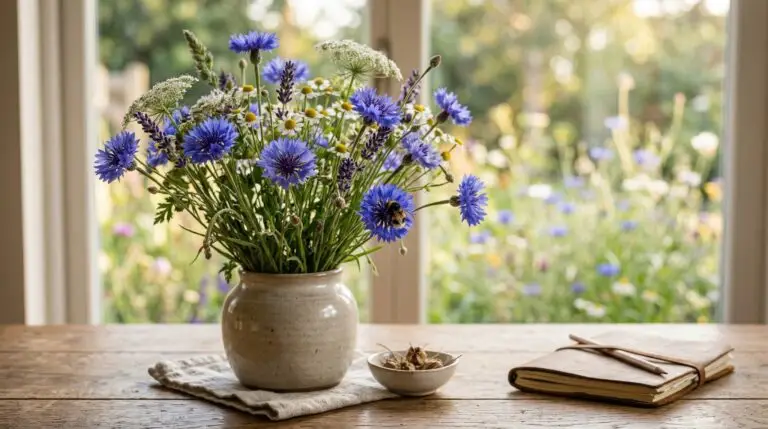
Cornflowers for wildlife gardens attracting bees goldfinches and beneficial insects
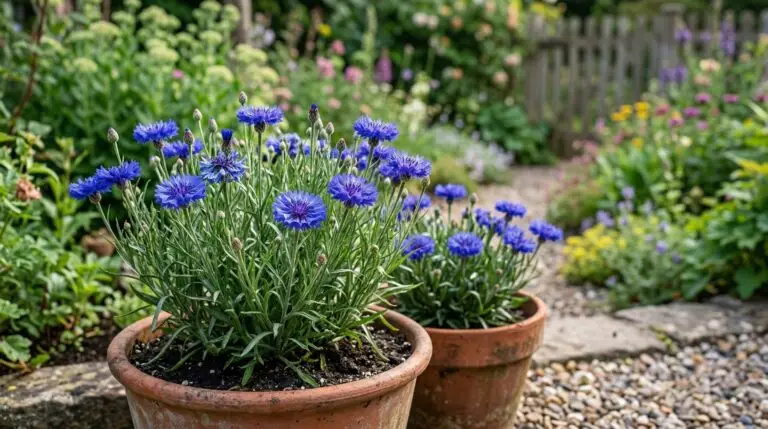
Growing cornflowers in containers for a wildflower look on balconies and patios
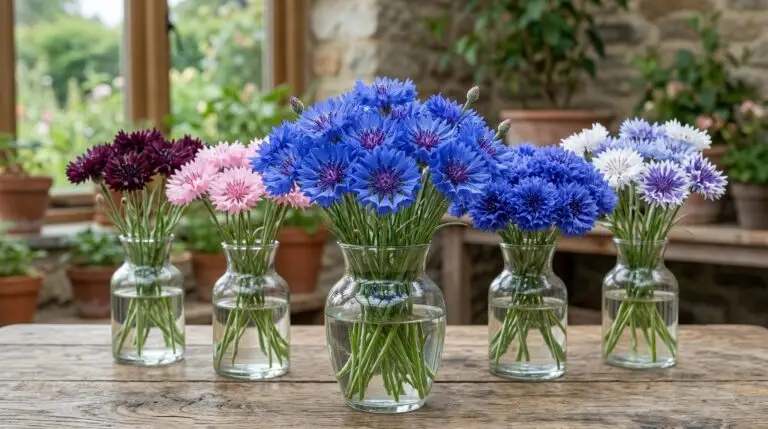
Best cornflower color varieties from classic blue to black and pink for cutting gardens
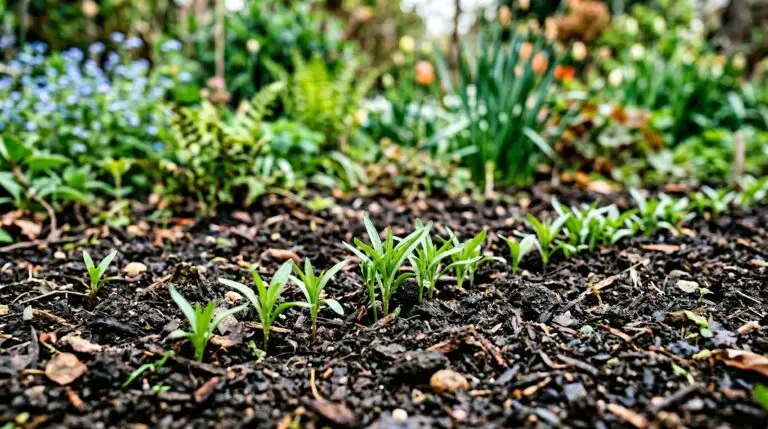
How to grow cornflowers from seed for a wildflower meadow that reseeds every year
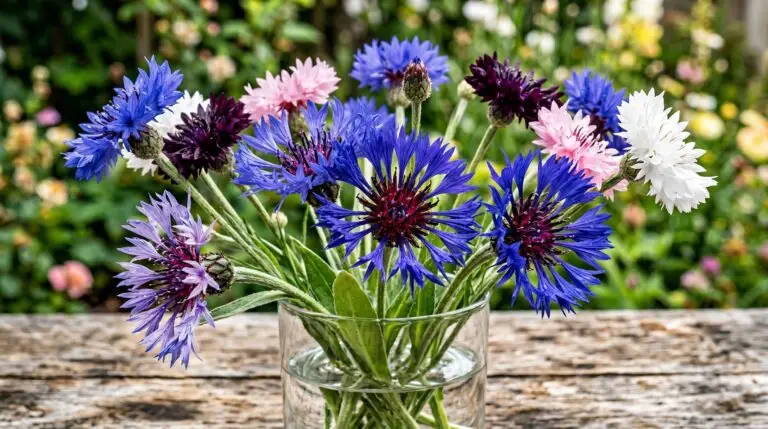
Perennial cornflower species that come back year after year unlike the annual bachelor button
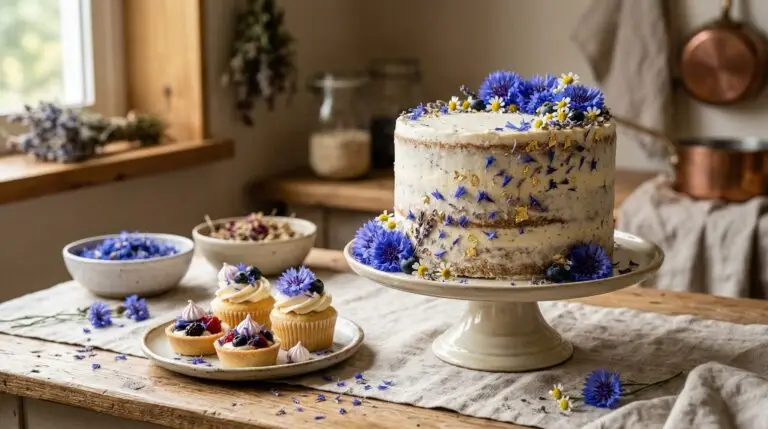
Edible cornflowers for cake decorating cocktails and salad garnishes
Growing cornflowers as cut flowers for charming cottage-style bouquets all summer