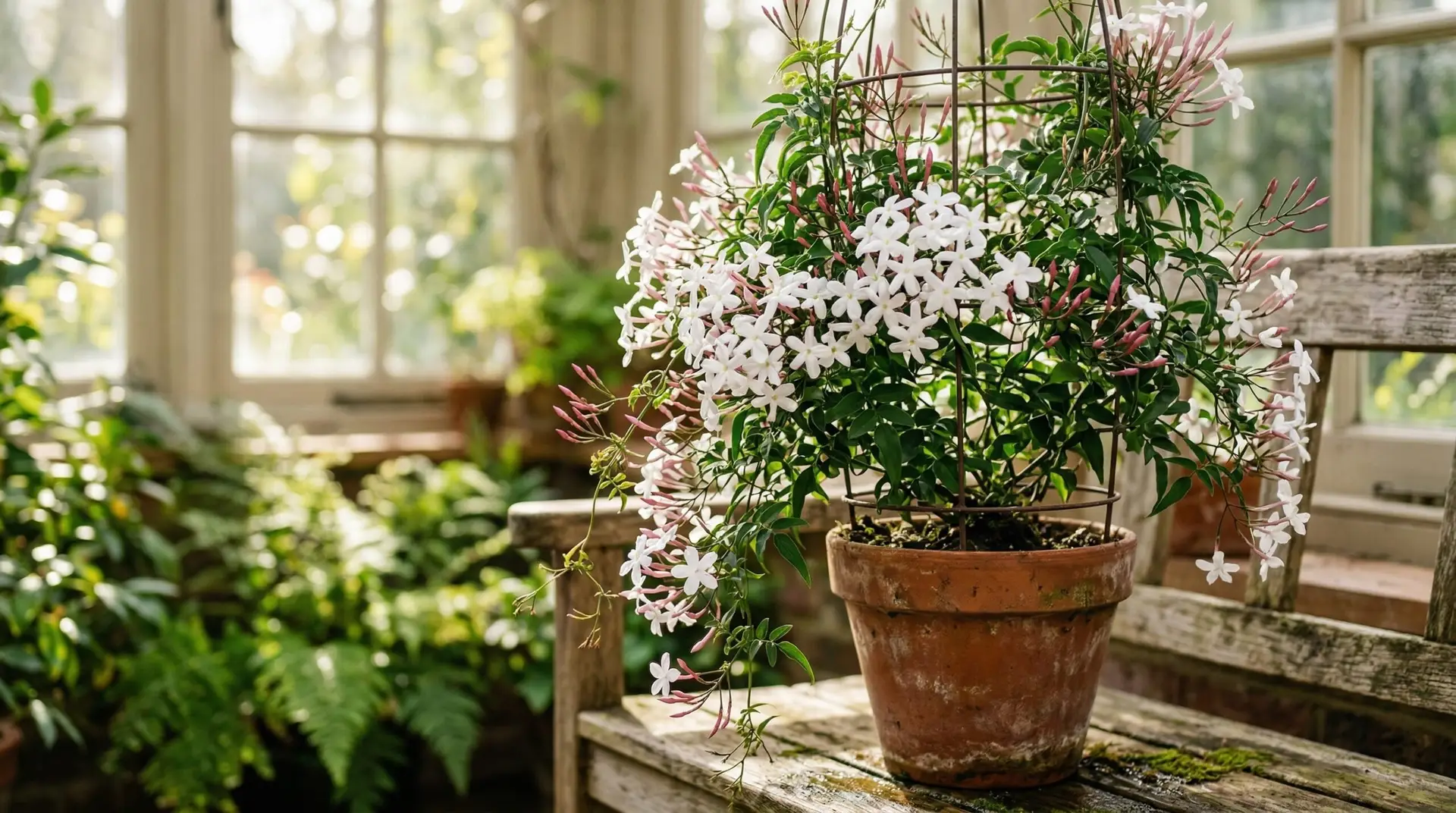
Walking into a garden center in late January usually means breathing in the heavy, sweet scent of pink jasmine blooming on little wire hoops. Bringing one of those plants home is easy, but keeping that indoor jasmine thriving and blooming again the following winter takes a bit of specific care. A common experience is watching the plant drop all its flowers within a few weeks and then explode into a tangled mess of green vines that never produce another bud. The vines will wrap around anything they can reach, including nearby lamps and window blinds. Growing a jasmine houseplant successfully requires understanding exactly what triggers those flowers and how to keep the aggressive growth under control. The good news is that these plants are tough, and once the basic rules of temperature and pruning are clear, they will reliably perfume a room every winter.
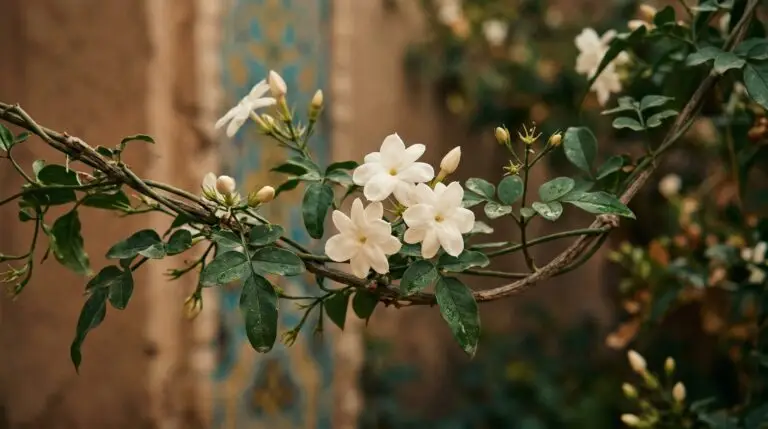
The first step is knowing exactly which type of plant is sitting on the windowsill. The most common winter-blooming vine sold in stores is Jasminum polyanthum, often called pink jasmine because of the dark pink buds that open into white stars. This plant is a true vine and requires very specific seasonal changes to trigger its flowers. The other common type is Jasminum sambac, or Arabian jasmine, which grows more like a sprawling shrub and produces small, intensely fragrant white flowers. Choosing between them usually comes down to the temperature of the house, as they have completely different winter needs. Those who have struggled with other fragrant but temperamental indoor plants, like a gardenia, will find that matching the right jasmine to the home environment solves most of the usual growing problems.
Getting pink jasmine to bloom again
The secret to getting a pink jasmine indoors to set flower buds is a period of chilly nights in the fall. These plants need about four to six weeks of nighttime temperatures dropping between 40 and 50 degrees Fahrenheit. Without this cold period, the plant will produce miles of green vines but absolutely no flowers. A practical way to achieve this without a specialized greenhouse is to leave the potted plant outdoors on a patio or porch well into the autumn. Bring it inside only when there is a threat of an actual frost. Gardeners in the South can often leave their pots outside much later into the season, while northern growers might need to utilize an unheated garage or a drafty sunroom to provide that necessary chill.
While the plant is experiencing these cold temperatures, it needs less water than it does during the active summer growing season. The soil should dry out noticeably between waterings, and the vines might look a bit limp or sad during this rest period. They are not dying, and resisting the urge to overwater them is critical to keeping the roots healthy. Once the tiny, tight clusters of flower buds become visible at the ends of the vines, the plant can be moved into a warmer room with bright, indirect sunlight. Much like coaxing a moth orchid to push out a new flower spike, patience and a slight drop in temperature are the only real requirements.
Taming the wild vines
A healthy pink jasmine vine grows aggressively during the spring and summer, easily adding several feet of growth in a single season. Left to its own devices, it will quickly turn into a messy, unmanageable clump that chokes out its own center leaves. Providing a sturdy trellis in the pot is the easiest way to keep the plant contained and looking tidy on a windowsill. There is no need for expensive supports, as a simple arch made from a bent wire coat hanger or a few bamboo stakes tied together works perfectly. Gently untangle the new vines every few weeks and wrap them loosely around the support structure to train them into a neat shape. The vines naturally want to twine, so they will quickly grab hold and cover the support structure entirely.
Pruning is just as important as trellising for keeping a jasmine houseplant healthy and attractive. The best time to cut the plant back is immediately after it finishes blooming in the late winter or early spring. It feels wrong to chop off so much green growth, but cutting the vines back by half prevents the base of the plant from becoming woody and bare. Use a sharp, clean pair of scissors or pruning shears to snip the vines just above a leaf node. The plant will bounce back fast, pushing out fresh, vigorous growth that will eventually form the buds for the following winter. Skipping this step usually results in a top-heavy plant with a messy bird’s nest of tangled stems at the ceiling and bare dirt at the bottom.
Arabian jasmine as an easier alternative
For homes that stay consistently warm all winter, Arabian jasmine is often the more reliable choice for indoor fragrance. This plant does not require a cold period to set buds and will bloom on and off throughout the entire year if it receives enough sunlight. It grows as a woody shrub rather than a twining vine, making it much easier to keep contained in a standard pot without elaborate trellising. The flowers are less numerous than the pink jasmine, but a single open bloom can easily perfume an entire room. It is a highly resilient plant, far more forgiving of missed waterings or dry indoor air than a stephanotis or similar tropical flowering houseplant.
Both types of jasmine need a well-draining soil mix to prevent root rot during the shorter days of winter. Standard, inexpensive potting soil mixed with a generous handful of perlite or coarse builder’s sand provides excellent drainage and air circulation for the roots. During the active summer growing season, these plants are heavy feeders and require regular fertilization to support all that foliage and flower production. A basic liquid fertilizer formulated for tomatoes or blooming houseplants, mixed at half strength and applied every two weeks, keeps the leaves dark green. Stop feeding entirely in the late fall and winter when the plant slows down, as excess fertilizer in the soil will just burn the resting roots.
Dealing with common indoor problems
The biggest challenge of growing jasmine indoors is dealing with the inevitable arrival of spider mites. These tiny pests thrive in the dry, heated air of winter homes and will quickly cover the tips of the vines in fine, dusty webbing. The leaves will start to look speckled with yellow and will eventually drop off if the mites are left unchecked. The cheapest and most effective solution is simply taking the entire pot into the shower every few weeks. Wash the foliage thoroughly with lukewarm water, making sure to spray the undersides of the leaves where the mites hide. This physically removes the pests and temporarily raises the humidity around the plant, which helps keep new mites from moving in.
Bringing a fragrant plant into the house requires a bit of trial and error to find the exact window and watering schedule that works for your specific environment. It is completely normal for a newly purchased plant to drop a few leaves or even abort some flower buds while it adjusts to the lower light and humidity of a living room. Give the plant a few weeks to settle in before deciding that it is failing or needs to be repotted. The effort required to figure out the right balance of cool fall nights and bright winter days pays off entirely when those first white flowers open. Having a healthy vine blooming on the windowsill makes the darkest, coldest days of winter feel a little bit more like spring.
More About Jasmine flower
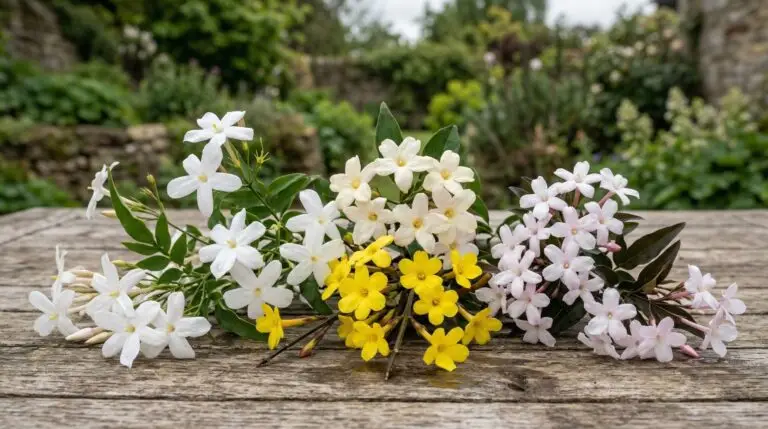
Winter jasmine for cheerful yellow flowers on bare branches in the coldest months
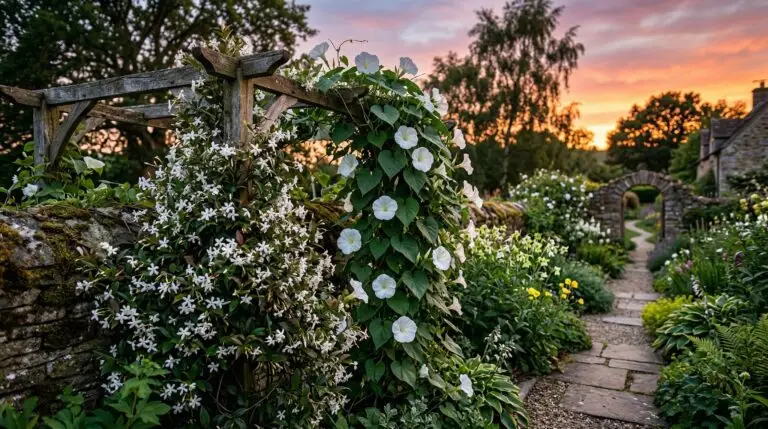
Companion plants for jasmine that create a fragrant moonlight garden for summer evenings
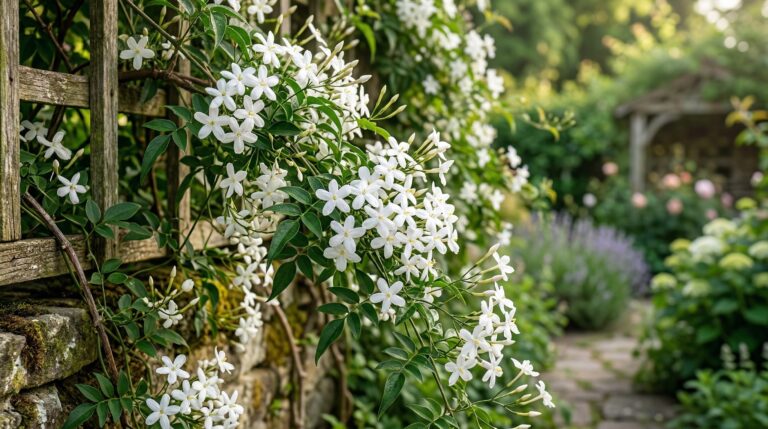
How to grow jasmine for intoxicating evening fragrance that fills the entire garden
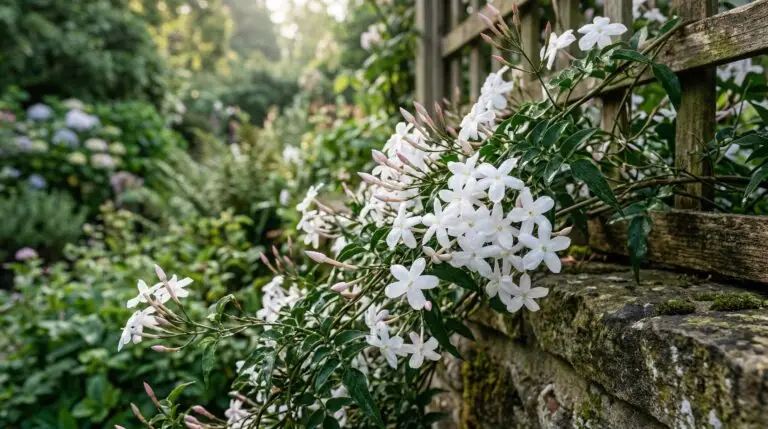
Why jasmine is not blooming and the cold night temperatures it needs to set buds
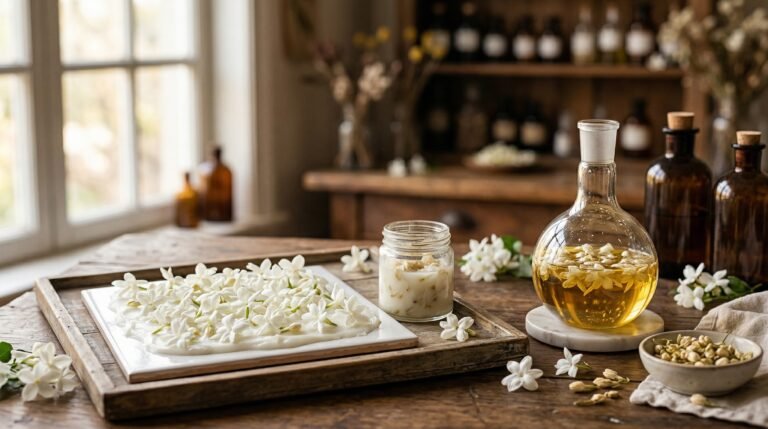
Jasmine essential oil and why this is one of the most precious fragrances on earth
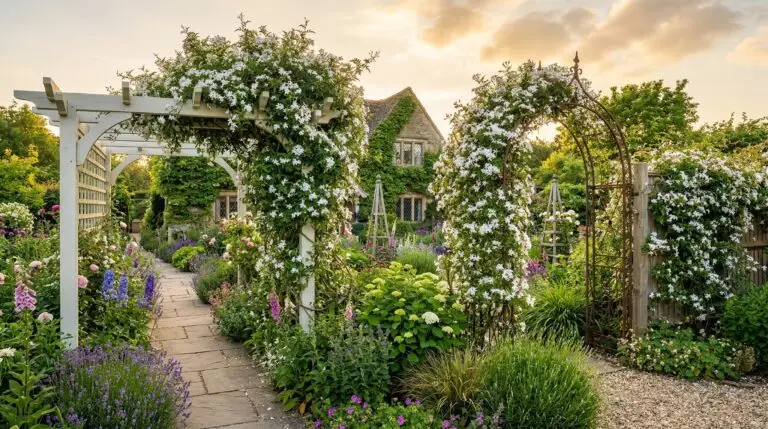
Training jasmine vines on arbors trellises and pergolas for fragrant garden structures
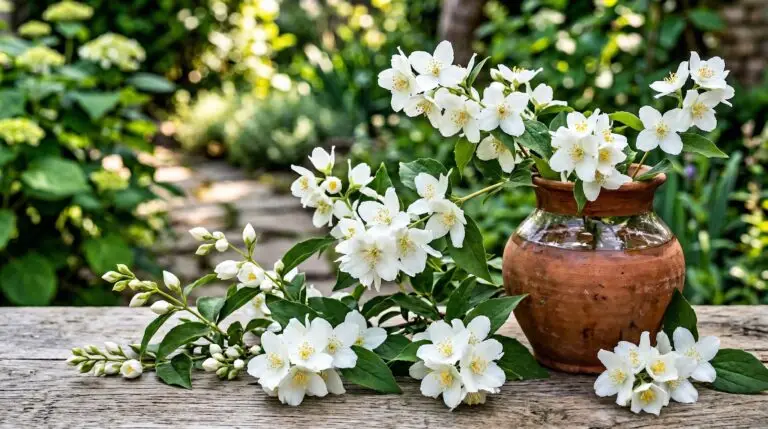
Best jasmine varieties from hardy winter jasmine to intensely fragrant Arabian jasmine
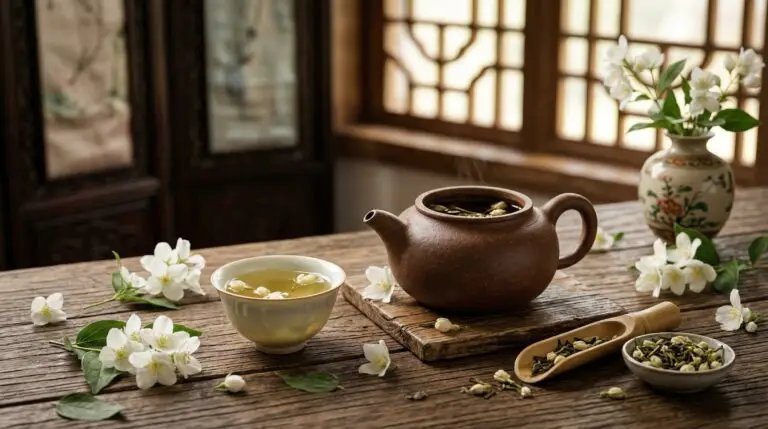
Jasmine tea and the ancient art of scenting tea leaves with fresh jasmine flowers