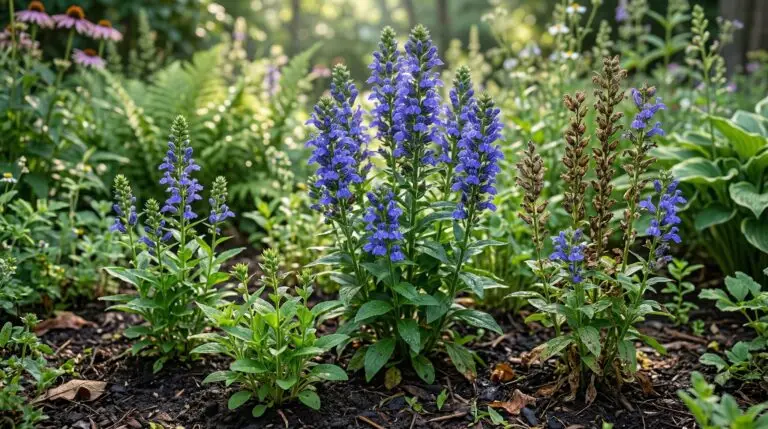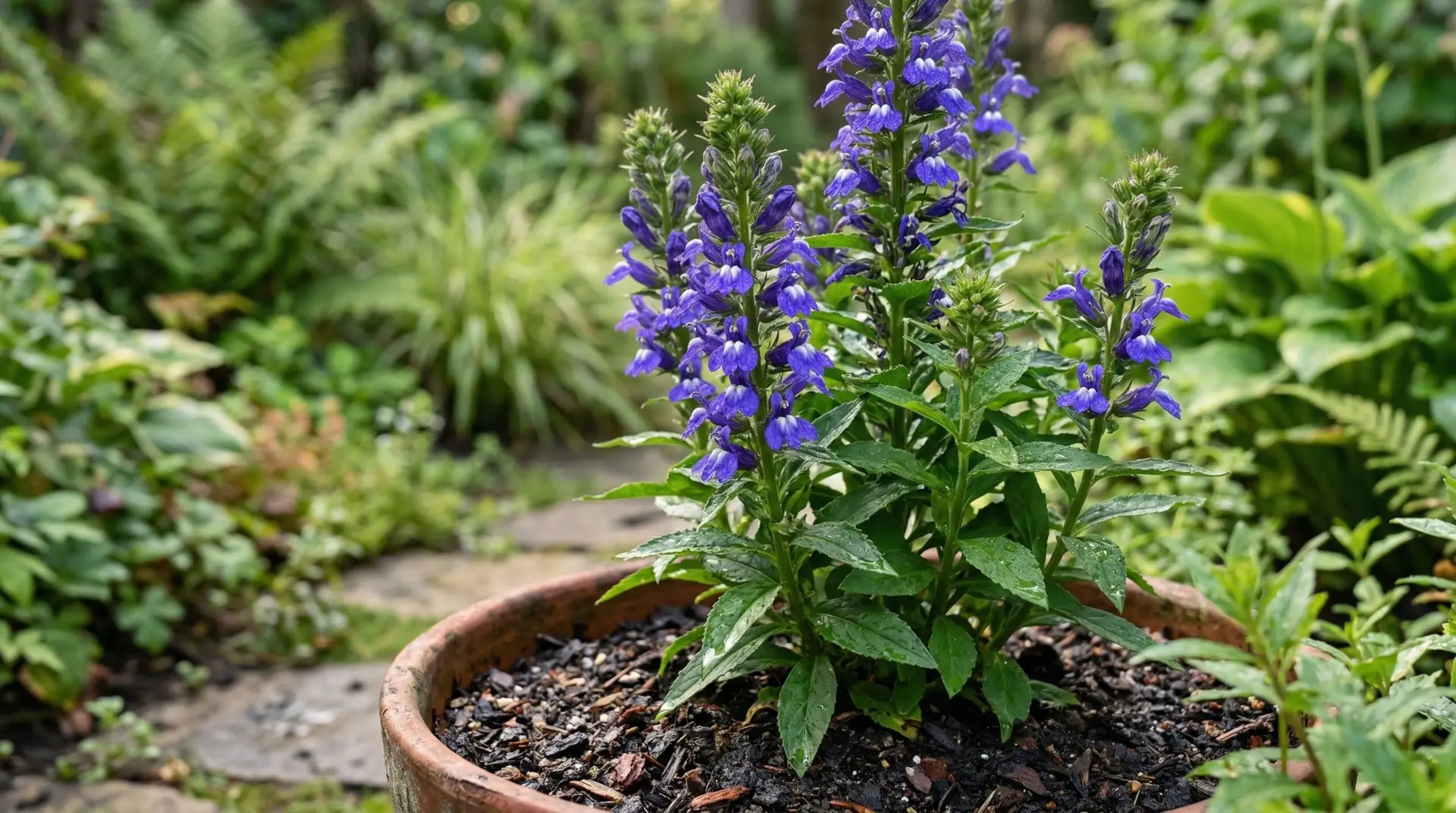
Late August brings a specific kind of exhaustion to patio gardens. The early summer blooms have faded, and the potted plants often look like they have surrendered to the heat. This is exactly when great blue lobelia decides to send up tall spikes of tubular blue flowers. Growing native plants in containers requires a shift in mindset because wild plants do not naturally grow in small, restricted spaces above ground. Great blue lobelia is a wetland plant by nature, which means it demands a lot of water to survive a hot summer on a concrete patio. Keeping lobelia in pots alive is entirely possible with the right soil and watering habits.
The most common mistake with container lobelia is treating it like a drought-tolerant prairie native. Many popular native plants thrive on neglect, but this particular species will crisp up and die if the soil dries out completely. Years of trial and error reveal that success depends entirely on managing moisture from the roots up. The seedlings look dead for about two weeks after transplanting into a new pot. They are not dead, but they do need time to establish their root systems before pushing new top growth. Give them plenty of water and a bit of patience during this transition period.
Choosing the right pot size and material
Container material makes a massive difference for plants that crave wet feet. Terra cotta pots pull moisture out of the soil and evaporate it through their porous walls, making them the absolute worst choice for great blue lobelia. Glazed ceramic pots or thick resin containers hold moisture in the soil much longer, giving the roots a steady supply of water. A cheap plastic pot will work perfectly fine, especially if it is slipped inside a heavier decorative pot to keep the roots cool. Gardeners in the South may find that light-colored pots are necessary to prevent the root ball from cooking in the afternoon sun. In northern zones, darker pots can help warm the soil earlier in the spring and encourage faster growth.
Pot size is just as important as the material when dealing with thirsty native plants. A small pot simply cannot hold enough soil volume to stay wet through a long summer day. A container that is at least fourteen inches wide and equally deep provides enough room for the roots to stretch out and access deeper moisture reserves. When roots hit the sides of a small pot, they circle tightly and become entirely dependent on daily watering. A larger soil volume acts like a sponge, creating a buffer that forgives an occasionally missed watering session. Upgrading to a larger pot immediately solves half the problems associated with growing wetland natives on a patio.
Mixing soil that holds water without turning to mud
Standard commercial potting soil drains too quickly for a plant that naturally grows along stream banks and in damp meadows. Creating a moisture-retaining container mix requires blending standard potting soil with materials that hold water. Mixing two parts regular potting soil with one part compost and one part coconut coir creates a heavy, damp medium that lobelia loves. The compost provides slow-release nutrients while the coir traps water without compacting into a solid brick. Avoid using garden dirt straight from the yard, as it will turn into concrete after a few weeks of heavy watering in a container.
Fertilizer needs for container lobelia are relatively low compared to heavy-feeding annuals like petunias. The compost in the custom soil mix usually provides enough nutrition to get the plant through its first flush of late summer blooms. If the lower leaves start turning yellow in mid-July, a weak dose of liquid fish emulsion helps green things up. Over-fertilizing actually causes the plant to produce weak, floppy stems that snap in the first heavy rain. The goal is steady, moderate growth rather than forcing an unnatural explosion of foliage. Keeping the soil consistently damp is far more important than adding chemical fertilizers to the pot.
Managing constant moisture on a hot patio
Watering routines dictate whether great blue lobelia thrives or fails in a container environment. During the hottest weeks of July and August, these pots will likely need water every single day. A heavy rain shower rarely provides enough water to soak a large container thoroughly because the plant canopy acts like an umbrella, shedding water over the sides of the pot. Checking the soil requires actually sticking a finger two inches down into the dirt to feel for moisture. If the top layer feels dry, the plant needs a deep soaking until water runs freely out of the bottom drainage holes.
Using plant saucers is a highly effective trick for wetland natives grown on patios. While most plants rot if left sitting in water, great blue lobelia appreciates a shallow saucer filled with water during a heatwave. The soil wicks moisture up from the saucer throughout the afternoon, keeping the roots cool and hydrated. This method is particularly helpful for gardeners who work long hours and cannot water their patio plants in the middle of the day. Just remember to empty the saucers when the weather cools down in autumn, as sitting in freezing water will eventually rot the dormant crowns.
Combining lobelia with other native container plants
Mixed planters work exceptionally well when great blue lobelia is paired with other native species that tolerate damp soil. The tall blue spikes provide excellent vertical structure, leaving plenty of room around the base for shorter, mounding plants. You must choose companion plants that share the same high water requirements, otherwise the roots of the drier plants will rot. Sedges and moisture-loving ferns make excellent neighbors in a large, shaded patio container. A large pot placed in partial sun can support a beautiful late-summer display of blue and yellow if planned carefully.
Be cautious when mixing wetland plants with classic prairie natives that prefer dry feet. Trying to grow lobelia in the same pot as a drought-tolerant coneflower usually ends in disaster for one of the plants. The coneflower will drown in the wet soil, or the lobelia will wilt if the pot is kept dry enough for its neighbor. A better strategy involves planting these species in separate pots and clustering them together on the patio. You can easily group a wet pot of lobelia next to a dry pot of black eyed susan to get that classic blue and gold contrast without compromising the root health of either plant.
Winter survival is the final hurdle for perennial native plants in containers. Pots left entirely exposed on a patio will freeze solid, thawing and refreezing repeatedly until the root system is destroyed. Moving the pots into an unheated garage or sliding them up against the foundation of the house provides enough protection to get them through the coldest months. The soil must remain slightly damp even during winter dormancy, so throwing a handful of snow onto the pots once a month does the trick. When spring arrives, the old stems can be cut back to make way for the new basal rosettes that signal another year of growth.
More About Great Blue Lobelia
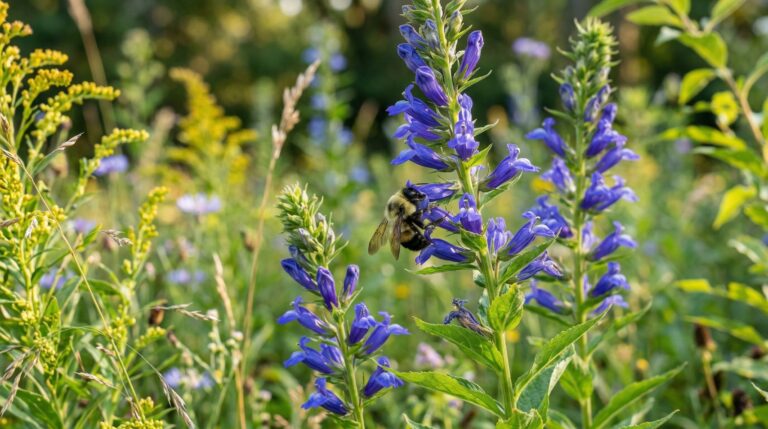
Great blue lobelia for hummingbird and pollinator gardens in late summer
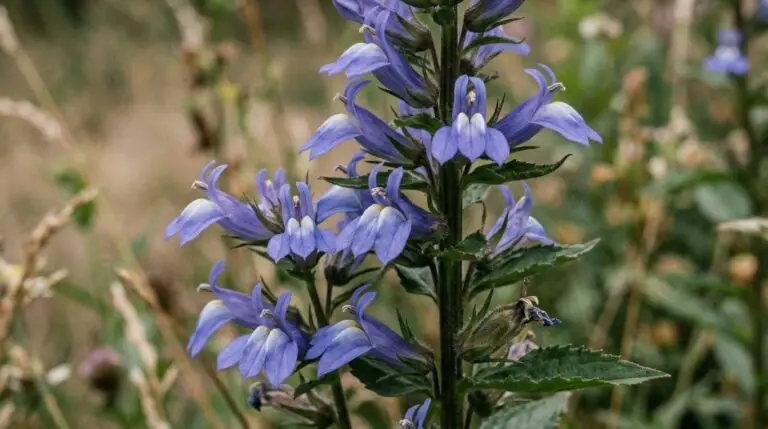
The medicinal history of lobelia siphilitica and how it got its unusual name
How to grow great blue lobelia for tall sapphire spikes in moist garden borders
Great blue lobelia in shady wet gardens where most blue flowers refuse to grow
Great blue lobelia as a native plant for rain gardens and wet problem areas

Growing great blue lobelia from seed and the cold treatment they need to germinate
Great blue lobelia versus cardinal flower and choosing the right lobelia for your garden
Great blue lobelia companion plants: what to grow and avoid