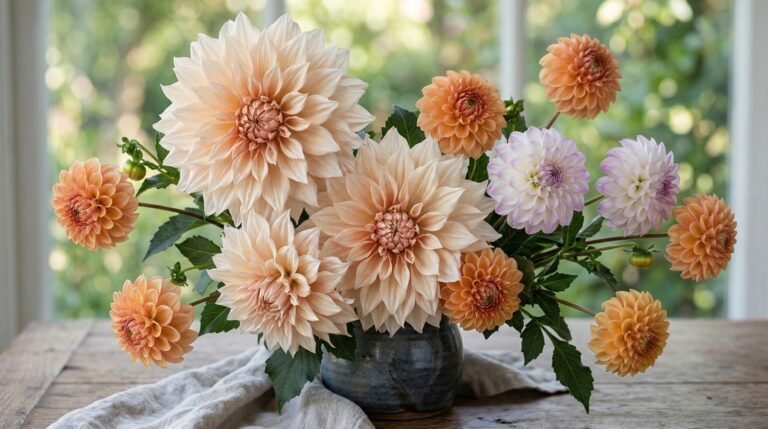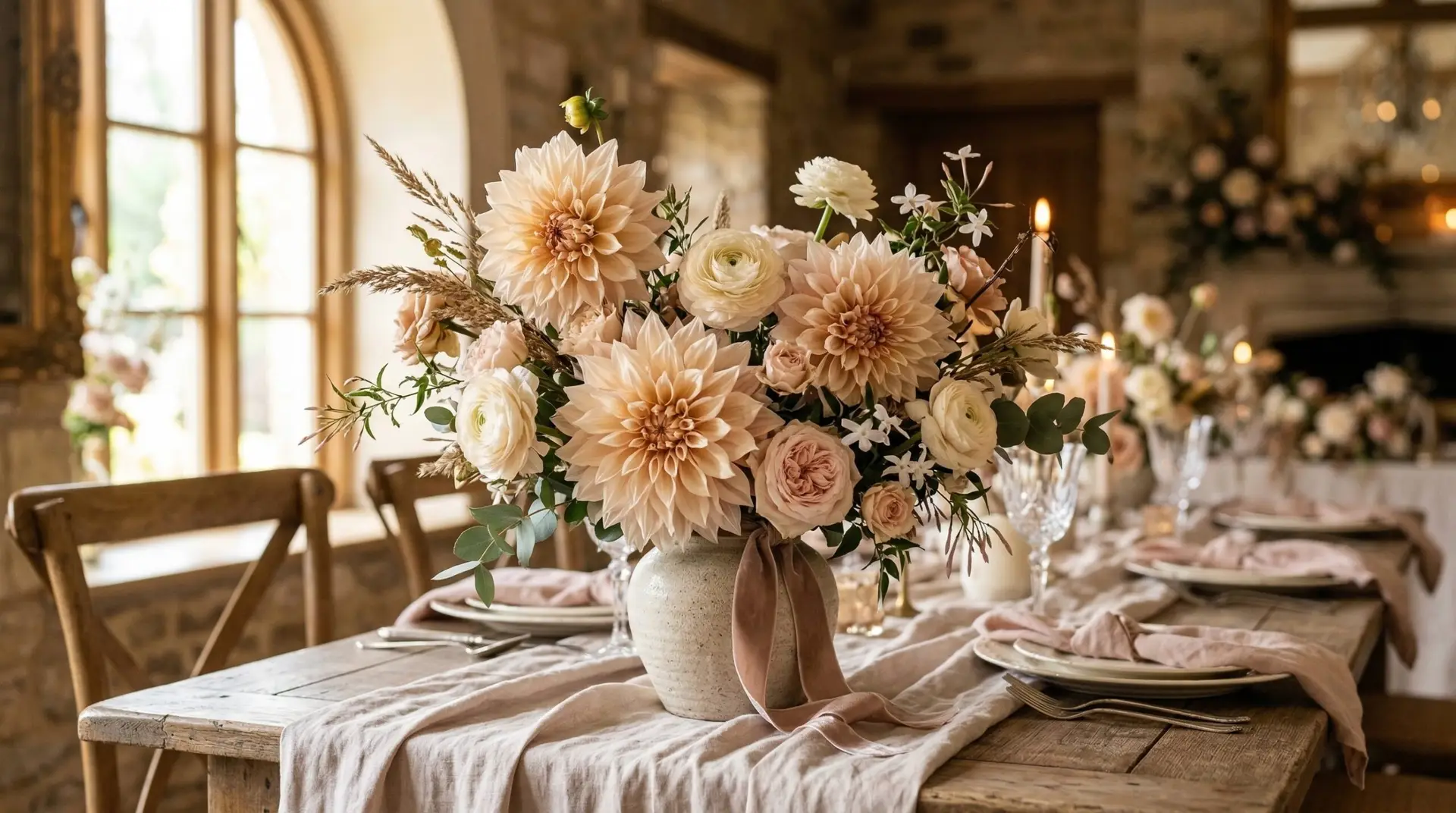
Late afternoon light filters through the canvas of a reception tent, catching the edges of a massive floral centerpiece. The eye is immediately drawn not to the familiar tight spirals of traditional wedding flowers, but to a sprawling, saucer-sized bloom with dozens of softly curling petals. It is the color of milky coffee touched with pale pink, and it anchors the entire arrangement with an effortless, heavy grace. For decades, the default choice for this kind of bridal romance was the classic rose, tightly wrapped and perfectly uniform. Now, a different flower holds the attention of couples planning their celebrations. A dahlia wedding brings a specific kind of wild, garden-grown energy to a venue, offering textures and scales that feel entirely distinct from greenhouse standards. The shift toward these complex, many-petaled blooms represents a broader desire for floral design that feels freshly gathered from the soil.
The reign of the dinnerplate dahlia
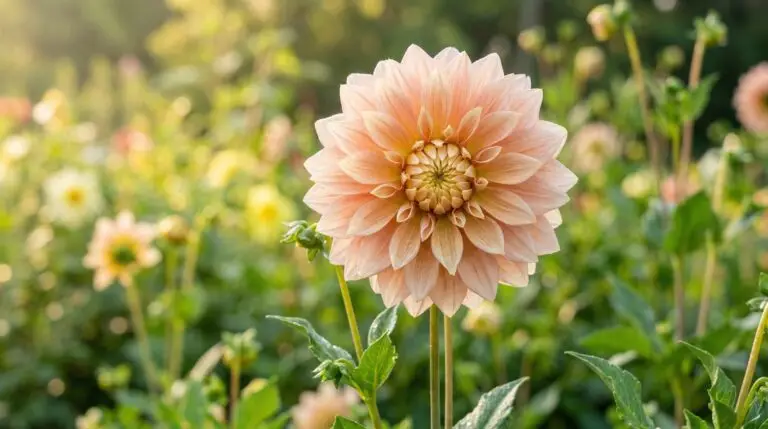
There is one specific variety that altered the direction of wedding floral design entirely. The Cafe au Lait dahlia is a massive, dinnerplate-sized flower that produces blooms reaching up to ten inches across. Its color is notoriously difficult to pin down, as it shifts from creamy ivory to dusty blush, and sometimes takes on a warm mocha tint depending on the soil and the sunlight. Florists love this unpredictability because it bridges the gap between warm and cool tones in a bridal bouquet. When placed at the center of an arrangement, a single Cafe au Lait creates an anchor point that commands the eye. Many designers use them to replicate the lush, heavy volume of peonies for couples marrying late in the year. The sheer size of these flowers allows for loose, asymmetrical designs that look organic and unforced.
While the Cafe au Lait gets much of the credit for popularizing dahlia wedding flowers, it is only the beginning of what the genus offers. These plants produce an astonishing variety of shapes, from tight, spherical pompons to spiky cactus types with rolled petals. This structural diversity gives florists a massive toolkit for building depth and shadow into a dahlia bridal bouquet. A designer might pair a large, flat waterlily-style dahlia with several smaller, ball-shaped varieties in a slightly darker shade. The resulting arrangement has a physical weight and a visual complexity that is difficult to achieve with uniform commercial blooms. Gardeners often notice that dahlias have a certain wildness to their stems, curving and reaching in ways that defy rigid placement. This natural movement is exactly what makes them so appealing for modern wedding aesthetics.
Color palettes and seasonal timing
Couples choosing flowers for their celebration often find that dahlias offer color nuances absent in traditional hothouse roses. You can find dahlias in deep, velvety burgundies that look almost black in the shade, bright corals, muted terracottas, and every shade of peach imaginable. The only color missing from their genetic profile is true blue, leaving an otherwise complete spectrum for event design. This expansive color range is particularly useful for late summer and autumn weddings, when the light turns golden and couples lean toward richer, more saturated palettes. Dahlias are inherently seasonal, hitting their peak production from August through the first hard frost of autumn. Planning a wedding around their natural blooming window ensures the flowers will be at their most robust and visually impressive. There is something deeply satisfying about carrying a bouquet that reflects the exact moment in the agricultural year.
Working with highly seasonal flowers does require a degree of flexibility from the couple and the designer. An early frost can suddenly end a local farm’s dahlia harvest, forcing florists to source blooms from farther away or pivot to alternative options. However, this fleeting availability is part of the charm, making the flowers feel like a temporary, precious gift from the garden. Florists often pair late-season dahlias with textured foliage, turning leaves, and seed pods to emphasize the autumnal mood. In milder climates, or with the help of specialized growers, designers might even mix them with late-season ranunculus for a highly textural, heavily petaled look. The most successful dahlia arrangements embrace the season rather than trying to disguise it. The resulting aesthetic feels grounded in the natural world, rather than imported from a distant greenhouse.
Arrangement logistics and budget realities
When comparing a dahlia wedding to one heavily reliant on traditional roses, the budget calculations look quite different. Premium dahlias are often expensive on a per-stem basis, especially the highly sought-after dinnerplate varieties grown by local specialty farms. However, their massive size means a florist needs far fewer stems to create a visually impactful centerpiece or bridal bouquet. One large dahlia can easily fill the visual space of four or five standard roses, changing the overall math of the floral budget. Florists also spend considerable time processing and hydrating dahlias, because they are notoriously thirsty flowers that require careful handling. Their hollow stems can be fragile, and they do not tolerate being out of water for extended periods like some hardier commercial flowers. This delicate nature means designers often reserve the largest, most substantial blooms for water-sourced centerpieces rather than installations that must survive hours in the dry air.
Despite their need for careful handling, the visual payoff of using locally grown dahlias is immense. Most designers prefer to source these flowers from local flower farmers rather than shipping them internationally. Dahlias generally do not travel well in dry cardboard boxes, and they often arrive bruised or shattered after a long flight. Buying locally ensures the petals remain pristine and the colors stay true to the grower’s field. This local sourcing model also allows brides to visit the flower farm in the weeks before the wedding, walking the rows to see exactly what will be cut for their tables. The connection between the soil, the grower, and the final wedding arrangement adds a layer of meaning to the floral design. It turns the flowers from a simple commodity into a localized agricultural experience.
The appeal of the dahlia lies in its unapologetic presence and its refusal to be perfectly uniform. After the vows have been spoken and the guests have moved to the dance floor, a bridal bouquet often finds its way to a quiet side table. Resting there in the dimming light, a large dahlia reveals its complex geometry, the layers of petals folding inward toward a hidden center. The edges might show the faintest bruise from being held tightly during the ceremony, a physical mark of the day’s emotion. These flowers do not look like plastic replicas or stiff, manufactured objects. They look entirely alive, heavy with water and rich with the scent of the late summer earth. Choosing them for a wedding is a decision to embrace the garden exactly as it is, fleeting and thoroughly beautiful.
More About Dahlia
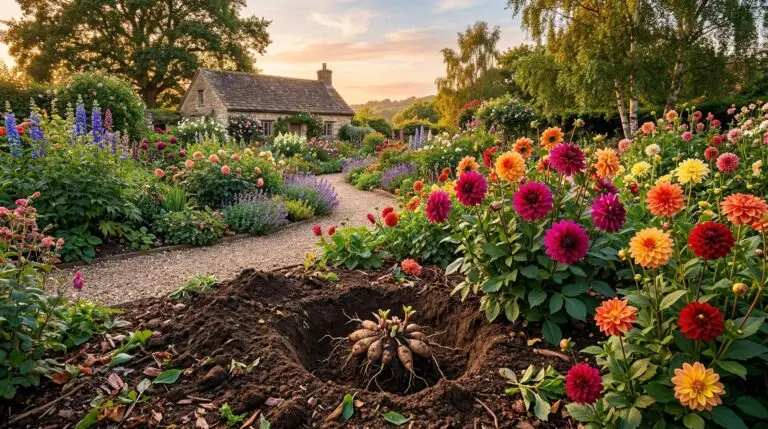
Dahlia tuber storage over winter so your favorite varieties survive until spring
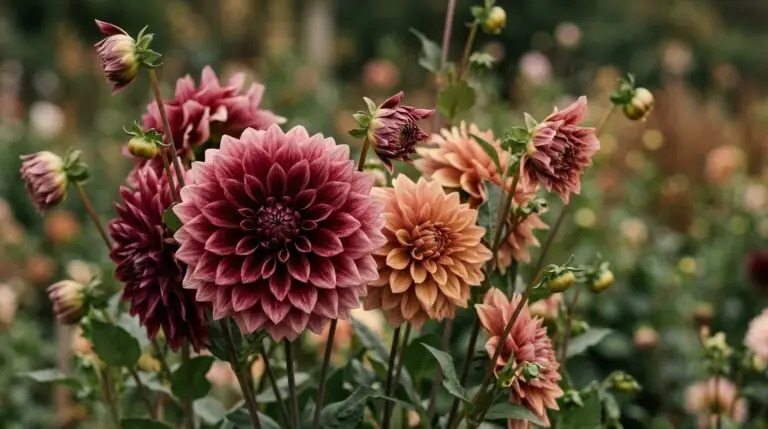
Dahlia flower meaning and the Victorian language of flowers message behind each color
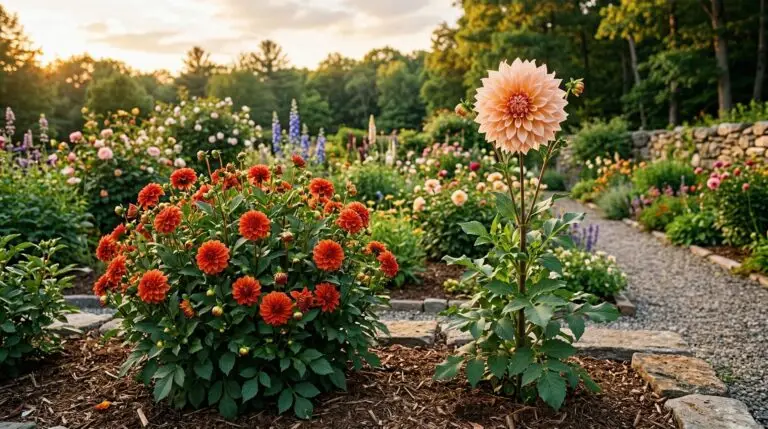
How to pinch and disbud dahlias for more flowers or bigger individual blooms
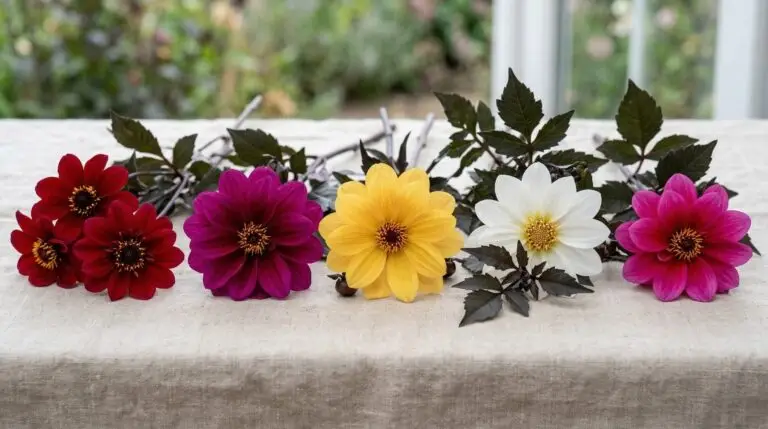
Dark-leaved dahlias that bring drama with stunning foliage and jewel-toned flowers
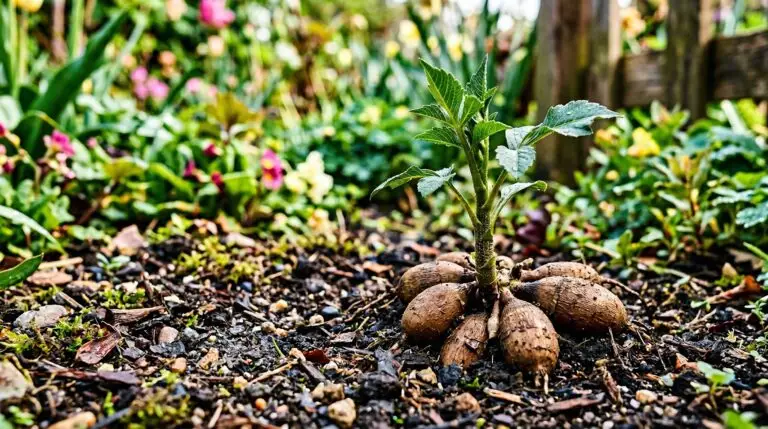
How to divide dahlia tubers in spring for more plants from your collection
How to grow dinner plate dahlias for enormous blooms that stop people in their tracks
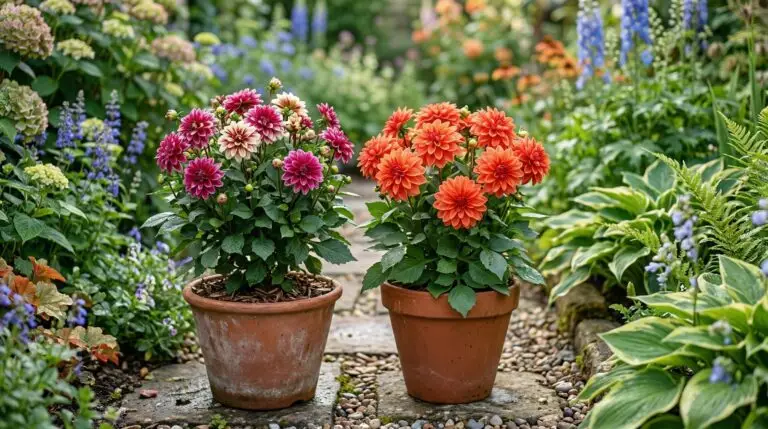
Growing dahlias in containers for a patio flower show from midsummer to frost
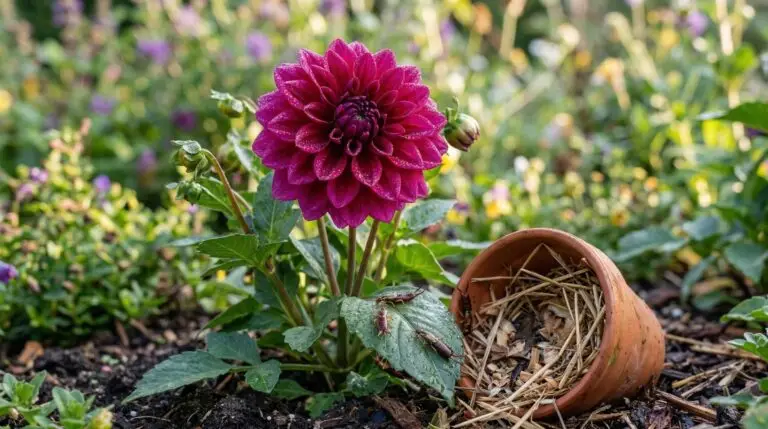
Dahlia pests and diseases including earwigs slugs and powdery mildew solutions