Companion plants for your flowers
Pick your flower and see what honestly grows well with it, every pairing rated proven, partial, or folklore against a named university source.
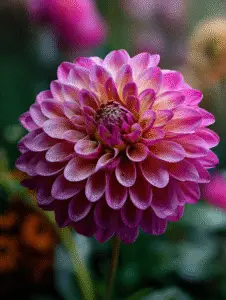 DahliaDahlia pinnataRed summer bloomerCompanion guide ›
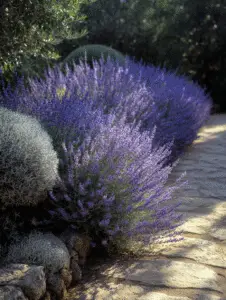 LavenderLavandula angustifoliaPurple summer bloomerCompanion guide ›
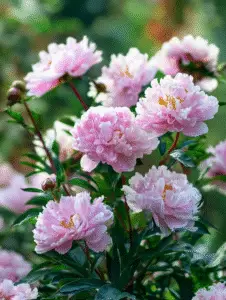 PeonyPaeonia lactifloraPink spring bloomerCompanion guide ›
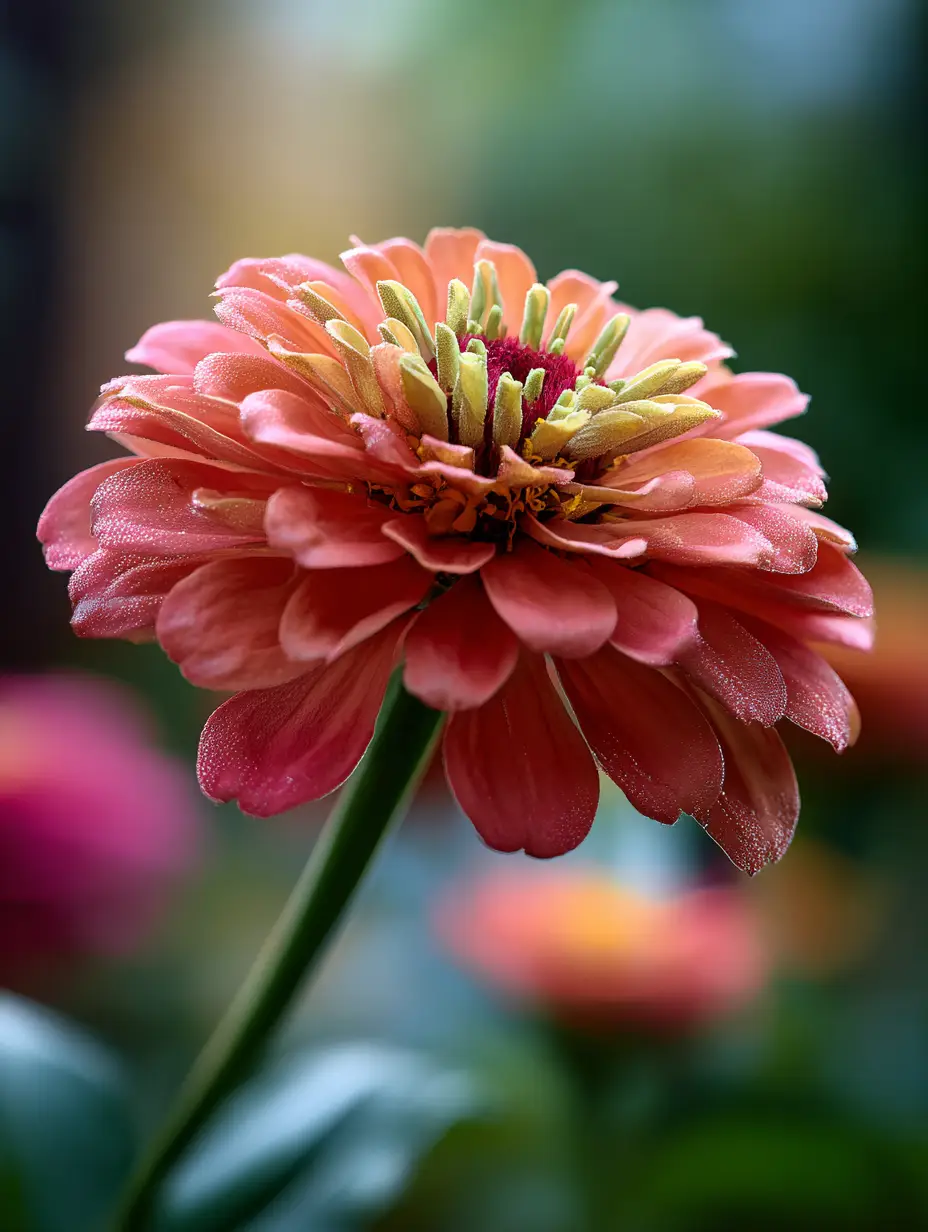 ZinniaZinnia elegansRed summer bloomerCompanion guide ›
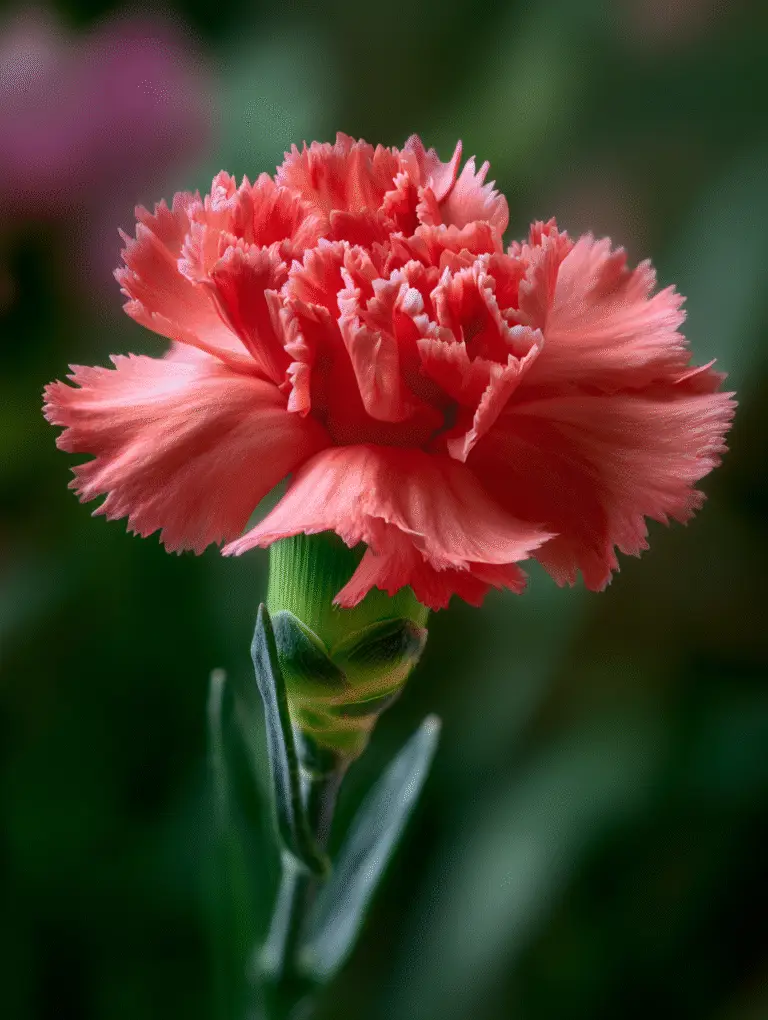 CarnationDianthus caryophyllusRed summer bloomerCompanion guide ›
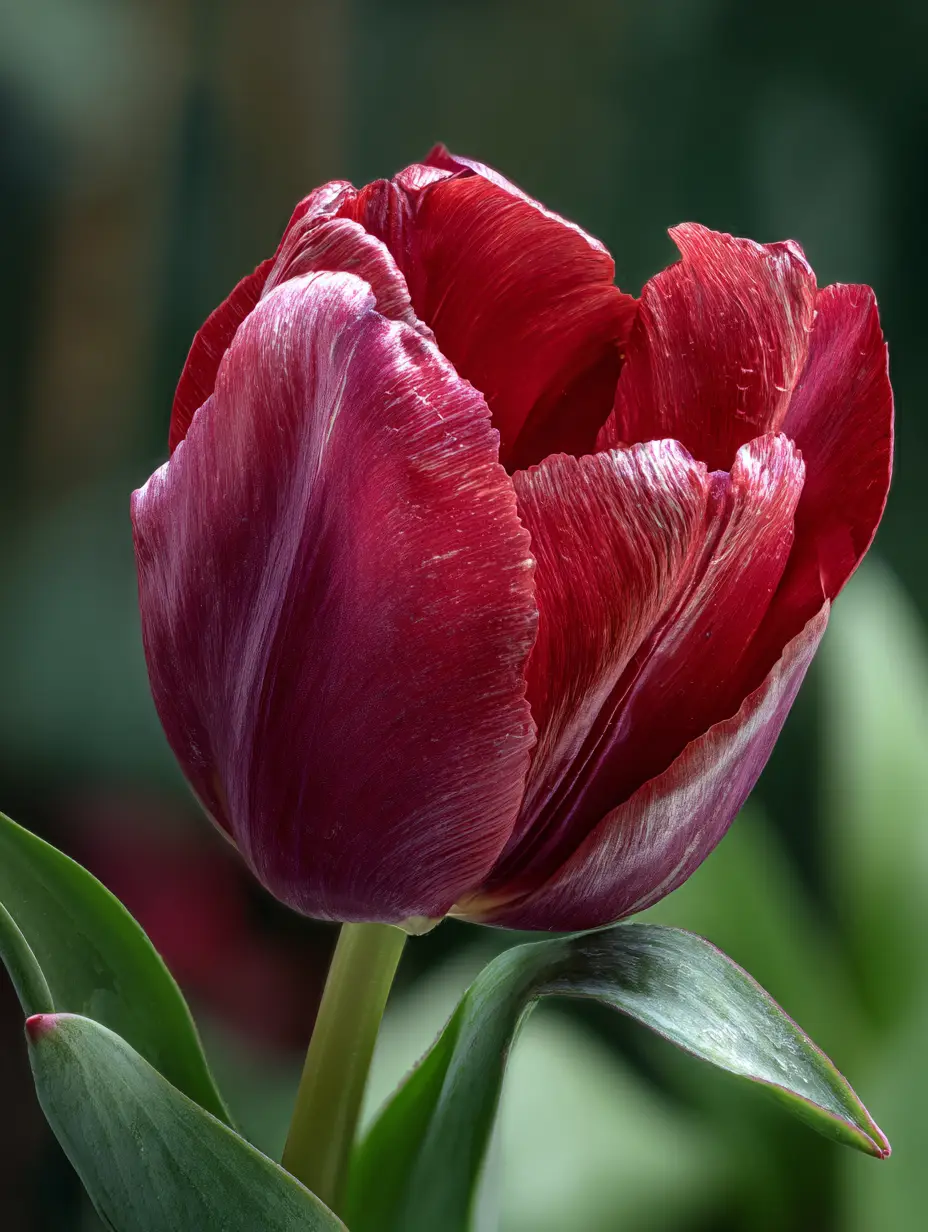 TulipTulipa spp. (incl. Tulipa gesneriana hybrids)Red spring bloomerCompanion guide ›
 AnthuriumAnthurium andraeanumRed cool-season bloomerCompanion guide ›
 RoseRosaRed summer bloomerCompanion guide ›
No flower matches those filters. Try fewer, or clear all.
Does companion planting actually work?
Most of what gets called companion planting is not science, and the person who put that most bluntly is a horticulturist, not a skeptic with an axe to grind. Linda Chalker-Scott, an extension horticulturist and associate professor at Washington State University, has spent years testing the popular companion charts that circulate from book to blog to Pinterest board, and her conclusion is unsentimental: traditional companion-plant lists are, in her own words, no more scientifically valid than astrology, fun the way a horoscope is fun, but not evidence. She traces the habit back to older systems that paired plants by element or zodiac sign the same way old almanacs paired people by birth month, and argues that dressing folklore up in botanical Latin does not make it a study. The University of Arizona Cooperative Extension reaches the same place from a different angle, stating plainly that companion planting is not a proven science, while still carving out the handful of pairings that hold up under actual measurement. That is the honest starting position for this entire page: concede the field before defending any part of it.
Once that concession is made, the real mechanisms get more interesting, not less. Take marigolds, one of the most-cited companion plants in popular guides and the cleanest teaching example of why nuance matters more than a verdict. University of Florida IFAS research confirms that certain marigolds, grown as a dense cover crop for about two months and then tilled into the same soil where a vegetable crop will follow, measurably suppress root-knot nematodes through a compound called alpha-terthienyl. That is real, published, and repeatable. What is not real is the version everyone actually practices: tucking three or four marigolds between tomato plants for the season. A few scattered marigolds never reach the tissue concentration the nematode-suppression trials used, so the folk version of the claim fails for a completely different reason than "marigolds don't work," namely that garden-scale planting never delivers the dose the lab-scale study required. Proven and folklore can both be true about the same plant at the same time, depending only on how much of it you use and how you use it, and that gap between mechanism and dose is why a single verdict rarely tells the whole story.
The second flagship myth worth naming directly is nitrogen fixation, because it gets repeated as a settled fact more than almost any other companion-planting claim. Beans, peas, and other legumes host bacteria that pull nitrogen from the air and fix it in root nodules, and that part is genuine soil chemistry. What is oversold is the idea that a living legume is actively feeding the neighboring flower or vegetable while it grows. University of Nebraska-Lincoln CropWatch agronomists, reviewing exactly this claim in legume cover crops, found that very little of that fixed nitrogen turns up in the surrounding soil while the plant is actively growing; nearly all of it eventually becomes available to a subsequent crop only once the legume is not harvested and its tissue is left to break down. So a legume planted this year mostly banks nitrogen for whatever gets planted in that same soil next year, not for the flower growing next to it this July.
A third trap worth naming, because it is the fastest way for a garden chart to contradict itself, is confusing trap-cropping with repelling. These are two different mechanisms that popular charts routinely blur into one confused claim. A trap crop works by being more attractive to a pest than the plant you actually care about, deliberately pulling insects onto a sacrificial planting positioned away from the main bed; nasturtium functions this way for aphids, and it earns its place on serious extension trap-cropping lists precisely because it draws pests toward itself. Repelling means the opposite: a scent or compound that is supposed to drive pests away entirely. A single plant cannot logically do both at once, attract and repel the same insect, yet plenty of recycled charts claim exactly that about the same species without noticing the contradiction. When you read that a flower "repels aphids" and also "traps aphids" in the same list, one of those two claims is wrong, and usually neither has been tested as carefully as the chart implies.
Where does the enduring, copy-pasted chart even come from? Most of it traces to one source: Louise Riotte's 1975 book Carrots Love Tomatoes, a popular gardening title, not a research program, published decades before allelopathy and pest ecology had the evidence base they have today. Riotte's pairings were built from garden lore and personal observation, and the book's enormous popularity is exactly why so many "good neighbor, bad neighbor" charts online still trace back to the same unverified list, restated with new photography but no new evidence. Naming that provenance matters more than a vague "sources vary" disclaimer, because it explains why the same claims keep resurfacing everywhere with no citation attached: they were never tested to begin with, only repeated.
None of this means nothing works. Trap cropping is real enough that a Washington State University Extension Master Gardener write-up on integrated pest management formally lists nasturtium as a trap crop for aphids and flea beetles, and a field trial out of Iowa State, summarized by University of Minnesota Extension, measured real reductions in cabbage looper and cabbageworm damage from thyme, onion, and nasturtium plantings under actual garden conditions, not a lab dish. Sunflower allelopathy is also genuine chemistry rather than folklore: Pennsylvania State University Extension names sunflower alongside black walnut as a documented allelopathic species, the same kind of documented allelopathy as the textbook juglone case that keeps sensitive plants dozens of feet from a mature black walnut tree. Peer-reviewed plant-chemistry research narrows the sunflower mechanism further, tracing it mainly to decomposing residue, compounds including sesquiterpene lactones and chlorogenic acid released from roots, stems, and leaves as they break down, which is why the effect hits hardest against whatever gets planted in that same soil afterward rather than a neighbor blooming six inches away in the same summer. Composting or clearing fallen sunflower stems and roots out of a bed in autumn lets rain and natural decomposition remove most of that residue before spring; keep sunflowers a few feet from tomatoes mainly for shade and root competition, not because of some ongoing chemical standoff. That single mechanism explains something forum gardeners argue about constantly, where one person's tomato collapses next to a sunflower and another's thrives, because the real variable was residue and timing, not the sunflower itself.
Below, every claim on this site carries one of three labels. Proven means a university or peer-reviewed source measured the effect under real or realistic conditions. Partial means the mechanism is genuine but only under specific conditions the popular version usually skips. Folklore means the claim is repeated widely with no controlled evidence behind it, whatever the story sounds like. Every pairing on this site is checked against a named university or extension source before it earns any one of those three labels.
A university or peer-reviewed source measured the effect under real or realistic conditions.
The mechanism is genuine, but only under specific conditions the popular version usually skips.
Repeated widely with no controlled evidence behind it, whatever the story sounds like.
| Claim | Verdict | Source |
|---|---|---|
| Marigolds suppress root-knot nematodes as a tilled-in cover crop | Proven, narrowly | UF/IFAS |
| A few marigolds tucked among vegetables repel pests generally | Folklore | Piedmont Master Gardeners |
| Legumes actively feed neighboring plants nitrogen while alive | Partial to folklore | UNL CropWatch |
| Nasturtium works as a trap crop for aphids and flea beetles | Proven | WSU Extension |
| Sunflowers chemically suppress nearby plants all season | Partial | Penn State Extension; peer-reviewed plant chemistry |
| Scent-based pest confusion from aromatic herbs | Folklore | WSU Extension |
| Most static good-neighbor and bad-neighbor charts, as presented | Folklore in origin | Multiple extension sources |
The one rule that matters most: shared conditions
If nothing else on this page sticks, this rule should: match sun, water, and soil pH before you worry about anything else, because a plant with the wrong light or the wrong drainage will struggle no matter how good its pest-repelling reputation is. This is the least contested claim in the entire literature and, according to extension horticulturists, a far more reliable predictor of a happy bed than any folklore about scent or repelling. It is also the rule every "good companion" chart skips, because shared conditions are less exciting to write about than a story where one plant protects another.
Roses and lavender make the point cleanly, because they are recommended together constantly for how they look and how rarely they actually thrive together. Roses want rich, regularly fed, evenly moist soil and reward heavy feeding with more bloom. Lavender wants the opposite: lean, fast-draining soil that stays on the dry side, and it sulks or rots in a bed that gets watered on a rose's schedule. Planted a few feet apart with separate watering, the combination works as a design pairing, lavender's silver foliage against a rose's color, without either plant drowning or starving the other. Planted close together sharing one irrigation line, the pairing fails for a boring, entirely predictable reason that has nothing to do with pests, chemistry, or folklore: one of the two plants is getting watered wrong every single day. Checking sun, water, and pH against your own rose bed before adding a lavender border catches this kind of mismatch before it costs you a season.
Match sun, water, and soil pH first. A plant in the wrong light or wrong drainage struggles no matter how good its companion reputation is. It is the least contested claim in the whole literature, and the one every "good companion" chart skips.
What not to plant near your flowers
Most flower incompatibilities are not mysterious and have nothing to do with one plant secretly poisoning another; they come down to a short list of repeating mechanisms that show up across nearly every flower on this site. Water mismatch is the most common: a drought-loving plant like lavender or Russian sage planted next to a thirsty one like a hydrangea or a dahlia means one of them is being watered wrong on any given day. Shade competition is next, where a tall, fast-spreading neighbor blocks the light a sun-loving flower needs to bloom well, which reads as "this flower failed" when the real cause is simply light theft. Heavy-feeder competition shows up when two hungry plants, roses and dahlias are a common pairing here, are planted close enough to compete hard for the same nutrients and water, leaving both a little starved. Allelopathy is real but narrower than its reputation, sunflower and black walnut are the two textbook cases, and it mostly punishes whatever gets planted in that soil afterward rather than a same-season neighbor a few feet away. Shared pest and disease risk matters too: powdery mildew or aster yellows can hop between susceptible neighbors that would otherwise seem unrelated, so grouping disease-prone species together concentrates risk in one bed. Finally, aggressive self-seeders like mint or morning glory do not so much clash with a neighbor as quietly take over the whole bed within a season or two, which is a different kind of problem than incompatibility but belongs on the same warning list.
The severity varies by mechanism, and knowing which kind of avoid you are looking at changes how worried to be. A water or shade mismatch usually means one plant limps along rather than dies outright, and can often be fixed by moving it a few feet. Allelopathy and aggressive spreading are the pairings closer to irreversible: a bed choked by mint or a follow-on crop stunted by sunflower residue is a harder problem to walk back mid-season than a slightly under-watered lavender. Every flower's own companion page names its specific avoid list with the mechanism spelled out, because the reason changes what you should actually do about it.
Companion planting for a goal, not just a flower
Not everyone landing here has a flower picked out already; plenty of people start with a goal instead. If the goal is pollinators, the strongest, best-supported move is choosing more single-bloom flowers over double-bloom cultivars, since doubled petals often hide or crowd out the nectar and pollen that bees and butterflies actually need, a distinction the Royal Horticultural Society's pollinator research backs directly. If the goal is pest control without reaching for a spray bottle, look toward genuinely documented trap crops and insectary plants, since most of what casual lists call "repels bugs" outpaces the evidence; a bed built around real insectary species draws in the predatory insects that do the pest control for you. If cut flowers are the goal, spacing and bloom succession matter more than any pest-repelling reputation, since a cutting garden lives or dies on having something in bloom in sequence across the season. Container growing narrows the field further, since anything aggressive or deep-rooted becomes a liability in a pot rather than an asset. And a bed built to forgive beginner mistakes should lean on the shared-conditions rule above almost exclusively, because sun and water mismatches are the single most common reason a first garden underperforms, long before pests or folklore ever enter the picture. The goal filters at the top of the catalog let you narrow it by exactly these categories directly, without reading through every flower's page.
Flowers and vegetables together
Plenty of flower gardeners also keep a vegetable bed, and a handful of ornamental flowers genuinely earn a working place inside it. Marigolds are the obvious one, for the nematode-suppression case above rather than the vague general pest-repelling reputation that outpaces the evidence. Nasturtium earns its spot for the same trap-crop reason covered above. Sunflowers work at the border of a vegetable bed for structure and pollinator traffic, granted the same residue-clearing caveat already covered. Zinnias and calendula both draw in the same beneficial, predatory insects that keep vegetable pests in check, functioning as insectary plants rather than repellents. None of these five is being recommended here as a vegetable-garden chart competing with the Old Farmer's Almanac; they are flowers first, and this is simply where the flower-first system and the vegetable-crossover intent genuinely overlap, with the same evidence standard applied either way.
Guides that go deeper
A few topics from this page deserve their own full treatment rather than a paragraph here: the sunflower allelopathy mechanism in more depth, separating what decomposing residue actually does from the "chemical warfare" version of the story; a design and color-pairing guide for gardeners choosing companions by how a bed looks rather than by pest or soil logic alone; and a look at the Three Sisters method, the corn, beans, and squash system that remains the single cleanest, most thoroughly documented example of companion planting working exactly as advertised, and worth understanding as the model for what a real companion relationship looks like.
Frequently asked questions
Does companion planting actually work?
Parts of it do, tested and measured by university researchers, and parts of it are folklore repeated since the 1970s with no controlled evidence behind it. It depends entirely on which specific claim you mean, which is why this page grades every pairing individually.
Is there scientific evidence for companion planting?
Yes, for specific mechanisms: trap cropping, insectary planting that draws in beneficial predators, and certain allelopathic effects like sunflower residue are all documented by land-grant university extension research. The broader idea of companion planting as one unified system with a universal chart of friends and enemies is not something the research supports.
What should you never plant near sun-loving or drought-tolerant flowers?
Avoid pairing a drought-tolerant flower like lavender with anything that needs frequent watering, since one of the two will consistently get the wrong amount of water. Shade-casting neighbors are the other common mistake, blocking the light a sun-loving flower needs regardless of how well the two are supposed to pair on a chart.
Can companion planting save money?
Indirectly, yes: a bed that genuinely reduces pest pressure through trap crops or insectary plants can mean fewer pesticide purchases, and legumes that fix nitrogen do eventually reduce fertilizer needs for whatever gets planted in that soil later. The savings come from the specific, proven mechanisms, not from a general chart of good and bad neighbors.
What is the most well-known companion planting combination?
The Three Sisters, corn, beans, and squash grown together, is the oldest and best-documented example, with corn acting as a living trellis for the beans, squash's broad leaves shading out weeds and holding soil moisture for all three, and the beans banking nitrogen in their roots that mainly becomes available once the planting is done and the residue breaks down, feeding whatever grows in that soil afterward rather than the corn and squash that same season.
How does companion planting help pollinators?
Mainly through flower choice rather than pairing logic: single-bloom flowers expose their nectar and pollen far more accessibly than heavily doubled cultivars, and a bed with several species blooming in overlapping succession keeps pollinators fed across a longer season than any one flower could alone.
Sources
Every pairing on this site is checked against a named university or extension source. These are the anchors behind the claims on this page.
- Washington State University: The Myth of Companion Plantings (Linda Chalker-Scott)
- University of Arizona Cooperative Extension: The Art of Companion Planting
- UF/IFAS Extension: Marigolds (Tagetes spp.) for Nematode Management
- Piedmont Master Gardeners: Magical Repelling Powers of Marigolds, Myth or Fact?
- Pennsylvania State University Extension: Allelopathy in the Home Garden
- University of Nebraska-Lincoln CropWatch: Is Nitrogen Fixation Oversold with Legume Cover Crops?
- Washington State University Extension (Skagit County Master Gardeners): Trap Cropping
- University of Minnesota Extension: Companion Planting in Home Gardens
- Illinois Extension: Companion Planting, Anecdotal or Tried and Tested
- Royal Horticultural Society: Plants for Pollinators
Every pairing on this site is graded proven, partial, or folklore against a named university or extension source before it earns a label. YourFlowersGuide.