The pairing · pick a flower
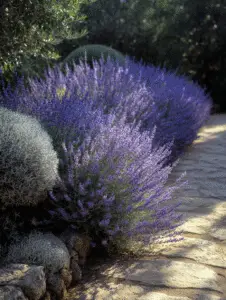 Lavender+
 RosemaryProven
Near-identical needs: full sun, dry-to-medium well-drained soil, and a documented low tolerance for wet, humid conditions, the same failure mode that kills lavender.
Lavender+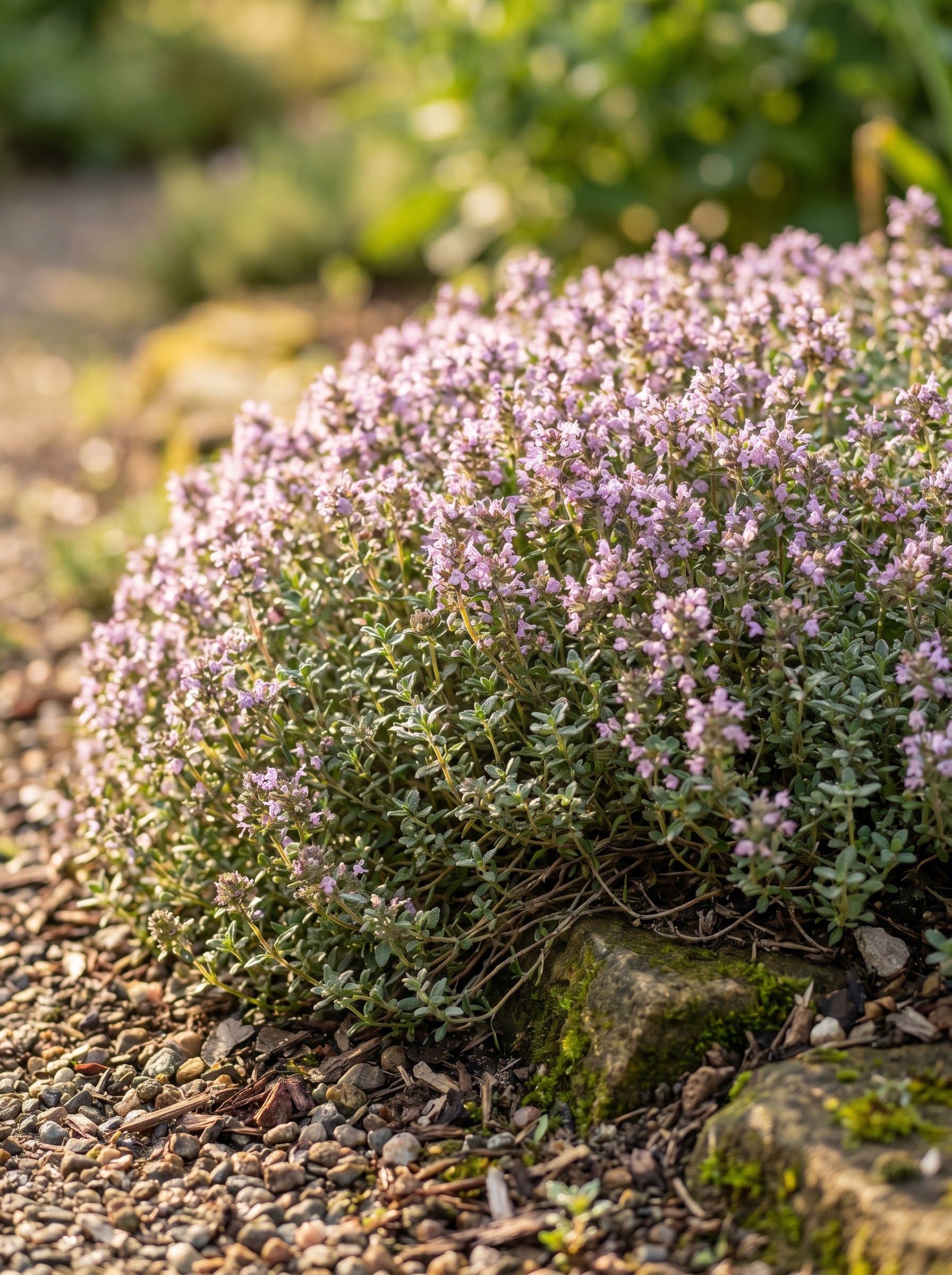 ThymeProven
Full sun, nutrient-poor, fast-draining, neutral-to-alkaline soil, the same profile as lavender almost point for point, and it stays low enough to edge the bed rather than compete for light.
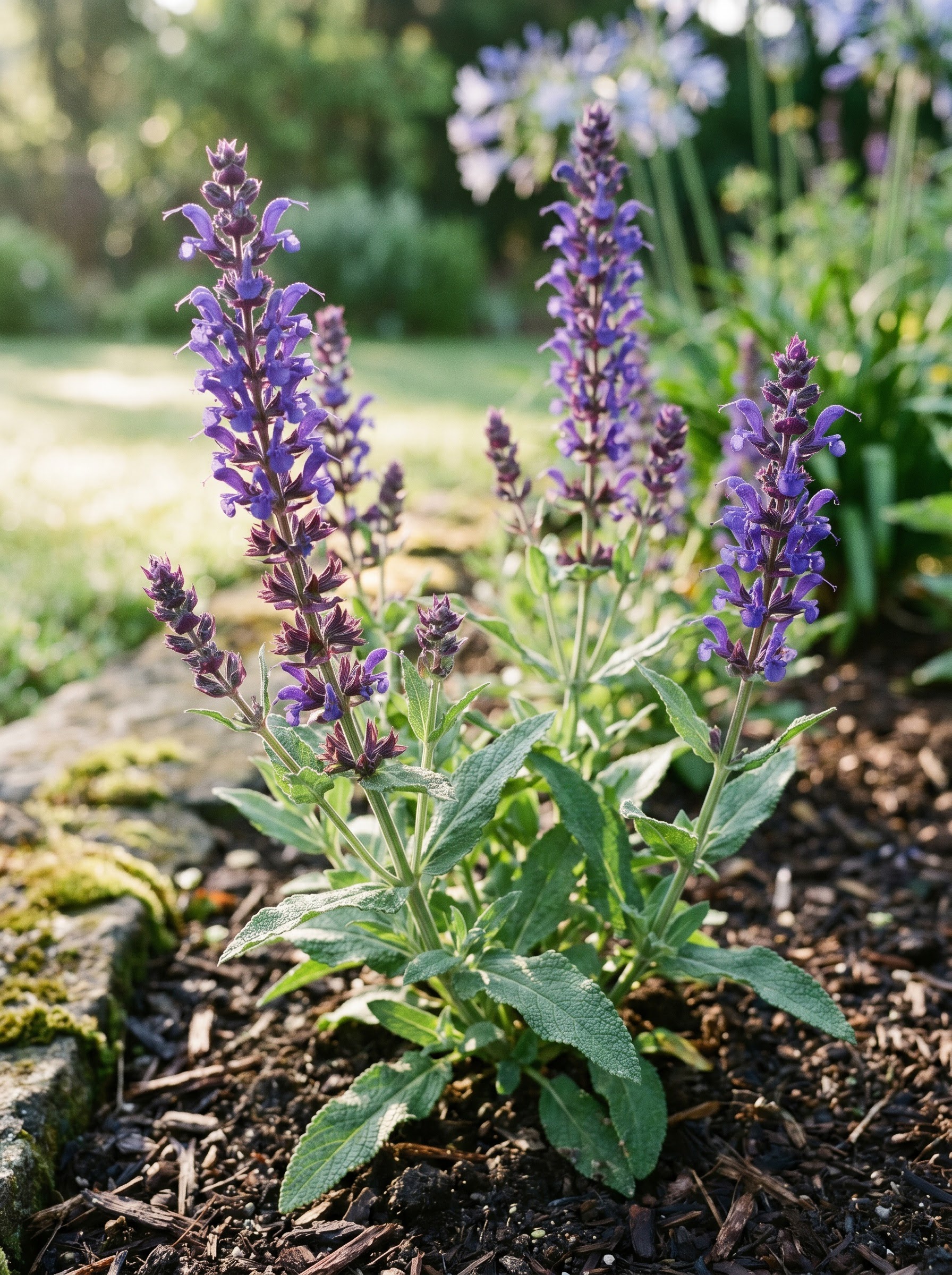
Lavender+Culinary sageProvenAnother drought-tolerant, full-sun, well-drained Mediterranean native, and its broad soft grey-green leaves are the one texture in this group that genuinely contrasts lavender's fine spikes.
Lavender+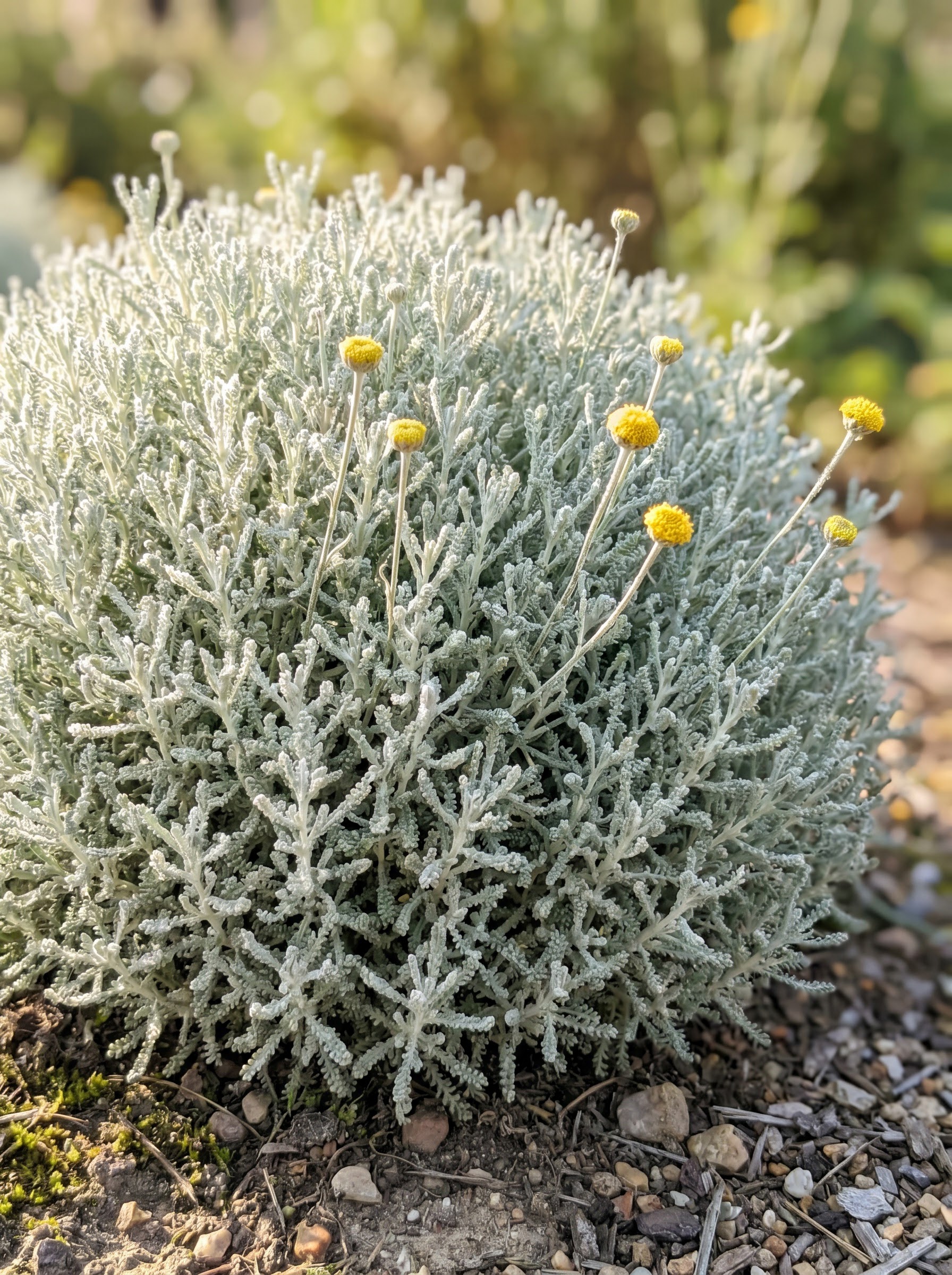 SantolinaProven
Wants exactly what lavender wants: full sun, very dry soil, and good drainage, with the extension listing itself warning to avoid excess fertilization, so a shared lean, dry bed keeps both plants tight and silver instead of pushing either one soft.
Lavender+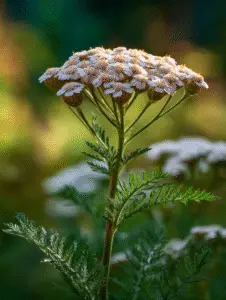 YarrowProven
Full sun and fast-draining, poor soil are exactly what this extension profile calls for, and overwatering causes the same rot risk lavender carries, so the two share a failure mode as well as a preference.
Lavender+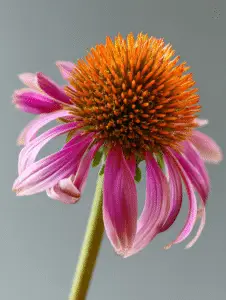 ConeflowerPartial
Shares the sunny, drought-tolerant-once-established profile and is repeatedly named alongside lavender in dry borders, though extension profiles note it prefers evenly moist soil more than lavender strictly tolerates.
Lavender+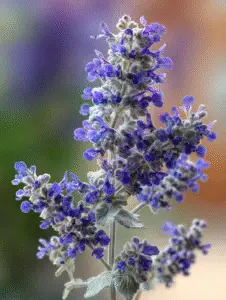 CatmintProven
Full sun, good drainage, and genuine drought tolerance once established make catmint an easier, more forgiving stand-in for lavender's own look, and it is named alongside lavender as a classic rose-border partner.
Lavender+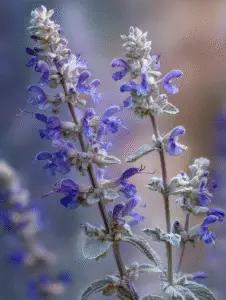 Russian sageProven
Full sun and well-drained soil with strong drought tolerance once established, the same conditions lavender needs, in a taller, airier form that adds height without shading the bed.
Lavender+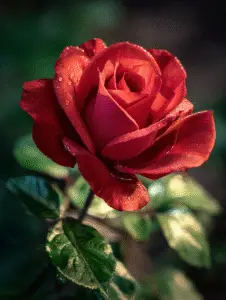 RosesPartial
The classic English-border pairing, and named as a good rose partner by a botanical-garden source, but roses want more water and richer soil than lavender tolerates, so this only works with real distance and separate irrigation.
All lavender companions
9 flower companions, best match first
What not to plant near lavender
Most bad neighbours are not evil, they just want the opposite light, water or root run. Here is what to keep away, and what to do instead.
Moisture lovers (mint, hostas, ferns, astilbe, impatiens, basil)
These plants need consistently moist or rich soil, and watering them properly keeps lavender's root zone wet enough to trigger Phytophthora root rot, the fungal disease lavender is most susceptible to. Mint also spreads aggressively underground and can physically crowd lavender's space regardless of moisture.
Hydrangea and fuchsia
Both want consistently moist, well-supplemented soil and tolerate or prefer some shade, the near-opposite of lavender's dry, full-sun profile on two axes at once, so the pairing stresses one plant or the other no matter how you water it.
Shade-casting trees and shrubs, or any shaded planting spot
This IPM source is explicit that lavender needs full sun, and separately warns that damp soil surfaces invite root disease; between the two, a shaded spot that stays cooler and damper for longer works against lavender on both fronts, on top of the leggy growth and thinner bloom that any full-sun plant shows when it is stretching for light.
High-nitrogen feeders and heavily fertilized rich-soil plantings
Rich, heavily fertilized soil pushes soft, leggy growth and fewer, weaker flower spikes in lavender; the mechanism is nitrogen and fertility rather than water directly, though a bed fed enough to keep hungry neighbors happy is usually also watered enough to keep lavender's roots wet.
Fennel, asparagus, and black walnut (allelopathy claims)
These three show up on consumer lists as allelopathic to lavender, but the underlying research does not back a lavender-specific case: black walnut's juglone-sensitivity lists do not single out lavender, asparagus allelopathy research concerns the asparagus plant's own decline rather than its neighbors, and fennel's documented allelopathy targets vegetables like tomatoes and carrots, not Mediterranean herbs. Treat this as unverified rather than a real avoid rule.
The best companions for lavender, explained
Lavender’s short list of great companions all pass the same test: they want to be left alone in dry, lean, sun-baked soil, which is exactly the habit lavender itself refuses to give up. Rosemary is the closest match on the page, a Mediterranean shrub that shares lavender’s need for full sun and soil that drains fast and stays lean, right down to a documented low tolerance for wet, humid conditions that mirrors lavender’s own weak point. Thyme and culinary sage sit beside it in the same herb bed for the same reason, both content in poor, dry, well-drained ground, both happy to go weeks without water once their roots are established. Santolina, sometimes called lavender cotton for its matching silver foliage, wants exactly what lavender wants: full sun, very dry soil, and drainage sharp enough that its own extension listing warns against feeding it, so a shared lean bed keeps both plants tight and healthy rather than one thriving while the other struggles.
Beyond the herb bed, catmint and Russian sage extend the same logic into flower-border territory. Catmint shares lavender’s drainage and drought tolerance almost exactly, and it happens to look like an easier, hardier cousin of lavender itself, soft grey-green foliage under spikes of blue that bloom for months with far less fuss. Russian sage takes the same conditions and adds height, an airy haze of violet-blue on silvery stems that keeps blooming well after lavender’s early-summer flush has faded, stretching color into late summer without ever asking for more water. Yarrow and coneflower round out the group as the two most drought-forgiving perennials that still bring genuine design contrast, yarrow’s flat flower plates against lavender’s upright spikes, coneflower’s bold daisy shape and midsummer bloom, though coneflower is the one true partial match here since extension profiles note it prefers soil kept a touch more evenly moist than lavender strictly likes. None of these pairings need convincing marketing. They work because the plants were already built for the same patch of poor, sunny, forgotten ground.
What not to plant near lavender
Almost every bad pairing for lavender reduces to the same cause, and it is not aggression, poison, or competition. It is water. Mint, hostas, ferns, astilbe, and basil all want soil that stays consistently moist or rich, and the watering that keeps those plants alive is exactly what drowns lavender’s roots and invites Phytophthora root rot, the fungal disease lavender is most vulnerable to. Mint carries a second problem on top of that: its rhizomes spread aggressively underground and will physically colonize a bed regardless of moisture, so it earns a place on this list twice over. Hydrangea and fuchsia deserve their own line because they fail on two axes at once, wanting both consistently moist soil and at least partial shade, the near-total opposite of what lavender needs to stay alive. If you are building a hydrangea companion bed elsewhere on the property, the same logic runs in reverse: lavender belongs on that avoid list too, for identical reasons.
Shade is the other major failure point, separate from water but closely related. Lavender needs six to eight hours of direct sun at minimum, and anything that blocks that light, whether a small tree, a tall shrub, or simply a north-facing corner, leaves it stretching for light the way any full-sun plant does when it is starved, with the added trouble that a shadier spot stays cooler and holds surface moisture longer, and extension guidance on lavender is specific that damp soil is what invites root disease in the first place. Heavily fertilized beds carry a related but distinct risk: rich soil pushed further with nitrogen fertilizer produces soft, leggy lavender growth and weaker flower spikes, a fertility problem more than a drainage one, though in practice a bed fed enough to satisfy hungry neighbors is usually also watered enough to cause the moisture problem too. One more group is worth naming honestly rather than silently copying from other sites: several consumer lists claim fennel, asparagus, and black walnut are allelopathic to lavender specifically. The actual research does not back that claim. Black walnut’s documented juglone sensitivity lists do not single out lavender, asparagus allelopathy research is about the asparagus plant’s own decline rather than its neighbors, and fennel’s proven allelopathic effects target vegetables like tomatoes and carrots. Treat that trio as unverified folklore rather than a real reason to keep them apart.
Do they like the same conditions?
Lavender’s conditions are some of the least ambiguous in the whole garden: full sun for six to eight hours or more, soil on the lean and poor side rather than rich, a slightly alkaline pH in the rough range of 6.5 to 7.5, and drainage so fast the ground should never stay wet for more than a few hours after rain. That last point matters more than any other single factor. A companion that shares lavender’s sun tolerance but sits in average, moisture-retentive garden loam still risks killing lavender through root rot, because sun is not the test that decides survival here. Drainage is. This is also where the honest myth-busting belongs: lavender is one of the few flowers where people search for the plant itself as a pest repellent, asking whether it keeps mosquitoes or deer away simply by growing nearby. Deer avoidance has real backing, extension sources including Rutgers list lavender as rarely damaged by deer browsing, and Oregon State University Extension names lavender among the aromatic herbs that typically deter deer in home yards. Mosquito repellency is a murkier claim. Laboratory studies on concentrated lavender essential oil applied directly to skin do show measurable repellent activity, but that is a different question from whether a lavender plant growing in a border measurably reduces mosquitoes in the yard around it, a claim the research does not actually support at that scale.
The shared-conditions test also explains why roses show up on this page with a caveat rather than a clean recommendation. Roses and lavender are named together constantly, and a botanical-garden source lists lavender as a good rose partner in the same formal-border tradition people picture when they imagine an English garden. But roses want more water and richer soil than lavender will tolerate, and irrigation aimed at keeping roses happy can rot lavender’s roots if the two share a bed edge. Real distance and separate watering schedules make the pairing hold, closer to a workable yes than a flat no. Skip the spacing and water them the same way, and lavender is the plant that loses.
How to plant them together
Space every true companion at least 18 to 24 inches from lavender’s base, more for larger shrubs like Russian sage or santolina, less for low edging plants like thyme, which can be tucked right at the front of the bed as a living mat. The goal of that spacing is not aesthetic. It keeps each plant’s root zone from overlapping the other’s, so a hand-watered or drip-irrigated neighbor does not leak moisture into lavender’s dry pocket. Skip overhead sprinklers entirely in a lavender bed; drip irrigation or targeted hand watering lets you give a thirstier companion exactly what it needs without ever wetting lavender’s crown or root zone, which is the single most common way well-meaning gardeners lose a season’s growth.
Layer by role rather than pure height. Let rosemary, thyme, sage, and santolina form the dry, woody backbone of the bed, since none of them ever ask for anything lavender cannot also tolerate. Add yarrow, catmint, and Russian sage where you want bloom color and pollinator traffic without changing the water budget at all. If roses are already established nearby, treat the lavender as an edging plant on the driest, sunniest side of that bed rather than tucking it directly under the rose canes, the same setback distance the site’s own guide to a lavender hedge along a garden path recommends for keeping the two zones workable. In containers, the same logic scales down: pair lavender with other drought-tolerant plants in the same pot, creeping thyme or a compact sedum working well as a skirt around lavender’s base, and skip anything that wants the potting mix kept evenly moist, since a shared container has no way to isolate one plant’s watering from another’s the way an open bed does.
Does companion planting actually work for lavender?
The genuinely proven part of this page is the shared-conditions logic itself. Extension sources from Utah State, the University of Maine, and the University of California’s IPM program all converge on the same profile for lavender: full sun, alkaline soil in the 6.5 to 7.5 pH range, fast drainage, and real susceptibility to root rot in anything wetter than that. Every companion on this page that earns a Perfect pair or Great match rating shares that exact profile, verified against its own extension listing rather than assumed by association. That is not folklore. It is the same physiology that makes a Mediterranean herb garden work in the first place, applied honestly rather than dressed up with vague claims about pest control or plant chemistry doing more than they actually do.
The folklore lives in a narrower, more specific place: the belief that lavender’s mere presence in a bed repels insects or pests from its neighbors at meaningful scale, and the belief that fennel, asparagus, or black walnut carry some documented antagonism toward lavender specifically. Both claims get repeated constantly across gardening blogs and both collapse under a direct look at the underlying research. Deer avoidance holds up. Broad pest repellency and the allelopathy trio do not. The honest verdict is not that companion planting for lavender is myth or magic. It is that the real payoff is drought-matching, not chemistry, and the plants that succeed here succeed for the same boring, reliable reason lavender itself survives a dry summer: they were never asking for water in the first place.
FAQ
What can I plant in front of lavender?
Low, drought-tolerant edging plants work best, creeping thyme, santolina, or catmint all stay under a foot or so tall and share lavender’s exact need for lean, fast-draining soil, so they never compete for water or crowd the crown.
What should you not plant near lavender?
Anything that needs regular watering or rich soil: mint, hostas, ferns, astilbe, hydrangea, and fuchsia are the clearest examples, since keeping them alive means watering in a way that rots lavender’s roots.
Can you plant lavender and roses together?
Yes, with real spacing and separate watering. Roses want more water and richer soil than lavender tolerates, so the pairing works at 18 to 24 inches apart or more, never at a shared, evenly irrigated bed edge.
Does lavender actually repel mosquitoes?
The evidence is mixed. Concentrated lavender essential oil applied to skin shows real repellent activity in lab studies, but a lavender plant growing in the garden has not been shown to meaningfully reduce mosquitoes in the surrounding yard.
Is lavender deer resistant?
Yes, this one holds up well. Multiple university extension sources, including Rutgers and Oregon State, list lavender among the aromatic herbs deer reliably avoid when other forage is available.
What grows well with lavender in dry soil?
Rosemary, thyme, sage, santolina, yarrow, catmint, and Russian sage are the strongest matches, all sharing lavender’s exact combination of full sun, poor soil, and genuine drought tolerance once established.
Sources
- How to Grow English Lavender in Your Garden, Utah State University Extension
- What is the best soil for growing lavender?, University of Maine Cooperative Extension
- Cultural Tips for Growing Lavender, UC Statewide IPM Program
- Companion Planting for Roses, New York Botanical Garden
- Salvia rosmarinus (Rosemary), NC State Extension Gardener Plant Toolbox
- Santolina chamaecyparissus, NC State Extension Gardener Plant Toolbox
- Achillea millefolium (Yarrow), NC State Extension Gardener Plant Toolbox
- Russian sage, Salvia yangii (Perovskia atriplicifolia), Wisconsin Horticulture Extension
- Growing Hydrangeas, UMass Amherst CAFE Extension
- Herbs to the rescue: fend off deer with aromatic plants, Oregon State University Extension