Types of Black Flowers
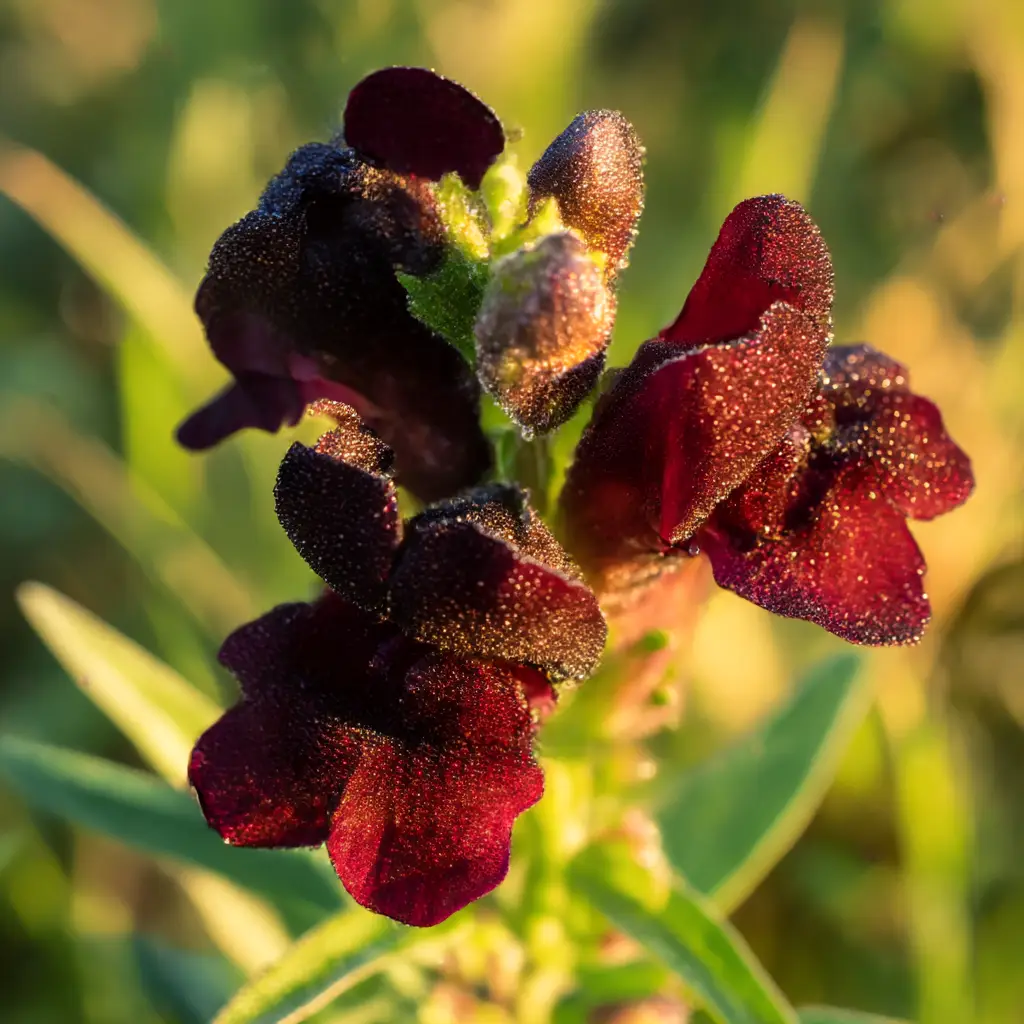
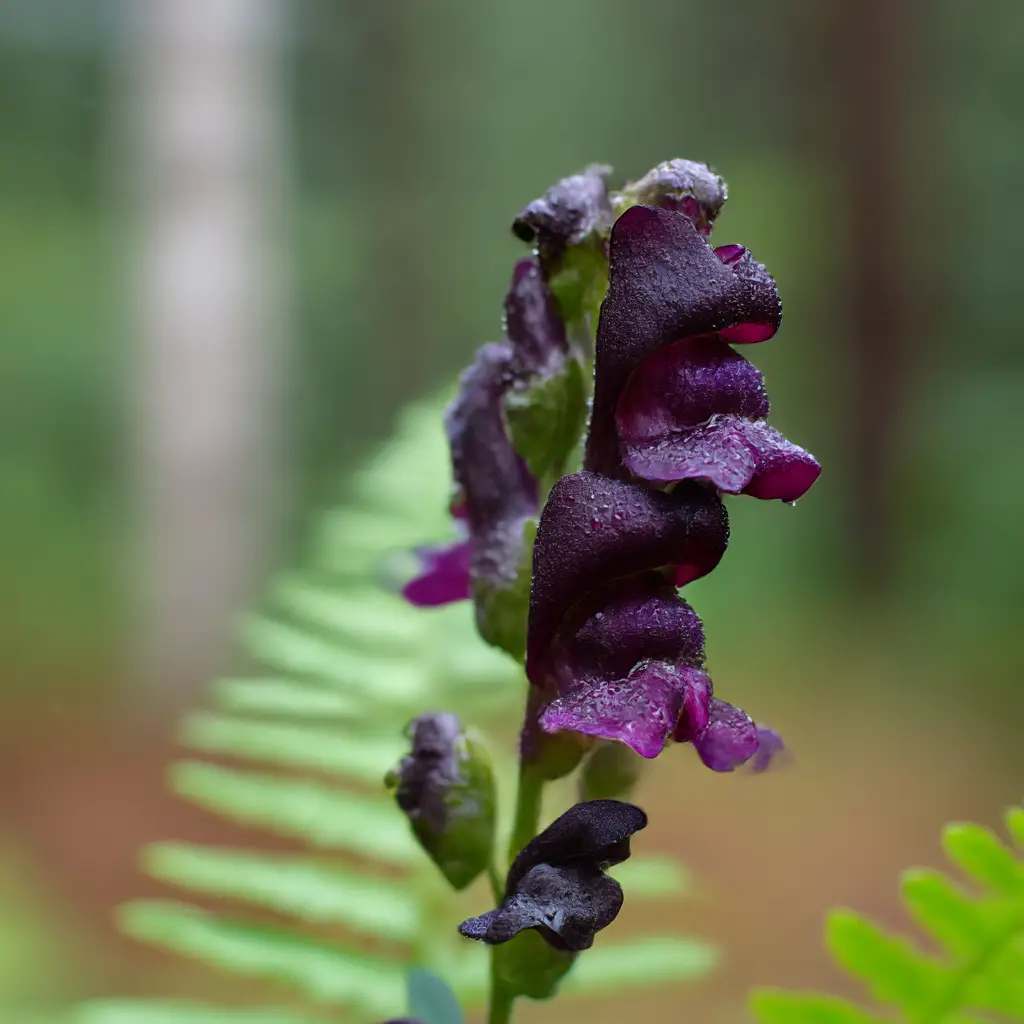
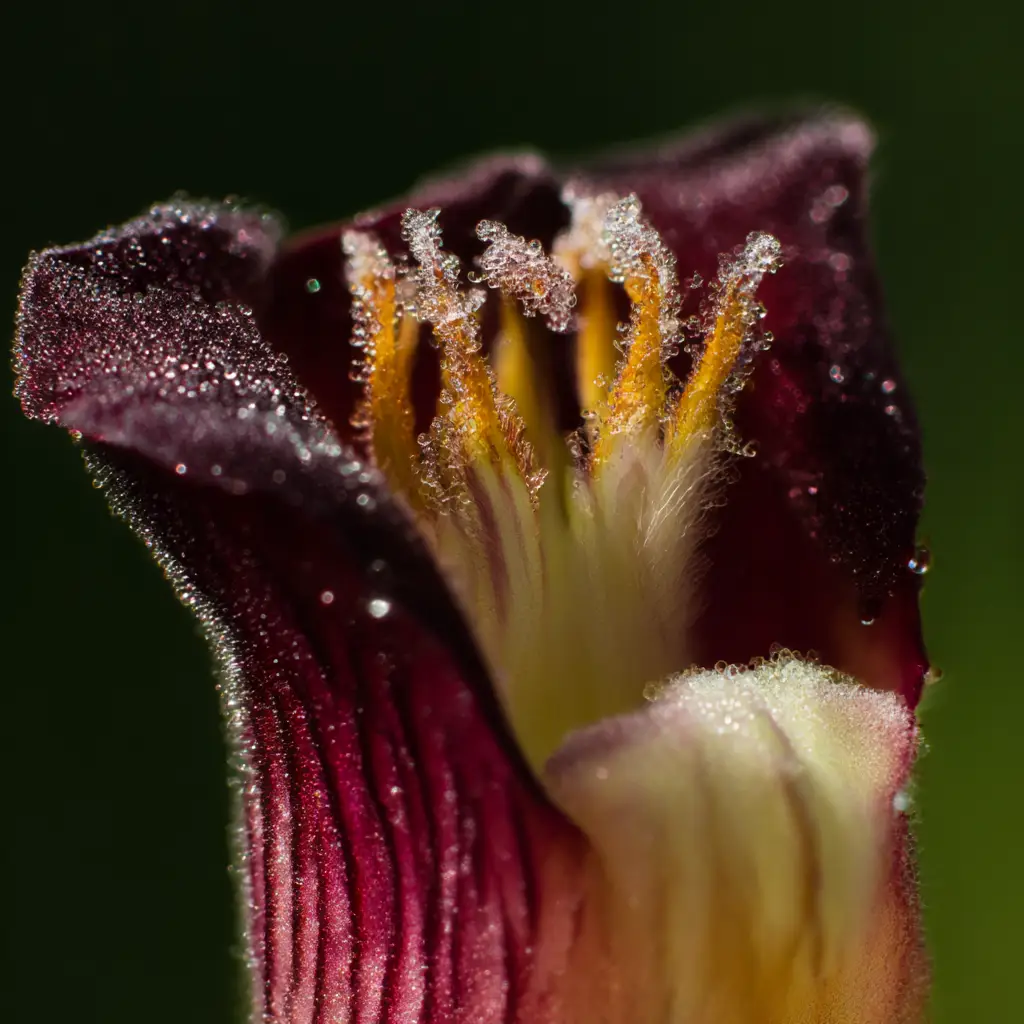
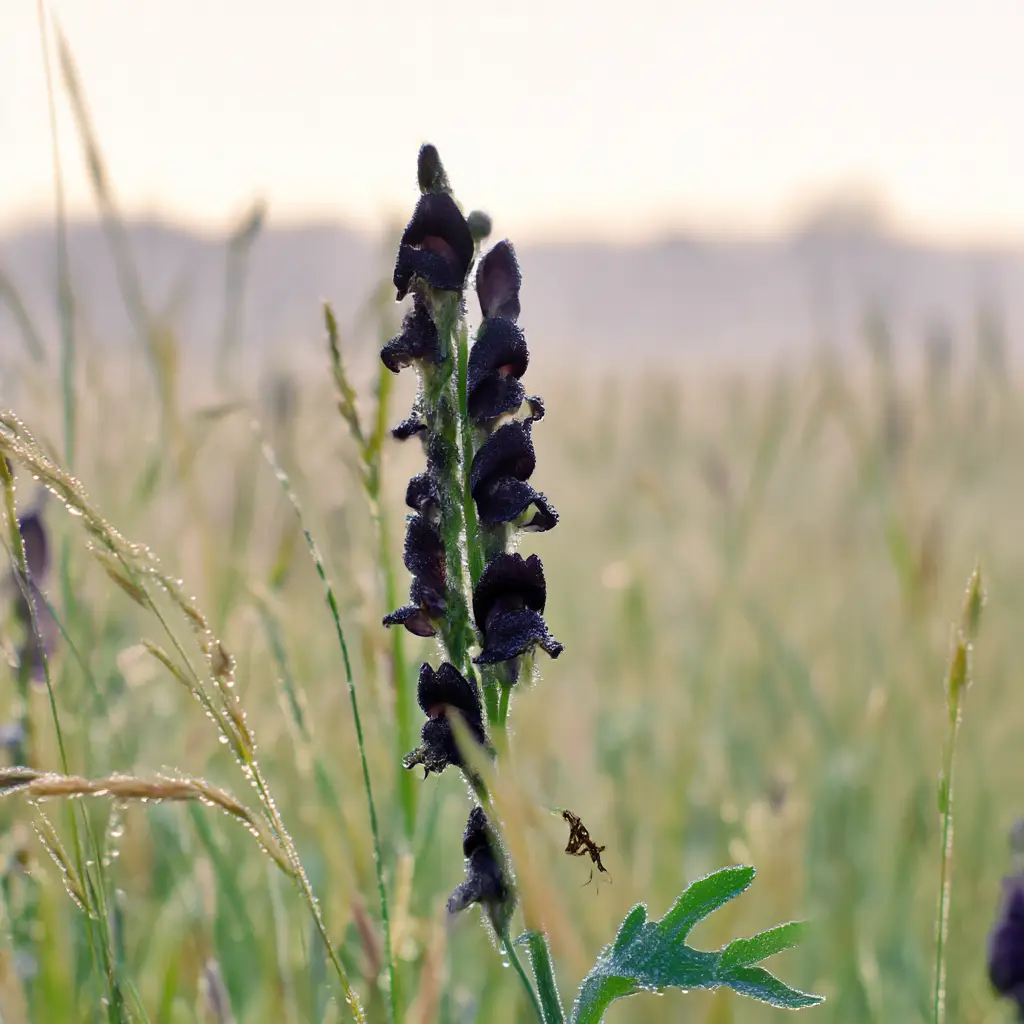
Black flowers are rarely pure black. Most are deep shades of burgundy, plum, or chocolate that read as black in beds and containers. Used thoughtfully, these blooms create drama and contrast, making lighter colors glow. For readers building a complete garden palette, they are a key entry in the broader Types of flowers category.
In the United States, dark flowers trend in modern landscapes, cottage borders, and cutting gardens because they look refined and photogenic. Many of the best options are easy annuals like petunias and pansies, while others are reliable perennials such as hellebores, irises, and hollyhocks. You will also find striking bulbs like tulips, hyacinths, and Asiatic lilies that perform in a wide range of climates. When choosing, check USDA zone guidance on the plant label or from trusted references.
Success with dark blooms is simple. Give full sun to light shade as the plant prefers, keep soil well drained, and feed modestly so foliage stays healthy and flowers hold their saturated color. Pair black flowers with silver foliage, chartreuse leaves, or white blooms for crisp contrast, or mass them for a moody, monochrome effect along paths and entry beds. With the right companions, these entries stand out among your favorite Types of flowers.
Popular Black Flowers
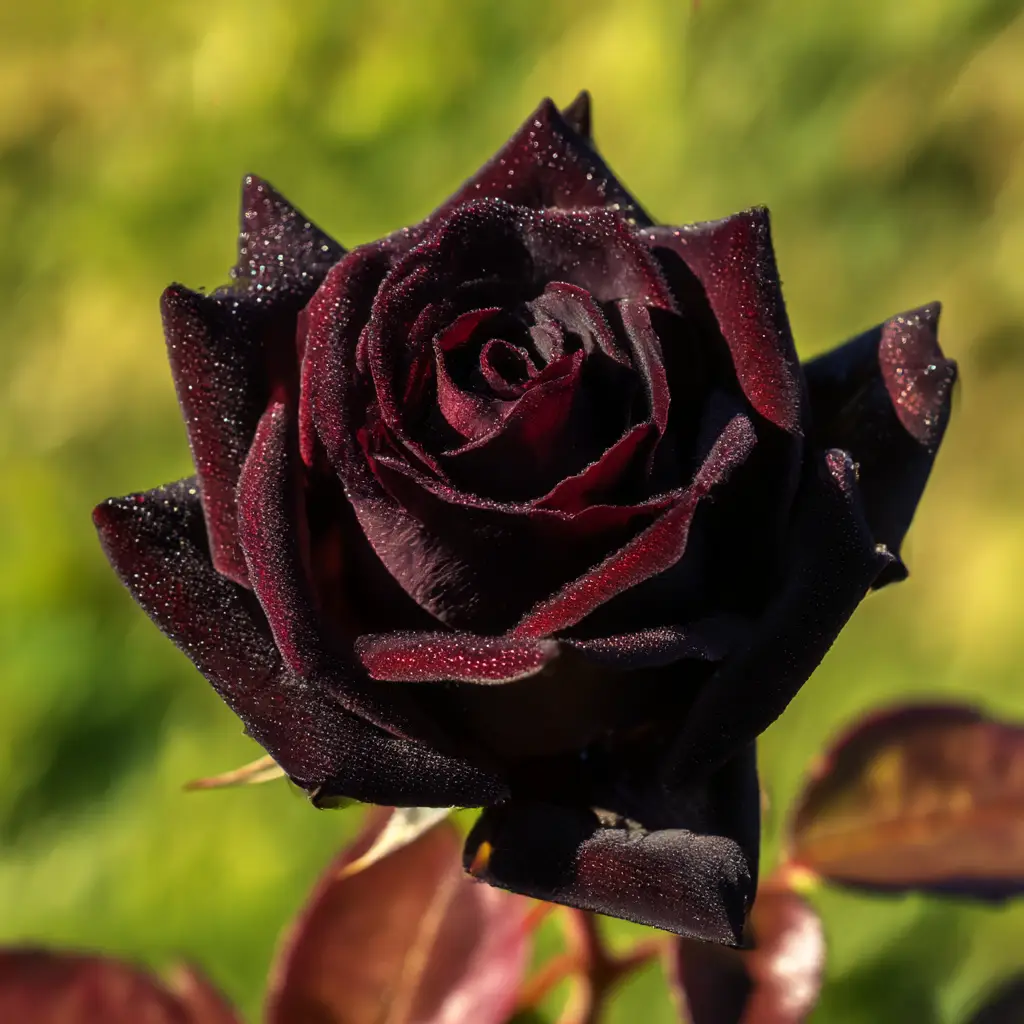
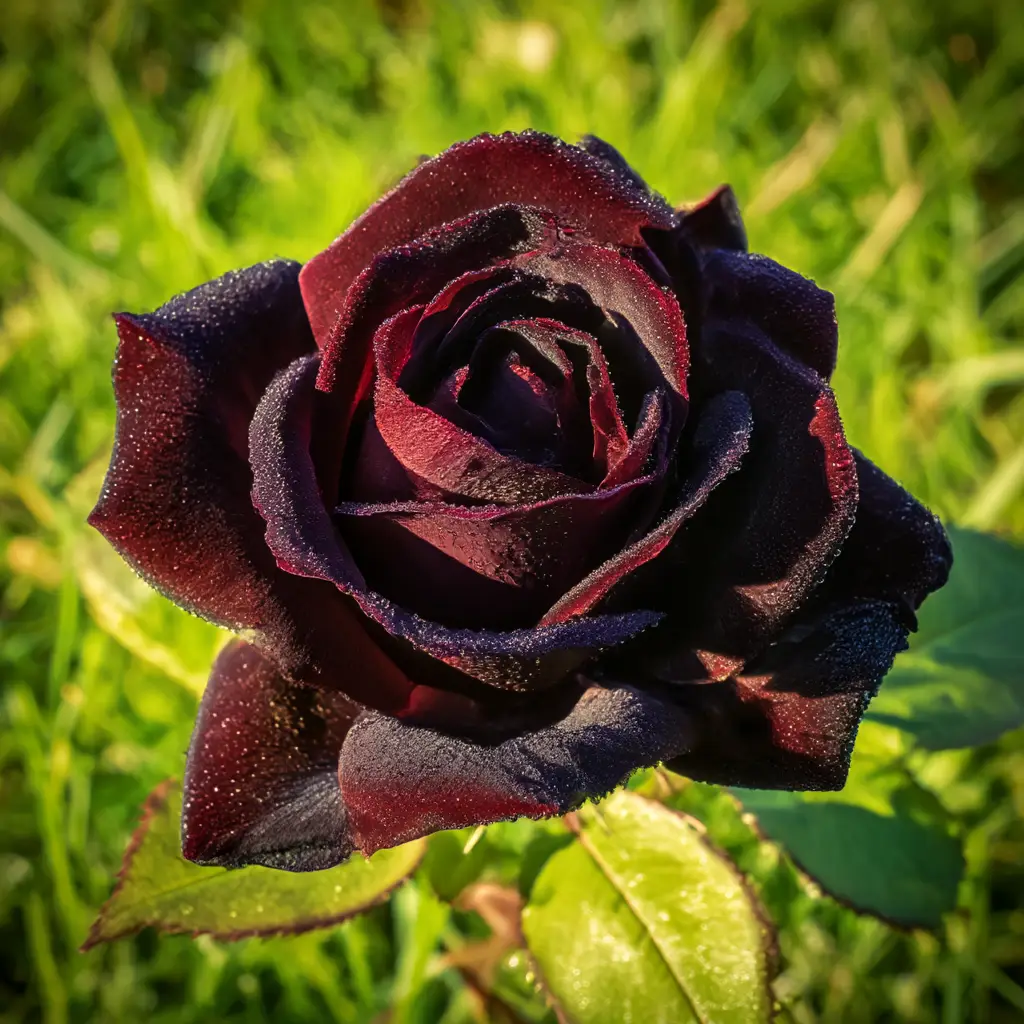
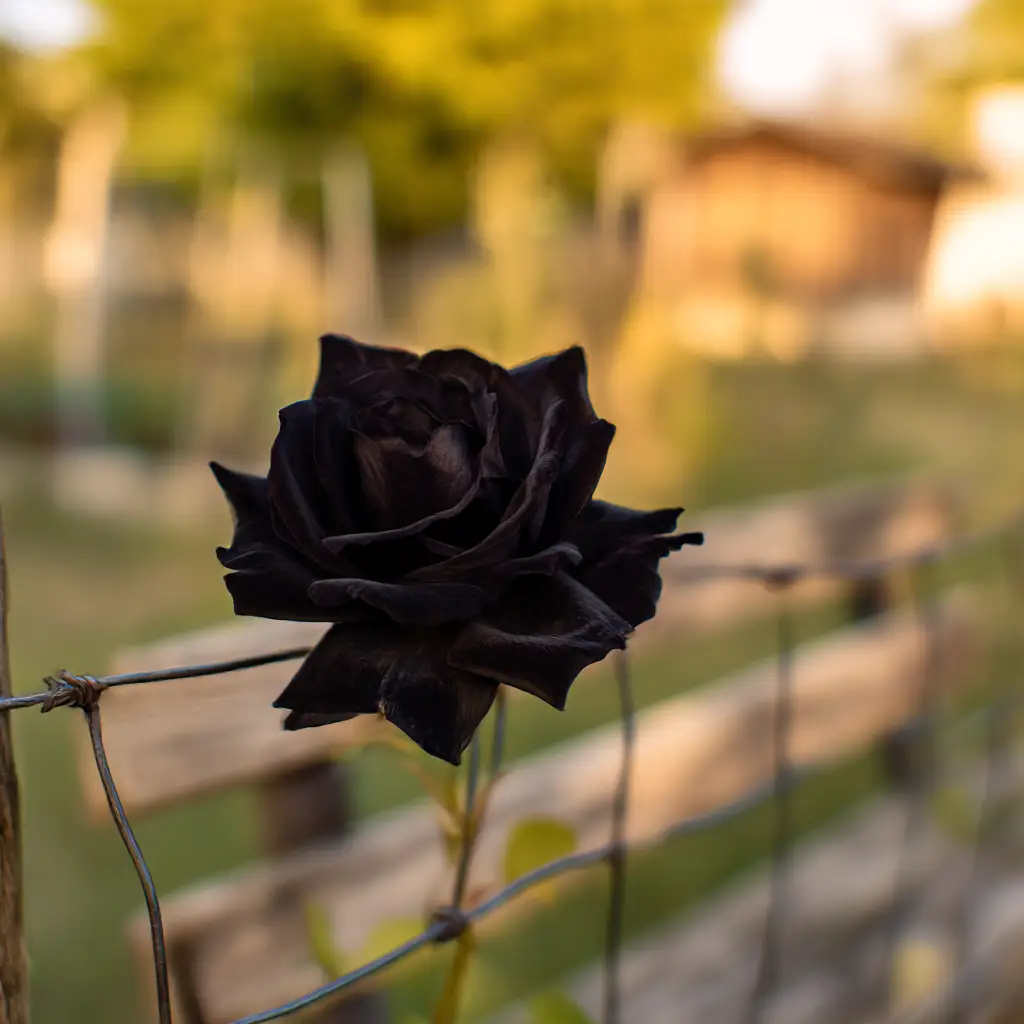
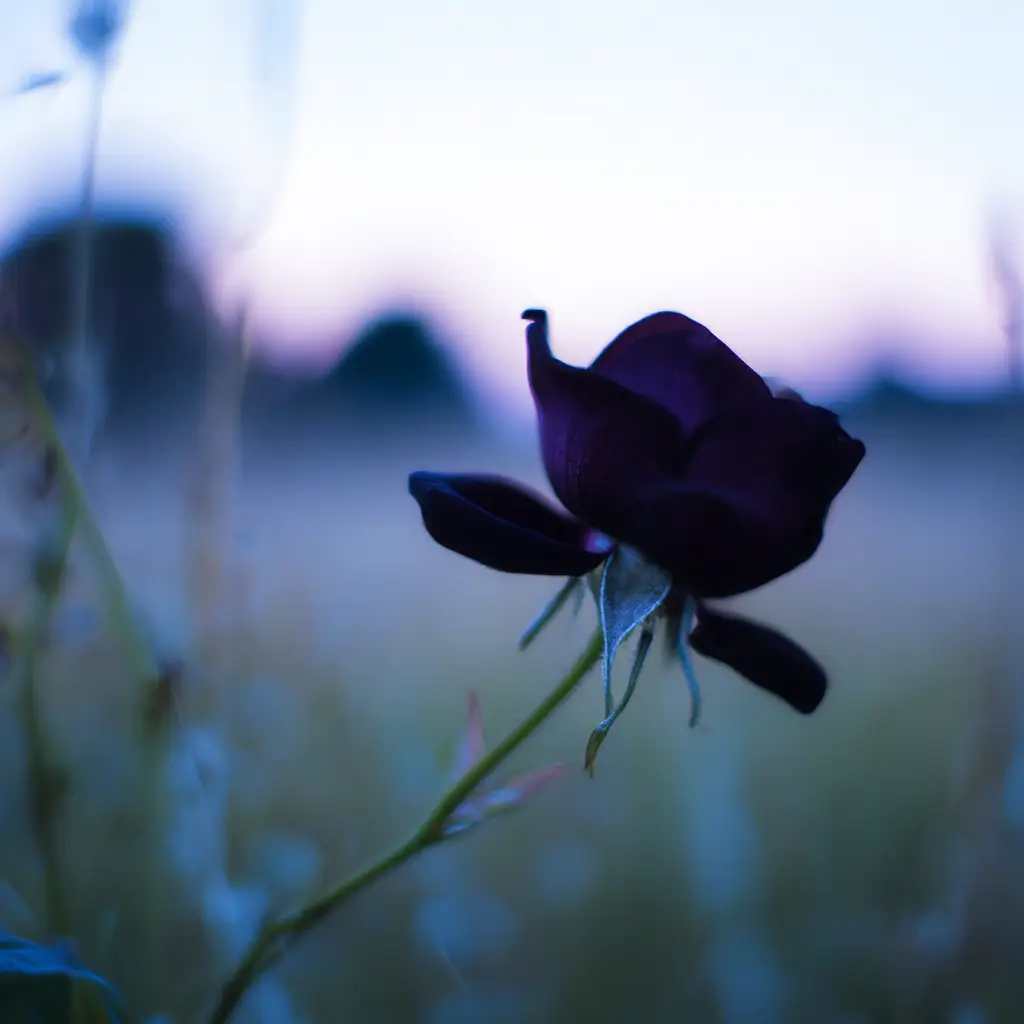
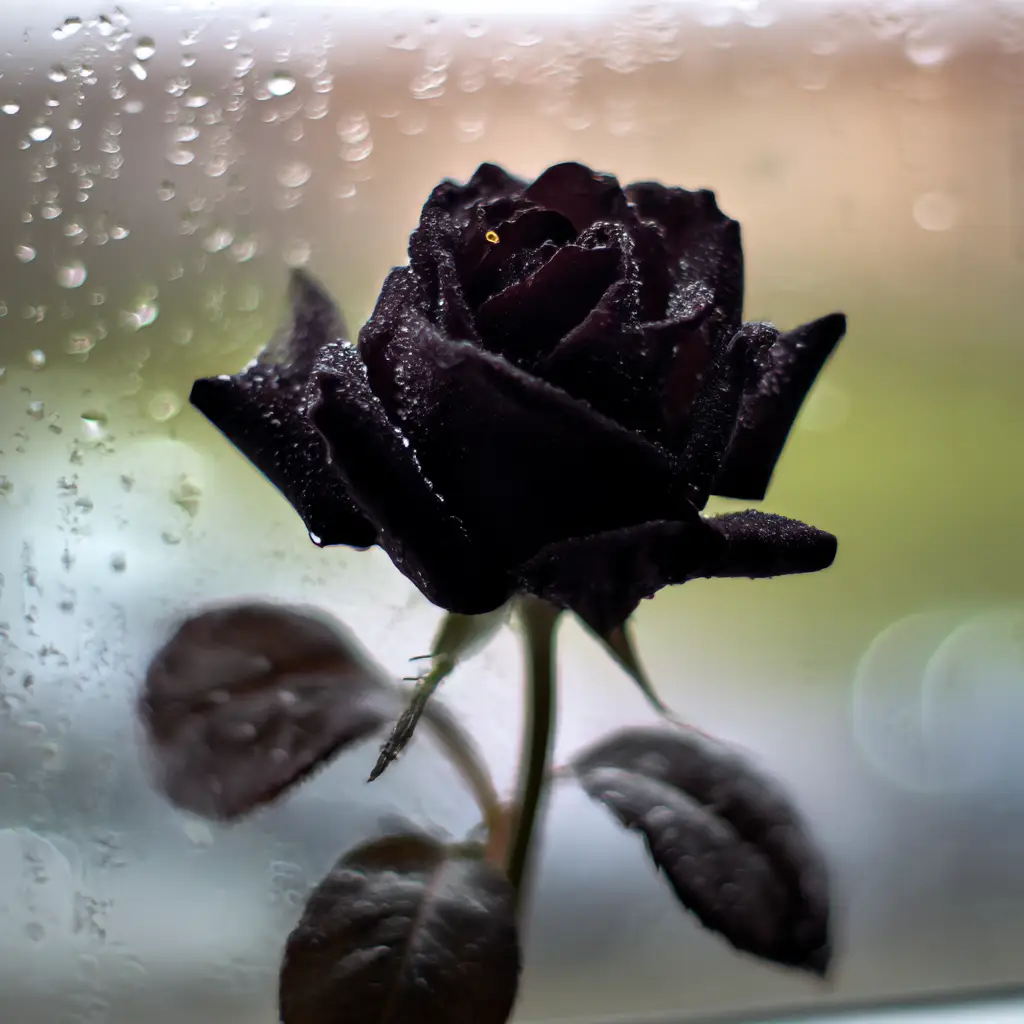
A hybrid tea rose with velvety, burgundy-black petals ideal for cutting.
Why it’s popular: It offers an almost black bud and classic long stems that florists love in the US.



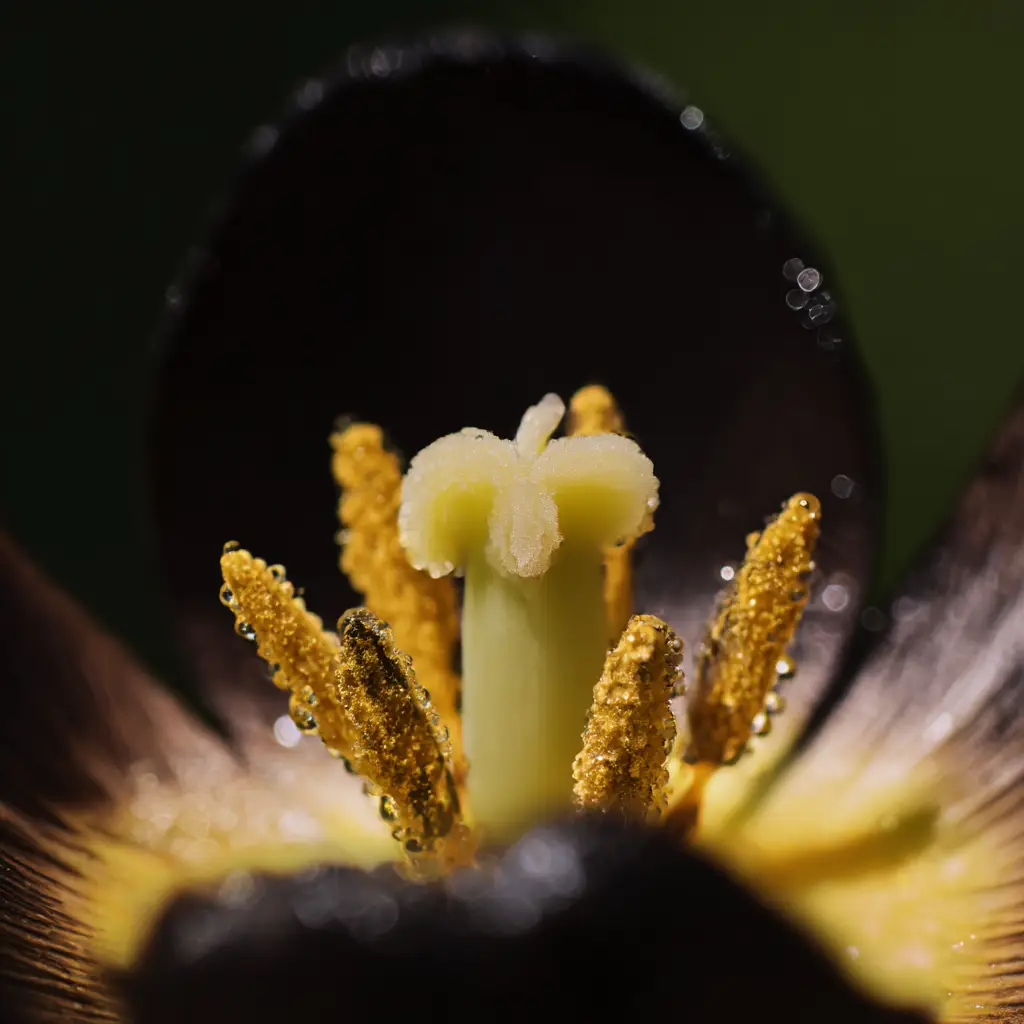
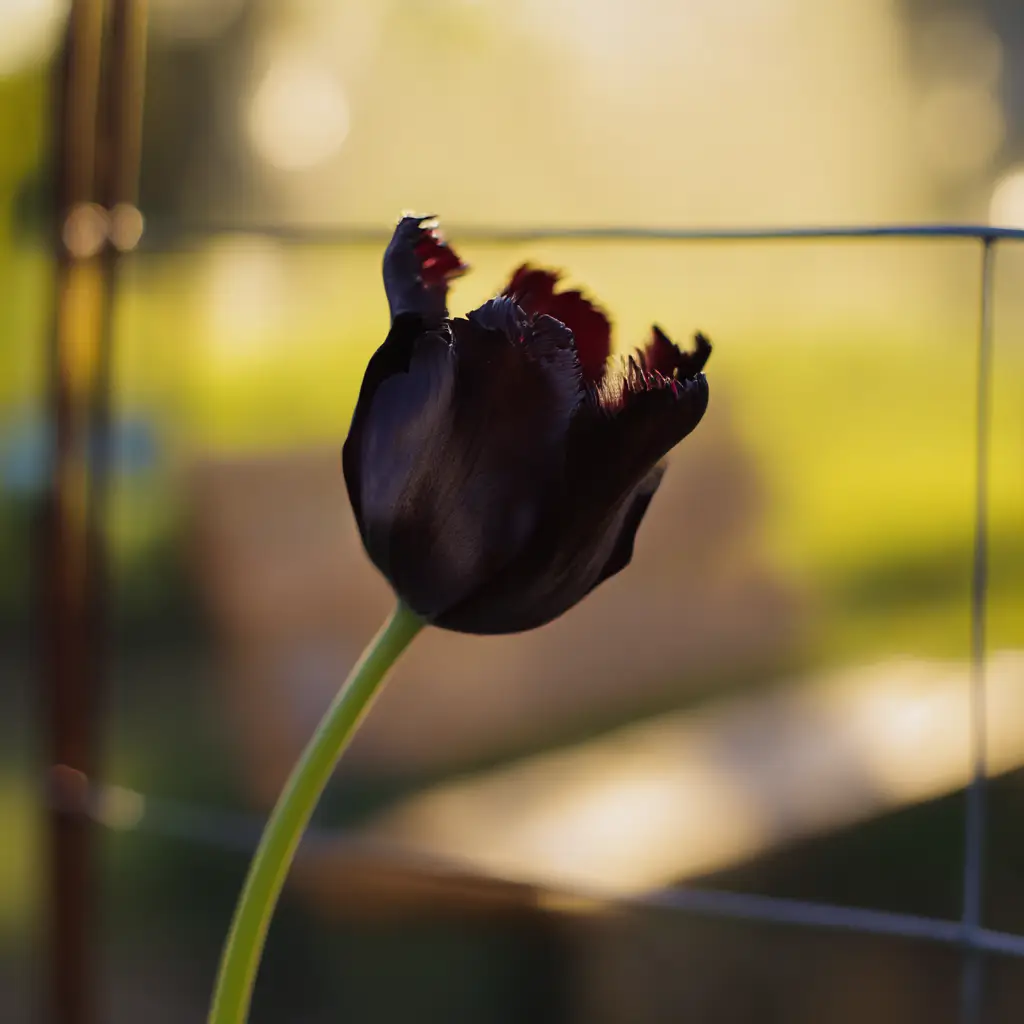
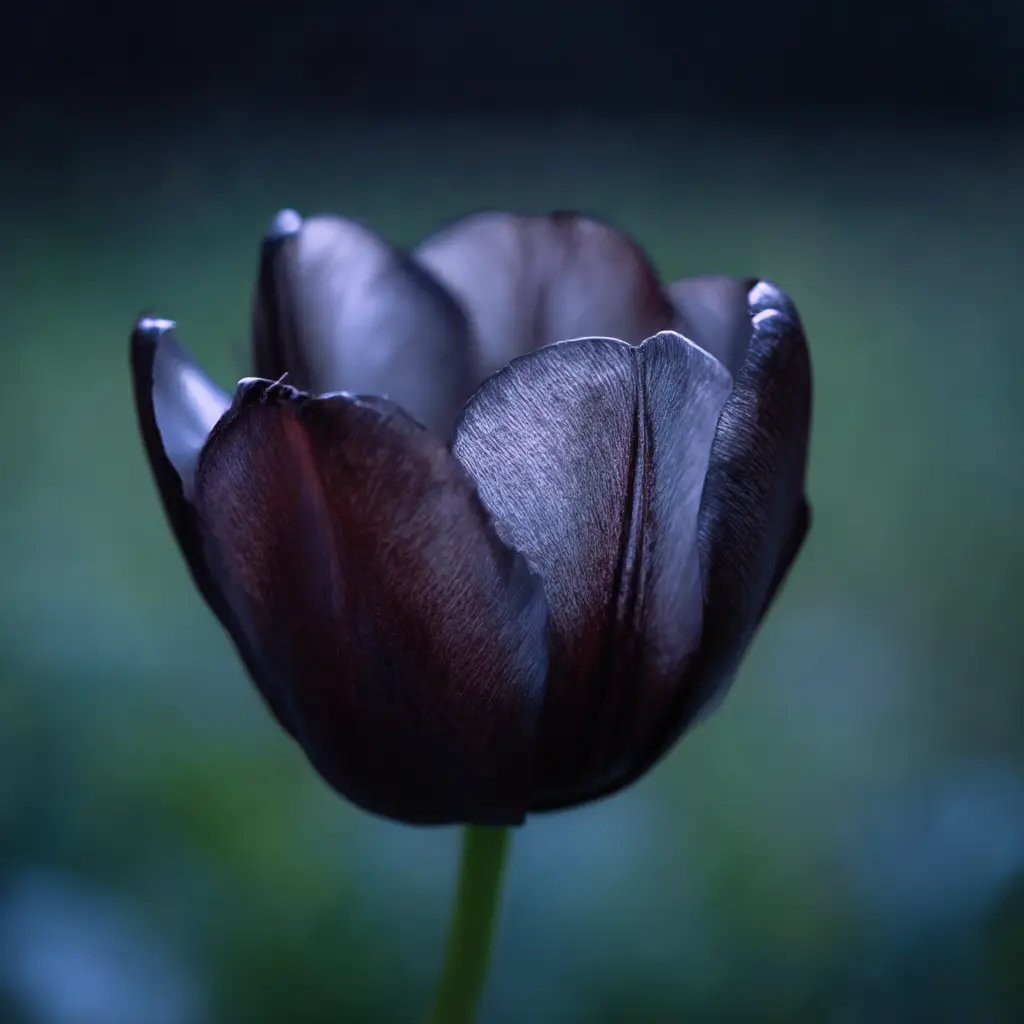
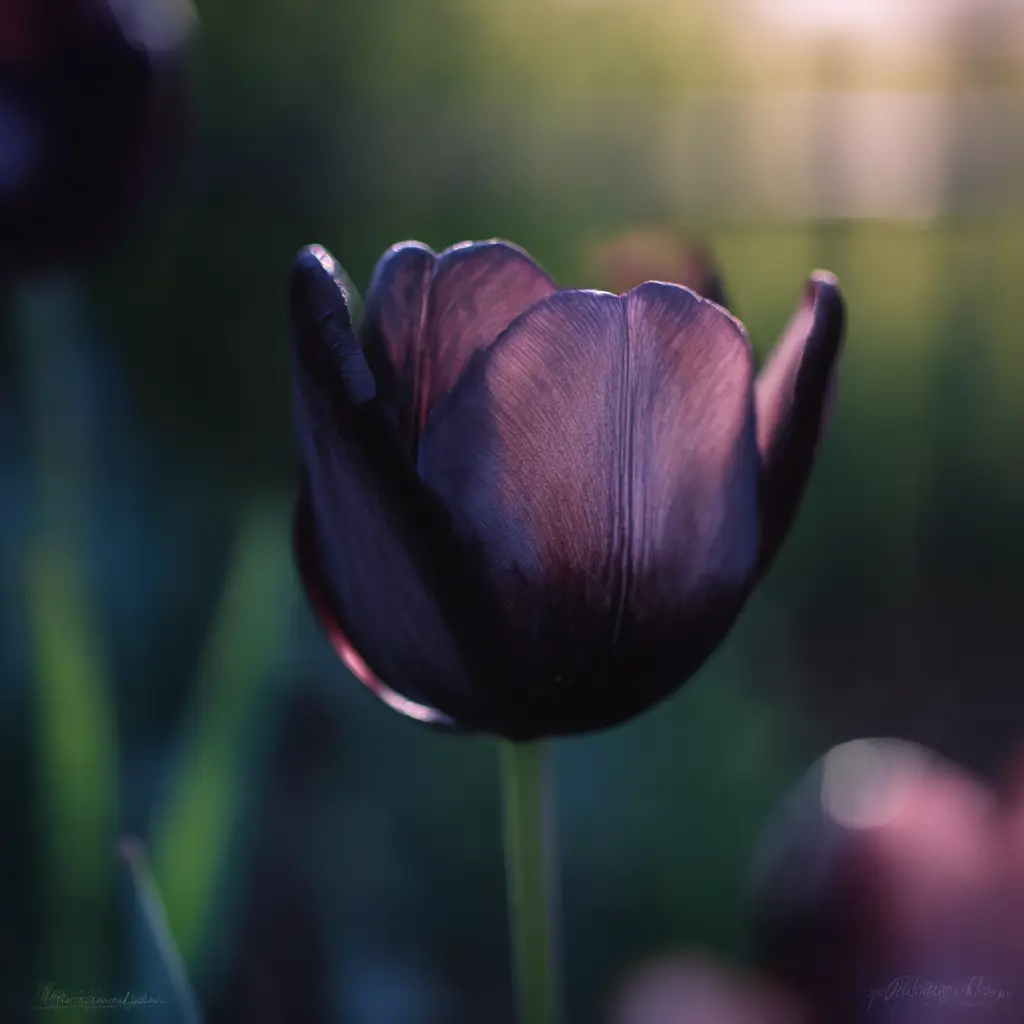
A late-blooming tulip with glossy, near-black cups that anchor spring displays.
Why it’s popular: It pairs beautifully with white and pink tulips in American spring beds.
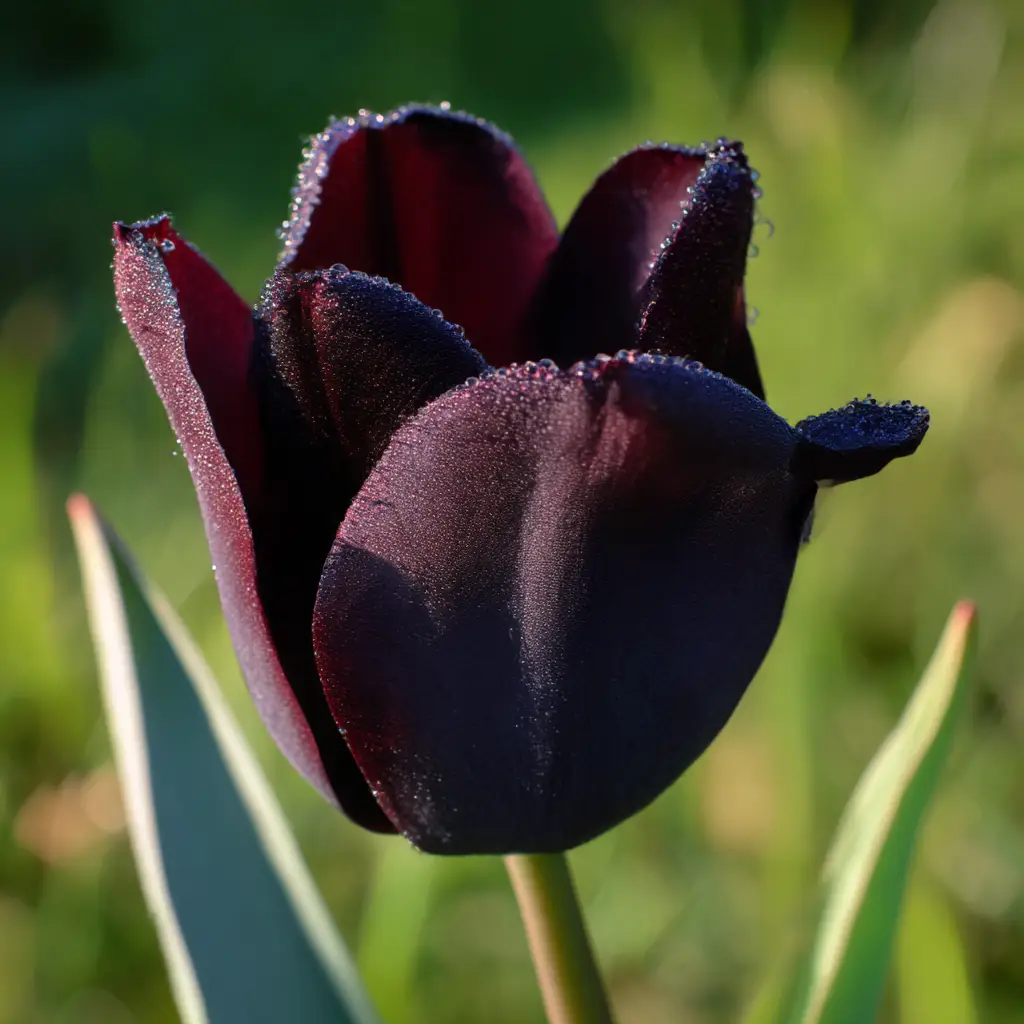
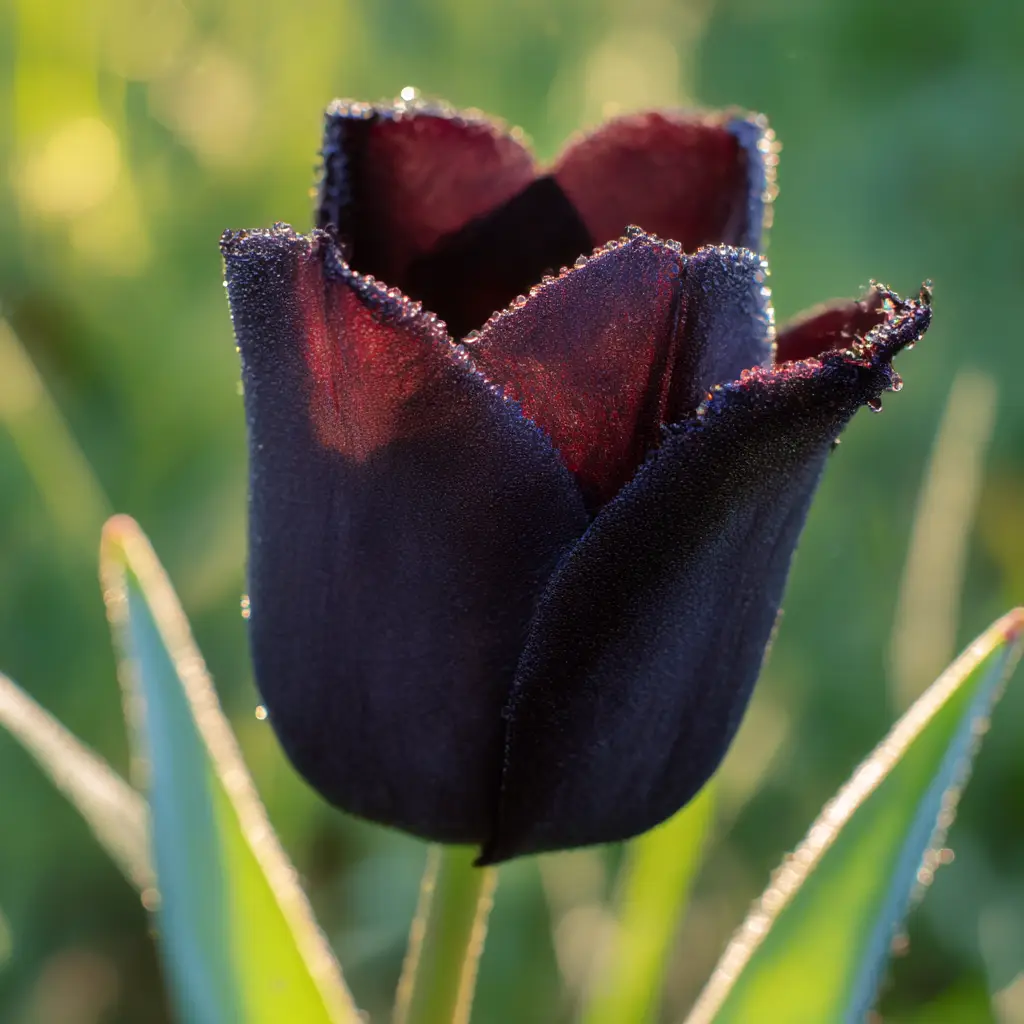
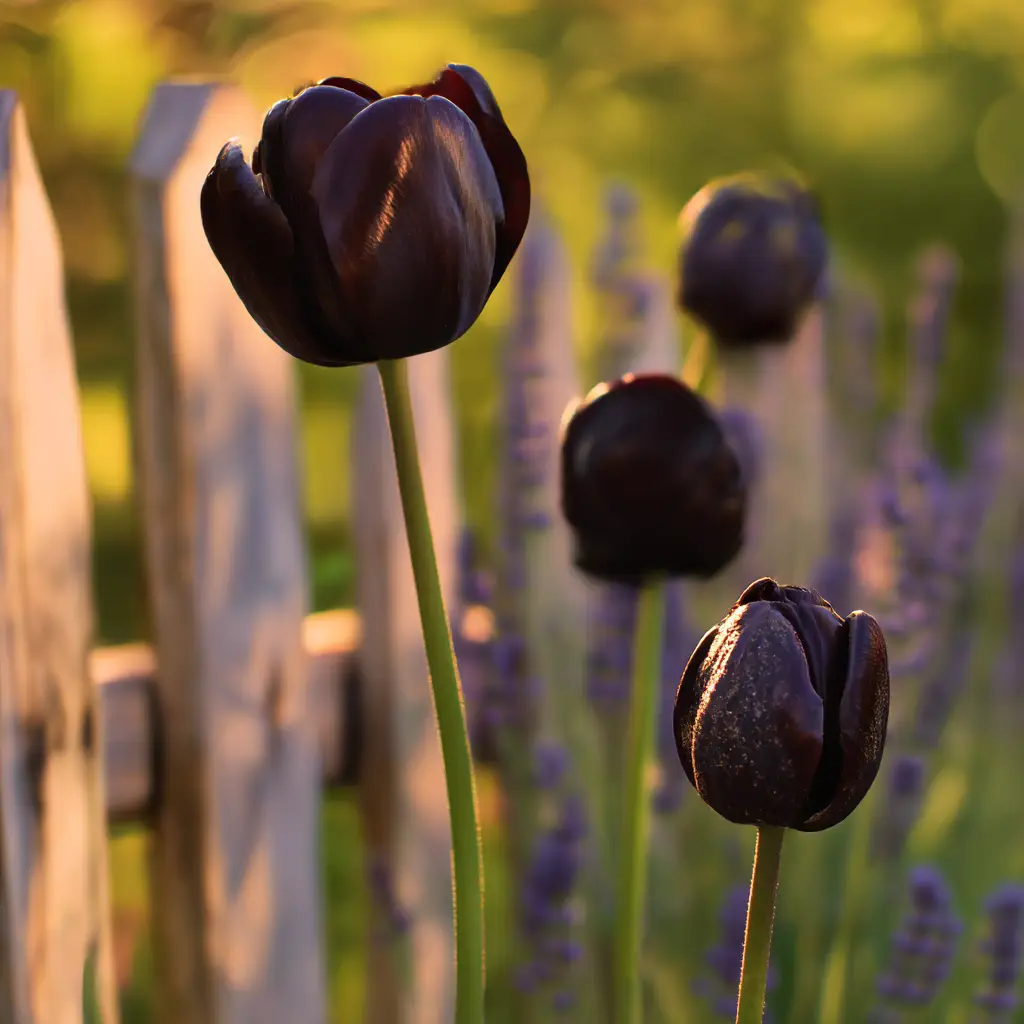
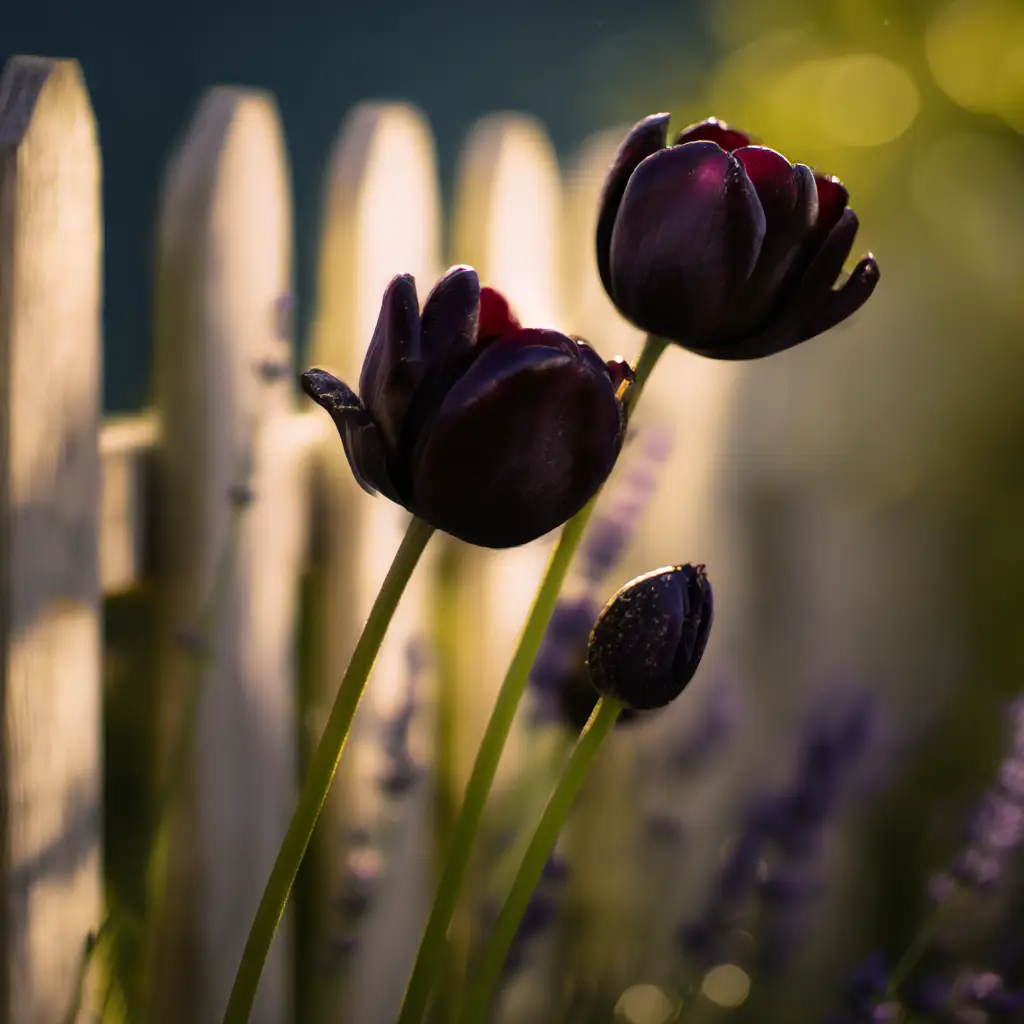
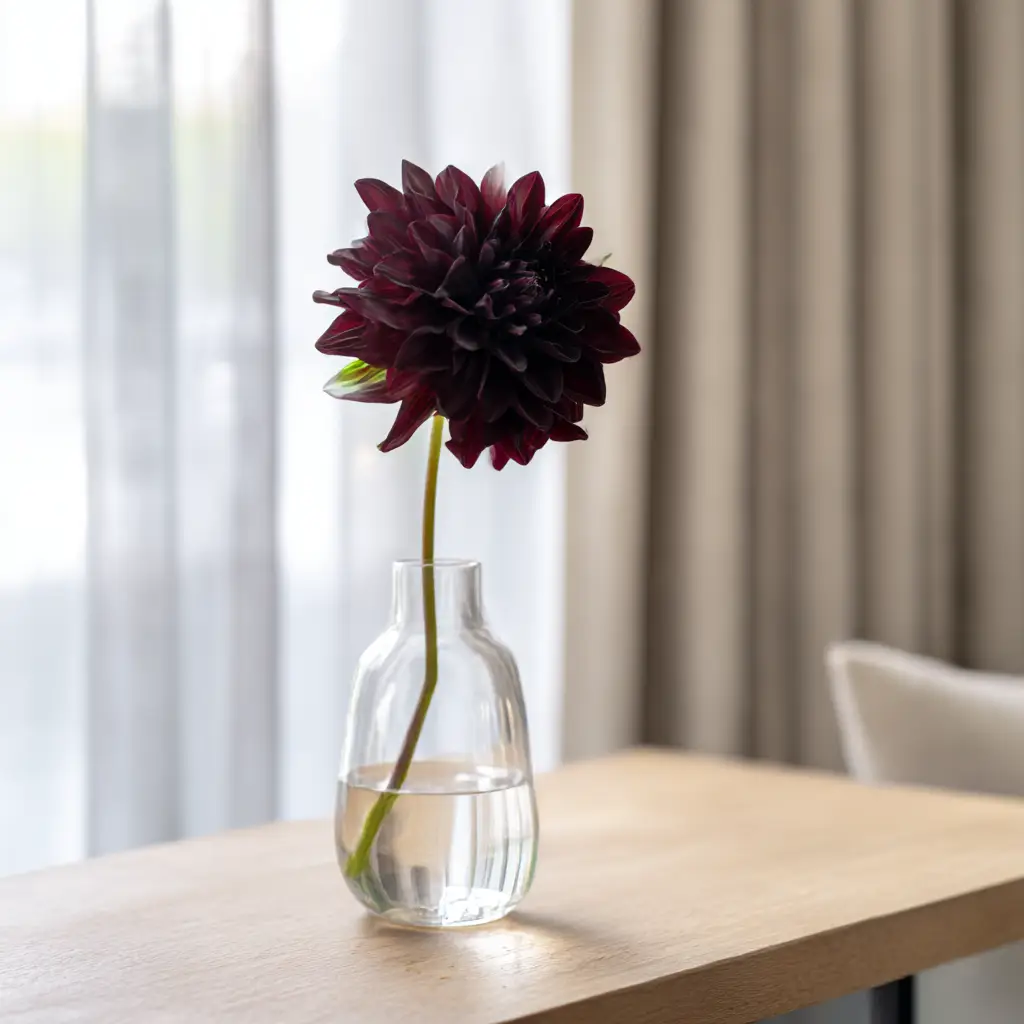
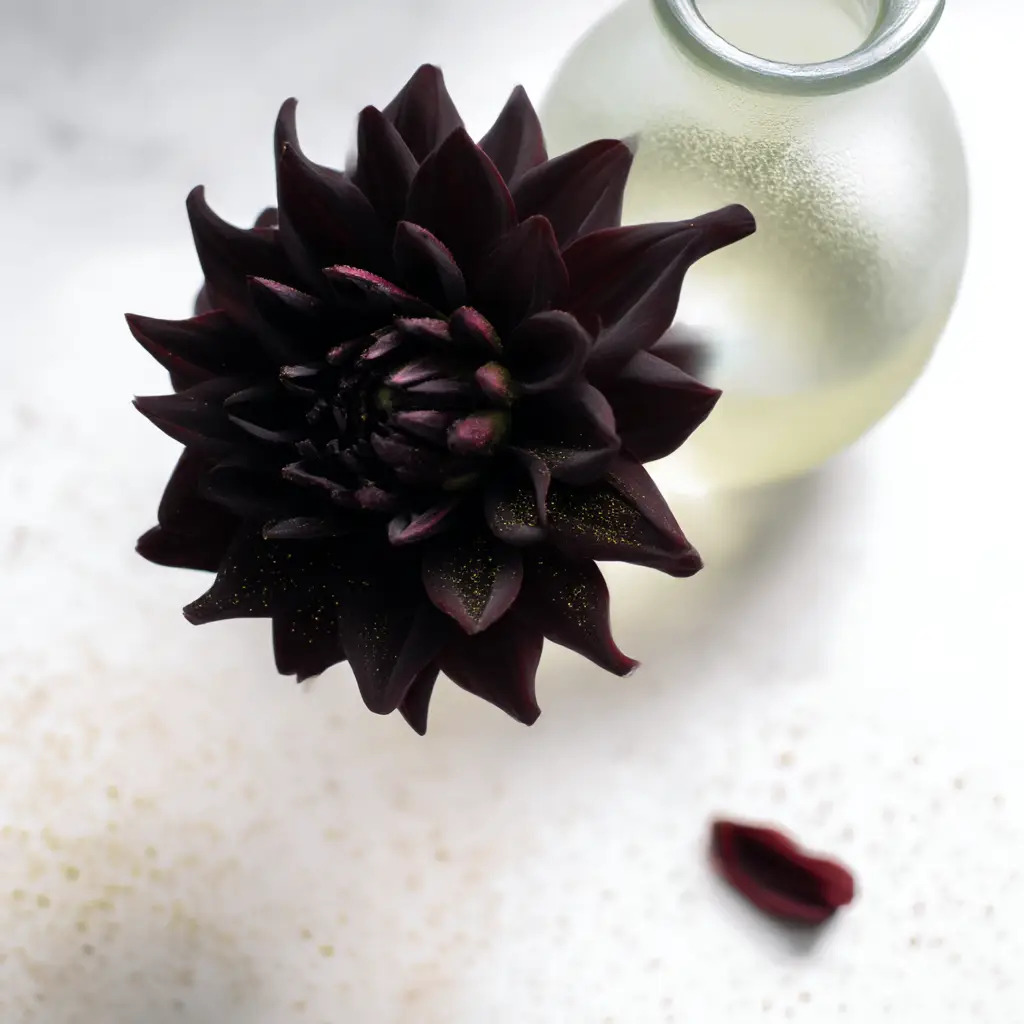
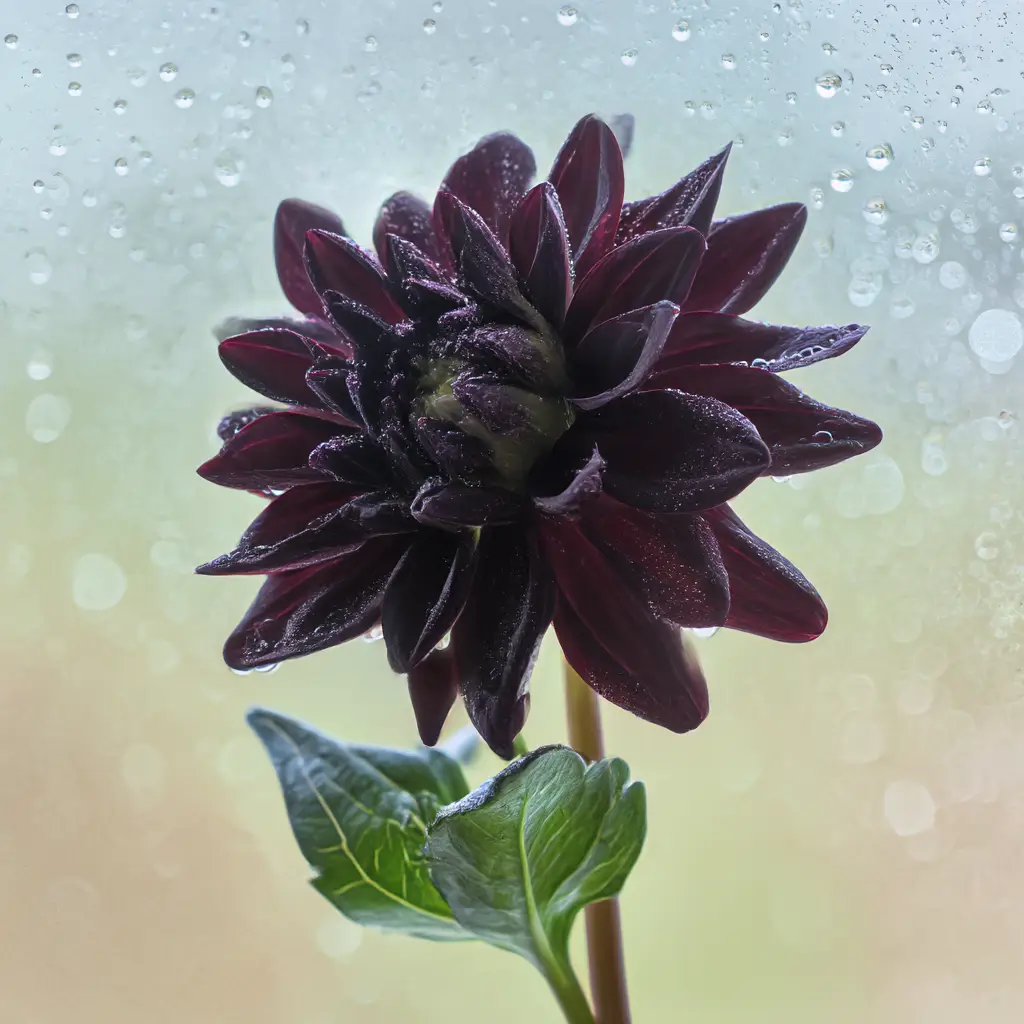
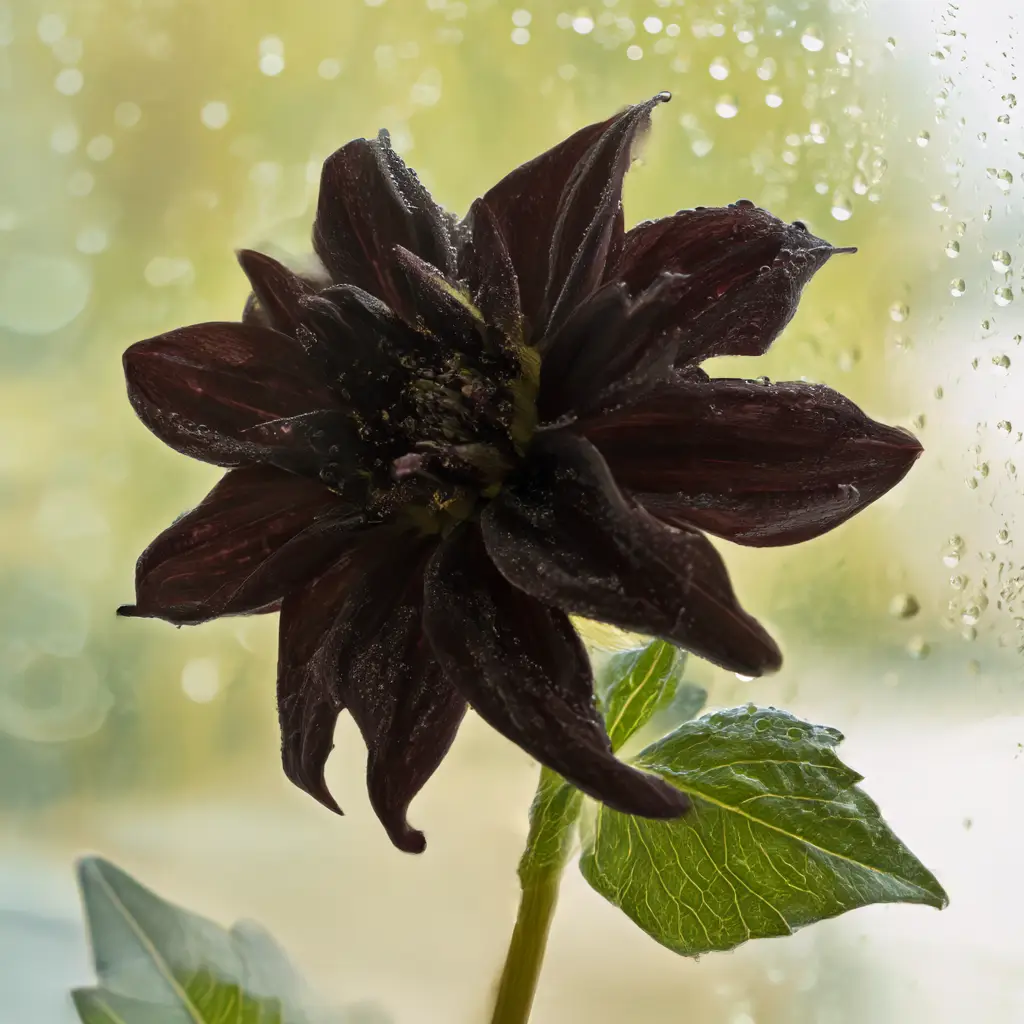
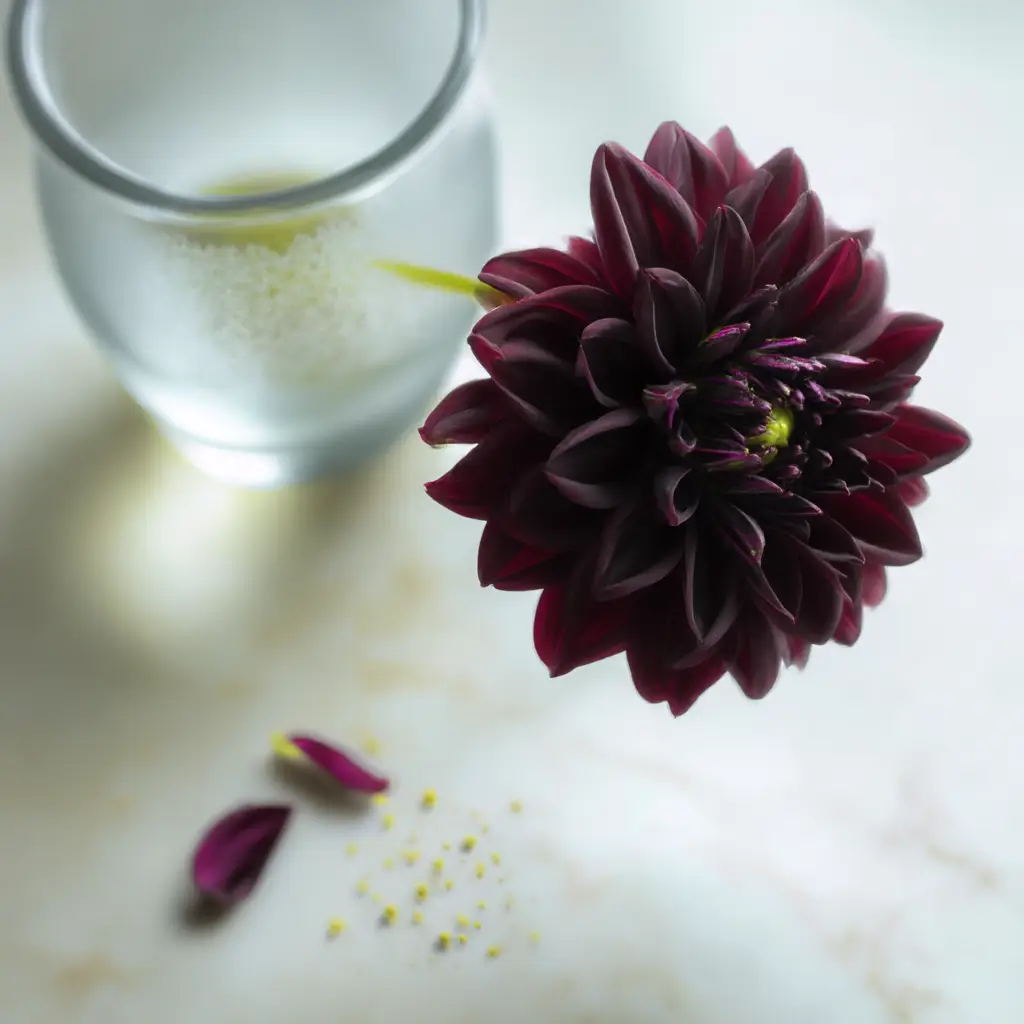
A classic dinnerplate-style dahlia with deep red-black petals through summer.
Why it’s popular: It gives months of cuttable stems in warm US regions and in containers.



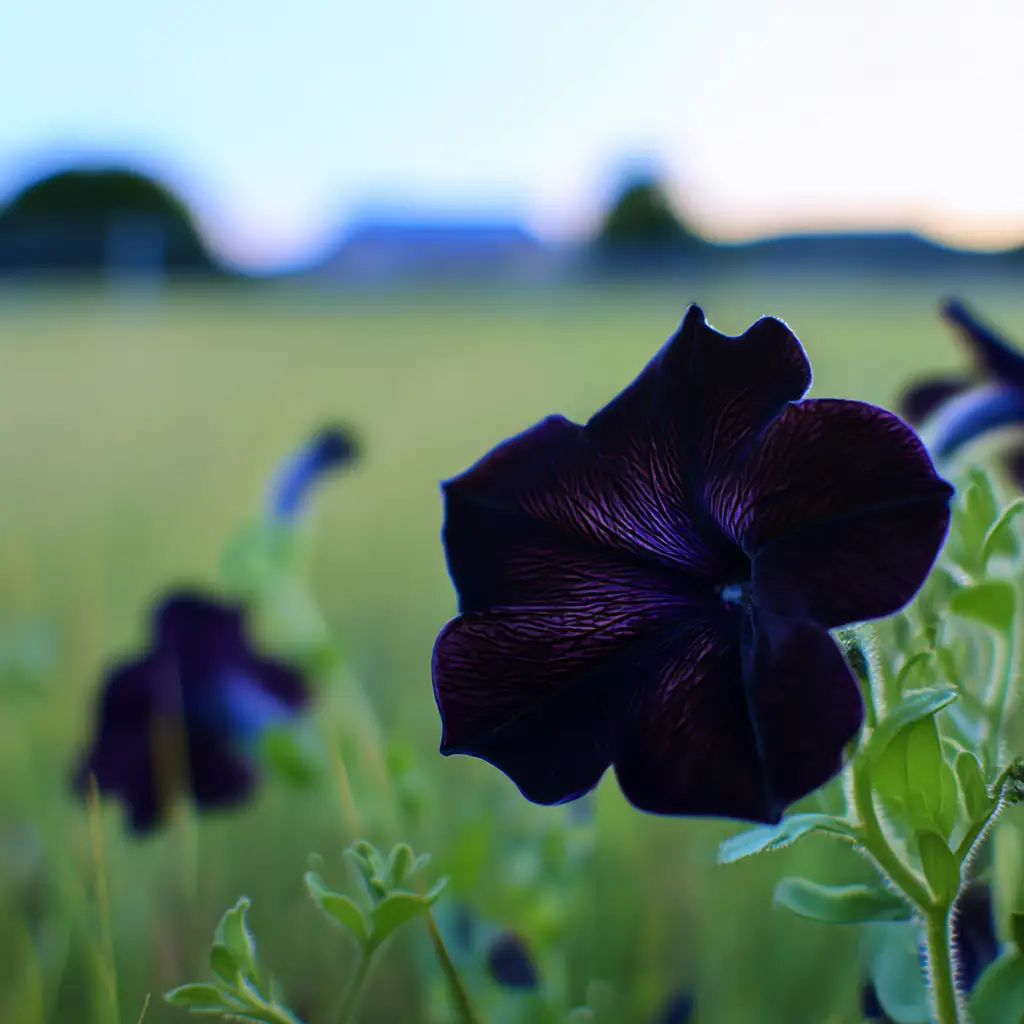
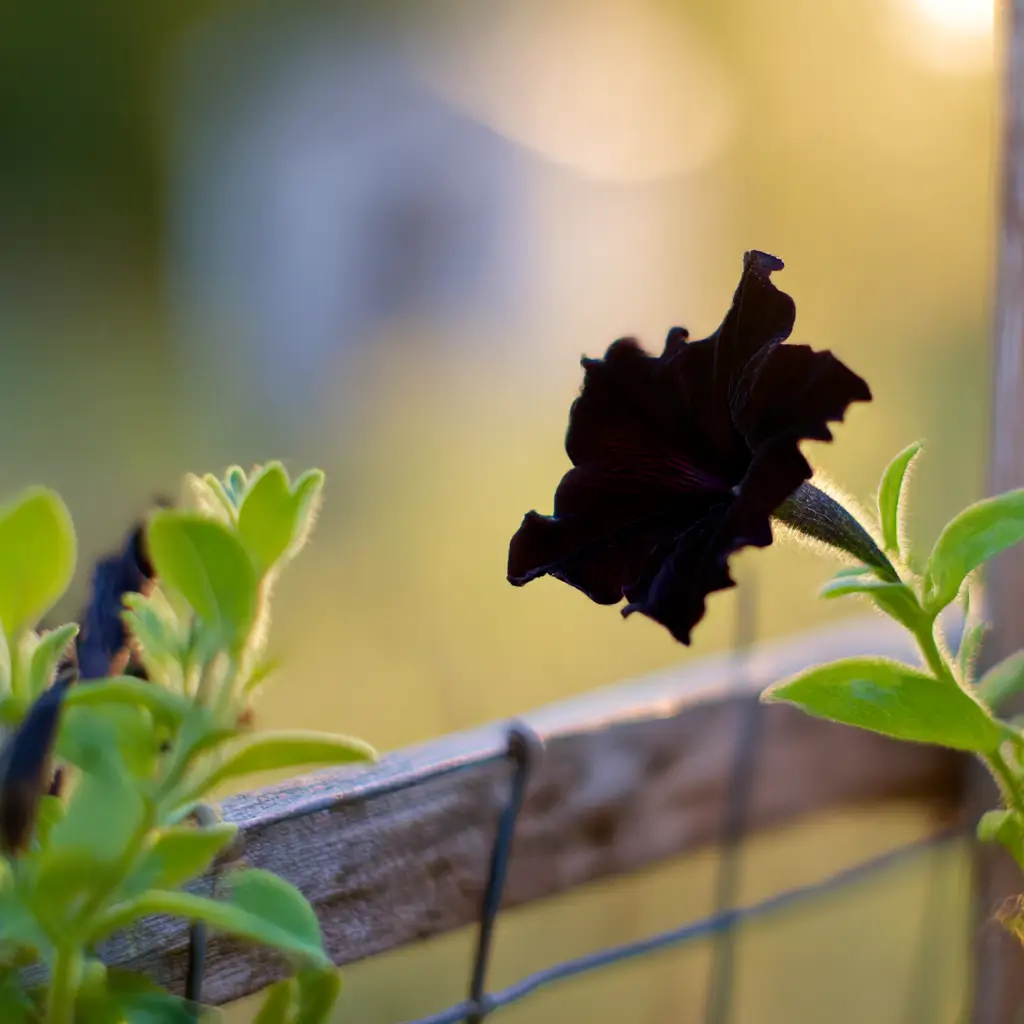
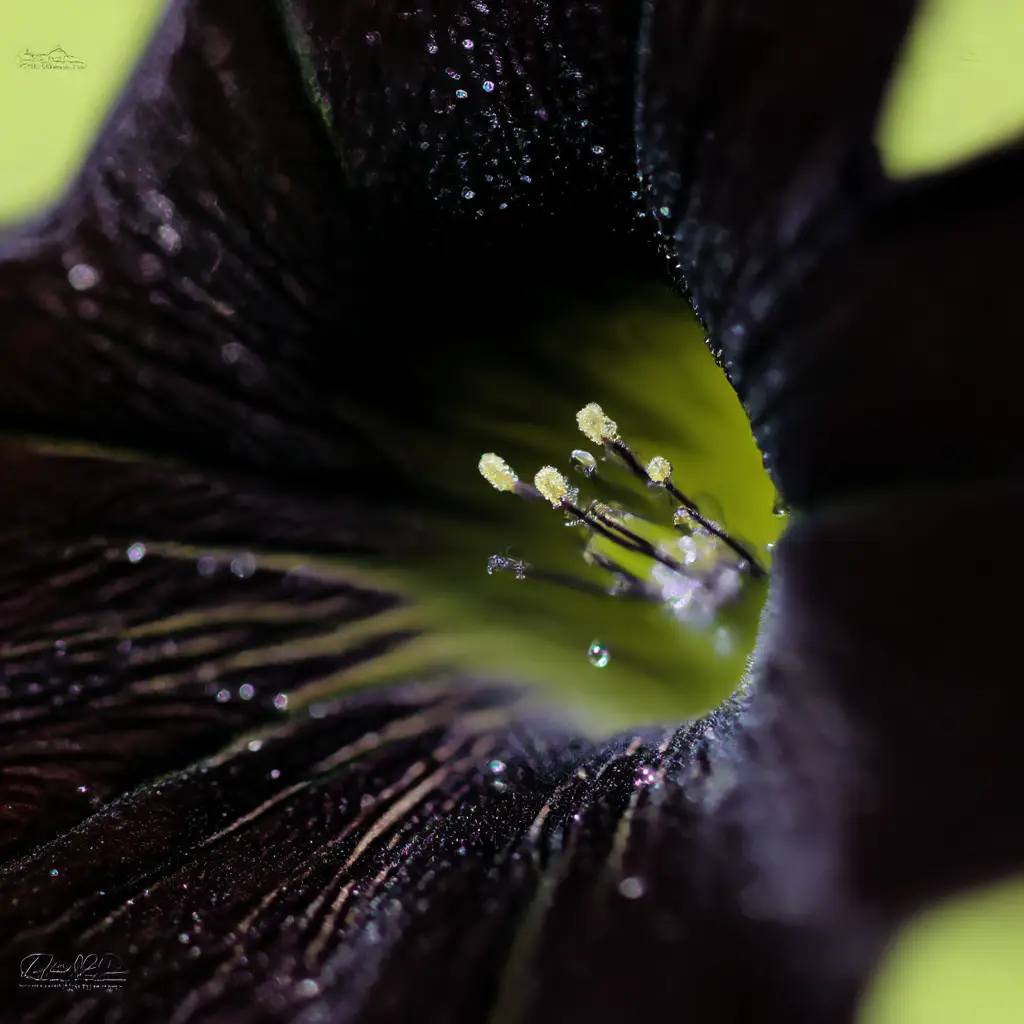
The first truly near-black petunia introduced for baskets and borders.
Why it’s popular: It is fast, floriferous, and stunning in mixed containers across the US.
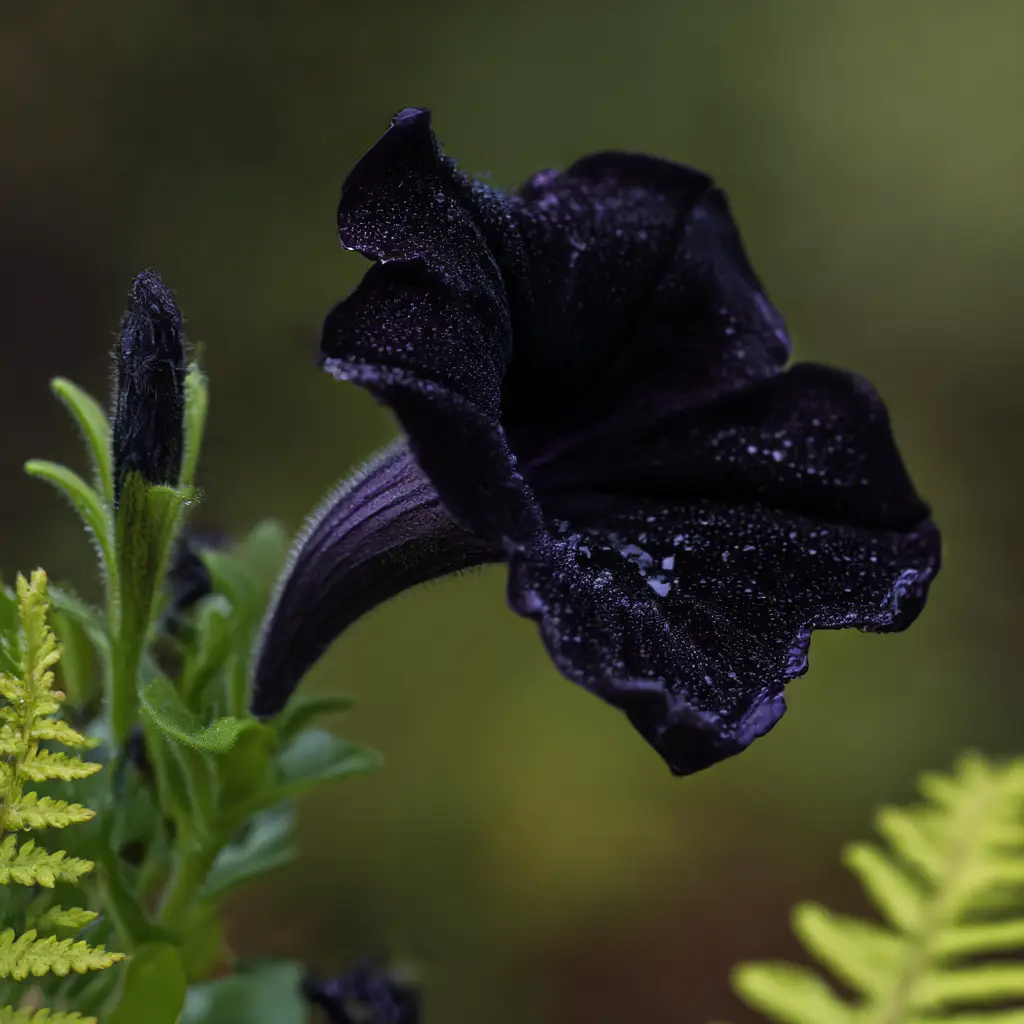
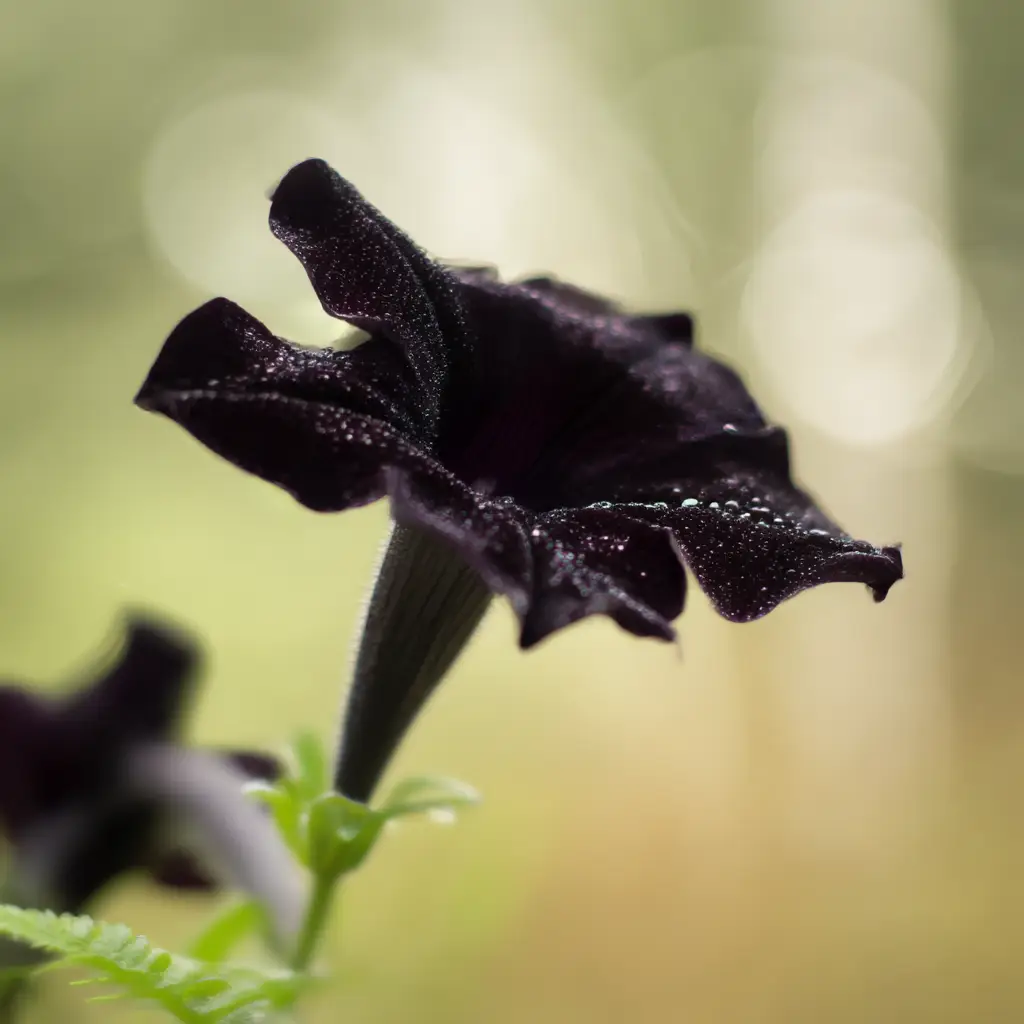


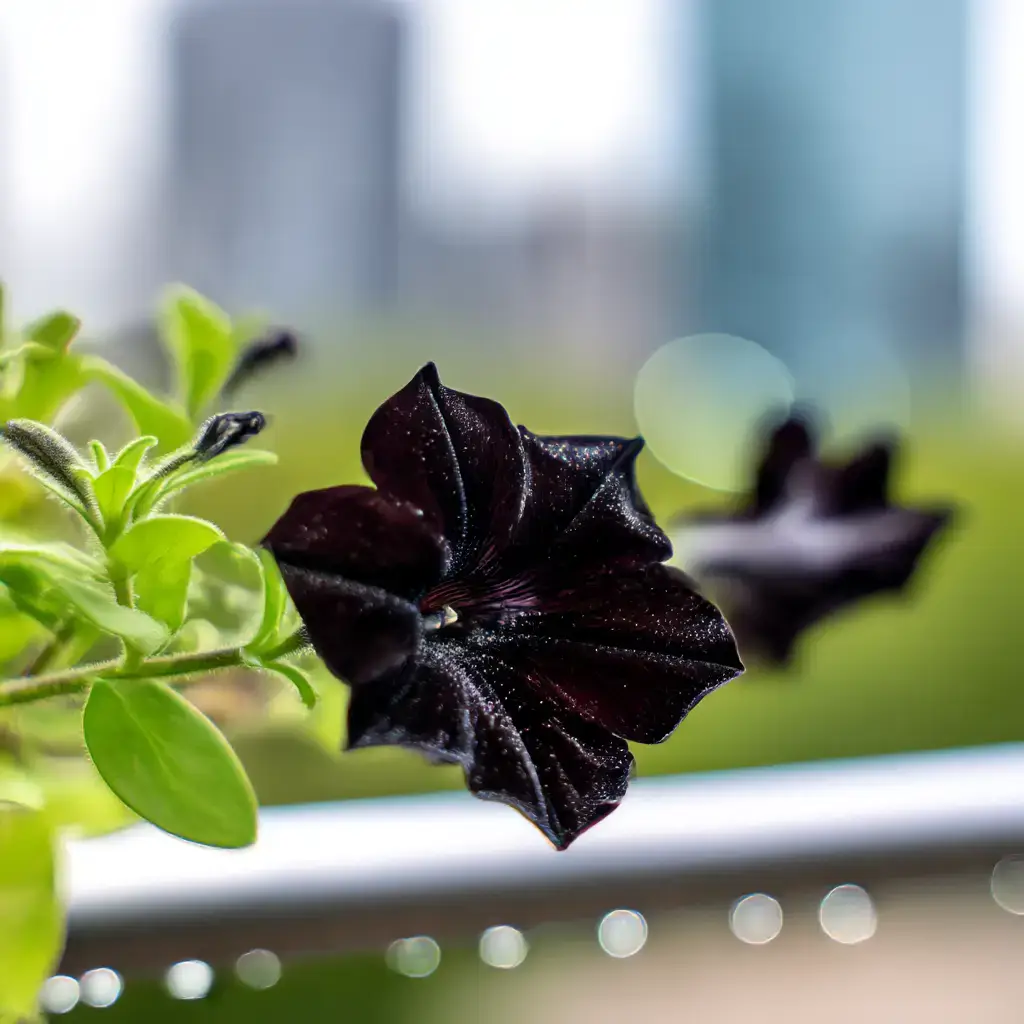



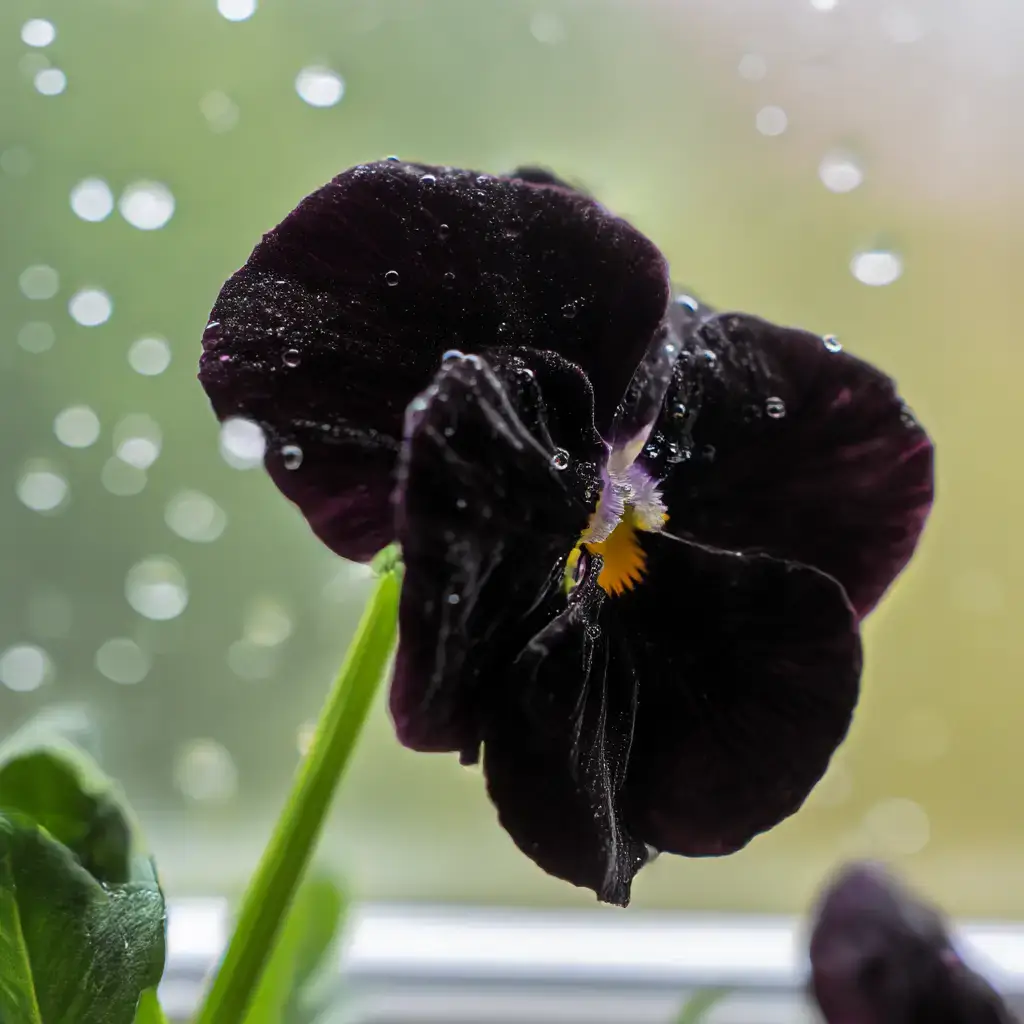

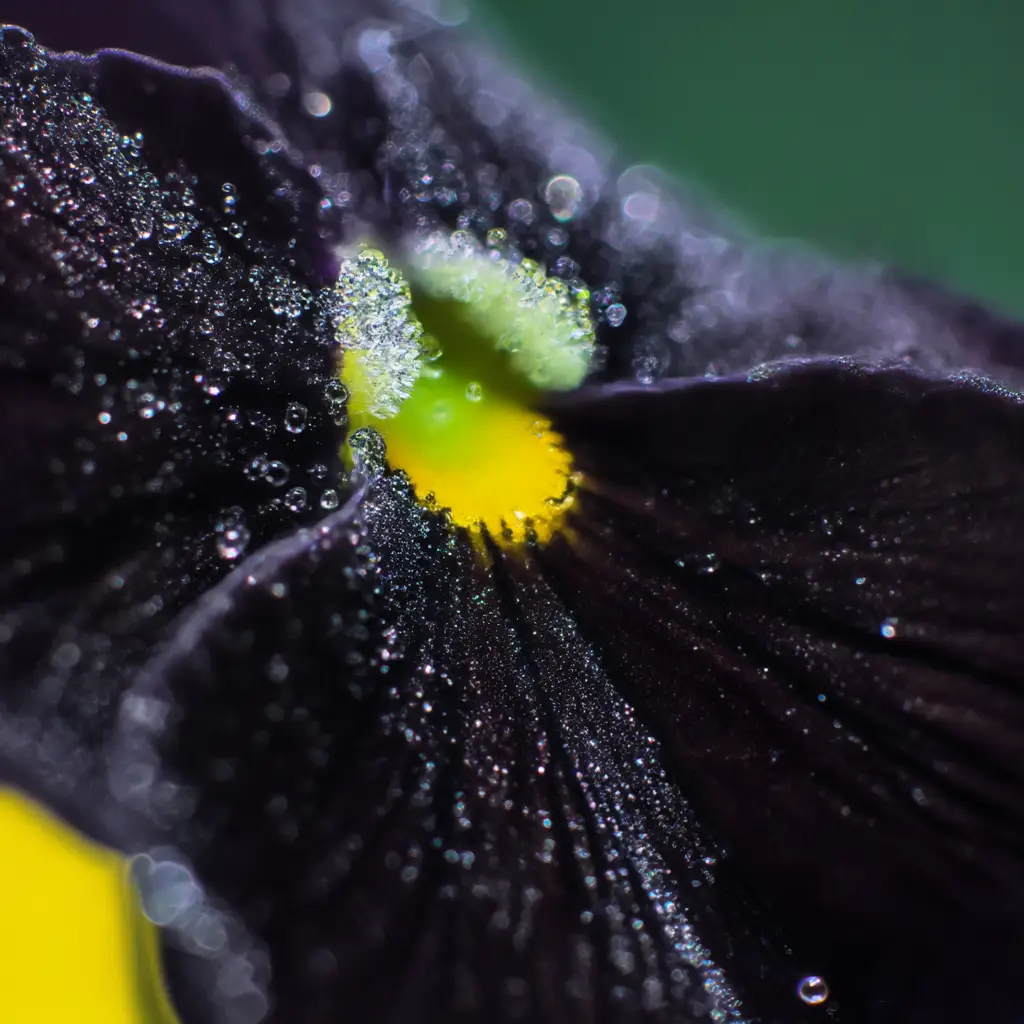
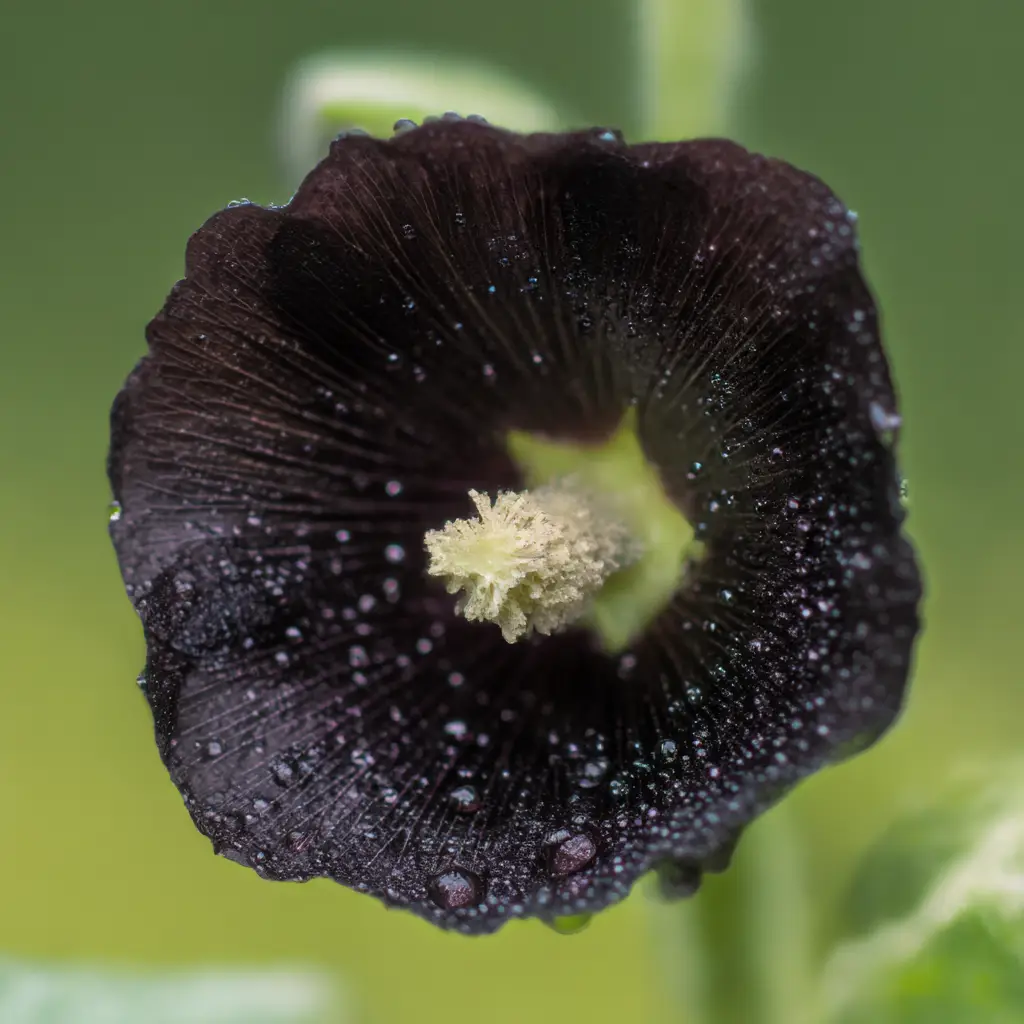
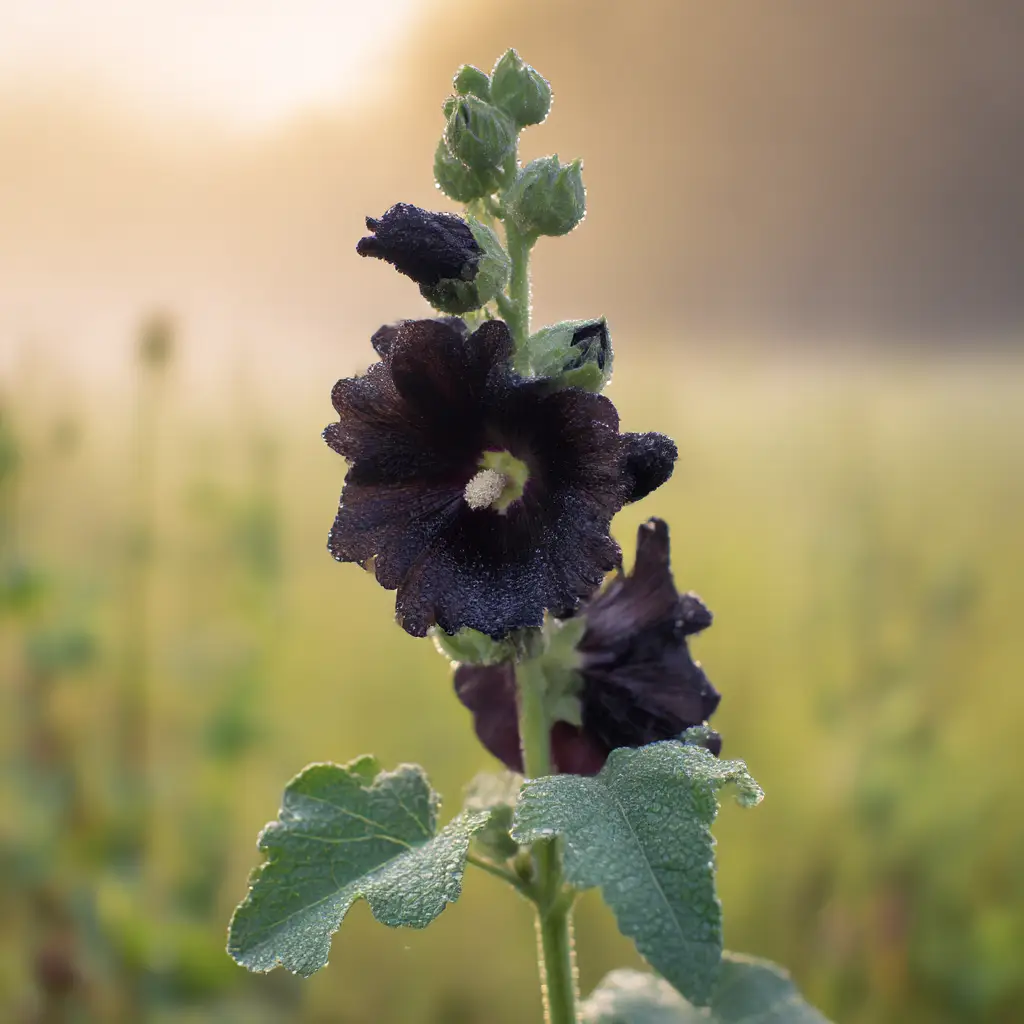
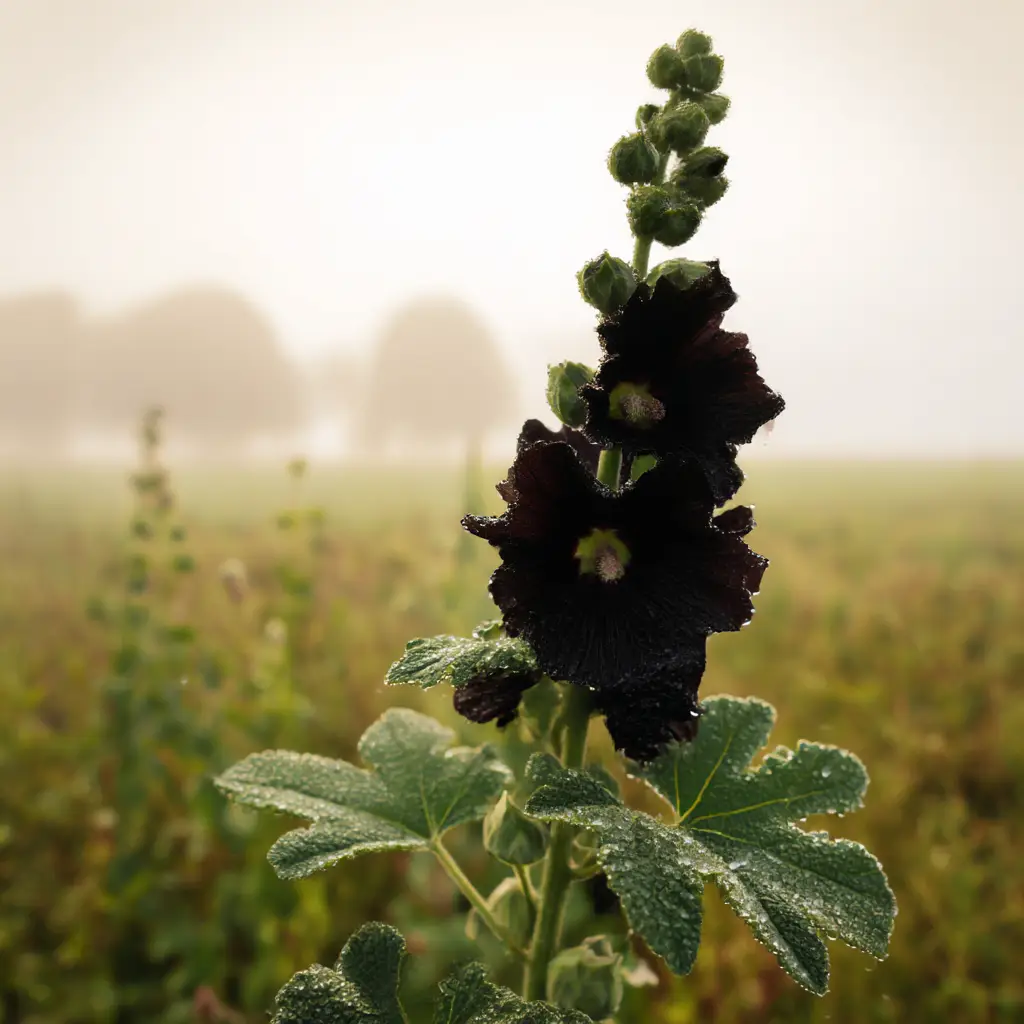
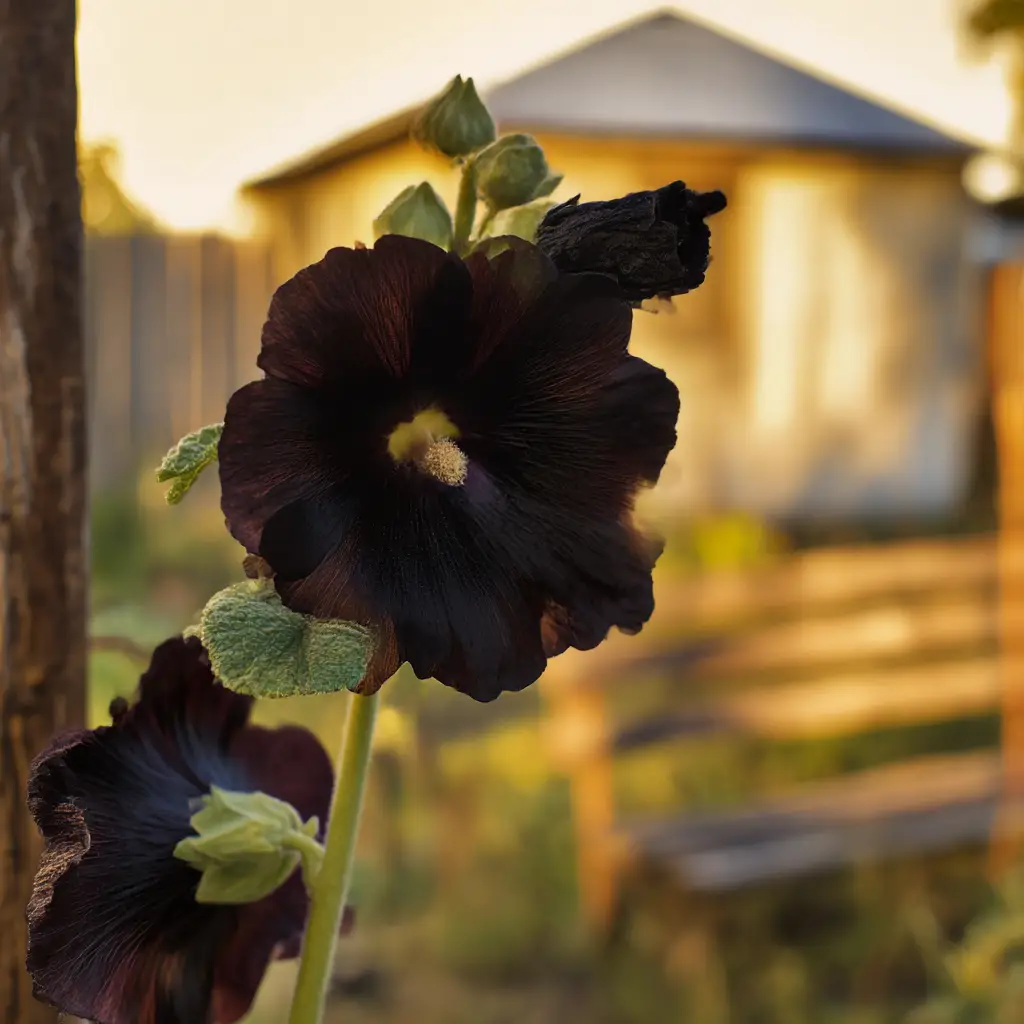
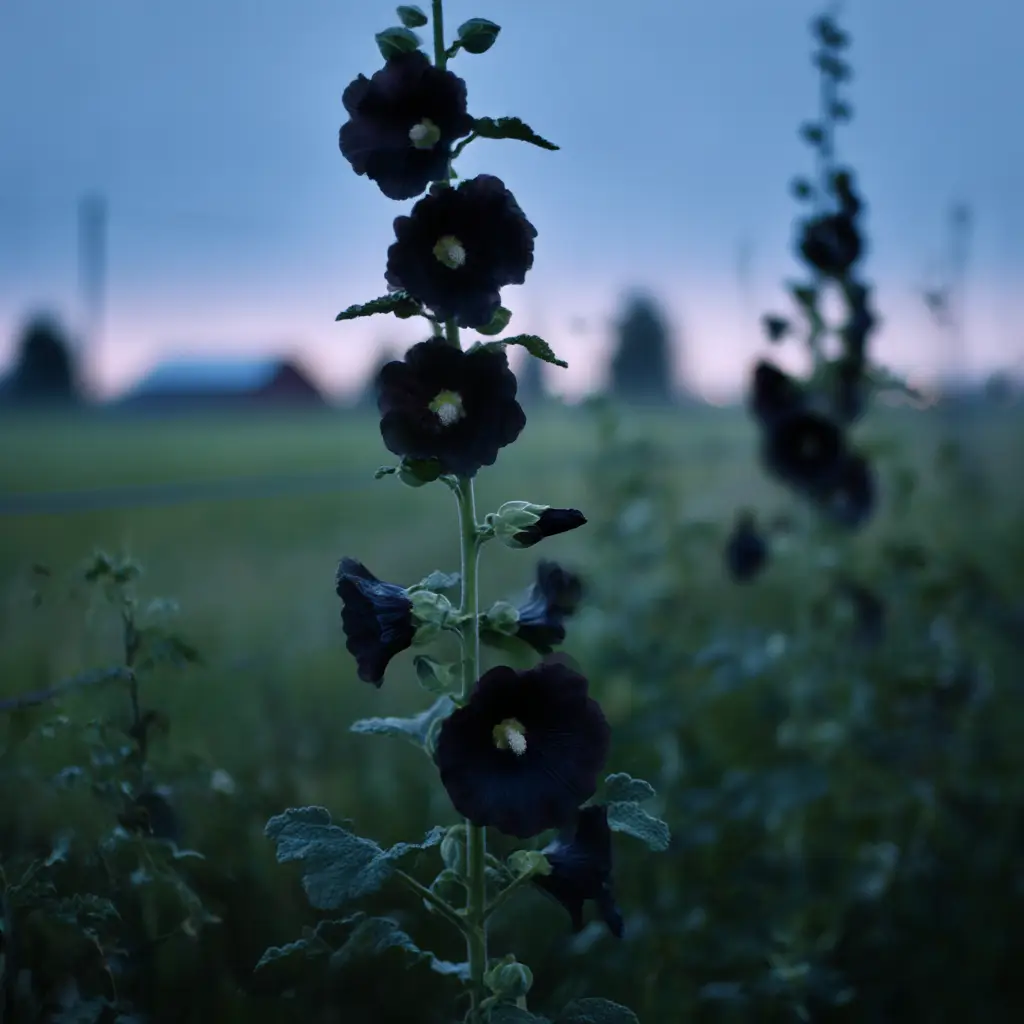
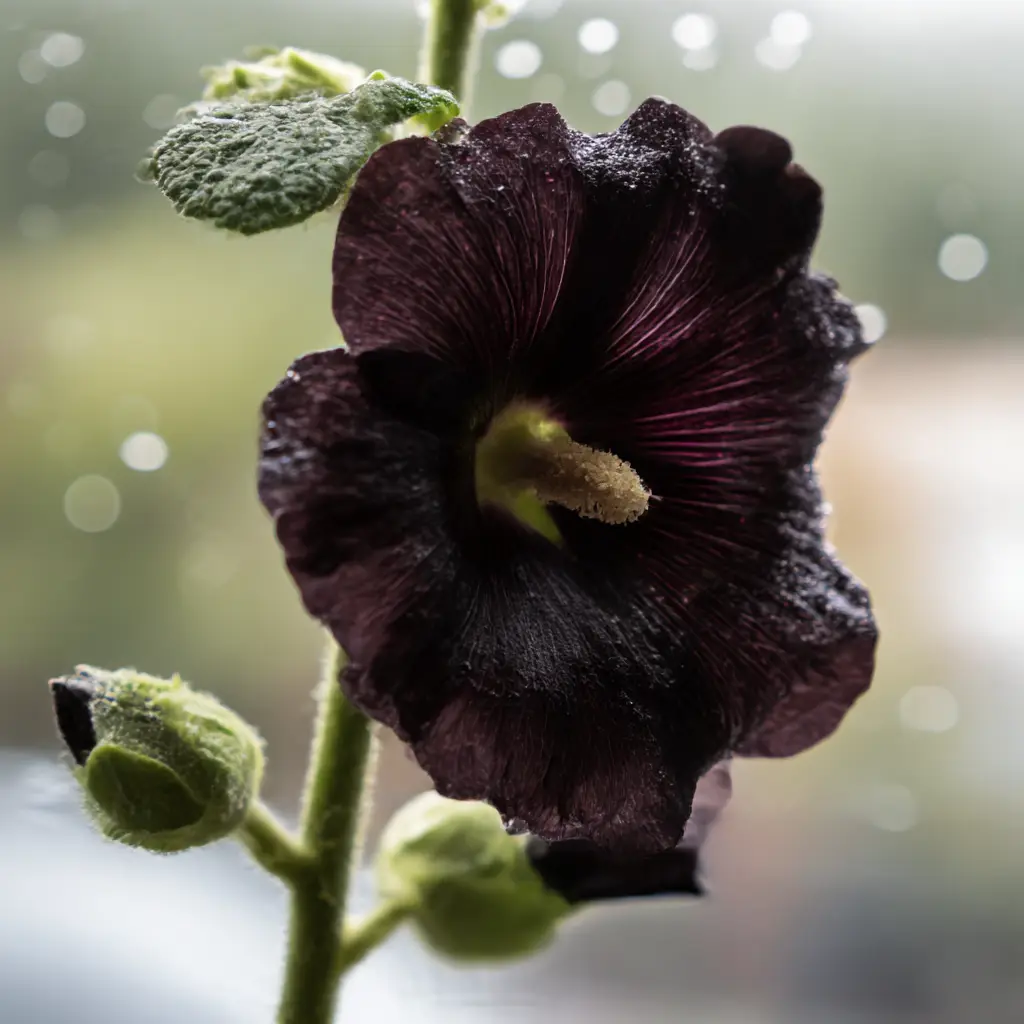
Tall, single hollyhocks with inky, almost black discs.
Why it’s popular: Cottage gardeners love its vertical drama against fences and sheds.
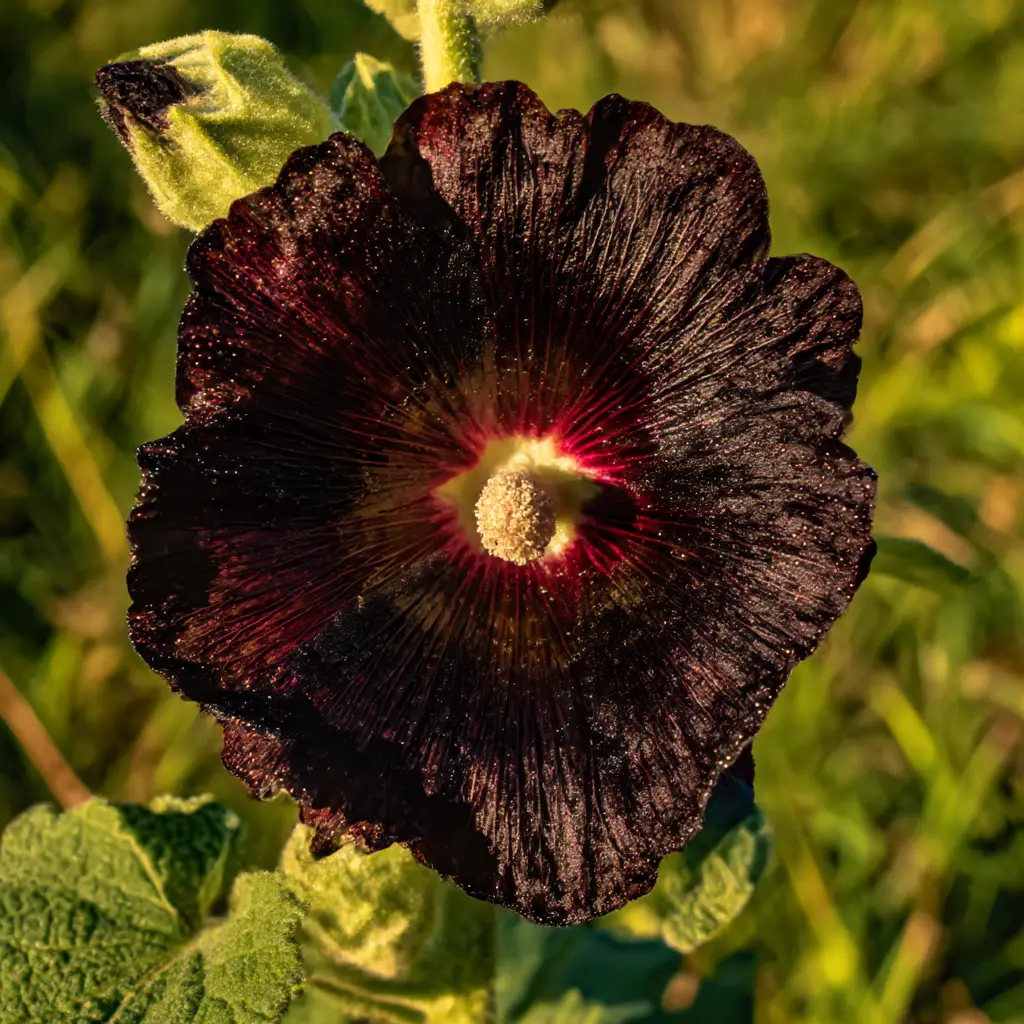
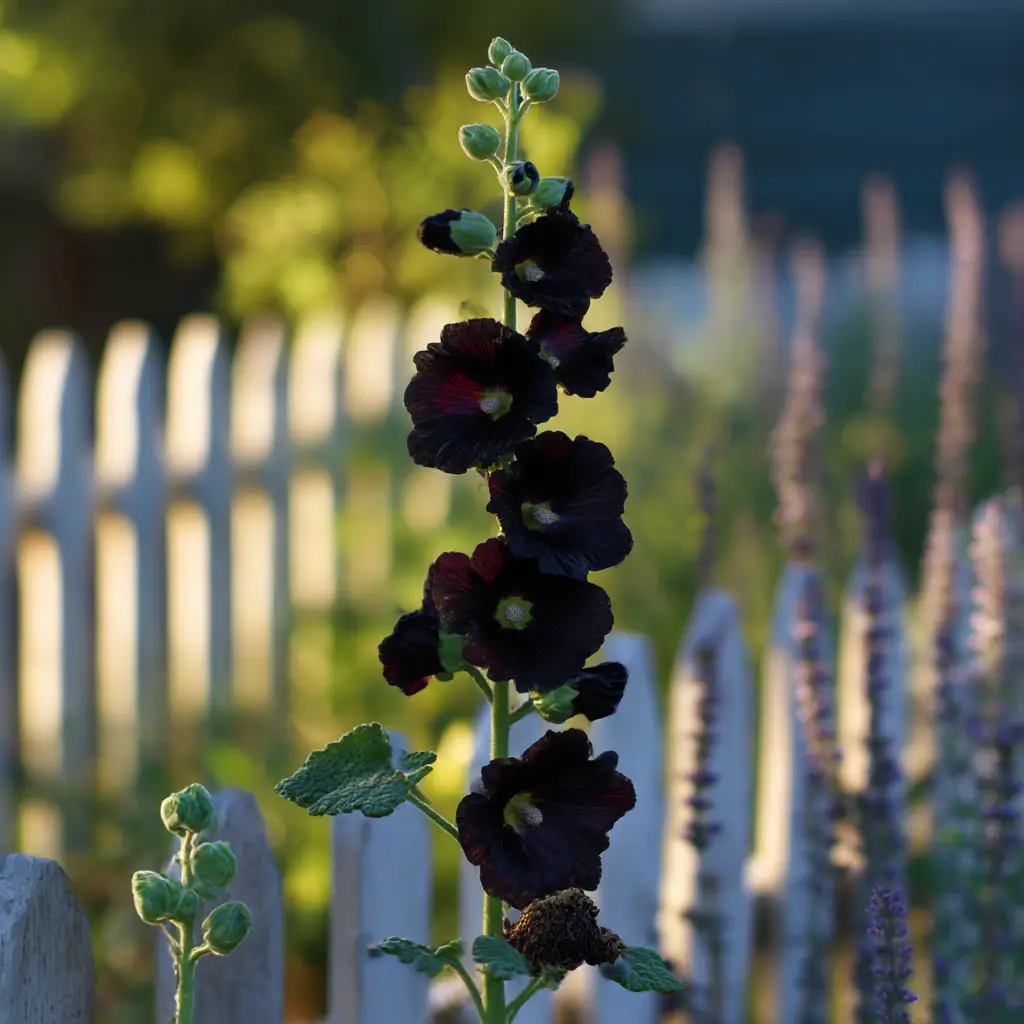
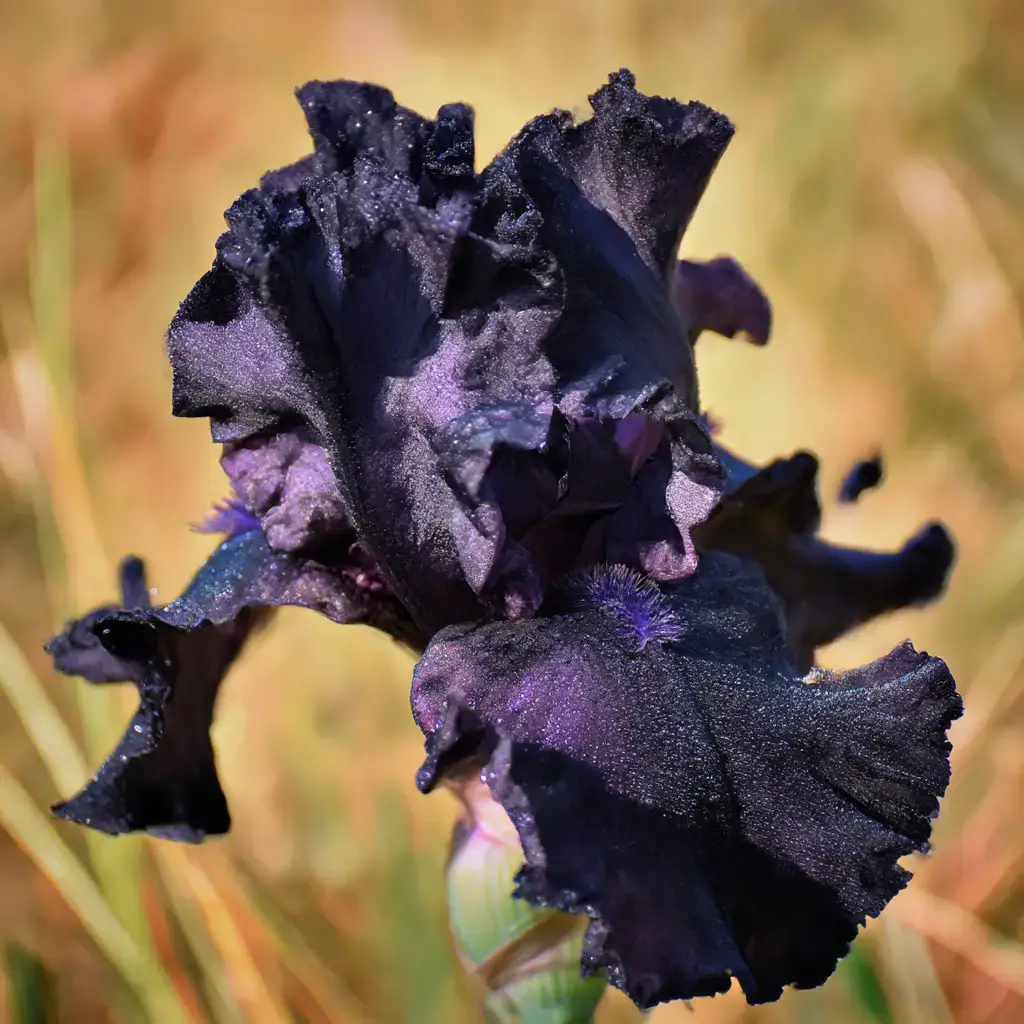
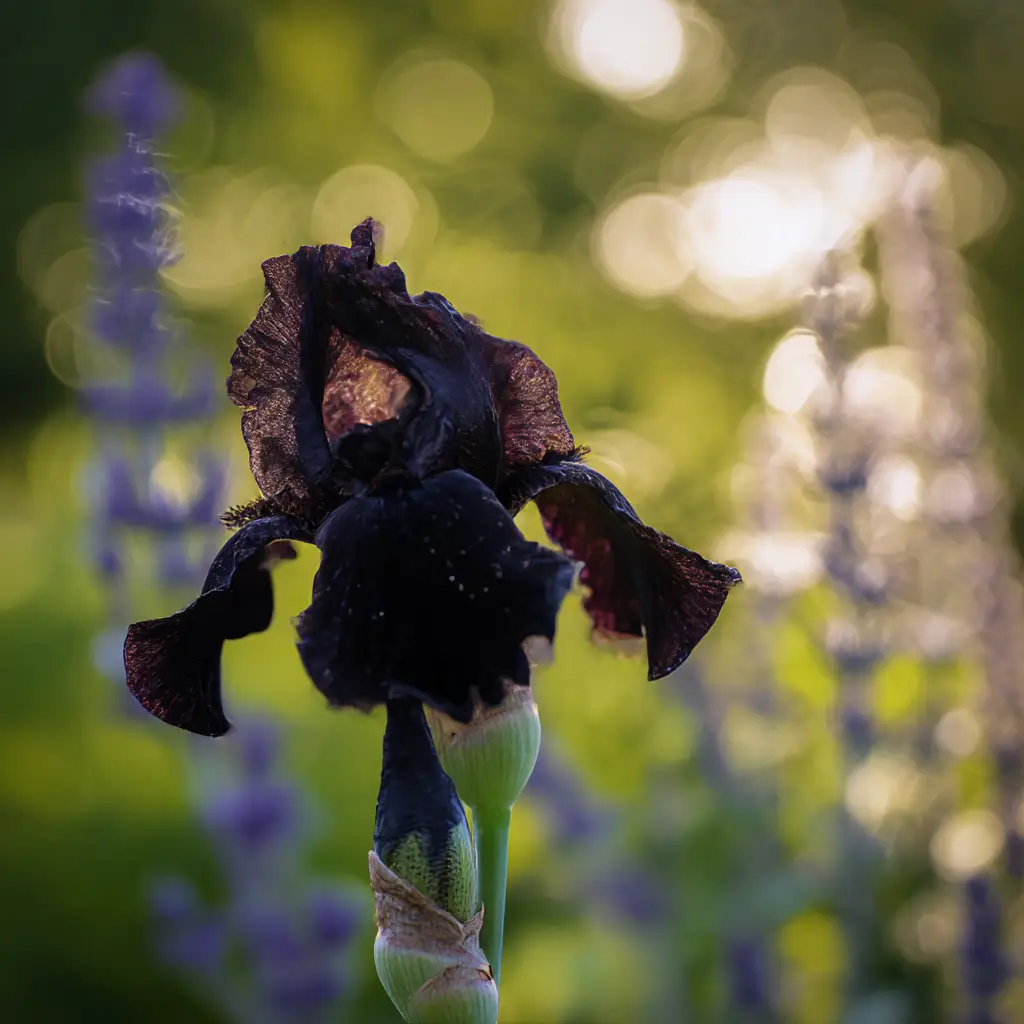
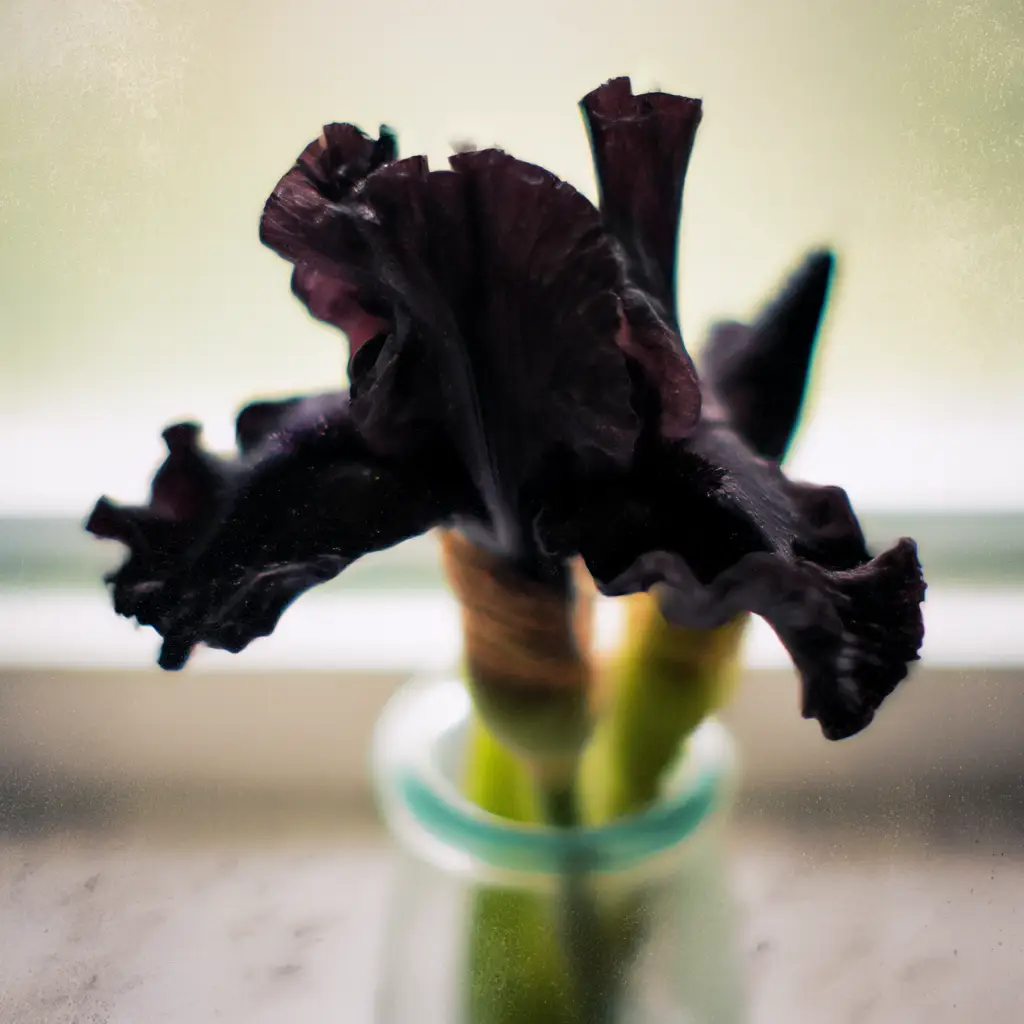
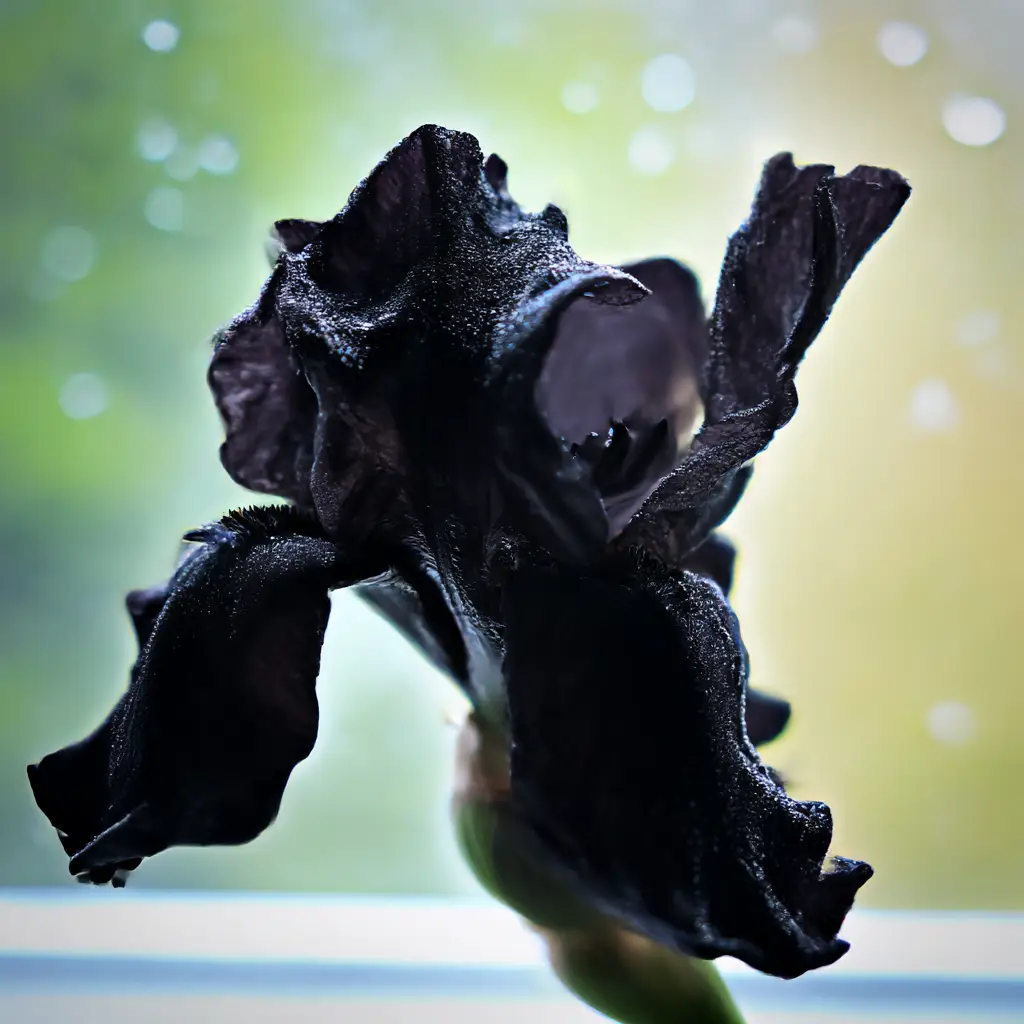
Ruffled, very dark falls and standards on stately stalks.
Why it’s popular: It is a showstopper in May borders and a reliable perennial in many US zones.
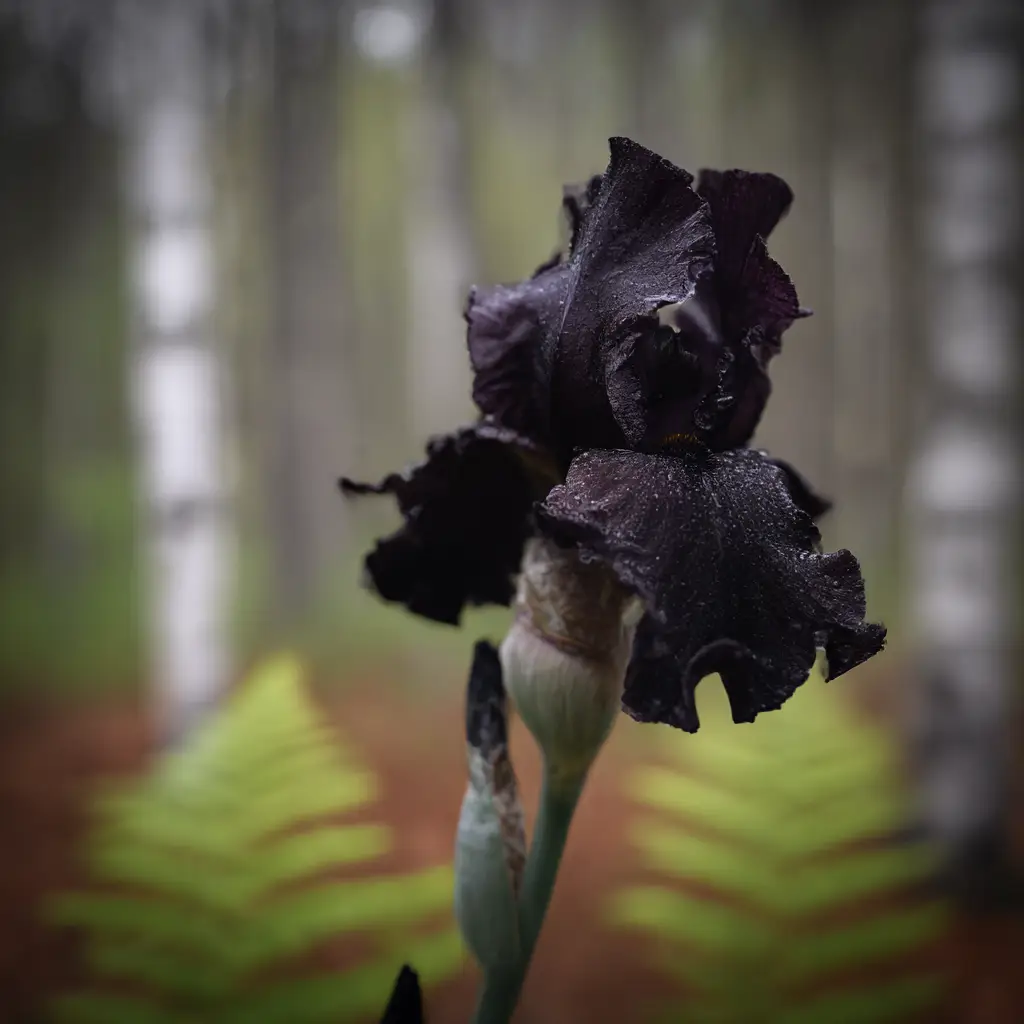
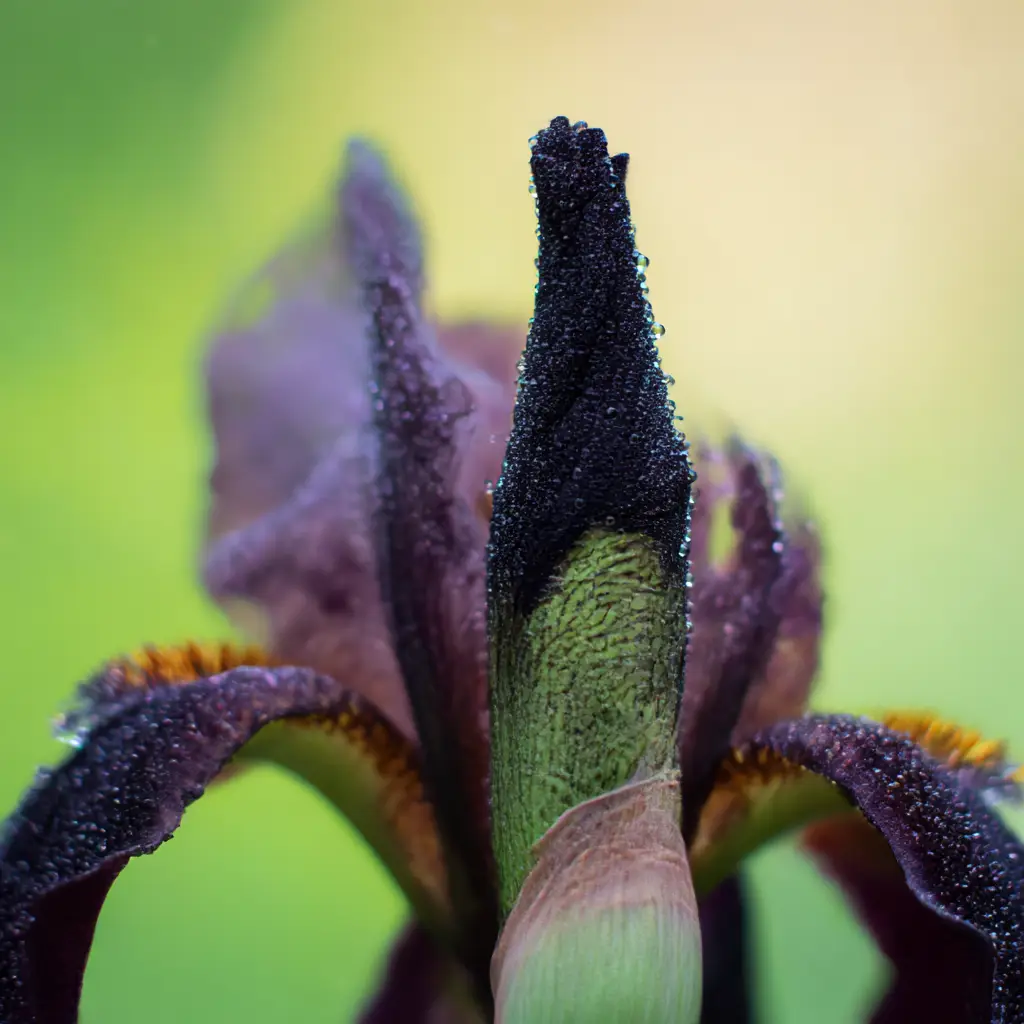
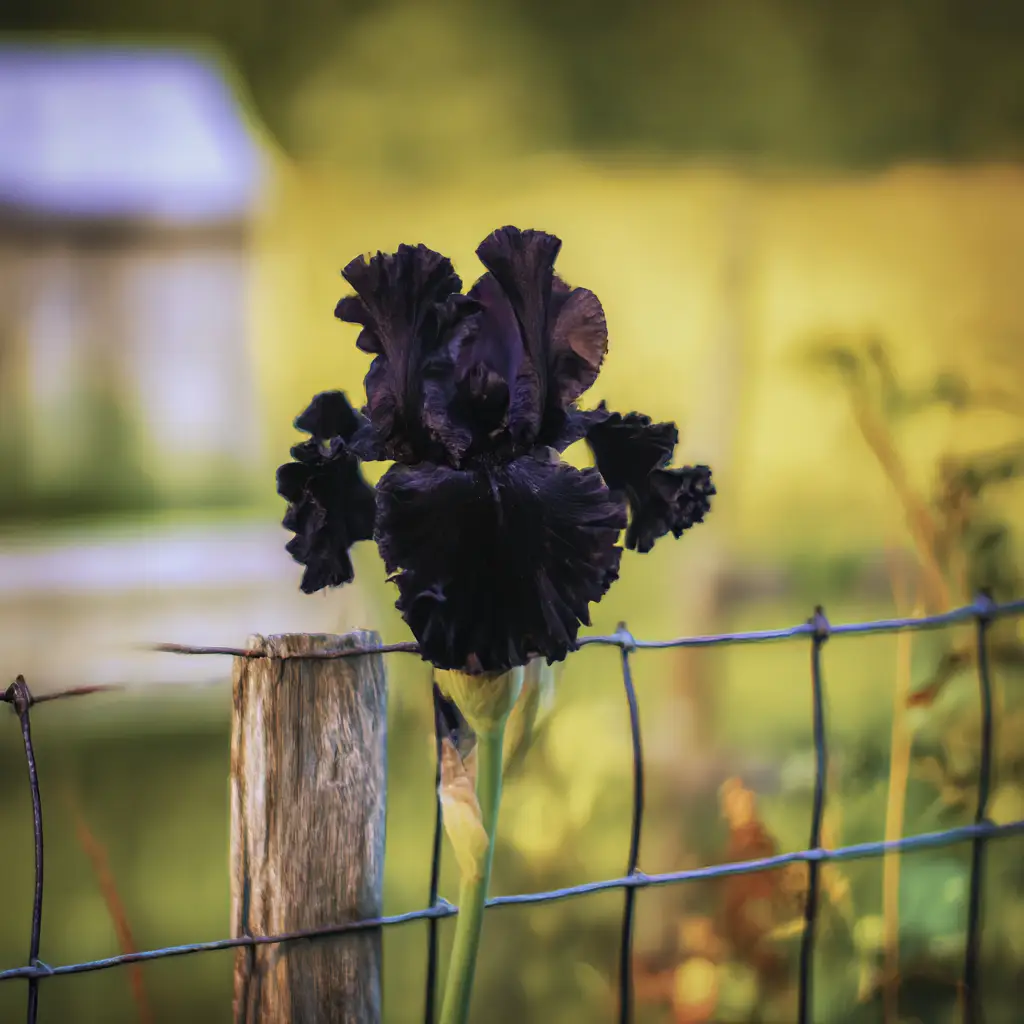
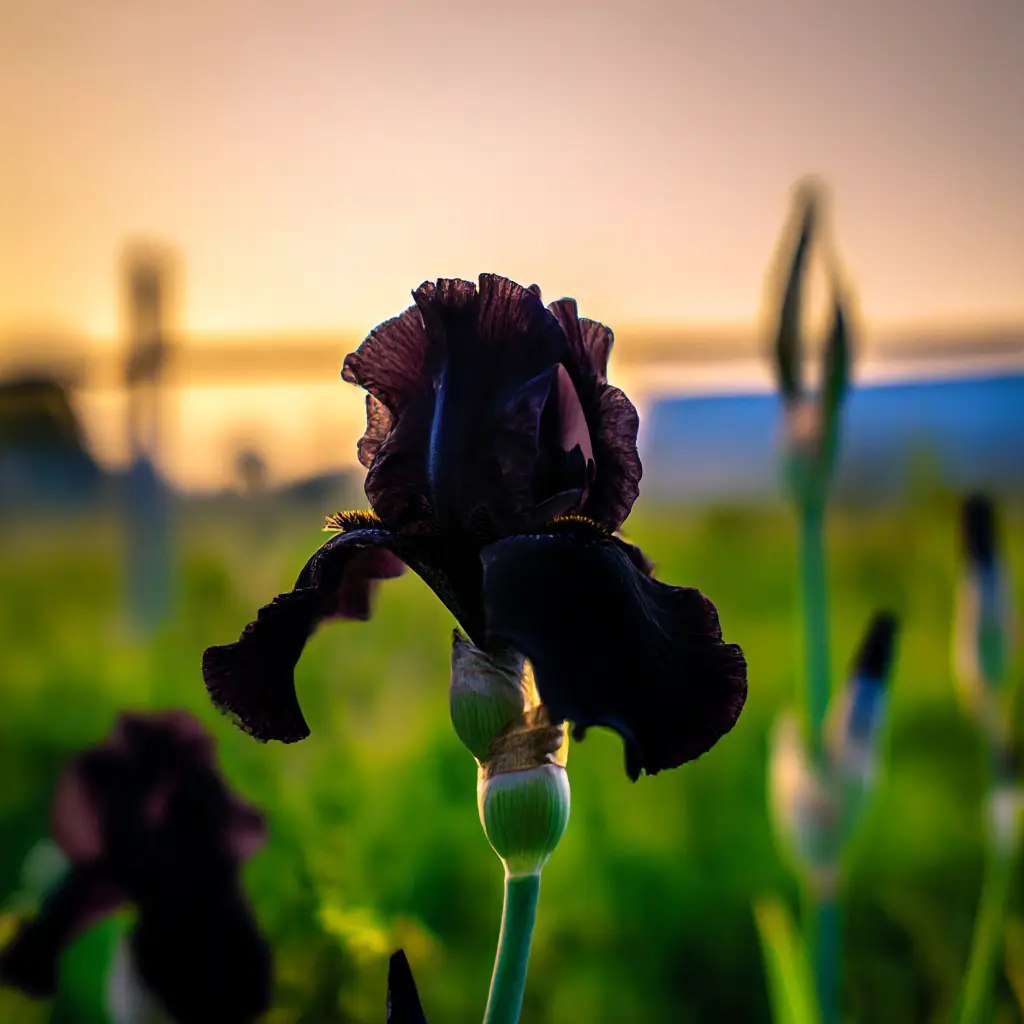
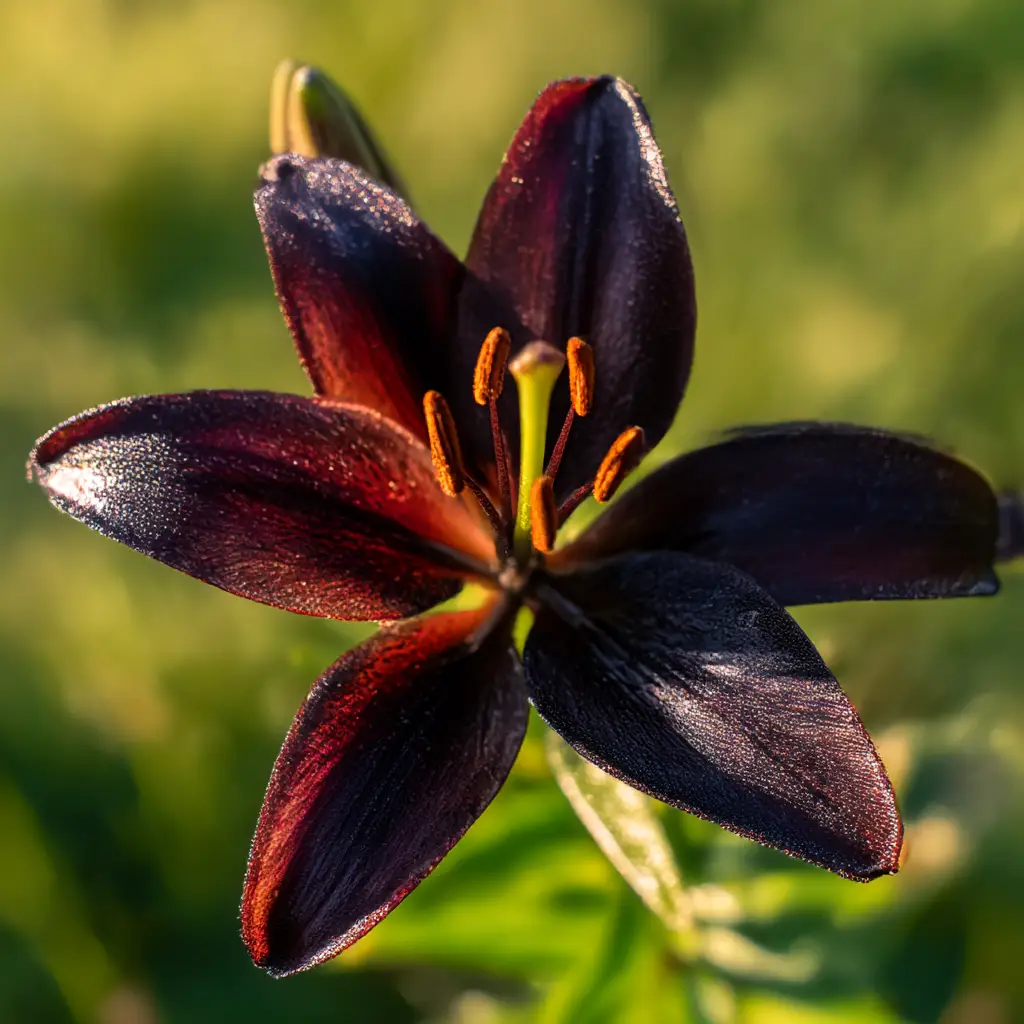
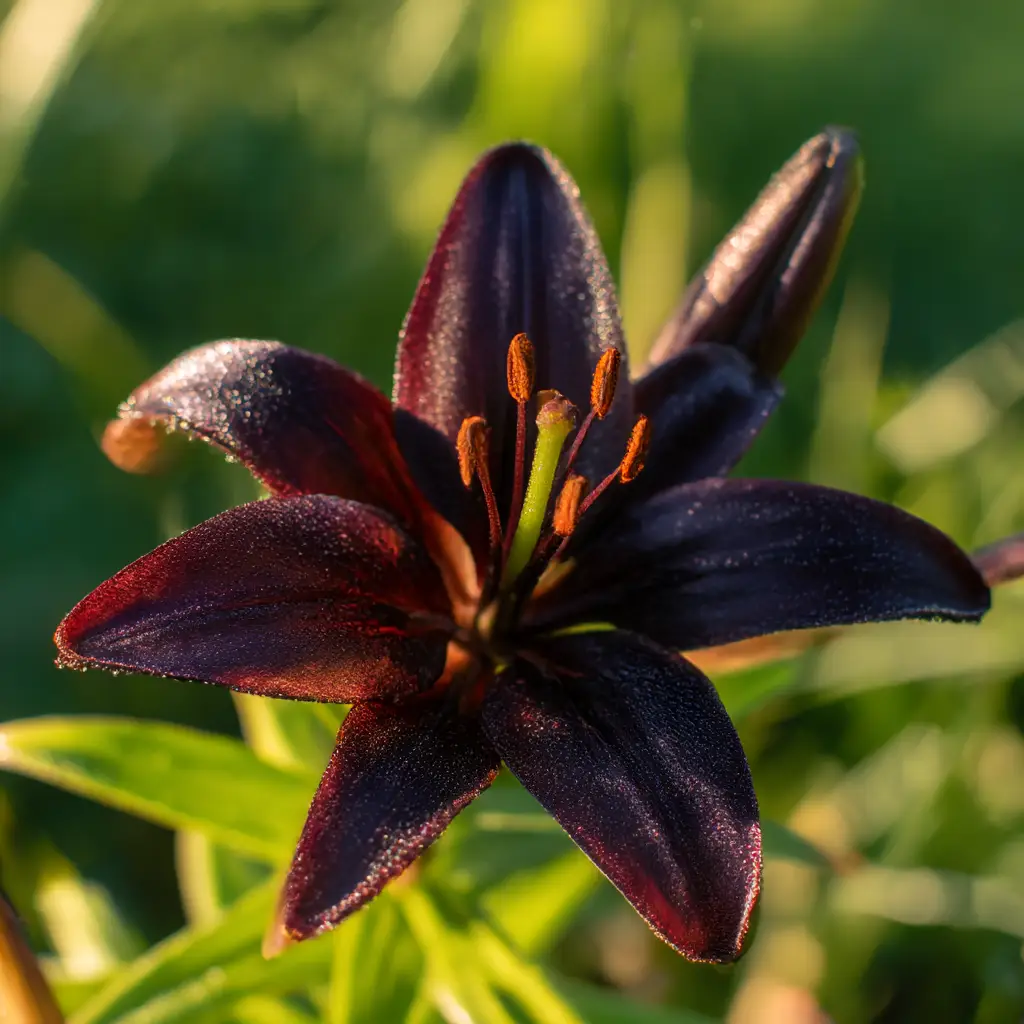
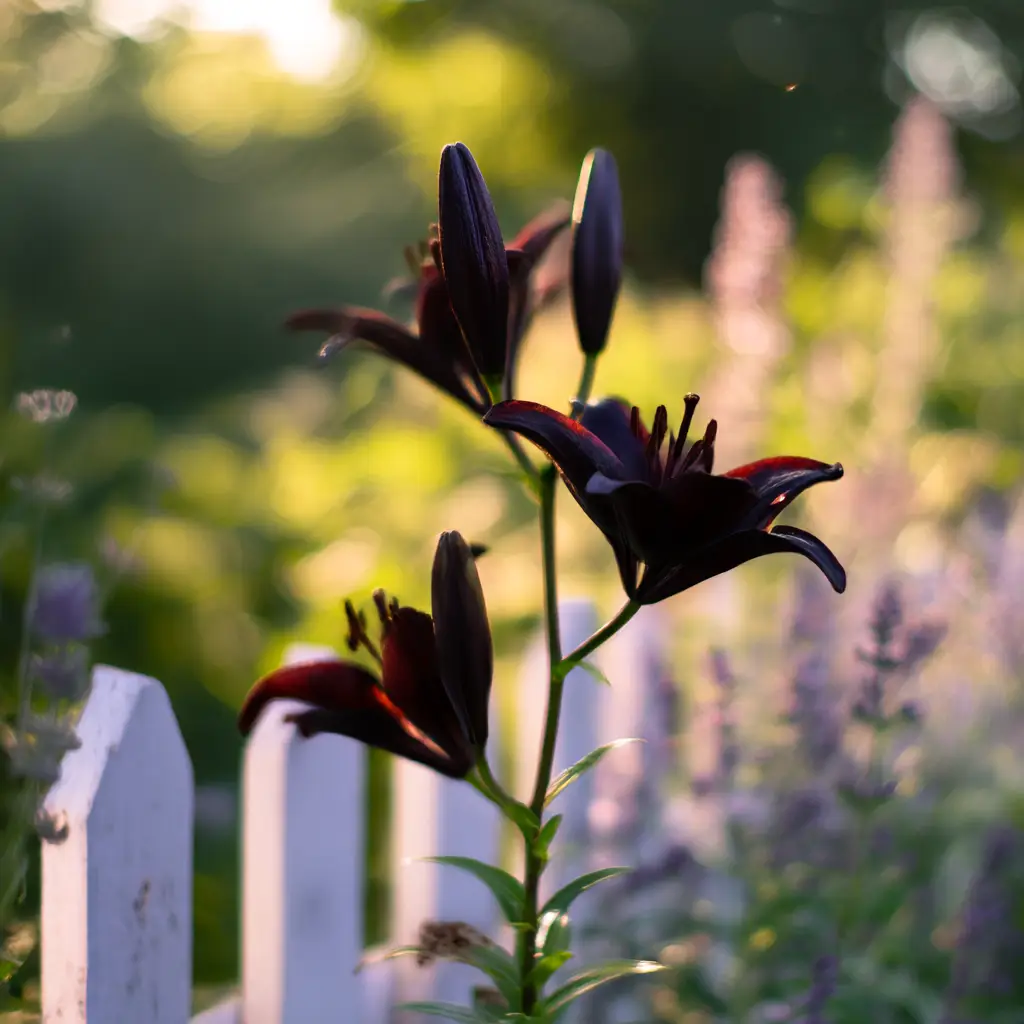
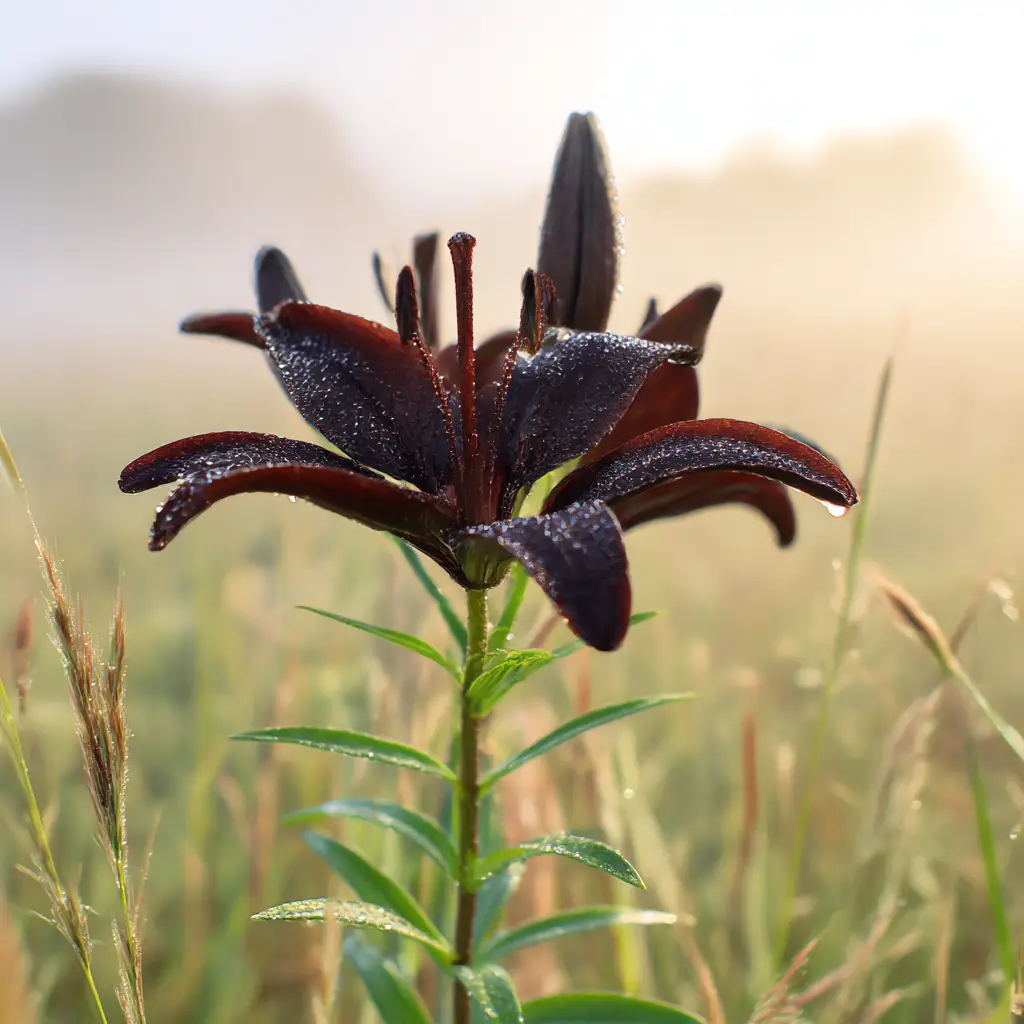
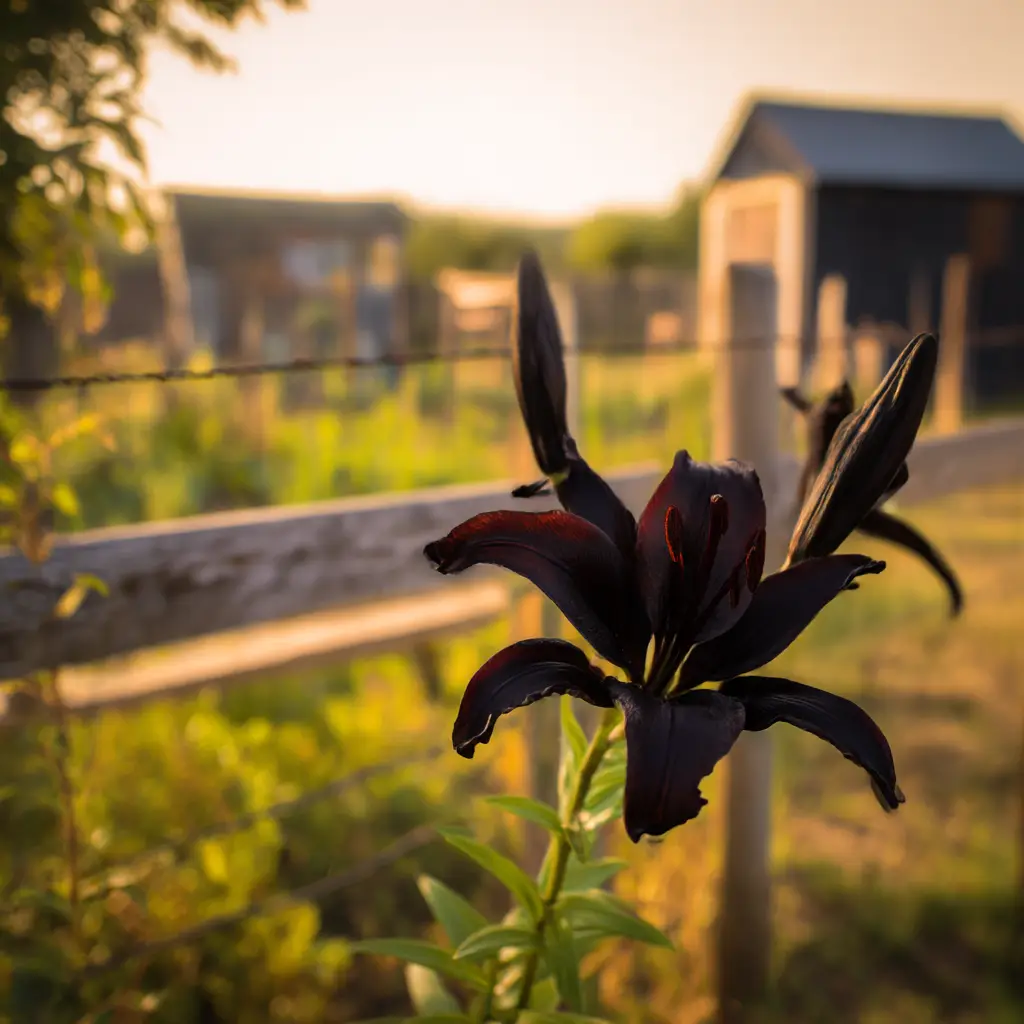
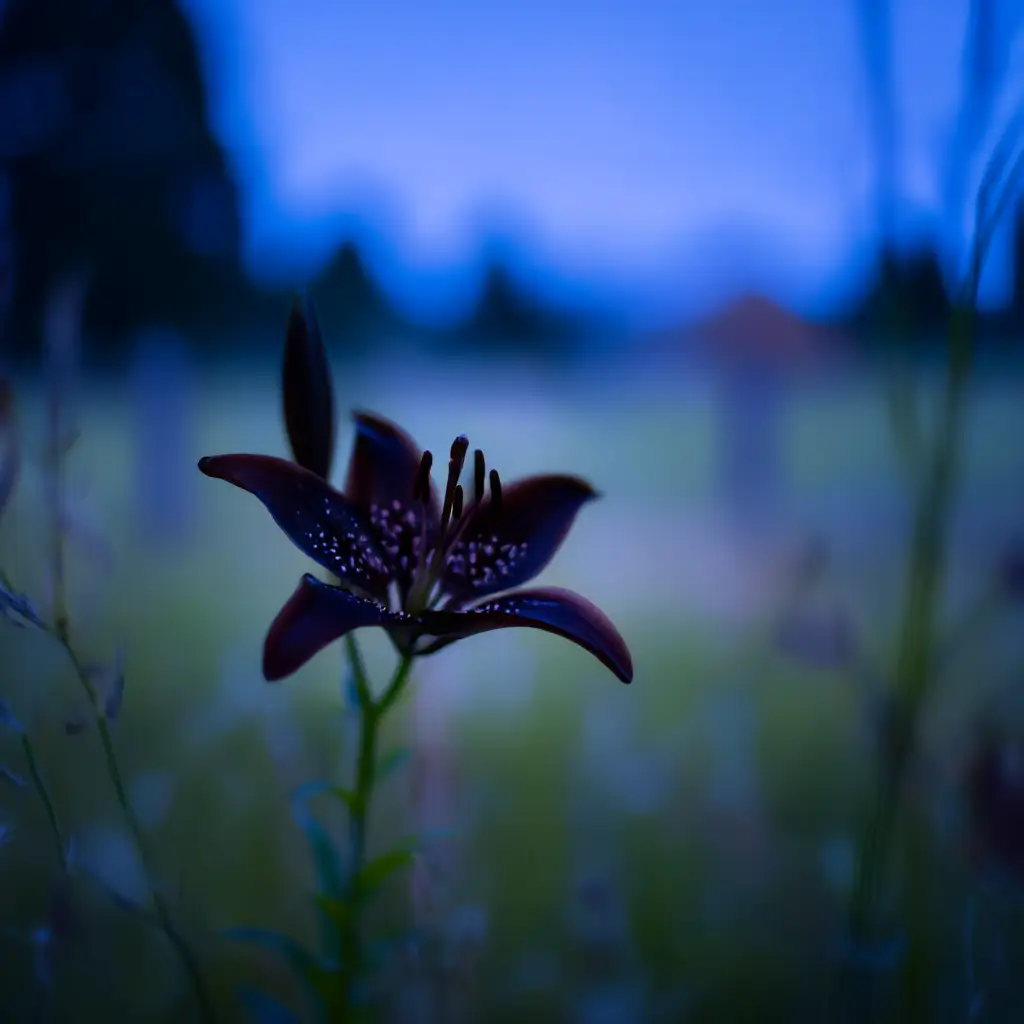
Sleek, near-black petals on upright stems in early summer.
Why it’s popular: Bulbs are easy to plant and deliver a high-impact, modern look.
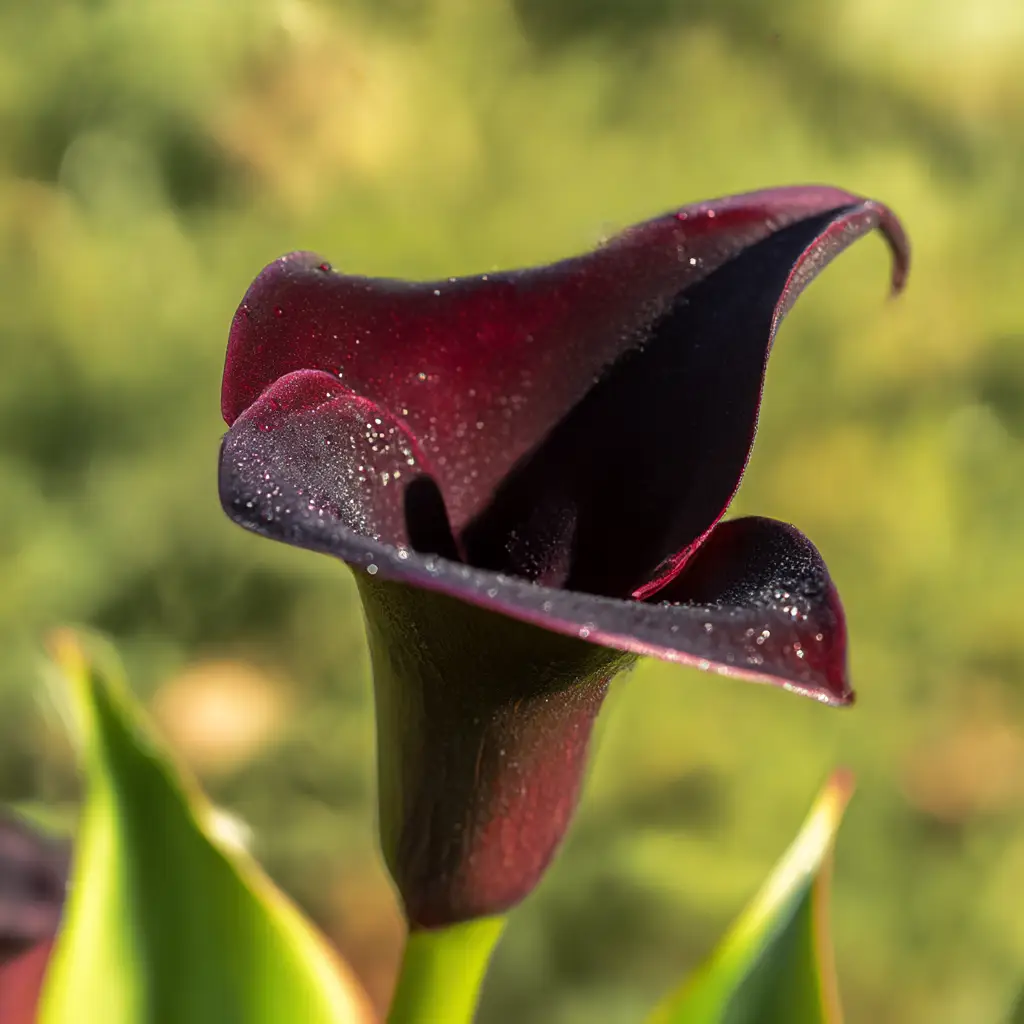
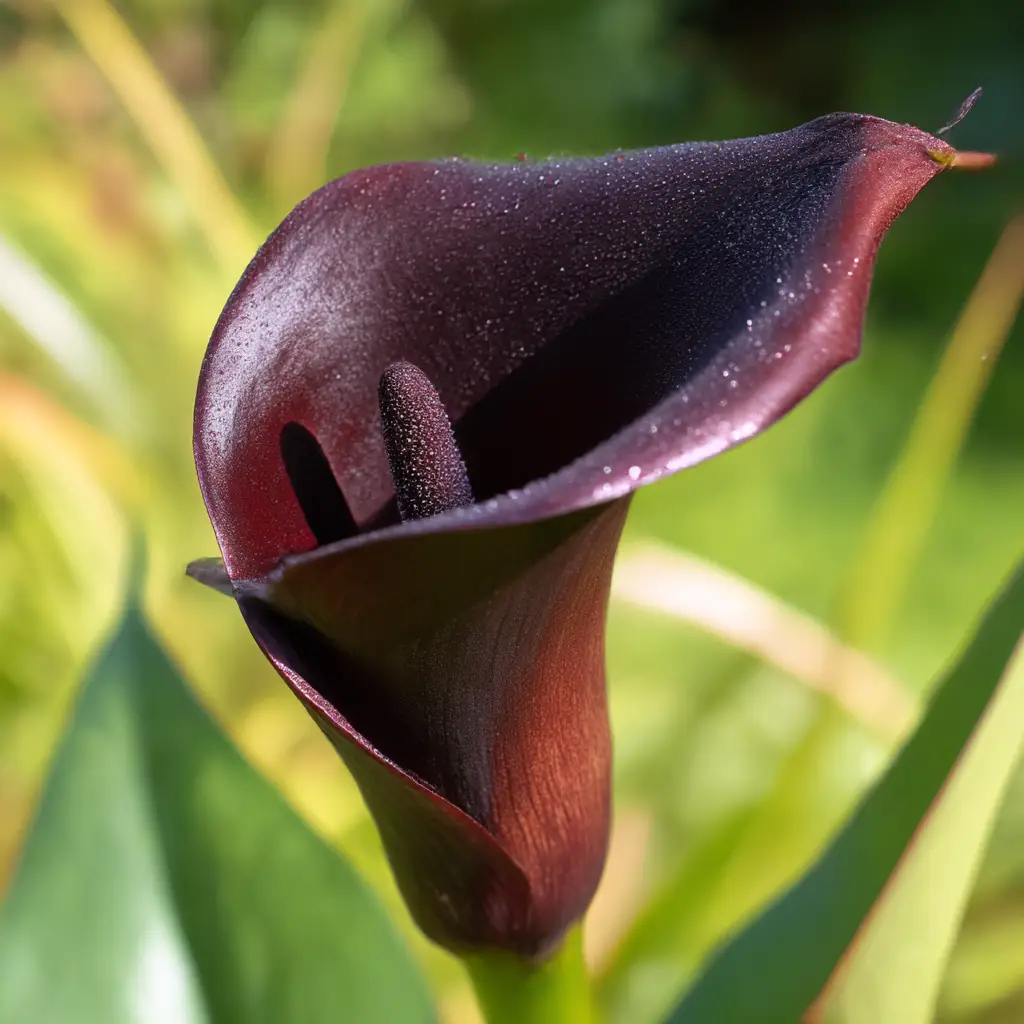
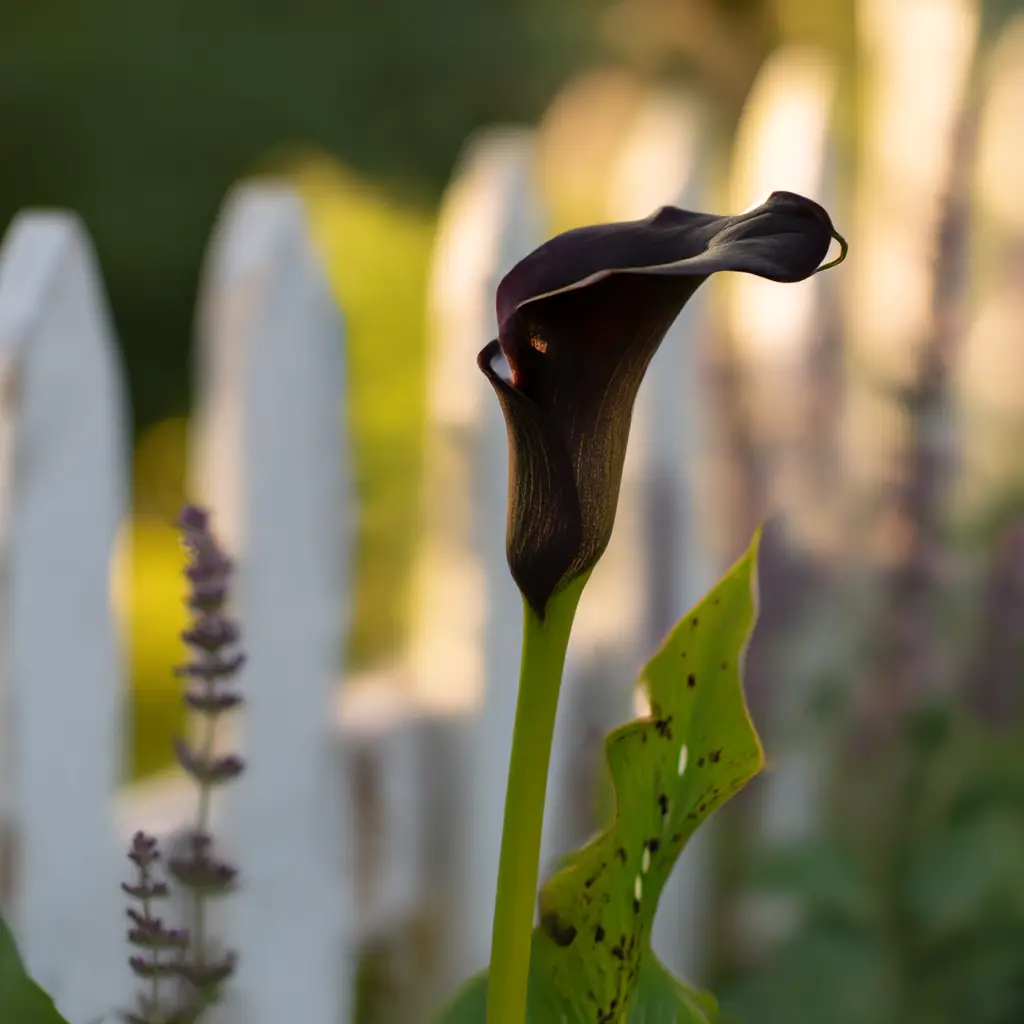
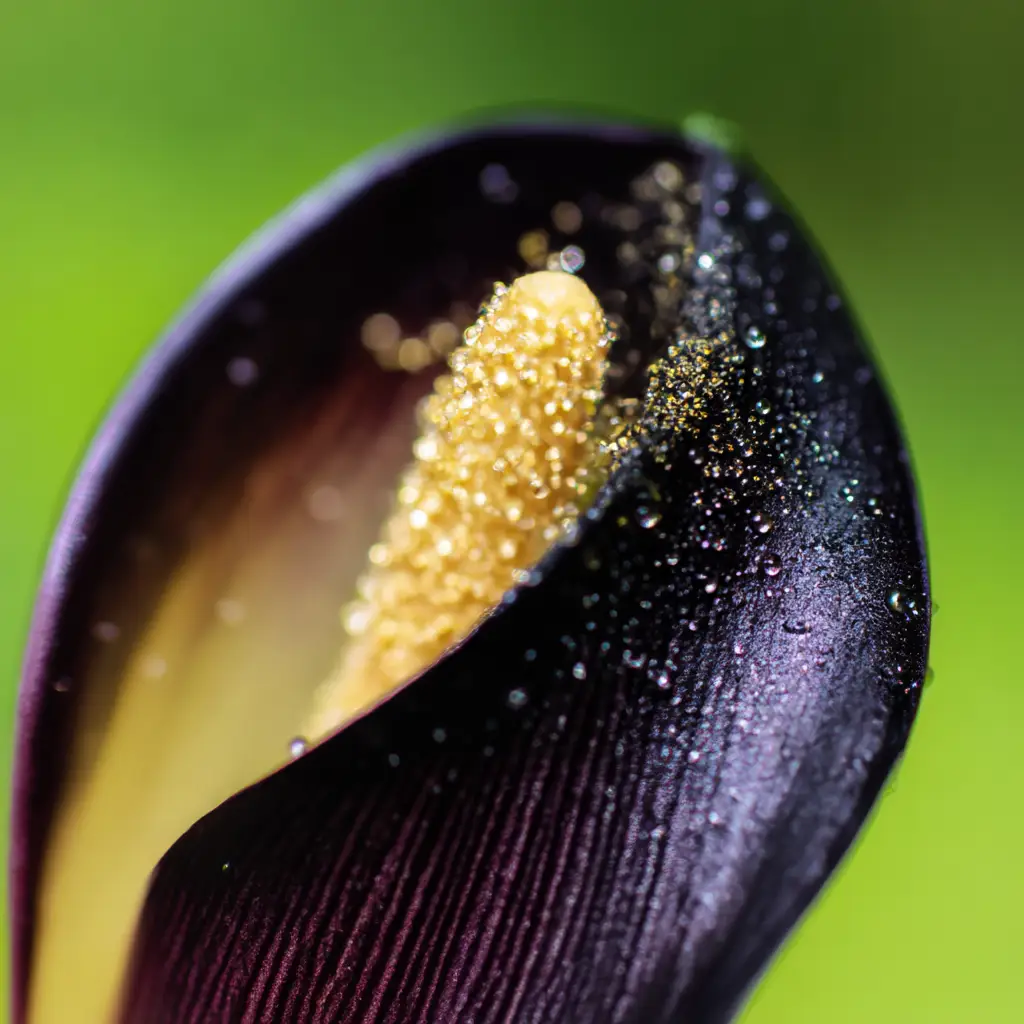
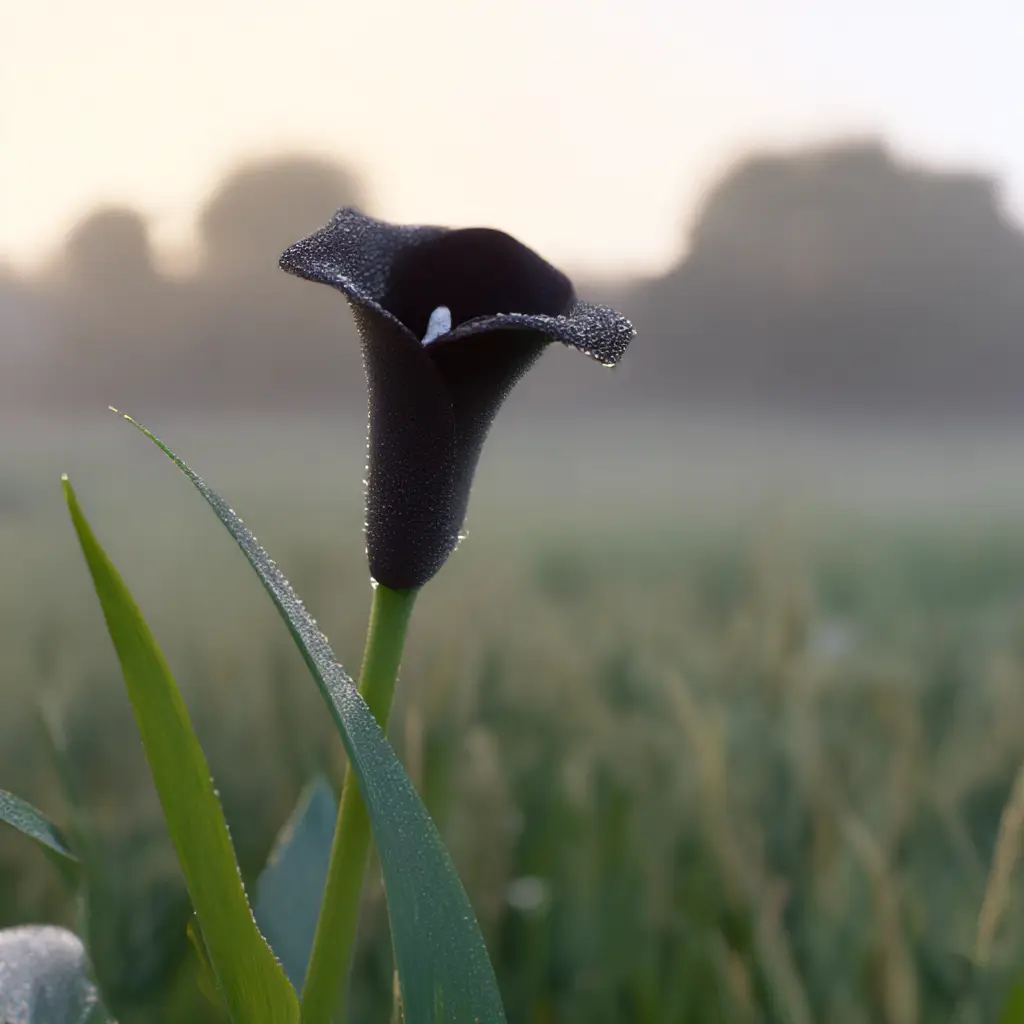
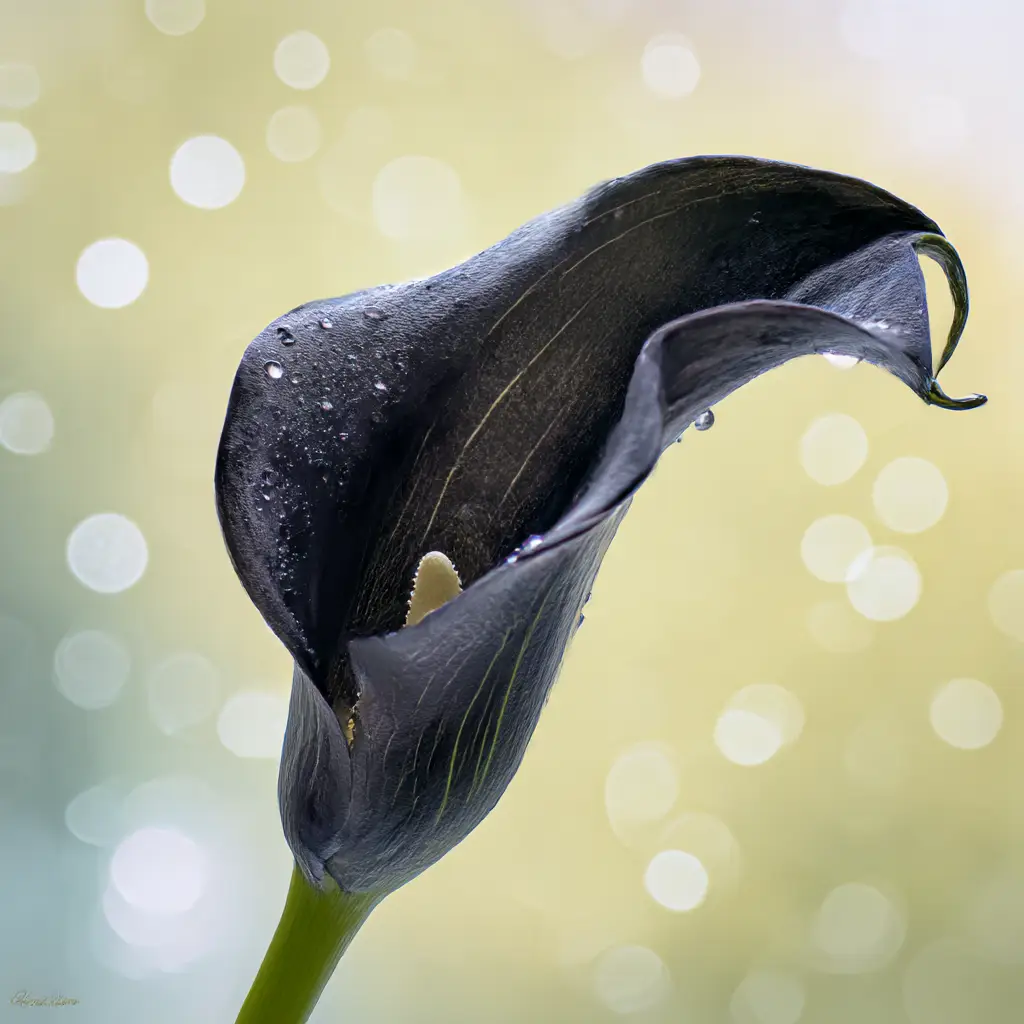
Rich, smoky-purple spathes that appear almost black in bright light.
Why it’s popular: It performs well in pots and as a long-lasting cut flower.


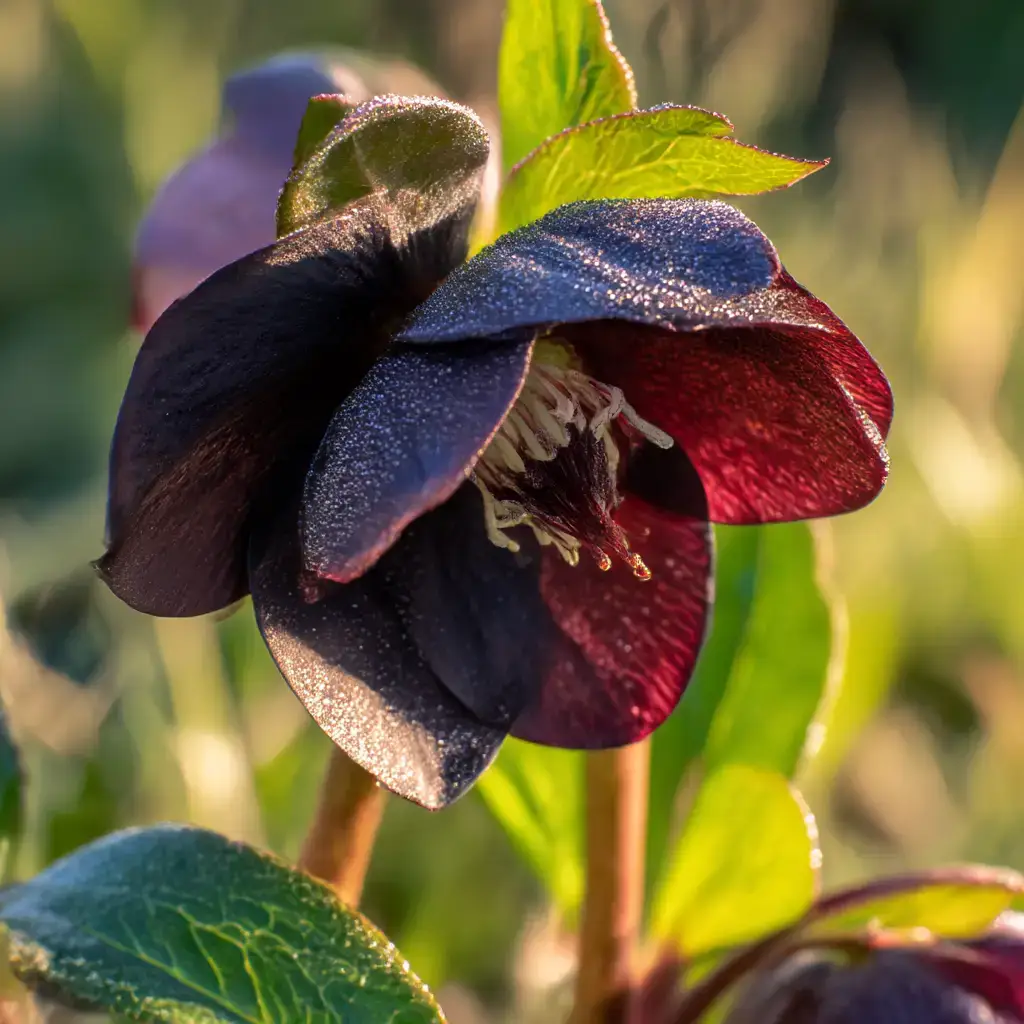
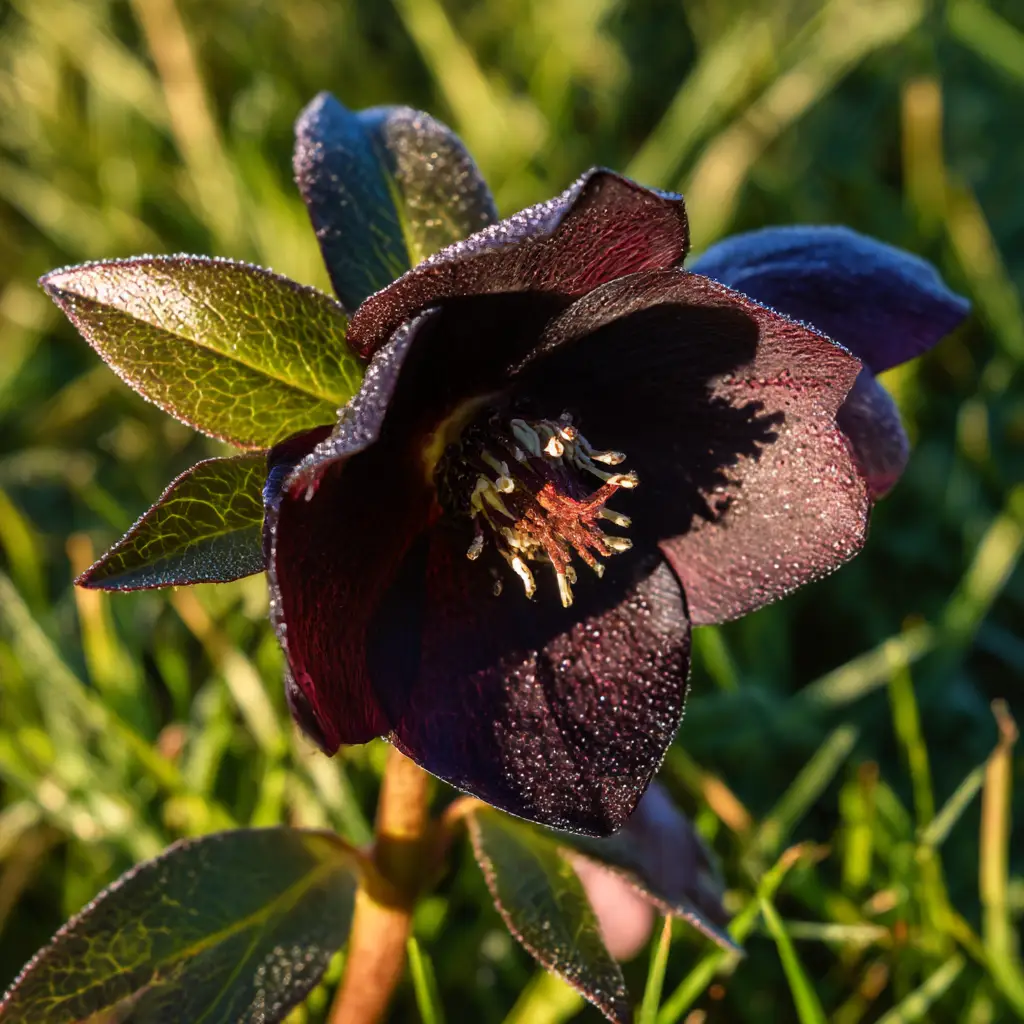
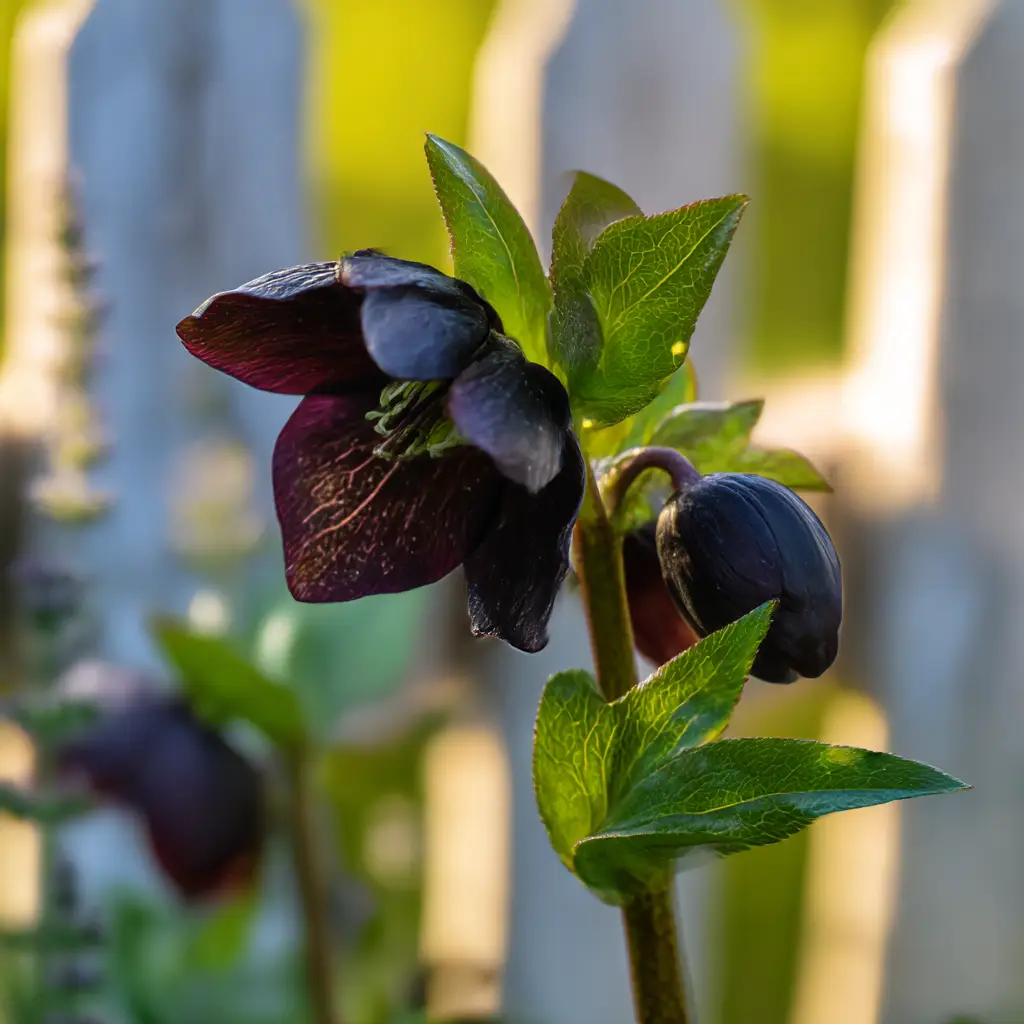
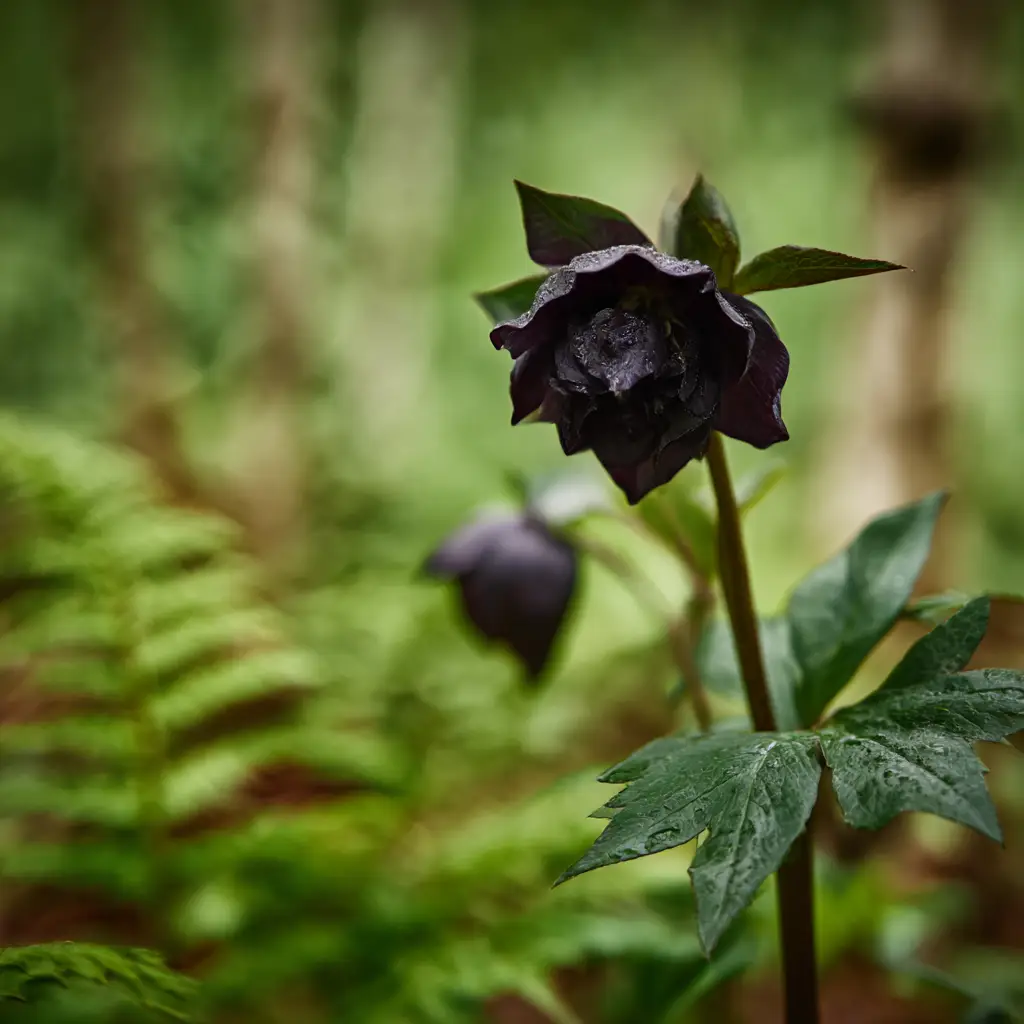
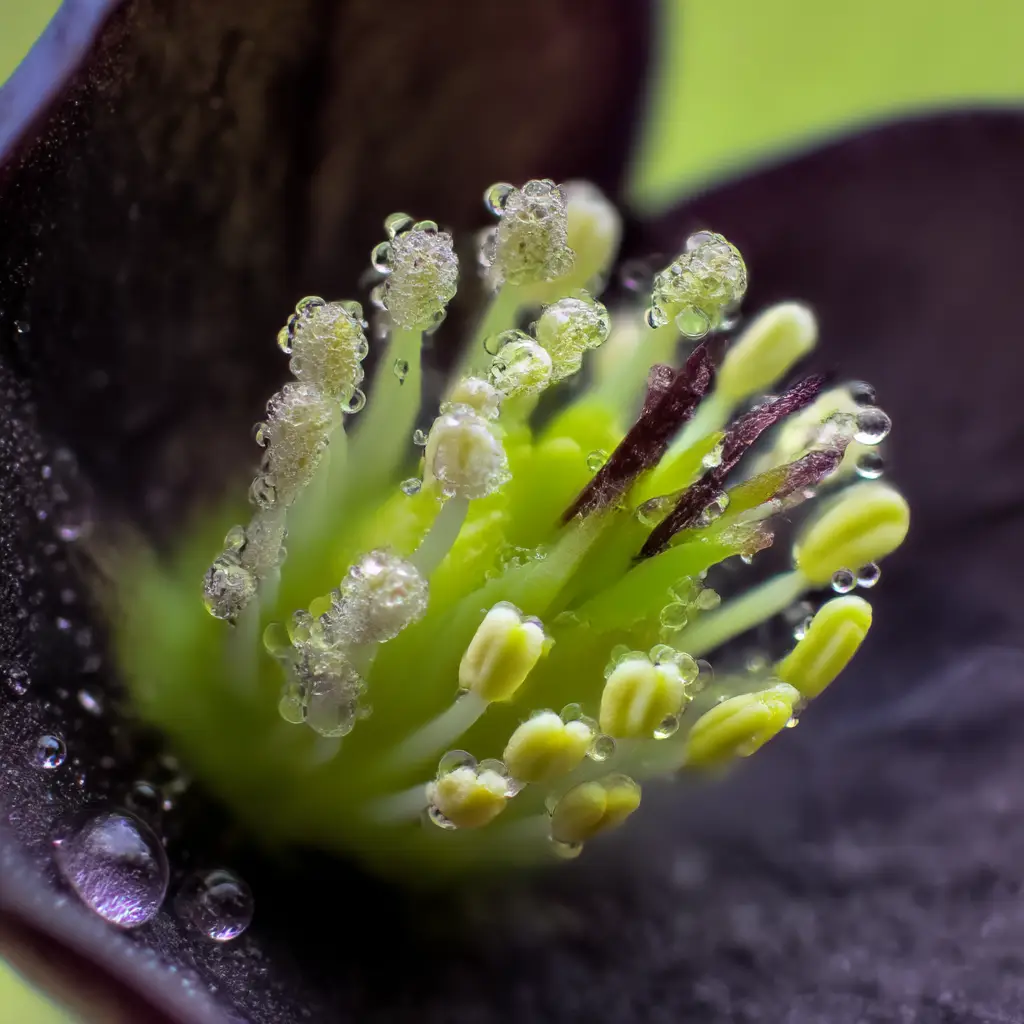
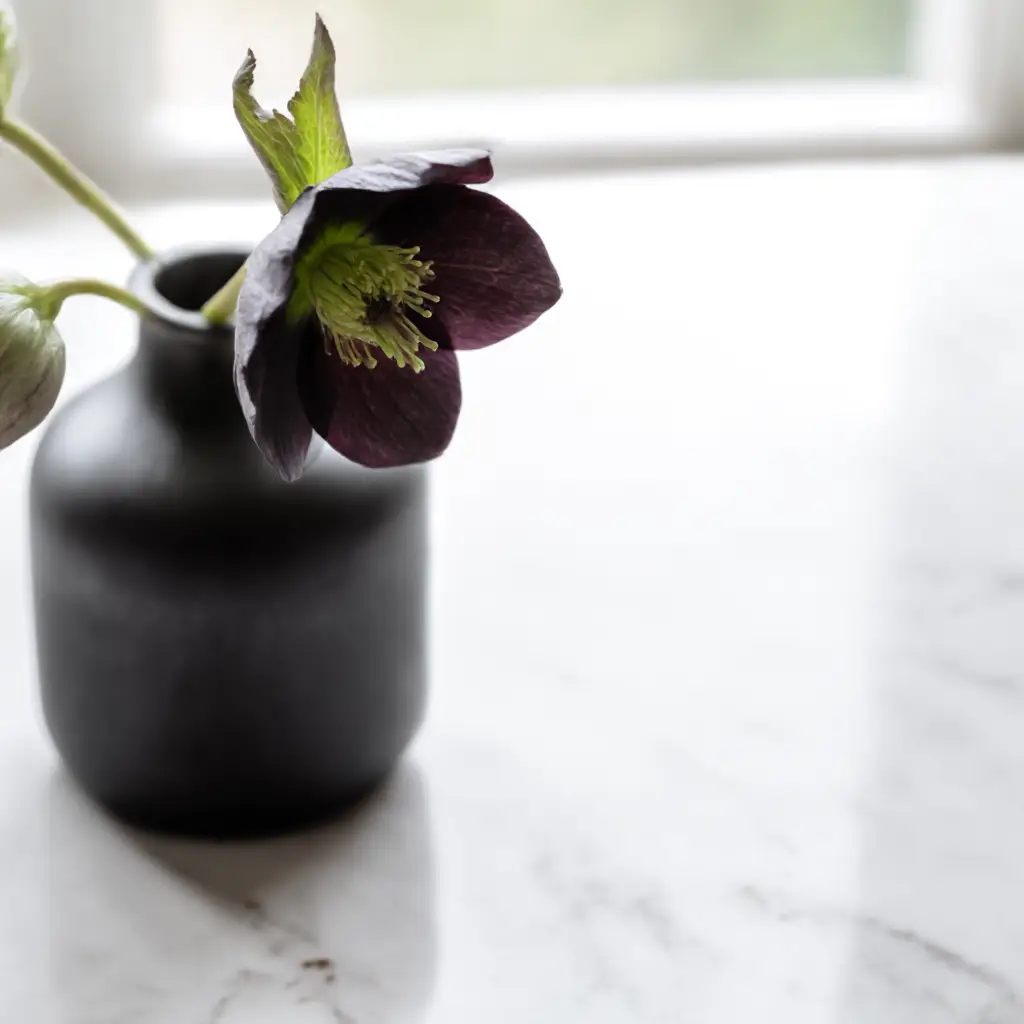
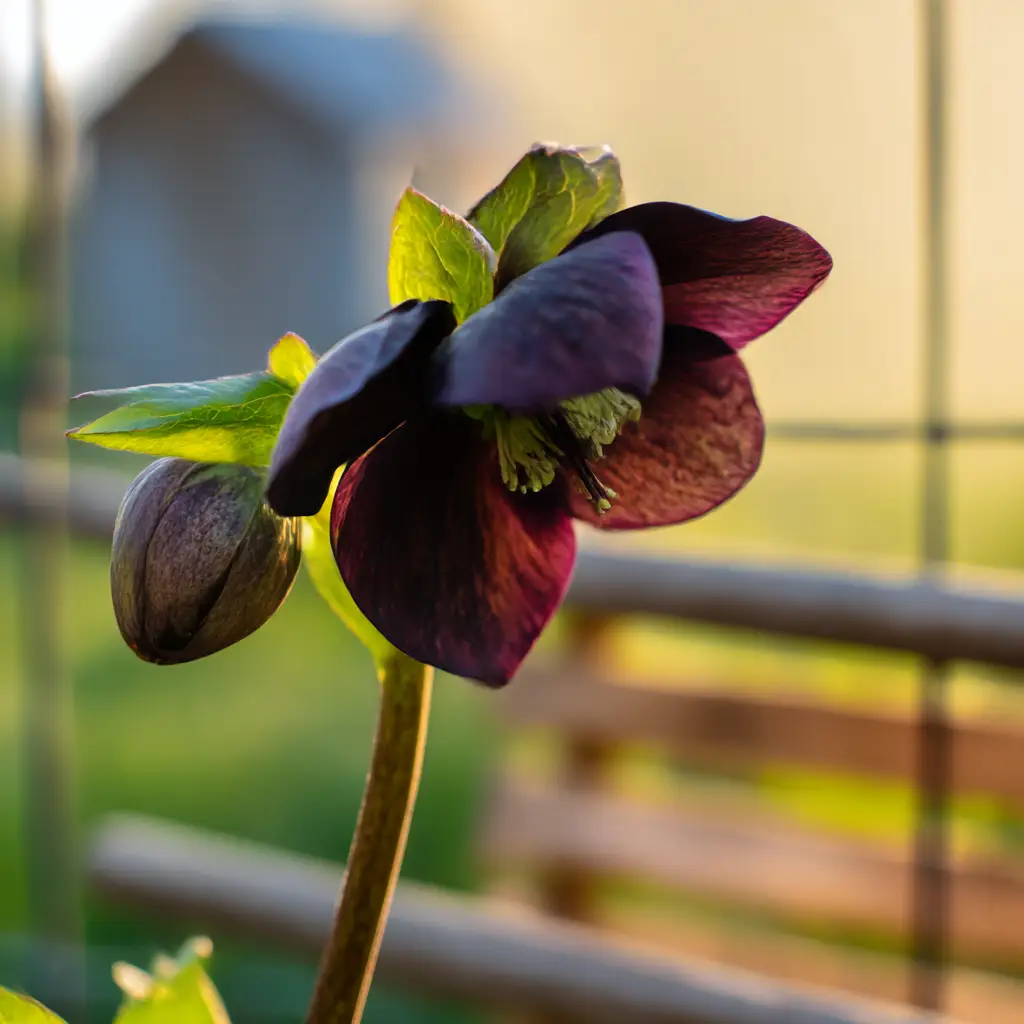
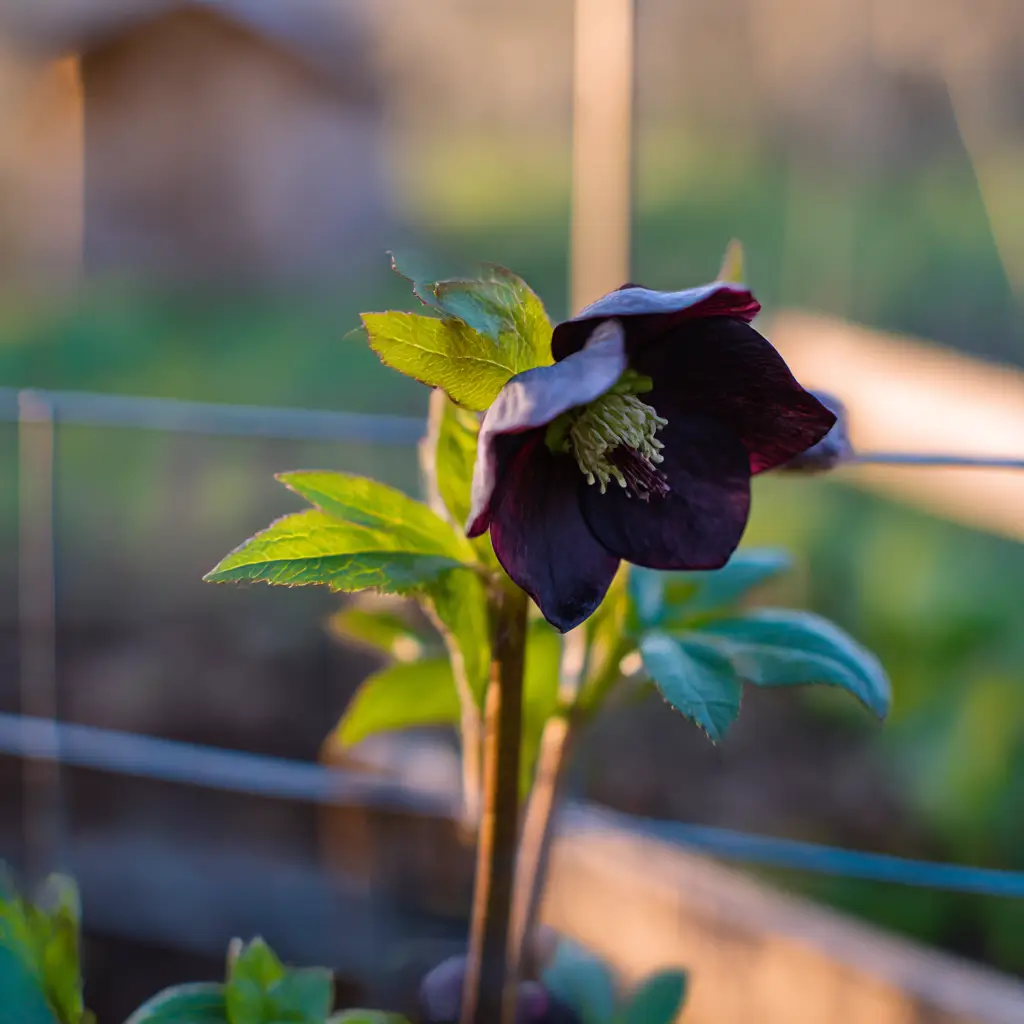
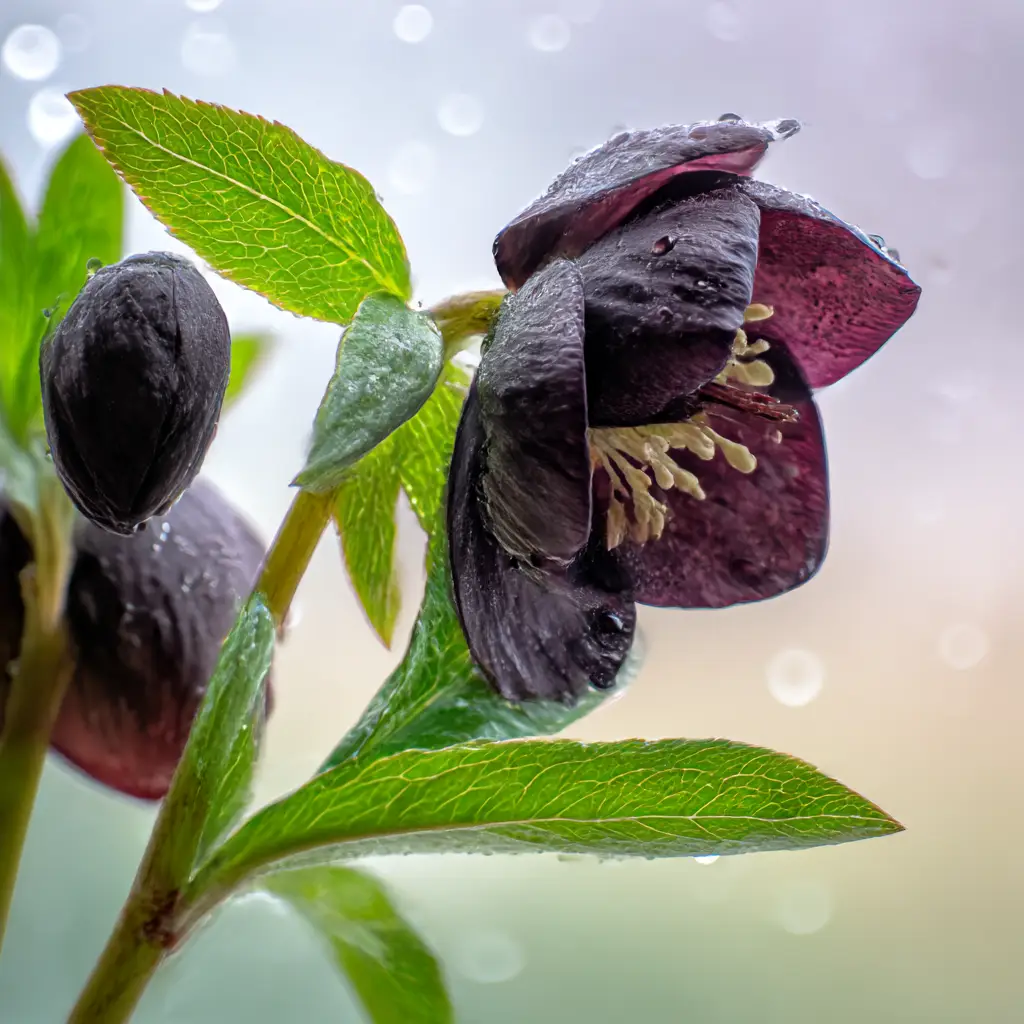
Late-winter to early-spring blossoms in dark slate to black tones.
Why it’s popular: It blooms when little else does and naturalizes in part shade.
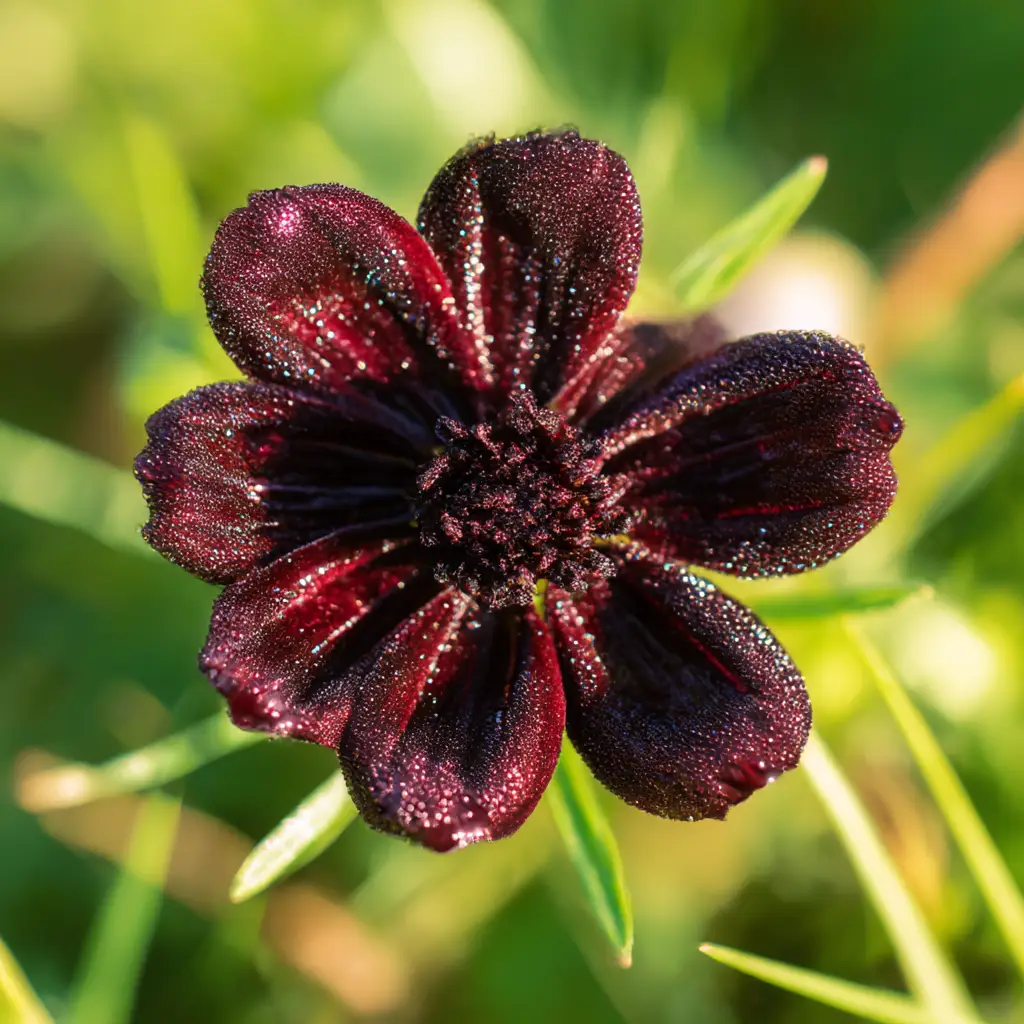
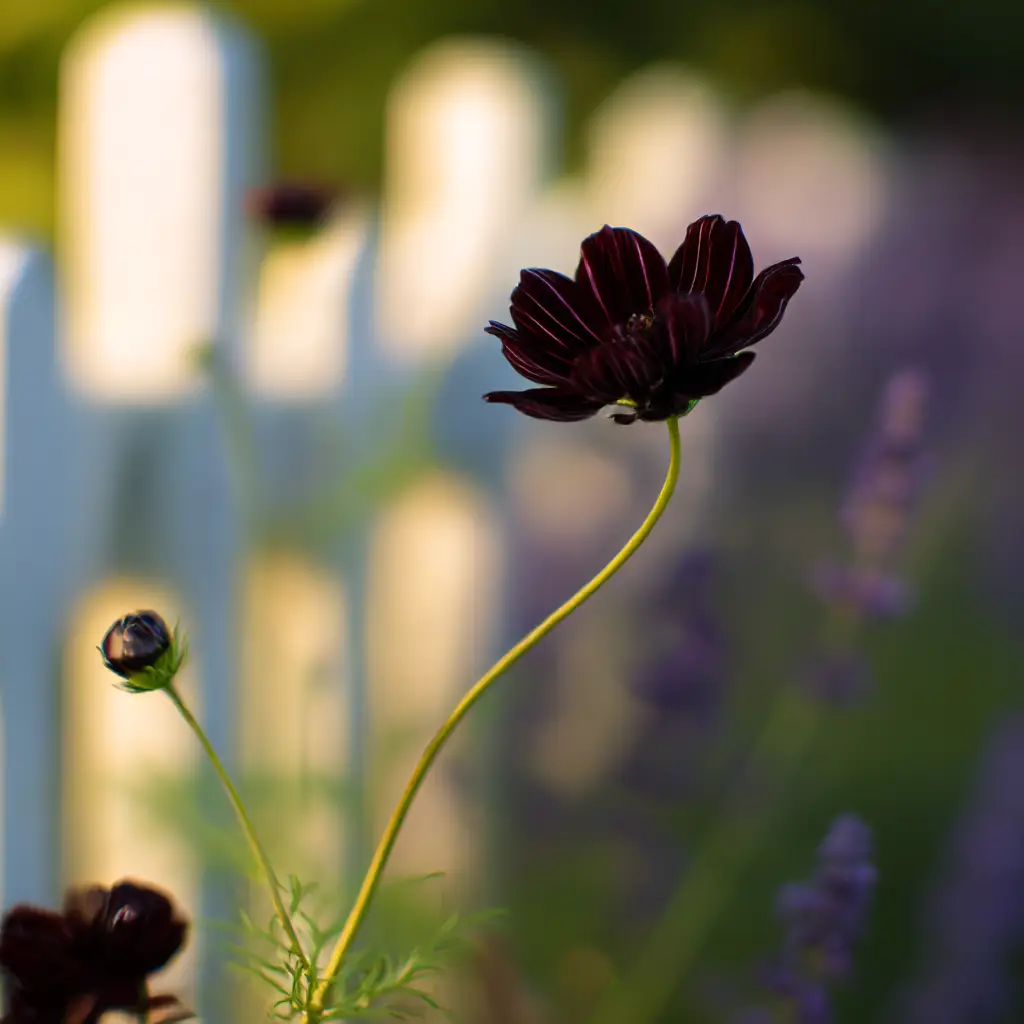
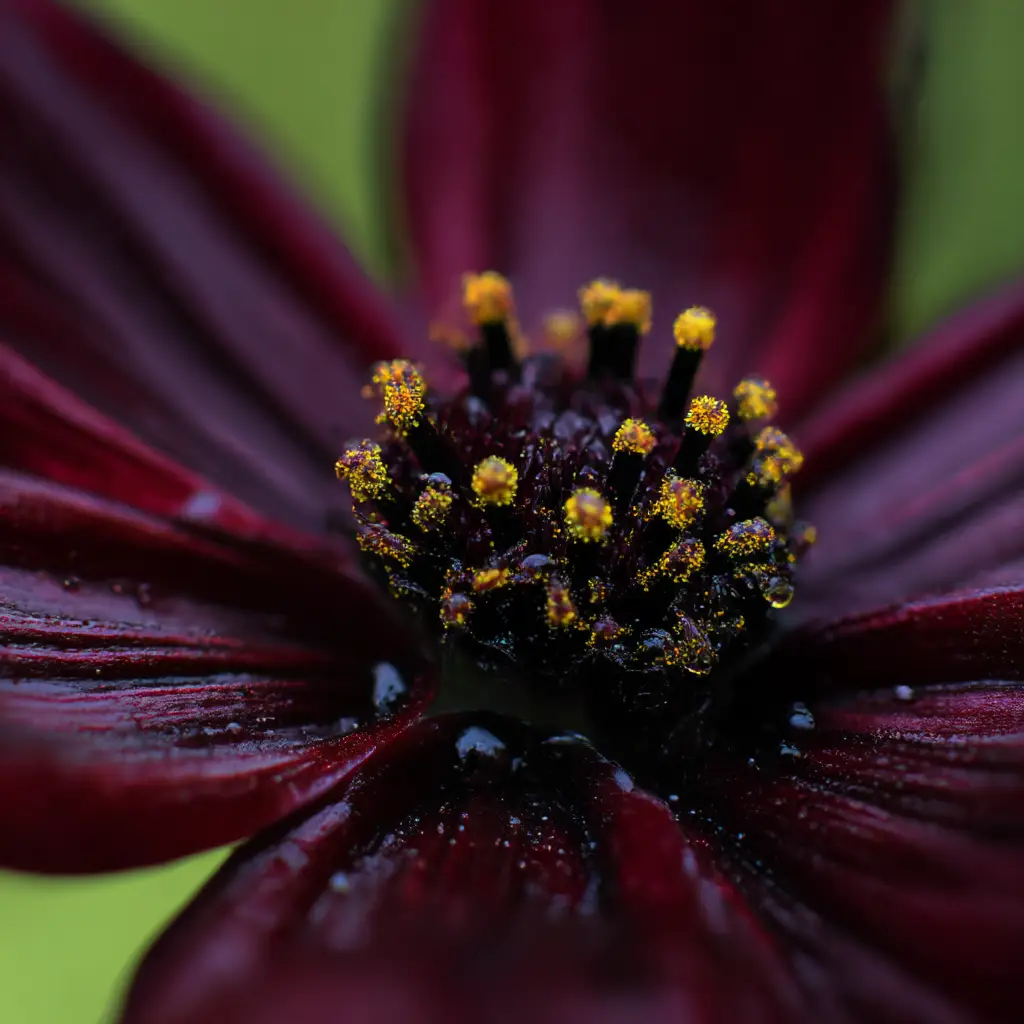
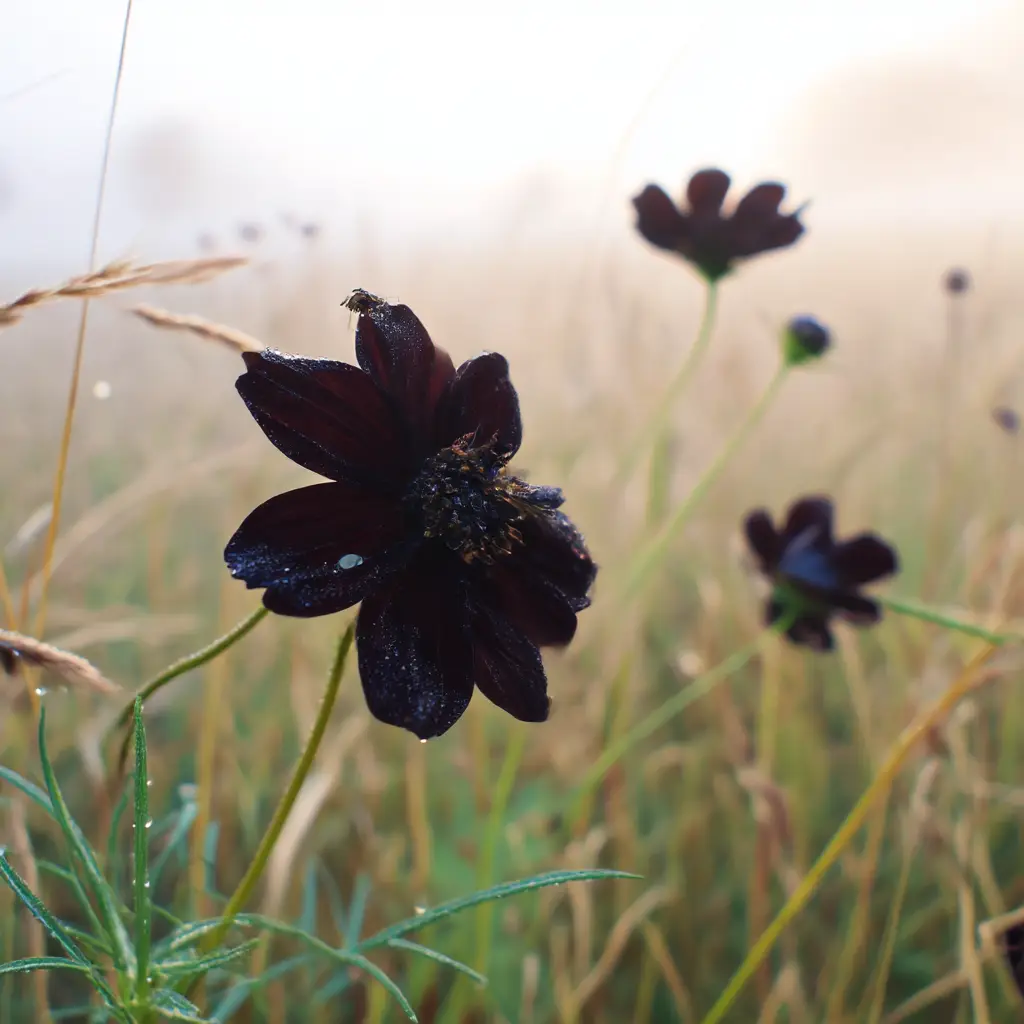
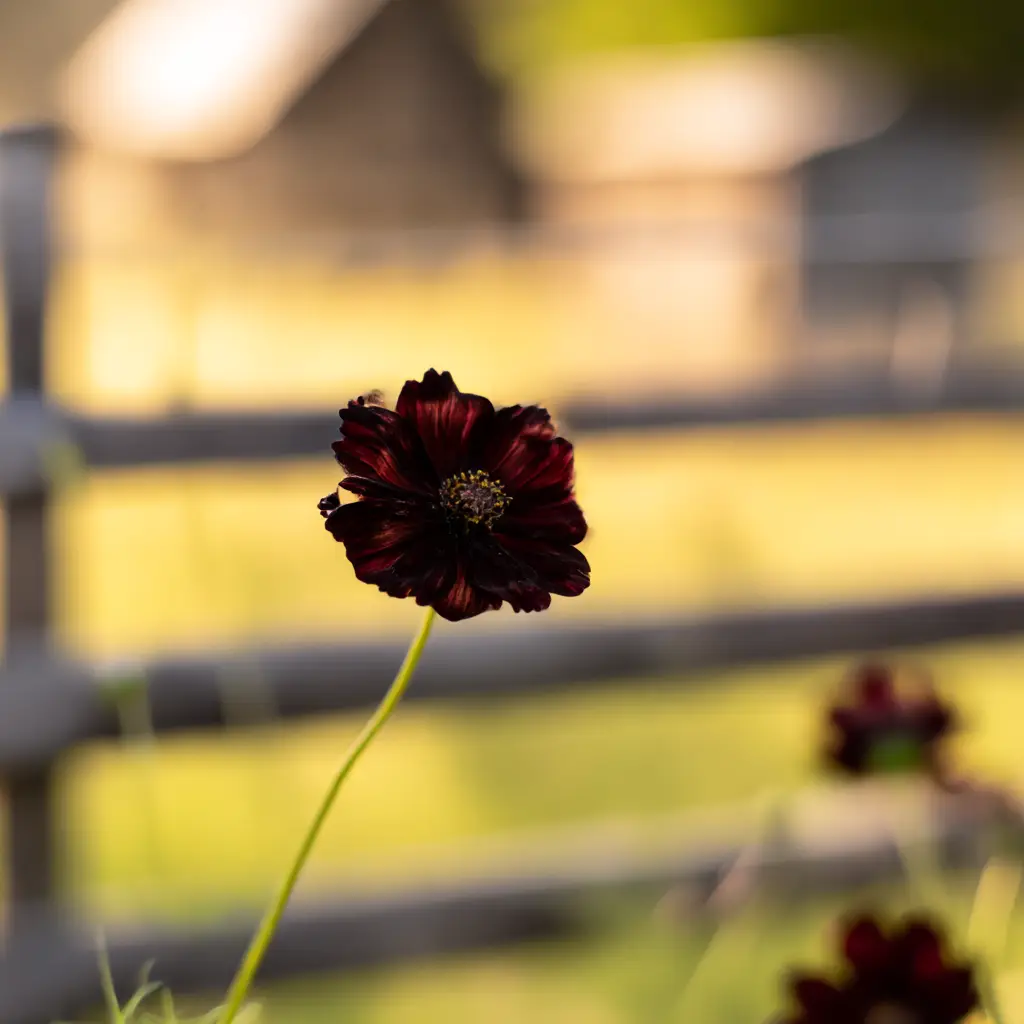
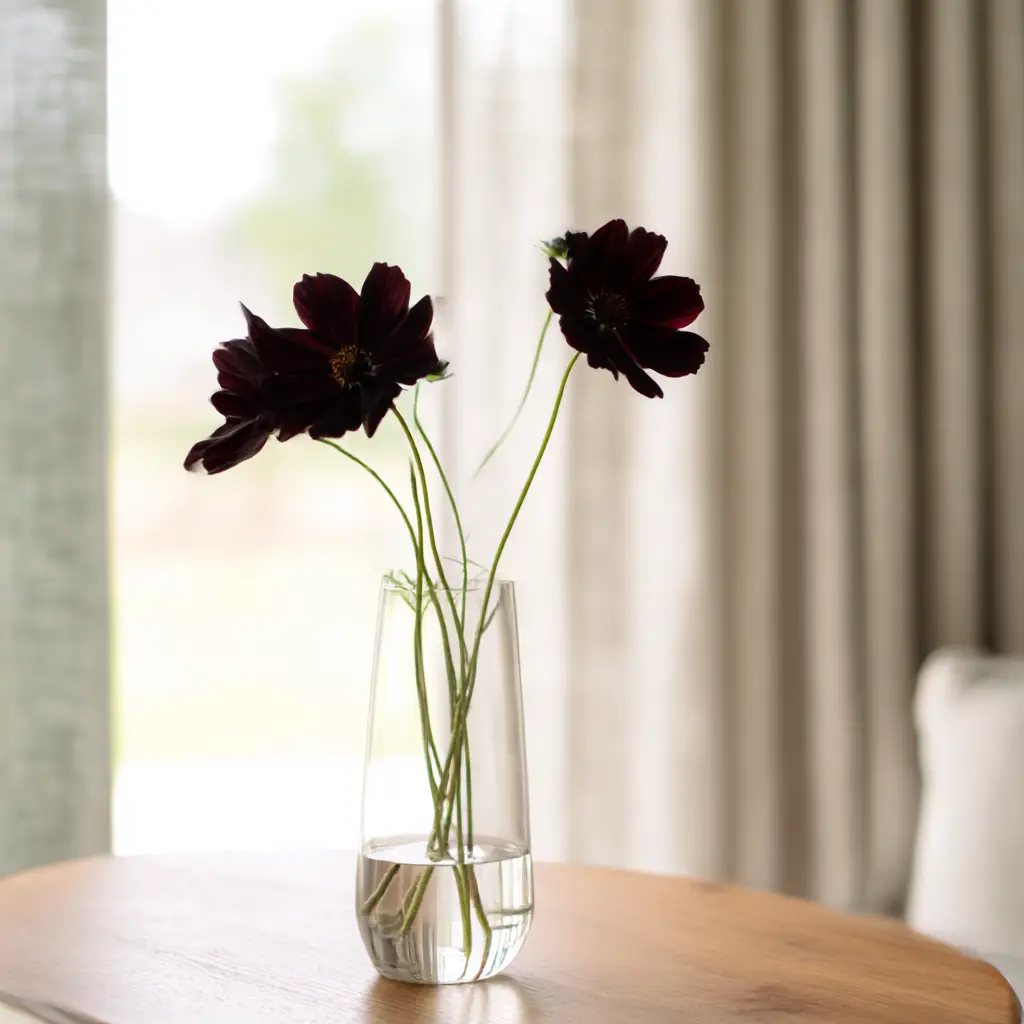
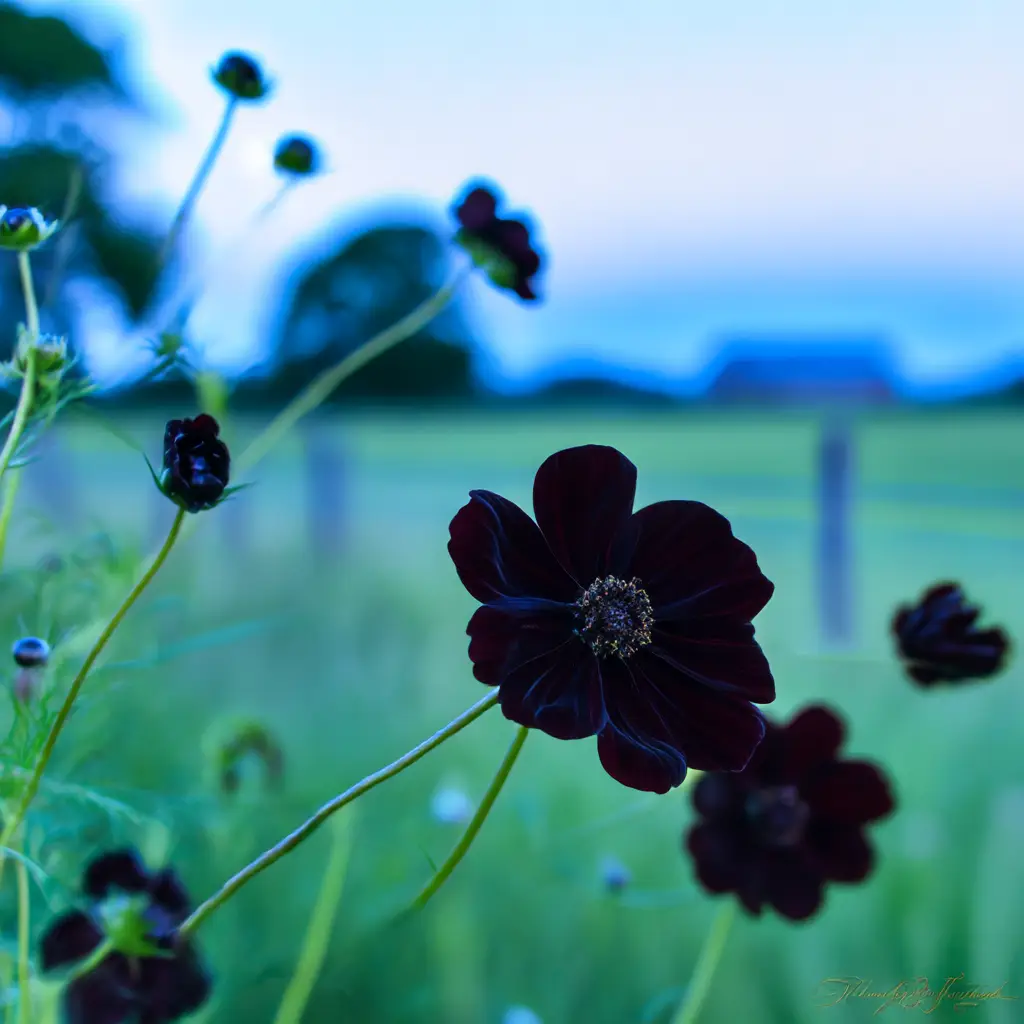
Chocolate-scented, velvety maroon flowers on airy stems.
Why it’s popular: Its fragrance and color add intrigue to summer containers and borders.

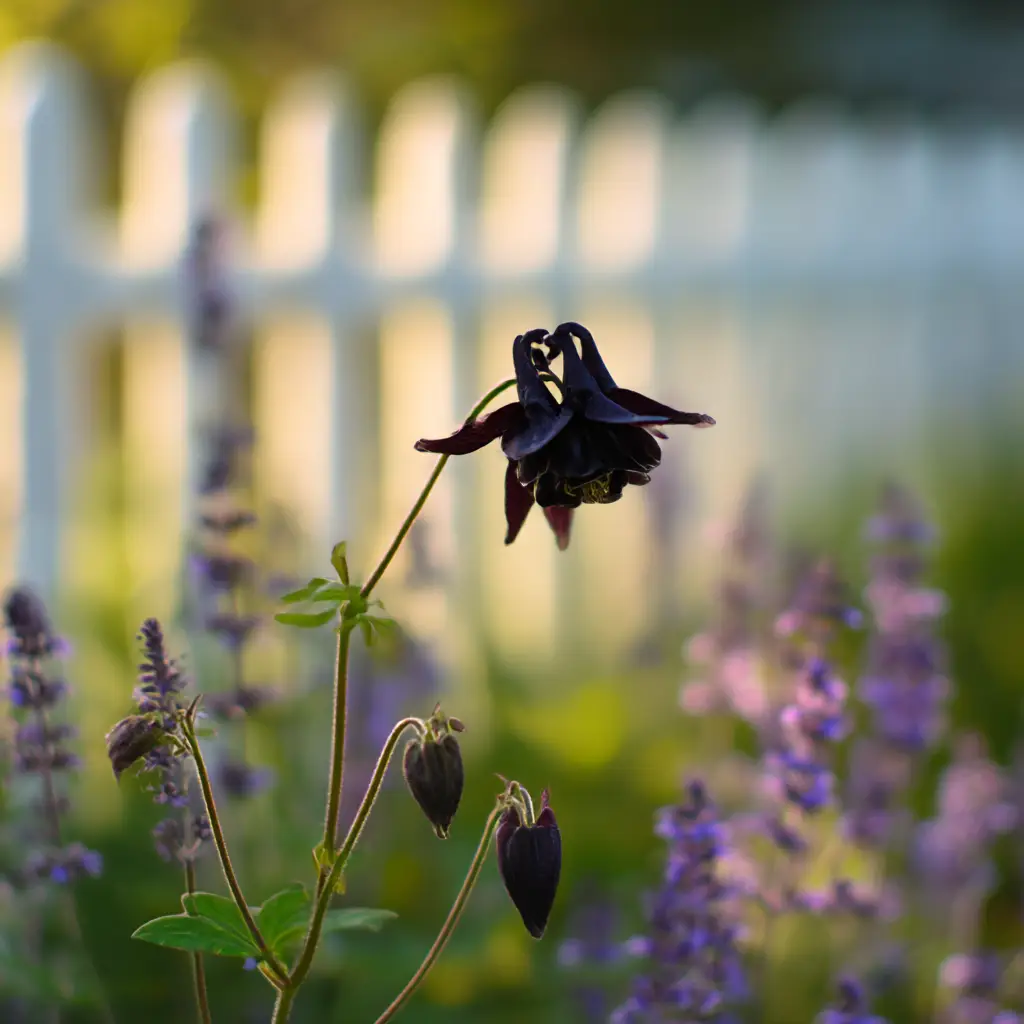
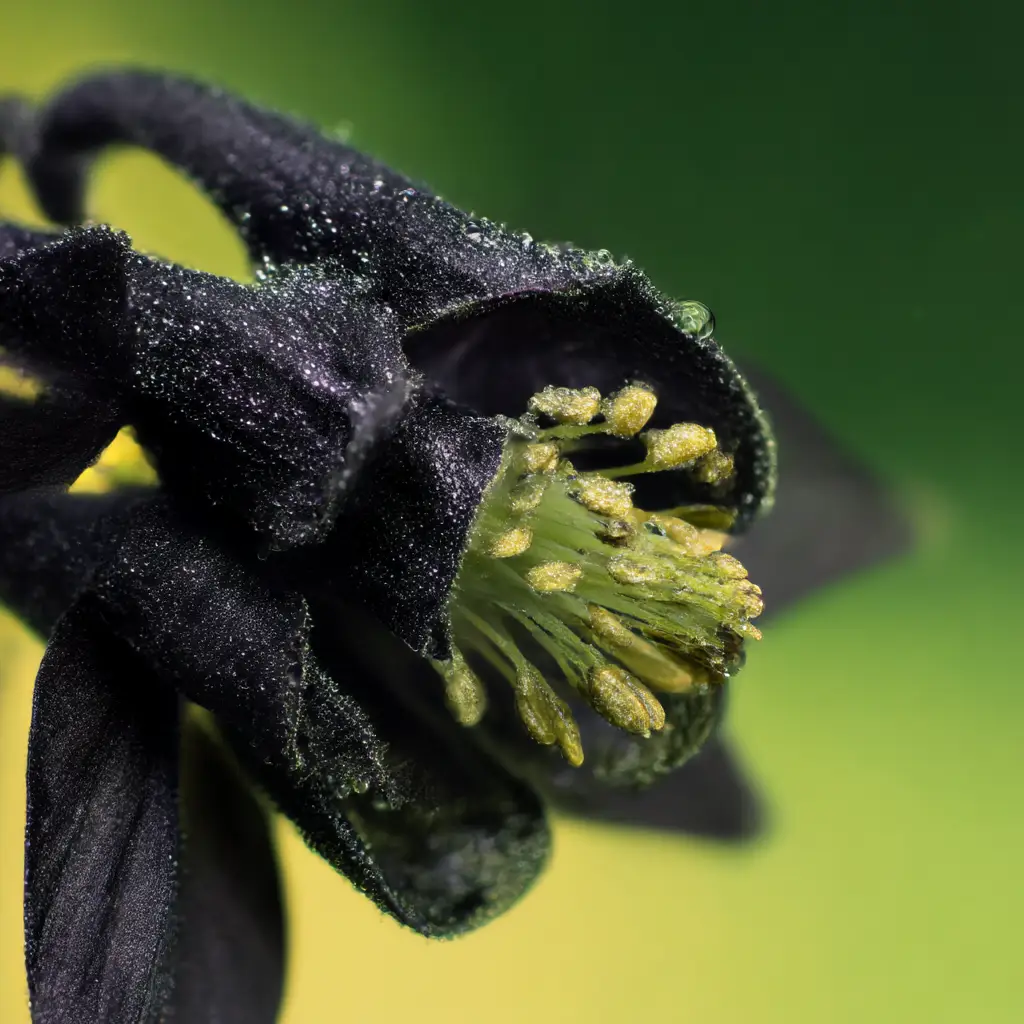
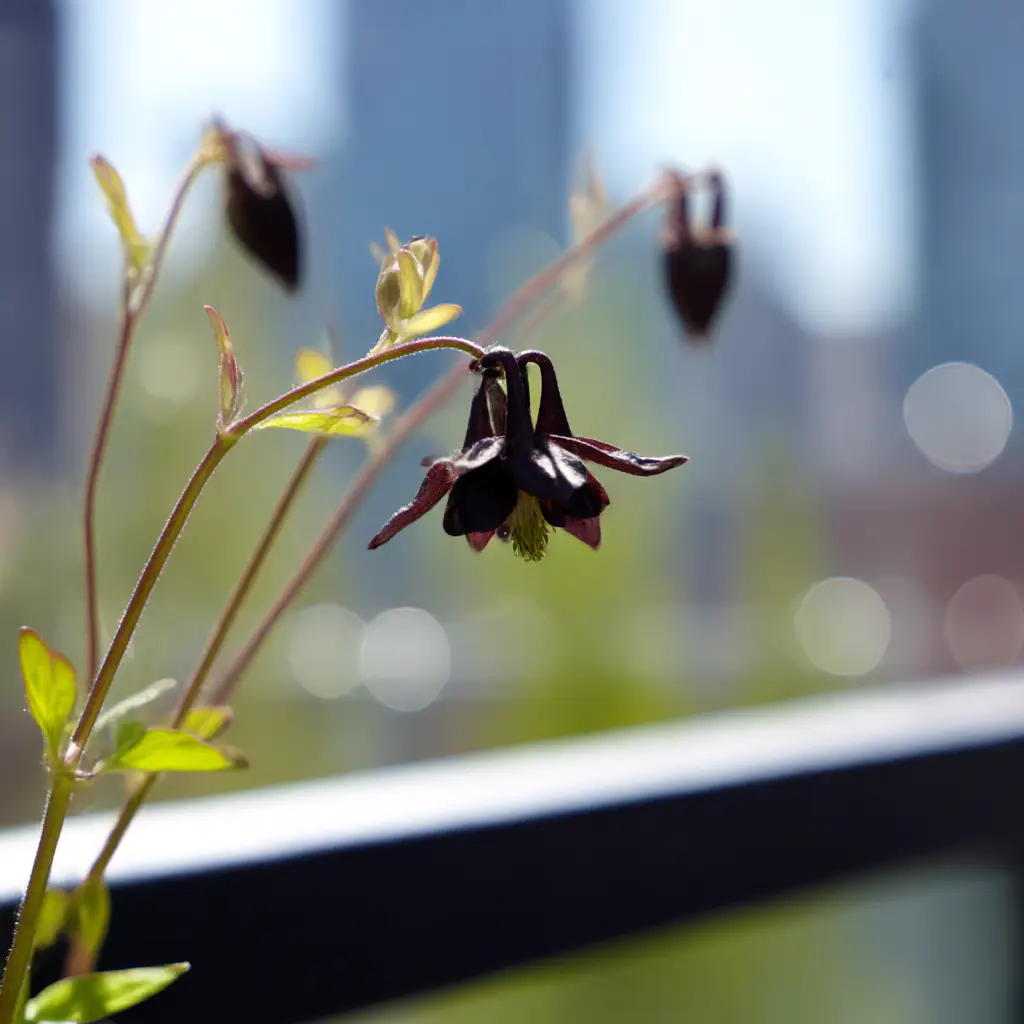
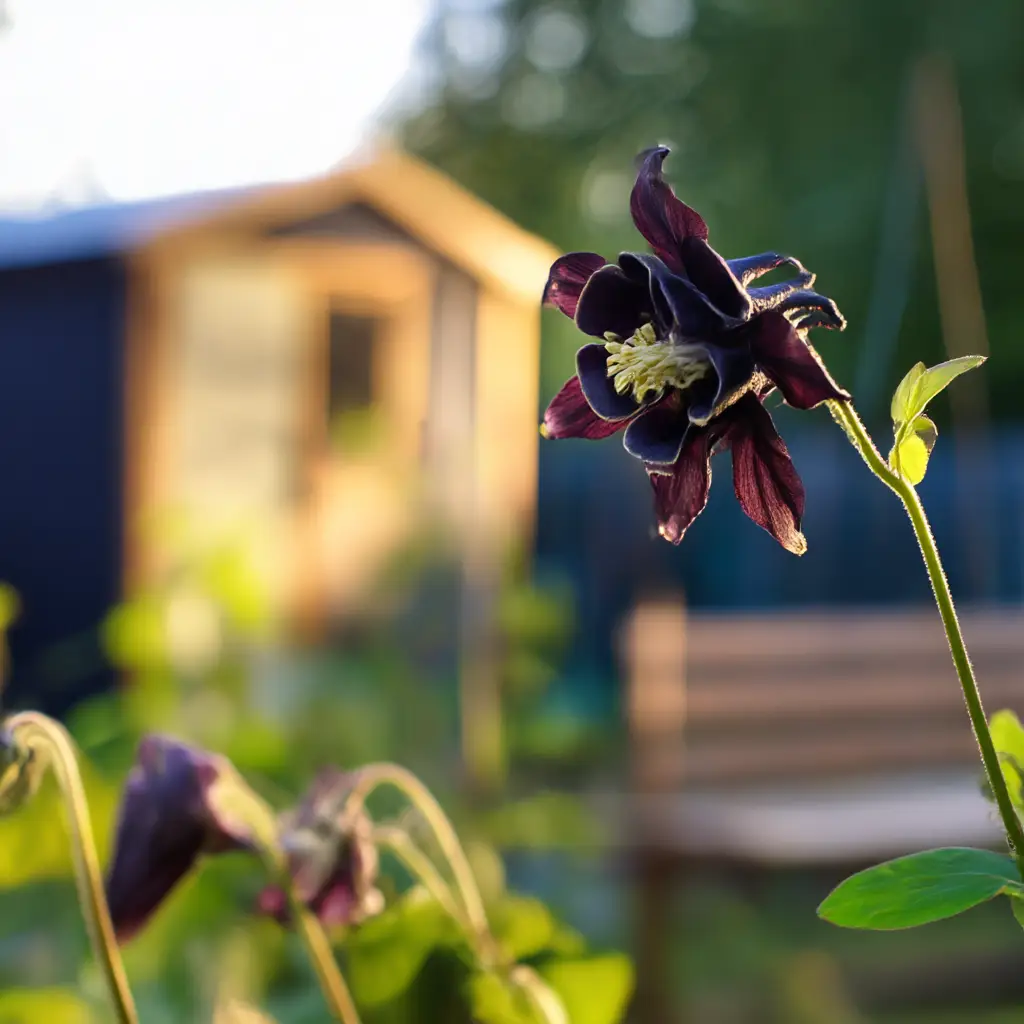
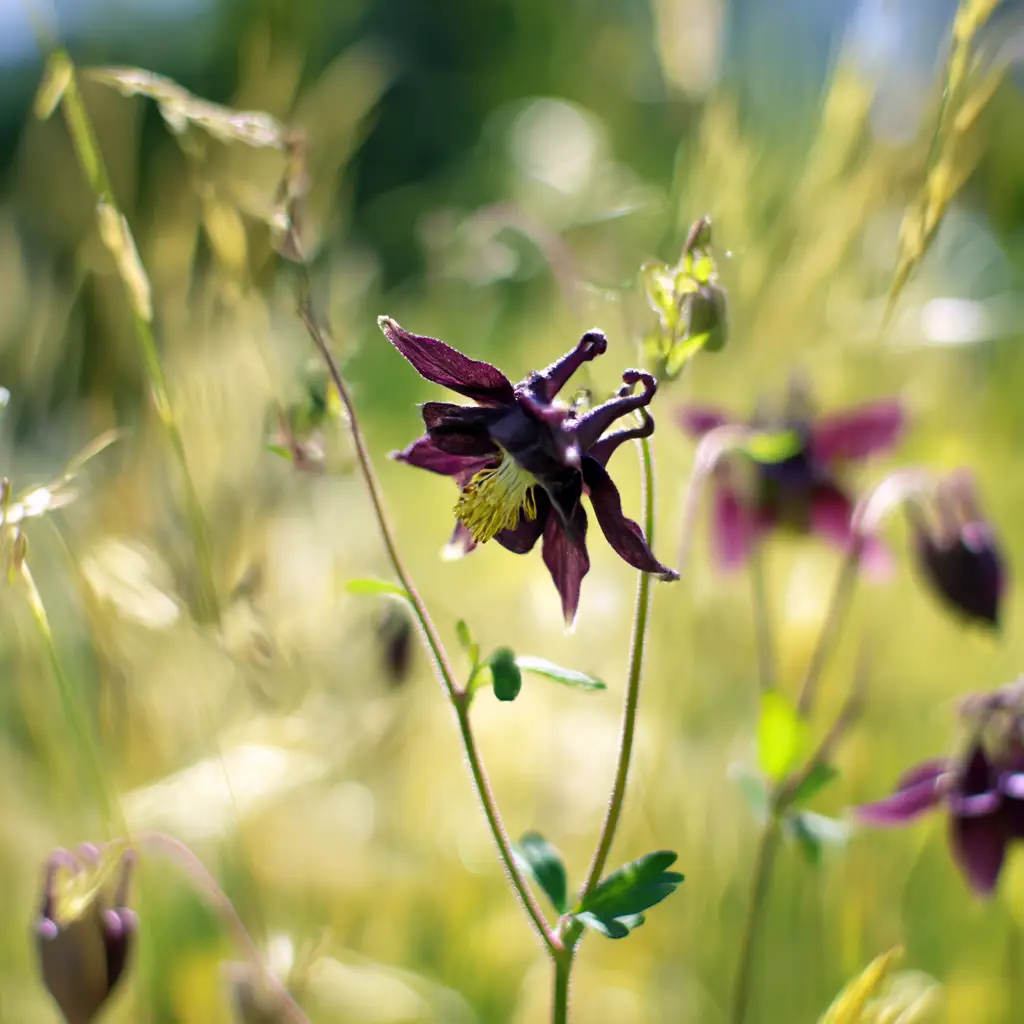
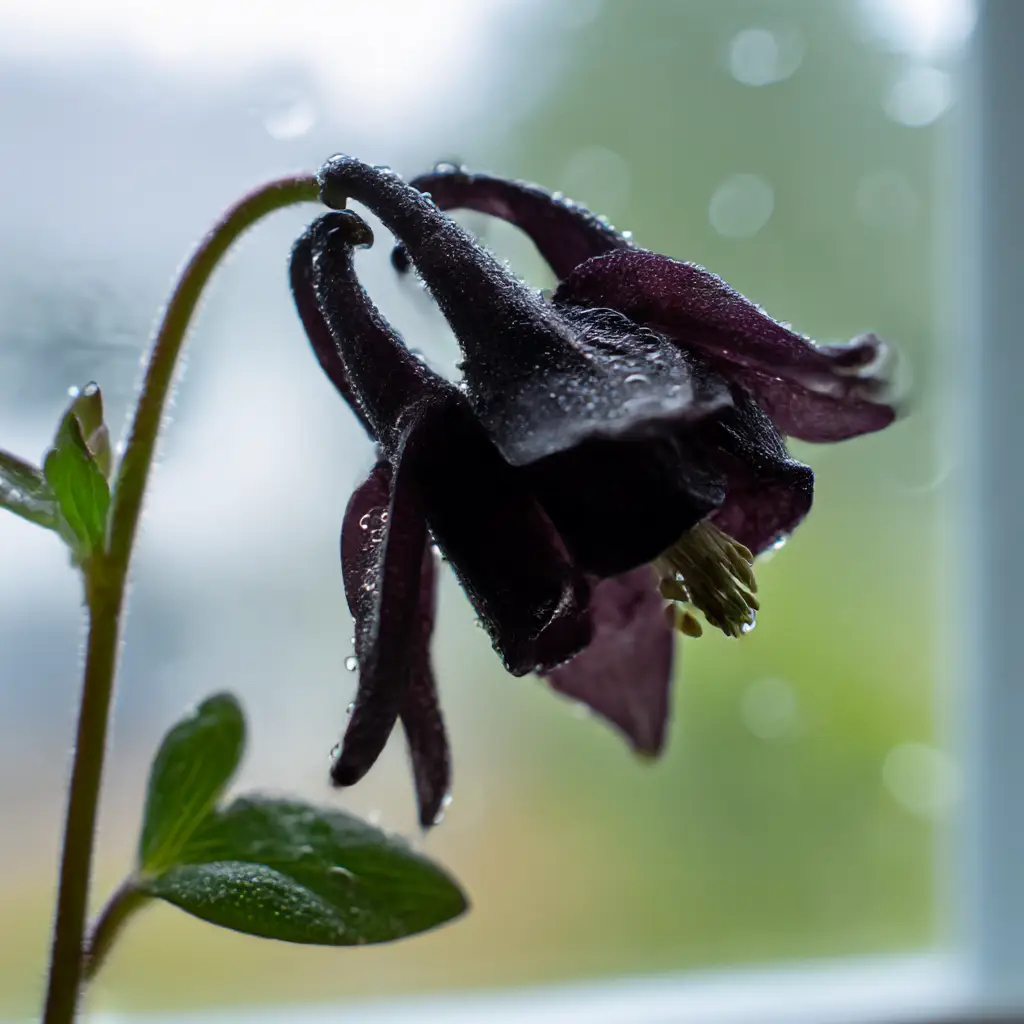
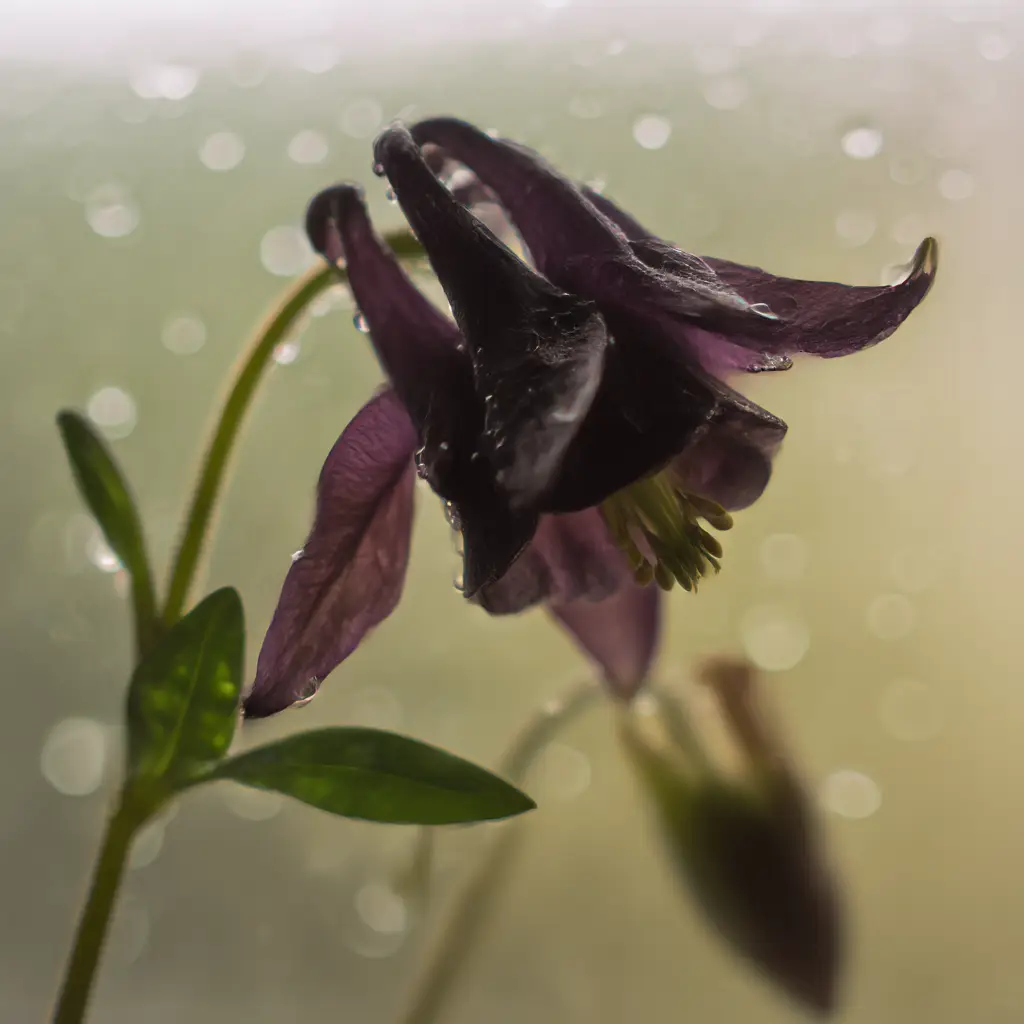
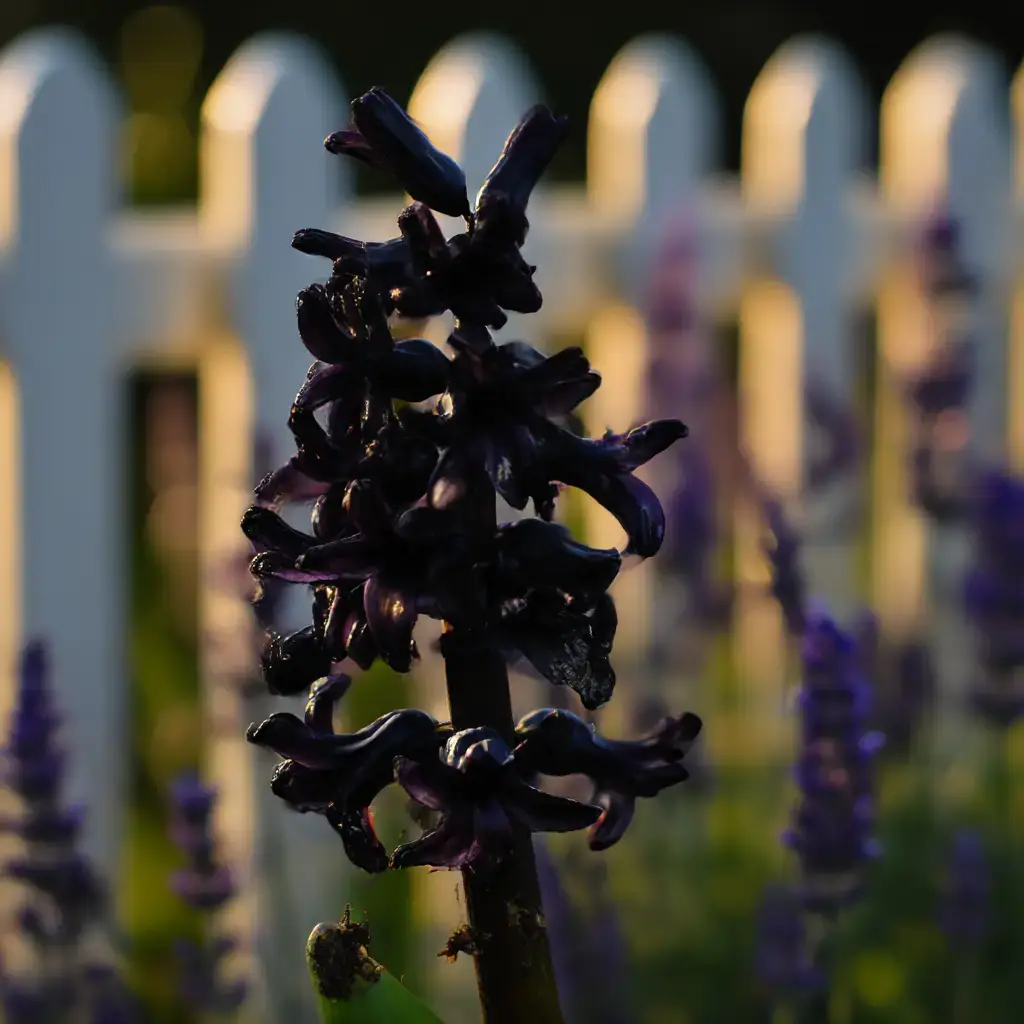
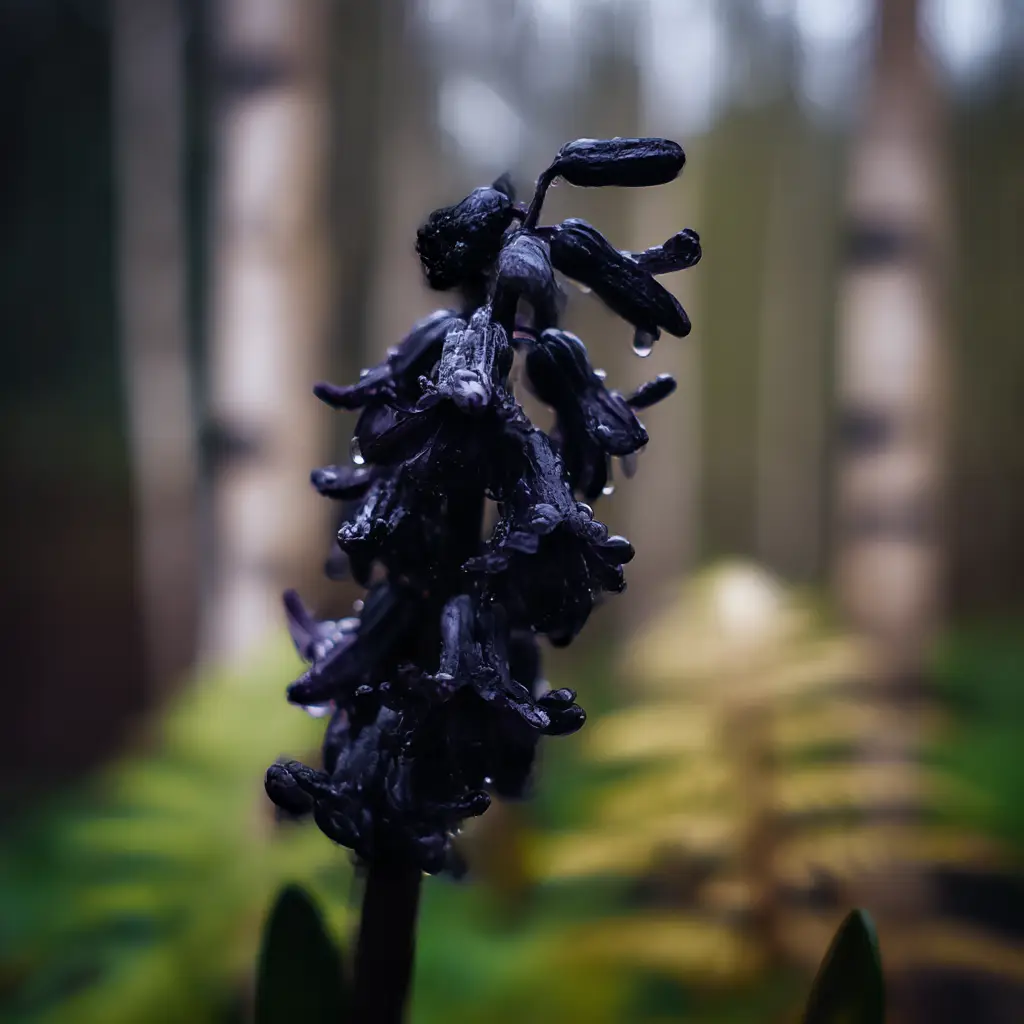
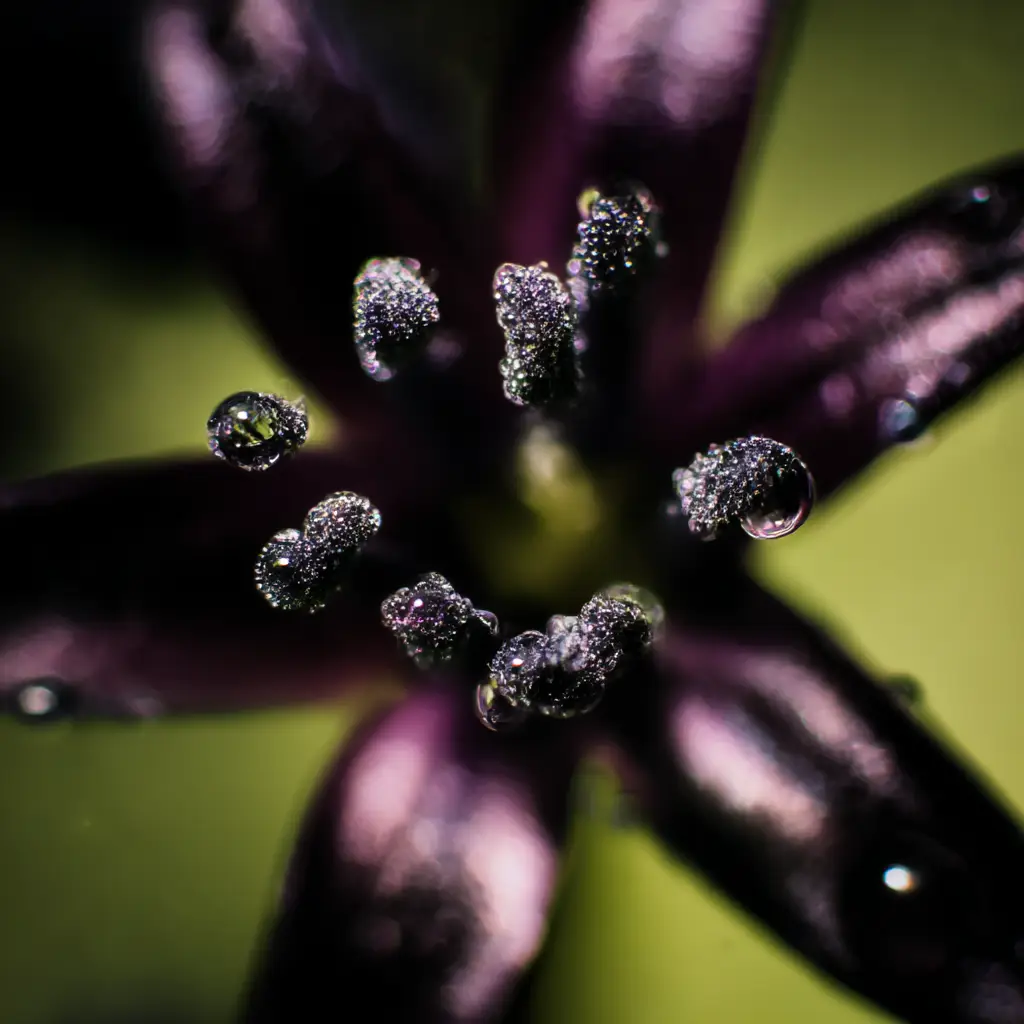
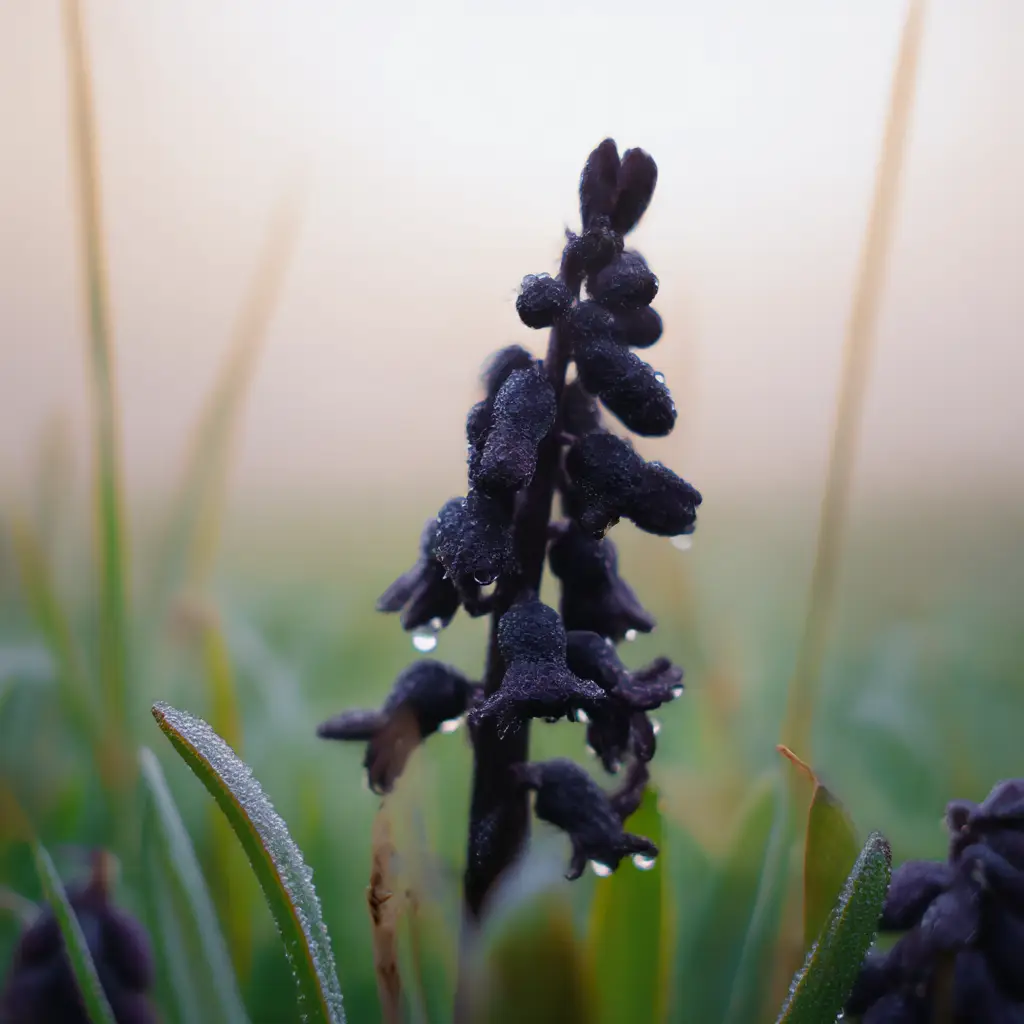
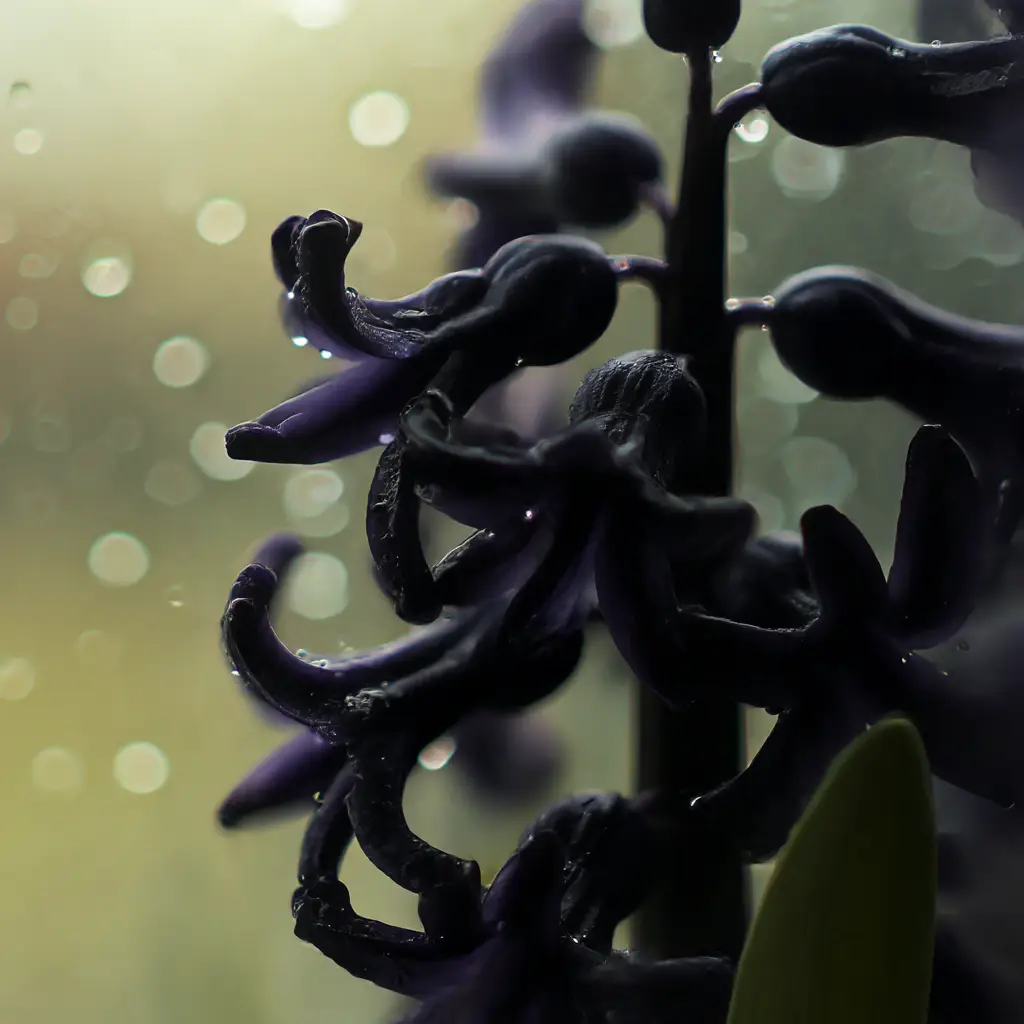


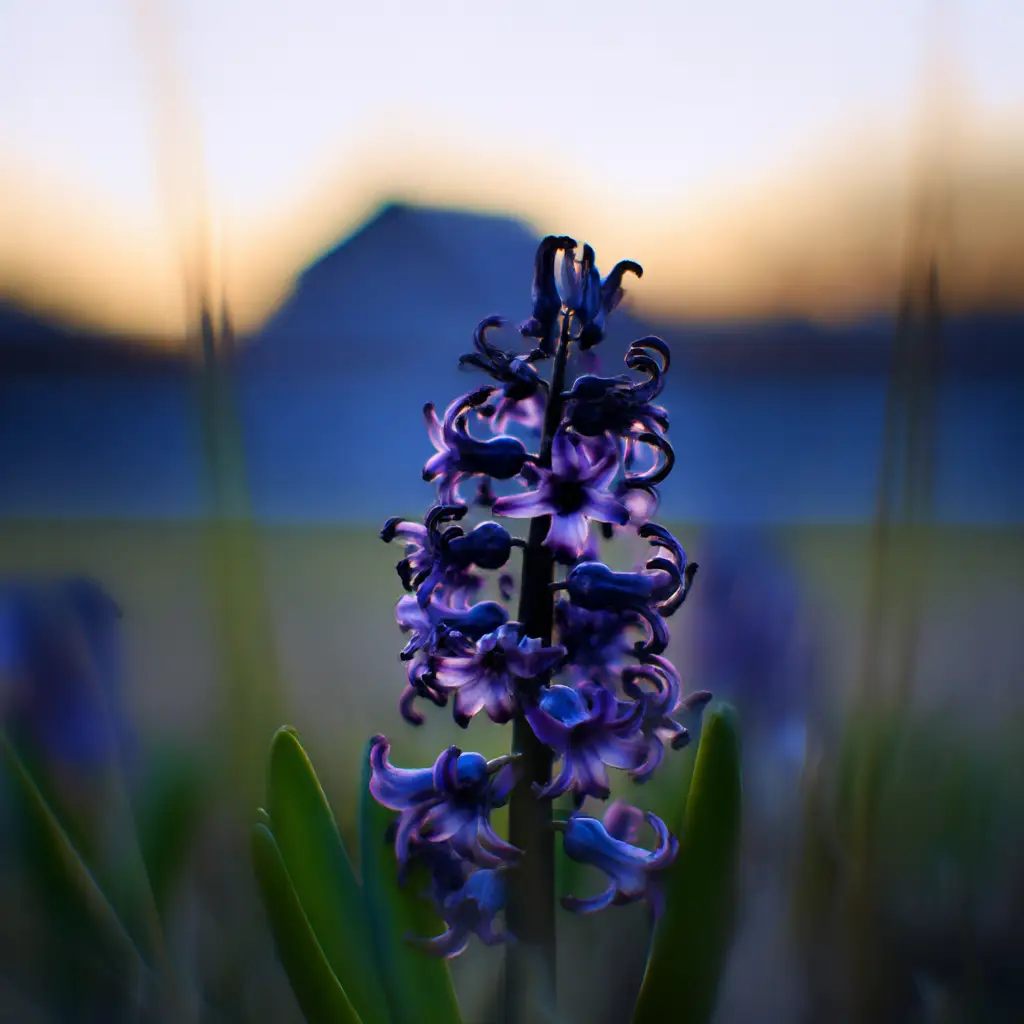
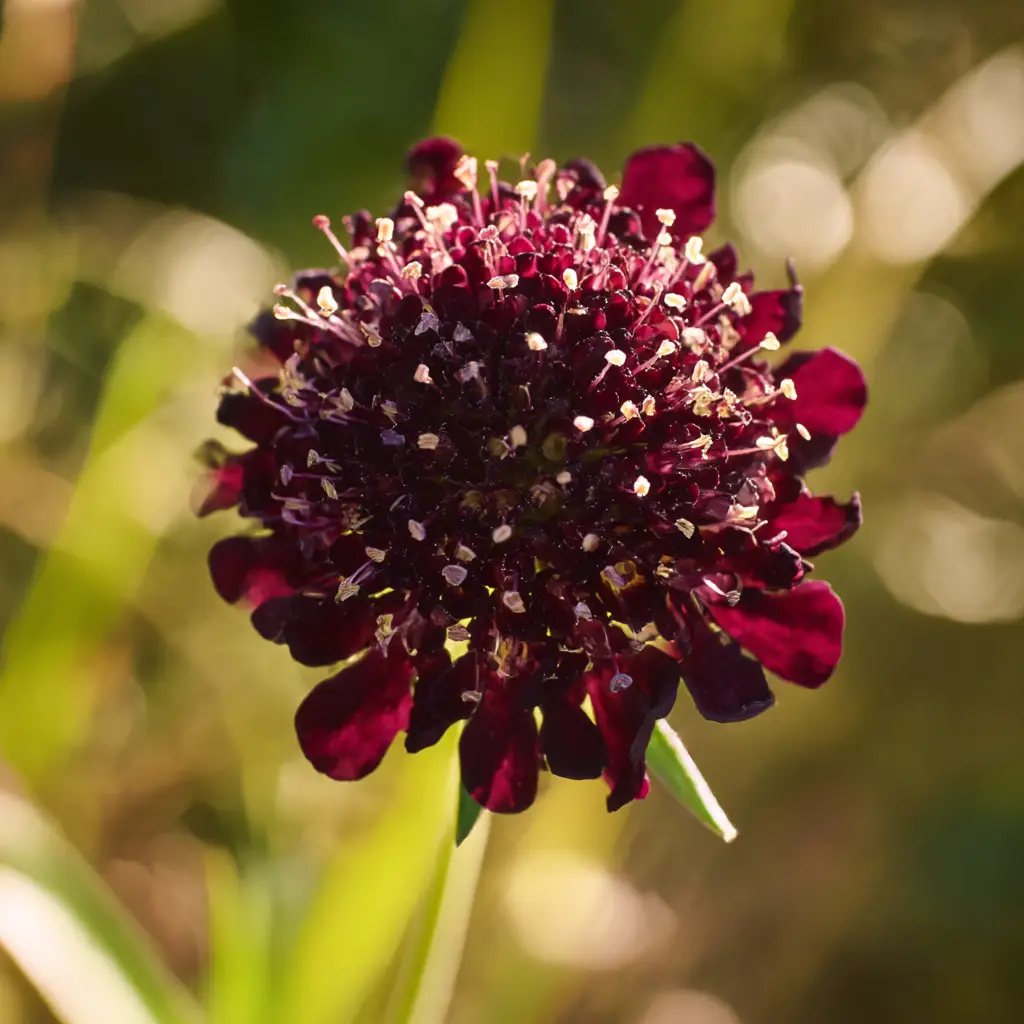
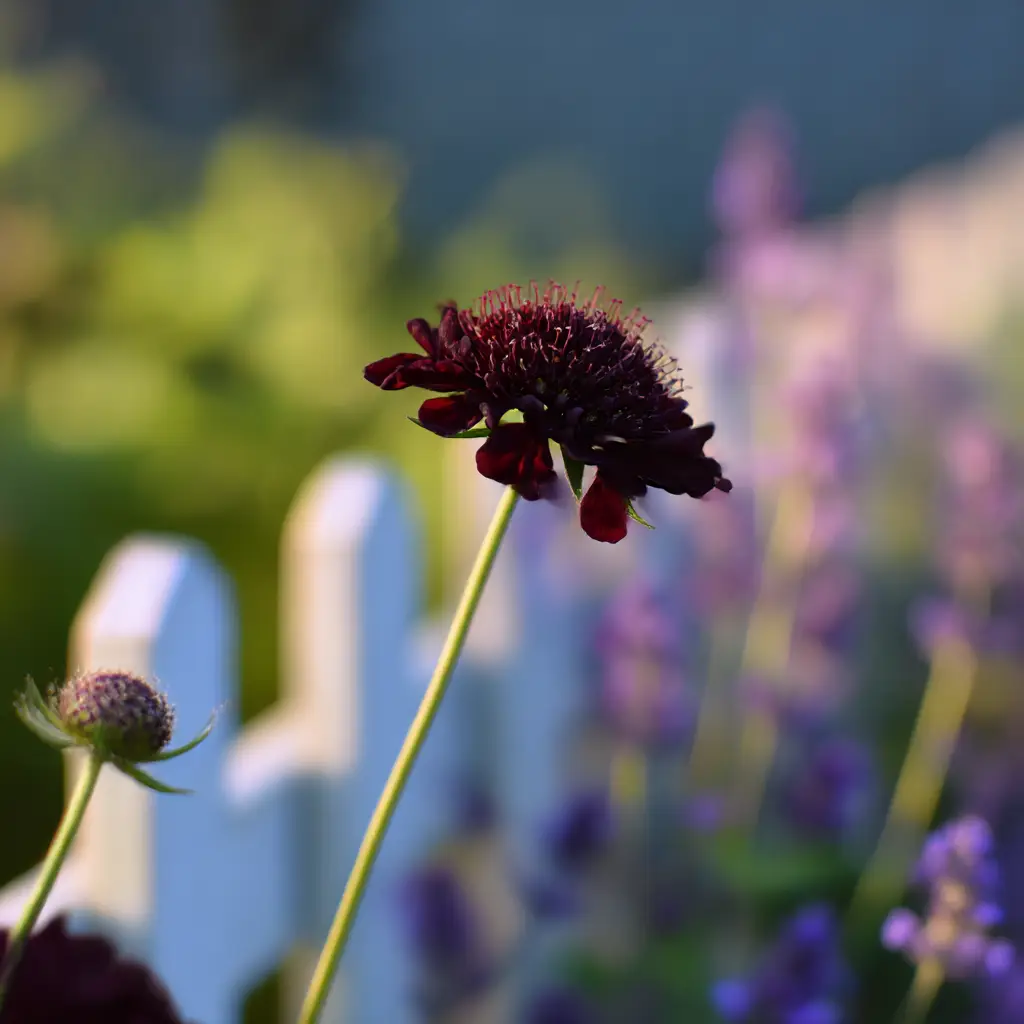
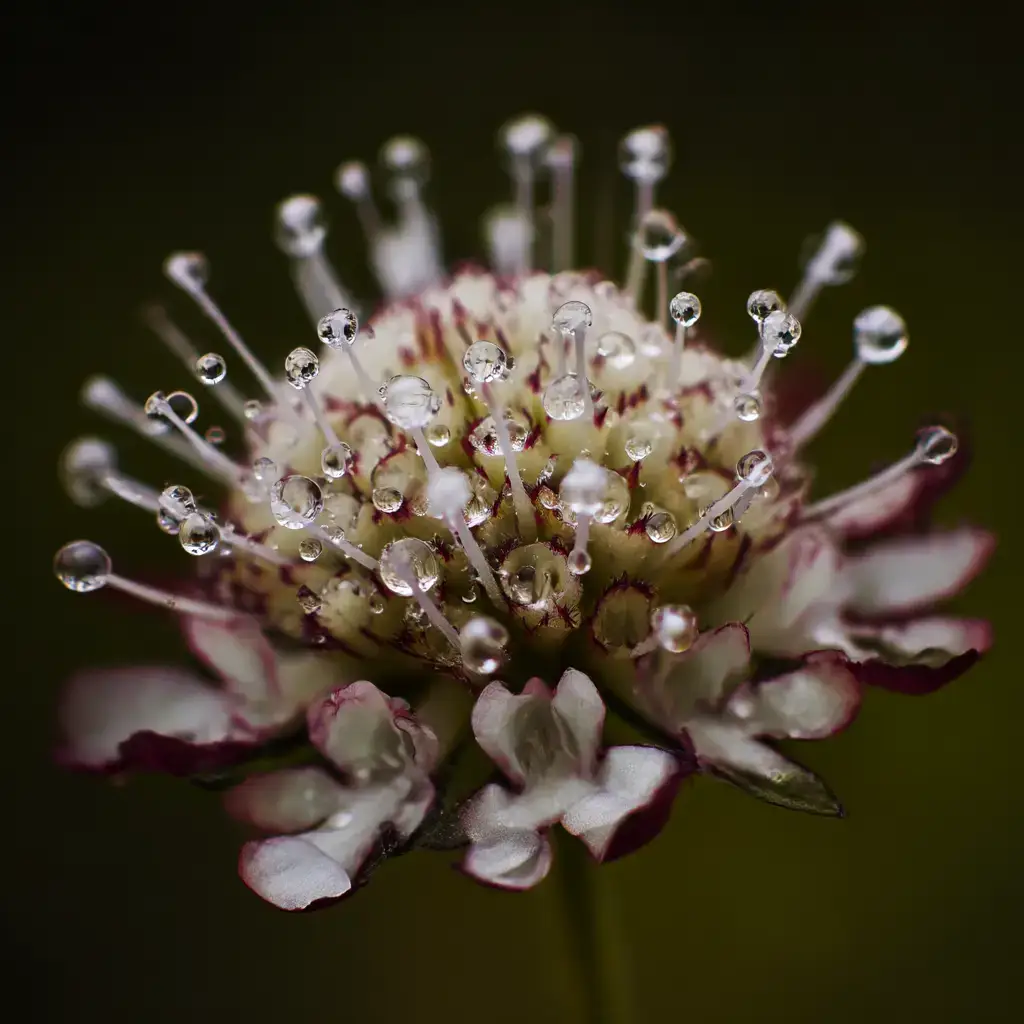


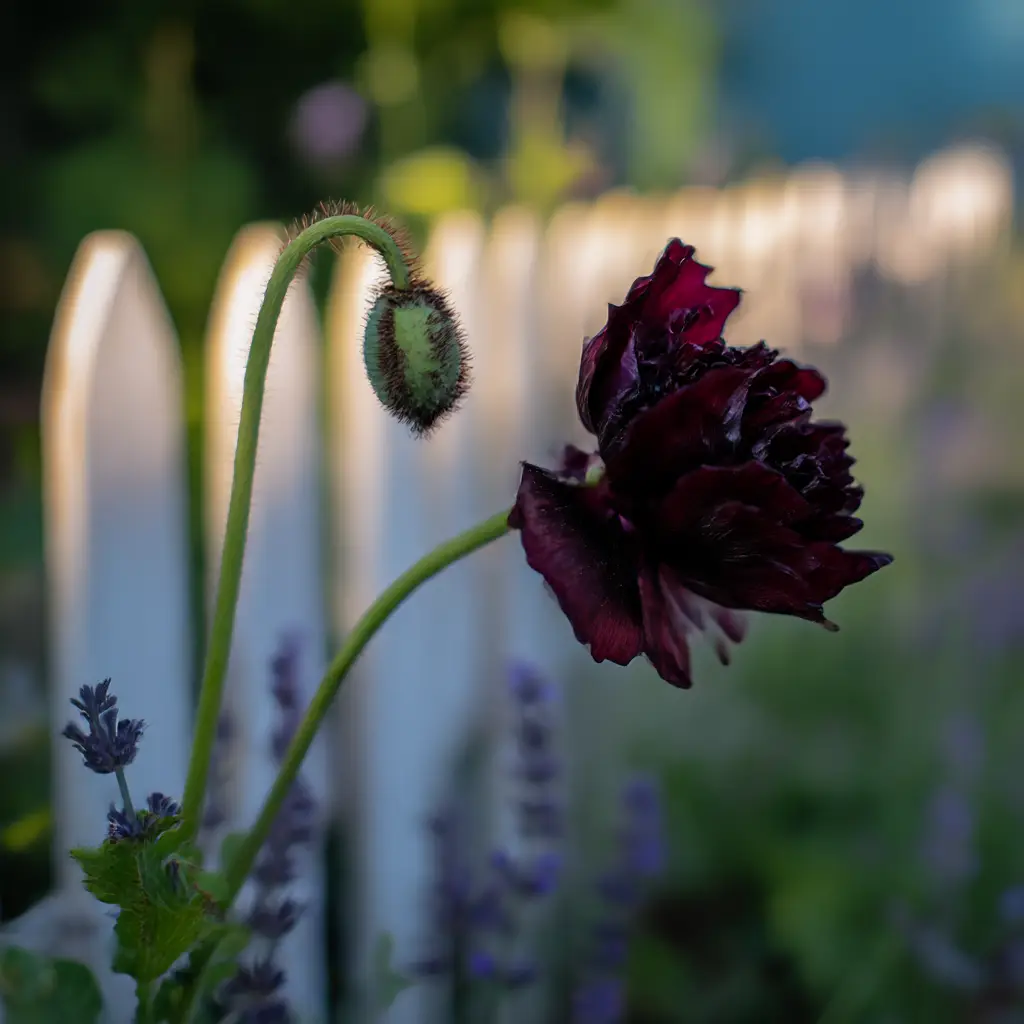
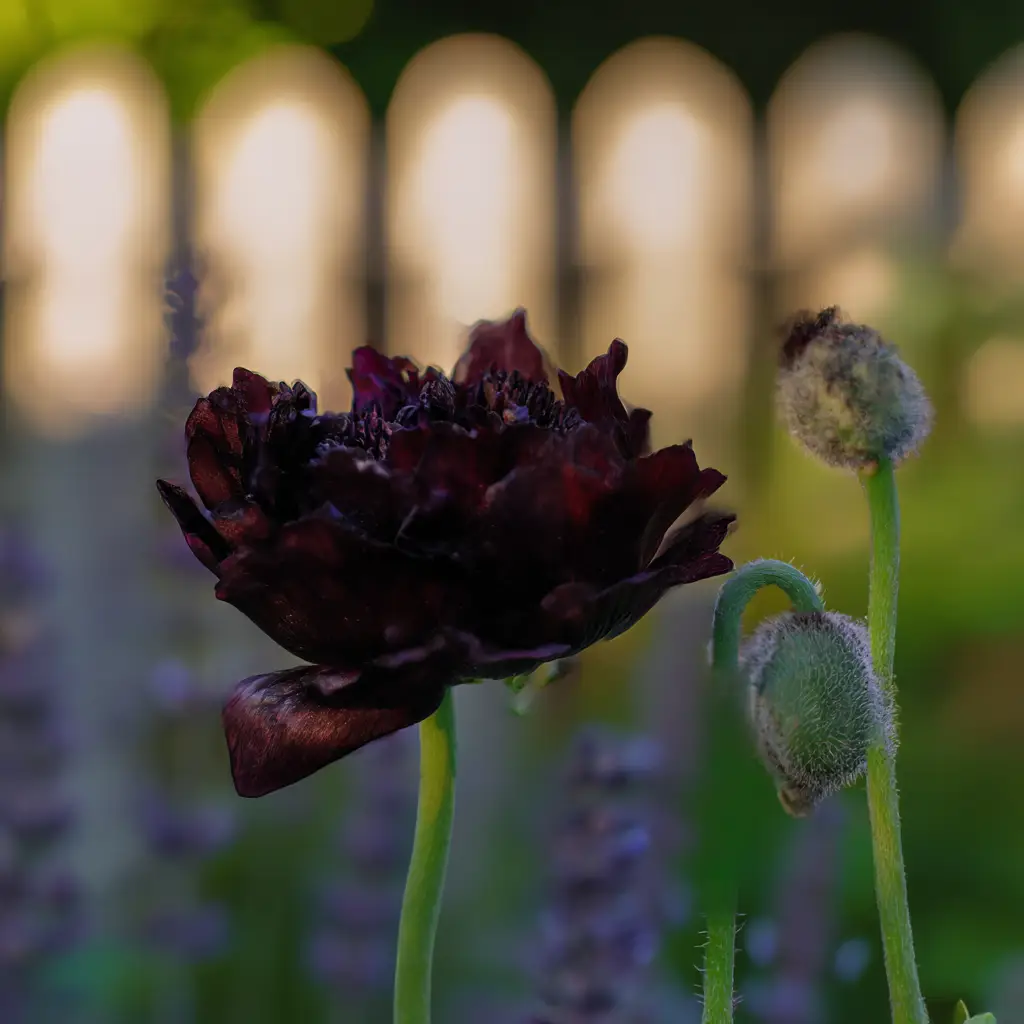
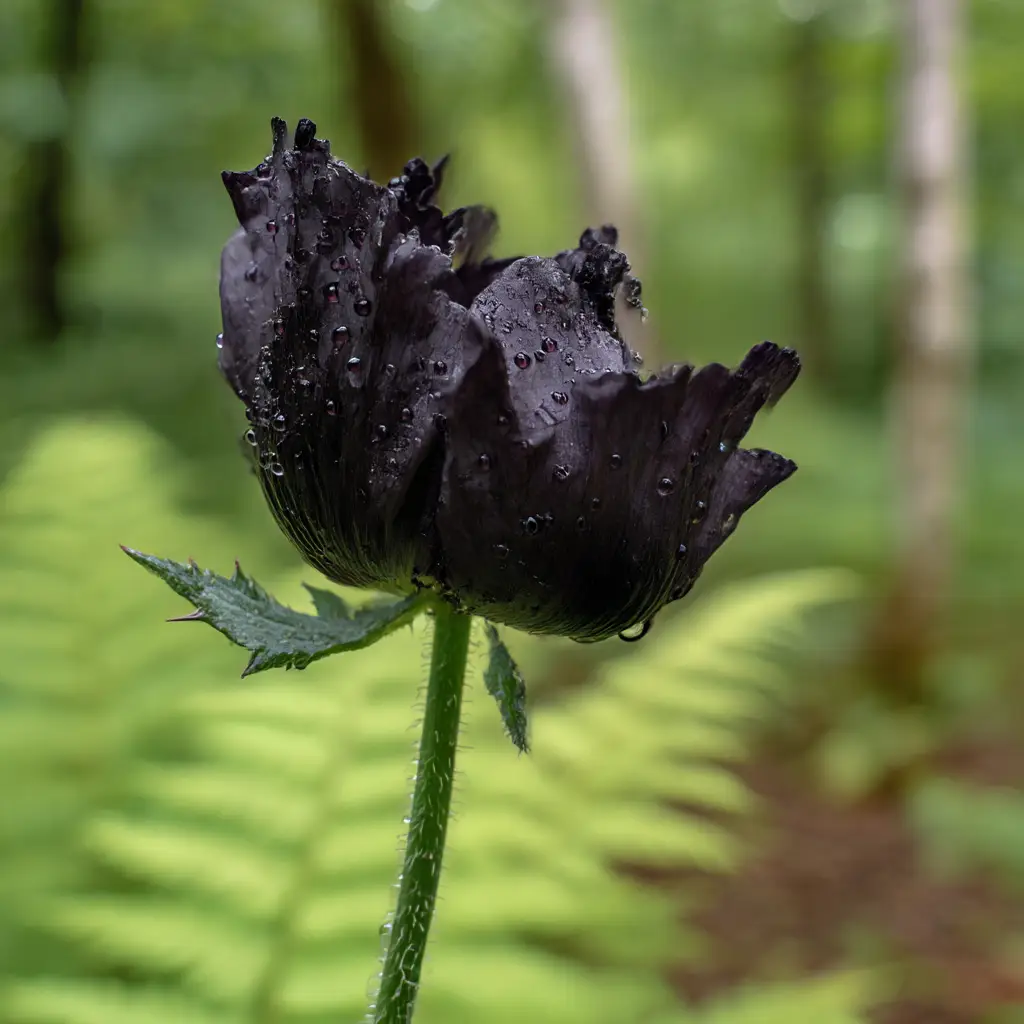
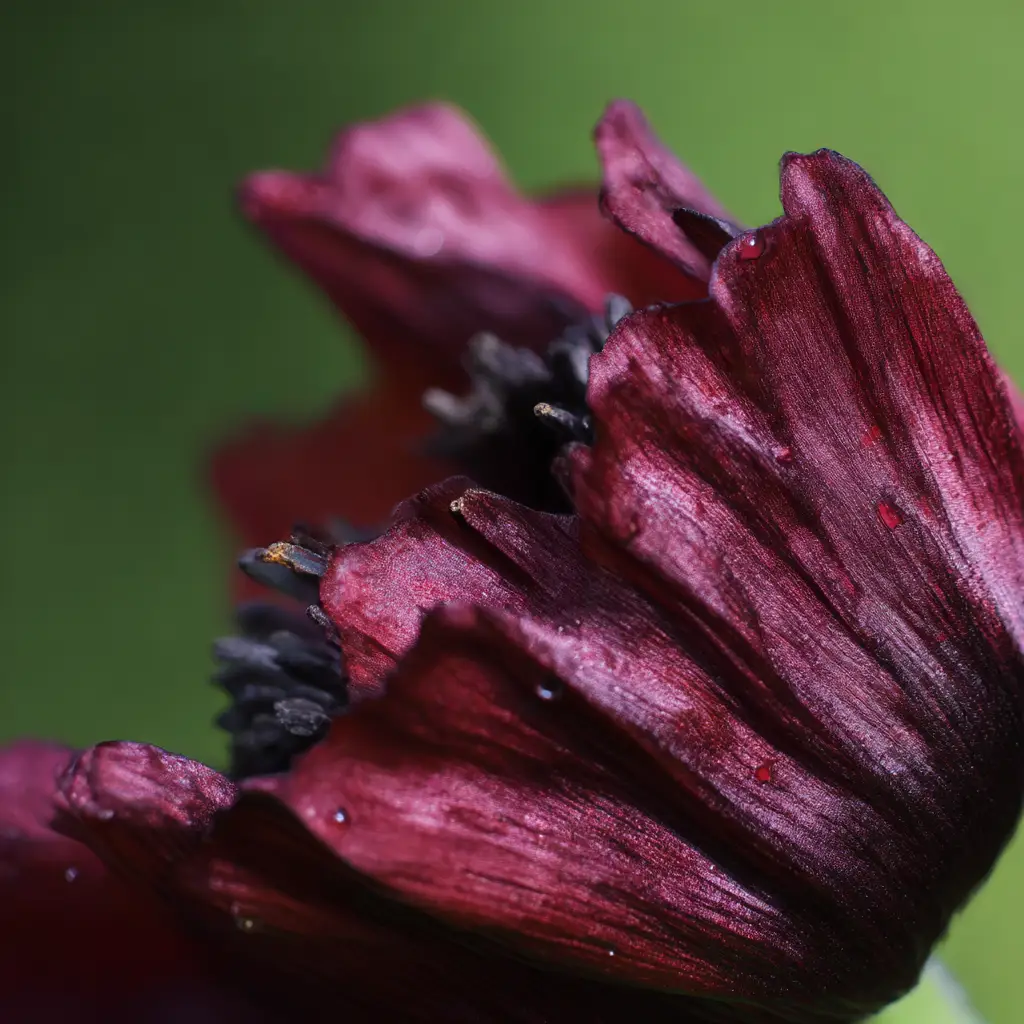
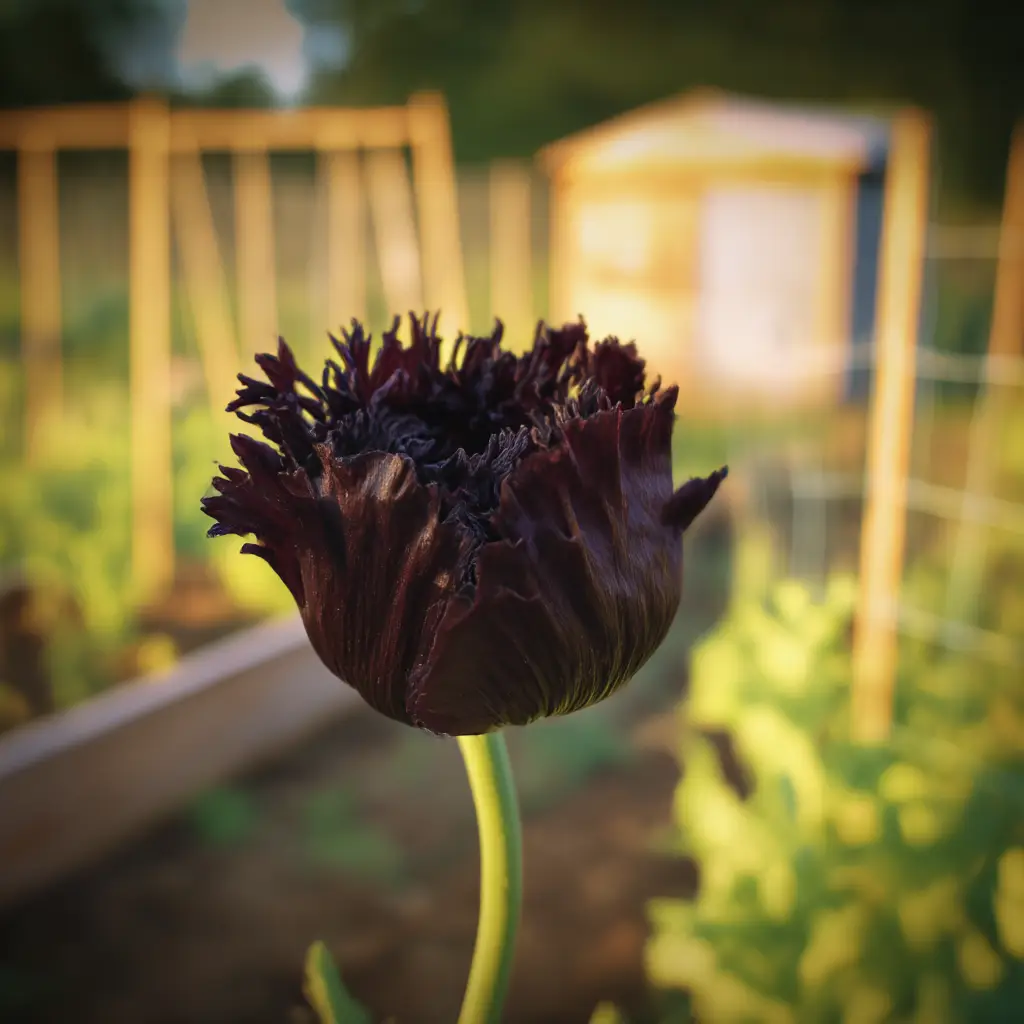
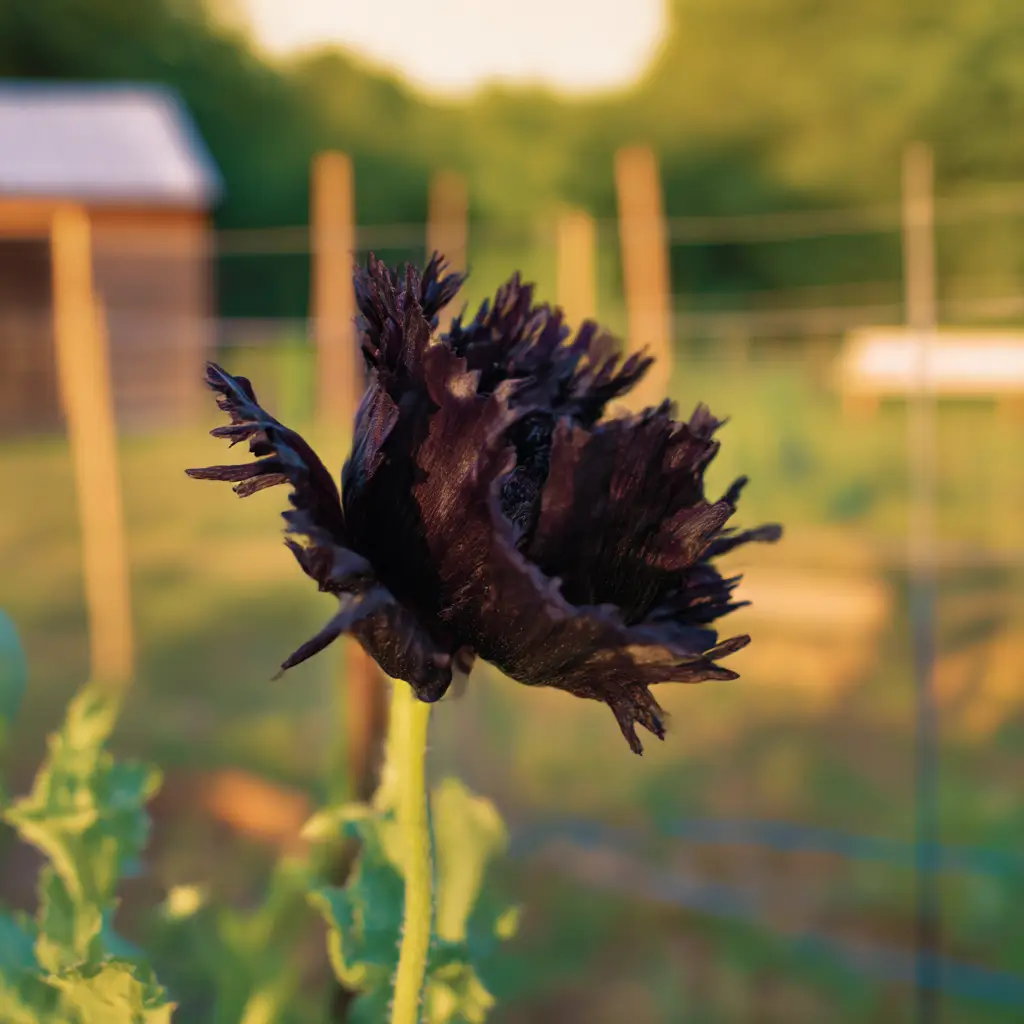
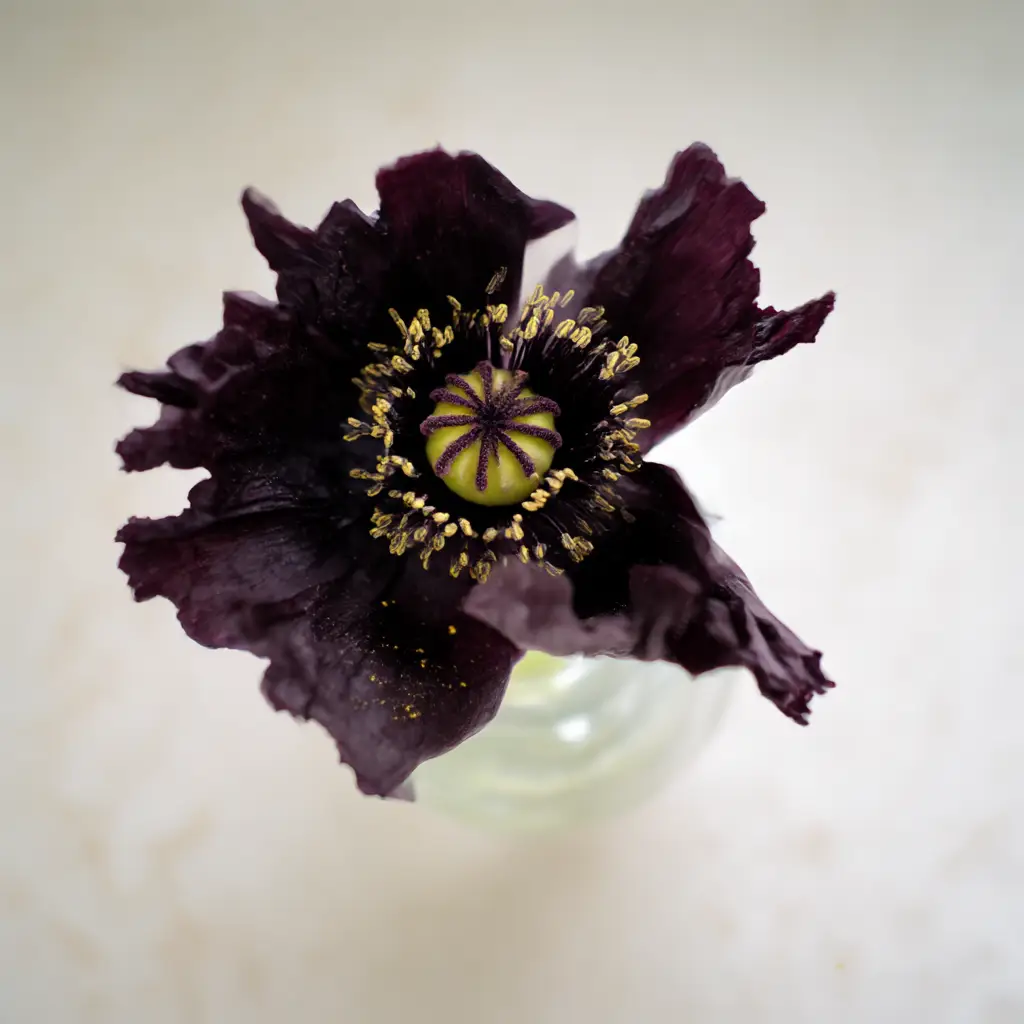
Frilly, double flowers in very dark purple-black.
Why it’s popular: Direct sowing is easy and the seedheads are decorative after bloom.

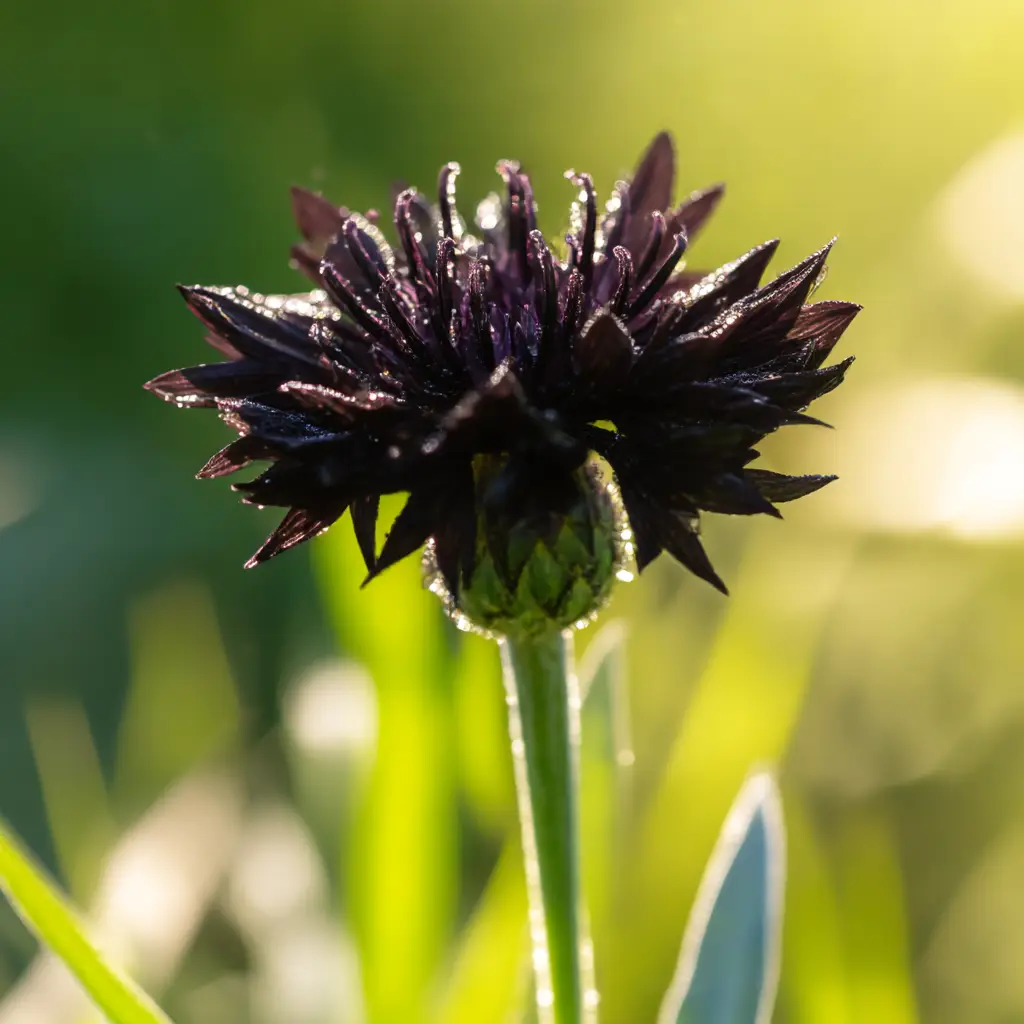
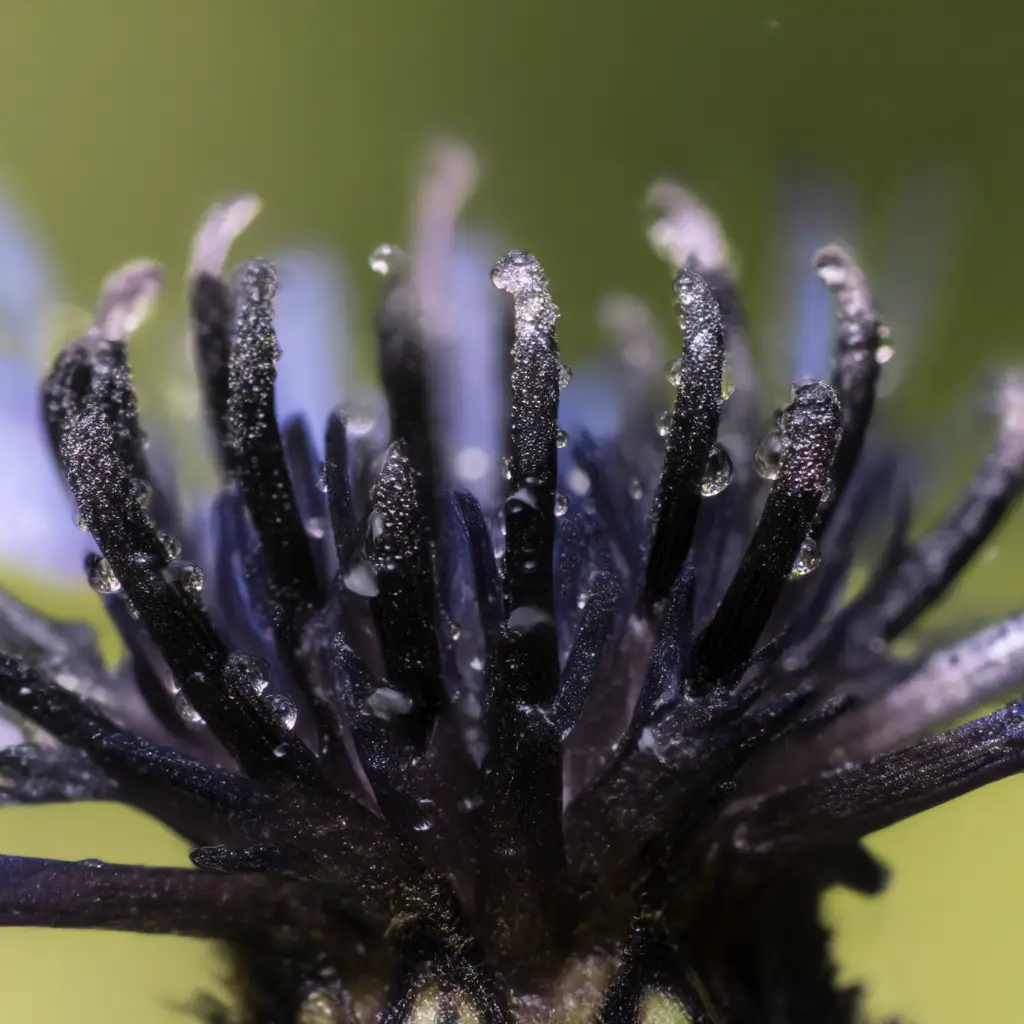
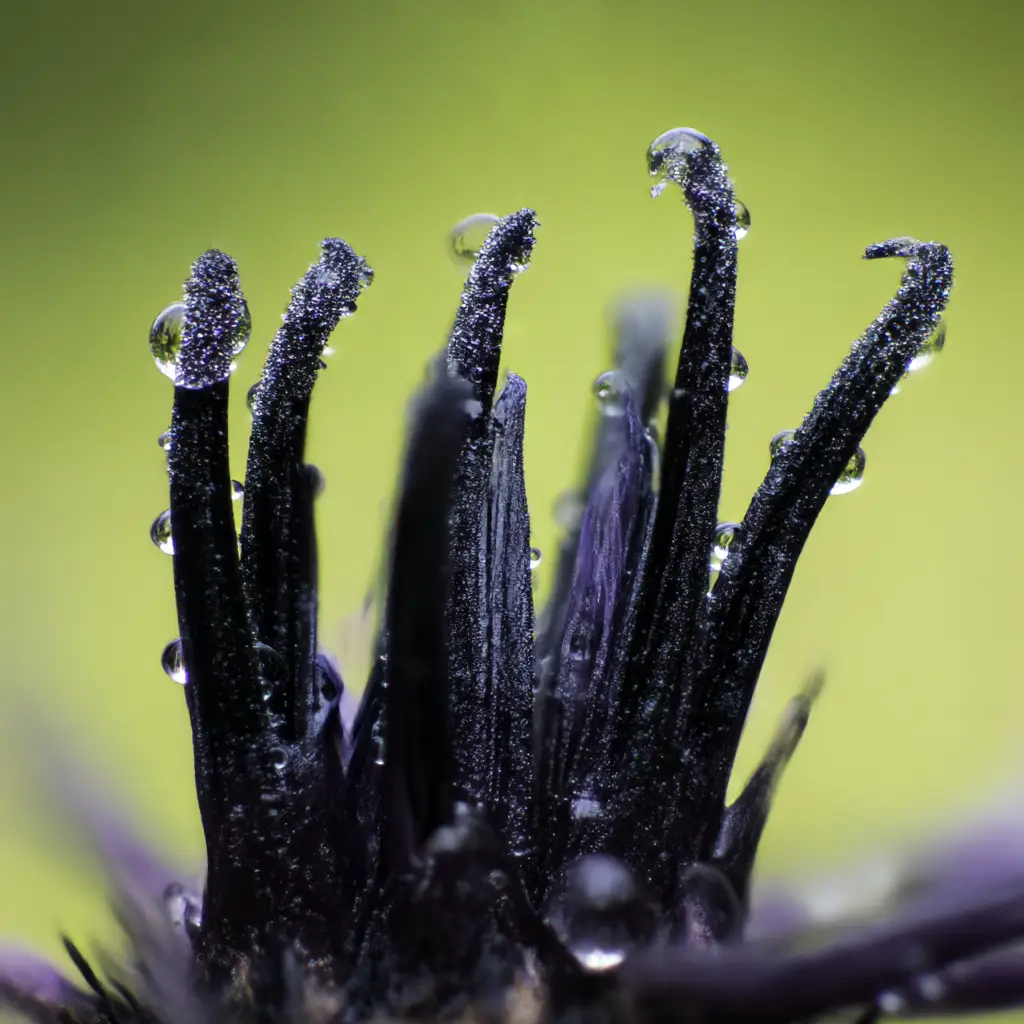
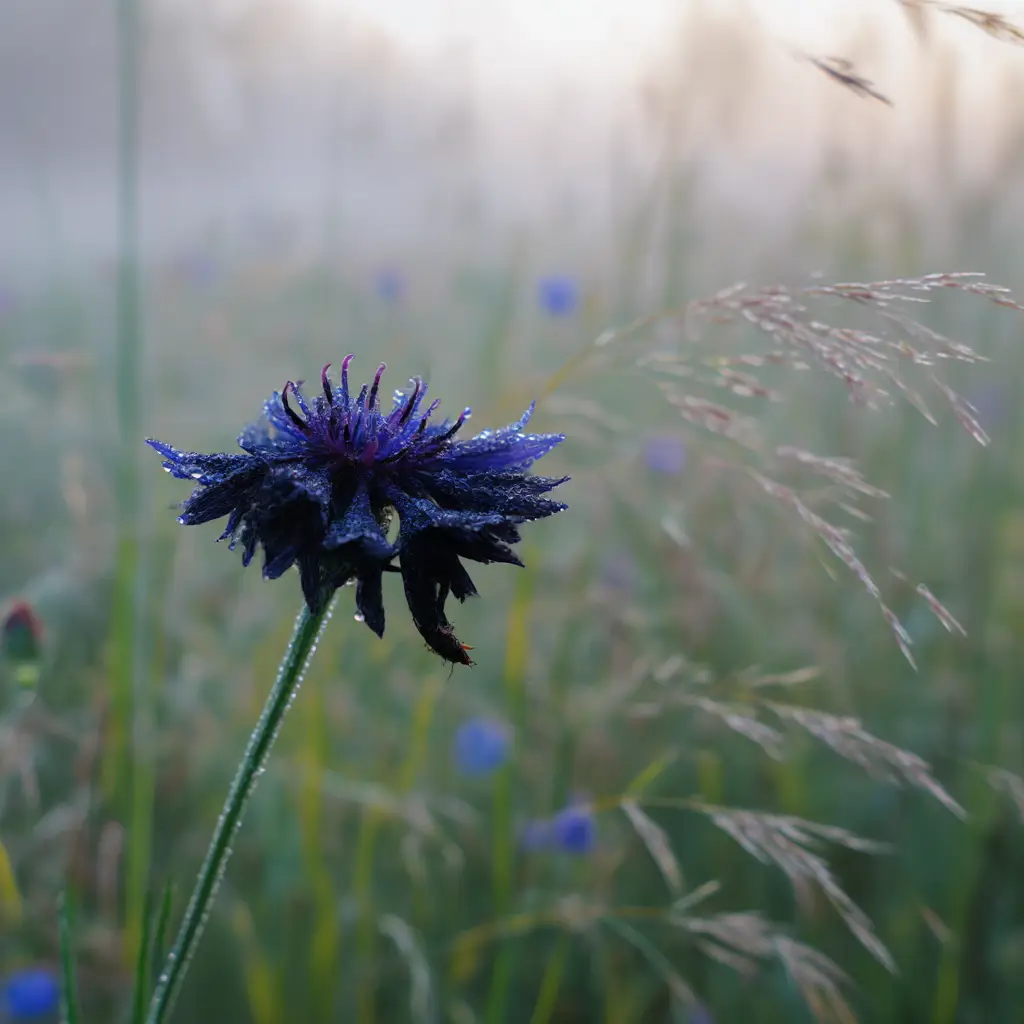
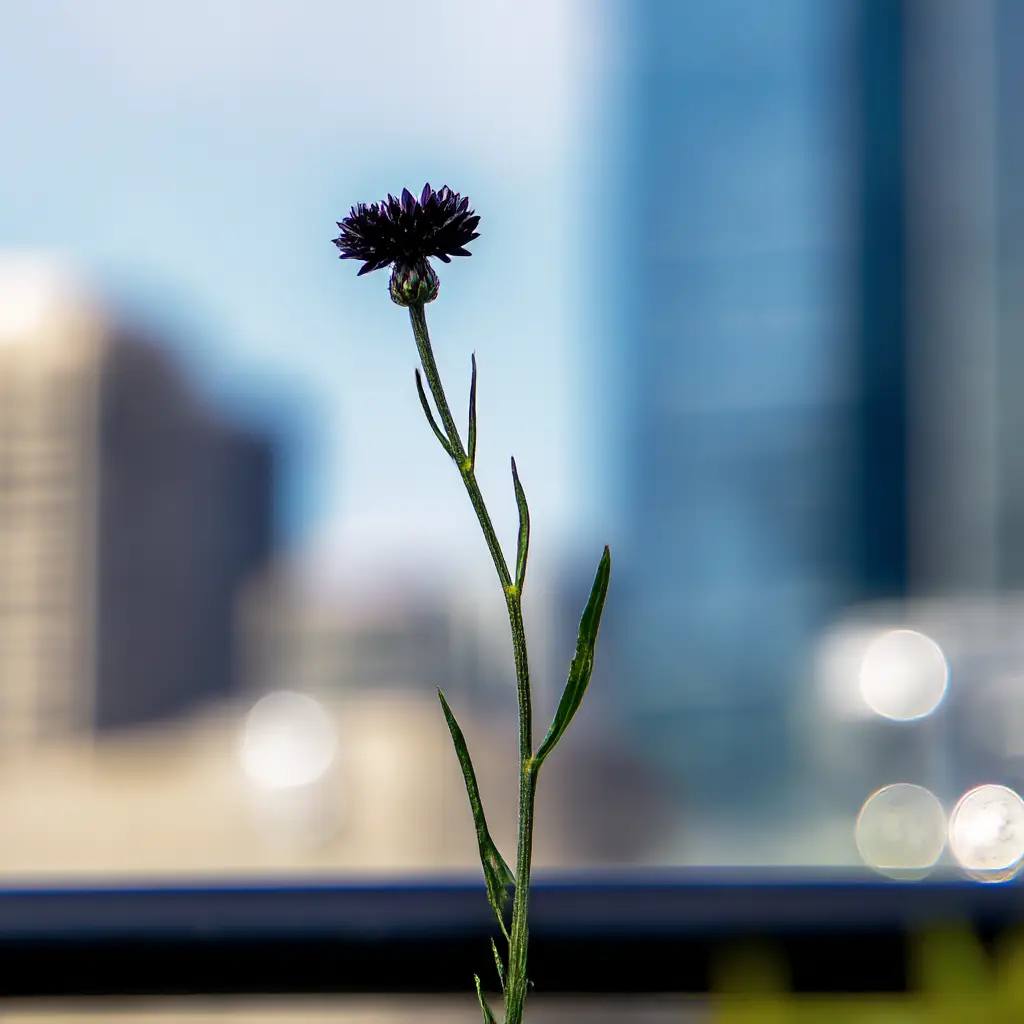
Old-fashioned bachelor’s buttons in smoky, near-black tones.
Why it’s popular: It is simple to grow from seed and great for meadows and bouquets.



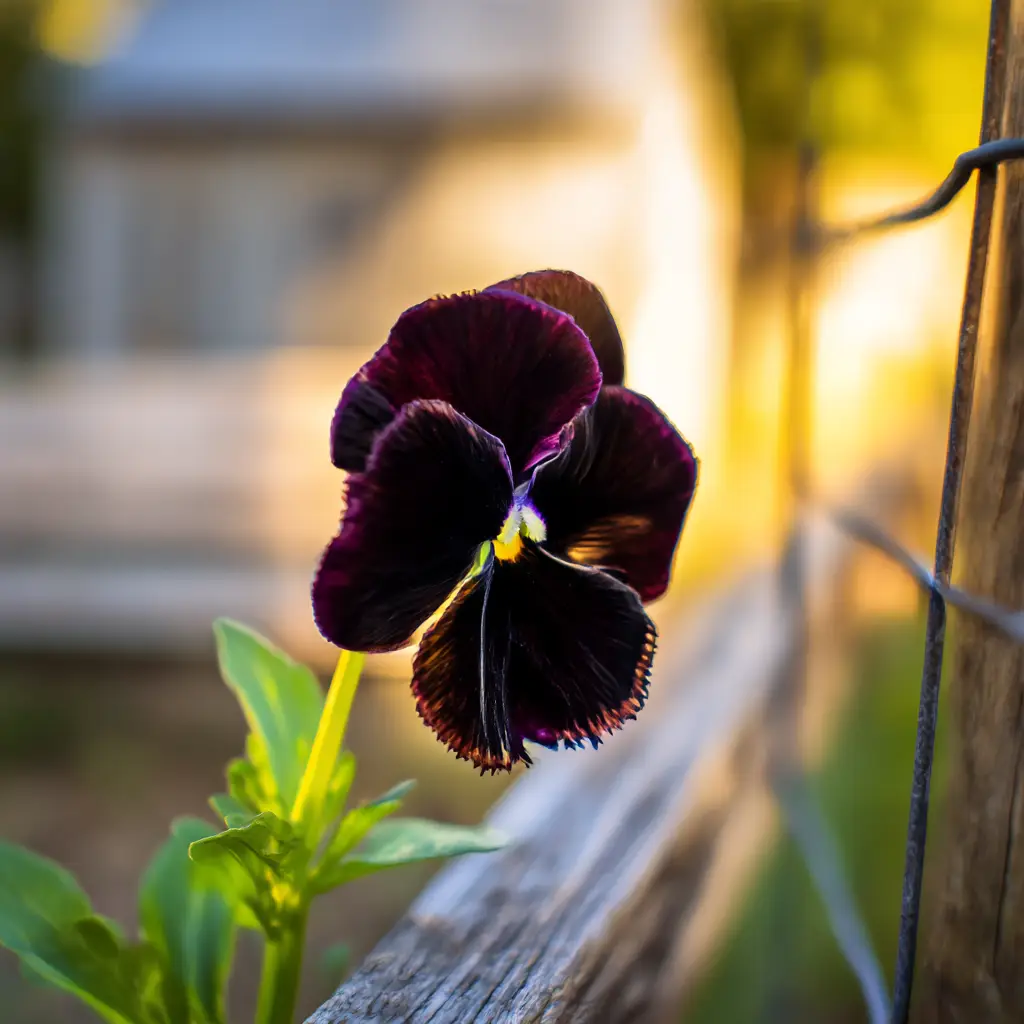
Deep maroon blooms with dusky foliage for cool seasons.
Why it’s popular: It offers rich color in spring plantings and thrives in many US regions.