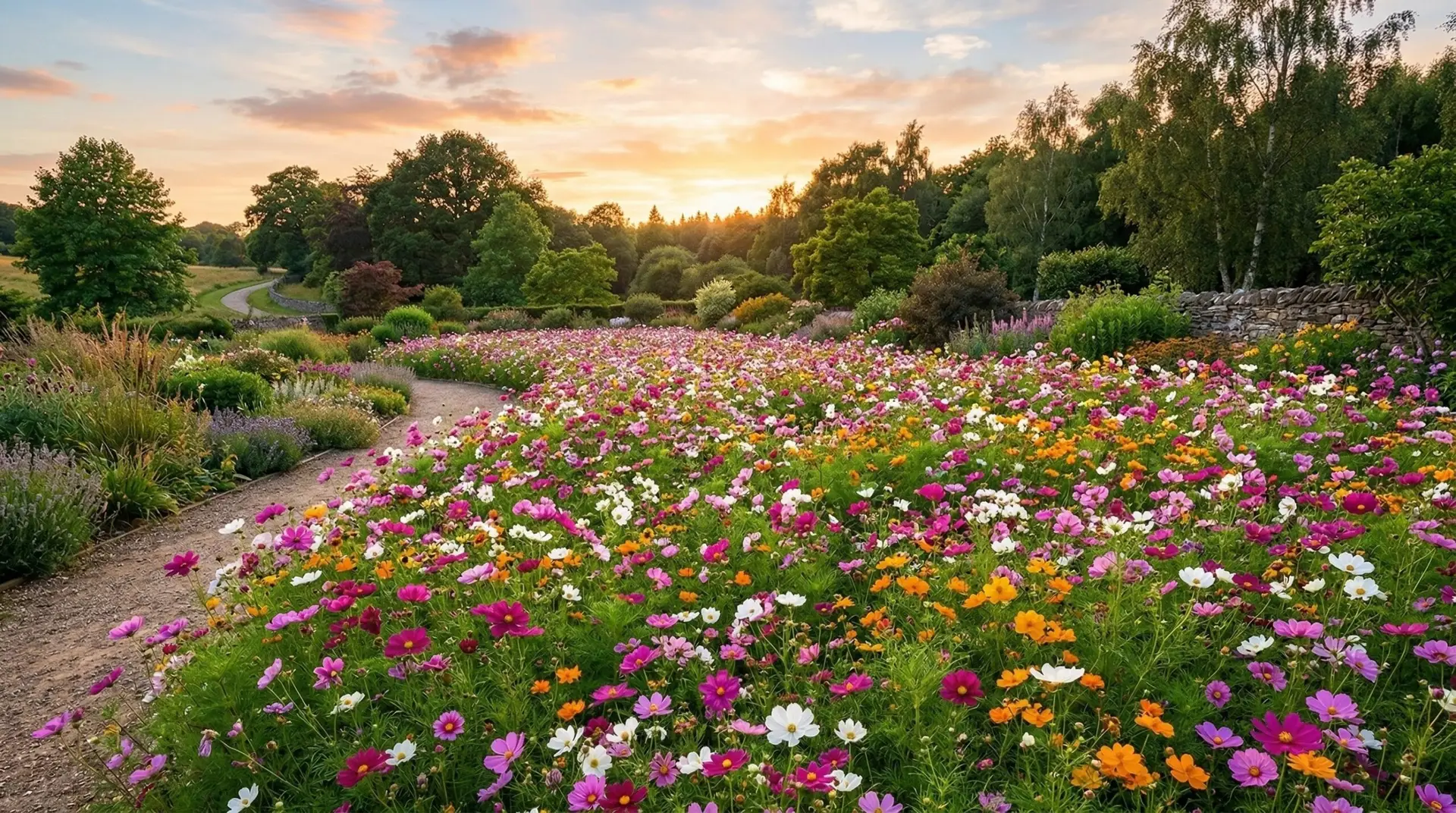
I wish you could stand beside me right now as the late afternoon sun slants across the backyard. The light catches the delicate, translucent petals of the cosmos flower field, turning them into glowing stained glass in shades of pale rose and deep crimson. A gentle breeze is moving through the yard, and the entire mass of flowers sways together like a single breathing entity. You can hear a soft rustling sound, almost like dry tissue paper rubbing together, as the stems brush against one another in the wind. The scent rising from the warm soil is earthy and slightly sweet, a comforting reminder of the summer heat that has baked the ground all day. It feels less like a cultivated suburban yard and more like a wild meadow we stumbled upon by accident. I planted these specifically to create this wild, untamed illusion, letting the seeds fall thickly to form a dense cloud of color.
Contents 4 sections
Choosing seeds for a layered cosmos field garden
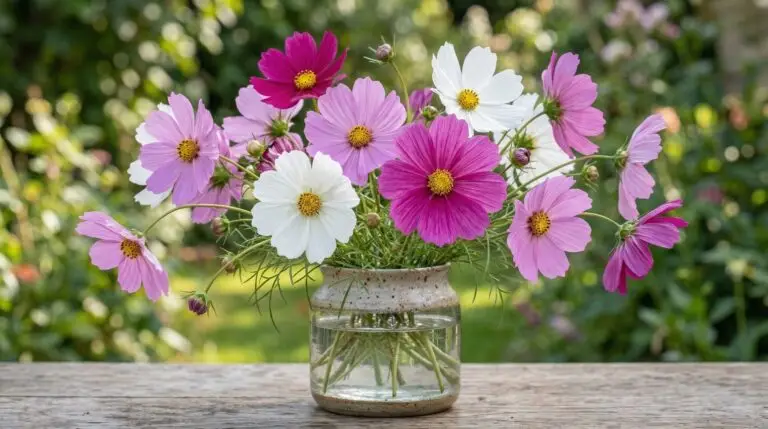
Creating a layered cosmos field garden begins with the seeds, which look exactly like miniature, dried pine needles resting in the palm of your hand. When you are selecting which varieties to grow, you want to mix different heights and colors to build a deep, multidimensional space. I like to combine the classic Sensation mix, which produces enormous flowers in clean white and soft blush pink, with the shorter, saturated magenta varieties that photograph almost purple in the evening light. The taller plants will easily reach your shoulders by midsummer, creating a canopy of papery blooms that dance above the shorter, bushier plants below. You might remember the thick, sturdy stems of a zinnia from last summer, but these cosmos are entirely different, possessing a wiry, fragile-looking stem that is deceptively strong. By mixing these delicate textures with the massive, golden heads of a sunflower border in the background, the entire yard gains a sense of wild scale. You just have to scatter them generously, trusting that these tiny slivers of gray and brown will soon erupt into a sea of green.
The feeling of a successful cosmos mass planting
The secret to a successful cosmos mass planting lies in the way you prepare the earth beneath them. You will know the soil is ready when it feels like a damp, wrung-out sponge in your hand, crumbling easily into dark, loose aggregates without clumping into mud. I spend a quiet morning turning the soil just enough to break up the hard crust, letting the sharp scent of damp minerals and crushed roots fill the air. Instead of digging careful little holes, you simply broadcast the seeds by the handful, sweeping your arm in wide arcs to mimic the way nature scatters her own progeny. A light raking settles the seeds into the dirt, hiding them just below the surface where they can feel the warmth of the spring sun. I always water the bed immediately with a soft shower from the hose, watching the dry brown dirt turn a rich, saturated black. The air smells intensely of rain on dry ground for a few minutes, leaving a lingering freshness that promises new life.
Watching the six week transformation unfold
The six weeks following that quiet morning of planting are an exercise in daily observation. Within just a few days, the bare soil breaks open to reveal hundreds of tiny, bright apple green shoots, their initial leaves looking like delicate ferns uncurling in the morning dew. As the weeks pass, this fine foliage knits together into a dense, waist-high cloud of feathery green that completely hides the dark soil below. The stems thicken slightly, developing a pale green, almost translucent skin that feels smooth and cool to the touch. You will start to notice tight, round buds forming at the tips of these stems, wrapped in green sepals like tiny, precise origami packages waiting to burst open. They share a similar wildness with the spindly, branching growth of cornflowers, adding to that untamed meadow aesthetic we are trying to achieve. When the first bud finally unfurls, exposing a perfect ring of overlapping, deeply grooved petals, the entire garden seems to hold its breath.
Chasing the light in your backyard meadow
Once the flowers open fully, the garden changes character completely depending on the time of day and the weather. In the early morning, heavy dew clings to the feathery leaves like thousands of tiny glass beads, and the petals look soft and sleepy in the cool blue light. A summer rainstorm transforms the space again, beating the flexible stems toward the ground until they bounce back the moment the clouds clear, shaking off the heavy drops. The midday sun bleaches the pale pinks into a blinding white, making the deeply colored yellow centers pop against the bright blue sky. But it is during the golden hour of twilight that the real magic happens, when the fading light turns every single petal into a luminescent beacon. The magenta blooms absorb the evening shadows, taking on a velvety, rich depth that makes you want to reach out and stroke them. I like to stand at the edge of the grass just as the first stars appear, watching the pale white blossoms float like moths in the gathering dark.
More About Cosmos
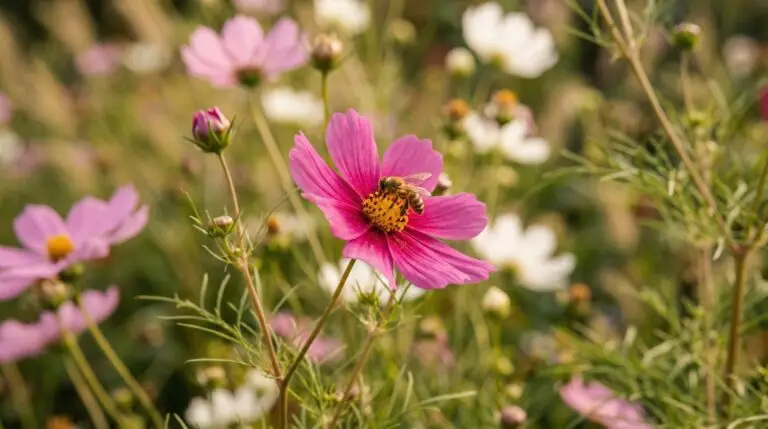
Cosmos for pollinators and why butterflies and bees cannot resist these flowers
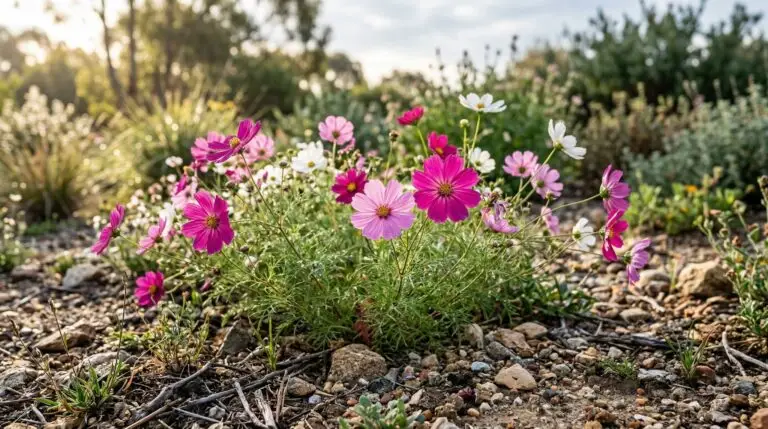
Why cosmos grows tall and leggy and how to get compact bushy plants instead
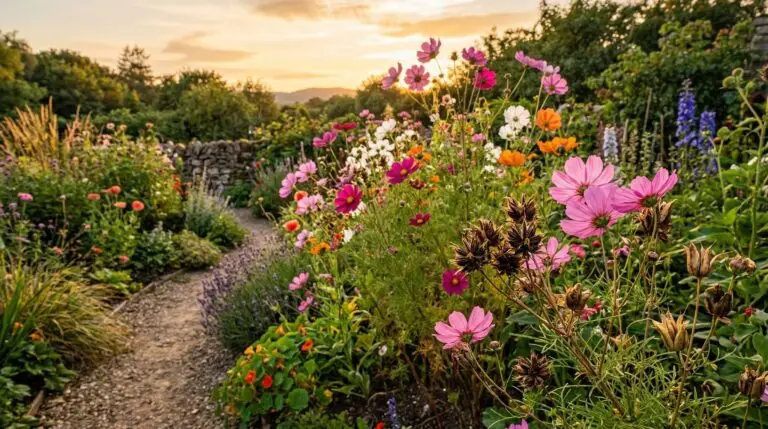
How to save cosmos seeds at the end of the season for free flowers next year
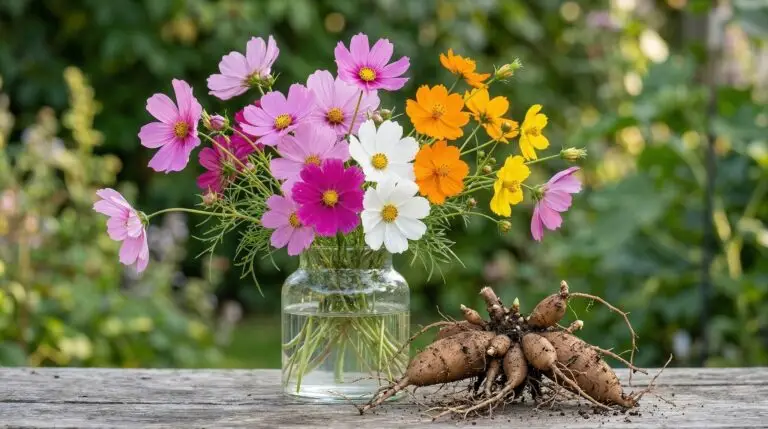
Chocolate cosmos the rare perennial with flowers that smell like dark chocolate
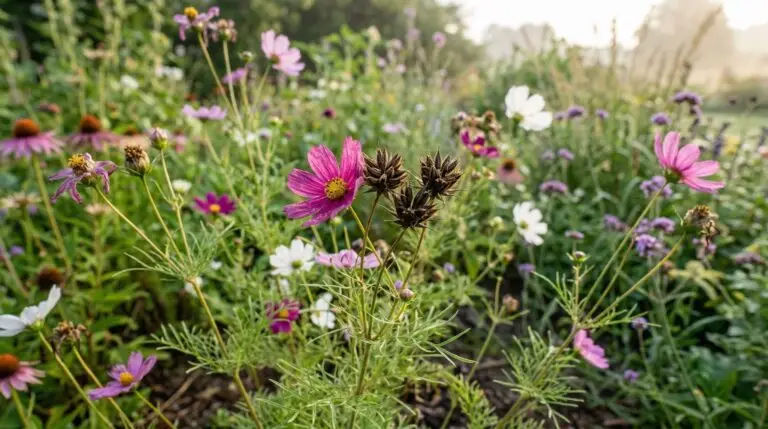
Cosmos as the perfect cut flower for beginners who want armloads of bouquets
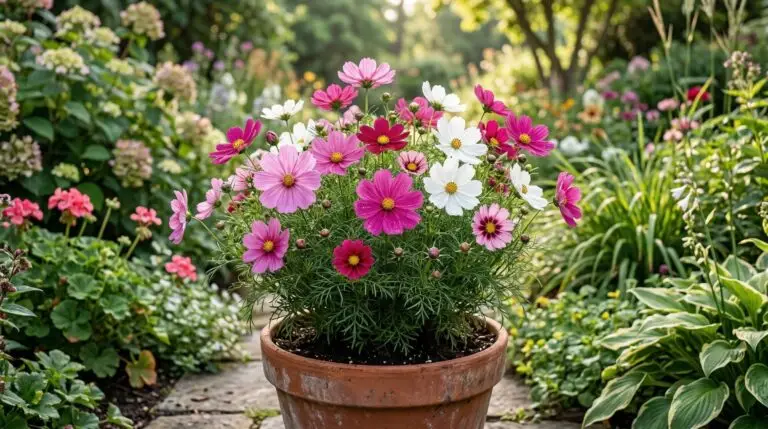
Growing cosmos in containers and hanging baskets for balcony flower gardens
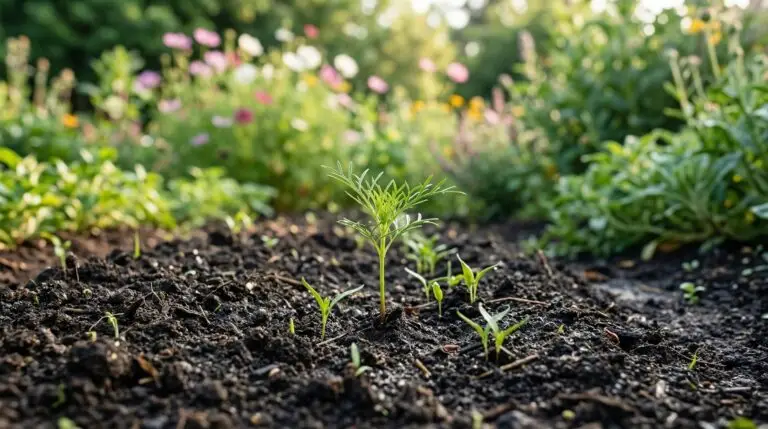
How to grow cosmos from seed for effortless clouds of color all summer long
Best cosmos varieties from classic Sensation to chocolate-scented Cosmos atrosanguineus
Enjoying our flower guides? Add YourFlowersGuide as a preferred source on Google. It helps more readers find us.
Add to Preferred Sources