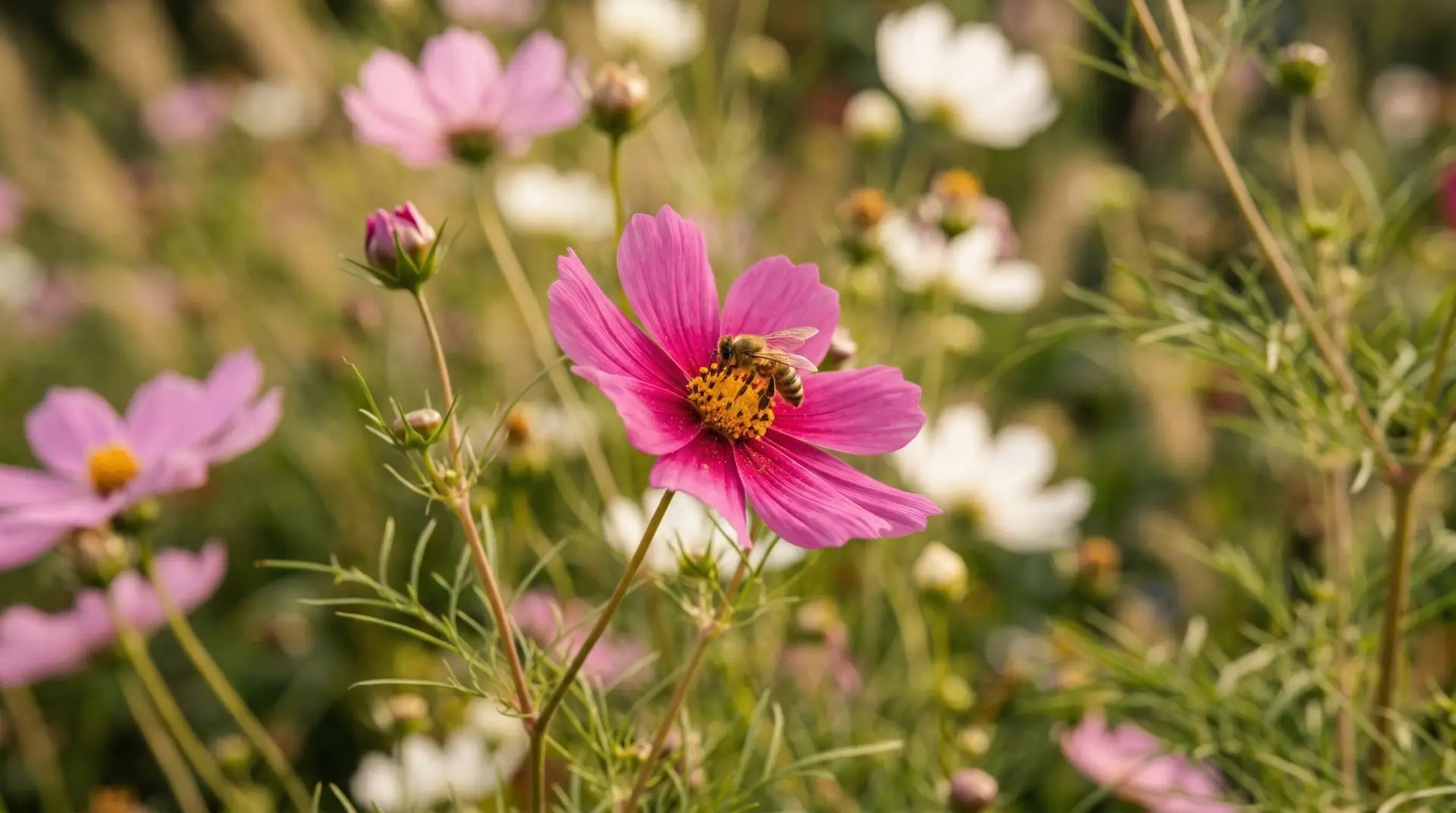
The late August sun clears the tree line and strikes the back border of the garden, illuminating the fine, thread-like leaves of the cosmos. Dew still clings to the foliage, bending the thin stems under the weight of water until the morning air warms enough to lift it. I am standing with a cup of coffee, watching the slow awakening of the insects that spent the night sheltered in the green canopy. A tiger swallowtail drifts over the fence, flying with a lazy, erratic rhythm before dropping precisely onto the flat pink face of a single bloom. The flower dips slightly under the insect’s weight, but the stem holds firm, engineered to sway rather than break in the wind. This is the daily communion of the late summer garden, a quiet transaction of energy between cosmos pollinators and the plants that sustain them. The flower offers its nectar freely, and the insect carries the pollen forward, completing a cycle that has played out for millennia before this garden existed.
Contents 4 sections
The architecture of an open blossom
Among the many cosmos butterflies, the tiger swallowtail is perhaps the most frequent visitor, and to understand this attraction, one must look closely at the physical structure of the flower itself. The plants we grow are mostly Cosmos bipinnatus or Cosmos sulphureus, both of which belong to the aster family, a lineage defined by its composite blooms. What appears to be a single flower is actually a dense cluster of tiny, fertile florets packed tightly into the yellow central disk, surrounded by wide ray petals that create a visual beacon. This flat, open face provides a perfect, stable landing pad for large winged insects. They can rest their wings securely on the petals while probing the shallow central florets for nectar. Many modern garden flowers are bred for dense, ruffled layers of petals that obscure the pollen completely, leaving the insects hungry. When we plant simple, open-faced varieties alongside a patch of single zinnias, we provide accessible food sources that require very little energy for the insects to harvest. The bees do not have to force their way into closed corollas, and the butterflies can feed without tearing their fragile wings.
Sowing seeds and the patience of summer
Sowing a cosmos bee garden requires a shift in how we think about planting, moving away from isolated specimens toward a connected community of flowers. I scatter seeds in the warming soil of May, pressing the long, needle-like shapes just below the surface and waiting for the spring rains to wake them. When the seedlings emerge, they are thick and crowded, a dense mat of feathery green that must be thinned if the plants are to mature properly. Pulling up perfectly healthy seedlings feels like a small act of cruelty, but crowded plants compete for light and water until none of them thrives. I leave a foot of bare earth between each remaining stem, trusting that the empty space will fill as the summer progresses. For weeks, the plants offer nothing but vegetative growth, building the sturdy, branching architecture required to hold dozens of blooms aloft. It requires patience to watch this slow accumulation of green while the earlier flowers come and go, but this delay is exactly what makes the cosmos so valuable to the local ecology. They hold their energy in reserve, waiting to bloom heavily just as the days begin to shorten and the migrating insects need fuel the most.
A gathering place in the late season
By September, the cosmos stand chest-high, weaving their stems through the sturdy stalks of purple coneflowers and leaning against the wooden fence for support. The garden is loud with the hum of foraging insects, a low vibration that you can feel in your chest if you stand still enough among the flowers. Native bumblebees and small green sweat bees work the yellow disks methodically, moving in slow circles as they gather pollen on their legs. Late in the afternoon, when the air cools, you can often find male bumblebees asleep beneath the petals, clinging tightly to the underside of the bloom for shelter against the night chill. This late-season nectar is a vital food source, a final feast before the killing frosts arrive and end the growing season entirely. As the earliest blooms fade and drop their petals, the central disks swell with ripening seed, drawing another layer of life into the garden. American goldfinches land heavily on the swaying stems, picking the seeds apart with quick, sharp movements of their bills. They scatter as much as they eat, dropping seed into the soil that will sleep through the winter and germinate when the light returns.
The quiet decline of autumn
Gardening teaches a necessary acceptance of loss, a recognition that the peak of bloom is always temporary. The cold nights of October leave the cosmos leaves tipped with black, a slow retreat of sap from the extremities as the plant senses the changing season. I do not rush to pull the fading stalks, preferring to let the remaining seeds mature and feed the birds that stay behind. The tall stems of the cosmos, much like the heavy, drooping heads of late garden sunflowers, offer structure and shelter in the winter landscape even after the green life has left them. Watching the plants turn brown and brittle is not a failure of the gardener, but the natural conclusion of an annual plant’s singular purpose. They have grown, flowered, fed the insects, and produced the seed that guarantees their continuation. When the snow finally flattens the hollow stems to the ground, they will rot and feed the soil organisms, returning their borrowed minerals to the earth. I will wait through the dark months, knowing that the seeds are already resting in the frozen mud, ready to begin the work again.
More About Cosmos
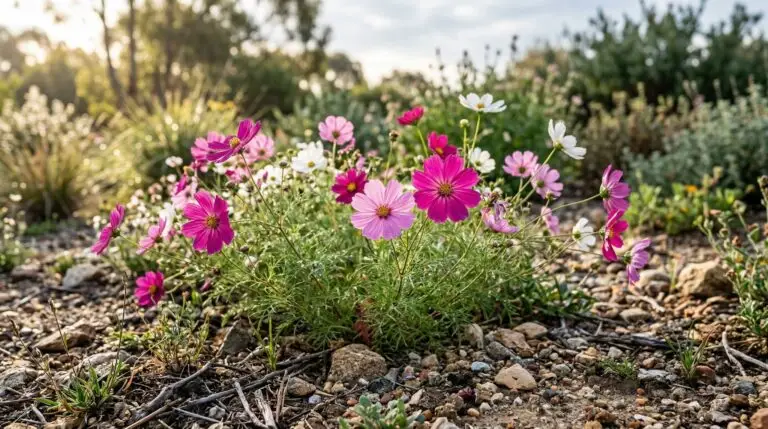
Why cosmos grows tall and leggy and how to get compact bushy plants instead

How to save cosmos seeds at the end of the season for free flowers next year
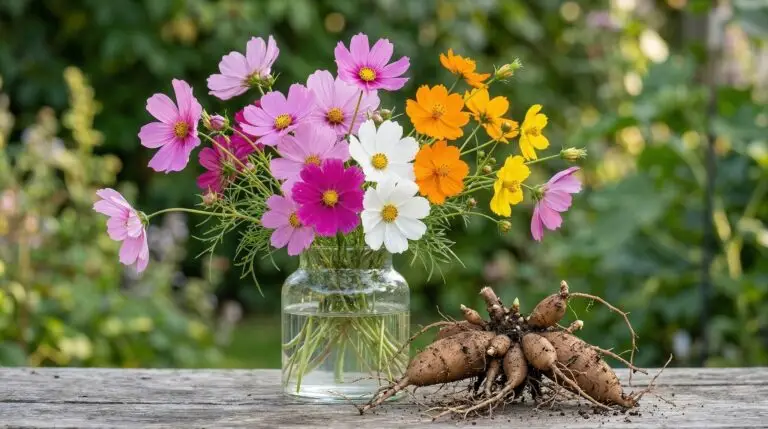
Chocolate cosmos the rare perennial with flowers that smell like dark chocolate
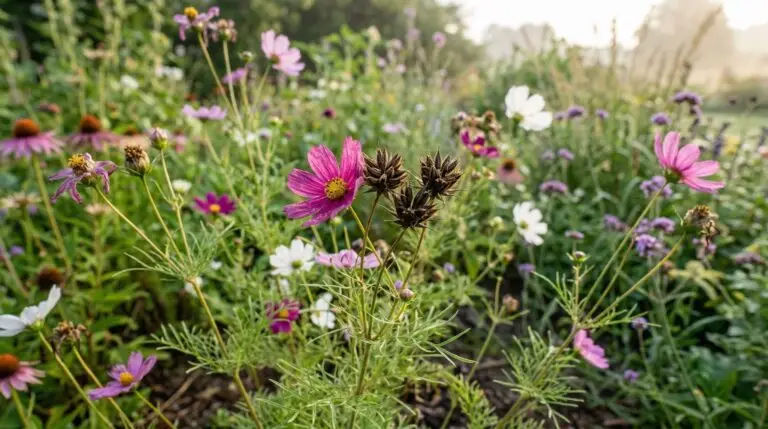
Cosmos as the perfect cut flower for beginners who want armloads of bouquets

Creating a cosmos flower field effect in your backyard for photogenic garden magic
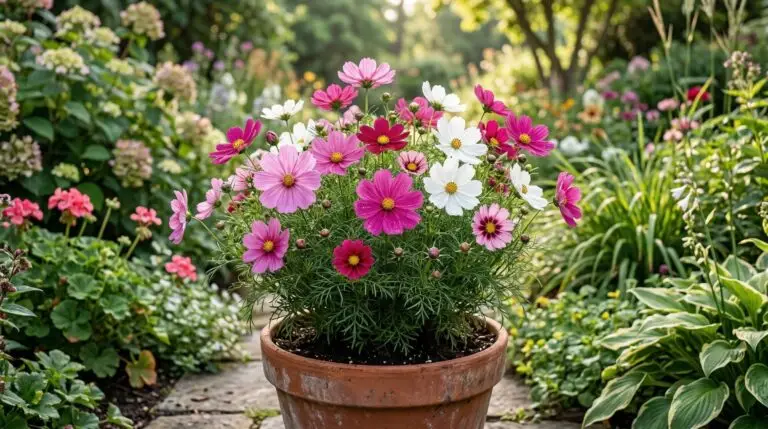
Growing cosmos in containers and hanging baskets for balcony flower gardens

How to grow cosmos from seed for effortless clouds of color all summer long
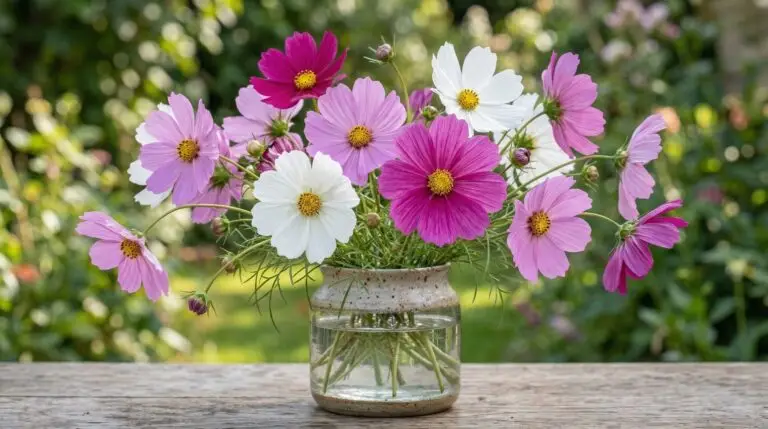
Best cosmos varieties from classic Sensation to chocolate-scented Cosmos atrosanguineus
Enjoying our flower guides? Add YourFlowersGuide as a preferred source on Google. It helps more readers find us.
Add to Preferred Sources