Contents
Lantana
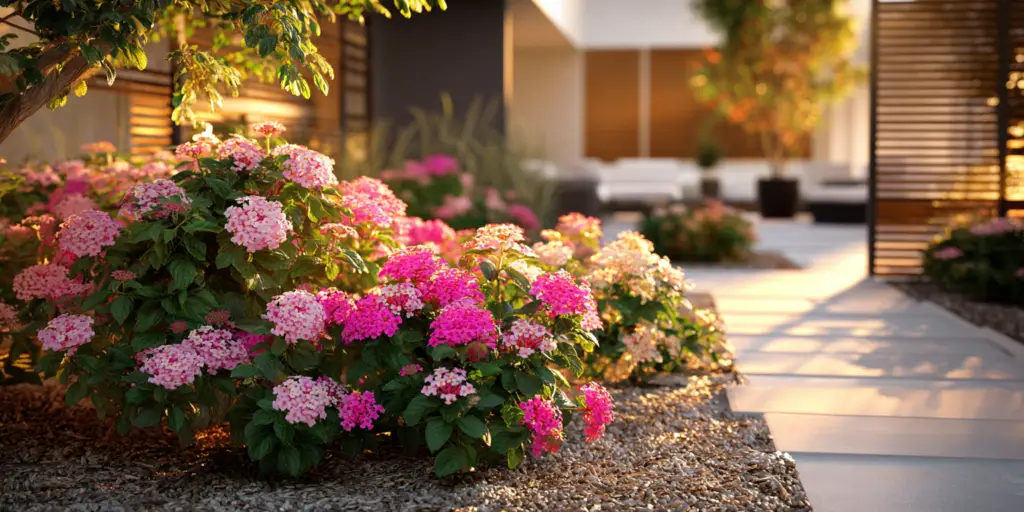
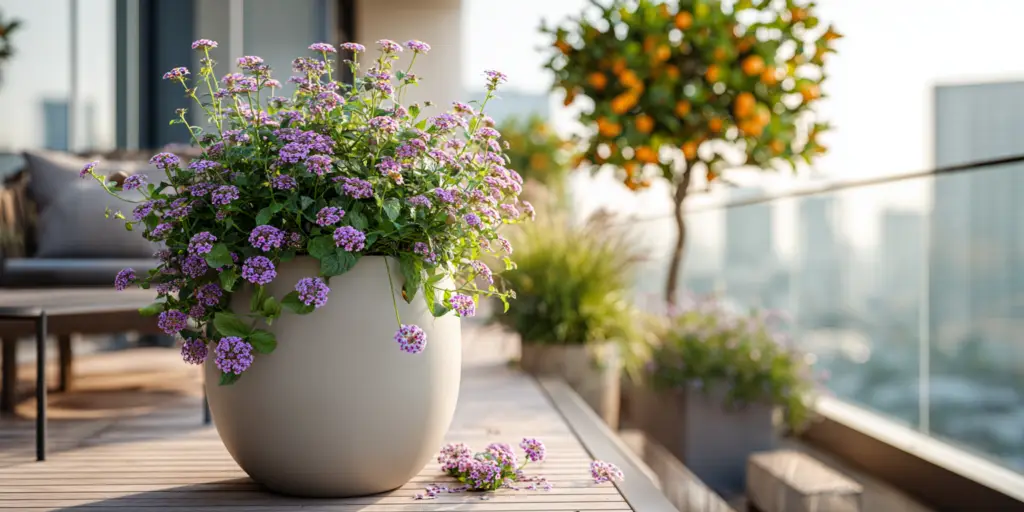
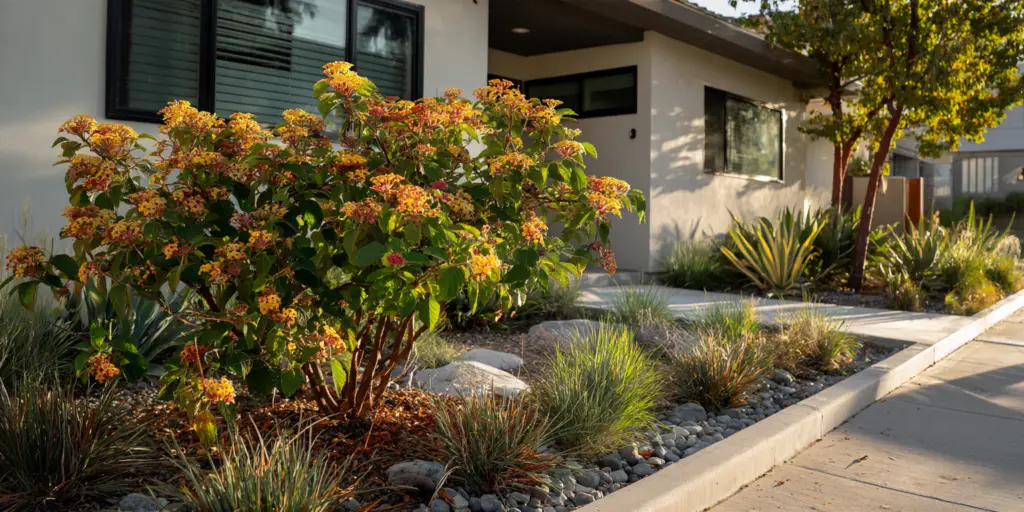
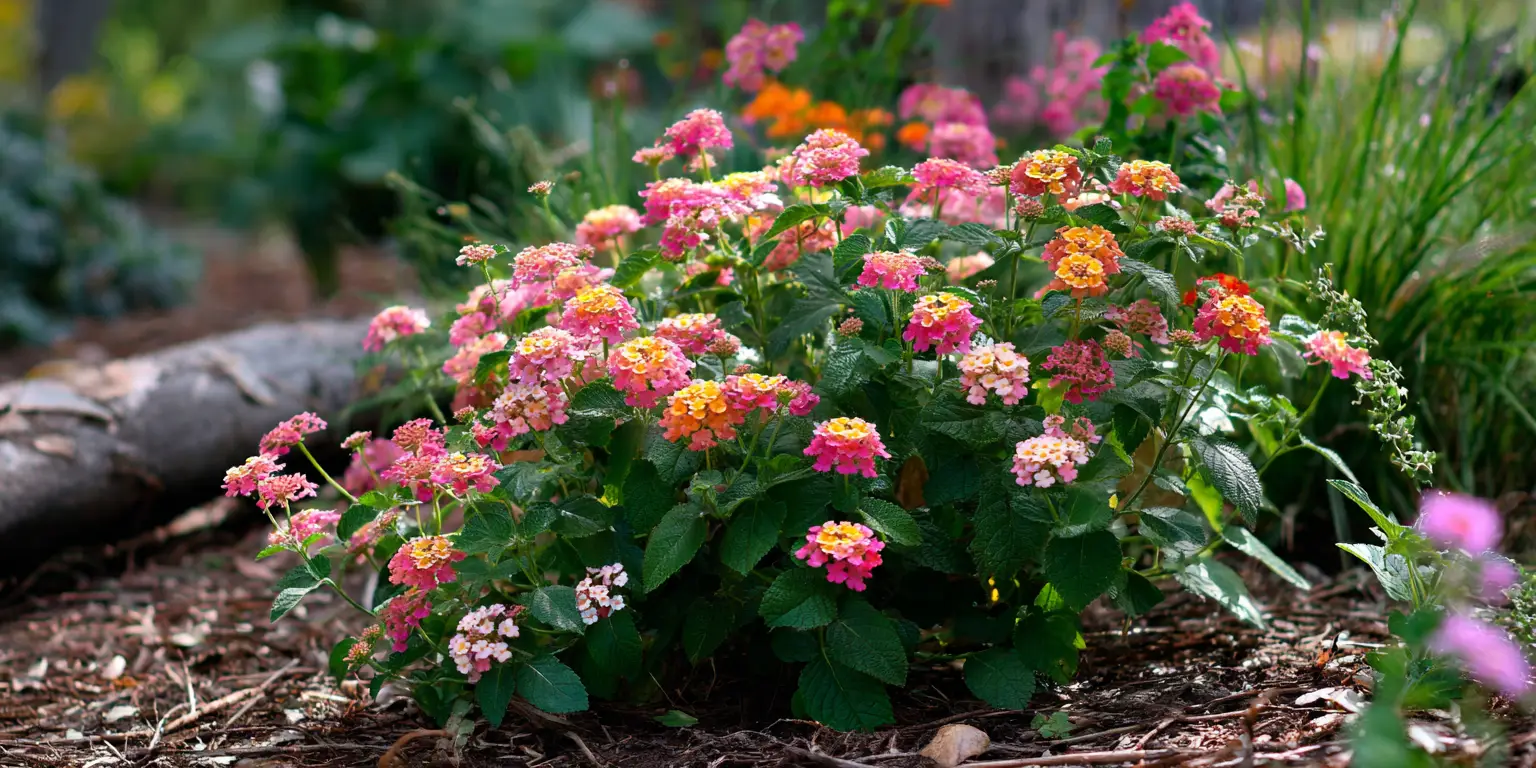
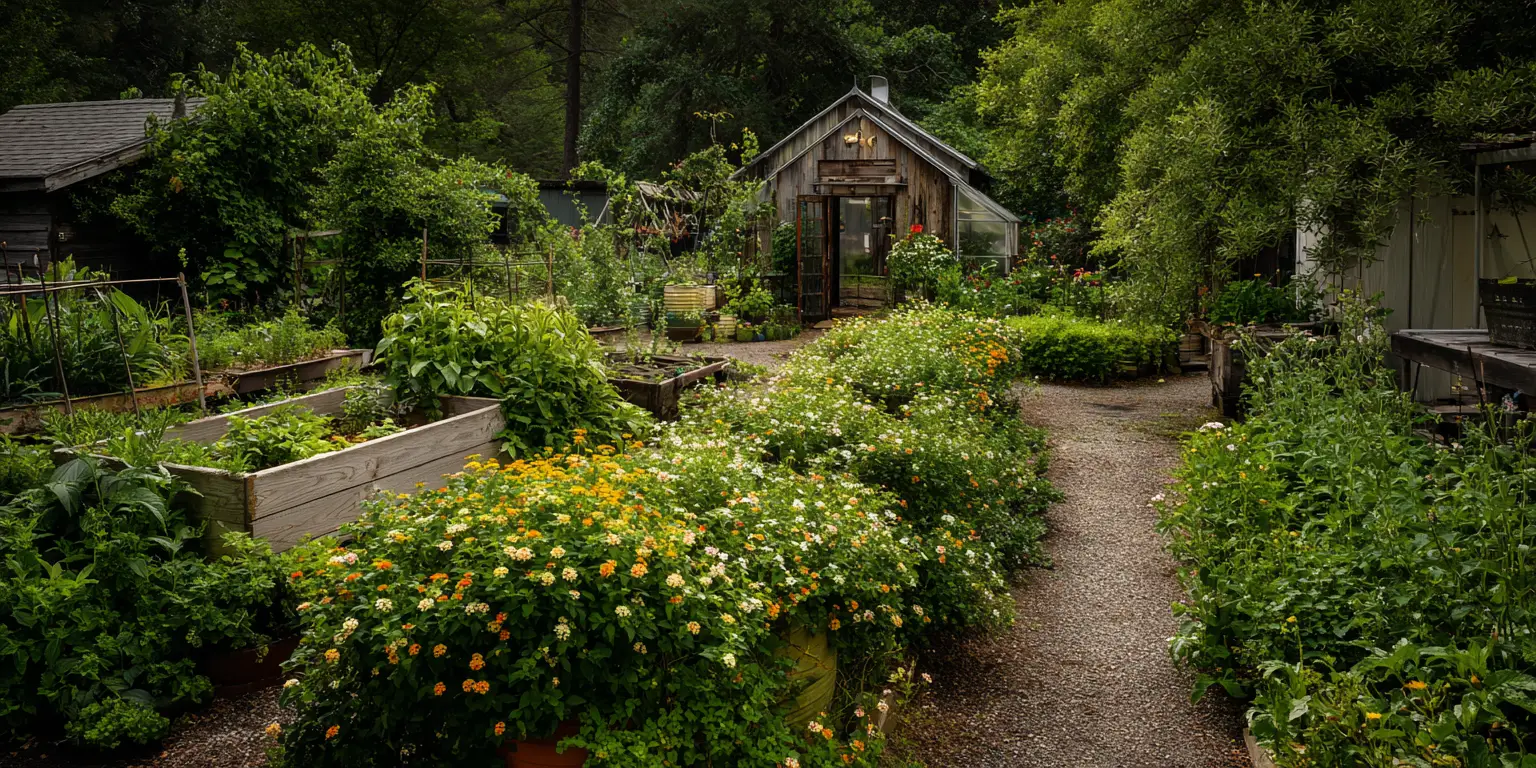
Lantana is a genus of flowering plants known for its tight clusters of small blooms and its tough, heat-friendly nature. Many garden lantanas are tender perennials or shrubs from tropical regions, but in cooler climates they are usually grown as annuals. They are in the verbena family (Verbenaceae) and the flower clusters often show more than one color on the same head. Butterflies, hummingbirds, and other pollinators regularly visit the flowers, especially in warm, sunny spots. Lantana handles heat, short dry spells, and lean soil better than many garden flowers, and it can bloom from late spring until frost in the right conditions. Use it in beds, as a low hedge or groundcover, or in containers on patios and balconies. Trailing types spill nicely over the edge of a pot or hanging basket. If you want long-season color with straightforward care, lantana is a dependable pick.

A clear, step-by-step guide to soil, planting, watering, feeding, pruning, and winter care. Includes zone timing, container tips, companions, and quick fixes for common problems.

Bouquet Ideas
Explore simple, beautiful bouquet ideas for the home, gifts, and special occasions from romantic mixes to clean, minimal styles. Each idea includes suggested flower combinations, color palettes, and sizes, with photos for quick inspiration.
🌱 Taxonomy and origin
Lantana is in the verbena family and includes more than 150 species. The most commonly grown species is Lantana camara (often called common lantana or shrub verbena), native to tropical parts of Central and South America, including the West Indies. Another popular species is Lantana montevidensis, often sold as trailing or weeping lantana, which stays low and spreads easily. Many garden selections are hybrids and cultivars based on these species. Most lantanas have rough, green leaves with a sandpapery feel and a strong scent when crushed. After flowering, the plants can produce small, berry-like fruits.
Lantana reached European gardens in the 17th century and later spread worldwide as an ornamental. In mild, frost-free climates it can escape cultivation and naturalize. In some regions it is invasive, including parts of the southeastern United States (such as Florida), Hawaii, Australia, South Asia, and parts of Africa. Birds eat the berries and move the seeds, which helps the plant spread. The genus name comes from a European plant, the wayfaring tree (Viburnum lantana), whose flower clusters look similar. You may also see lantana sold under common names like shrub verbena, Spanish flag, yellow sage, or wild sage (it is not a true sage).
🌸 Bloom time
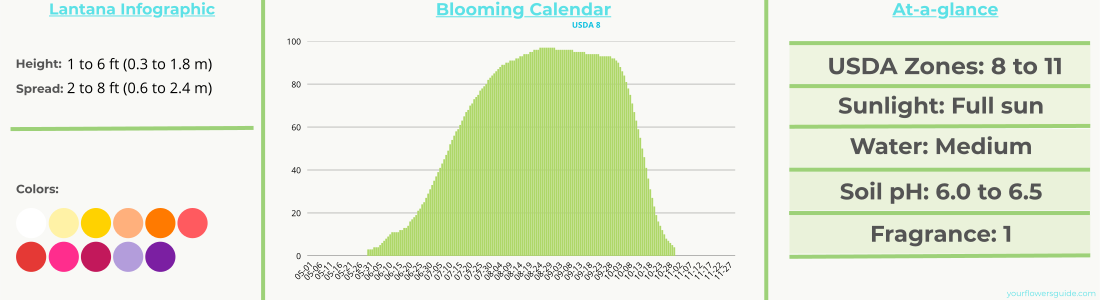
Lantana blooms for a long stretch. In most gardens it starts flowering in late spring or early summer and keeps going through summer into fall, often until the first frost. In frost-free climates, some plants bloom off and on for much of the year. New flower clusters keep forming during the growing season. Deadheading can push more flowering by reducing seed set, and light trimming can keep the plant compact. Many newer cultivars flower heavily without much fuss, but a quick cleanup now and then can keep them looking neat.
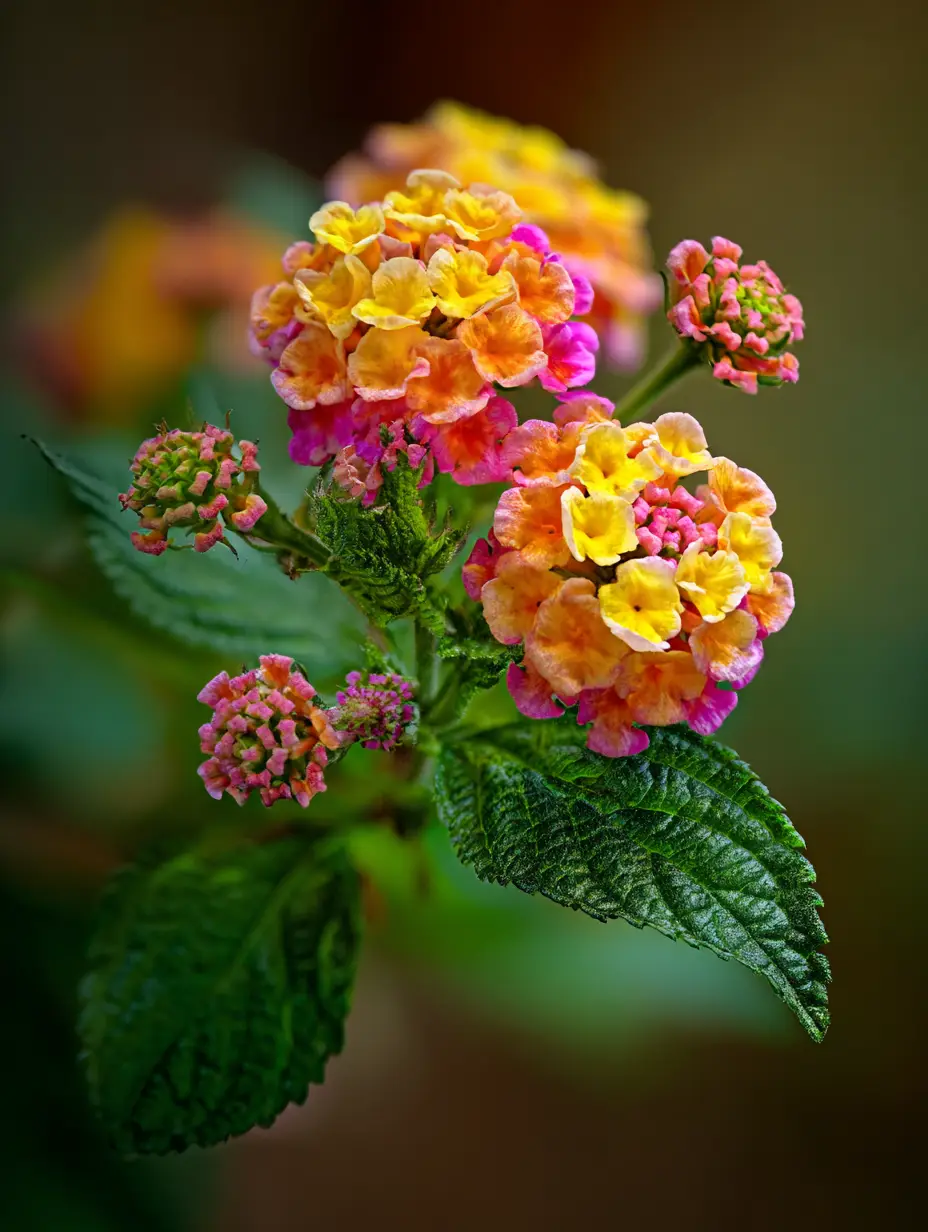
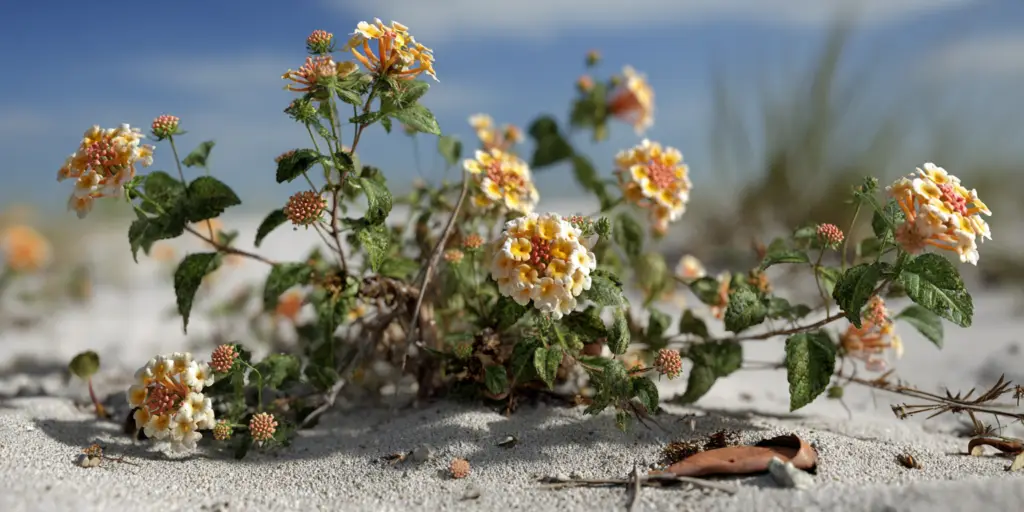
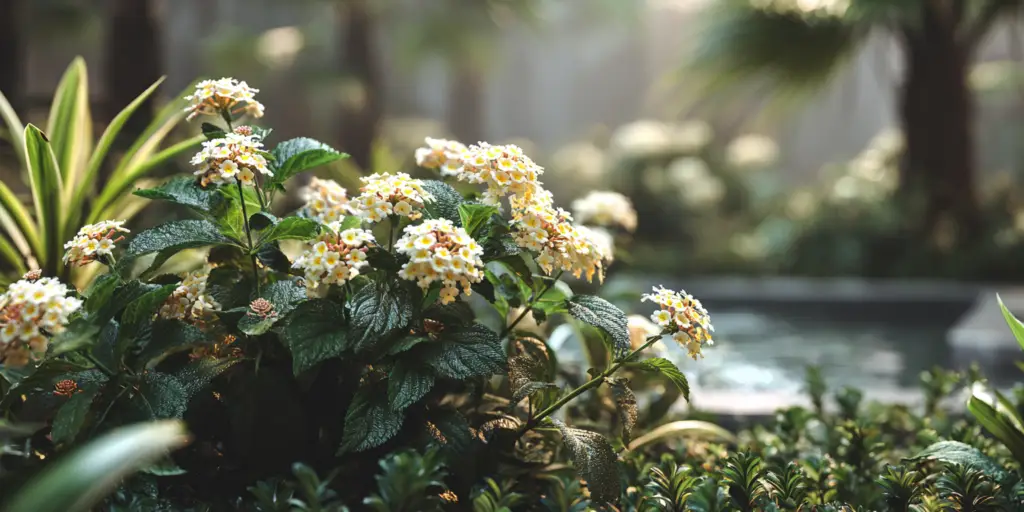
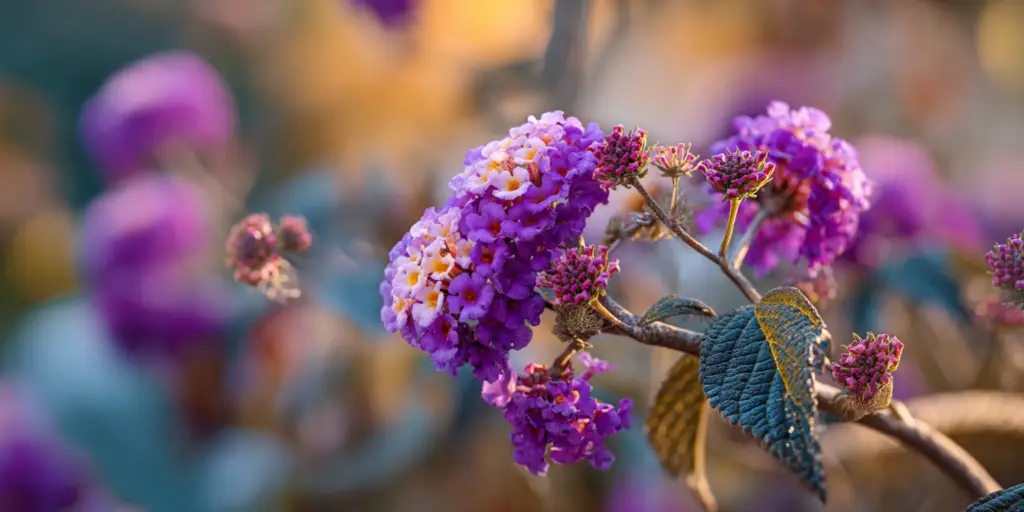
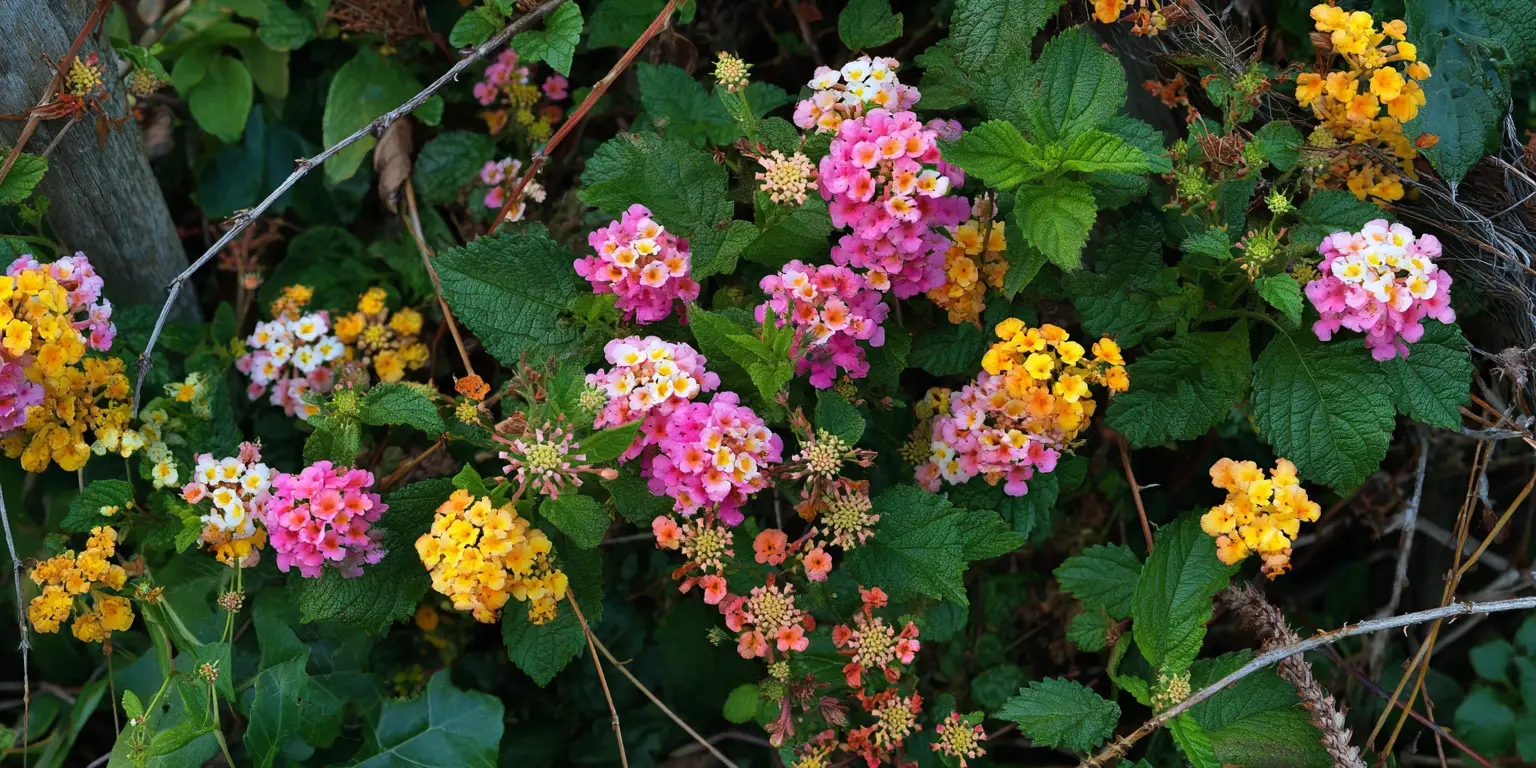
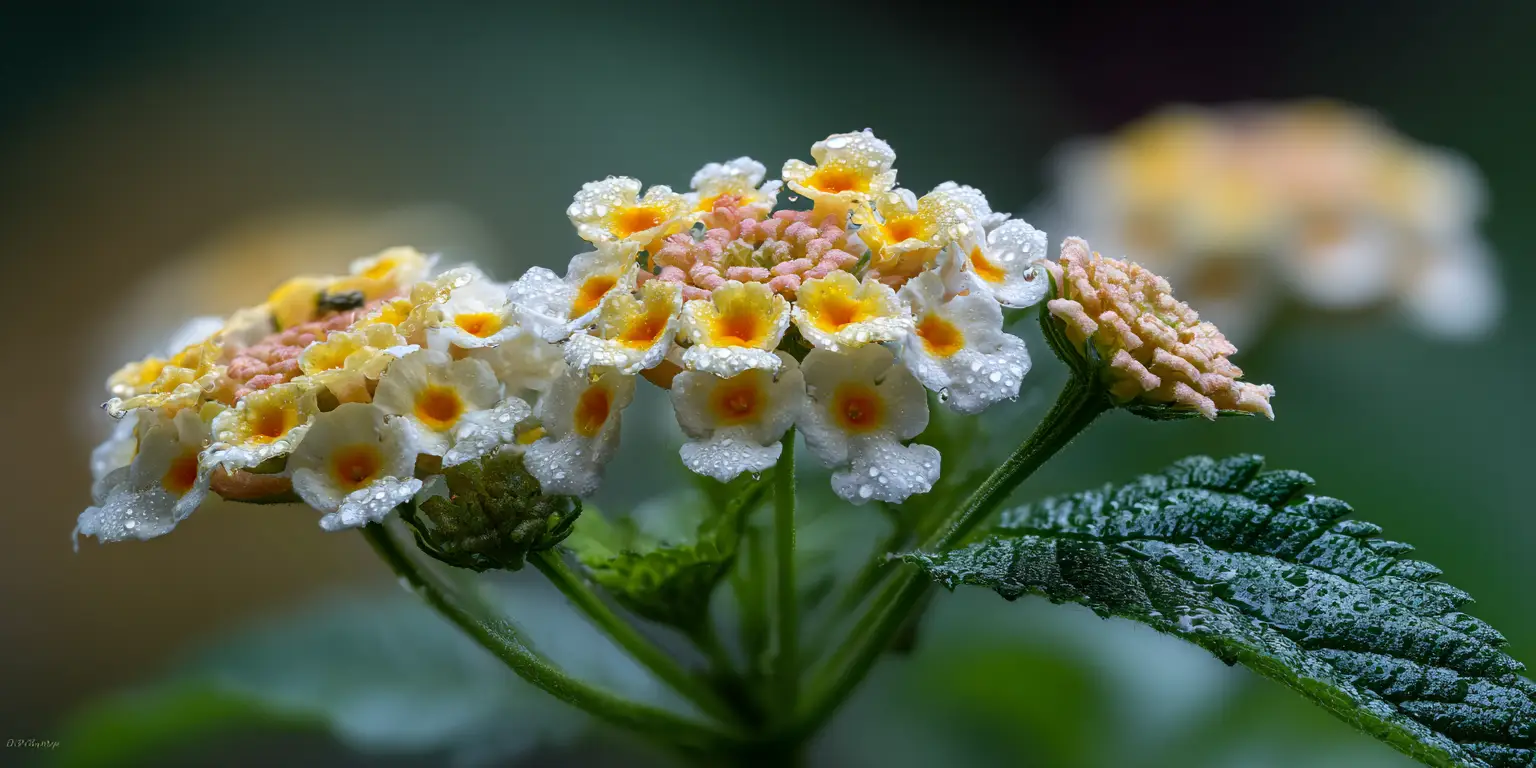
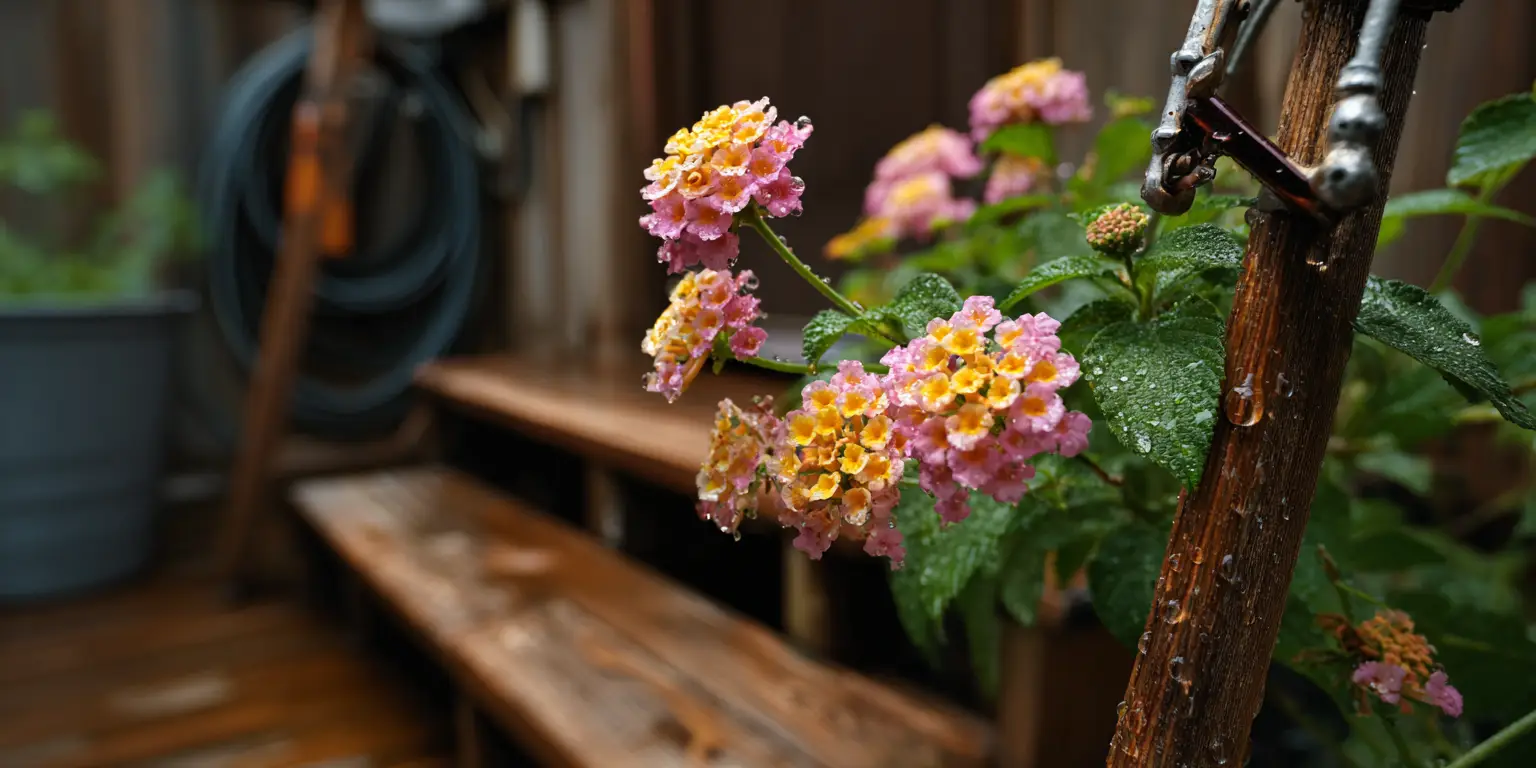
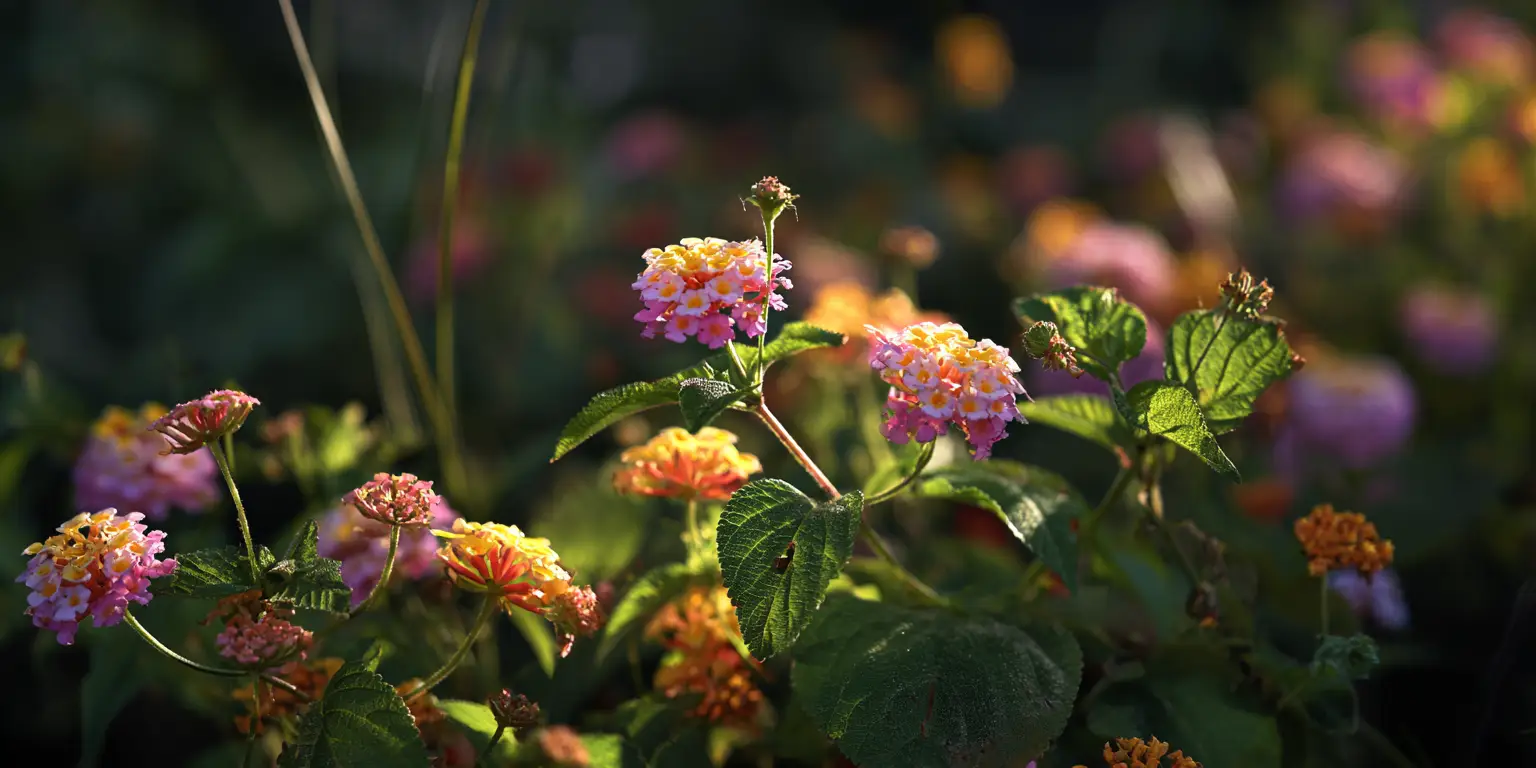
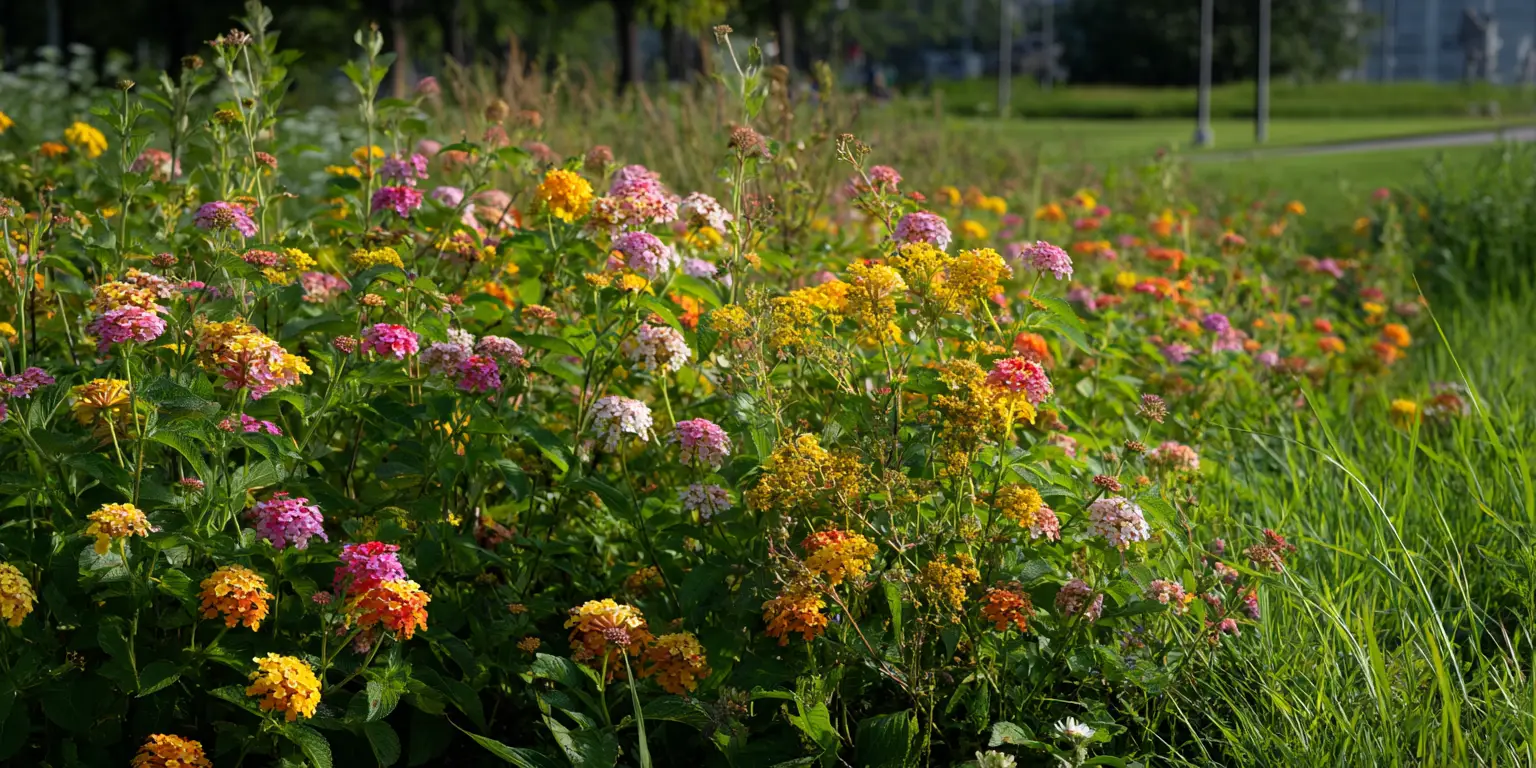
Lantana flowers come in many warm shades. Common cultivars mix yellow, orange, red, and pink in the same cluster, and the colors can shift as the tiny florets age. Trailing types like Lantana montevidensis usually lean cooler, with lavender to purple flowers and sometimes white. One thing to know: lantana does not produce true blue flowers. The color-changing clusters are part of the appeal, and because new florets keep opening, a healthy plant usually shows color through the hottest part of summer.

📏 Height and spread
Lantana‘s size depends on the variety, but most grow as bushy, spreading plants. In warm climates where lantana can live year-round, common lantana shrubs often reach about 3 to 6 feet tall (1 to 2 meters) and can spread as wide or wider. Grown as an annual, it typically tops out around 1 to 3 feet in a season. Trailing types such as Lantana montevidensis stay low (often under 1 foot) but can run several feet across, which works well as a flowering groundcover or a cascading container plant. Dwarf forms stay closer to 12 to 18 inches tall and make tidy edging plants. Lantana grows quickly once established and often ends up wider than it is tall. If it starts to sprawl or get leggy, a trim helps it branch and flower more densely.
☀️ Light
Lantana needs plenty of sun to flower well. Aim for at least 6 to 8 hours of direct sunlight a day. The more sun it gets, the better the bloom. In partial shade, the plant may survive but it usually flowers less and stretches toward the light. Deep shade leads to thin growth and few or no blooms. If you want consistent flowering, plant lantana in the brightest spot you have.
💧 Water
Once established, lantana is fairly drought-tolerant, which is why it shows up in hot, sunny landscapes. For the best growth and flowering, give it regular water while it is getting established and during long dry spells. Water when the top inch or two of soil feels dry. Good drainage matters most: lantana does poorly in soggy soil. Deep, occasional watering is usually better than frequent light sprinkling.
In containers, lantana dries out faster and needs more frequent checks, especially in hot weather. Water thoroughly when the surface of the potting mix is dry, and make sure the pot has drainage holes. Even though lantana can handle some drought, steady moisture usually means more flowers. Too much water, or very rich, constantly moist soil, can push leafy growth with fewer blooms. Keep the mix evenly moist, not wet, and let the top layer dry slightly between waterings.
🌍 Soil and pH
Lantana is not picky about soil as long as it drains well. Sandy or loamy soil is ideal, but it can grow in heavier soil if you improve drainage around the roots. If you have dense clay, work in coarse sand, small gravel, or compost to loosen the planting area. The main thing to avoid is standing water or soil that stays wet for long periods.
Lantana prefers slightly acidic to neutral soil, around pH 6.0 to 7.5, but it tolerates slightly alkaline conditions, too. Very high pH soils can sometimes cause nutrient issues such as iron chlorosis (yellowing leaves), but most garden soils work fine without special amendments.
Lantana does not need rich soil. Too much nitrogen or frequent feeding often results in lots of green growth and fewer flowers. If you fertilize, a light dose of a balanced, slow-release fertilizer in spring is usually enough, especially in containers. In the ground, many gardeners skip fertilizer entirely and still get strong growth and plenty of bloom. Plant it in well-drained soil and keep feeding modest.
❄️ USDA hardiness
Lantana is sensitive to cold and grows best where winters are mild. It is typically winter-hardy outdoors in USDA Zones 9 to 11, where it can live year to year and become a woody shrub. In Zones 10 to 11 it may stay evergreen. In Zone 8 (and some protected 7b spots), a few hardy selections of Lantana camara may return from the roots after winter, especially with heavy mulch and a short, mild freeze. The cultivar ‘Miss Huff’ is one example often grown in Zone 7b/8a. In these borderline areas, the top growth usually dies back, then the plant resprouts in late spring.
In colder regions, lantana is grown as an annual because freezing weather kills the top growth and often the whole plant. A light frost damages leaves, and a harder freeze can kill it to the ground. Gardeners in Zones 8 and colder usually replant each spring or overwinter plants indoors. Containers make this easier: move the pot inside before frost, or take cuttings in late summer for next year’s plants (see Propagation and Longevity below). Wait until the risk of frost has passed before planting lantana outdoors in spring, and plan ahead if early fall frost is common where you live.
🌼 Propagation and longevity
Propagation by seed. Lantana can be grown from seed, though results vary with hybrids. If flowers are pollinated and berries form, each ripe black berry contains a seed. In warm climates, fallen berries may sprout on their own, which is one reason Lantana camara can spread where it does not freeze. In colder areas, you can collect fully ripe black berries in fall and save the seed. Start seeds indoors about 6 to 8 weeks before your last spring frost. Soak the seeds in warm water for 24 hours to soften the coat, then sow them in a sterile seed-starting mix. Keep the mix lightly moist and warm (around 70 to 75 F / 21 to 24 C). Germination can take several weeks. If you want plants that match a specific cultivar, cuttings are more reliable.
Propagation by cuttings. Stem cuttings are the quickest and most dependable way to make new lantana plants that match the parent. Take softwood cuttings (fresh, non-woody growth) about 4 to 6 inches long in late spring or early summer. Remove flowers or buds, and strip the leaves from the lower half of the stem. Rooting hormone is optional but can help. Insert the cutting into a small pot filled with a moist, fast-draining medium such as a peat-and-perlite mix. Keep it warm (around 70 F and up) in bright, indirect light. Higher humidity improves success, so loosely cover the pot with clear plastic or use a propagation dome. Roots often form in about 3 to 4 weeks. New growth and gentle resistance when tugged are good signs the cutting has rooted.
You can also take semi-ripe or hardwood cuttings in late summer or early fall, before frost, to keep a favorite plant going through winter. Pot the cuttings and keep them indoors in a bright spot or under grow lights. By spring, you will have established young plants ready to move outside after the last frost.
Longevity. In tropical and frost-free climates, lantana can live for years and grow into a small shrub with woody stems. Older plants may get leggy over time and benefit from a hard prune to refresh growth. In places with cold winters, lantana usually lasts only one outdoor season. Many gardeners treat it as an annual and replace it each spring, unless they bring plants inside or save cuttings.
Even in colder zones, you can carry lantana over from year to year if you bring it indoors. Potted plants can spend winter in a bright room, or in a cool garage or basement where they rest with very little water. Some gardeners lift plants from the ground in fall, cut them back, and store the rootball in slightly moist sand or sawdust in a frost-free spot until spring. Results vary, but it can work. In warm climates, lantana behaves like a perennial shrub. In cold climates, its longevity depends on whether you overwinter it or start new plants from cuttings.
👃 Fragrance
Lantana is not grown for fragrance. The flowers usually have little scent, though a few varieties carry a faint sweet note up close. The leaves, however, release a strong smell when rubbed or crushed. People describe it in different ways, but many find it sharp and unpleasant. Because of that, lantana sometimes gets the nickname “stinkweed.”
That leaf odor may help deter browsing animals and some insects, which is one reason lantana is often deer- and rabbit-resistant. If you prune or brush against the plant, the smell can linger on your hands, so gloves can help. If fragrance is a priority in your garden, pair lantana with more fragrant plants nearby and let lantana do the color work.
⚠️ Toxicity and pet safety
Lantana is toxic to many animals and can also cause illness in people if eaten. All parts of the plant contain toxic compounds, and the unripe green berries are a particular concern. Pets that chew on leaves or berries may drool or develop stomach upset. Larger ingestions can be more serious. Lantana is considered toxic to dogs, cats, and horses, and grazing livestock can also be affected if they eat enough of the plant.
People usually avoid eating lantana because the plant tastes bitter, but children can be tempted by the berries. Illness has been reported after eating unripe berries, so it is best to treat all berries as unsafe. Birds commonly eat ripe, dark berries, but that does not make them safe for people or pets. If you have young children or curious animals, plant lantana out of reach and remove berry clusters as they form.
Some people also react to handling lantana. The leaves are slightly bristly and the sap can irritate sensitive skin, leading to redness or itching. If that happens, wear gloves and long sleeves when you prune or move the plant.
Handle lantana the way you would other common toxic ornamentals such as azaleas, oleander, or foxglove. Enjoy it, but discourage pets from chewing on it and teach children not to taste berries or leaves. If accidental ingestion happens, contact a veterinarian or a medical professional promptly.
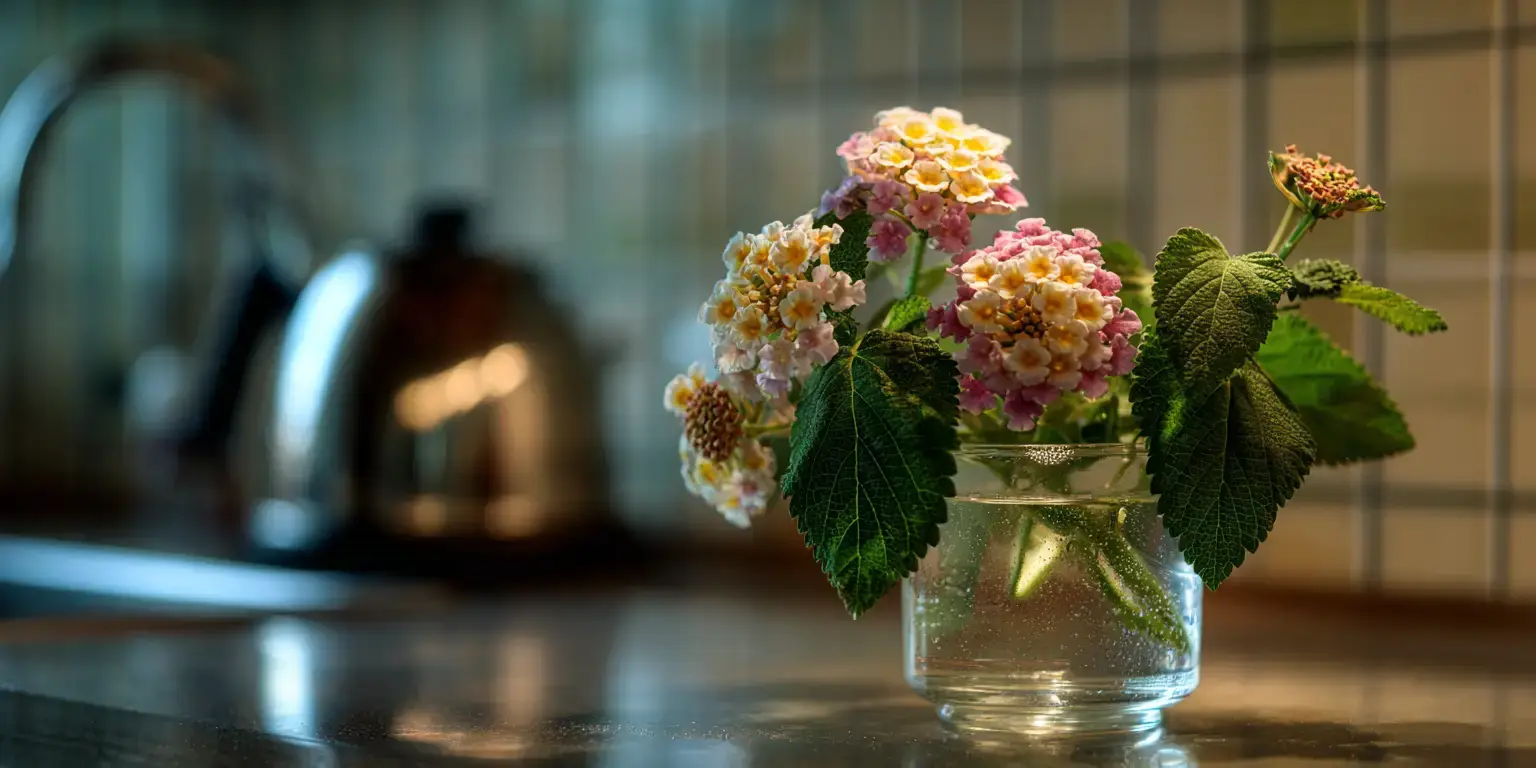
🌿 Vase life
Lantana is mainly a landscape plant, not a cut flower. The clusters do not last long in a vase, and the foliage can smell strong indoors. Cut stems often wilt after a few days. Under good conditions you may get about 3 to 5 days of decent color, but many people find the indoor result underwhelming.
If you want to try lantana in a vase, cut stems early in the morning and choose clusters with a few unopened buds. Place stems in clean, lukewarm water right away. Strip leaves that would sit below the water line. A floral preservative may help a little. Keep the arrangement out of direct sun and away from heat. Even with good care, expect a short vase life compared with most traditional cut flowers.
Many classic cut flowers last longer indoors. Zinnias and sunflowers, for example, often stay fresh for a week or more. That is why most gardeners use lantana outdoors, where it keeps producing new blooms through the season. If you bring a few sprigs inside, treat it as a brief splash of color and plan to replace it soon.
🐛 Pests and diseases
Lantana is usually hardy when it gets sun and well-drained soil, but it can still run into a few pests and occasional disease problems. Deer and rabbits typically leave it alone. Issues are more common when the plant is stressed or kept indoors for winter. Here are the problems you are most likely to see.
- Common pests on lantana are sap-suckers. Whiteflies are frequent on plants grown indoors or in greenhouses, clustering on leaf undersides and leaving sticky honeydew. Spider mites show up in hot, dry weather and cause fine stippling on leaves, sometimes with light webbing. Aphids may gather on soft new growth. Lantana lace bugs feed under the leaves and can leave foliage looking pale and stippled. Mealybugs can also appear on potted plants, especially those overwintered indoors.
These pests rarely kill lantana, but they can weaken it and reduce flowering if ignored. Start with gentle steps: rinse leaves with water, especially the undersides, and remove heavily infested growth. Insecticidal soap or neem oil can help when used according to the label, with thorough coverage. Keeping the plant in full sun and avoiding overly sheltered, still air also helps. If you bring lantana indoors, inspect it regularly because whiteflies and mites can build up quickly inside.
- Lantana resists many diseases, especially in sunny, dry conditions, but a few fungal problems can occur. Powdery mildew may appear as a white coating on leaves, often when plants are crowded, shaded, or in humid weather. Improve airflow, avoid overhead watering, and thin the plant if needed. A labeled fungicide can be used if the problem is severe.
Root rot is usually the result of soil that stays wet. When roots sit in waterlogged conditions, they can rot and the plant may wilt and yellow even if the soil is moist. Prevention is the real fix here: plant in well-drained soil and avoid overwatering.
Leaf spot can show up as dark spots or patches, most often in warm, wet conditions. It is usually minor. Remove badly spotted leaves and avoid wetting the foliage when you water.
If whiteflies or other sap-suckers leave a lot of honeydew, you may see sooty mold on the sticky coating. It looks like a black film on the leaf surface. The solution is to control the insects and wash the residue off the leaves.
Botrytis (gray mold) is uncommon outdoors, but it can appear in nurseries or humid, protected spaces, especially on old flowers. Good airflow and cleaning up spent blooms help prevent it.
With full sun, good drainage, and sensible watering, lantana has few serious problems. Check plants occasionally for pests, especially on the undersides of leaves, and deal with issues early so flowering stays steady through the season.
FAQ
Is lantana an annual or perennial?
Lantana is a tender perennial by nature (a woody shrub in warm climates), but many people grow it as an annual. In USDA Zones 9 to 11, lantana can survive winter outdoors and return each year. In Zones 8 and colder, frost usually kills it, so it is treated as an annual: planted in spring and replaced after fall frost. In borderline areas, a few hardy selections (such as ‘Miss Huff’) may return with heavy mulching, but most lantana will not overwinter outdoors unless winters are mild and short.
How do I overwinter lantana in cold climates?
Lantana cannot handle freezing temperatures, so you either bring it inside or save it as cuttings. If the plant is in a pot (or you can pot it up), move it indoors before the first frost. Keep it in a bright spot and on the cool side. Cut it back by about one-third to one-half to keep it manageable. It may drop leaves and stop flowering indoors. Water lightly, just enough to keep the soil from drying out completely. You are simply keeping it alive until spring.
Another option is to take cuttings in late summer or early fall, root them, and keep the young plants under lights or in a bright window through winter. In milder areas, some gardeners cut plants back and mulch heavily, but results depend on how cold and how long the ground freezes. Whatever method you use, act before frost arrives. Once the plant freezes, it is often too late.
Do lantana flowers attract butterflies and hummingbirds?
Yes. Lantana flowers produce nectar and are popular with butterflies and hummingbirds. Butterflies such as swallowtails, monarchs, painted ladies, and others often visit through summer. Hummingbirds also feed from the florets. Bees and some moths may show up as well. A sunny planting and a long bloom season make lantana a steady food source for pollinators.
Is lantana invasive?
It can be, especially in warm, frost-free areas. Lantana camara has escaped gardens and formed dense thickets in parts of the southeastern United States, Hawaii, and in many tropical and subtropical regions worldwide. Birds spread the seeds after eating the berries. If you live where lantana can survive year-round, check local guidance and consider sterile cultivars that produce little or no viable seed. In climates with regular winter freezes, lantana is much less likely to become invasive because it does not persist and spread as easily.
Is lantana poisonous to pets or people?
Yes. All parts of lantana are considered toxic, with the greatest concern from leaves and unripe berries. Pets that eat lantana may vomit or develop diarrhea and drooling. Larger ingestions can be more serious. For people, illness has been reported after eating unripe berries, so it is best to treat the plant as inedible. Plant lantana where pets and children will not snack on it, and wash hands after pruning. If ingestion is suspected, contact a veterinarian or a medical professional promptly.
How and when should I prune lantana?
If your lantana grows as a perennial, do hard pruning in late winter or early spring. Many gardeners cut it back to 6 to 12 inches to remove dead wood and spur fresh growth. Lantana flowers on new growth, so it rebounds well. During the growing season, light trimming helps shape the plant and encourages branching. If it gets leggy, cut it back by about a third and it will usually fill in again after a short pause. Deadheading is another form of pruning and can keep the plant tidy. Use clean, sharp shears, and wear gloves if the leaf oils bother your skin. Avoid heavy pruning late in fall in borderline climates, since fresh growth is more vulnerable to cold.
Do I need to deadhead lantana?
You do not have to for the plant to keep flowering, but it often helps. Removing spent clusters can lead to more blooms, keeps the plant looking cleaner, and reduces berry formation. That last point matters in warm areas where lantana can spread. Some newer hybrids are fairly self-cleaning, but a quick pinch or snip of old heads can still speed up the next flush of flowers.
Why is my lantana not blooming?
Most bloom issues come down to sun, water, or fertilizer. Common causes include:
– Not enough sun. Lantana needs full sun to flower well. In shade it may grow leaves but produce few blooms.
– Too much fertilizer or rich soil. High nitrogen pushes leafy growth instead of flowers.
– Too much water or poor drainage. Constantly wet soil stresses the plant and can lead to root problems.
– Cool weather or recent transplanting. Lantana blooms best once temperatures warm and the plant has settled in.
– Pests. Heavy infestations (such as lace bugs, mites, or whiteflies) can sap energy and reduce flowering.
Also check for old flower heads that have turned to seed. Snipping them off can push the plant back toward bud-making. If you fix only one thing, start with light: move the plant to a sunnier spot if you can. After that, ease up on fertilizer and make sure the soil drains well.
Will lantana grow in shade?
It will grow in partial shade, but it will not flower as well as it does in full sun. In full shade, growth becomes thin and leggy and blooms may be sparse or absent. If you must plant in a shadier location, try to give it morning sun. If flowering is the goal, a brighter spot is usually the fix.
Interesting tips
- Color-changing blooms. Lantana flower clusters often shift color as they age. A cluster might open yellow, move into peach or orange, and finish pink or red. This shift may also help pollinators, since the newest florets often have the freshest nectar.
- Trainable as a small tree. With patience, lantana can be trained into a standard form. Gardeners stake one stem upright, remove side shoots, and let a rounded head of growth develop at the top. In a container, a lantana standard can make a neat focal plant. Regular pruning keeps the shape, and staking supports the trunk as it thickens.
- Sterile cultivars. In areas where lantana is invasive or you worry about spread, look for sterile cultivars that produce little or no viable seed. These types still flower heavily, and they reduce the risk of self-seeding into surrounding areas.
- Uses beyond ornamentals. In some places, mature lantana stems have been used for basketry and small furniture. Some traditional medicine systems also used lantana parts, but the plant is toxic, so any medicinal use carries risk and should not be attempted without professional guidance.
- Allelopathic effects. Lantana can sometimes slow the growth of nearby plants by releasing compounds from roots and decaying leaves. In a garden, you may notice fewer plants thriving directly underneath a large lantana. Cleaning up fallen leaves and giving neighboring plants space can help.
- Natural pest deterrent. Oils in lantana leaves can deter some insects. Extracts have been studied for repelling mosquitoes. Planting lantana will not solve a mosquito problem on its own, but it is one reason the foliage often sees less chewing than softer-leaved plants.
Related Guides & Flowers
- Verbena
Small clusters of color with a similar airy look. Great for long bloom and pollinator gardens. - Scarlet Sage
Bold summer color on upright spikes, loved by hummingbirds and butterflies in warm weather. - Zinnias
Heat loving annuals with nonstop color and easy care in beds and containers. - Marigolds
Tough, sun loving bloomers with strong color and dependable summer performance. - Coreopsis
Cheerful daisy type flowers that handle sun and lean soil well, similar long season vibe. - Cosmos
Light, breezy flowers that pair well with lantana in cottage style and pollinator beds. - Mexican Sunflower
Big, vivid summer color and strong pollinator value for hot, sunny spaces. - Butterfly Weed
Bright orange blooms with strong butterfly value, good match for a sunny wildlife garden.
References
- Lantana plant directory profile, University of Florida IFAS
Good for verified botany, habit, and plant description details. - Annual of the Week: Lantana, Ohio State University
Useful for landscape use notes, growth habit, and cultivar style context. - Plants Poisonous to Livestock: Lantana camara, Cornell University
Strong reference for livestock toxicity and photosensitization overview. - Lantana camara, Guide to Poisonous Plants, Colorado State University
Helpful for livestock poisoning details and which plant parts are toxic. - Lantana, ASPCA Toxic and Non Toxic Plants
Best quick citation for dog and cat toxicity and common clinical signs.
Written by: Your Flowers Guide editorial team
We are a small independent group of flower lovers who research and review each guide using trusted horticultural and educational sources. Learn more about us